History
The Matheysine plateau in Isère lies at approximately 900 metres altitude and contains a synclinal anthracite gisement within the Belledonne crystalline zone. Although the presence of coal was known in the medieval period — a text of 1455 refers explicitly to mining near La Mure — exploitation for industrial purposes developed from the seventeenth century, initially to supply lime kilns in the Grenoble region. In 1768 the baron de Venterol, seigneur de La Motte, opened the first horizontal galleries at La Motte-d'Aveillans.
The concession framework was established under Napoleon: six concessions were granted from 1805 onwards, the most important being those of the Peychagnard, La Grand'Draye, and the Béthoux. Three of these united in 1806, and the field was progressively consolidated. In 1856, Jules Giroud and his associates established a single company to manage the principal concessions: the Compagnie des Mines d'Anthracite de La Mure. Production reached 75,000 tonnes in 1860, crossed 100,000 tonnes in 1879, 200,000 tonnes in 1901, and 400,000 tonnes in 1930. The opening of the railway from La Mure to Saint-Georges-de-Commiers in 1888 — electrified in 1903 as the first electrified railway line in the world — greatly boosted the ability to market anthracite nationally and internationally.
Three major shafts were sunk across the Matheysine field: the puits Sainte-Marie at La Motte-d'Aveillans (1905), the puits des Rioux at Prunières (1942), and the puits du Villaret at Susville (1948). The puits du Villaret was sunk by the Houillères du Bassin du Dauphiné following nationalisation by decree of 28 June 1946 (effective 1 July 1946), which had created the HBD from the Compagnie des Mines d'Anthracite de La Mure and associated concessions. The Houillères du Bassin du Dauphiné were integrated in 1968 into the wider Houillères de Bassin du Centre-Midi.
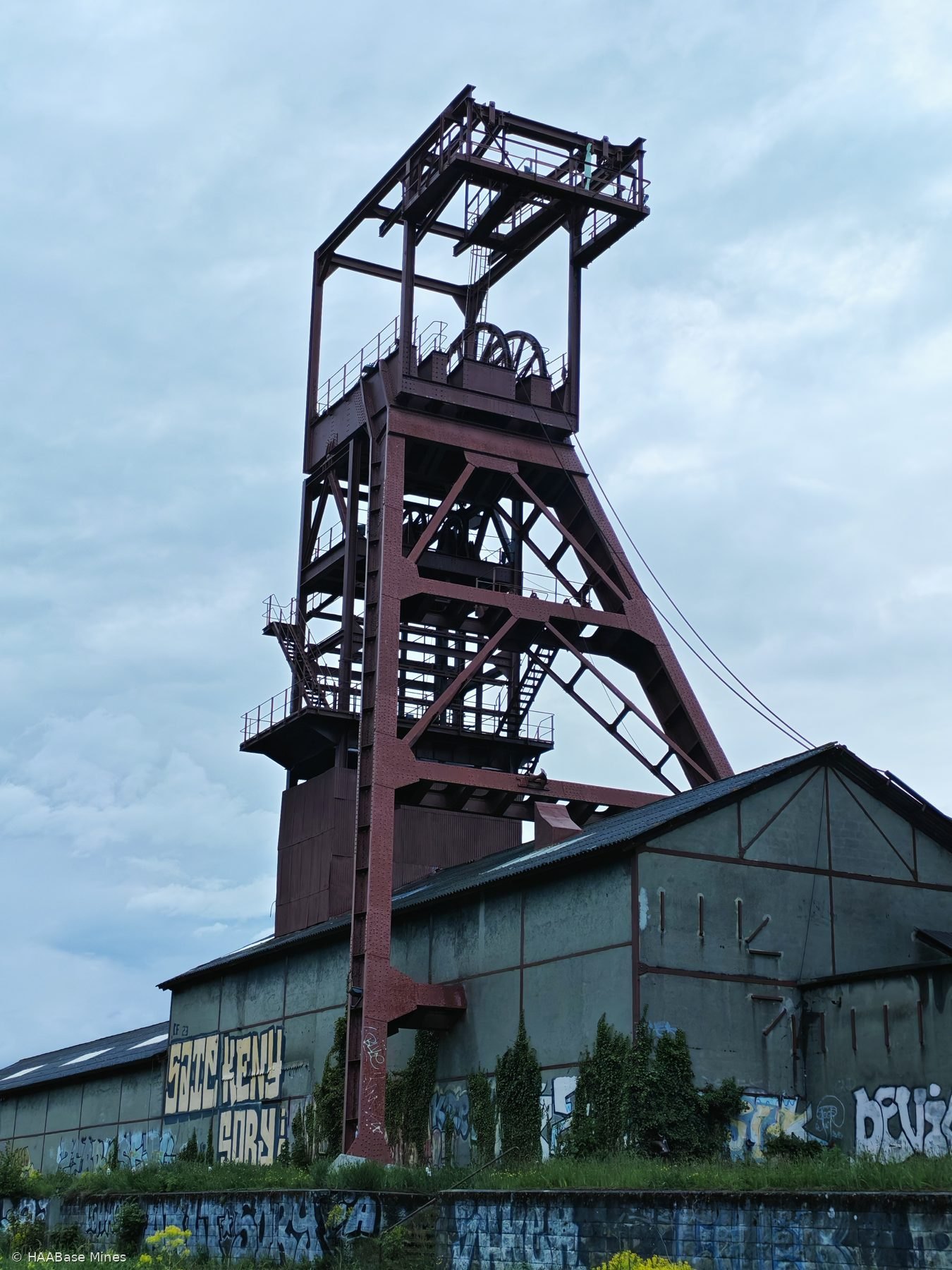
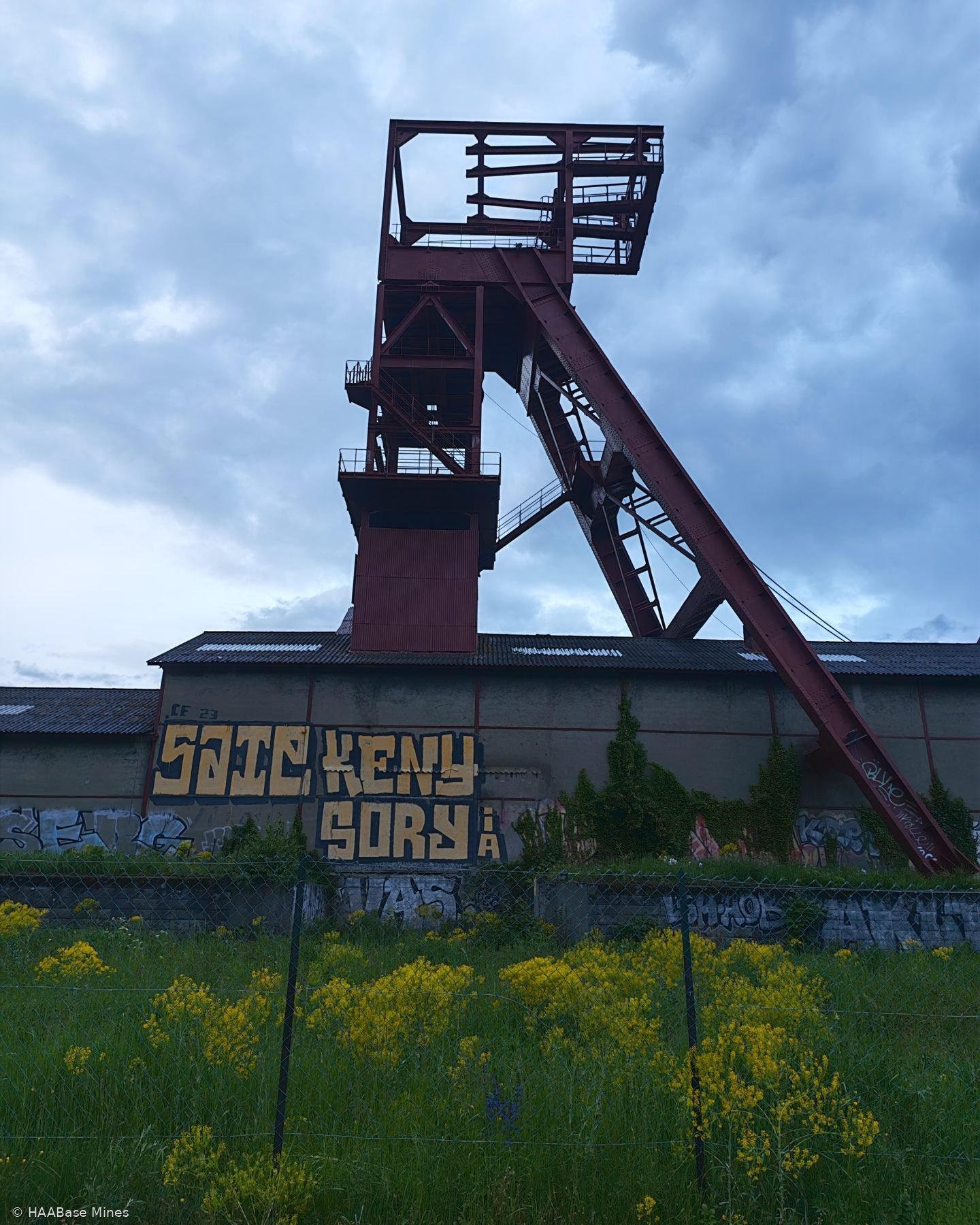
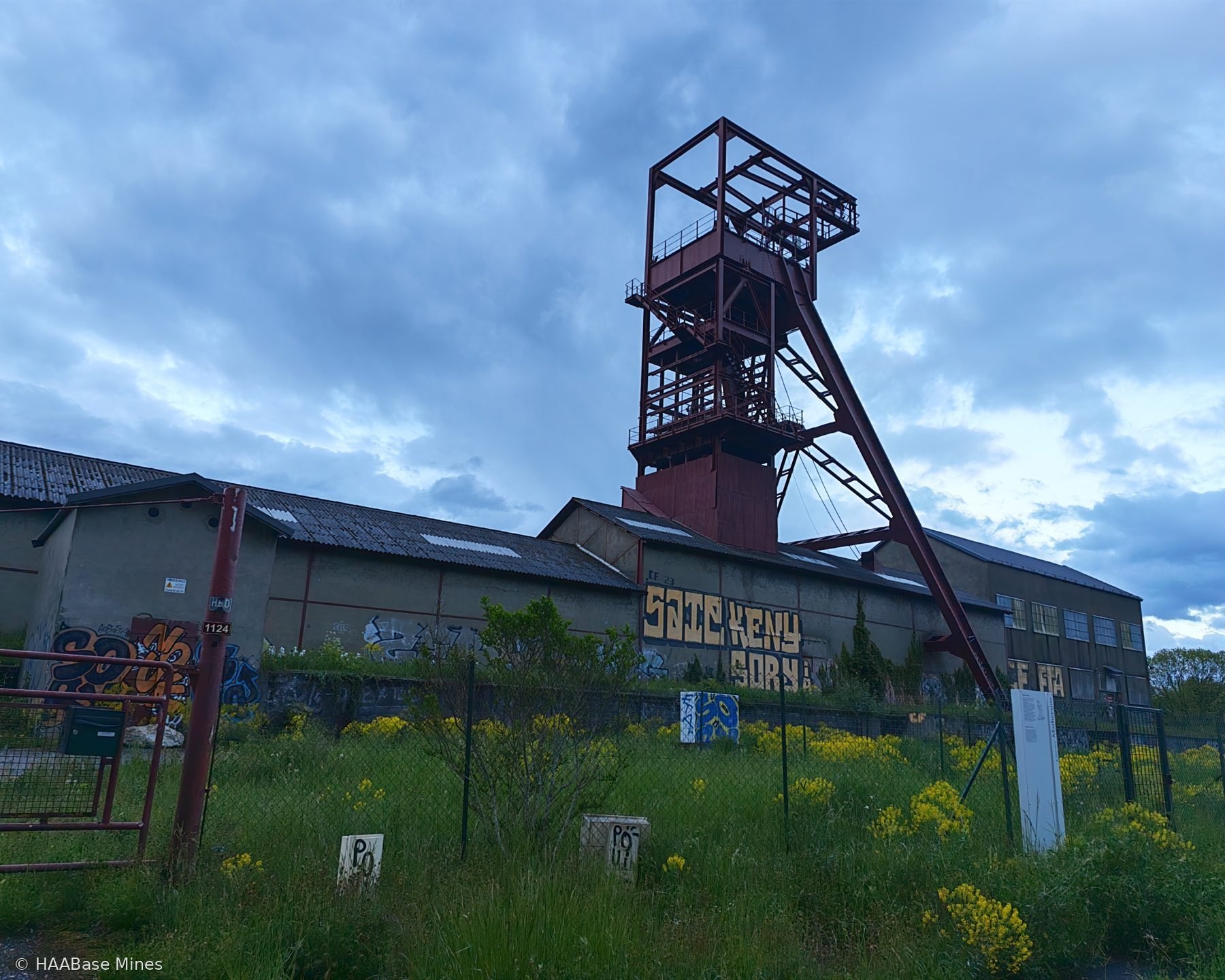
Sinking of the Villaret shaft began in 1948. The ground conditions encountered at the site — specifically the presence of aquifers — required the application of ground-freezing techniques to consolidate more than 100 metres of saturated strata during sinking. The shaft has a diameter of 6.5 metres and an initial depth of 270 metres. The headframe was complete by 1950 and the shaft was operational from 1953. The cage could carry thirty persons; in practice the shaft served primarily for the transport of personnel, materials, and the removal of waste rock (stériles) by 3,000-litre berlines. Coal extraction was brought to the surface via conveyor belt systems connected to the underground workings.
During the 1950s, the production centre of the field shifted from La Motte-d'Aveillans — whose site closed in 1956 — to the Villaret. From 1948 to 1970 the productivity (rendement fond) of the HBD tripled, rising from 1,000 to 3,147 tonnes per man per shift. The Villaret was the field's showcase for mechanisation: pick-working underground gave way to cutting machines (haveuses) and ploughs (rabots). Total basin production passed 385,000 tonnes in 1948 and reached a record of 791,000 tonnes in 1966.
In 1968, the French government announced for the first time that the Houillères du Dauphiné would close by 1975. The 1973 oil crisis and the Kippour War temporarily reversed this policy and sustained production at 300,000–400,000 tonnes with approximately 1,000 workers in 1980. In 1984 the government revised energy policy in favour of nuclear power and gas. In 1989 the minister of industry announced closure by 1994; opposition from miners, the local population, and elected representatives delayed implementation. The Pacte Charbonnier, signed on 20 October 1994 between the Charbonnages de France and the social partners (with the exception of the CGT), set the closure of all French coal production by 2005. The mines of La Mure were the first to close under this agreement. The puits du Villaret closed on Friday 28 March 1997, when the last tonne of anthracite from the Matheysine was brought to the surface.
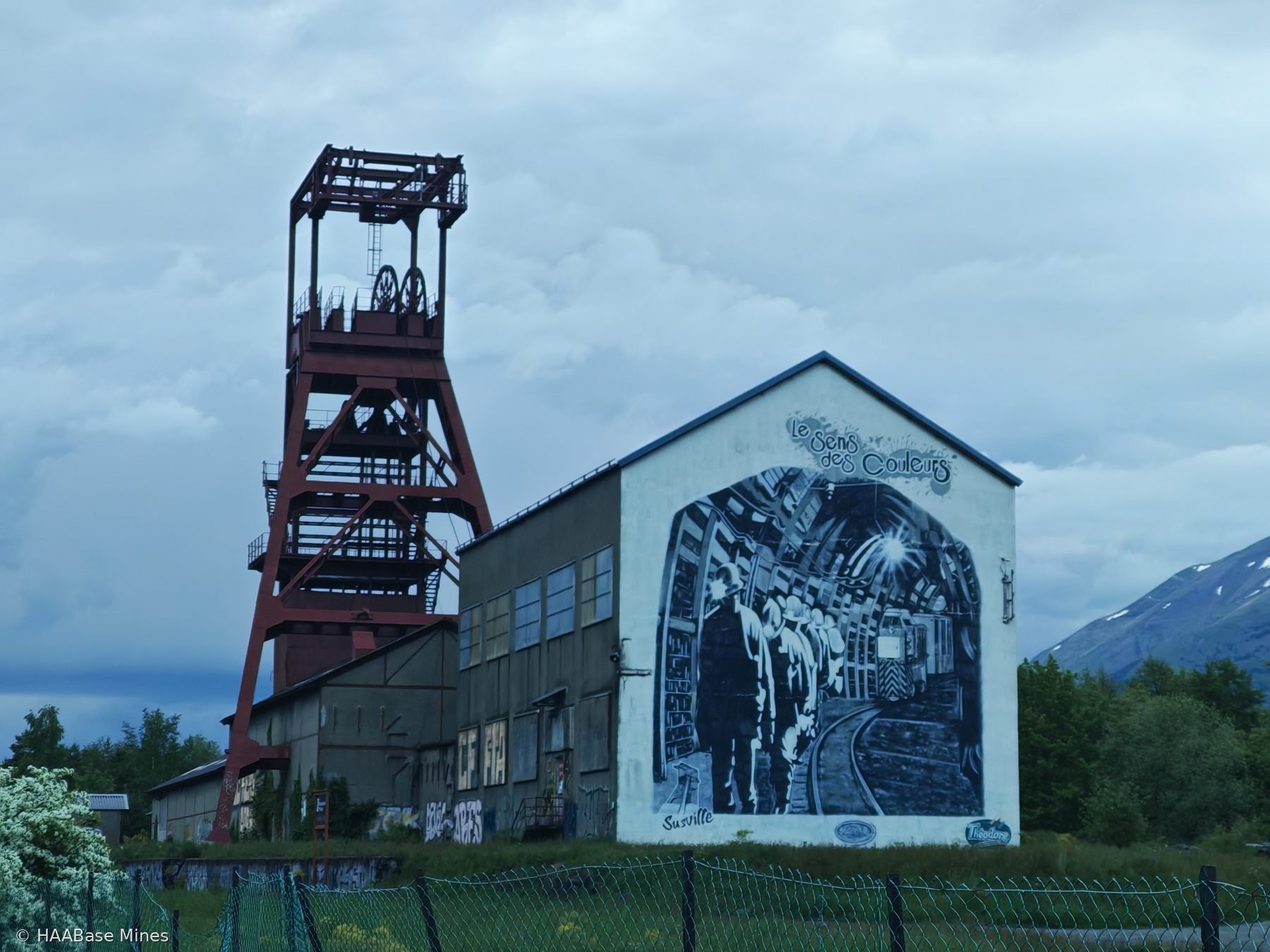
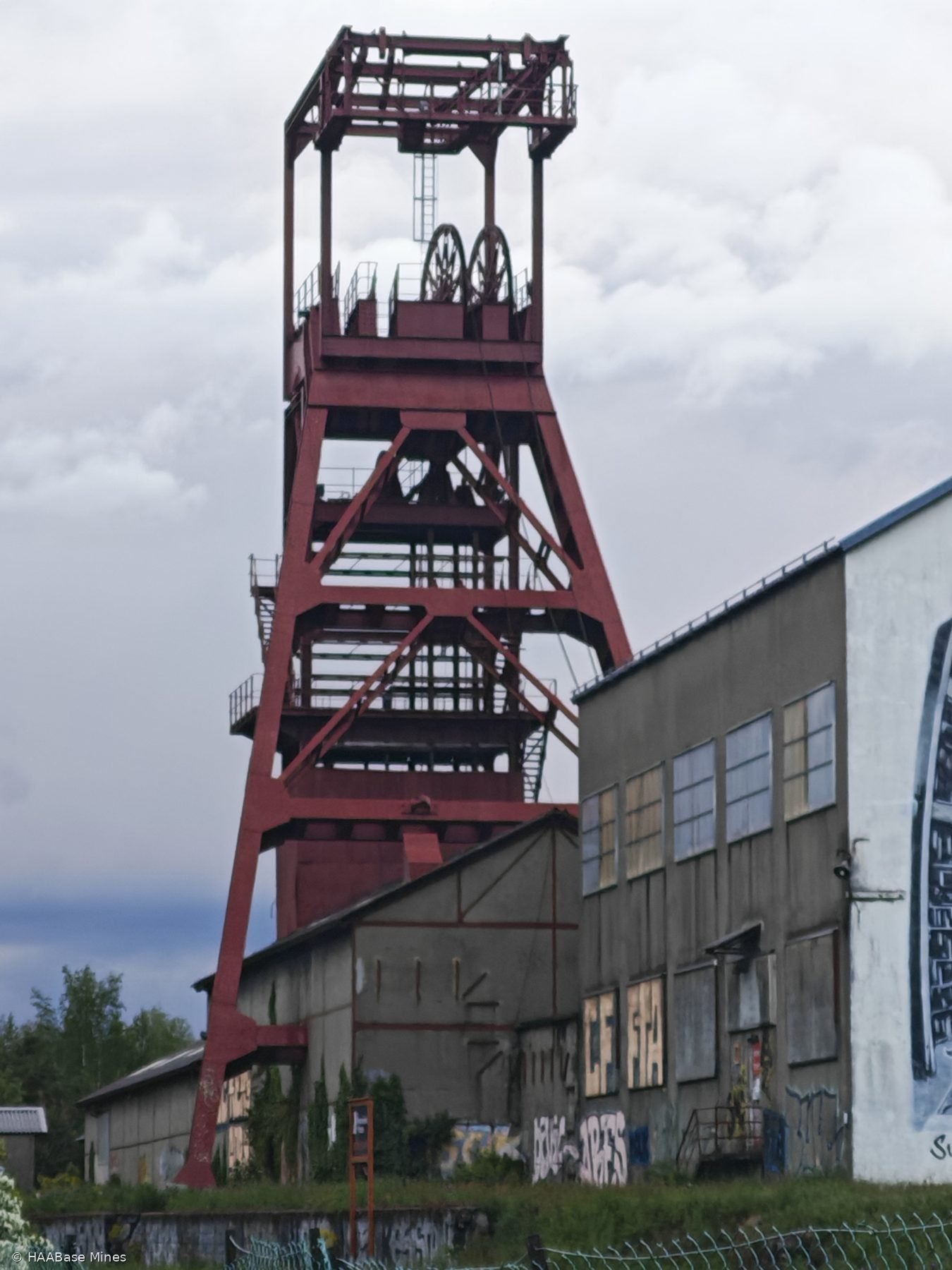
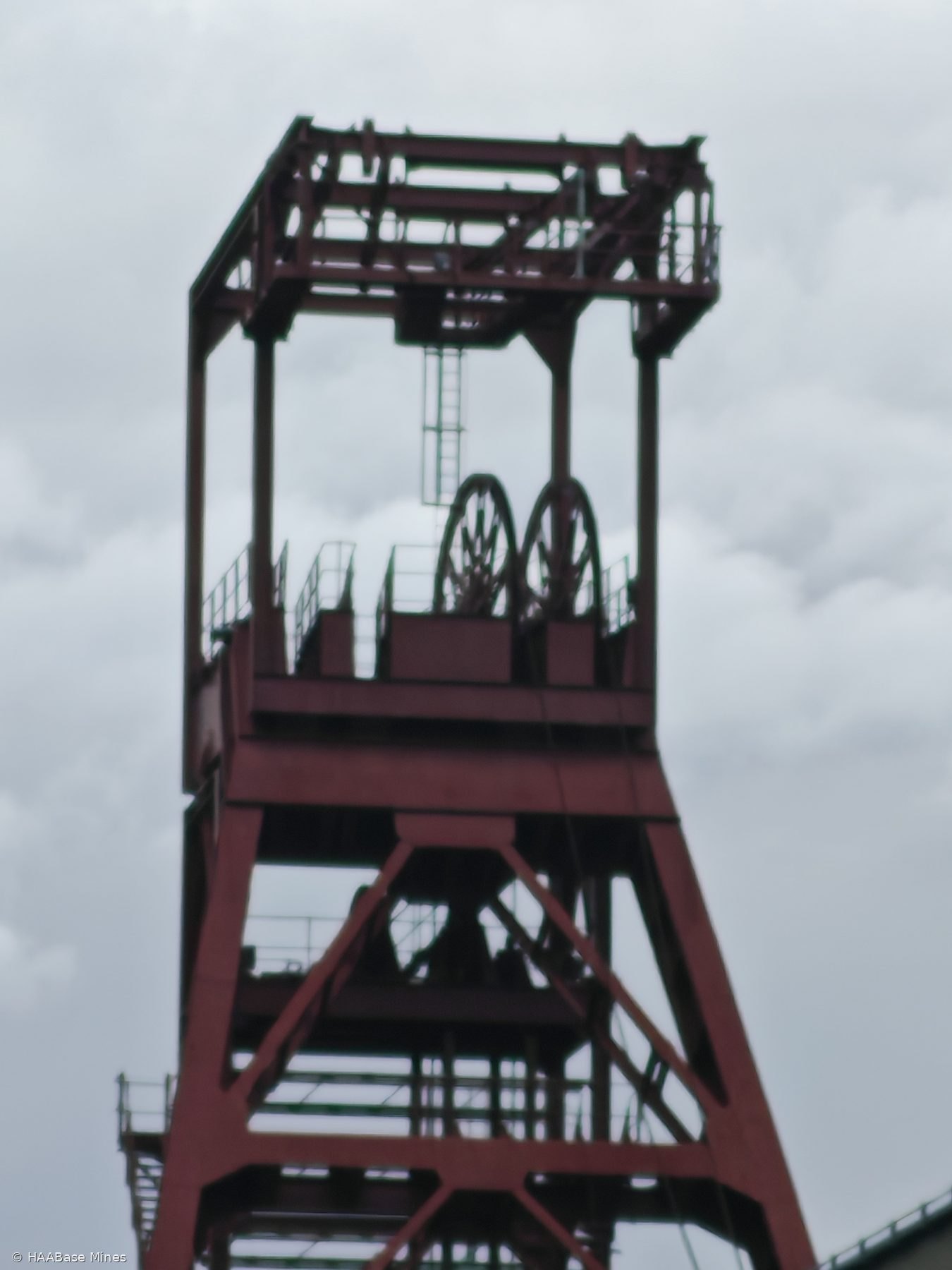
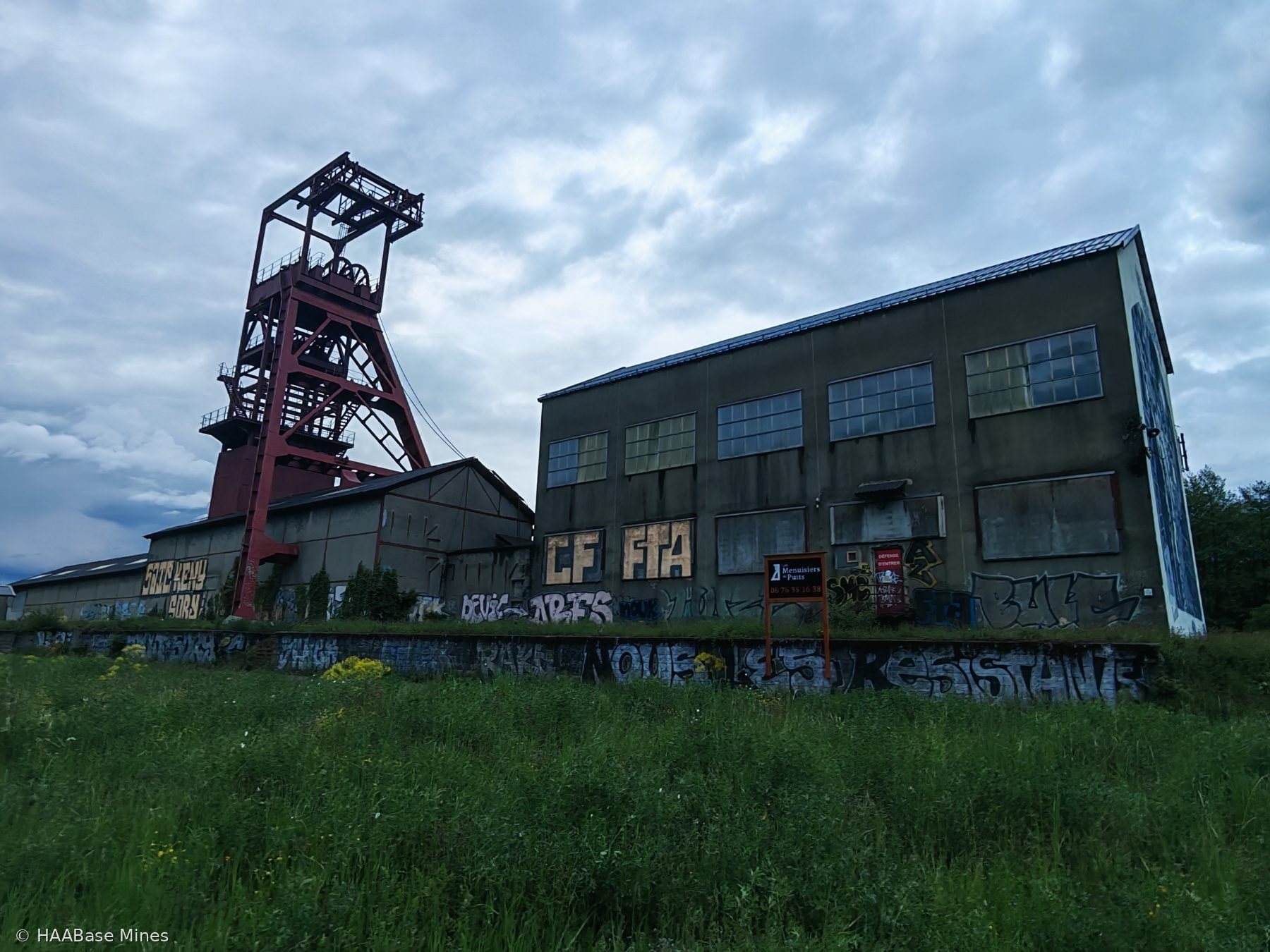
Following closure the shaft was backfilled and sealed with a concrete slab. The headframe was repainted in red-brown and equipped with floodlighting in 2009; a silhouette of a miner was placed on the highest walkway. The site received the departmental label Patrimoine en Isère in 2008. In 2015, a commemorative fresco was painted on the south facade of the headframe building by the studio le Sens des Couleurs, depicting the mining history of the commune and the territory. Sources indicate the site underwent partial dismantlement in 2015; the headframe, the coal magazine (halle à charbon, partly dated to the nineteenth century), the salle des machines, the pithead building (recette jour), workers' housing (the cité minière), the former siège, and the former coopérative survive on or near the site. The surrounding land is largely cleared and given over to industrial and commercial zones, with the spoil heaps (rasiers) in the process of revegetation.