Site overview

The Puits du Gourd-Marin at Rive-de-Gier, in the Loire department, is one of the rarest surviving examples of coal mine surface structures in the Loire coalfield. The shaft was opened in the early nineteenth century and modernised around 1850, when a Warocquère winding machine was installed in the masonry tower to raise and lower miners. The tower, known as the tour Warocquère, was among the earliest colliery structures in the basin to adopt this Belgian-designed personnel winding system.

The adjacent baths building, containing a warm-water pool for miners, was the first facility of its type in the entire Stéphanois basin. The site was operated within the Gourd-Marin concession, which was merged in October 1837 into the Compagnie générale des mines de Rive-de-Gier, itself later consolidated through successive fusions into the Compagnie des mines de la Loire by autumn 1845. The Gourd-Marin site comprised three shafts: puits Valin, puits Gilibert, and the puits du Gourd-Marin itself, the last reaching 164 metres depth.

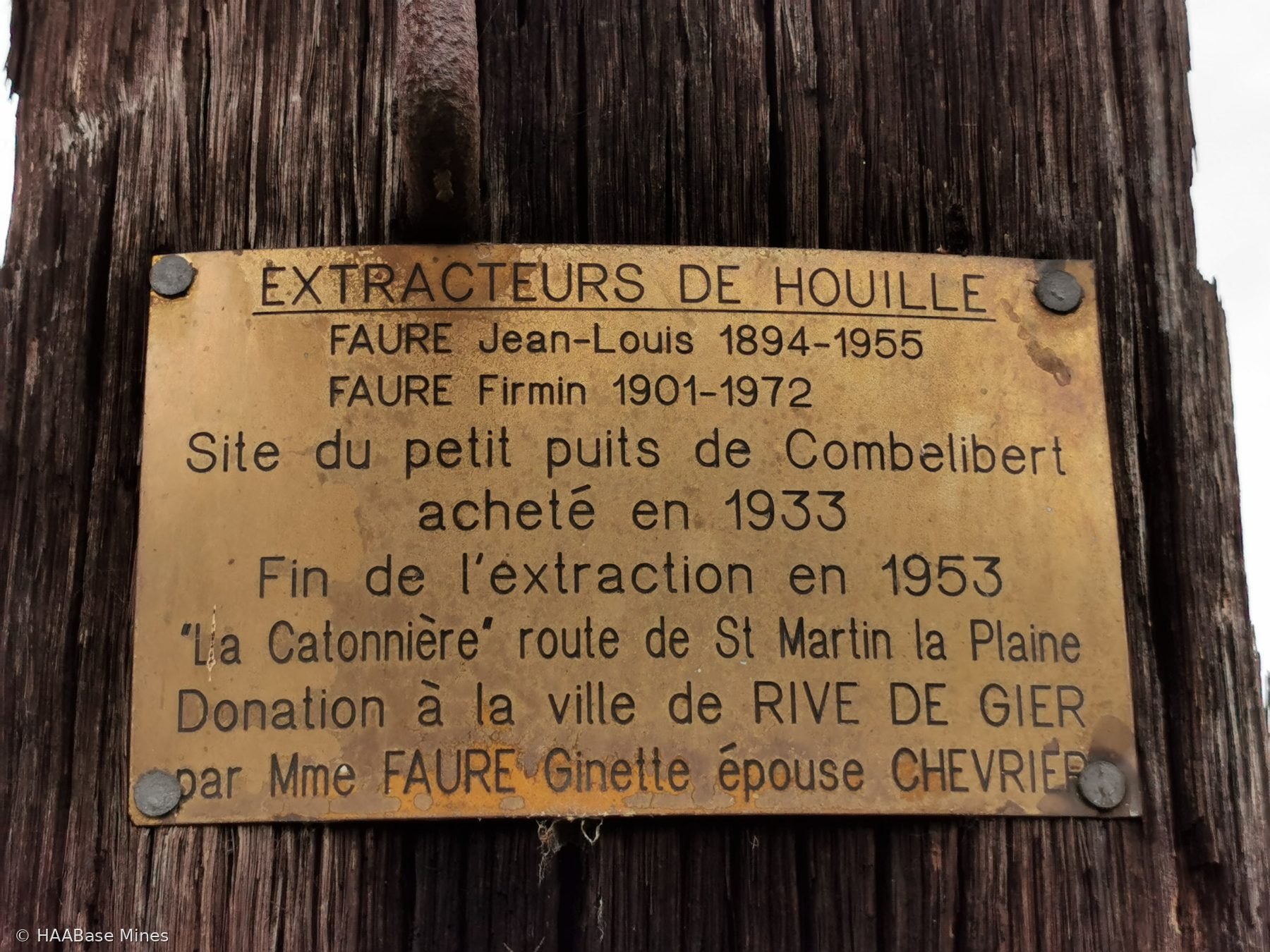
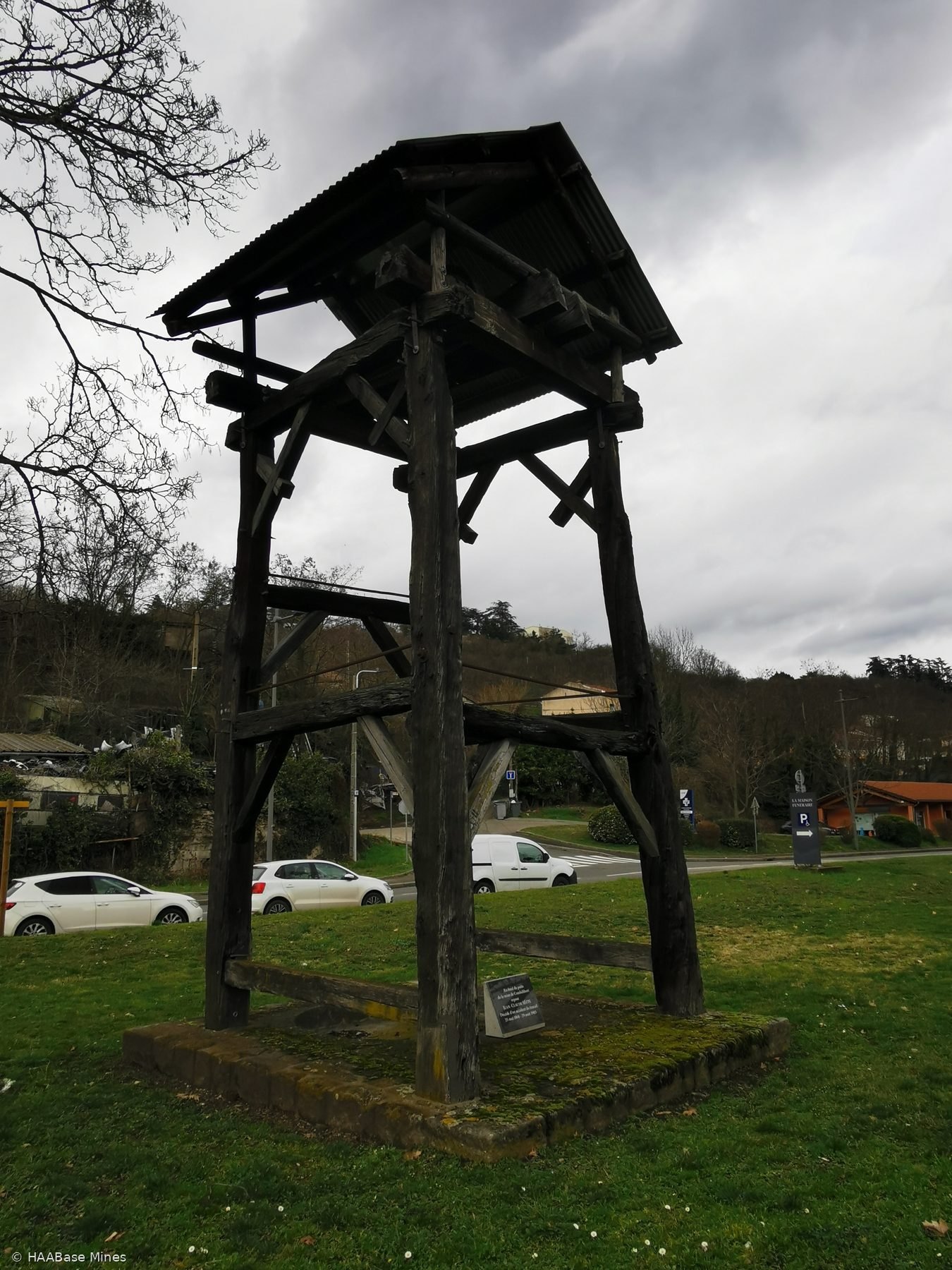
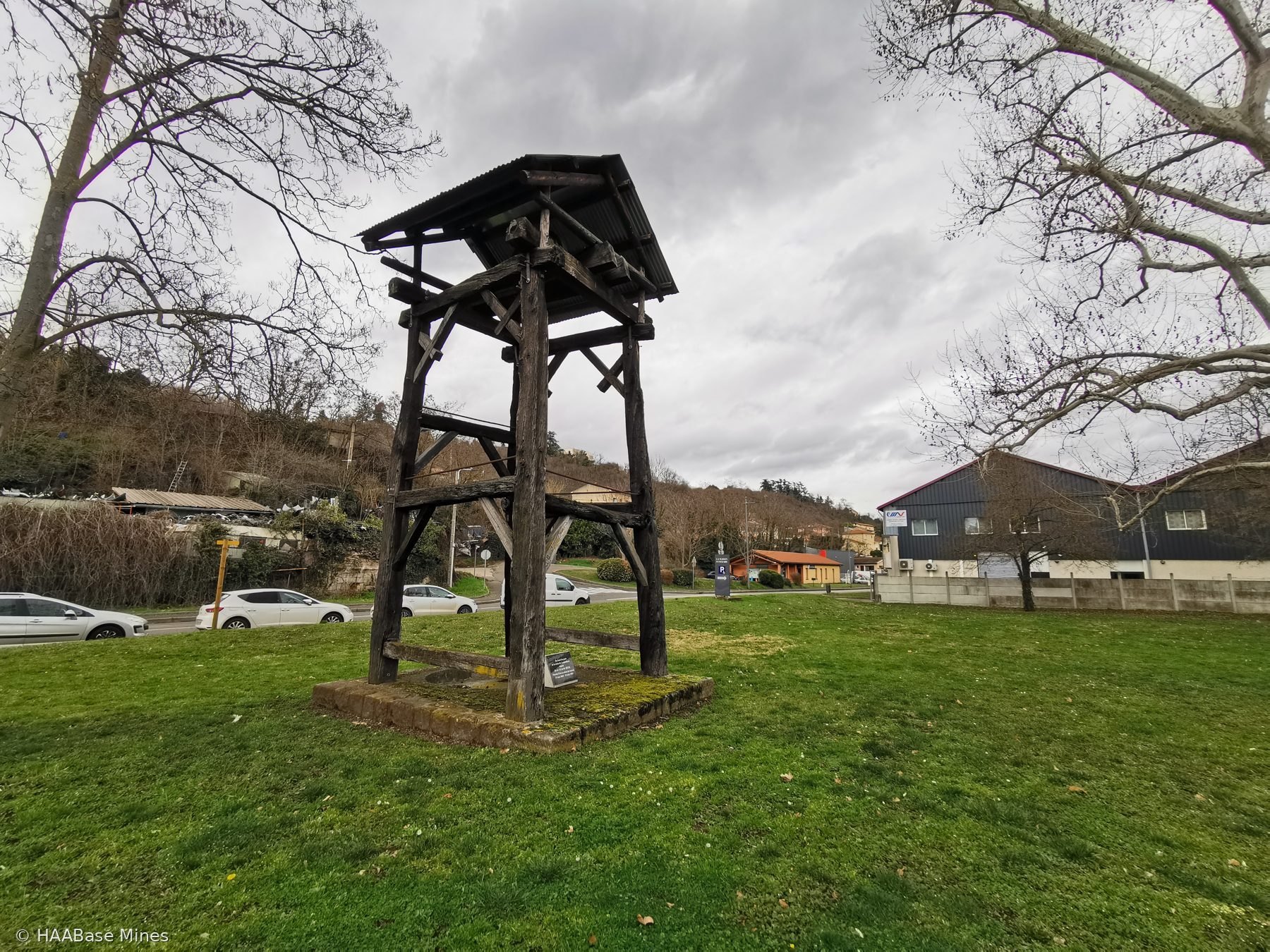
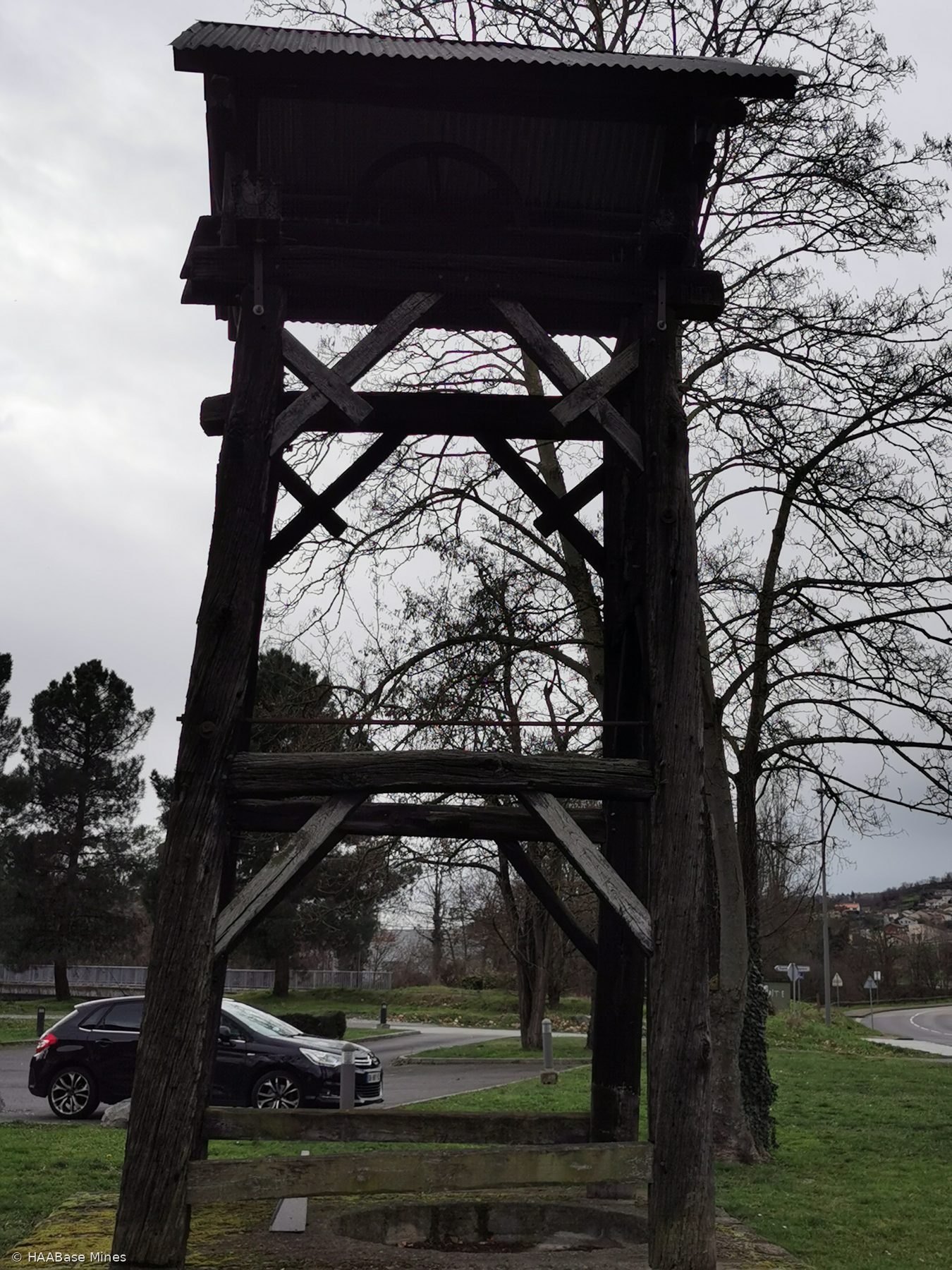
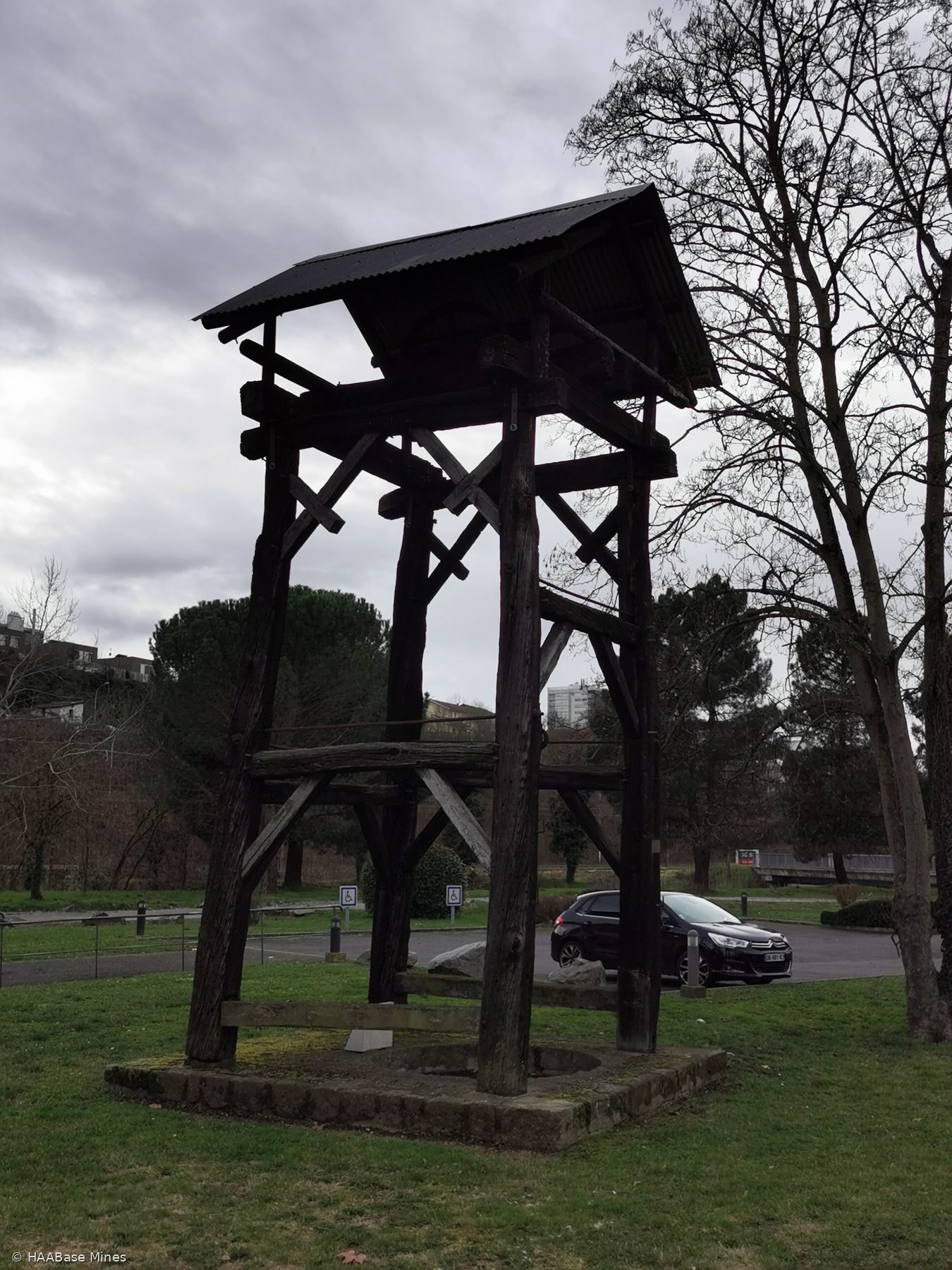
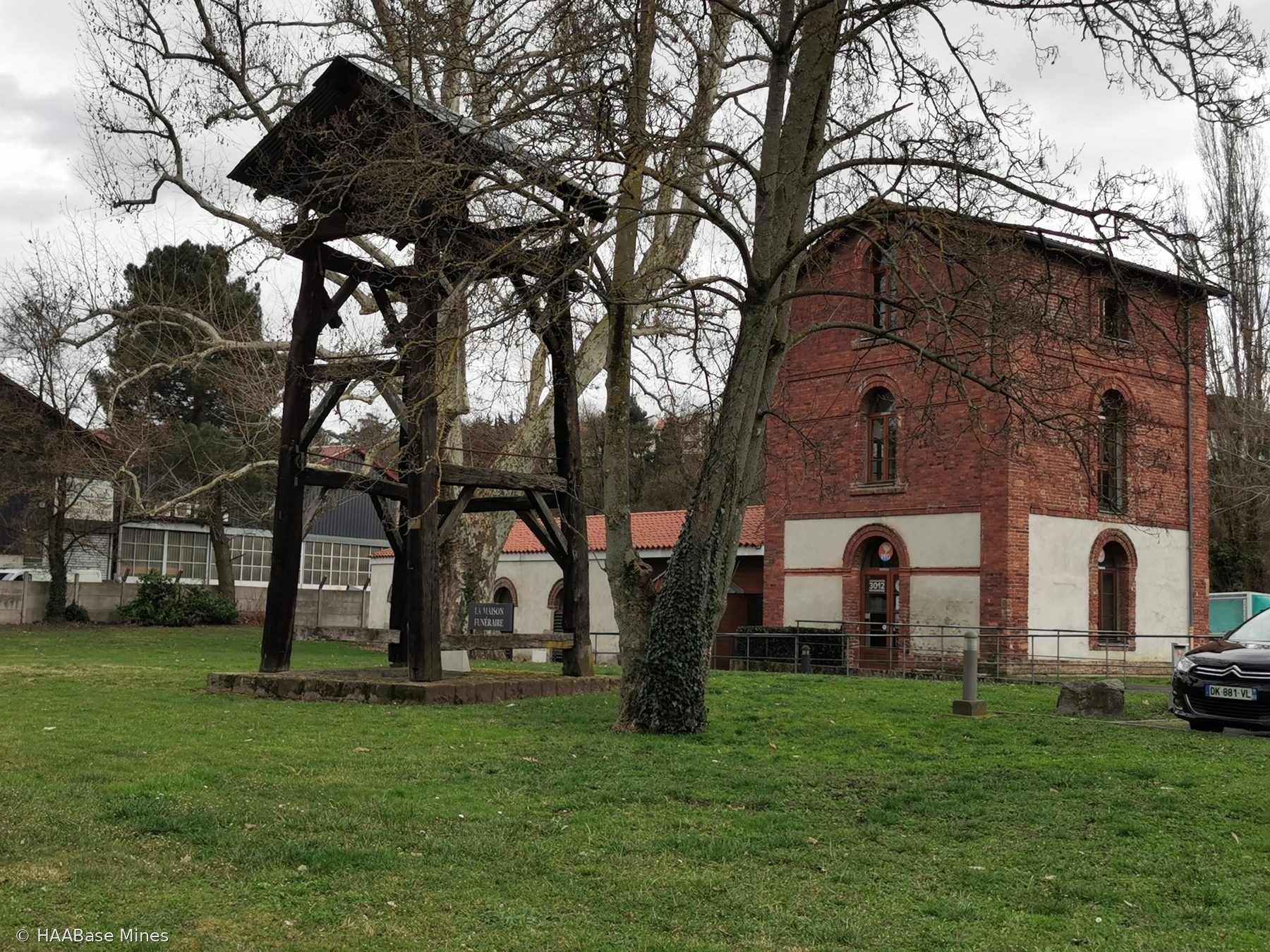
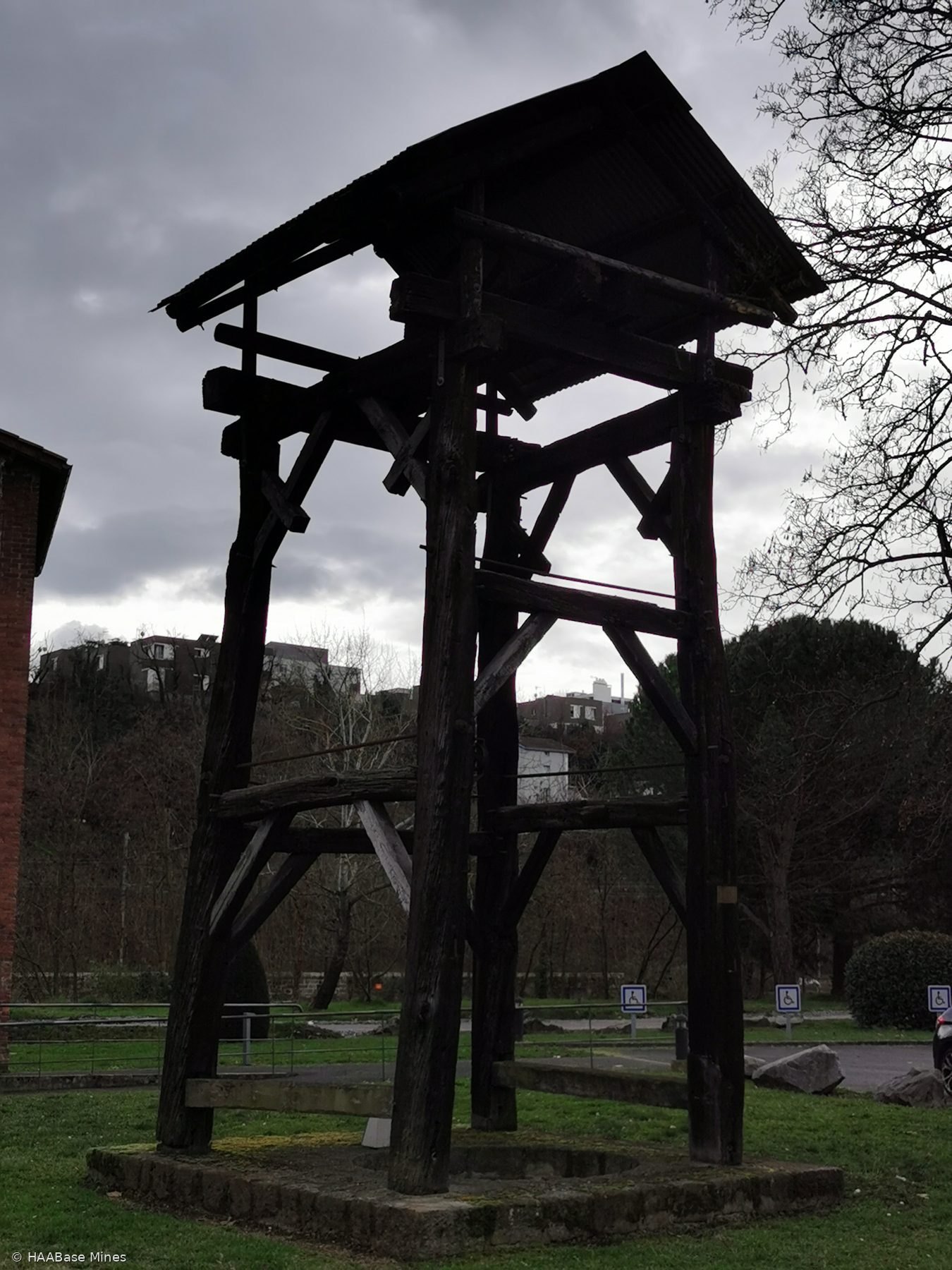
All mining activity on the site ceased in 1953, and the surrounding land was subsequently developed as a residential zone. The façades and roofs of the tour Warocquère and the former baths building were inscribed as monuments historiques on 31 July 1995. The wooden headframe of the puits Combélibert, dated 1855 and described as probably the oldest surviving timber headframe in Europe, was relocated from its original position at rue Michelet to the Gourd-Marin site for preservation.

The surviving tower and buildings stand within residential surroundings at Rive-de-Gier, where the former pit site reads as a compact historic enclave amid later development.

Map & photo

Puits du Gourd-Marin mine headframe or winding tower site
Photograph taken: 19 February 2026
Map markers and directions links are provided for location reference only and do not indicate public access or permission to enter a site.

History

The Puits du Gourd-Marin occupies a significant position in the history of the Loire coalfield, both as a technical landmark within mid-nineteenth-century mining practice at Rive-de-Gier and as one of the very few surviving surface structures from that era.

Coal extraction in the Rive-de-Gier basin had been underway since at least the sixteenth century in scattered small workings, and intensified commercially from the late eighteenth century. In 1759 a concession covering the mines of Gravenand and du Mouillon and surrounding territory was granted, becoming effective by letters patent of 12 April 1765 in favour of Lacombe, Bertholat, and Chambetron. The Gourd-Marin concession operated as one of the smaller enterprises in an extremely fragmented field: in the 1820s at least forty companies were active in the Rive-de-Gier sector alone.

The puits du Gourd-Marin was opened in the early nineteenth century and was one of the principal workings of the Gourd-Marin concession. The mine comprised three shafts: the puits Valin, used for extraction and water clearance; the puits Gilibert, used for extraction; and the puits du Gourd-Marin itself, which reached a depth of 164 metres. Around 1850, the tower housing the shaft was modernised by the installation of a Warocquère winding machine — a system patented on 23 October 1844 by Abel Warocqué (1805–1864), director of the Mariemont-Bascoup collieries in Belgium — to lower and raise the mine workforce. This made the Gourd-Marin one of the first sites in the Stéphanois basin to adopt mechanised personnel transport. Adjacent to the tower, a baths building was constructed containing a warm-water pool supplied by surplus steam from the winding engine; it was the first such facility in the entire basin.

In October 1837, the mounting need for shared capital to finance pumping equipment led to a consolidation: the Gourd-Marin concession and the company du Logis-des-Pères merged to form the Compagnie générale des mines de Rive-de-Gier. Further fusions followed; by early 1844, a Compagnie générale des mines de la Loire had been formed, which in autumn 1845 became the Compagnie des mines de la Loire, grouping thirty-three of the sixty concessions then operating in the basin.

The site continued in production through the later nineteenth century and the first half of the twentieth century, eventually passing under the nationalised Houillères du Bassin de la Loire. All mining operations at Gourd-Marin ceased in 1953, and the surrounding area was subsequently converted to residential use.

The winding machine once housed in the tower has since disappeared. The surviving elements are the masonry tour Warocquère with its facades and roofing, and the former baths building immediately adjacent. Both were inscribed as monuments historiques on 31 July 1995. The wooden headframe of the puits Combélibert — originally located at 31 rue Michelet, Rive-de-Gier, dated 1855, and regarded as the last surviving nineteenth-century wooden headframe of its type, possibly in Europe — was subsequently relocated and preserved at the Gourd-Marin site. The broader Combélibert structures (wooden headframe, machine building, and chimney) were themselves inscribed as monuments historiques on 25 August 1995.
Timeline

1800–1830
Construction

Shaft opened in early nineteenth century

The puits du Gourd-Marin is opened in the early nineteenth century as part of the Gourd-Marin concession in the Rive-de-Gier coalfield.
1837
Legislation

Gourd-Marin concession merged into Compagnie générale des mines de Rive-de-Gier

In October 1837 the Gourd-Marin company and the company du Logis-des-Pères merge to form the Compagnie générale des mines de Rive-de-Gier, one of the first steps toward basin-wide consolidation.
1844–1845
Legislation

Further consolidation: Compagnie des mines de la Loire formed

Successive fusions culminate in the creation of the Compagnie générale des mines de la Loire in early 1844, which becomes the Compagnie des mines de la Loire by autumn 1845. The Gourd-Marin concession operates within this larger entity.
1850
Construction

Warocquère winding machine installed; baths building constructed

Around 1850, a Warocquère personnel winding machine (patented 23 October 1844) is installed in the shaft tower, making the site one of the first in the Stéphanois basin to mechanise the lowering and raising of miners. The adjacent baths building — the first in the entire Stéphanois basin — is constructed, containing a warm-water pool fed by surplus steam from the winding engine.
1953
Closure

All mining activity on the site ceases

The Gourd-Marin mining site is closed in 1953 and the surrounding land is subsequently developed as a residential zone.
1995
Heritage

Façades and roofs of tour Warocquère and baths building inscribed as monuments historiques

The façades and roofing of the puits tour (tour Warocquère) and the adjacent former baths building are inscribed as monuments historiques by arrêté of 31 July 1995.
1995
Heritage

Puits Combélibert wooden headframe inscribed and relocated to Gourd-Marin site

The wooden headframe, machine building, and chimney of the puits Combélibert are inscribed as monuments historiques on 25 August 1995. The wooden headframe — dated 1855, ten metres high, and regarded as possibly the sole surviving nineteenth-century example of its type in Europe — is relocated from its original position at 31 rue Michelet to the Gourd-Marin site for preservation.
Sources and records

Ministère de la Culture heritage database (Mérimée): notice PA00135651 (Puits du Pré du Gourd-Marin)
Ministère de la Culture heritage database (Mérimée): notice PA00135650 (Puits Combélibert)
Musée du Patrimoine de France: Puits du Pré du Gourd-Marin à Rive-de-Gier
Exxplore.fr: Houillères de la Loire (Gourd-Marin section)
Patrimoine-minier.fr: Bassin houiller de la Loire
Archives départementales de la Loire / Revue d'histoire des techniques (OpenEdition): Sources de l'histoire minière
Echosciences-Loire: Présentation du site du Gourd-Marin
Flickr/Mémoire2cité: notes on Rive-de-Gier industrial heritage
This researched site record is part of the HAABase Mines database. Normal personal research and browsing is welcome. Automated bulk extraction, republication, or harvesting of site text and images is not permitted without written consent.