Site overview

The Puits Espérance at Communay, in the Rhône department, was one of nine shafts sunk within the Communay coalfield between the grant of the concession in 1833 and final closure in 1951. The concession covered a roughly 900-hectare area at the south-eastern edge of the département, at the western extremity of the bassin houiller du Bas-Dauphiné, a geological outlier of the Loire coalfield. Coal extracted from the Communay mines was anthracite of good quality.

The Compagnie du Rhône sank the Puits Espérance from around 1854 or 1866 — sources give slightly varying dates for the start of sinking and for when extraction began — and the shaft was deepened in 1879 to 220 metres, at which point two workable coal seams were confirmed. The puits Espérance thereafter became the principal extraction shaft of the site, with production running at thirty to forty thousand tonnes annually and employing up to four hundred workers at peak periods before the First World War. The concession changed hands repeatedly through financial failures and was last worked by the Compagnie des Charbonnages du Forez from 1941 to 1951.

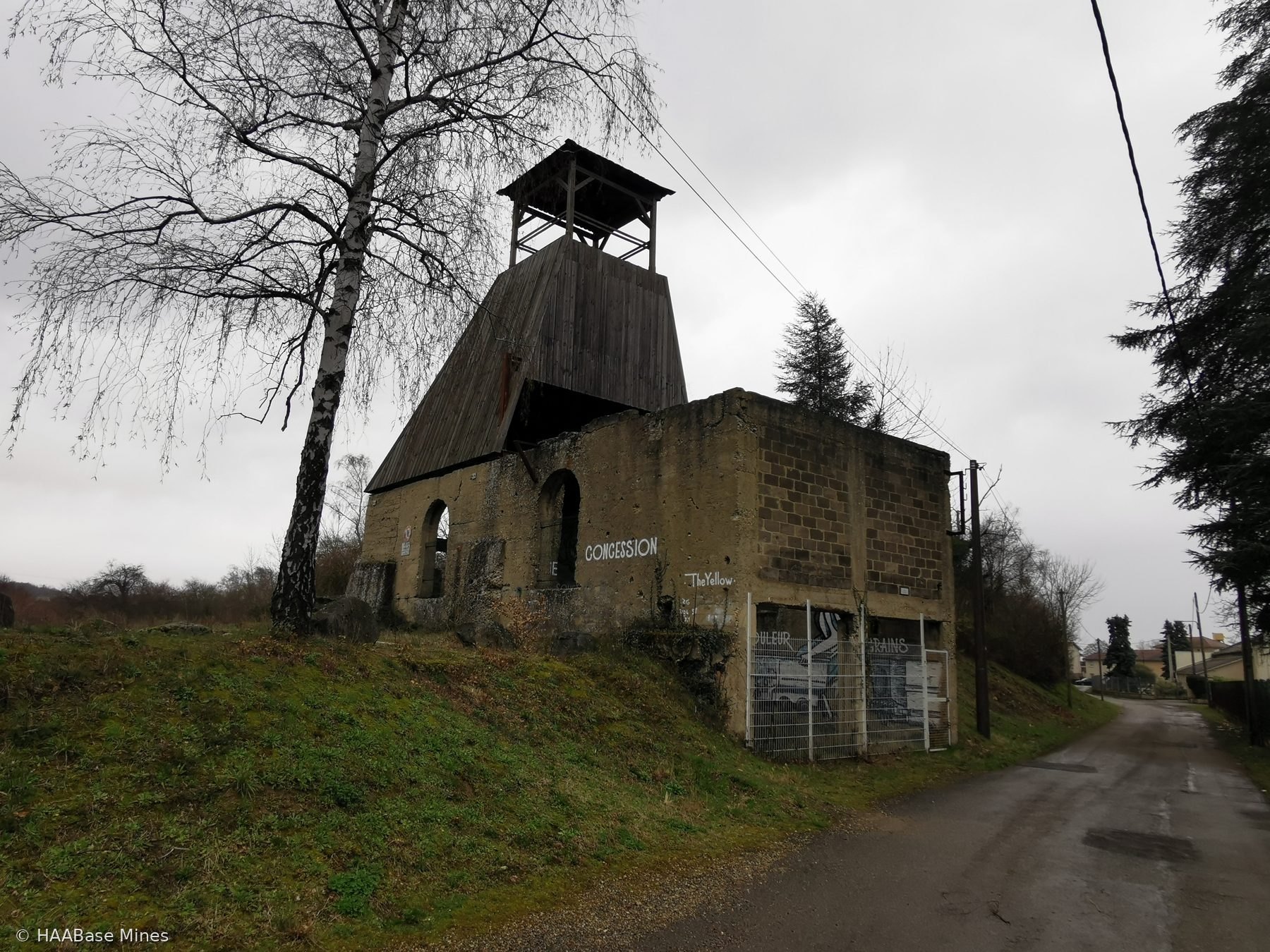
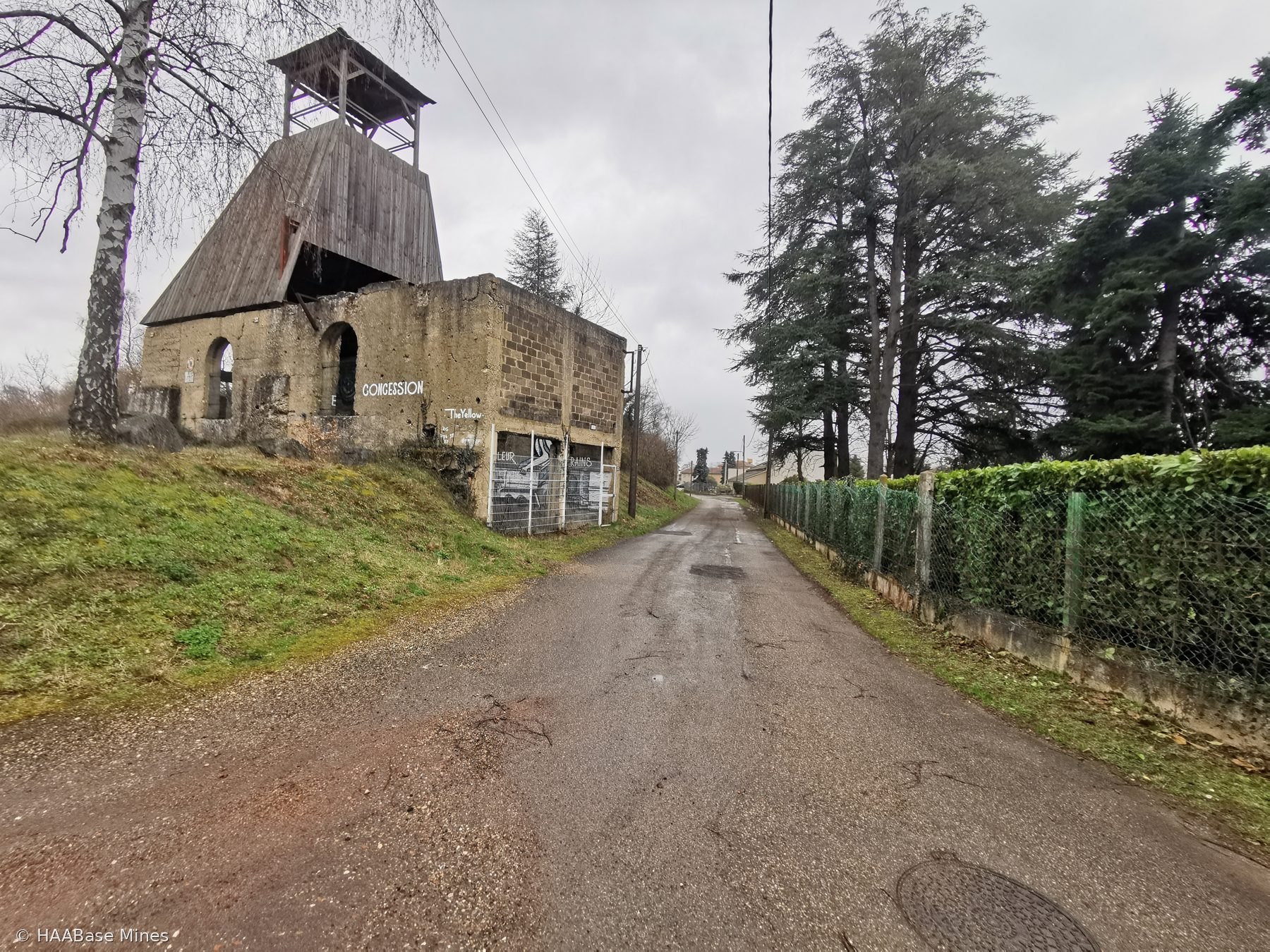
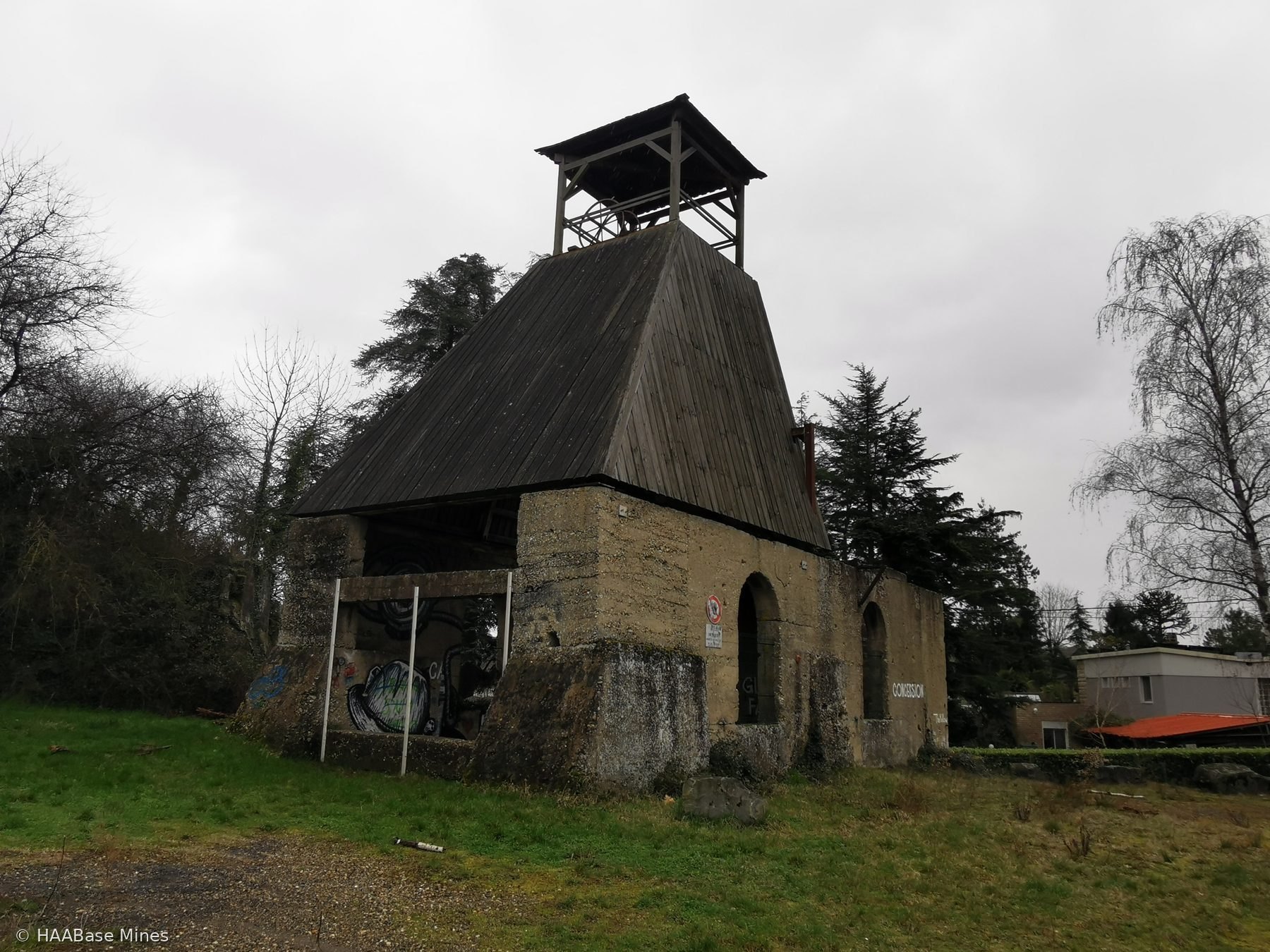
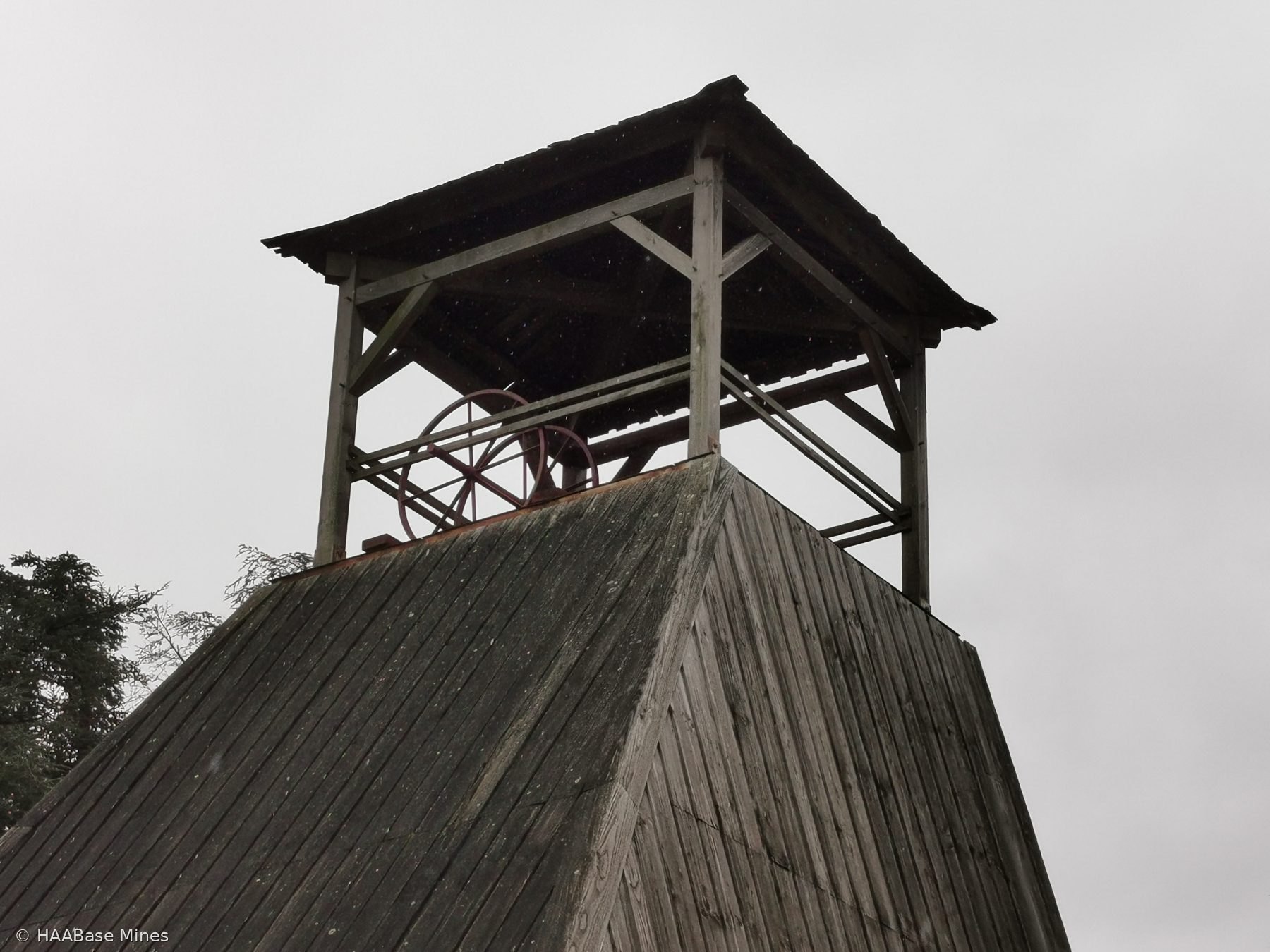
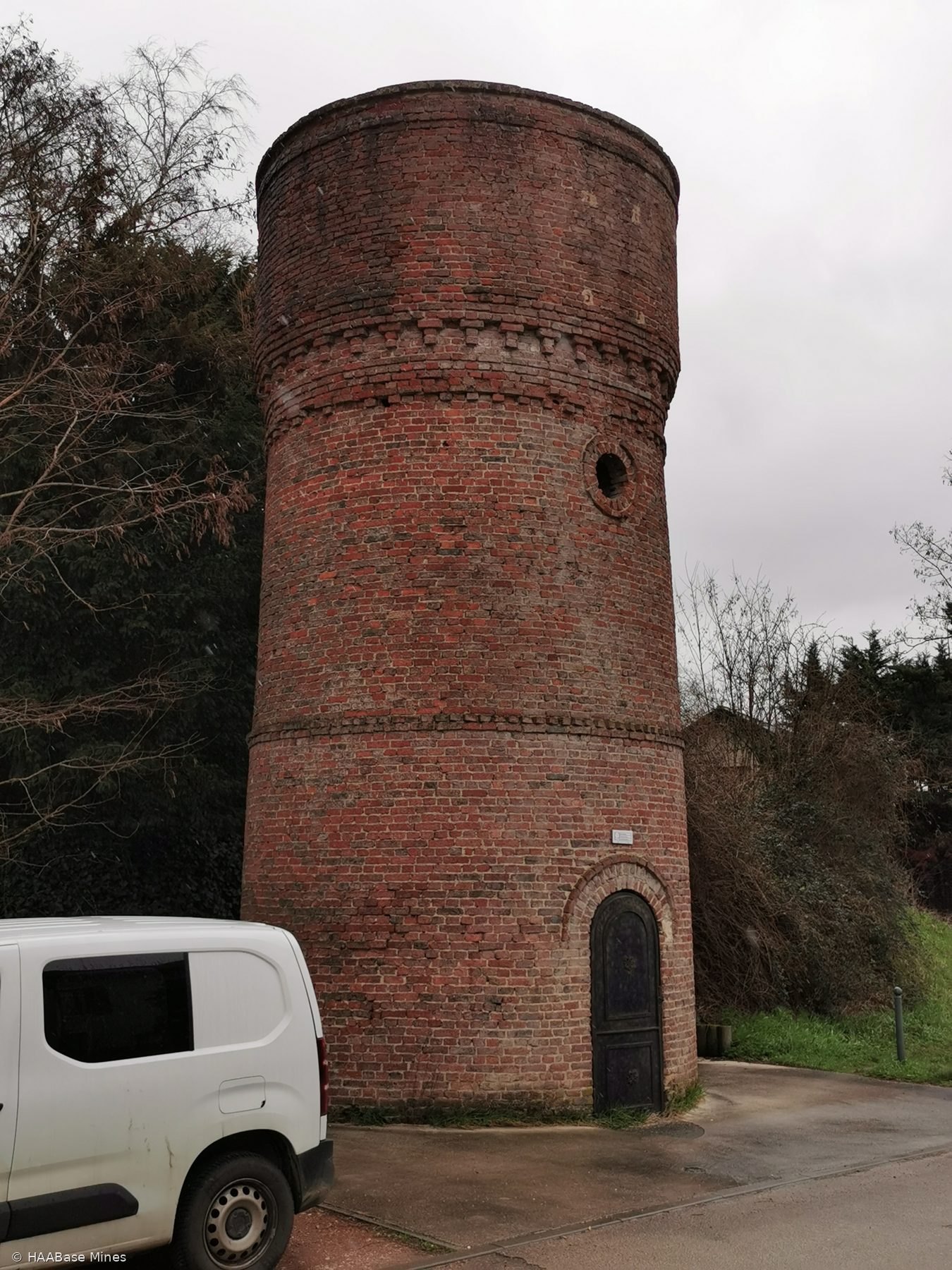
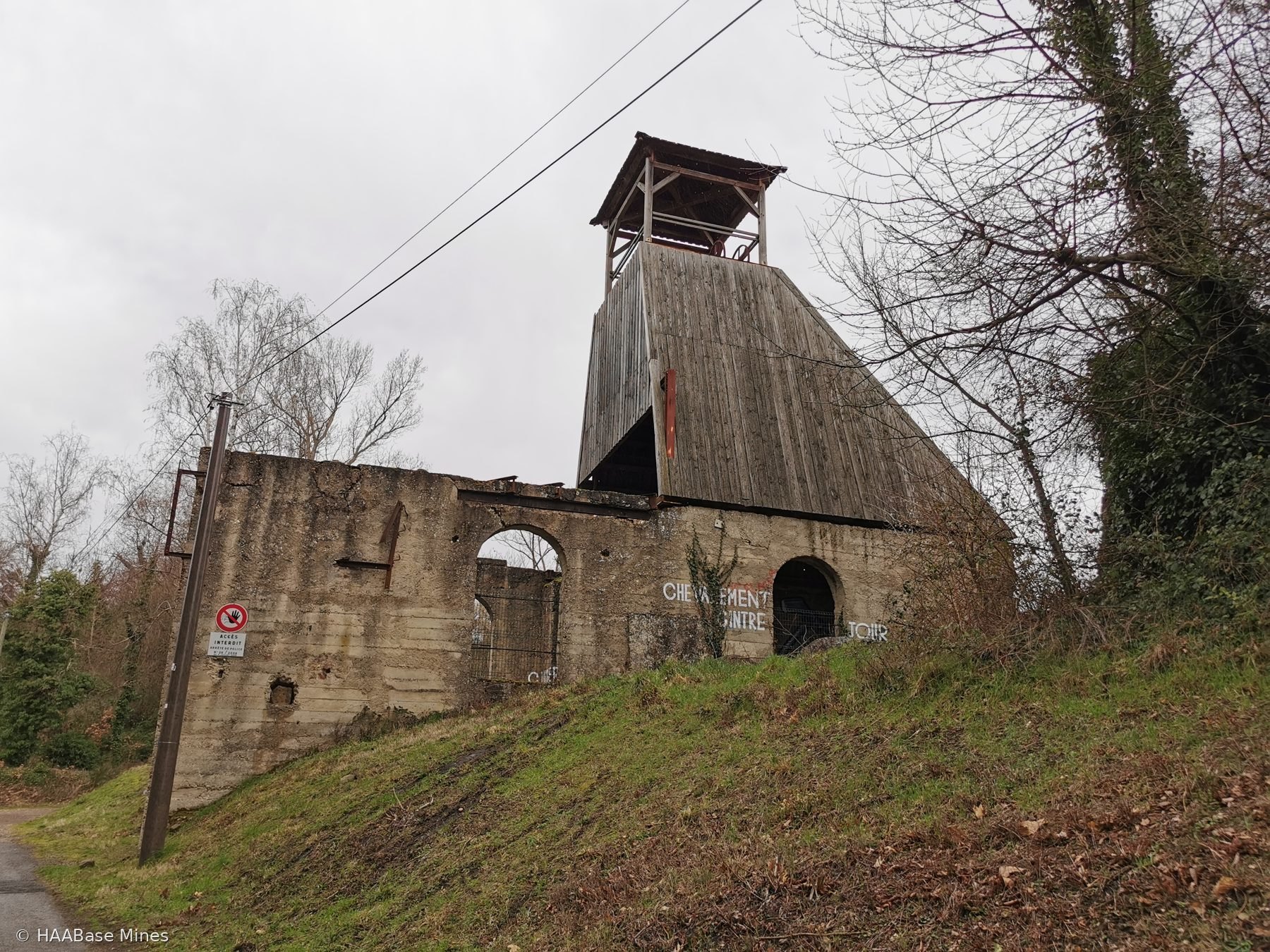
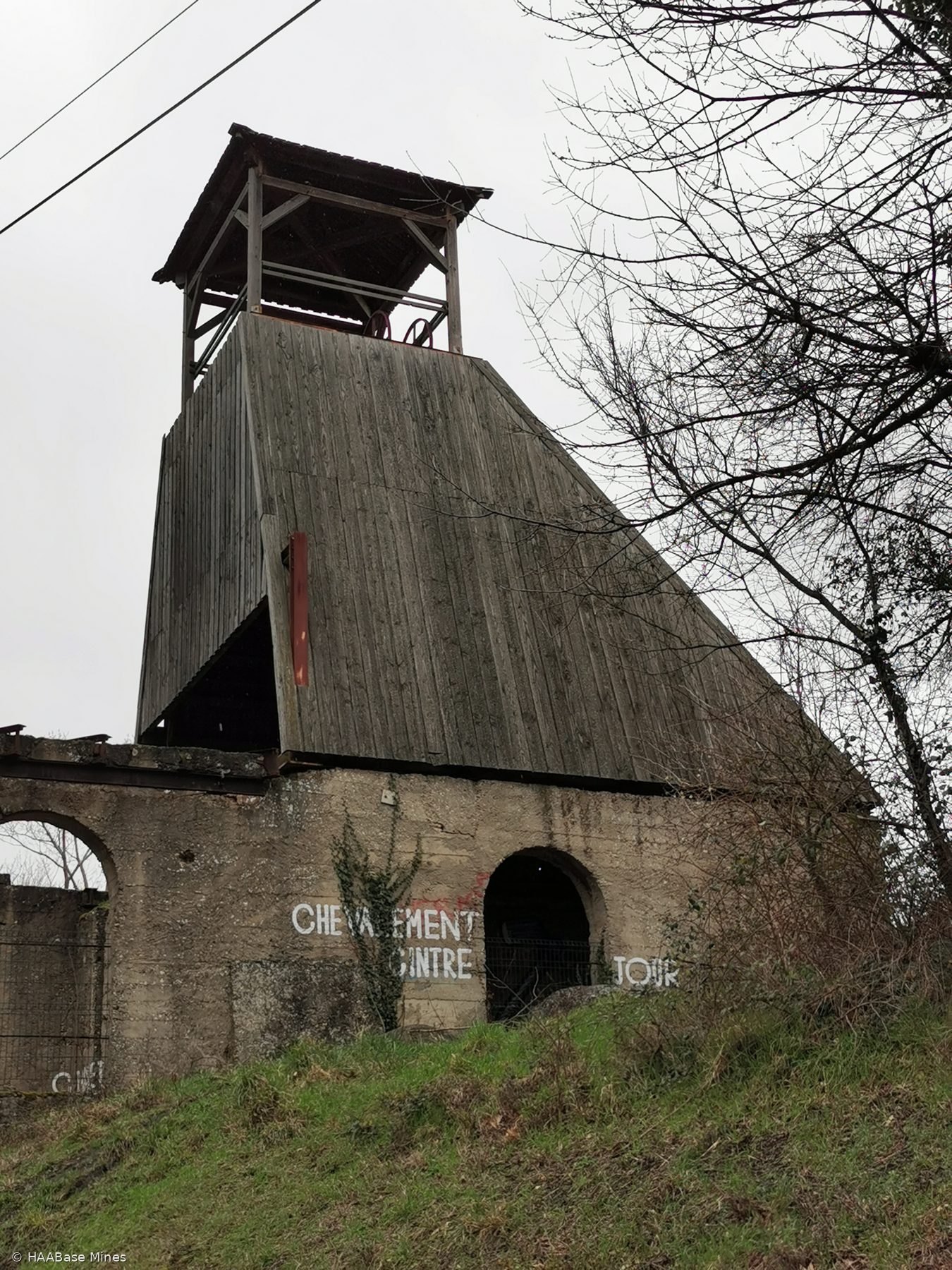
Total production over the life of the coalfield is estimated at 800,000 tonnes. The shaft and pithead structures survive, the headframe having been reconstructed in the early 2000s by a local association using old photographs. The site is now a public park and heritage area, retaining the water tower, former pithead buildings, mining wagons, and a spoil heap converted to recreational use.

Set at the edge of Communay, the former pit occupies a transitional landscape between settlement and open ground, where the surviving structures remain clearly legible within a public park setting.

Map & photo

Mines de Communay — Puits Espérance mine headframe or winding tower site
Photograph taken: 19 February 2026
Map markers and directions links are provided for location reference only and do not indicate public access or permission to enter a site.

History

The Communay coalfield lies in the commune of the same name in the Rhône, south of Lyon, and occupies a synclinal structure at the western end of the bassin houiller du Bas-Dauphiné. This formation is geologically a detached outlier of the bassin houiller de la Loire and contains three practically workable coal seams, designated C1, C2, and C3. The total estimated production over the life of the field is 800,000 tonnes of anthracite.

The presence of coal was first noted at Communay in 1748. Serious prospecting began around 1830 with the identification of a seam at a place called Bayettan. The double concession of Communay (421 hectares) and Ternay (453 hectares) was granted by ordonnance royale on 22 April 1833; the Communay concession was allocated to Messieurs Pinet and Boissat. The Ternay concession was worked only briefly before abandonment in 1835. At Communay, organised extraction began in 1834 with the sinking of the puits Bayettant (also spelled Bayettan), which cut a first seam at 68 metres and a second at 145 metres and was put in communication with the shallower puits des Échelles.

The puits Espérance was begun around 1854 by the operators then in control of the concession, reaching 90 metres without finding coal. It was the Compagnie du Rhône — which took over the mine in 1850 — that is consistently cited as the operator that sank the Puits Espérance, with some sources placing the sinking at 1866 as a distinct phase rather than a continuation of the earlier attempt. By 1879 the shaft had been deepened to 220 metres, at which point two coal seams (C1 and C2, with a weaker showing of C3) were confirmed, following a research shaft that had relocated the seams. The puits Espérance then became the focus of the mining operation. By 1884, five shafts were active at Communay: Bayettan, Gueymard, Sainte-Lucie, Saint-André, and l'Espérance.

During the final decades of the nineteenth century, production ran at thirty to forty thousand tonnes per year with workforces of three hundred to four hundred miners. The coal was initially transported by horse-drawn carts to Chasse-sur-Rhône, where it was transferred to mainline wagons. This arrangement hampered output until 1898, when a narrow-gauge railway line connecting Communay to Chasse-sur-Rhône — authorised as a public utility in 1890 — was opened. From the turn of the century, an agglomeration plant processed the fine coal into briquettes.

The Société des Houillères de Communay filed for bankruptcy in 1882 and again in 1913, when it was placed in liquidation. The Société Anonyme des Mines d'Anthracite de Communay relaunched operations in 1898 and maintained production until the approach of the First World War closed the mine again in or around 1914. By 1912, the peak workforce reached 400 persons and annual output was between thirty and forty thousand tonnes. Total production at this point is estimated at approximately 750,000 tonnes of the eventual 800,000-tonne total.

After the war, the Société Nouvelle des Mines de Communay was constituted in 1917 and relaunched extraction between 1919 and 1923, sinking the new puits Sauveur to 175 metres at the eastern end of the basin. Output from Sauveur reached 10,000 tonnes in 1923, but the société again became insolvent and ceased in 1923. Brief attempts at exploitation in 1926–1927, led by a coal merchant who sank the puits Guerin and an associated fendue, produced little. The concession passed through further hands — including the Société des Mines de Marennes and subsequently a Saint-Étienne coal merchant — before being sold in 1938 to the Mines de Montrambert.

In 1941, the Compagnie des Charbonnages du Forez of Saint-Étienne acquired the concession and recommenced extraction as part of the wartime charbon effort with 82 miners. Work at the puits Espérance reached 144 metres depth by 1944, but dénoyage — the pumping out of flooded workings — was interrupted by electricity cuts caused by wartime hostilities. Dénoyage resumed in 1949, but the operation ended tragically when a cable break caused the fatal fall of two miners, with a third seriously injured. The concession of Communay was formally abandoned on 7 November 1950, and all mining activity ceased in 1951. At nationalisation in 1946, the Communay concession had been formally integrated into Charbonnages de France via the Houillères du Bassin de la Loire.

In 1998, the puits Espérance and five other shafts — Bayettant, Guerin, des Échelles, Sainte-Lucie, and Sauveur — were made safe: backfilled with Rhône aggregates and sealed with concrete plugs of five, five, and ten metres height.

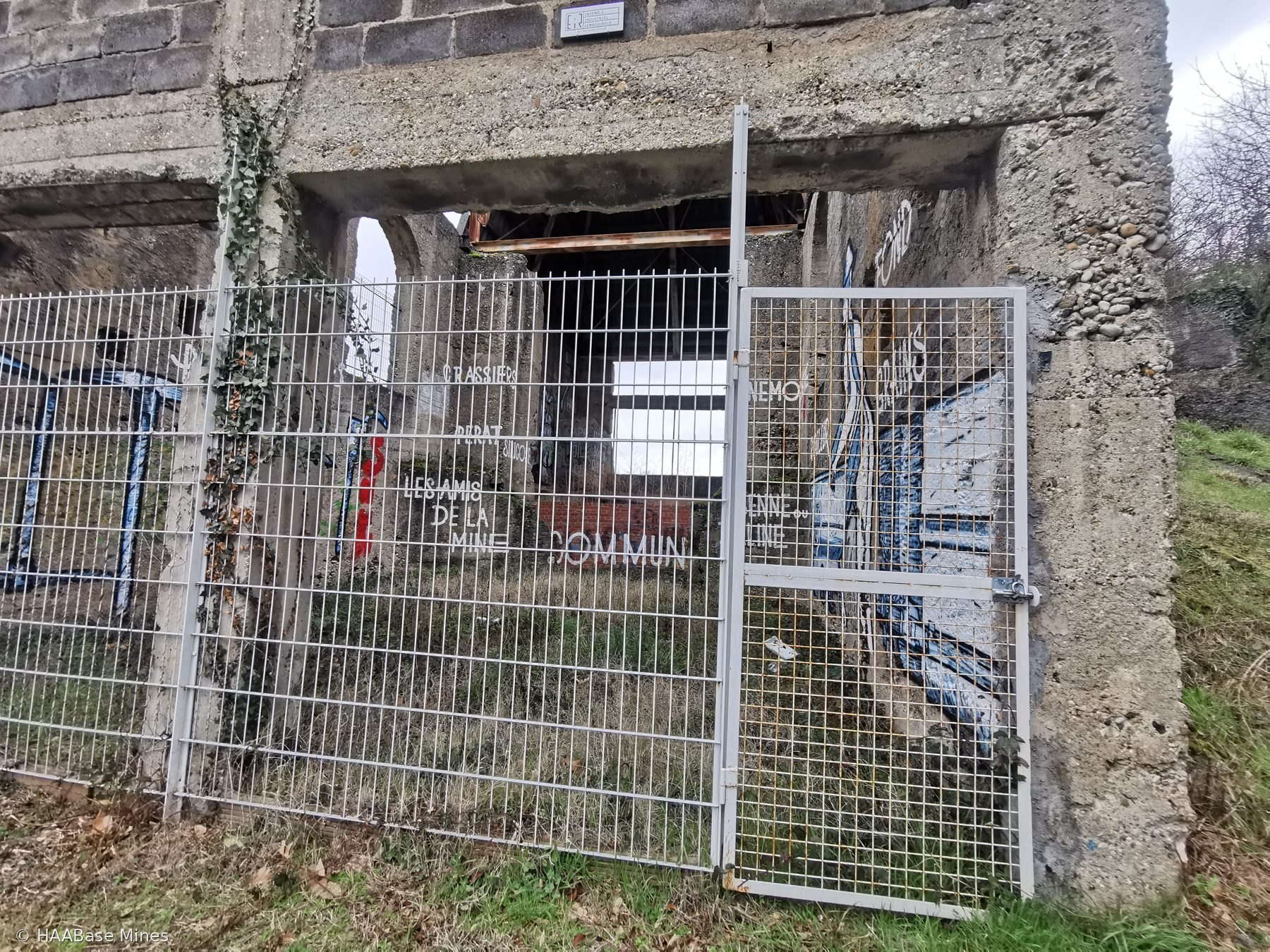
Several vestiges of the colliery survive at Communay. The headframe of the puits Espérance had disappeared by the early twenty-first century, but it was reconstructed in the early 2000s by a local association working from old photographs and postcards; sources note the reconstruction is not identical to the original. The pithead buildings — including the former lampisterie, washing facilities, and ancillary structures — retain their original external appearance. The water tower, which supplied water for coal washing and screening, has been restored and is featured as a heritage object. The workers' housing (the cité des mineurs) remains occupied, preserving its characteristic internal street layout. The directors' and engineers' houses also survive with their original external appearance. The spoil heap (crassier), covering about three-quarters of a hectare, has been vegetated and converted into a public park for walking and cycling, with old mine wagons displayed along the access lane. An artist has created murals within the shaft of the puits Espérance itself. The regional heritage register (Inventaire général du patrimoine culturel d'Auvergne-Rhône-Alpes) carried out a survey of the site in 2020, updated in 2022.
Timeline

1833
Legislation

Concession of Communay granted by ordonnance royale

The double concession covering Communay (421 ha) and Ternay (453 ha) is granted on 22 April 1833. The Communay concession is allocated to Messieurs Pinet and Boissat.
1834
Construction

Puits Bayettant sunk — first productive shaft

Sinking of the puits Bayettant begins in 1834, cutting a first coal seam at 68 metres and a second at 145 metres.
1850
Legislation

Compagnie du Rhône takes over the concession

The Compagnie du Rhône acquires the Communay concession in 1850 and becomes the operator responsible for the development of the puits Espérance.
1854
Construction

Puits Espérance sinking begins

The Puits Espérance is begun around 1854, initially reaching 90 metres without finding workable coal.
1866
Construction

Puits Espérance sunk or deepened under Compagnie du Rhône

The Compagnie du Rhône sinks or resumes deepening the puits Espérance in 1866, as part of the expansion of the Communay operation.
1872
Construction

Société des Houillères de Communay expands workings

In 1872, the Société des Houillères de Communay restarts the puits Bayettan and sinks the new puits Sainte-Lucie.
1879
Construction

Puits Espérance deepened to 220 metres; coal seams confirmed

The Puits Espérance is deepened to 220 metres in 1879, confirming seams C1 and C2. The shaft becomes the principal extraction point of the Communay operation.
1882
Legislation

First bankruptcy of Société des Houillères de Communay

The Société des Houillères de Communay files for bankruptcy in 1882.
1884
Operation

Five shafts in active production

By 1884, five shafts are in production at Communay: Bayettan, Gueymard, Sainte-Lucie, Saint-André, and l'Espérance.
1898
Construction

Narrow-gauge railway to Chasse-sur-Rhône opened

The narrow-gauge railway between Communay and Chasse-sur-Rhône, authorised as a public utility in 1890, opens in 1898, enabling coal to be transferred directly to PLM mainline wagons.
1898–1914
Operation

Sustained production period under Société des Mines d'Anthracite

The Société des Mines d'Anthracite de Communay relaunches operations in 1898. Fourteen years of regular production follow, at 30,000–40,000 tonnes per year with 300–400 miners. A briquette agglomeration plant processes fine coal. By 1912 the workforce reaches 400.
1913
Closure

Société des Houillères de Communay placed in liquidation

The société files for bankruptcy again in 1913 and is placed in liquidation. Mining ceases in or around 1914.
1917–1923
Operation

Post-war revival: Société Nouvelle des Mines de Communay

The Société Nouvelle des Mines de Communay is constituted in 1917 and relaunches extraction from 1919, sinking the new puits Sauveur to 175 metres. Output reaches 10,000 tonnes in 1923 before the société again fails.
1941–1951
Operation

Final wartime and post-war extraction period

The Compagnie des Charbonnages du Forez recommences extraction in 1941 with 82 miners as part of the wartime charbon effort. Work continues into the post-war period under nationalised administration (Houillères du Bassin de la Loire).
1944
Operation

Puits Espérance dénoyage reaches 144 metres; disrupted by wartime power cuts

By 1944 the dénoyage of the Puits Espérance has progressed to 144 metres, but is interrupted by electricity supply failures caused by wartime hostilities.
1949
Operation

Fatal accident during dénoyage

Dénoyage resumes in 1949, but a cable break causes the fatal fall of two miners, with a third seriously injured.
1950
Closure

Concession of Communay formally abandoned

The Communay concession is officially abandoned on 7 November 1950.
1951
Closure

Final closure of all mining activity at Communay

All mining activity at Communay ceases definitively in 1951.
1998
Closure

Six shafts made safe — backfilled and capped

In 1998, the shafts Espérance, Bayettant, Guerin, des Échelles, Sainte-Lucie, and Sauveur are made safe with Rhône aggregate backfill and concrete plugs.
2000–2009
Heritage

Headframe reconstructed from historic photographs

The headframe of the Puits Espérance, which had disappeared, is reconstructed in the early 2000s by a local association working from old postcards and photographs. The reconstruction is not identical to the original.
2000–2022
Redevelopment

Heritage conservation and public park created

The commune converts the crassier into a public park for walking and cycling. The water tower is restored and presented as a heritage feature. Old mine wagons are displayed along the access lane. Murals are painted within the shaft. Buildings of the former pithead complex retain their original external appearance. The regional inventaire conducts a survey of the site in 2020, updated 2022.

Sources and records

Wikipedia article (French): Houillères de Communay
Inventaire général du patrimoine culturel Auvergne-Rhône-Alpes: notice IA69001605 (Puits Espérance)
Cfchanteraines.fr / Marc-André Dubout: Vestiges des mines de Communay (detailed historical account)
Patrimoine Aurhalpin: Patrimoine minier à Communay
Commune de Communay official website: historic overview
Exxplore.fr: Houillères de la Loire (Communay section)
Geneawiki: 69272 Communay
This researched site record is part of the HAABase Mines database. Normal personal research and browsing is welcome. Automated bulk extraction, republication, or harvesting of site text and images is not permitted without written consent.