History
The salt resources of the Lorraine basin, formed during the Triassic period approximately 220 to 225 million years ago when evaporation of an inland sea deposited a salt layer of up to 90 metres thickness, were the foundation of a major industrial saline industry from the nineteenth century. The immediate precursor of the Saint-Nicolas mine was the discovery of rock salt seams in 1820 during a borehole at Rosières-aux-Salines, about 20 kilometres south-east of Nancy, which demonstrated the presence of exploitable strata underlying the Varangéville area.
The Saint-Nicolas concession was established on 13 August 1855 with the founding of the Société Daguin et Cie by Jean-Baptiste-Ernest Daguin, engineer of the École Centrale de Paris, who simultaneously established a saline. A concession of 769 hectares was granted to the society covering the territories of Varangéville, Lenoncourt and Haraucourt. Sinking of the puits Saint-Maximilien began in 1855, undertaken by Maxime Pougnet, and the mine entered production in 1856. The two shafts are sited near the canal de la Marne au Rhin, and both traverse a first salt seam at approximately 80 metres before reaching the main workable deposit at 160 metres.
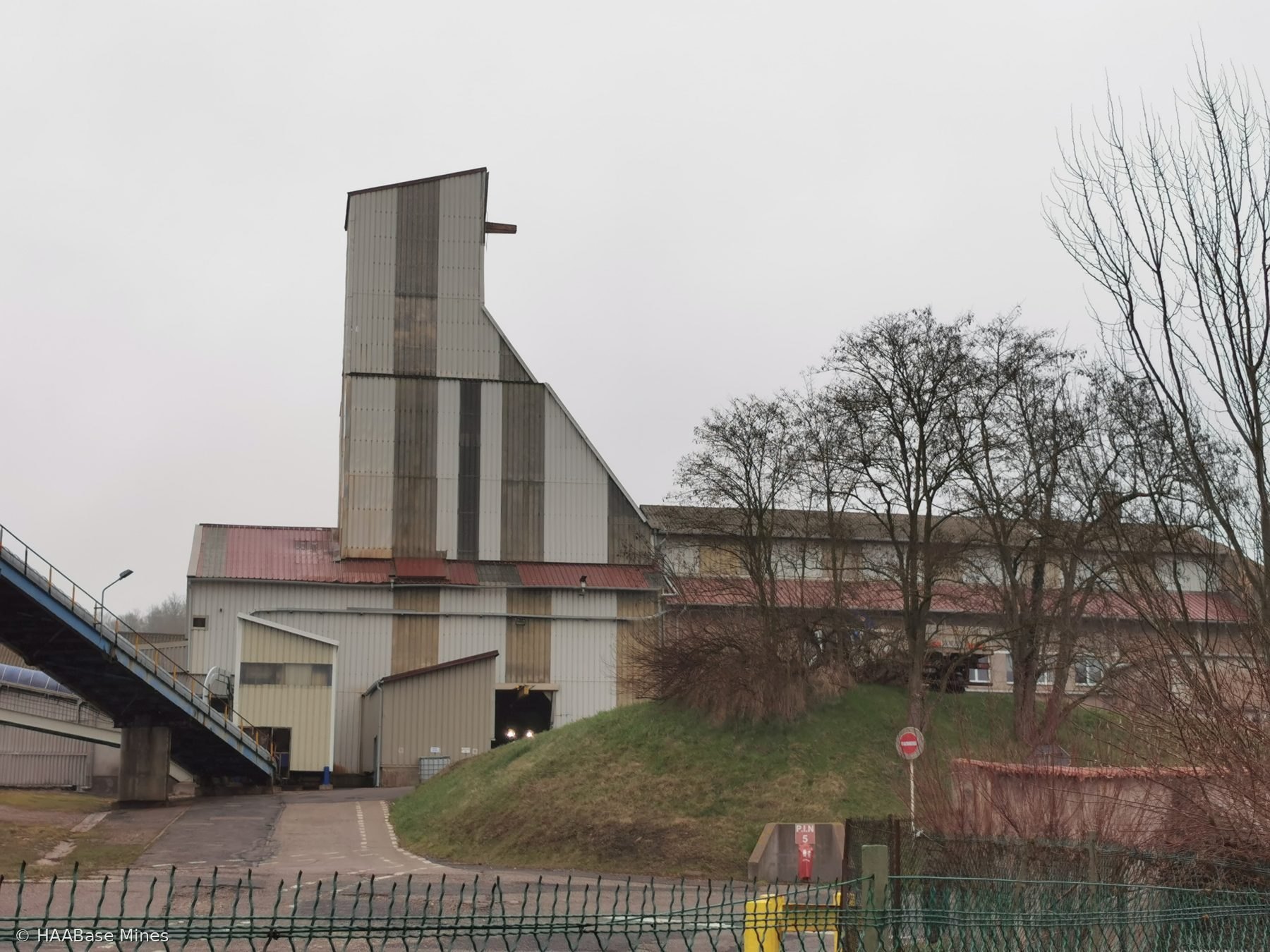
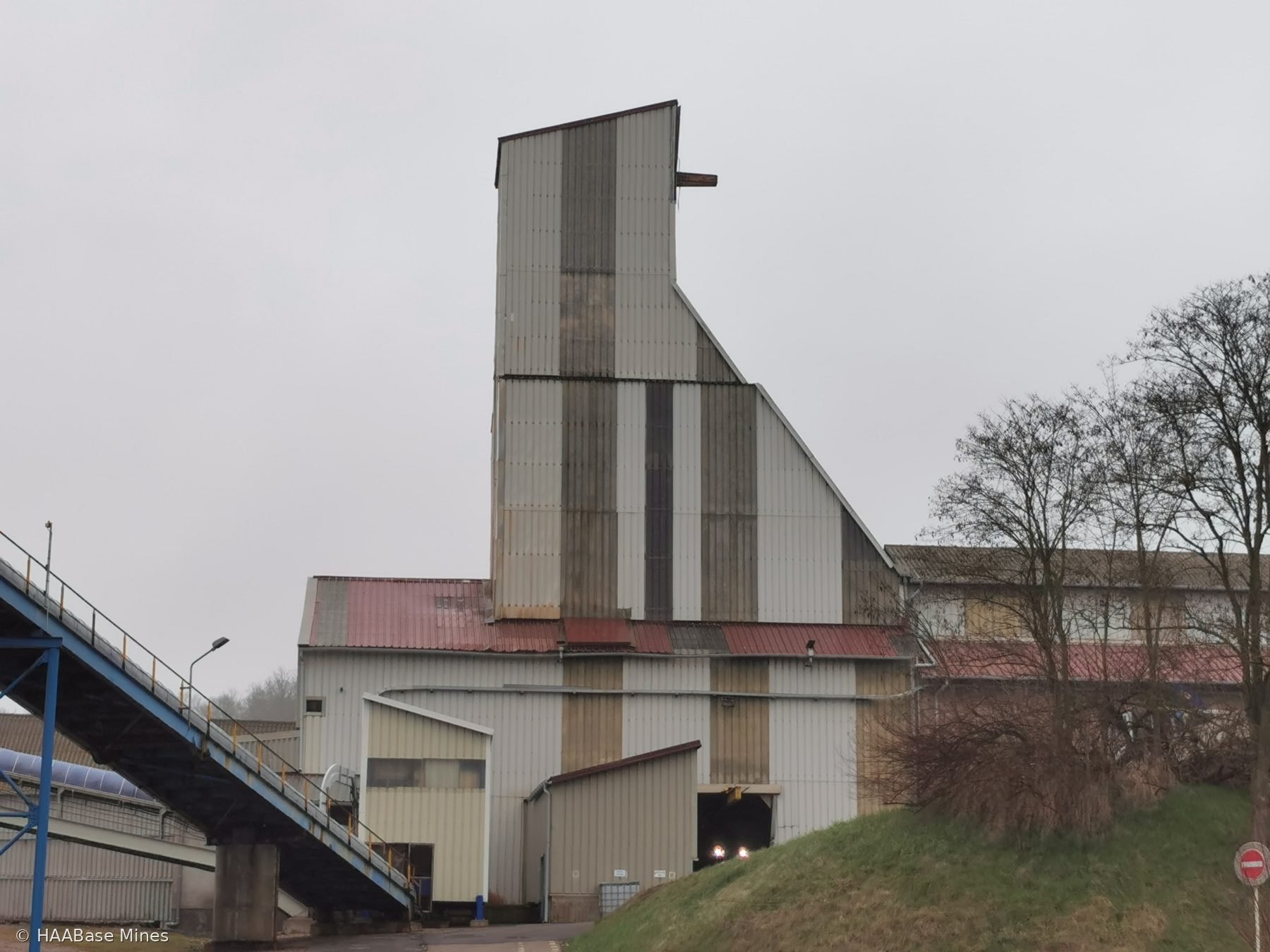
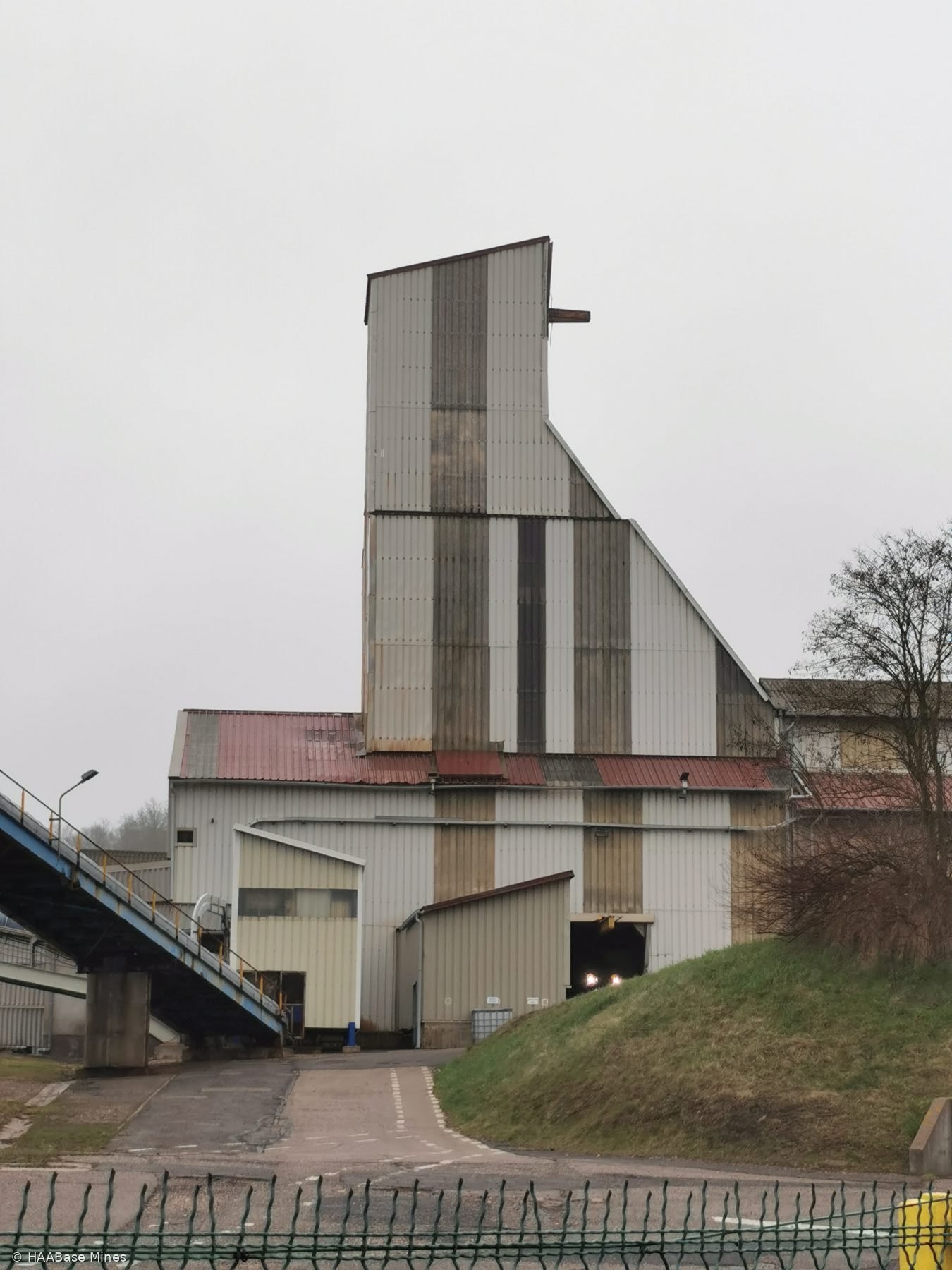
In 1868 the sinking of a second shaft, the puits Saint-Jean-Baptiste, was begun. Sources give varying completion dates, with the sinking described as running from 1868 to 1872 in some accounts and the shaft entering service in its mature role from the 1870s. This shaft, at 160 metres depth, is the current main service and extraction shaft and the one used for visitor descent today.
In the early phase of operation, abattage at the working face was carried out using water under pressure to cut three vertical slots, followed by explosive blasting. On 31 October 1873 a major ground collapse occurred in the quartier Saint-Maximilien as a result of this water-cutting method, which caused water to infiltrate beneath the salt pillars and undermine their load-bearing capacity. Following this event the mine adopted dry drilling and explosive extraction, which became the standard method.
In 1884 the Société Daguin et Cie became the Société Marcheville Daguin et Cie, following the acquisition of the Madeleine soudière by Marcel Compaignon de Marcheville, the son-in-law of Ernest Daguin. This company operated the mine through the late nineteenth and early twentieth centuries. Before the First World War the mine was producing significant volumes of salt, with photographs from 1910 documenting the surface recette and extraction machinery of the period. Wagonnets had been electrified from 1907.
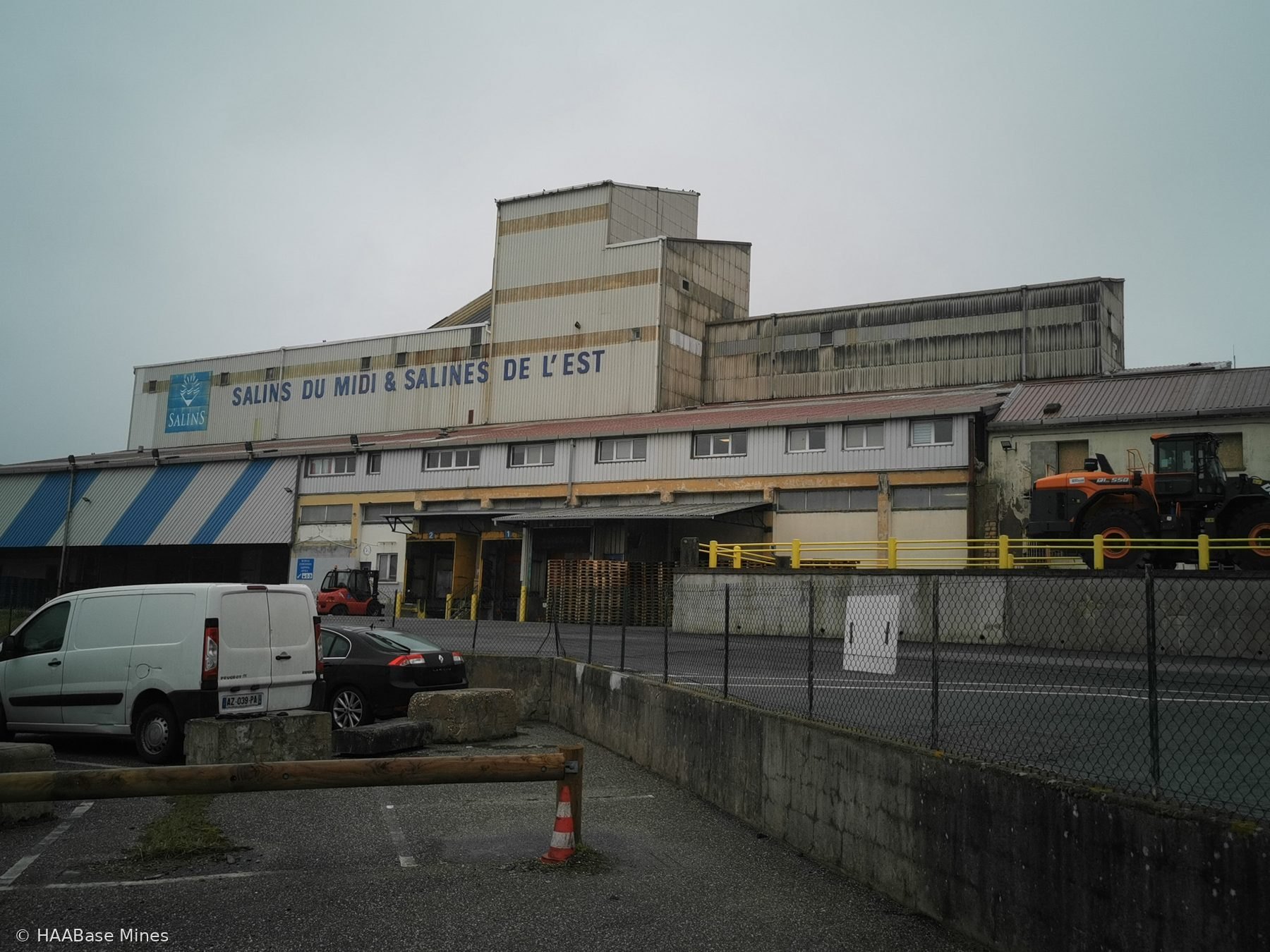
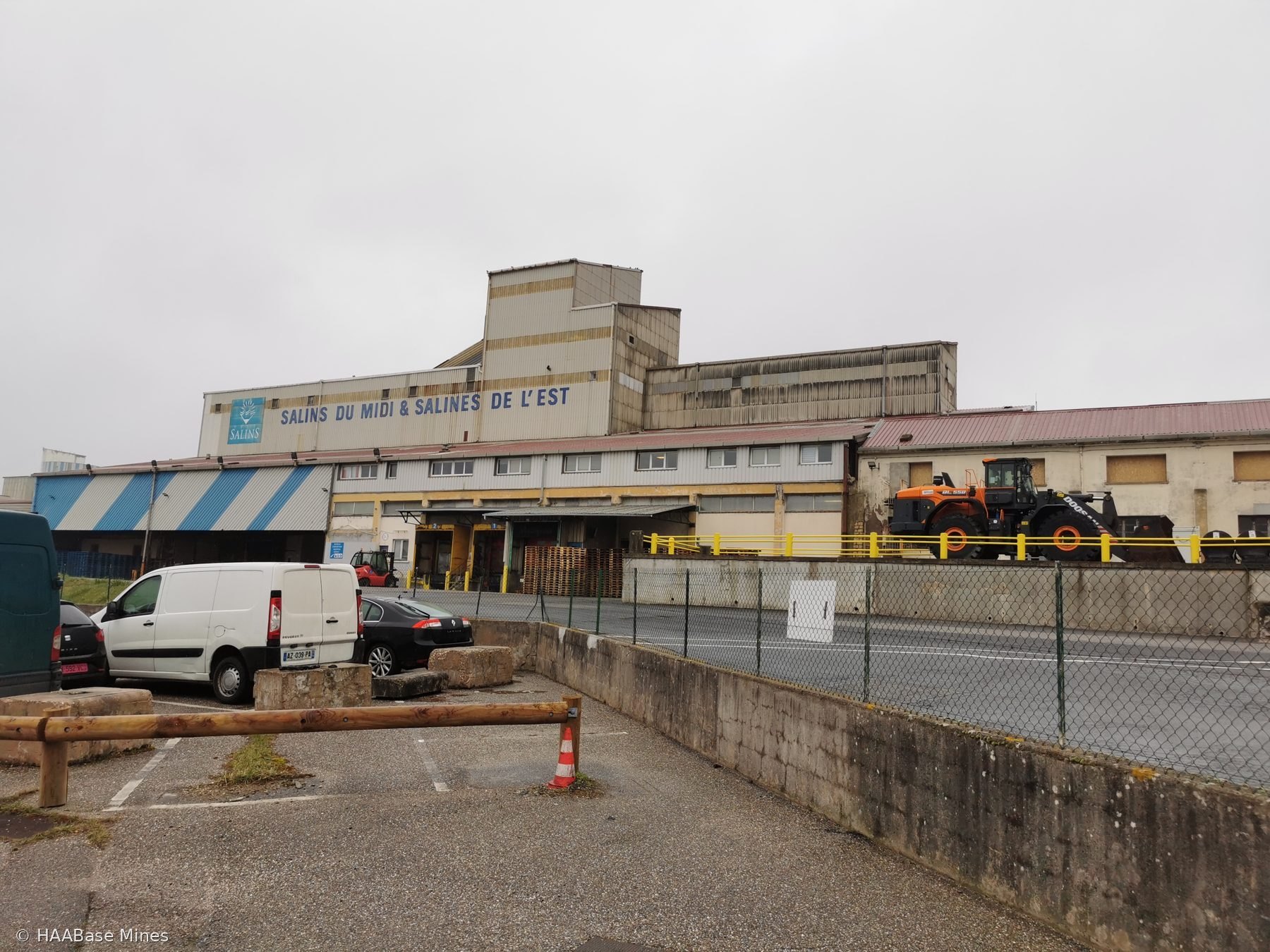
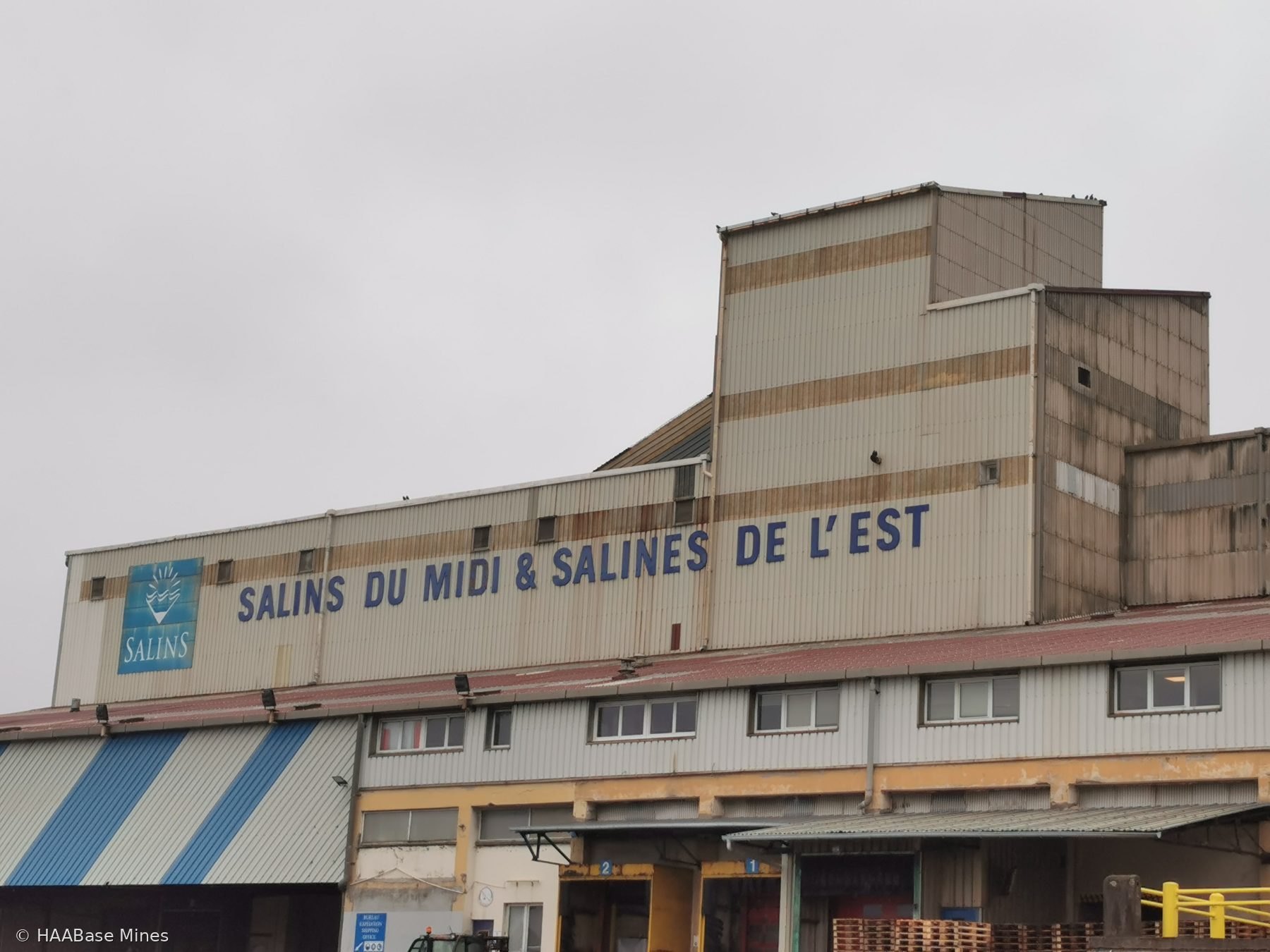
In 1944 the Société Salinière Lorraine was established; it leased and then purchased the mine and saline of Varangéville. In 1961 the Société Salinière Lorraine became the Société Salinière de l'Est, absorbing several other salines in Lorraine and the Franche-Comté. In 1966 modernisation of the saline was carried out, raising refinery capacity to 150,000 tonnes per year. In 1967 the Société Salinière de l'Est became the Société Salinière de l'Est et du Sud-Ouest. In 1968 a merger of the Compagnie des Salins du Midi with the Société Salinière de l'Est et du Sud-Ouest created the Compagnie des Salins du Midi et des Salines de l'Est (CSMSE). In 1973 the saline capacity was raised to 550,000 tonnes per year. In 1980 the CSMSE became a subsidiary of the Banque Hénin within the Groupe Suez.
In 1996 a takeover bid (OPA) by the American group Morton International Salt made it majority owner of the CSMSE. In 1999 the CSMSE became a subsidiary of the American company Rohm and Haas, which had acquired Morton. A holding company, Salins, was established. In 2000 the American period ended and the CSMSE was reintegrated as a subsidiary of the Groupe Salins.
The mine currently works with three shafts. The puits Saint-Jean-Baptiste serves as the main shaft for personnel, extraction and return air. The puits Saint-Maximilien serves as an air intake, with the ventilation fan located underground. The puits Rosières-Varangéville, belonging to the older Rosières-Varangéville concession, serves as a return air shaft for the Saint-Nicolas mine following underground connection of the two workings. The 11th salt layer, the grande couche, is approximately 20 metres thick. The current mining zone extends over more than 200 kilometres of already-exploited galleries, with the working face some 5 kilometres from the shaft. Annual production is approximately 500,000 tonnes, of which more than 90 per cent is used for road de-icing in the eastern quarter of France, extending to the Paris region and Germany.
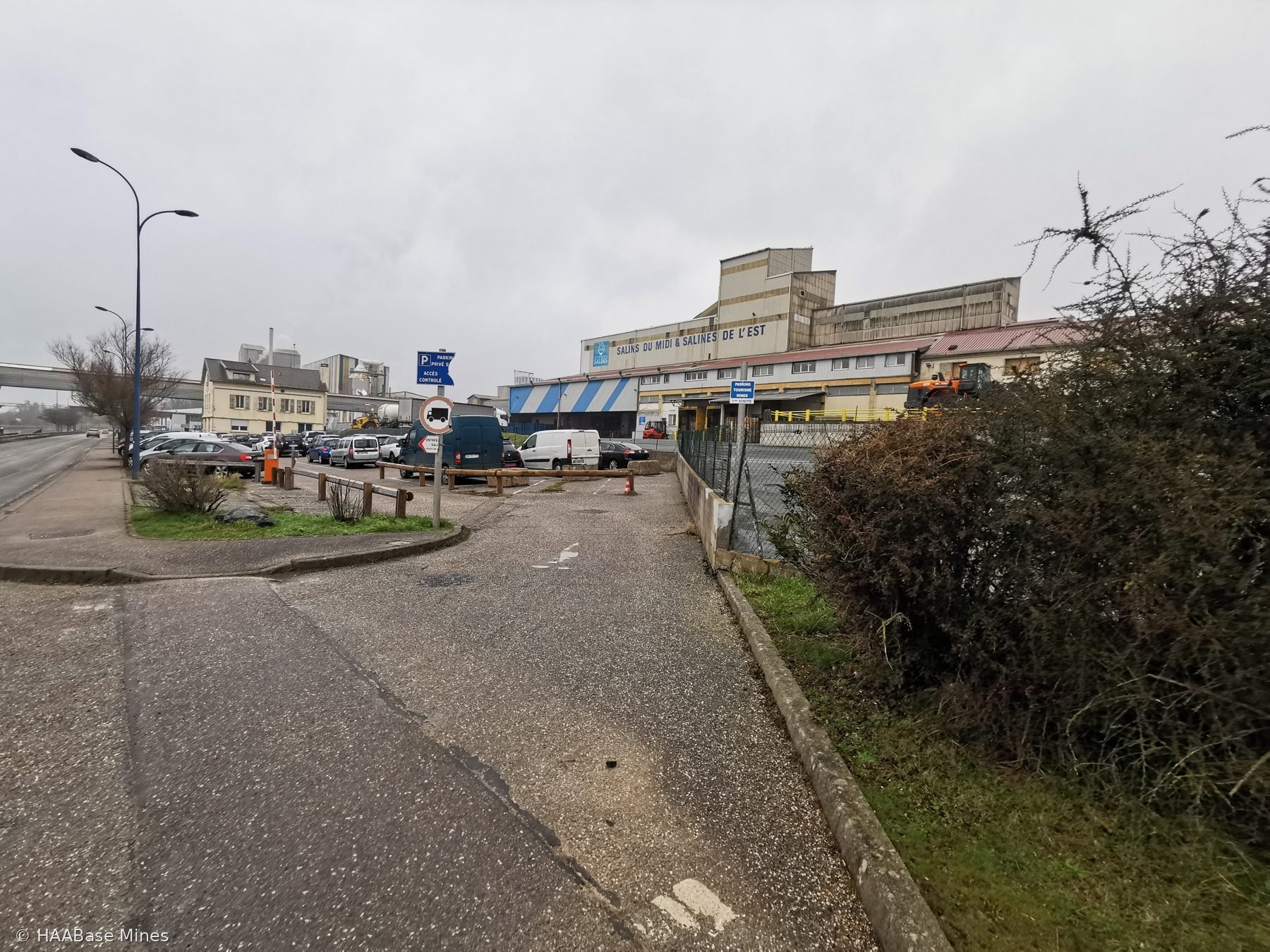
Guided public visits to the mine began on 24 September 2018. Visitors descend by the cage of the puits Saint-Jean-Baptiste to 160 metres depth. A museum with 1,600 square metres of display space, a photographic exhibition on salt minerals, and a shop are associated with the site. Dining in the underground galleries has been offered since 2020.