History
Iron ore — the oolitic limonite known as minette lorraine — was worked at or near Neufchef from at least around 1820, initially by hand in shallow workings at the hillside. The site's underground galleries encompass what museum sources describe as three successive epochs of extraction: the mine ancienne, worked by hand from around 1820 to 1910; the mine à air comprimé, using compressed-air equipment from around 1910 until about 1950; and the mine moderne, characterised by full mechanisation from the mid-1950s onwards.
The concession at Neufchef was one of several iron-ore holdings in the Val de Fensch and Pays-Haut area associated with the Wendel ironmaking interests. On 2 January 1902 the concessions of Hayange, les Tillhots, Neufchef, Magdaléna, Pérotin I and Pérotin II were formally merged into a single concession named De Wendel. Ownership subsequently passed through a succession of companies following the evolution of the French steel industry: from Wendel-Sidelor following the 1968 reorganisation, and then to Sacilor and its subsidiary Lormines.
The mine continued in production until 1983, when extraction was halted. The closure reflected the wider crisis of the Lorraine iron-ore basin, where the minette's low iron content of 25 to 30 percent — in comparison with imported ores from Mauritania, Brazil, and Sweden carrying grades above 50 percent — made it progressively uncompetitive from the 1960s onwards. The pumping of exhaure water continued after the end of extraction; at the related Bassompierre concession the pumps ran until 2008 before the deeper workings were allowed to flood.
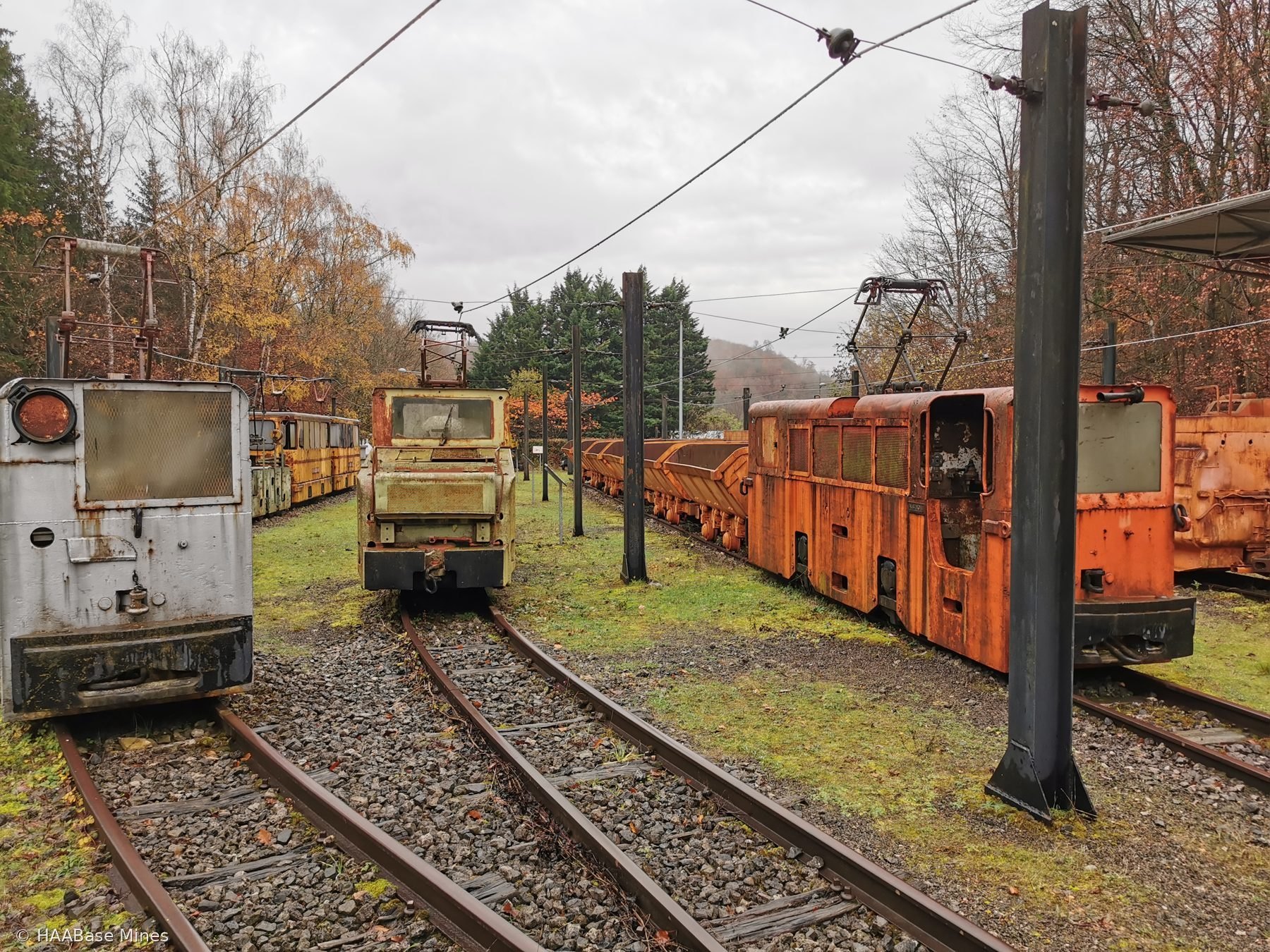
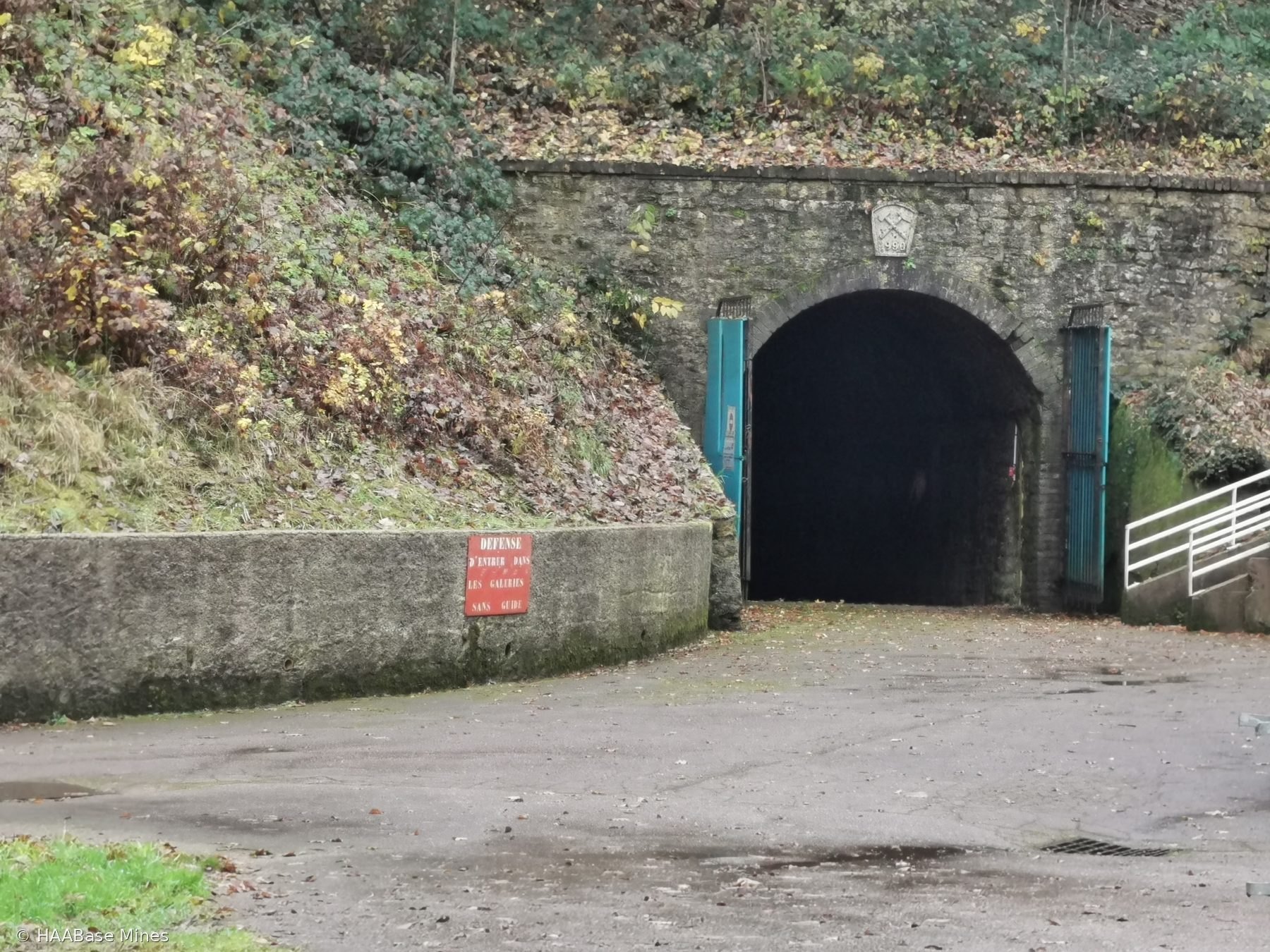
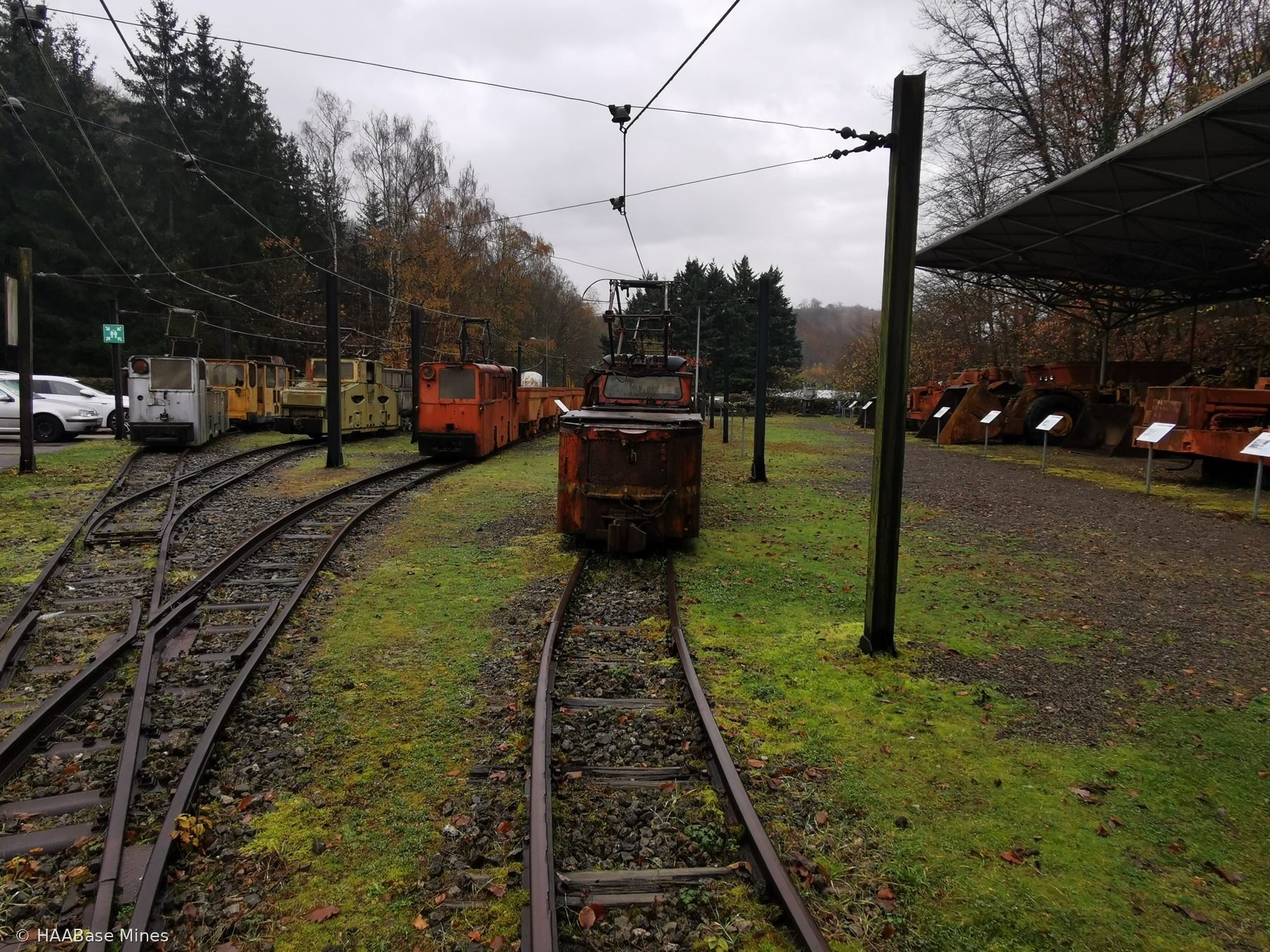
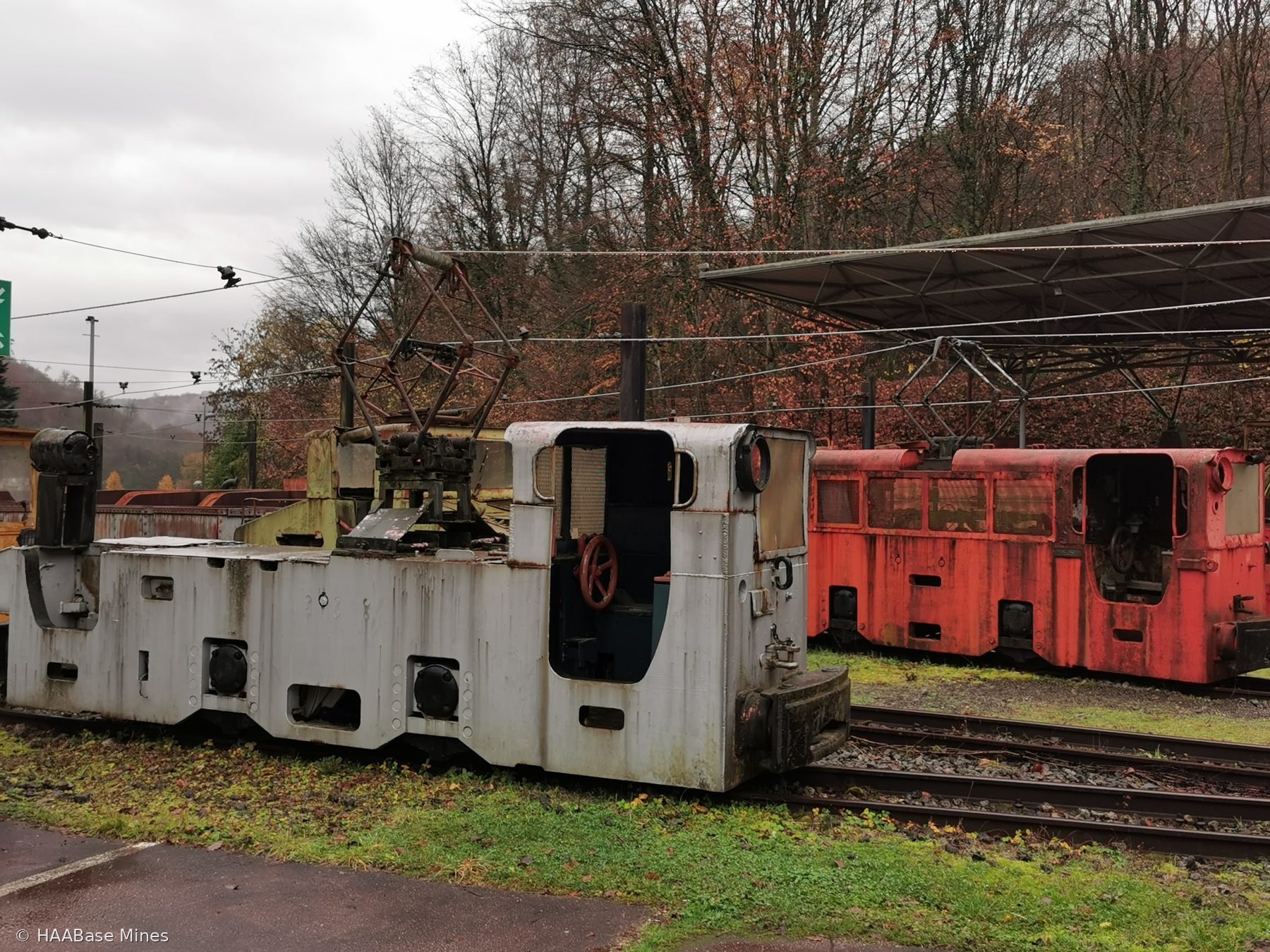
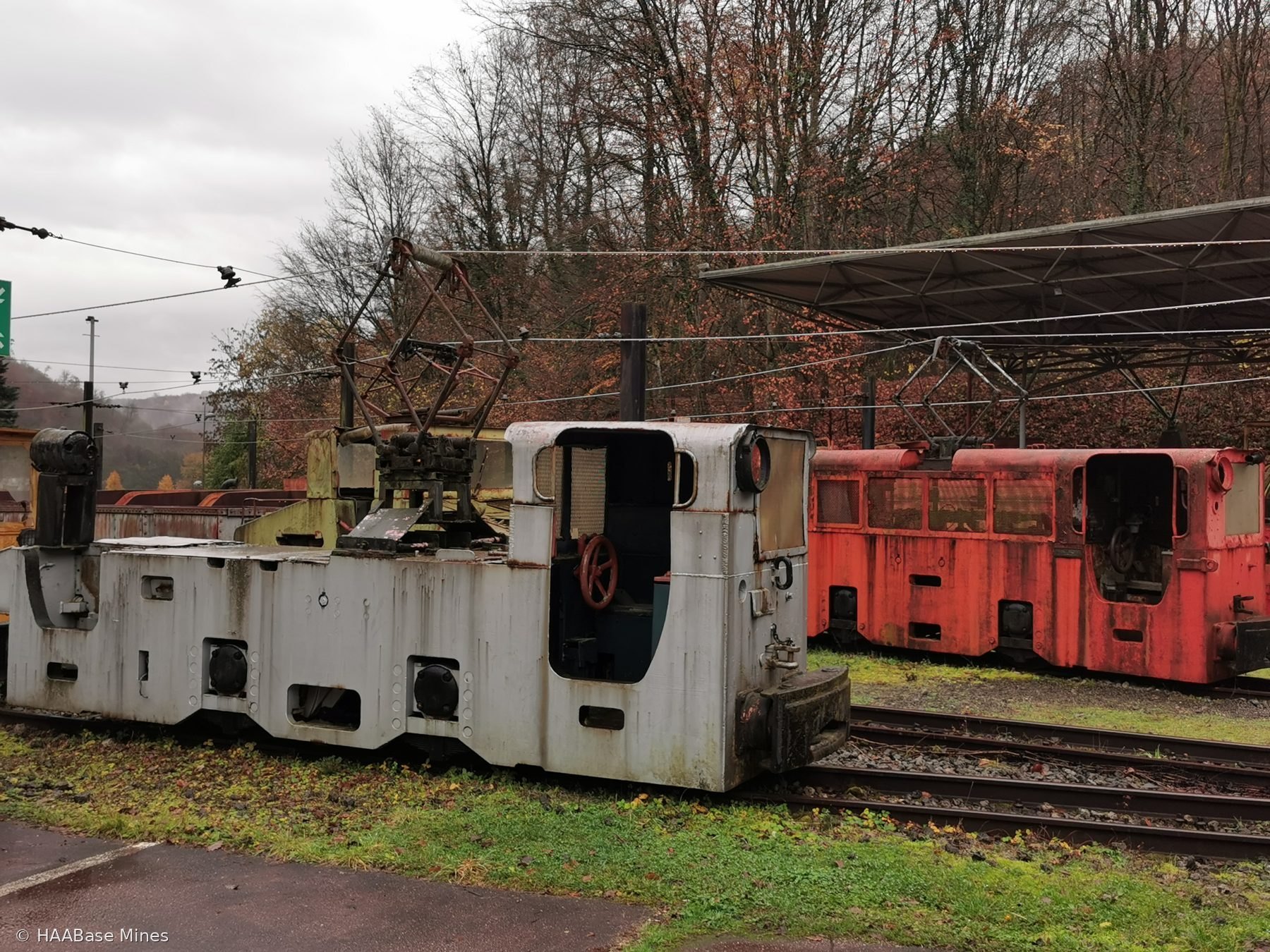
The Association Mémoire Ouvrière des Mines de FER de LORraine (AMOMFERLOR) was formed in 1984, in the immediate aftermath of the mine's closure, with the aim of preserving the memory of iron-ore mining and of the communities that it had sustained. The commune of Neufchef resolved on 23 November 1983 to create a mine museum, and works began in August 1985 with support from regional and departmental public bodies and surrounding communes. The renovation works opened some 1.5 kilometres of authentic mine galleries to visitor access. The Écomusée des mines de fer de Lorraine opened on 30 June 1989 and is managed across two complementary sites: the underground gallery site at Neufchef, and the surface infrastructure site at Aumetz, where the former mine Bassompierre and its headframe are preserved. The Neufchef site offers a guided underground circuit of 1.5 kilometres presenting the three epochs of extraction, accompanied by guides who are former miners. Exhibition rooms on the surface cover the geology and industrial history of the minette basin, the work of the miners, and the social and family life of the mining communities of the 1950s, including the central role of immigrant workers — Italians, Poles, Slovenes, Belgians and Algerians — in the Lorraine iron-ore industry. The museum holds the label Musée de France and forms part of the network of Grands Sites de Moselle.