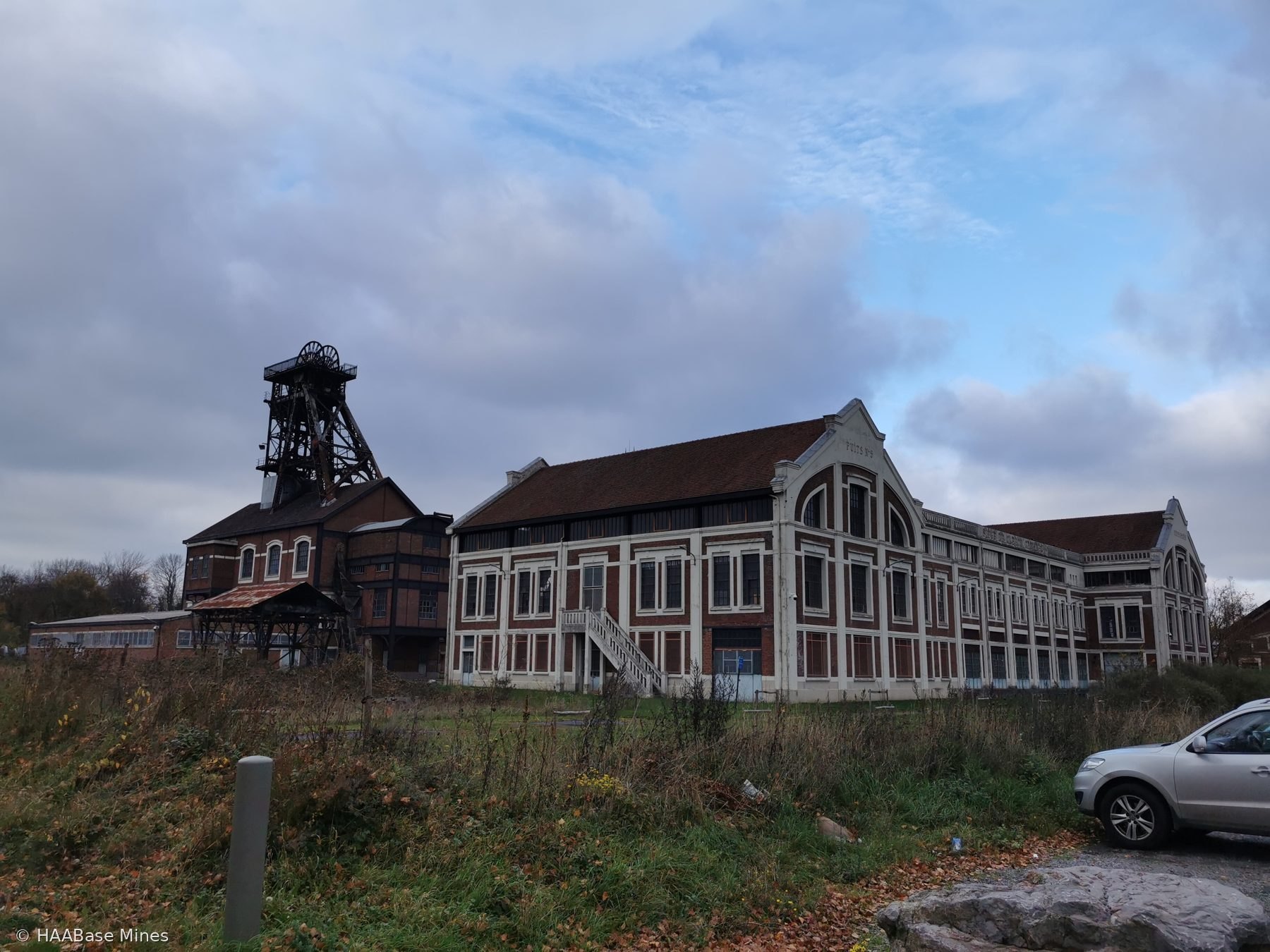
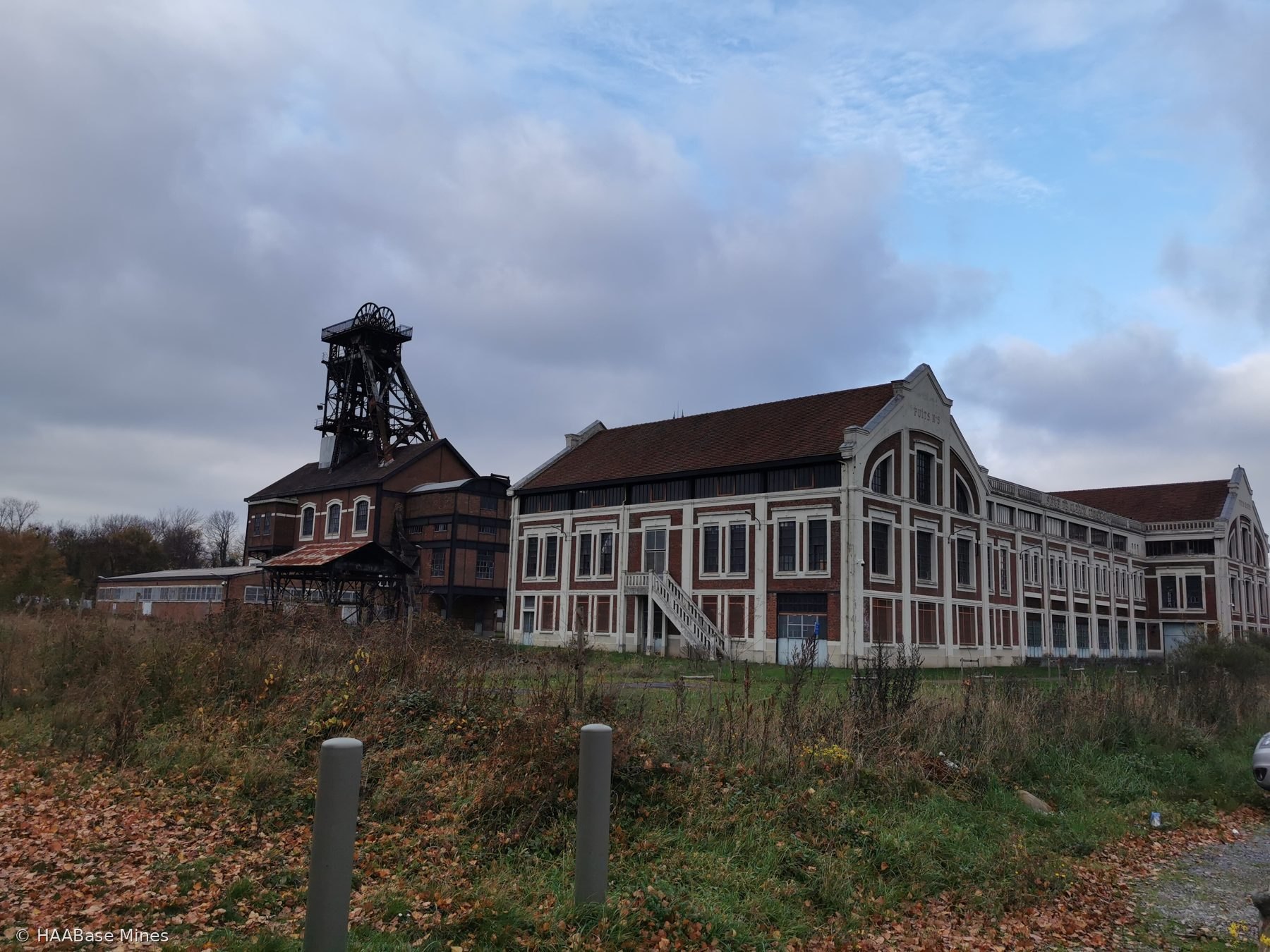
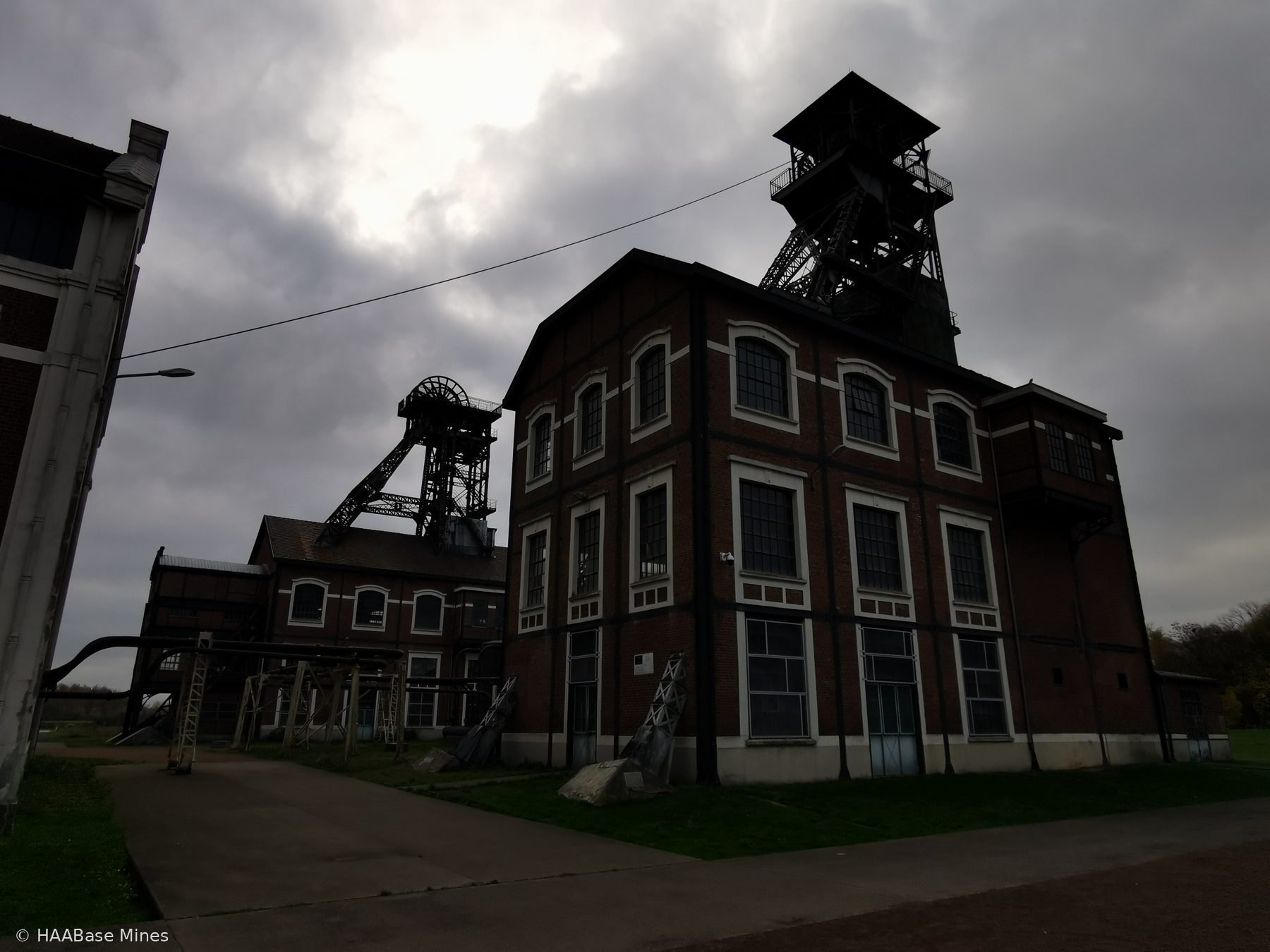
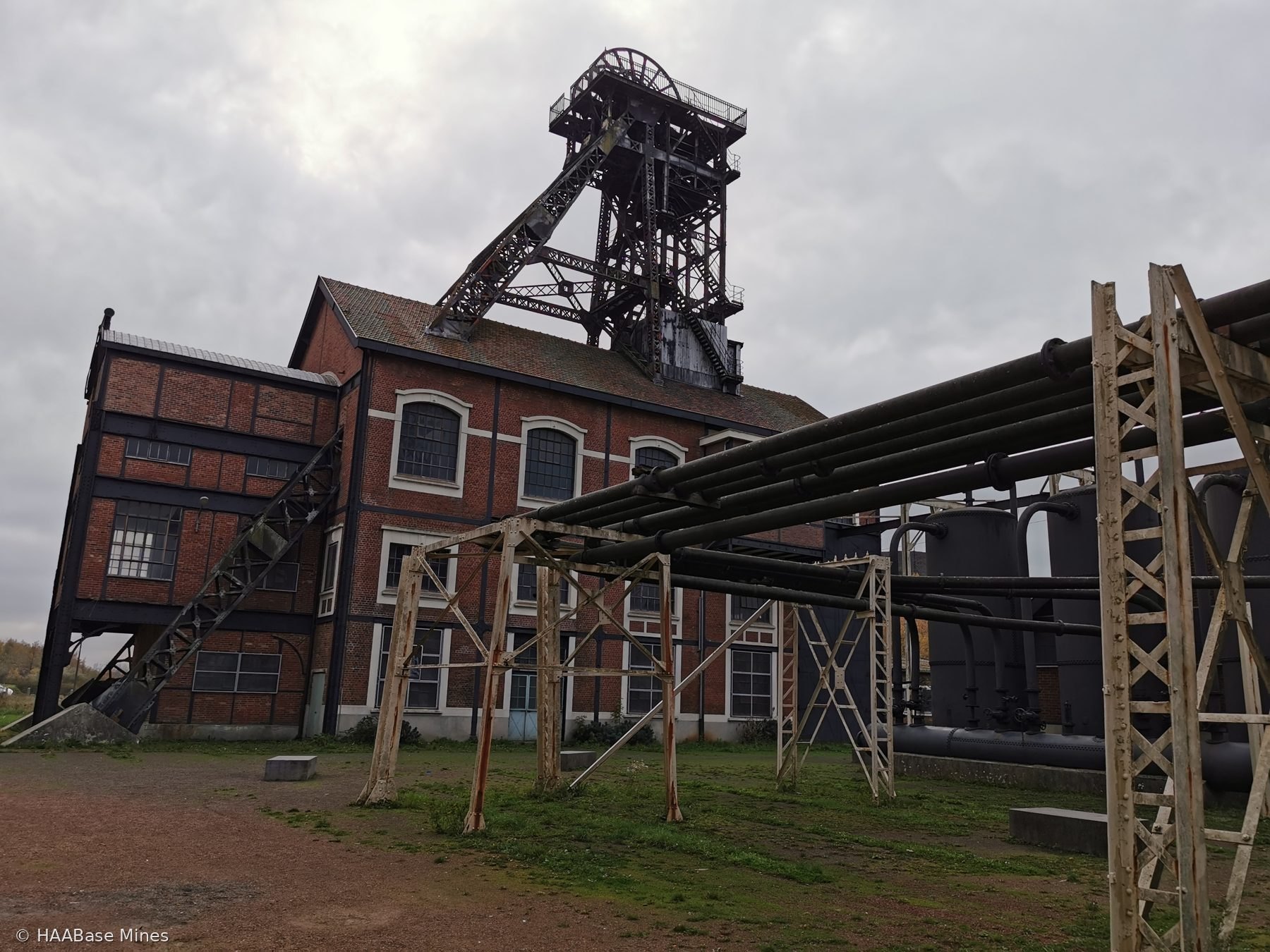
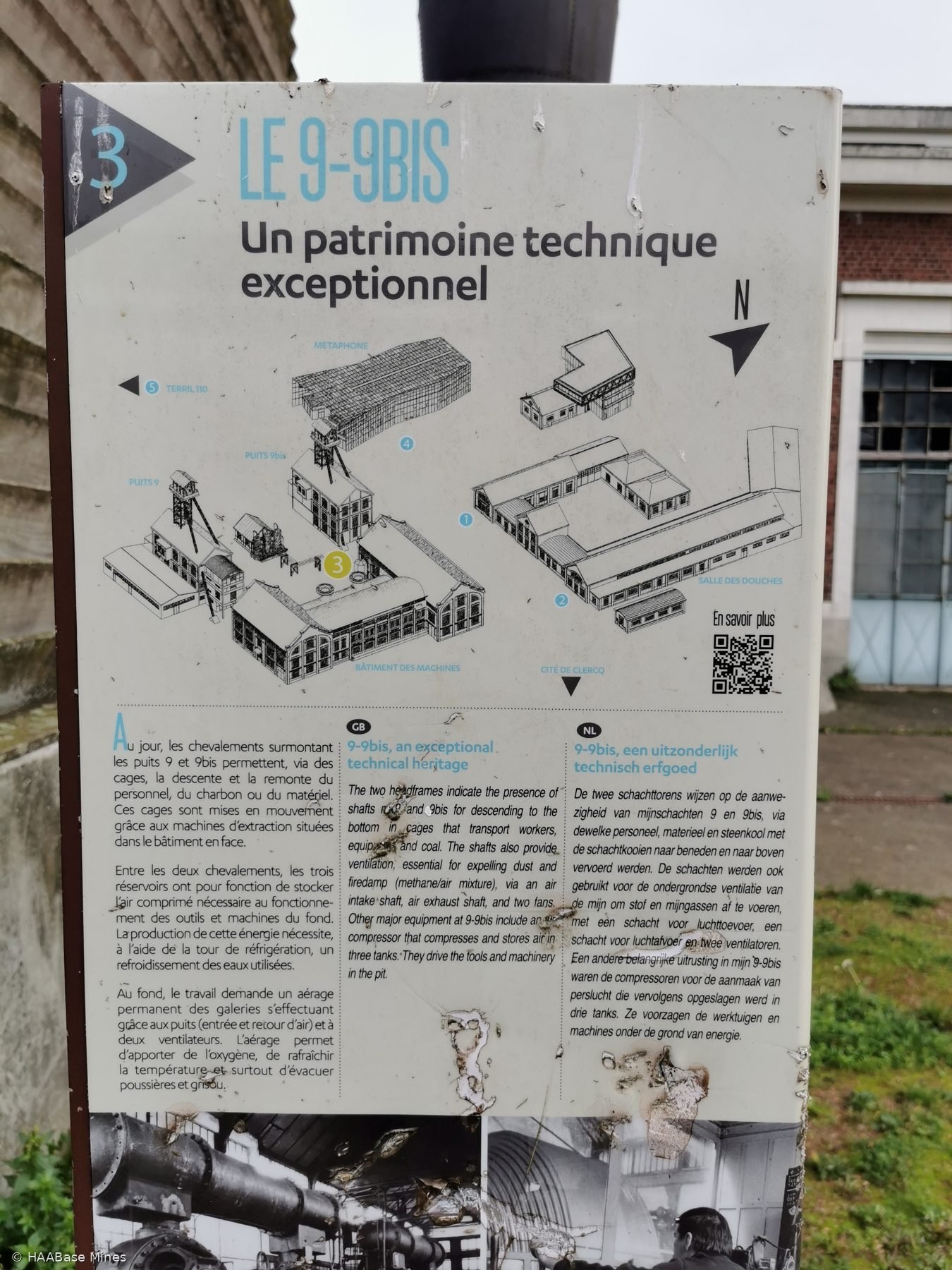
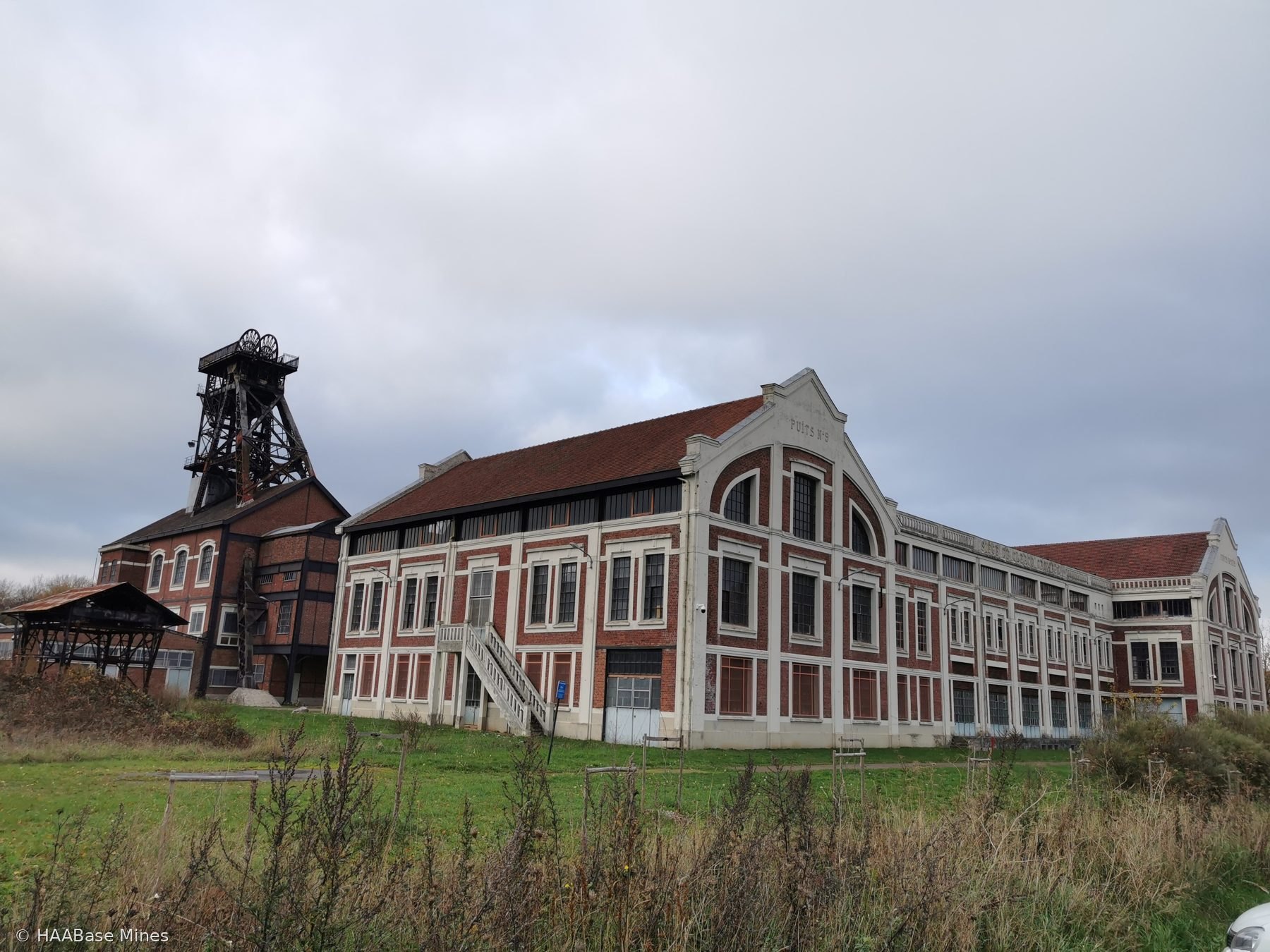
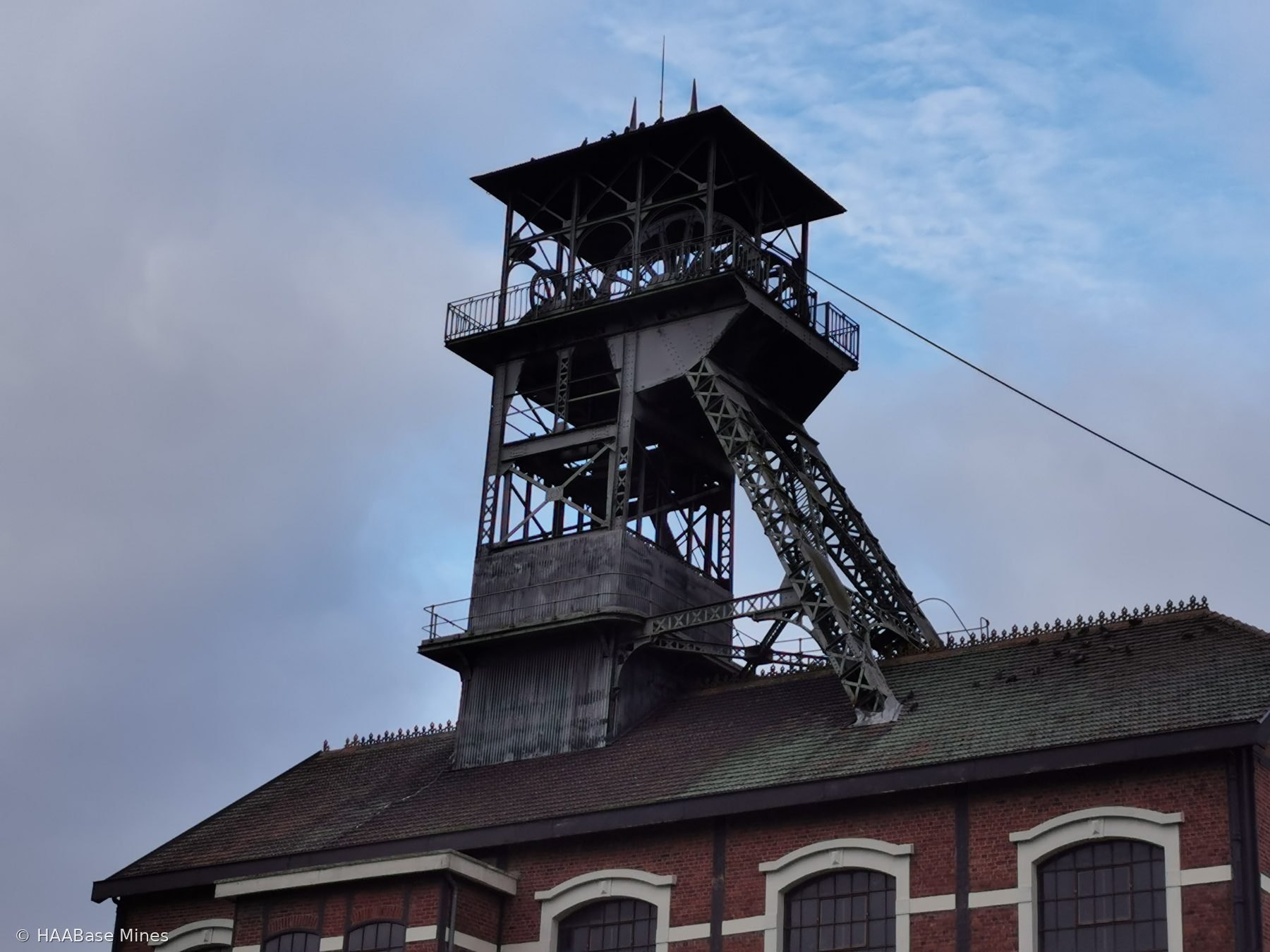
The discovery of coal at Oignies is recorded in 1841 or 1842, when engineer Louis-Georges Mulot, working on behalf of the landowner Henriette de Clercq, identified a coal-bearing stratum in the grounds of her estate. In 1852, Madame de Clercq and Mulot founded the Société des Mines de Dourges, which subsequently developed several pits in the surrounding area. The Fosse no 9 - 9 bis was the last and most northerly colliery sunk by the company, located on the commune of Oignies approximately at the boundary of the concession with the Compagnie d'Ostricourt.
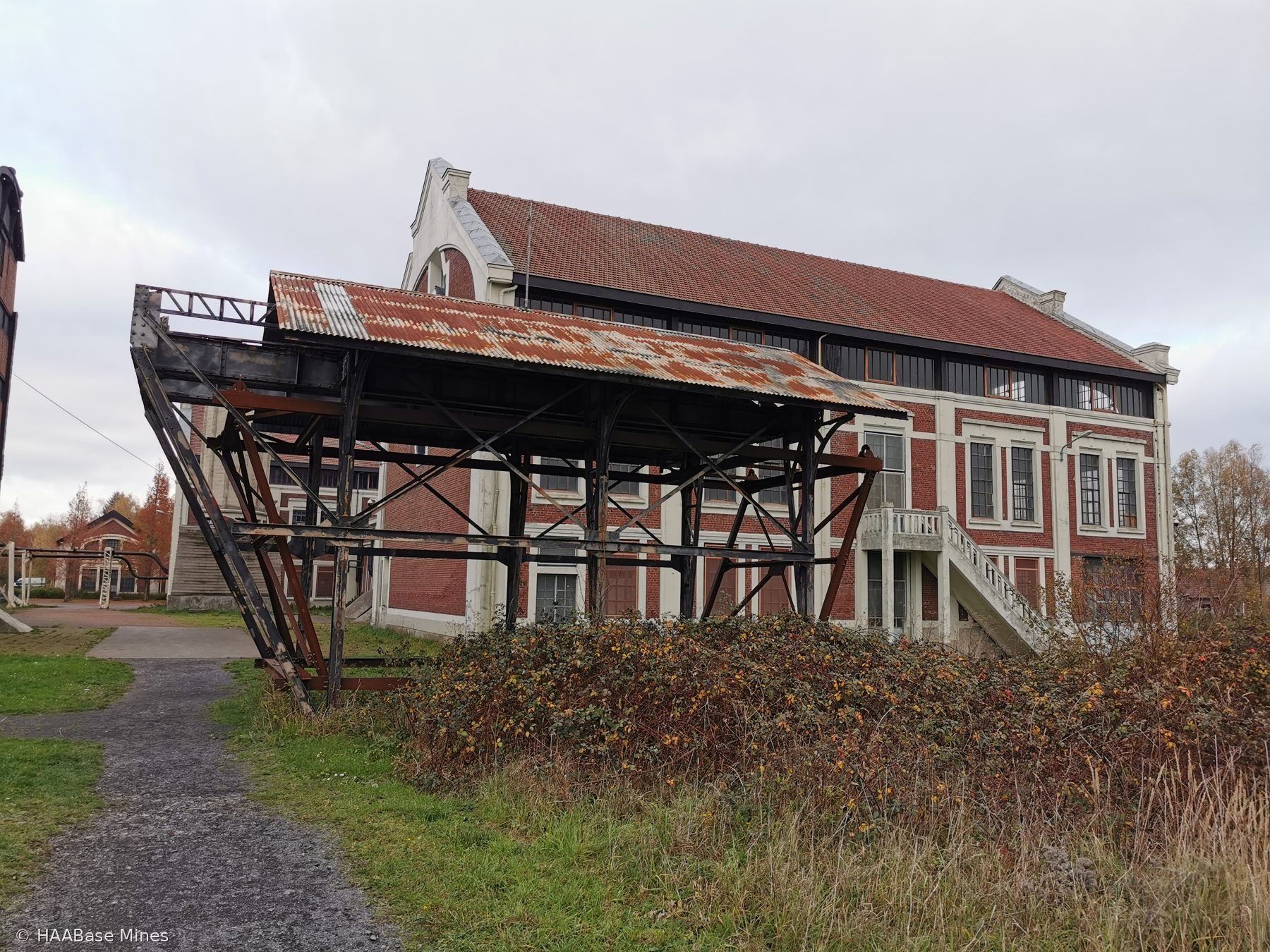
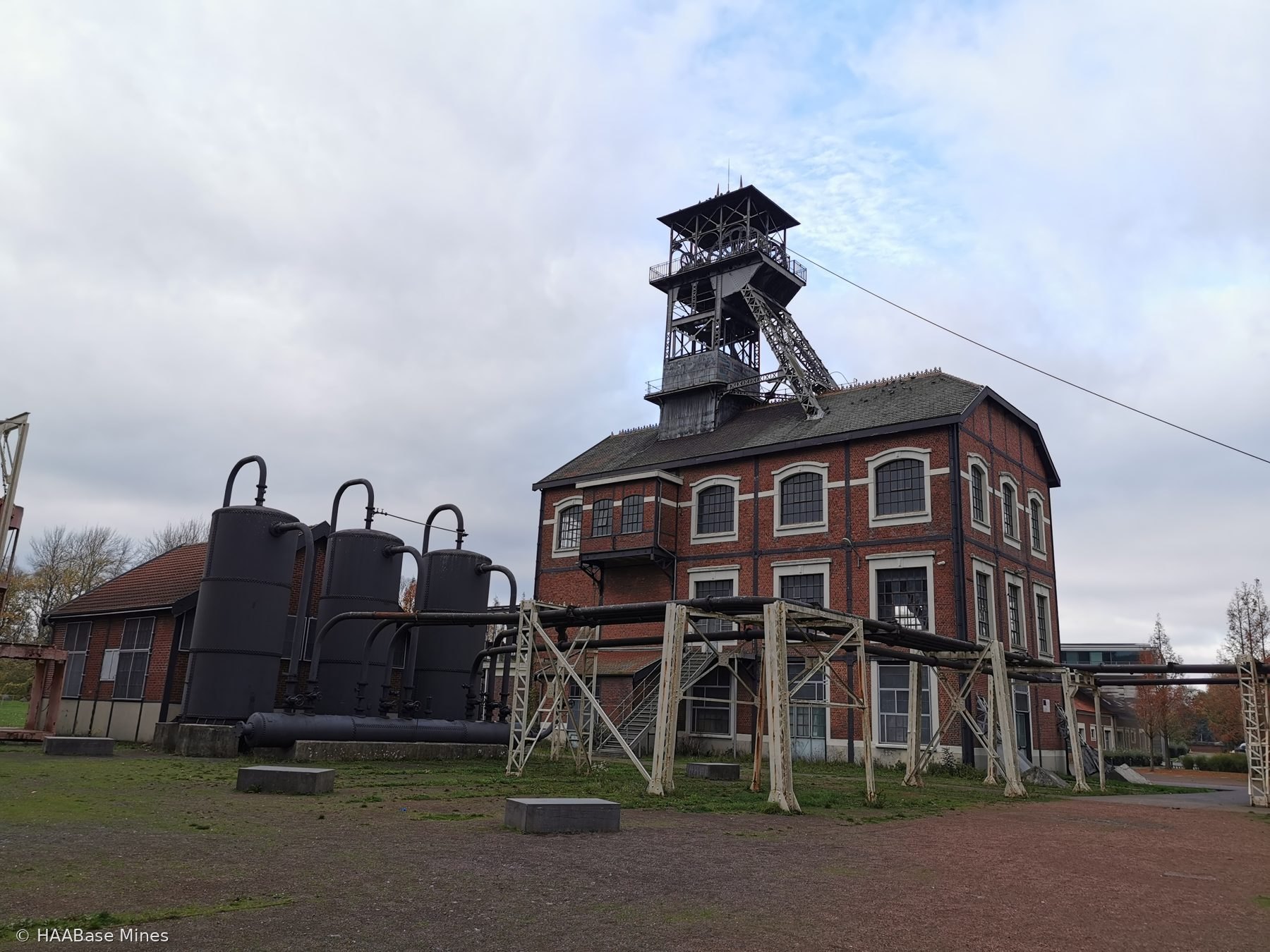
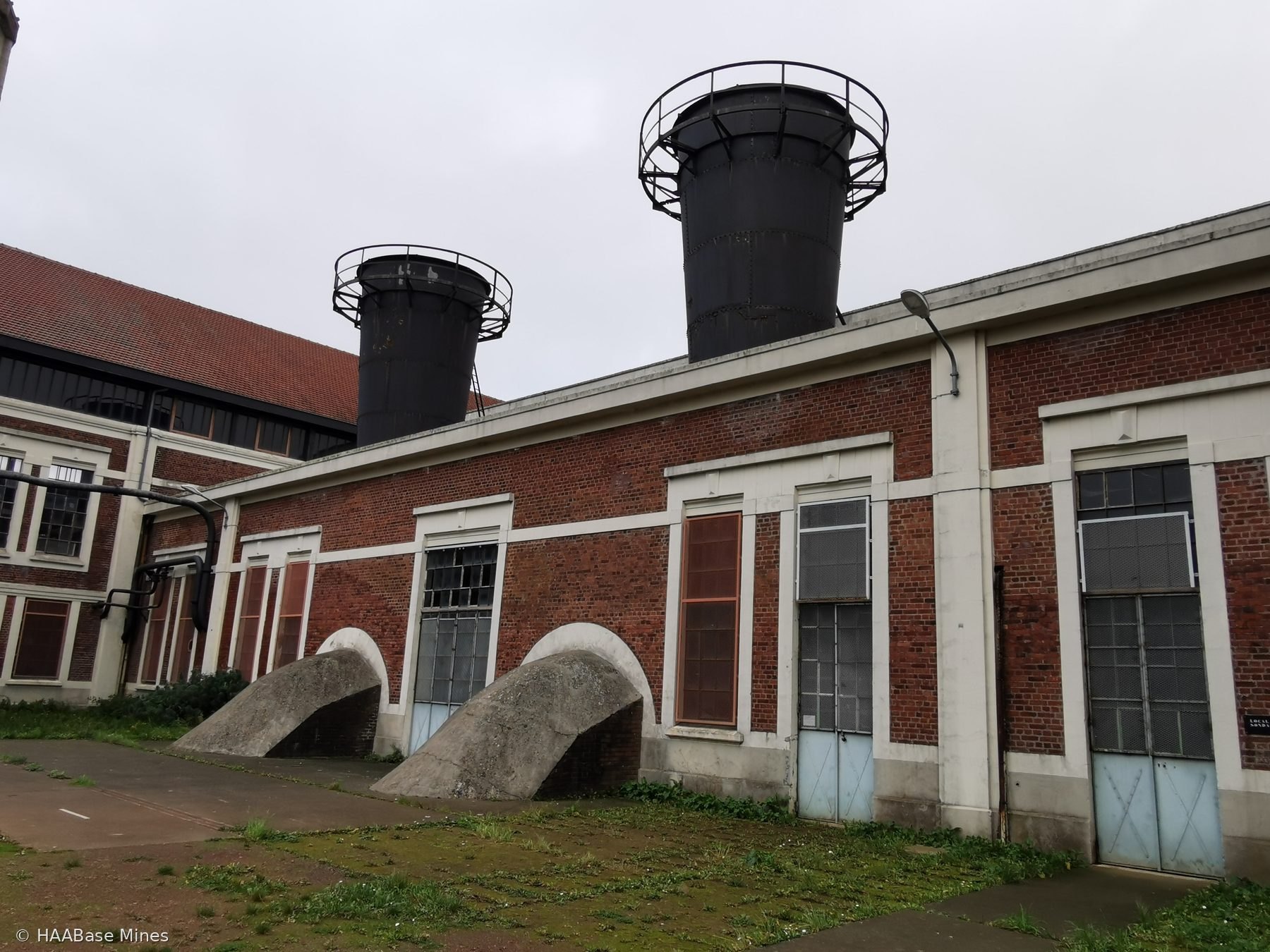
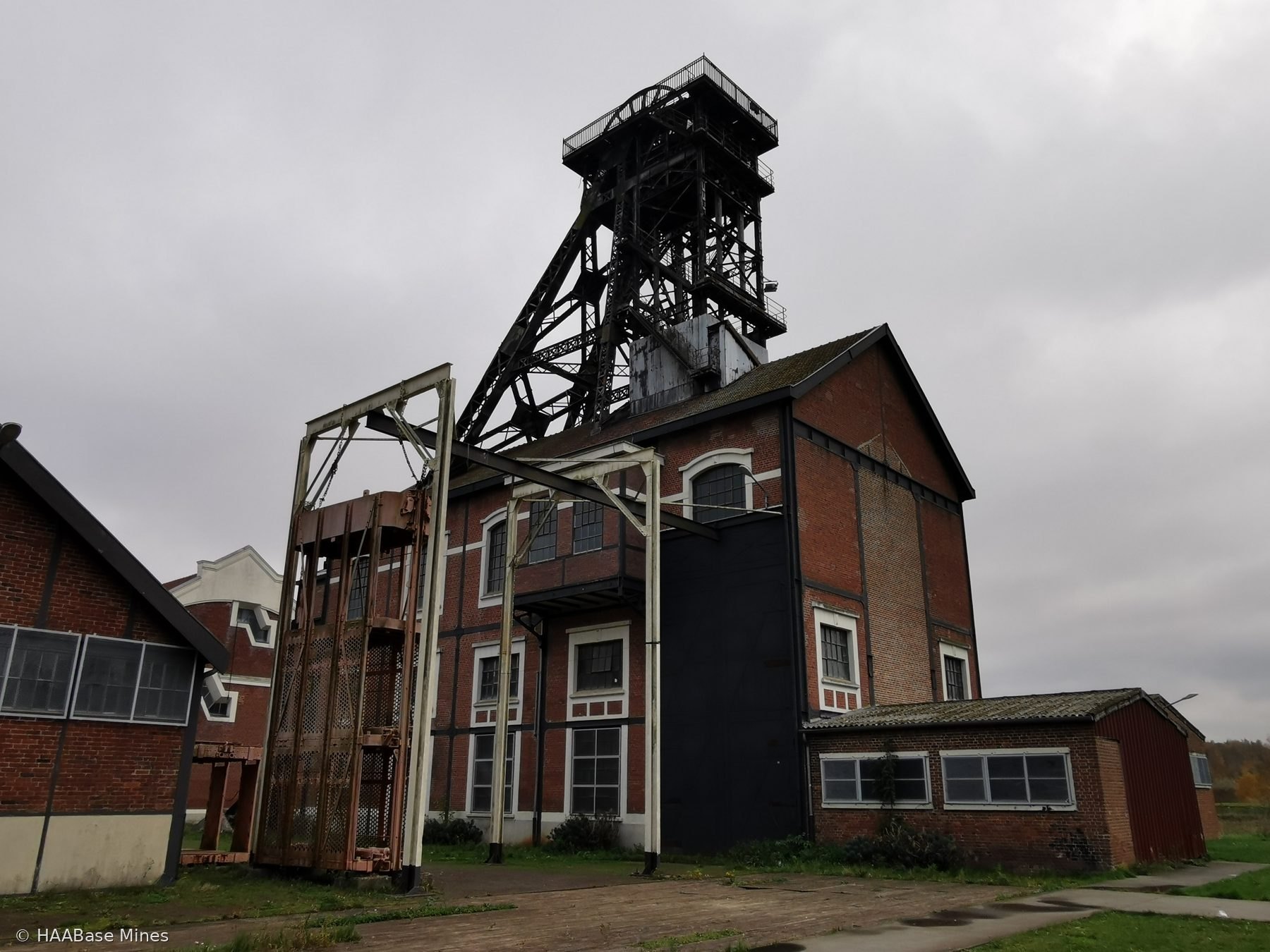
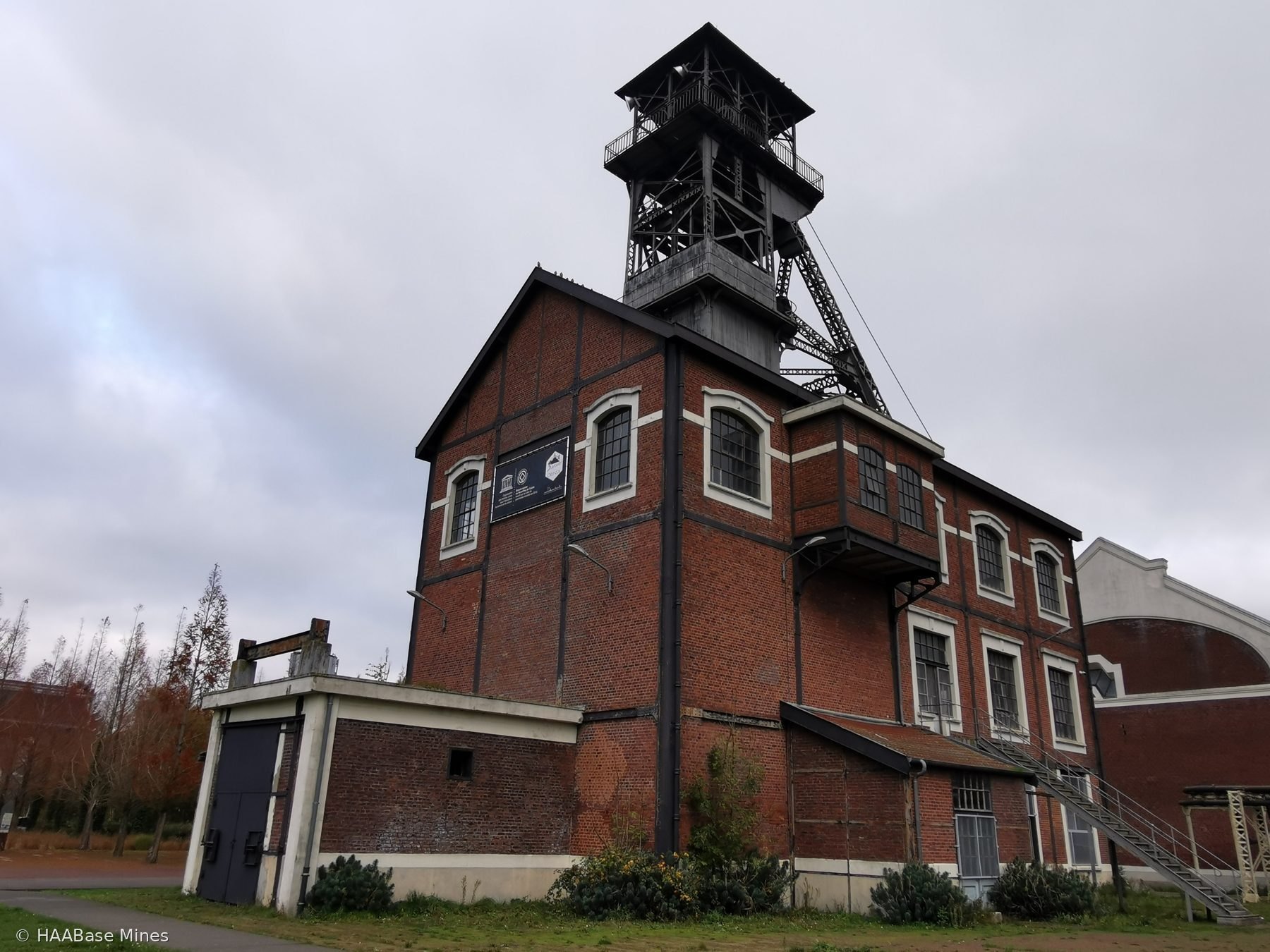
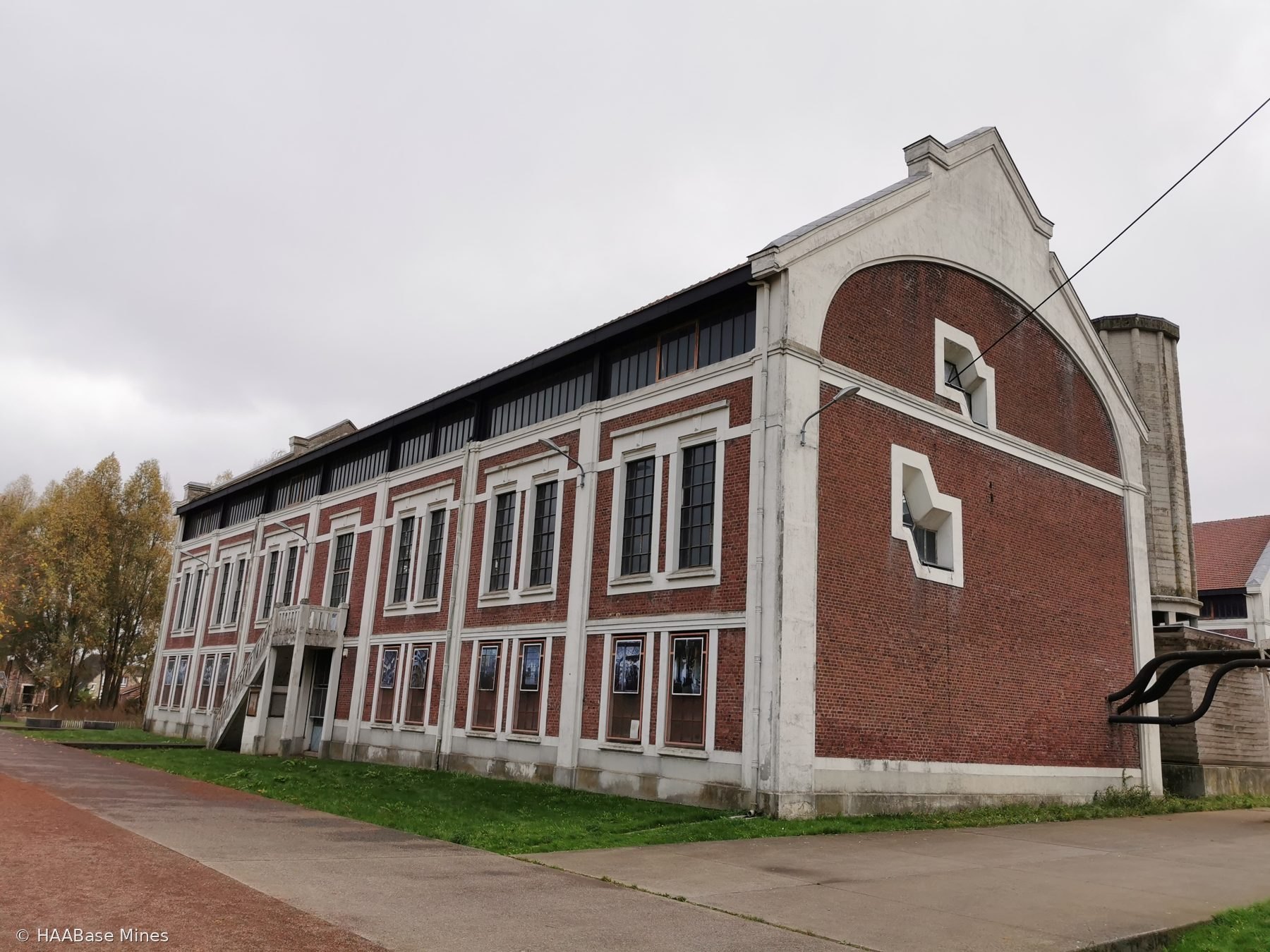
Sinking of the two shafts began in 1930. Puits no 9 was commenced on 16 February 1930, and puits no 9 bis was commenced on 1 August 1930, positioned sixty metres to the north. Both shafts had a diameter of 5.10 metres and were lined with brick at the shaft head. The surface buildings were designed and constructed by Dellile, architect-in-chief, and Foby, chief engineer of the Compagnie des mines de Dourges, in the neo-regionalist style typical of the interwar period, using reinforced concrete faced with red brick. Puits no 9 was assigned principally to ventilation, while puits no 9 bis served both ventilation and extraction.
The fosse began producing coal in 1933 or 1934 — sources differ slightly on this date — with an initial workforce of around 368 miners. Output expanded steadily, and by the 1950s the site employed up to 2,500 workers, of whom approximately 2,200 were underground miners. By 1961 the fosse had raised more than four million tonnes of coal in its own right. During its full operational life the combined output of the shafts is recorded at eight million tonnes. In 1903, the wider Compagnie des mines de Dourges had been at the forefront of the regional coalfield; the Fosse no 9 - 9 bis represented the final phase of the company's development.
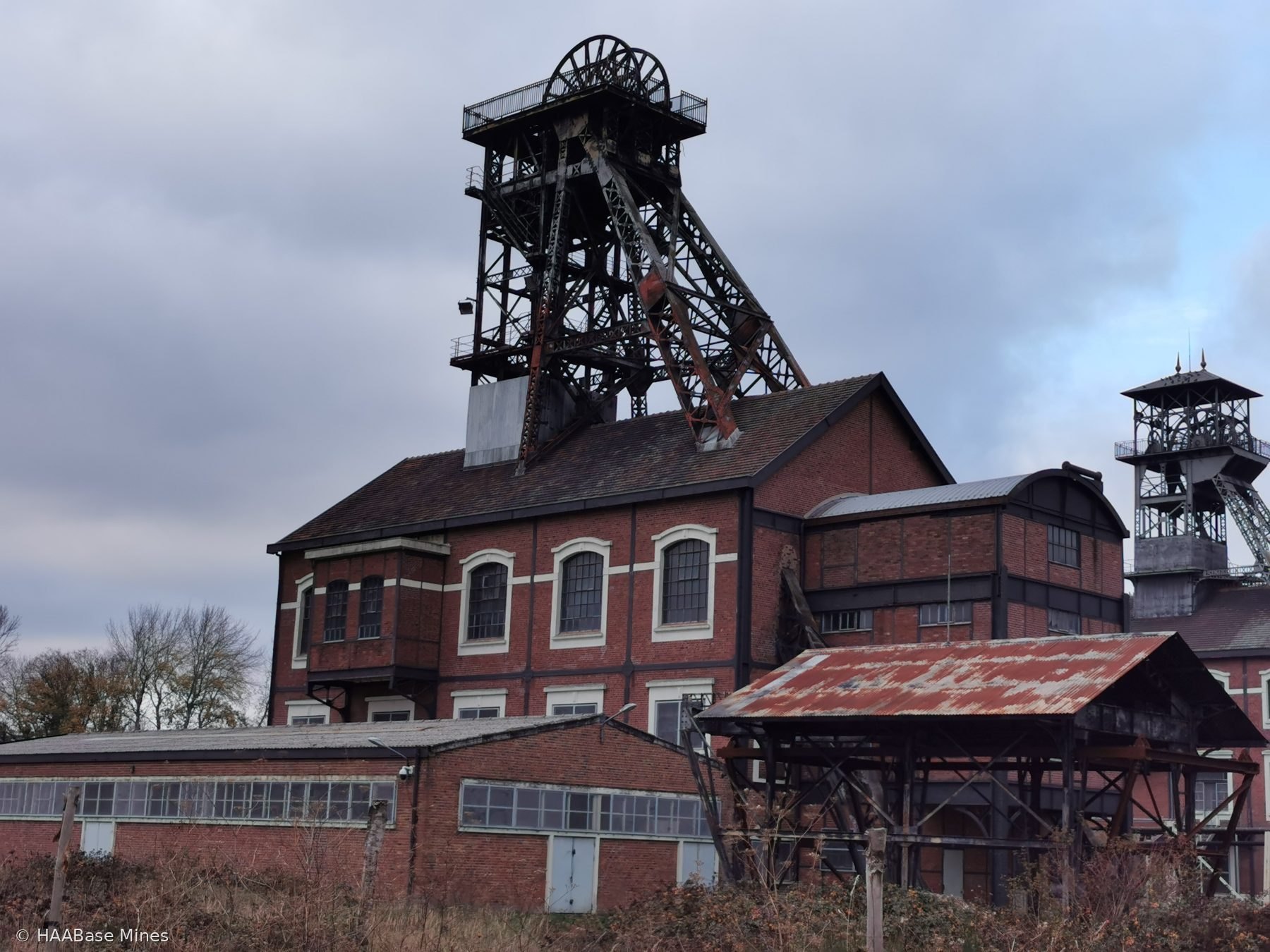
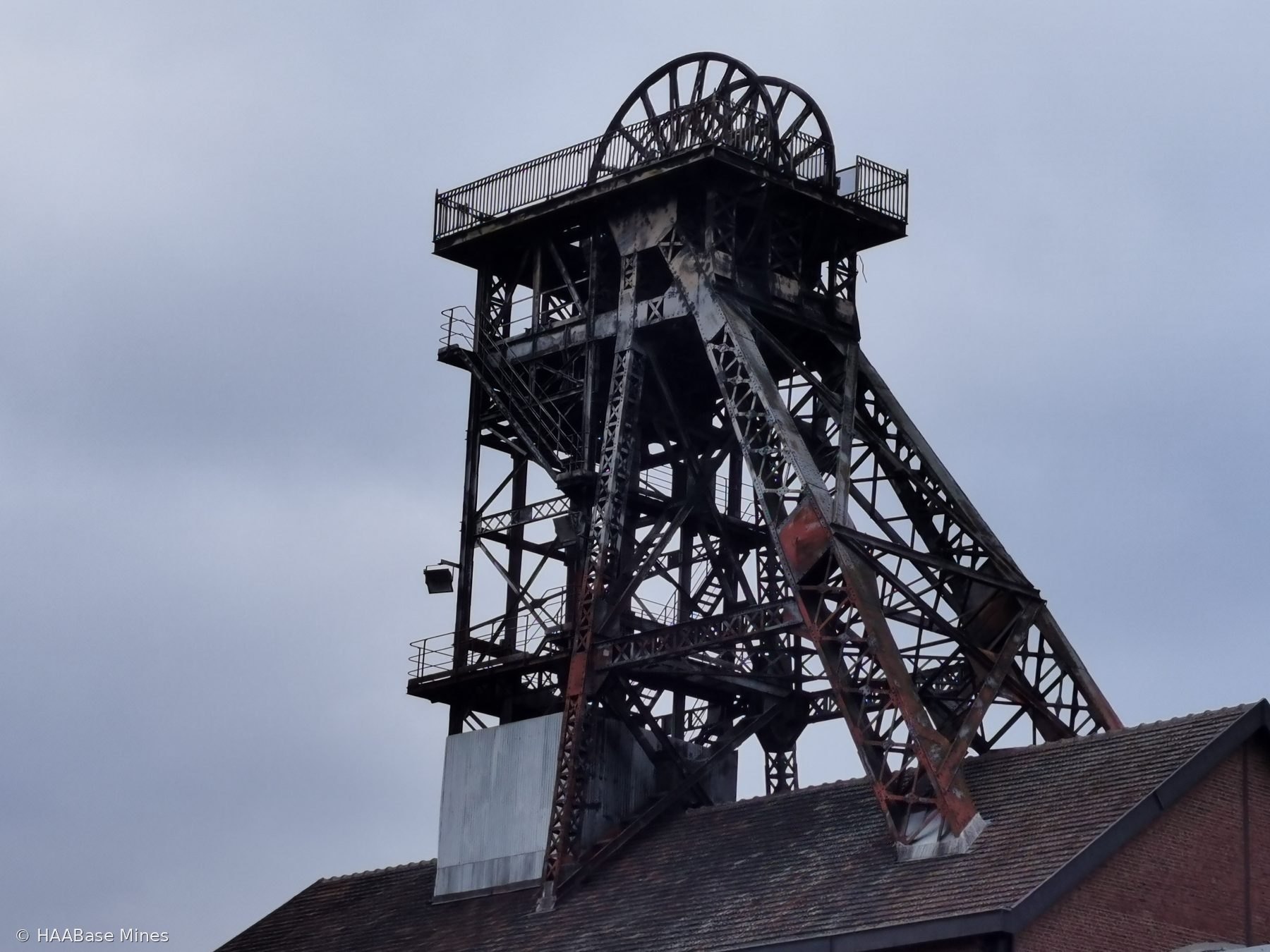
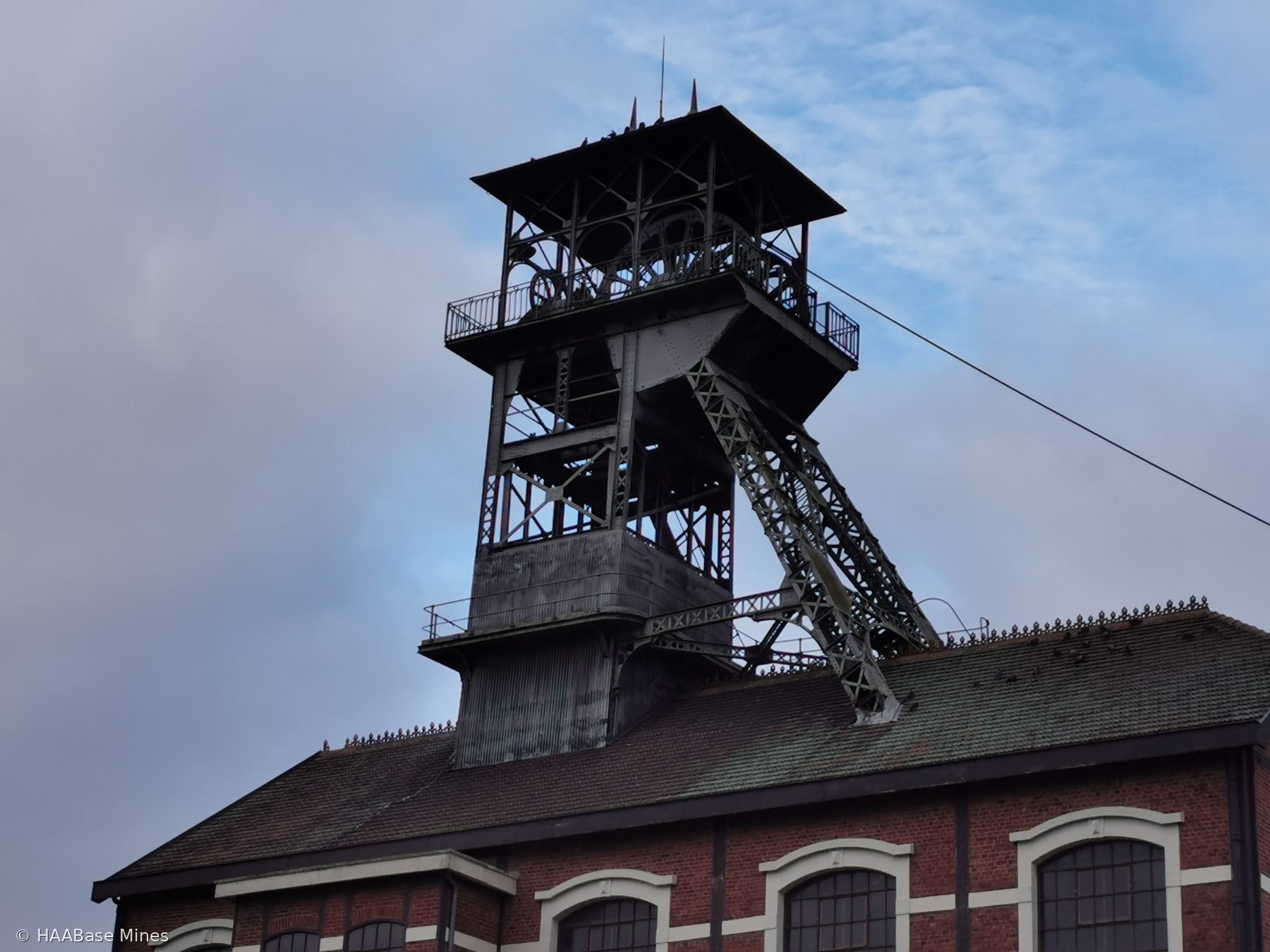
Following the nationalisation of French coal mining in 1946, the site was incorporated into the Groupe d'Oignies. In 1957, preparatory work began for the sinking of the new Fosse no 10 at Dourges, located approximately 1,065 metres to the south-west. When Fosse no 10 entered production in 1961, extraction at the Fosse no 9 - 9 bis ceased and coal production was directed through that concentration shaft. The screening plant was dismantled in 1961 and the lamp room and pithead baths were enlarged to accommodate a workforce that had grown to approximately 2,400. Puits no 9 was re-equipped for handling 3,000-litre tubs, and in 1963 puits no 9 bis was deepened to 531 metres. In the same year the headframe was replaced with one transferred from the puits no 3ter at Auchel. A connection gallery was driven between the Fosse no 9 - 9 bis and Fosse no 2 at Oignies, which lay approximately 1,490 metres to the north-north-west; this was in service by 1966, enabling materials supply to Fosse no 2 to be routed through Fosse no 9 - 9 bis. The two sites were also linked underground to Fosse no 10 by 1968.
The colliery continued to function as a personnel and materials shaft until the closure of the coalfield. On 21 December 1990, the last coal tub raised from the Nord-Pas-de-Calais coalfield was symbolically wound to surface here, the coal in question having been produced underground from Fosse no 10 and conveyed to Fosse no 9 - 9 bis via the connecting gallery. The event was broadcast by FR3 and marked the end of 270 years of continuous coal mining in the region, which had begun at Fresnes-sur-Escaut in 1720. Puits no 9, at a depth of 578 metres, was backfilled in June 1991. Puits no 9 bis, at a depth of 828 metres, was backfilled in July 1991.
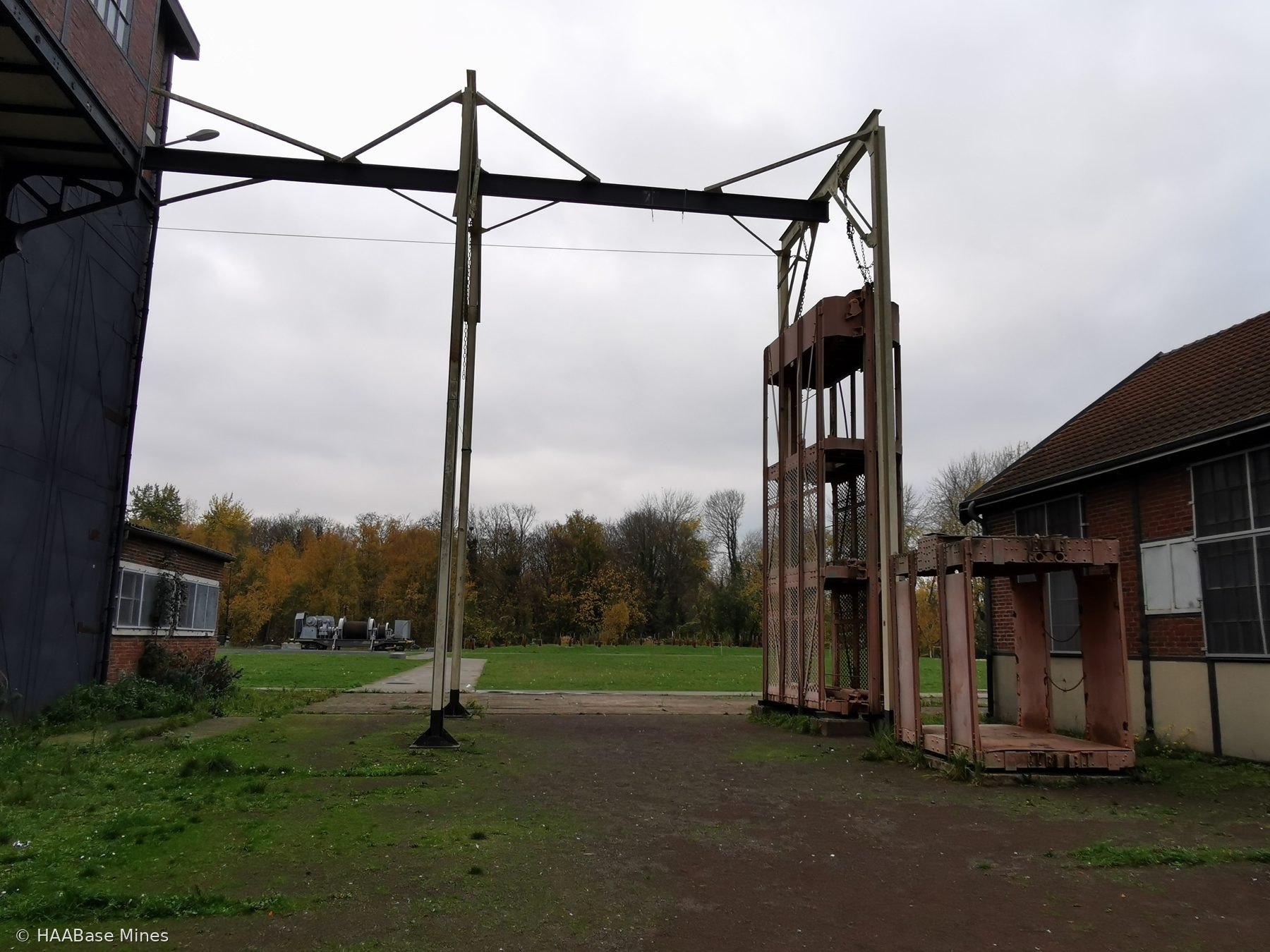
Following closure, demolition was initially considered. The association ACCCUSTO SECI, formed by former miners and supporters in 1992, led the campaign for the site's preservation and carried out cleaning, security works and the restoration of the extraction machinery. On 6 May 1992, the buildings in the northern part of the colliery yard were inscribed as monuments historiques. On 10 February 1994, the buildings and machinery directly associated with extraction — including both headframes, the winding houses, two bicylindroconical drum winding engines, the motor group, four compressors, two ventilating fans, and associated electrical equipment — were classified as monuments historiques. In 2003, the Communauté d'Agglomération Hénin-Carvin acquired the site from Charbonnages de France and developed a plan for cultural and economic reuse centred on music and heritage. The concert hall known as the Métaphone was inaugurated on 28 June 2013. In 2011, the site received the national Prix du Ruban du Patrimoine in recognition of its restoration work. On 30 June 2012, the colliery yard, the conical terril no 110 (56 metres high, covering 3.5 hectares, with a volume of 650,000 cubic metres), the cité-jardin Declercq, a miners' welfare dispensary, and the cité des Bonniers were inscribed on the UNESCO World Heritage List as part of the Bassin minier Nord-Pas-de-Calais designation, forming part of site no 42 of that inscription. The site today operates as a public cultural venue with a muséographic trail, temporary exhibition spaces, a sound gallery, workshop rooms, and the Métaphone performance hall. The extraction machinery has been returned to working order.