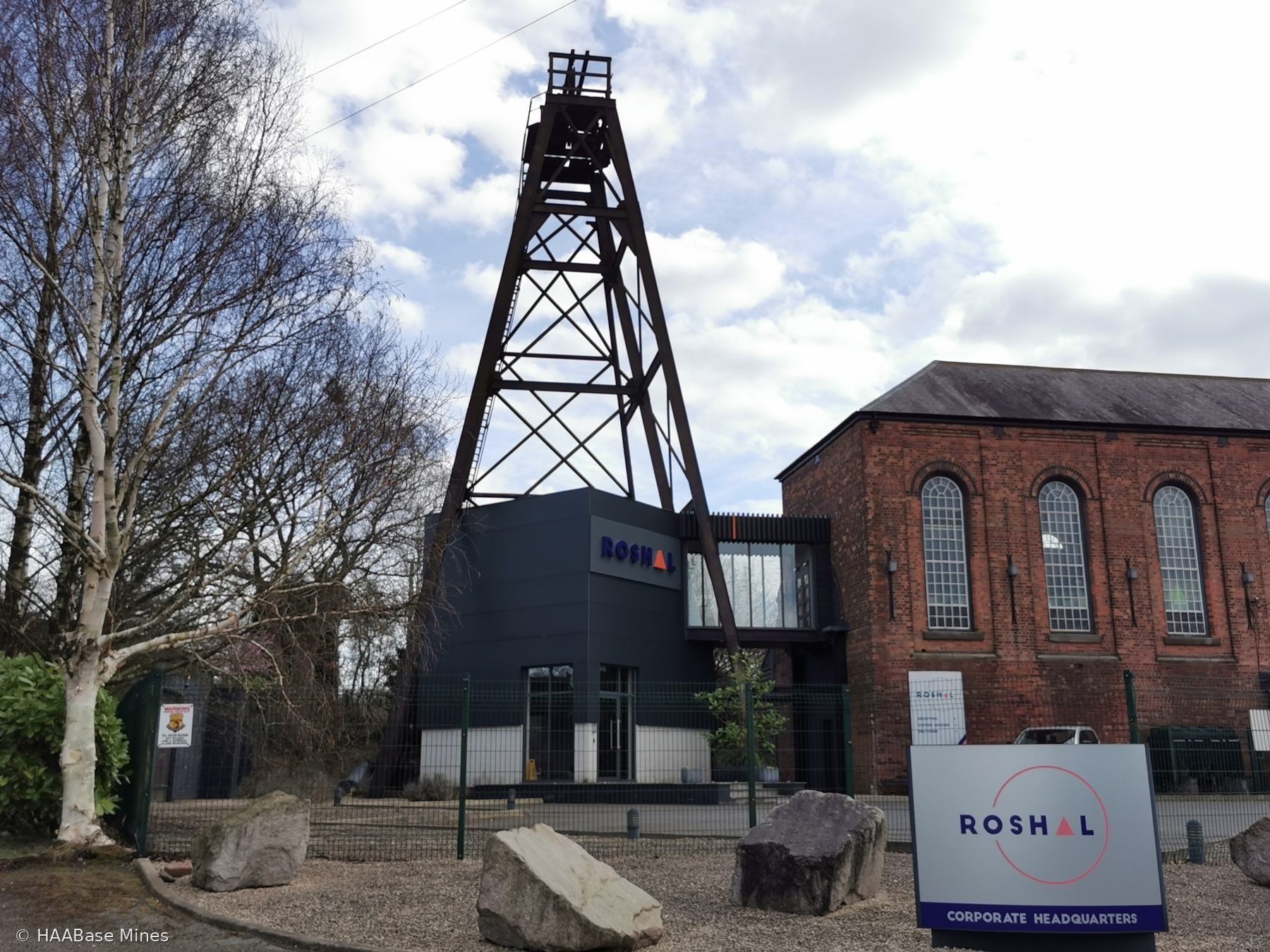
Site overview

Calcutta Colliery was sunk in the early 1850s at Swannington in north-west Leicestershire by William Worswick, who had leased the coal measures from the Trustees of Wyggeston Hospital on 31 December 1852 and began sinking the shafts in 1853. The shaft intersected the Main seam, which was 7 feet 5 inches thick, at 474 feet from the surface. Along with other collieries in the Swannington and Coleorton districts owned by Worswick and his associate Benjamin Walker, the mine was worked from the early 1850s but had closed by 1877, principally due to water from old and uncharted workings.

On closure, the Calcutta site was selected as the location for a new high-capacity pumping station to drain the water-logged old workings that threatened the continuing Snibston and Whitwick collieries to the south. A modern pumping engine supplied by Robert Stephenson and Company of Newcastle-upon-Tyne was installed in 1877; its flywheel was reported to be the second largest in the world. The pumping station remained in steam until 1947, when an electric submersible pump was installed.

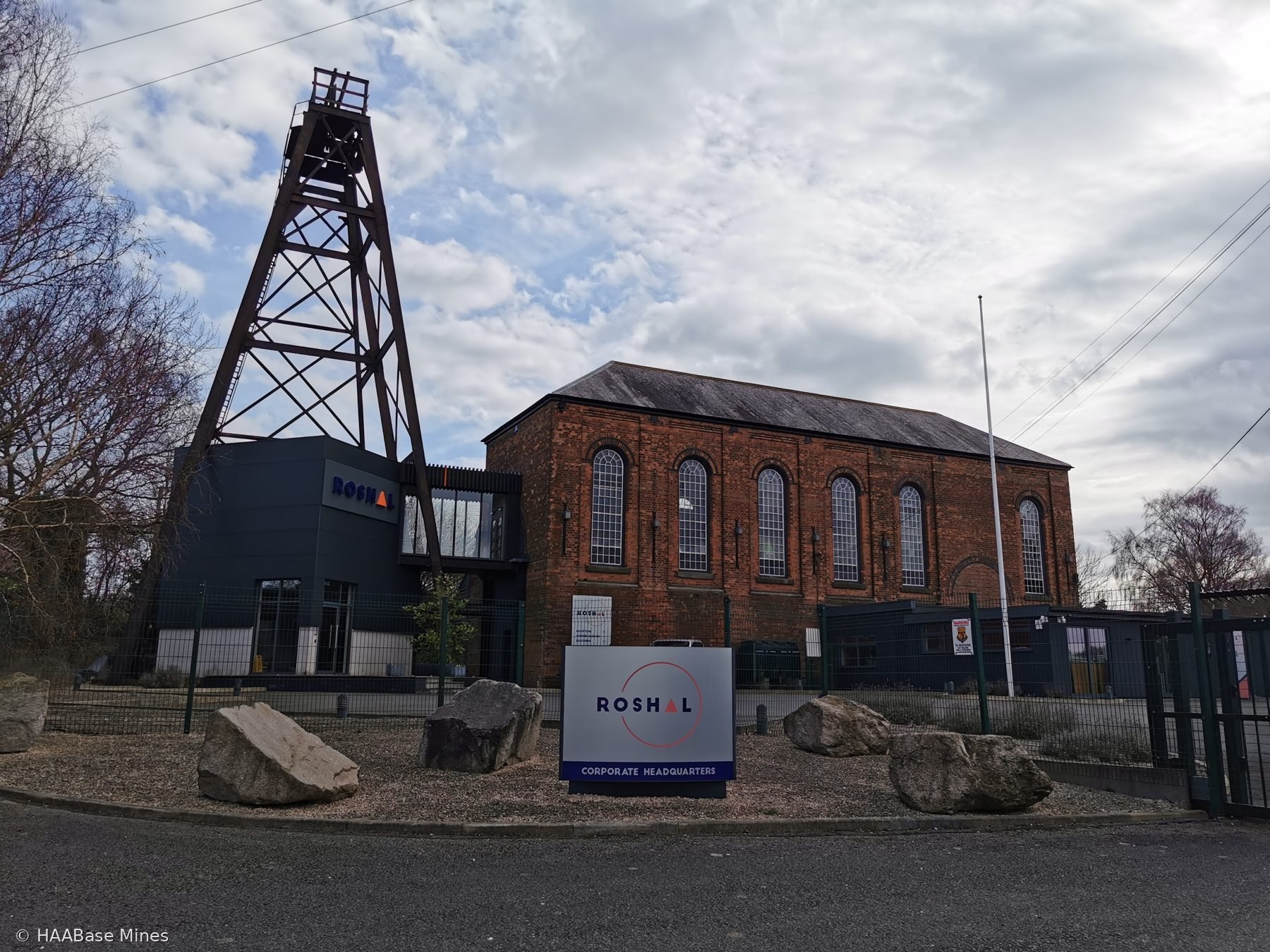
Pumping continued until the closure of Whitwick Colliery in 1986. The former engine house, built in 1877, is a Grade II listed building. The headstock remains in situ at Talbot Lane, Swannington.

The site is currently in private use.

The surviving engine house and headstock stand within settled village-edge surroundings at Swannington, where the remains read as a compact and distinct historic site within later development.

Map & photo

Calcutta Colliery mine headframe or winding tower site
Photograph taken: 29 March 2025
Map markers and directions links are provided for location reference only and do not indicate public access or permission to enter a site.

History

Coal had been worked in the exposed coalfield of the Swannington and Coleorton districts of north-west Leicestershire since at least the early thirteenth century, by methods ranging from outcrop quarrying and bell pits to pillar-and-stall and longwall workings. The opening of the Leicester and Swannington Railway from 1832 provided impetus for further exploitation, and the Midland Railway incorporation of much of that line in 1848 extended market access.

The major landowners and therefore holders of the mineral rights in the Swannington area were the Beaumont Estate and the Trustees of Wyggeston Hospital in Leicester. Benjamin Walker and William Worswick, who had already worked coal in the area, negotiated leases of coal under both estates. The two associates had sunk the California Colliery at Coleorton in 1849. In the early 1850s two further collieries were commenced in Swannington, generally known as the Calcutta and Califat Collieries. Worswick leased the coal measures from Wyggeston Hospital on 31 December 1852 and began sinking the Calcutta shaft in 1853. The shaft intersected the Main seam at 474 feet from the surface; the Main seam here was 7 feet 5 inches thick. Two further collieries in the area, Sinope and Clink, were sunk in the early 1860s.

All of the Swannington and Coleorton collieries owned by Worswick and Walker had closed by 1877 after quite short working lives. Water held in old and uncharted workings was a persistent and serious problem throughout this group, requiring heavy pumping. A serious and fatal inundation took place at Califat Colliery in 1858. The run-down of the collieries with the loss of their pumping capacity created a threat of rising water affecting the Snibston and Whitwick collieries to the south, which continued to operate on the concealed part of the coalfield. A joint pumping company was formed to maintain existing pumps while a high-capacity central pumping station was established.

Calcutta Colliery was selected as the site for the new pumping station, being situated at the lowest point in the valley at Swannington Common. A new engine house and headstock were constructed and a modern pumping engine was installed in 1877. The engine was supplied by Robert Stephenson and Company of Newcastle-upon-Tyne and was a horizontal tandem compound with cylinders of 42 inches (high pressure) and 72 inches (low pressure) with an 8-foot stroke. The high-pressure cylinder was fitted with Meyer expansion slide valves and the low-pressure cylinder had a plain slide valve. Five Cornish boilers, each 5 feet in diameter and 26 feet long, provided steam at 60 psi. The engine ran at 8.5 rpm with a theoretical discharge of 2,990 gallons per minute from the two 26-inch bucket lift pumps placed in the shaft at 90 yards depth, giving a total pumping capacity of approximately 54,000 gallons per hour. The flywheel was reported to be the second largest in the world at the time of installation. The pump rods were each 12 inches square pitch pine. The entire installation, including the engine, pump quadrants, and boilers, was made by Robert Stephenson and Company as maker's number 328. A pumping rods inspection engine, made by Easton and Tattersall of Leeds, was also installed, probably in 1877.

The steam plant operated without major interruption for many years, though there was a significant breakdown in 1882. With pumping stopped, rising water in the old exposed coal measure workings over-topped the coal barrier left to protect the Snibston Colliery workings, causing flooding at Snibston. A court case followed. Three generations of the Hallam family and their Smith relations operated the pumping engines from 1881 until 1946.

Coal was transported to the Calcutta pumping station to supply its boilers via the Calcutta tramway, which ran from the bottom of the Swannington Incline. From 1877 this reversed the previous direction of traffic on the Swannington Incline, with coal being lowered down rather than hauled up.

In the autumn of 1947 the steam-powered pumping engine was converted to electrical power through the installation of an electric submersible pump. This made the Swannington Incline and its coal supply function redundant; the empty coal trucks were hauled up the incline for the last time at the start of 1948, and the incline closed. The pumping rods inspection engine was subsequently donated to the Swannington Heritage Trust by the National Coal Board.

Electric pumping continued at Calcutta until the closure of Whitwick Colliery in 1986, at which point pumping was no longer required and the station ceased operation. The former engine house, built in 1877, is a Grade II listed building (Historic England list entry 1074351). The headstock remains in situ at Talbot Lane, Swannington. The site is currently occupied by Roshal Space Consultants. The GeoGuide description of the site notes that together with the Snibston surface buildings and headstocks, the Calcutta headstock and pumping house remain the sole surviving reminders of twentieth-century coal mining in the Leicestershire Coalfield.
Timeline

1849
Construction

California Colliery sunk at Coleorton by Walker and Worswick

Benjamin Walker and William Worswick, having already worked coal in the area, sunk the California Colliery at Coleorton in 1849, preparatory to their further activity in Swannington.
1852–1853
Construction

Calcutta Colliery lease acquired and shaft sinking begins

William Worswick leased the coal measures from the Trustees of Wyggeston Hospital on 31 December 1852 and began sinking the Calcutta shaft in 1853. The shaft intersected the Main seam at 474 feet; the seam was 7 feet 5 inches thick.
1853–1877
Operation

Calcutta Colliery in production

Calcutta Colliery worked the Main seam from the 1850s until closure by 1877. Water from old and uncharted workings was a persistent problem requiring heavy pumping throughout the working life of the mine.
1877
Redevelopment

Calcutta Colliery closes; site converted to pumping station

All the Worswick and Walker collieries in the Swannington and Coleorton area had closed by 1877. Calcutta was selected as the site for a new pumping station to protect the Snibston and Whitwick collieries from rising water. A new engine house and headstock were constructed and a pumping engine was installed.
1877
Construction

Robert Stephenson and Company pumping engine installed

A horizontal tandem compound pumping engine, maker's number 328, was supplied by Robert Stephenson and Company of Newcastle-upon-Tyne and installed in 1877. With high-pressure cylinder of 42 inches and low-pressure cylinder of 72 inches and an 8-foot stroke, the engine pumped approximately 54,000 gallons per hour. Five Cornish boilers provided steam at 60 psi. The flywheel was reported to be the second largest in the world.
1881–1946
Operation

Hallam family and Smith relations operate pumping engines

Three generations of the Hallam family and their Smith relations operated the Calcutta pumping engines continuously from 1881 until 1946.
1882
Operation

Major engine breakdown causes flooding at Snibston Colliery

In 1882 a major breakdown of the Calcutta pumping engine stopped pumping. Rising water in the old exposed workings over-topped the coal barrier protecting Snibston Colliery, causing flooding at Snibston. A court case followed.
1947
Construction

Steam pumping engine replaced by electric submersible pump

In the autumn of 1947 the steam-powered pumping engine was replaced by an electric submersible pump, making the Swannington Incline coal supply function redundant. The incline closed in early 1948.
1986
Closure

Electric pumping station closes on closure of Whitwick Colliery

When Whitwick Colliery closed in 1986, pumping was no longer required and the Calcutta pumping station ceased operation. The pumping rods inspection engine was donated to the Swannington Heritage Trust by the National Coal Board.

Sources and records

Northern Mine Research Society: Calcutta Colliery record
Swannington Heritage Trust: Calcutta Pumping Station page
Swannington Heritage Trust: Local Coal Mines page
Swannington Heritage Trust: Swannington Incline page
Historic England list entry 1074351: Former Engine House, Calcutta Pit
North West Leicestershire Mining Heritage Trail guide (PDF)
GeoGuide / BGS National Forest Walk 7: former coal mines of Swannington and Snibston
Northamptonshire Industrial Heritage: EMIAC 89 report
This researched site record is part of the HAABase Mines database. Normal personal research and browsing is welcome. Automated bulk extraction, republication, or harvesting of site text and images is not permitted without written consent.