Site overview

The Fosse n° 2 dite Henri Charvet des mines d'Ostricourt is a former coal colliery of the Compagnie des mines d'Ostricourt, situated on the boundary of the communes of Oignies and Libercourt. Sinking began on 3 July 1860, and extraction started in September 1863. The fosse was destroyed during the First World War and subsequently rebuilt.

Selected in 1934 as the future concentration seat for the company, the puits was widened to 5.30 metres diameter from 1937, and a major programme of modernisation followed, including installation in 1943 of what was then the largest steam winding engine built in France, with a trellised-lattice headframe erected in 1947–48 reaching 55 metres in height. By 1950 concentration of the fosses nos 1, 3, 5 and 6 of the former Compagnie was complete. The fosse ceased extraction in 1976 and the chimney and headframe were demolished in 1977 and 1980 respectively.

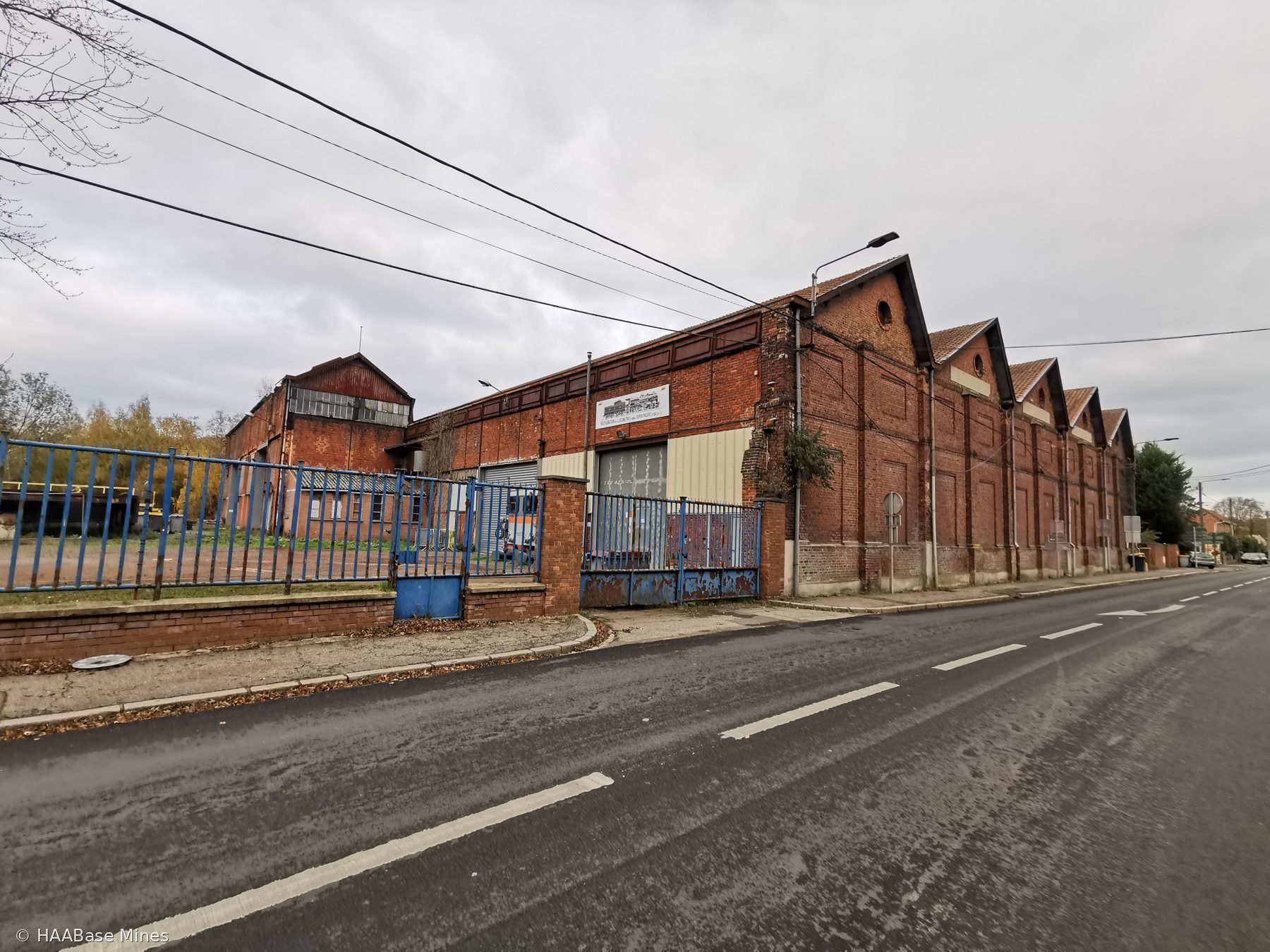
The winding engine building and the mine-image training gallery were listed as monuments historiques in November 2009. Together with associated terrils and cités, the fosse was listed as UNESCO World Heritage in 2012. The surviving pit-head buildings today house the Centre de la Mine et du Chemin de Fer, an active heritage association and museum.

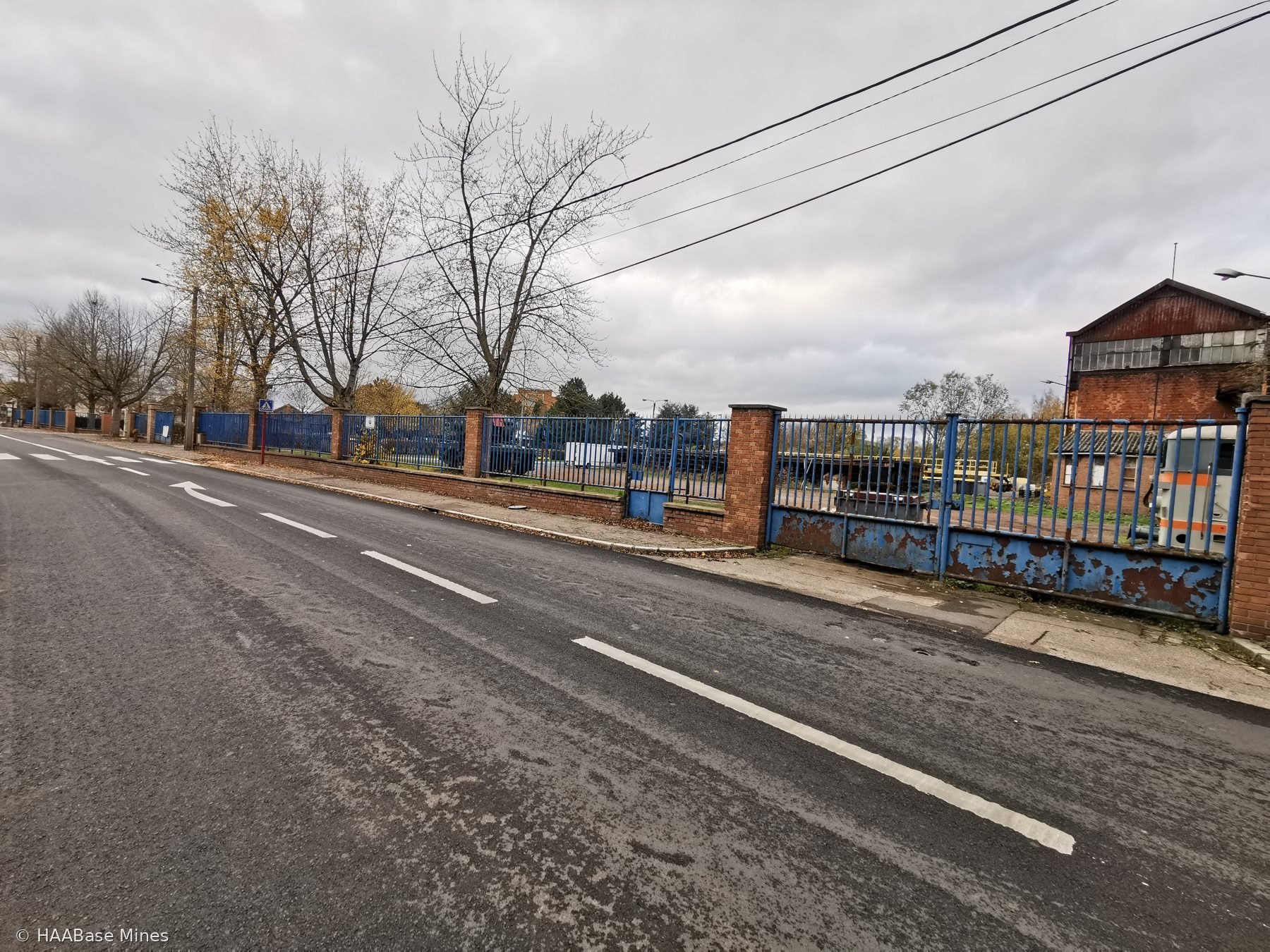
The surviving buildings stand in a mixed urban and post-industrial landscape on the Oignies-Libercourt boundary, where the former pit site still reads as a distinct historic enclave.

Map & photo

Fosse n° 2 des mines d’Ostricourt mine headframe or winding tower site
Photograph taken: 16 November 2025
Map markers and directions links are provided for location reference only and do not indicate public access or permission to enter a site.

History

The Compagnie des mines d'Ostricourt sank the puits n° 2, naming it Henri Charvet after an administrator of the company, beginning on 3 July 1860 on the territory of Oignies, 700 metres north-east of the church and 700 metres west of the Paris-Nord à Lille railway line. The shaft had a useful diameter of four metres; the shaft mouth stood at an altitude of 29 metres. Water ingress at 61.45 metres required a 200-horsepower pump hired from the Compagnie de Meurchin to allow the shaft to advance.

The coal seam — a maigre houille — was reached at approximately 152 metres. Extraction began in September 1863. The wooden lining of the shaft was reinforced with a cast-iron sleeve in 1870 because it was leaking, and the lining was consolidated again in 1890.

An explosion on 6 February 1868 killed four miners. The fosse was destroyed during the First World War. By 1934, the company had identified the fosse n° 2 as its future concentration seat, with the aim of reducing staff and saving fuel.

In 1937 the puits was enlarged to 5.30 metres in diameter to accommodate this role. Equipment work began in 1938 but was substantially slowed by the Second World War; installation of the salle des machines, winding engine, and turbocompressor was carried out from 1938 to 1945. In 1943 the siège n° 2 was equipped with a double-horizontal-cylinder steam winding engine — the largest steam winding engine built in France — chosen because an electric installation would have required excessively costly modifications.

The construction of workers' cités began in the early 1940s to the north of the fosse on the territory of Libercourt, including the cité 1940 and the cité de la Faisanderie. A mine-image training gallery, a reconstructed full-scale mine gallery used to train new miners and for safety instruction, was established at the fosse in 1945. The Compagnie des mines d'Ostricourt was nationalised in 1946 and integrated into the Groupe d'Oignies.

A new trellised-lattice headframe 55 metres in height was installed between 1947 and 1948. Pithead buildings including the recette, lavoir, bains-douches, lampisterie and triage-lavoir were fitted out between 1947 and 1950. By 1950, when the concentration works were completed, the fosse n° 2 was regarded as one of the most modern in the coalfield.

Concentration of the fosses nos 1, 3, 5 and 6 of the former Compagnie des mines d'Ostricourt was effective from 1950. Large lavoirs and processing plants were built on the pit-head site, and the central workshops and main offices of the Groupe d'Oignies were constructed nearby. A téléphérique was installed in 1948 to transport waste to the terril n° 115; it collapsed in 1958.

The fosse was deepened to 456 metres in 1966 and a crosscut then linked it to the fosses nos 9 – 9 bis and 10. Extraction ceased in 1976, and the mineworkers were transferred to the fosse n° 9 – 9 bis. The puits n° 2, 505 metres deep, was backfilled in 1977 and the 94.60-metre chimney was dynamited the same year.

The headframe was demolished in 1980. The main offices were destroyed in 2000, the central workshops in 2003, and the passerelle and lampisterie in 2007. In November 2009, the winding engine building with its complete technical equipment — including the steam engine and the overhead travelling crane — was listed as a monument historique (classement) by arrêté of 9 November 2009, while the mine-image was inscribed (inscription) by arrêté of 25 November 2009.

On 30 June 2012, the fosse n° 2, its mine-image, the cités (including the cité de la Faisanderie, its school, its church Saint-Henri, the cité de la Forêt and the cité pavillonnaire 1940), and the terrils nos 115 and 115A were listed as part of the Bassin minier du Nord-Pas-de-Calais UNESCO World Heritage inscription, constituting parts of sites nos 38 and 39. The surviving buildings — including the workshops, garage, rescue services building, mine-image, bains-douches, transformer building, and winding engine hall — were taken over by the Centre de la Mine et du Chemin de Fer, an association established by retired miners, which maintains the steam winding engine of over 500 tonnes and operates the site as a public heritage and museum centre.
Timeline

1860
Construction

Sinking of puits n° 2 begun at Oignies

The puits n° 2, named Henri Charvet after a company administrator, was begun on 3 July 1860 at Oignies, with a useful diameter of four metres. The shaft mouth was at an altitude of 29 metres.
1863
Operation

Extraction begins

Extraction at the fosse n° 2 began in September 1863. The coal extracted was a maigre houille.
1868
Operation

Explosion kills four miners

An explosion on 6 February 1868 killed four miners at the fosse n° 2.
1870
Construction

Cast-iron shaft lining sleeve installed

The wooden shaft lining was reinforced with a cast-iron sleeve in 1870, as it was leaking. The lining was consolidated again in 1890.
1914–1918
Closure

Fosse destroyed during First World War

The fosse n° 2 was destroyed during the First World War and subsequently rebuilt.
1934
Construction

Fosse n° 2 selected as future concentration seat

The company identified the fosse n° 2 as its future concentration seat, with the aim of reducing staff numbers and saving fuel.
1937
Construction

Shaft enlarged to 5.30 metres diameter

To prepare for its concentration role, the puits was enlarged from its original diameter to 5.30 metres in 1937.
1938–1945
Construction

Salle des machines, winding engine and turbocompressor installed

Equipment works began in 1938 but were substantially delayed by the Second World War. The salle des machines, winding engine and turbocompressor were installed between 1938 and 1945.
1943
Construction

Largest steam winding engine built in France installed

In 1943 the fosse n° 2 was equipped with a double-horizontal-cylinder steam winding engine, the largest of its type built in France. An electric installation was deemed too costly.
1945
Operation

Mine-image training gallery established

A mine-image — a full-scale reconstructed mine gallery used for training new miners and safety instruction — was established at the fosse in 1945, comprising two long sheet-metal tunnels extended by an underground gallery beneath a small constructed terril.
1946
Legislation

Compagnie des mines d'Ostricourt nationalised; integration into Groupe d'Oignies

The Compagnie des mines d'Ostricourt was nationalised in 1946 and integrated into the Groupe d'Oignies.
1947–1950
Construction

New 55-metre headframe erected; pithead buildings completed

A new trellised-lattice headframe 55 metres in height was installed between 1947 and 1948. Pithead buildings including the recette, lavoir, bains-douches, lampisterie and triage-lavoir were fitted out between 1947 and 1950. A téléphérique for waste transport to the terril was installed from 1948.
1950
Operation

Concentration of fosses nos 1, 3, 5 and 6 complete; fosse fully operational

The concentration of the fosses nos 1, 3, 5 and 6 of the former Compagnie des mines d'Ostricourt was effective in 1950. The fosse was regarded as one of the most modern in the coalfield. Large processing facilities were added and central workshops and main offices for the Groupe d'Oignies were built nearby.
1966
Construction

Shaft deepened to 456 metres; crosscut links to fosses nos 9 – 9 bis and 10

The fosse was deepened to 456 metres in 1966 and a crosscut was established linking it to the fosses nos 9 – 9 bis and 10.
1976
Closure

Extraction ceases

Extraction at the fosse n° 2 ceased in 1976. Mineworkers were transferred to the fosse n° 9 – 9 bis.
1977
Closure

Puits backfilled; chimney demolished

The puits n° 2, 505 metres deep, was backfilled in 1977. The 94.60-metre chimney was dynamited the same year.
1980
Closure

Headframe demolished

The 55-metre trellised-lattice headframe was demolished in 1980.
2000–2007
Closure

Main offices, workshops, passerelle and lampisterie demolished

The grands bureaux were destroyed in 2000, the ateliers centraux in 2003, and the passerelle and lampisterie in 2007.
2009
Heritage

Winding engine building listed as monument historique (classé)

The winding engine building with its complete technical equipment — steam engine and overhead travelling crane — was listed (classé) as a monument historique by arrêté of 9 November 2009.
2009
Heritage

Mine-image inscribed as monument historique

The mine-image, with its full extent of surface and underground galleries and training equipment, was inscribed as a monument historique by arrêté of 25 November 2009.
2012
Heritage

Fosse, mine-image, cités and terrils listed as UNESCO World Heritage

On 30 June 2012, the fosse n° 2, its mine-image, the associated cités (including the cité de la Faisanderie, its school, its church Saint-Henri, the cité de la Forêt and the cité pavillonnaire 1940) and the terrils nos 115 and 115A were listed as part of the Bassin minier du Nord-Pas-de-Calais UNESCO World Heritage inscription, constituting parts of sites nos 38 and 39.

Sources and records

Wikipedia article (French): Fosse no 2 des mines d'Ostricourt
Wikipedia article (French): Compagnie des mines d'Ostricourt
Plateforme ouverte du patrimoine / Mérimée database: PA62000074 (winding engine building)
Plateforme ouverte du patrimoine / Mérimée database: PA62000093 (mine-image)
Monumentum heritage database: PA62000074 and PA62000093
Gaillette.fr: UNESCO Oignies heritage summary
Escapades en Hauts-de-France: Centre de la Mine et du Chemin de Fer de Oignies
Ville de Oignies: Centre Denis Papin page
Centre de la Mine et du Chemin de Fer association website
This researched site record is part of the HAABase Mines database. Normal personal research and browsing is welcome. Automated bulk extraction, republication, or harvesting of site text and images is not permitted without written consent.