Site overview

The Fosse n° 3 – 3 bis dite Saint-Amé ou Amé Tilloy de la Compagnie des mines de Lens is a former coal colliery of the Compagnie des mines de Lens in the Nord-Pas-de-Calais coalfield, situated at Liévin. The puits n° 3 was begun in 1858 and began extracting coal in 1860, reaching a depth of 298 metres. A second shaft, the puits n° 3 bis, was sunk from 1881, 40 metres to the north of the puits n° 3.

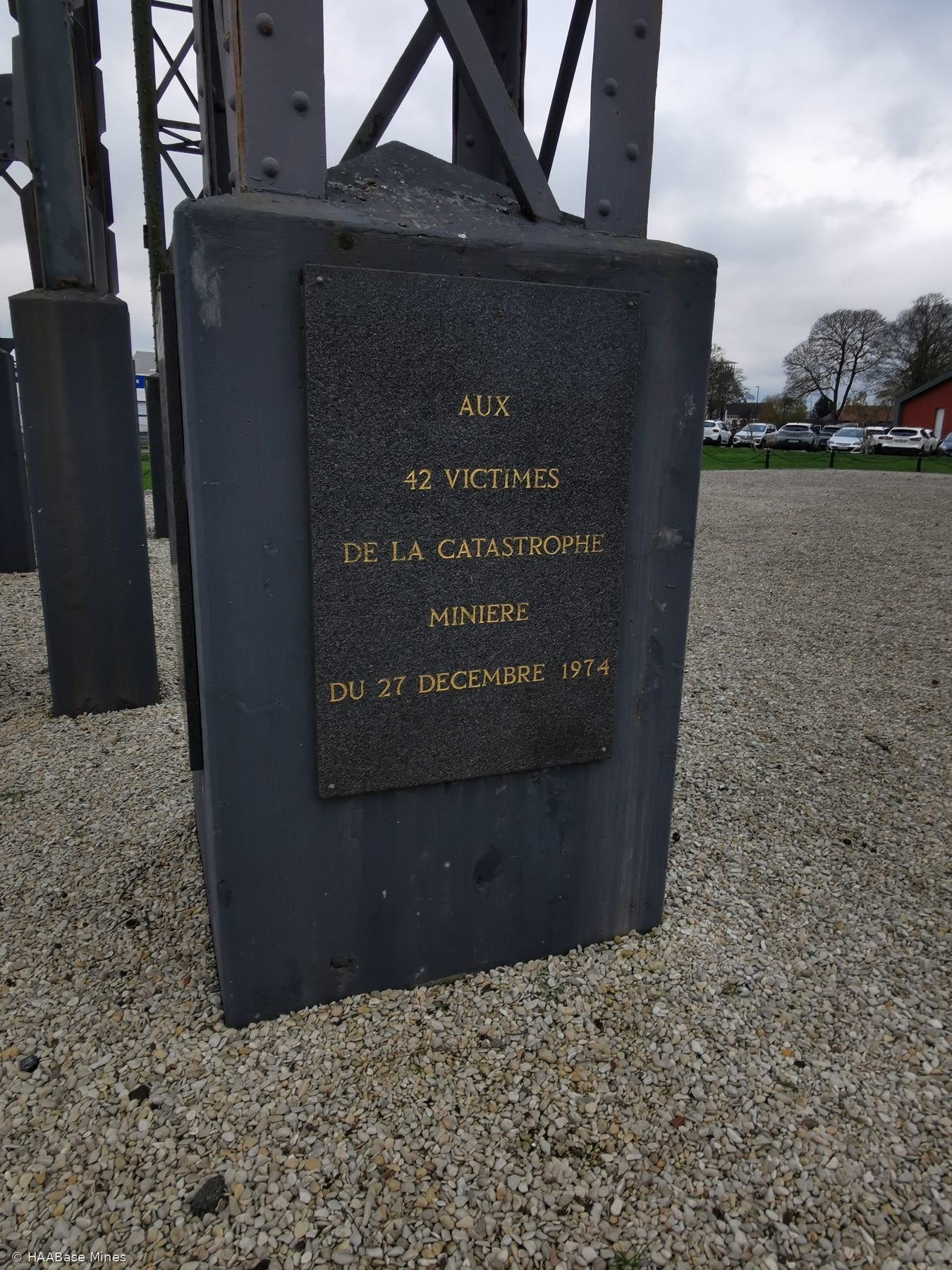
The fosse was destroyed during the First World War and rebuilt afterwards: the puits n° 3 received a reinforced-concrete headframe and the puits n° 3 bis a trellised-lattice metallic headframe, both dating from 1922–23. After nationalisation in 1946 and post-war shaft deepening, extraction ceased in 1960 when the fosse was connected by a crosscut to the fosse n° 11 – 19. An explosion on 27 December 1974 killed 42 miners — the deadliest mining disaster in post-war France.

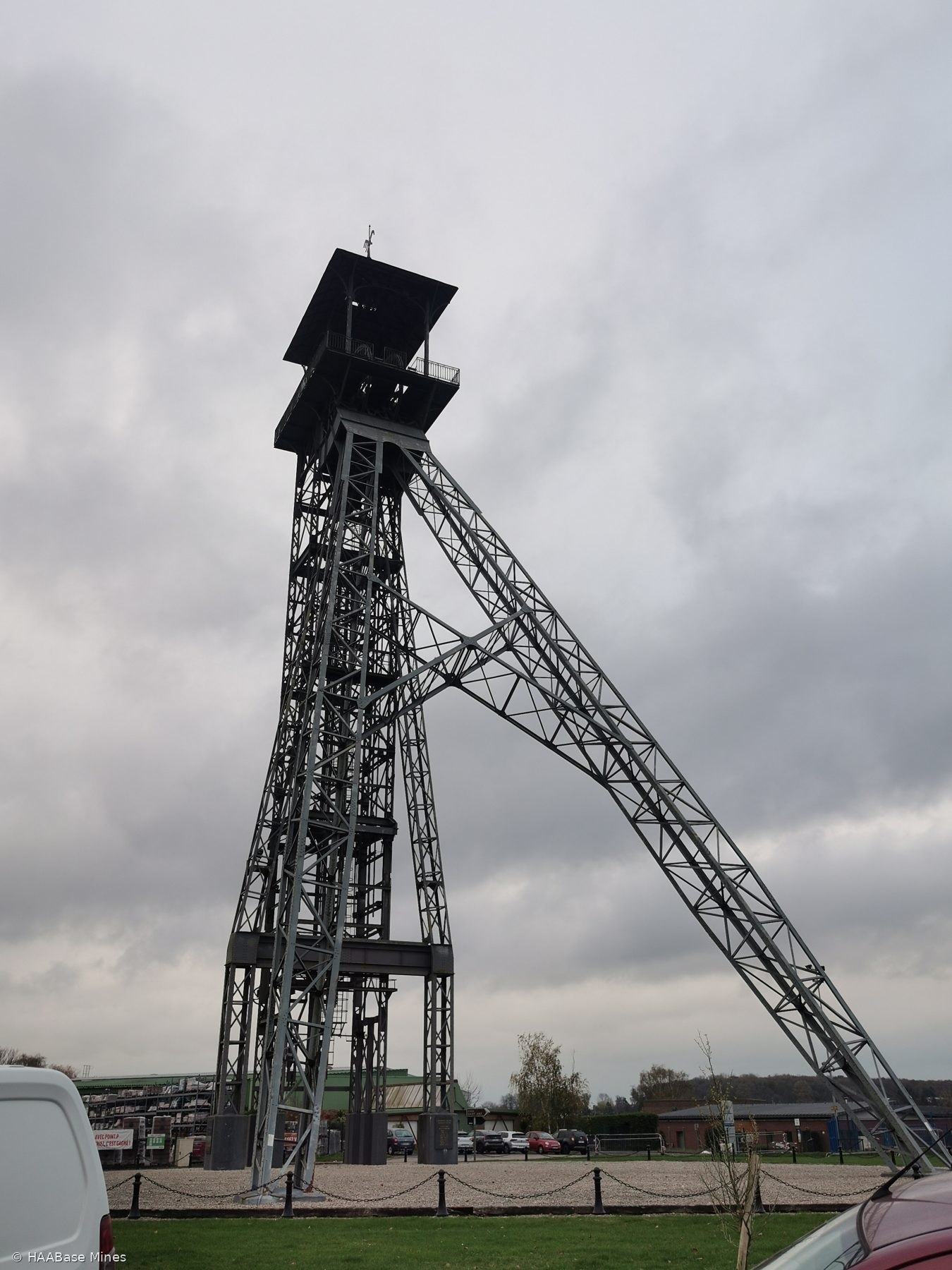
The fosse closed in 1978. The reinforced-concrete headframe of the puits n° 3 was demolished in 1983; the metallic headframe of the puits n° 3 bis was retained, inscribed as a monument historique on 6 May 1992, and listed as UNESCO World Heritage site n° 70 on 30 June 2012. The pit-head site has been converted to an industrial zone.

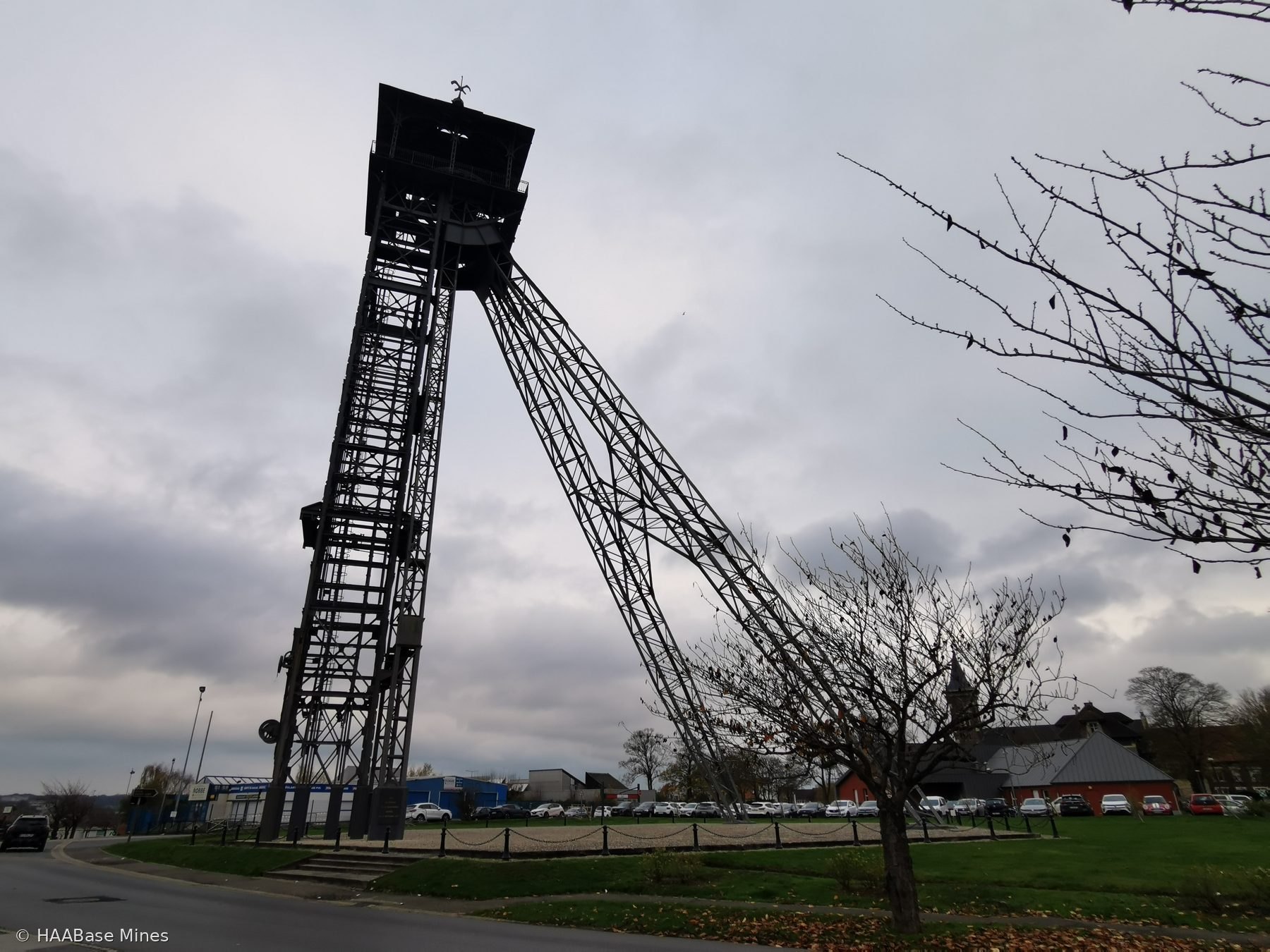
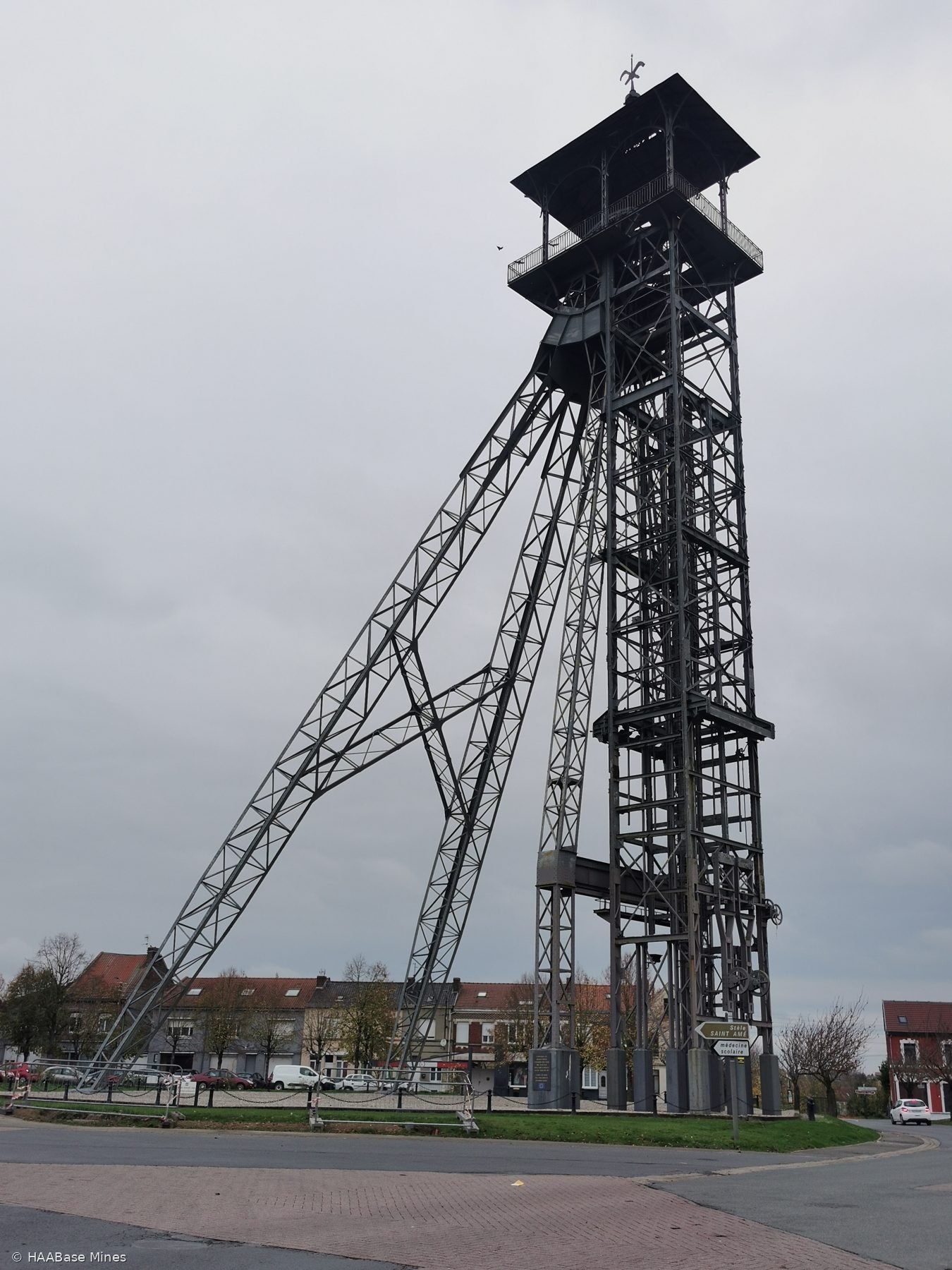
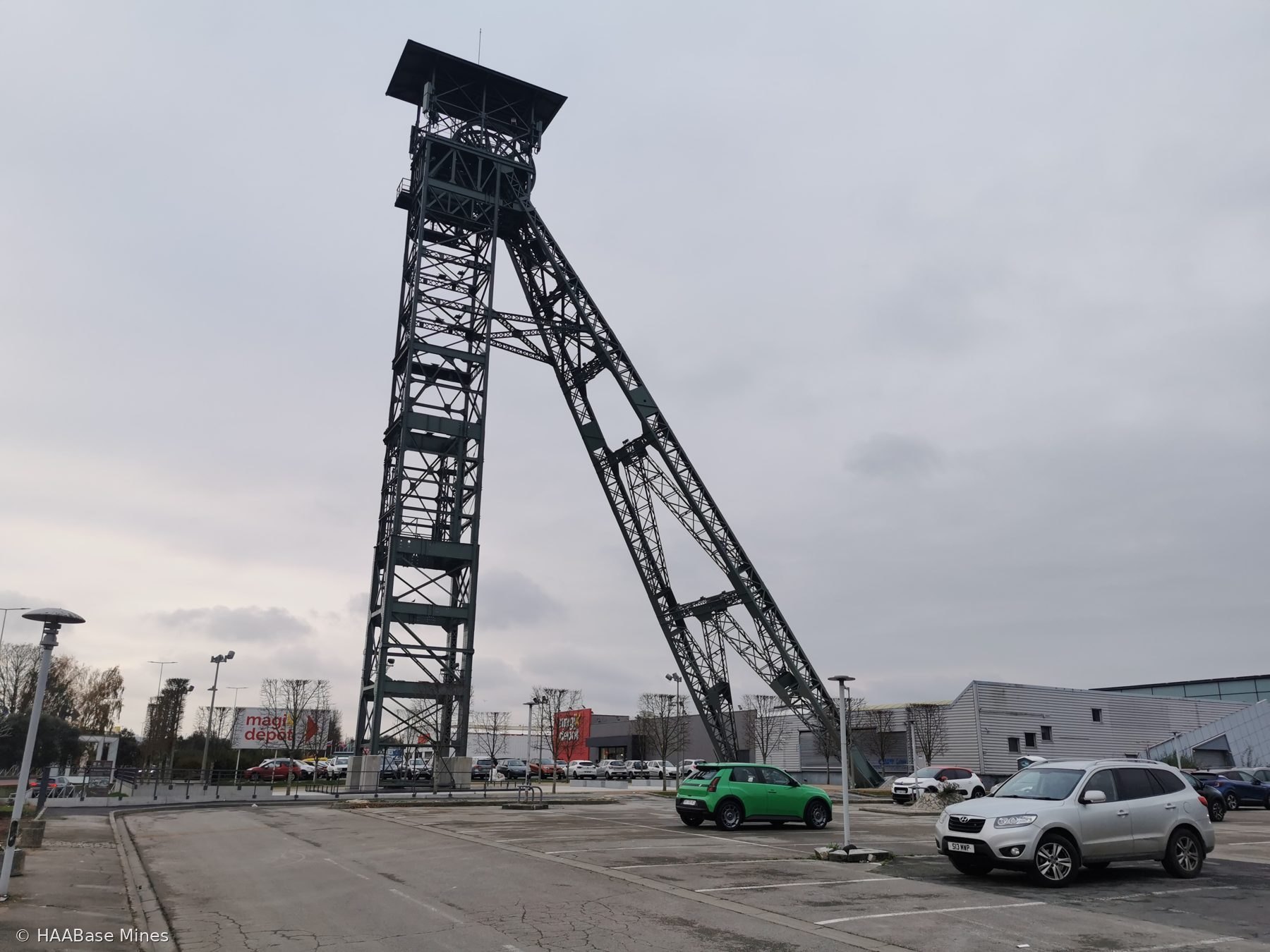
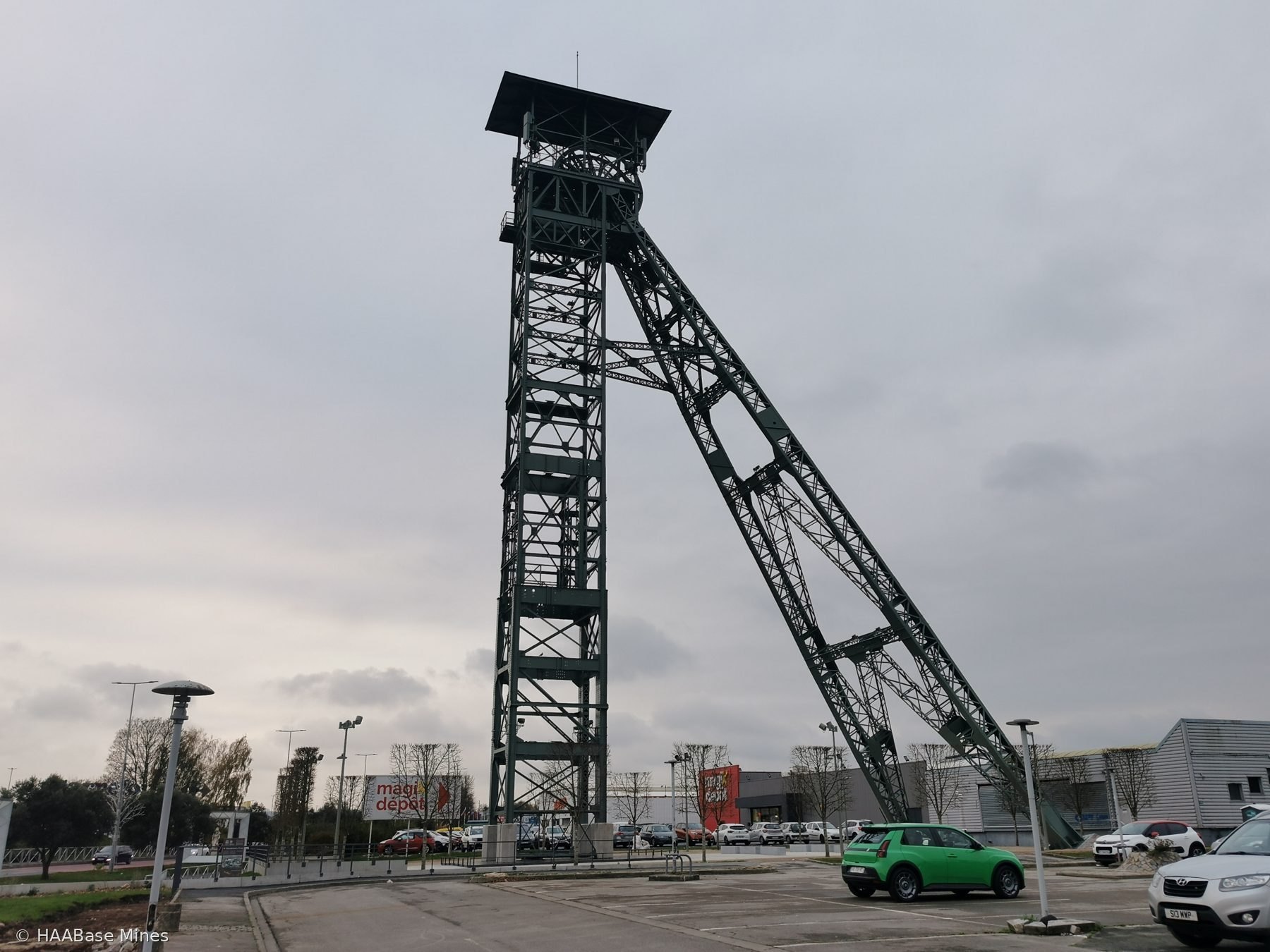
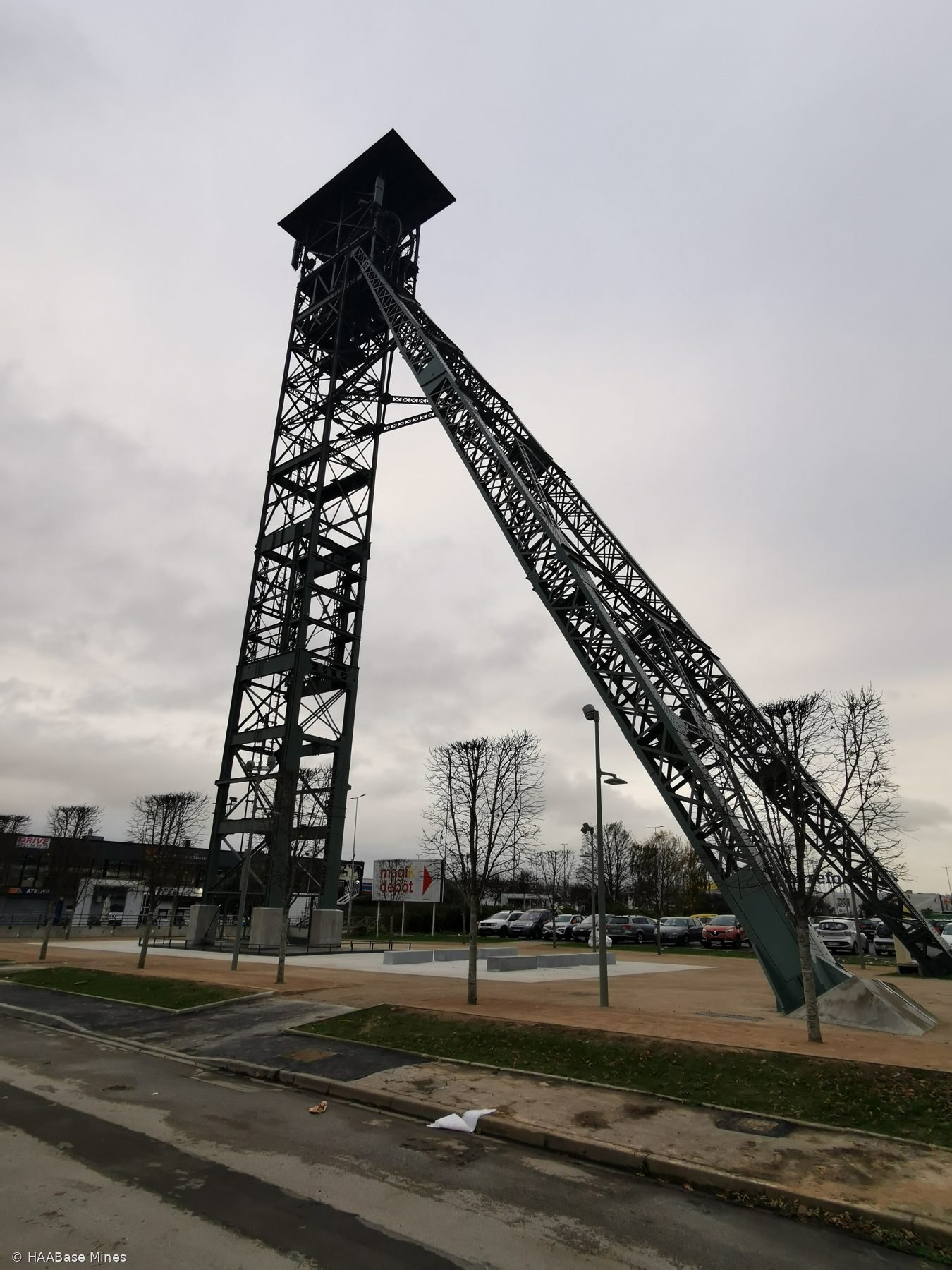
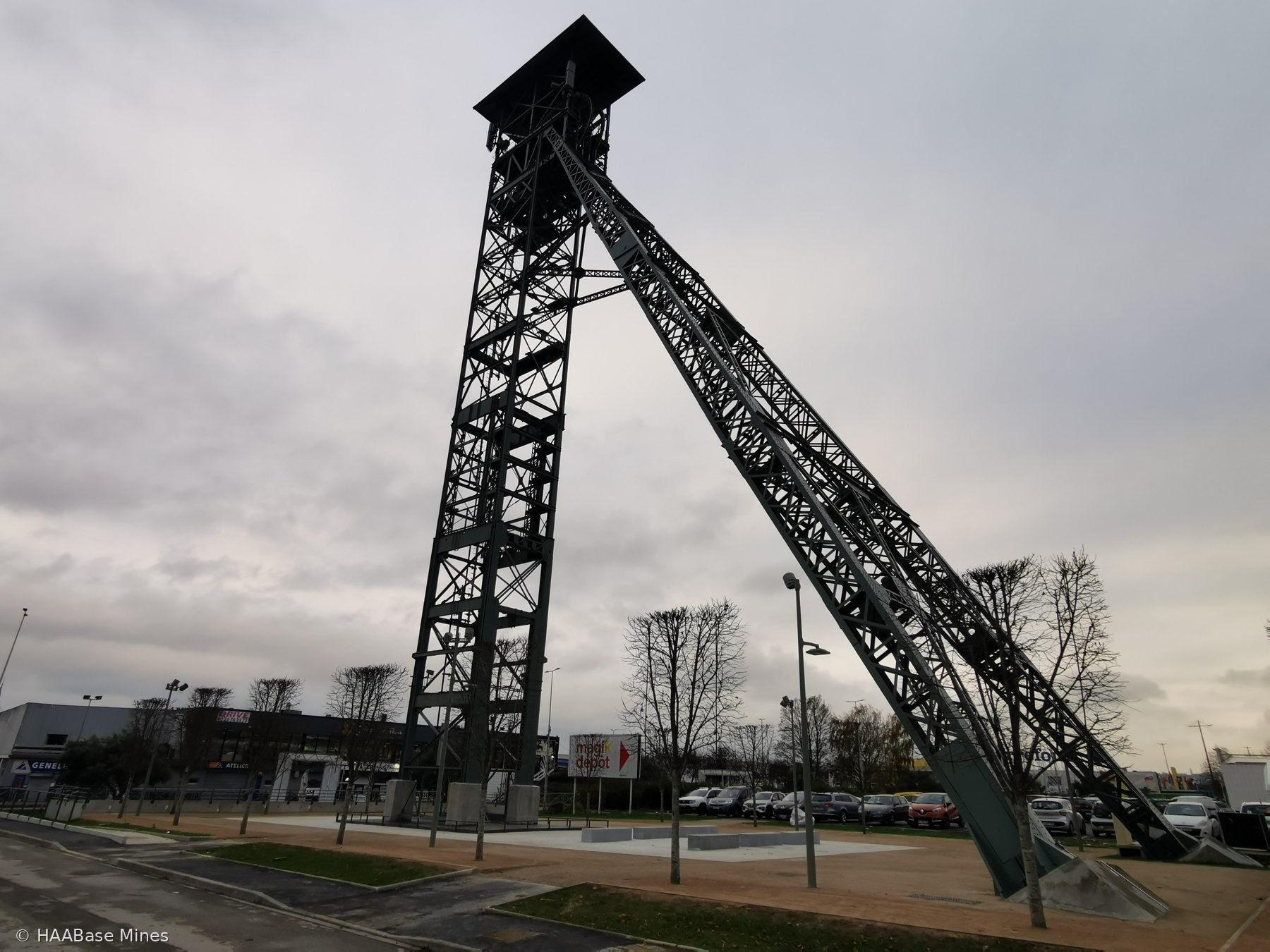
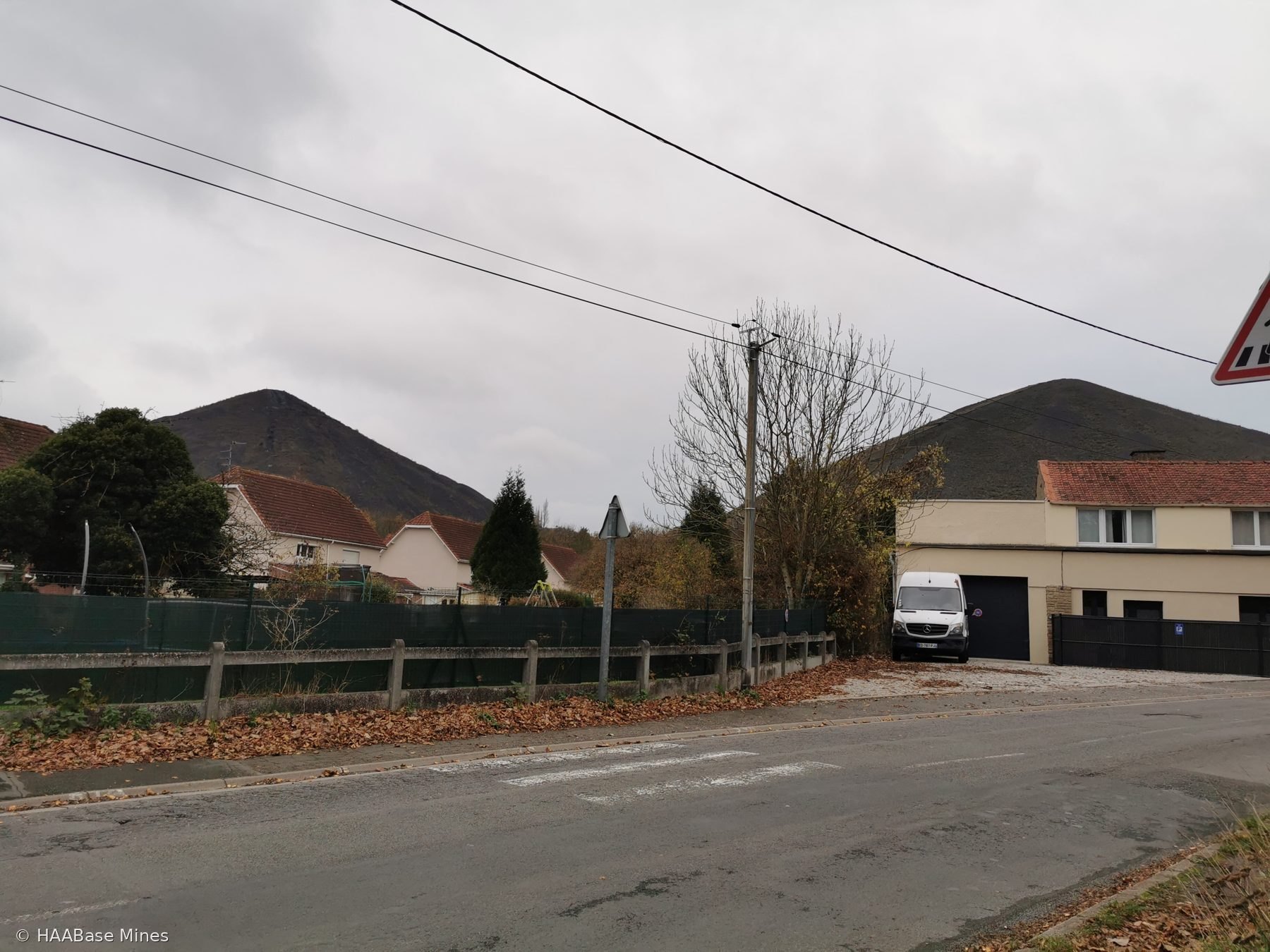
Set within an industrial fringe at Liévin, the surviving headframe reads as an isolated historic marker within a largely redeveloped pit site.

Map & photo

Fosse n° 3–3 bis des mines de Lens mine headframe or winding tower site
Photograph taken: 16 November 2025
Map markers and directions links are provided for location reference only and do not indicate public access or permission to enter a site.

History

The fosse n° 3 – 3 bis dite Saint-Amé ou Amé Tilloy was named in honour of Amé Tilloy, a founder of the Compagnie des mines de Lens. The puits n° 3 was begun by the Compagnie des mines de Lens in 1858 at Liévin, 170 metres east of the church of Saint-Amé and 410 metres from the road from Liévin to Lens. The shaft mouth stood at an altitude of 59.10 metres, with a useful diameter of 4.08 metres.

The water level was passed using two pumps of 41 centimetres diameter, with a maximum water inflow of 1,000 to 2,000 hectolitres per hour. The coal seam was encountered at 141 metres depth. The fosse began extracting in 1860; the puits n° 3 was initially 298 metres deep.

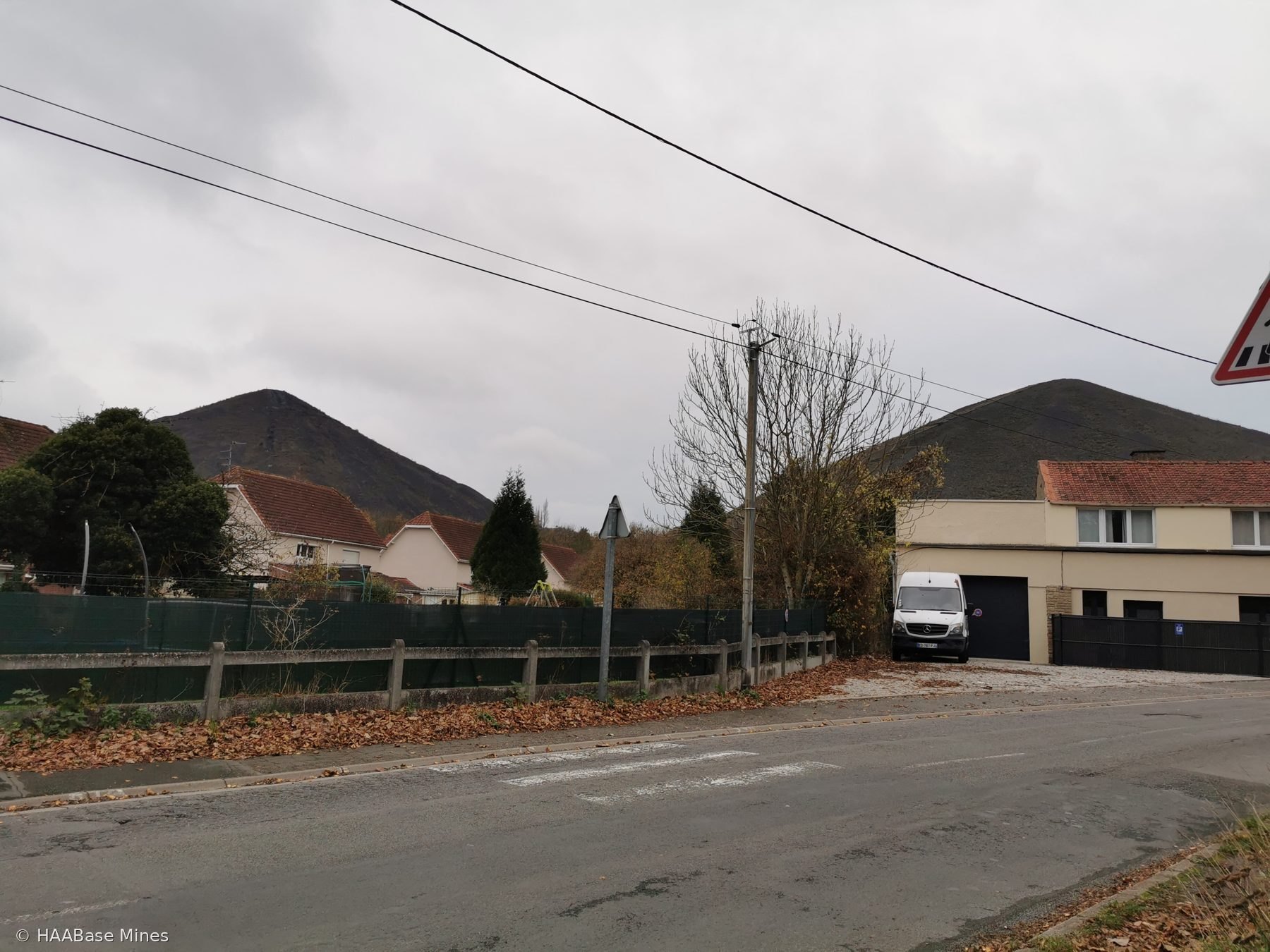
The coal extracted held 30 to 40 per cent volatile matter. A terril cavalier, the terril n° 233, Cavalier du 3 de Lens, connected the fosse to other fosses of the Compagnie. Workers' cités were built in the vicinity of the fosse, along with a first church of Saint-Amé erected in 1875 to the west of the fosse.

In 1881, a second shaft, the puits n° 3 bis, was begun 40 metres to the north of the puits n° 3. This shaft reached a depth of 356.52 metres and served initially as a ventilation shaft before assuring extraction from 1883 onwards. In 1890, three accrochages were recorded at 179, 288 and 348 metres, and the shaft was deepened to 356 metres.

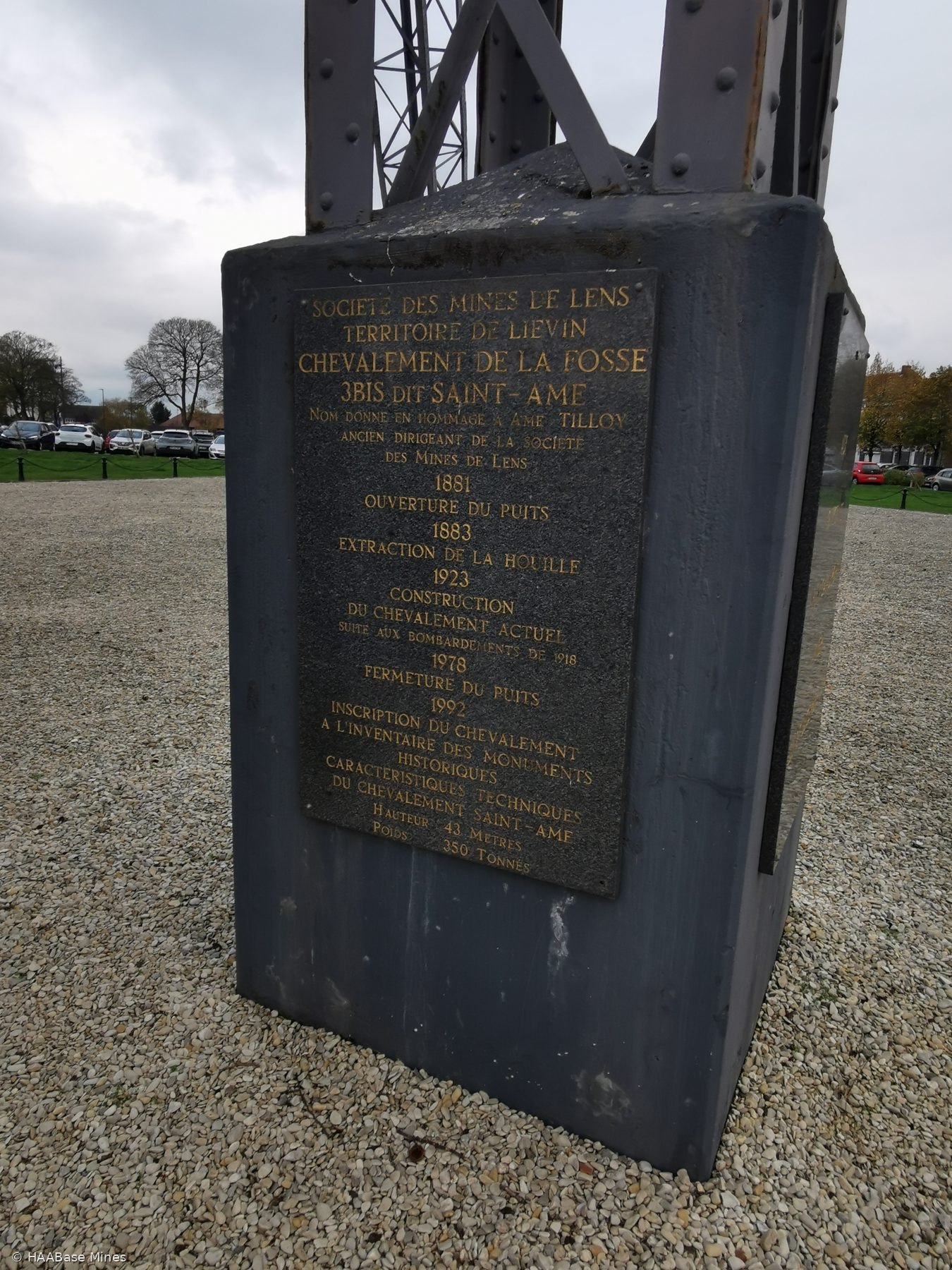
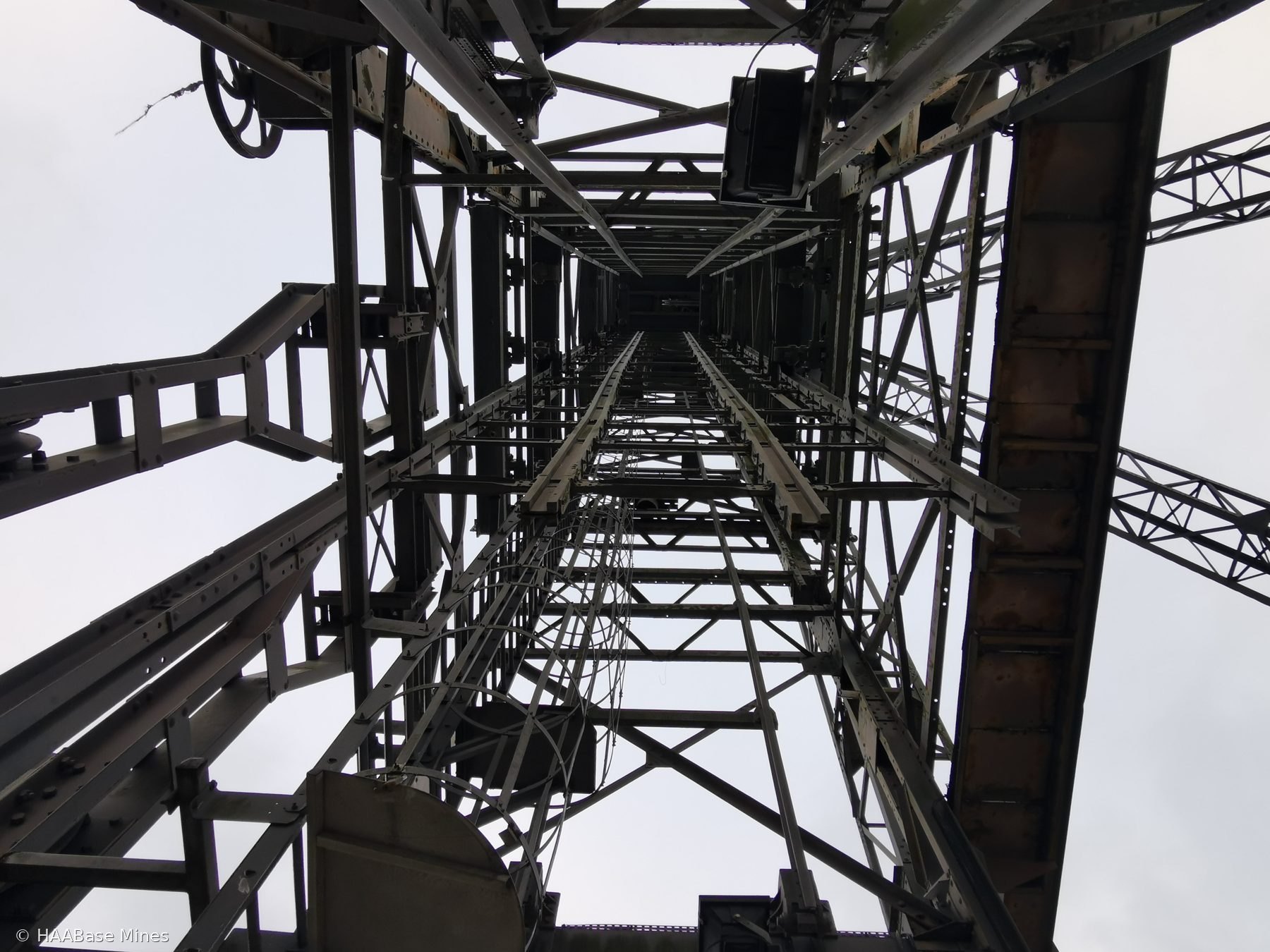
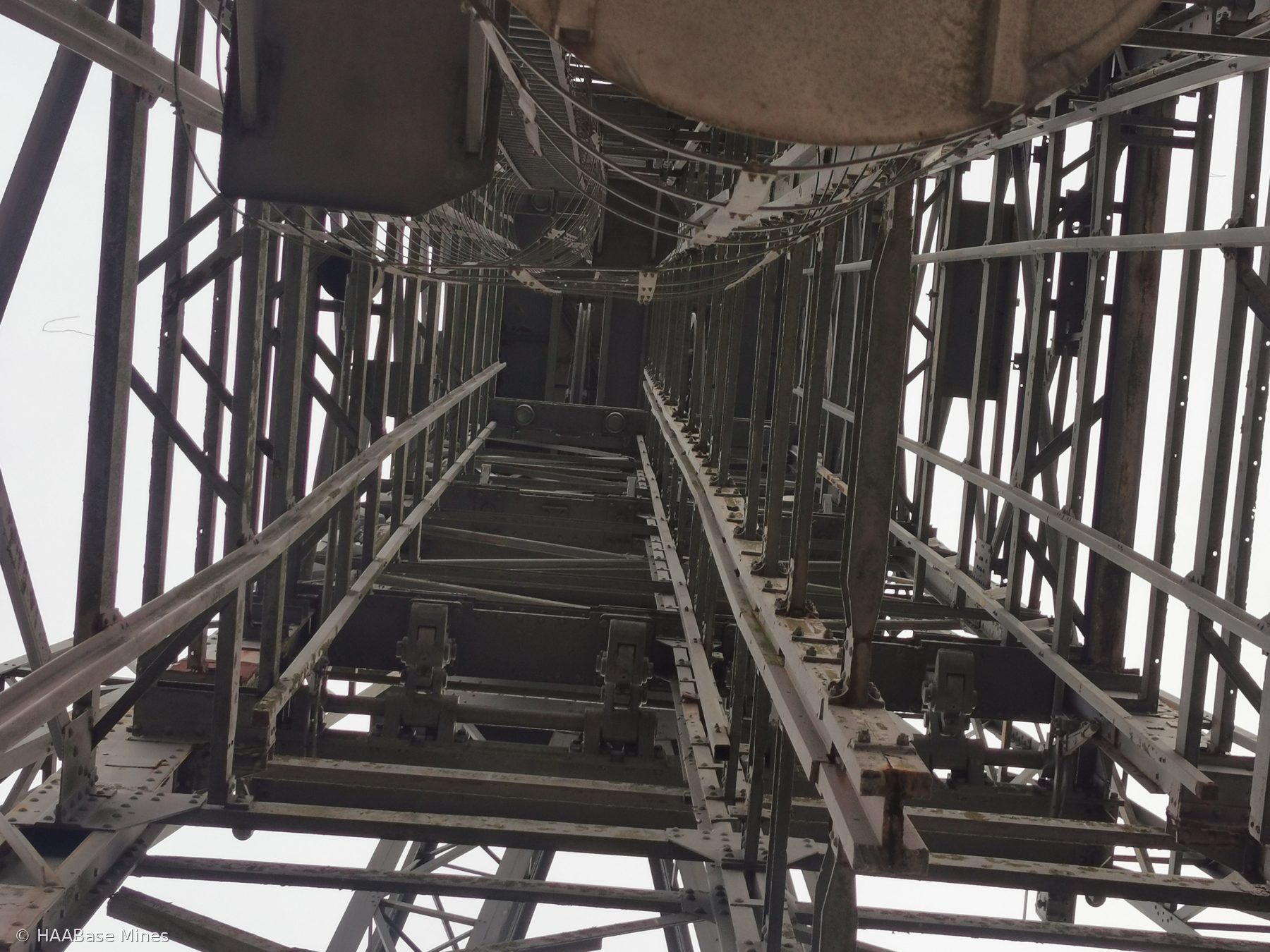
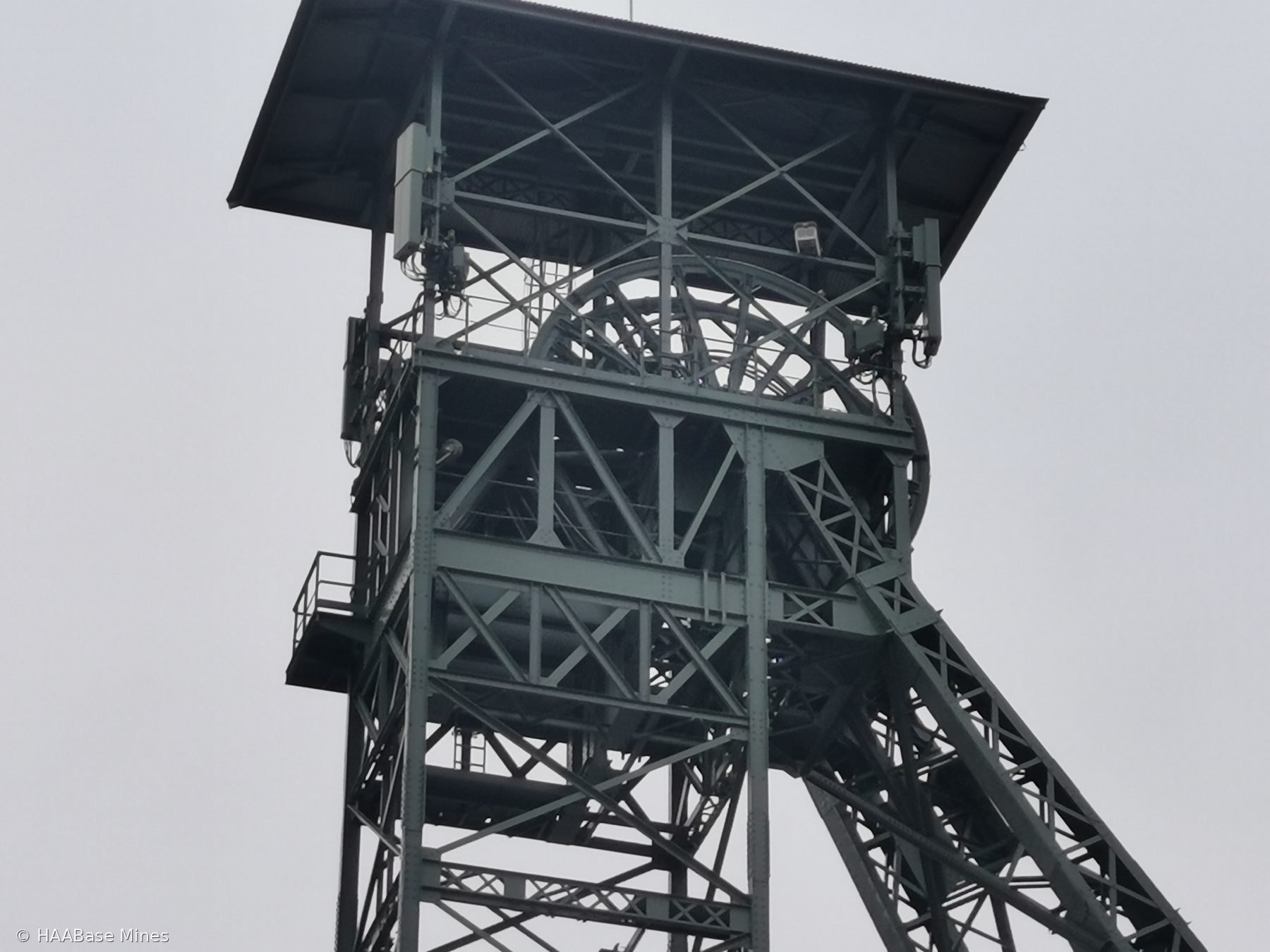
The fosse was destroyed during the First World War; the church of Saint-Amé was struck by shellfire in 1915. The fosse was reconstructed after the war in the Lens company's characteristic post-war architectural style. The puits n° 3 received a reinforced-concrete headframe, while the puits n° 3 bis was equipped with a trellised-lattice metallic headframe of type avant-carré porteur constructed in 1923 by the workshops of B.B.T (Barbier, Benard et Turenne) of Quièvrechain (Nord).

This headframe weighed 350 tonnes and stood 43 metres tall. Its roof over the sheave wheels comprised two superimposed parts, surmounted by a lightning conductor bearing the symbols of the Compagnie des mines de Lens — the crossed pick and axe. The sheave wheels had a diameter of 5.5 metres.

The headframe was acquired by the commune of Liévin in 1987. The cités, schools and church were also rebuilt after the war; the current church of Saint-Amé was consecrated in 1935. The Compagnie des mines de Lens was nationalised in 1946 and integrated into the Groupe de Lens.

Trials with a coal-cutting rabot were conducted in 1949. In 1952, the Groupe de Lens merged with the Groupe de Liévin to form the Groupe de Lens-Liévin. Following nationalisation, the puits nos 3 and 3 bis were deepened respectively to 432 and 535 metres.

In 1956 the fosse n° 16, at Loos-en-Gohelle, was concentrated on the fosse n° 3 – 3 bis. In 1960, the fosse n° 3 – 3 bis was connected by a crosscut to the fosse n° 11 – 19 at Loos-en-Gohelle, 2,018 metres to the north-north-east, and ceased extraction; it continued to provide service and ventilation for the concentration. The puits n° 3, 548 metres deep, was backfilled in 1972.

On 27 December 1974, at 6 h 19, an explosion — a coup de poussière — devastated the quartier des Six sillons, a working area of the fosse, killing 42 miners and injuring five others. This was the most destructive mining disaster in France since Courrières in 1906. Among the dead, the youngest was 25 years old and the oldest 54.

The explosion left over one hundred orphans. The fosse closed in 1978 and the puits n° 3 bis was filled. The reinforced-concrete headframe of the puits n° 3 was demolished five years after closure, in 1983; the trellised-lattice headframe of the puits n° 3 bis was retained by the commune of Liévin as a memorial to the 42 victims of the 1974 catastrophe.

A decompression borehole S55 was drilled from 13 to 21 April 2004 at 600 metres from the fosse, reaching 212 metres depth. Charbonnages de France materialised the pit-head markers for puits nos 3 and 3 bis in the early twenty-first century; the BRGM conducts annual inspections. The pit-head site was converted to an industrial zone; workers' cités and the church have been renovated.

A road was laid on part of the former terril n° 233. The metallic headframe of the puits n° 3 bis was inscribed as a monument historique on 6 May 1992. It was restored in 2000 by the Établissement Public Foncier in the context of the 1994–1999 plan-région.

On 30 June 2012, the headframe was listed as part of the Bassin minier du Nord-Pas-de-Calais UNESCO World Heritage inscription, constituting site n° 70.
Timeline

Redevelopment

Pit-head site converted to industrial zone

The former pit-head site of the fosse n° 3 – 3 bis was converted to an industrial zone. Workers' cités, schools and the church have been renovated. A road was laid on part of the former terril n° 233.
1858
Construction

Puits n° 3 begun by Compagnie des mines de Lens

The puits n° 3 was begun in 1858 by the Compagnie des mines de Lens at Liévin, 170 metres east of the church of Saint-Amé. The shaft had a useful diameter of 4.08 metres; coal was encountered at 141 metres depth.
1860
Operation

Fosse n° 3 begins extraction

The fosse n° 3, baptised Saint-Amé, began extracting coal in 1860. The puits n° 3 reached a depth of 298 metres; the coal held 30 to 40 per cent volatile matter.
1875
Operation

First church of Saint-Amé built near the fosse

A first church of Saint-Amé was built in 1875 to the west of the fosse to serve the mining community.
1881
Construction

Puits n° 3 bis begun

The puits n° 3 bis was begun in 1881, 40 metres to the north of the puits n° 3. It reached a depth of 356.52 metres and served initially as a ventilation shaft before assuring extraction from 1883.
1914–1918
Closure

Fosse destroyed during First World War; church struck by shellfire

The fosse n° 3 – 3 bis was destroyed during the First World War. The church of Saint-Amé was struck by shellfire in 1915 and destroyed.
1922–1923
Construction

Fosse rebuilt; headframes constructed for puits nos 3 and 3 bis

The fosse was rebuilt after the war in the Lens company's post-war architectural style. The puits n° 3 received a reinforced-concrete headframe. The puits n° 3 bis received a trellised-lattice metallic headframe of type avant-carré porteur, constructed in 1923 by B.B.T of Quièvrechain, weighing 350 tonnes and standing 43 metres tall, with sheave wheels of 5.5 metres diameter.
1935
Operation

New church of Saint-Amé consecrated

The current church of Saint-Amé, replacing the one destroyed in 1915, was consecrated in 1935.
1946
Legislation

Compagnie des mines de Lens nationalised; integration into Groupe de Lens

The Compagnie des mines de Lens was nationalised in 1946 and integrated into the Groupe de Lens.
1952
Construction

Groupe de Lens merges with Groupe de Liévin; shafts deepened

The Groupe de Lens merged with the Groupe de Liévin in 1952 to form the Groupe de Lens-Liévin. Following nationalisation, the puits nos 3 and 3 bis were deepened to 432 and 535 metres respectively.
1956
Operation

Fosse n° 16 concentrated on fosse n° 3 – 3 bis

The fosse n° 16 at Loos-en-Gohelle was concentrated on the fosse n° 3 – 3 bis in 1956.
1960
Closure

Extraction ceases; fosse connected by crosscut to fosse n° 11 – 19

In 1960, the fosse n° 3 – 3 bis was connected by a crosscut to the fosse n° 11 – 19 at Loos-en-Gohelle, 2,018 metres to the north-north-east. Extraction then ceased; the fosse continued to provide service and ventilation.
1972
Closure

Puits n° 3 backfilled

The puits n° 3, 548 metres deep, was backfilled in 1972.
1974
Operation

Explosion kills 42 miners — deadliest post-war French mining disaster

On 27 December 1974 at 6 h 19, an explosion — a coup de poussière — devastated the quartier des Six sillons at the fosse n° 3 – 3 bis, killing 42 miners and injuring five others. This was the most destructive mining disaster in France since Courrières in 1906, leaving over one hundred orphans. The explosion occurred at a depth of approximately 710 metres.
1978
Closure

Fosse closes; puits n° 3 bis filled

The fosse n° 3 – 3 bis closed in 1978 and the puits n° 3 bis was filled.
1983
Closure

Reinforced-concrete headframe of puits n° 3 demolished

The reinforced-concrete headframe of the puits n° 3 was demolished in 1983, five years after closure.
1987
Heritage

Metallic headframe of puits n° 3 bis acquired by commune of Liévin

The metallic headframe of the puits n° 3 bis was acquired by the commune of Liévin in 1987, conserved as a memorial to the 42 victims of the 1974 catastrophe.
1992
Heritage

Headframe inscribed as monument historique

The metallic headframe of the puits n° 3 bis was inscribed as a monument historique on 6 May 1992.
2000
Heritage

Headframe restored by Établissement Public Foncier

The headframe of the puits n° 3 bis was restored in 2000 by the Établissement Public Foncier in the context of the 1994–1999 plan-région contract.
2012
Heritage

Listed as UNESCO World Heritage site (site n° 70)

On 30 June 2012, the headframe of the puits n° 3 bis was listed as part of the Bassin minier du Nord-Pas-de-Calais UNESCO World Heritage inscription, constituting site n° 70.
Sources and records

Wikipedia article (French): Fosse no 3 – 3 bis des mines de Lens
Wikipedia article (French): Chevalement du puits no 3 bis de la fosse no 3 – 3 bis des mines de Lens
Gaillette.fr: UNESCO Liévin heritage summary
Ville de Liévin official website: heritage pages
mineur62.free.fr: survey of metallic headframes in the Nord-Pas-de-Calais
INA Mémoires de mines: catastrophe de Liévin, les événements
Région Hauts-de-France: article on 50th anniversary of Liévin disaster
Houillères du Nord Pas de Calais: exxplore.fr heritage survey
Bassin minier Nord-Pas-de-Calais Patrimoine mondial website
This researched site record is part of the HAABase Mines database. Normal personal research and browsing is welcome. Automated bulk extraction, republication, or harvesting of site text and images is not permitted without written consent.