The Compagnie des mines de Liévin was constituted on 1 December 1862, though sinking of the first shaft had already begun in December 1858. Various preliminary borings were carried out at Liévin from March 1858 onwards; the sondage n° 55, begun in June 1858, encountered coal at a depth of 134.70 metres after passing through a few metres of Devonian blue schist. The puits n° 1 was begun on 13 December 1858, 680 metres north-west of the village church and 100 metres east of the road from Souchez to Point-à-Vendin.
The shaft was lined in oak and equipped with steam engines of 20 and 120 horsepower. The fosse began producing in 1860, though output remained modest — limited to approximately 20,000 tonnes per year until 1866 — increasing significantly after the shaft was deepened. Production rose from 67,761 tonnes in 1869 to 146,787 tonnes in 1873, and reached 285,331 tonnes by 1879 and 350,000 tonnes by 1880.
In May 1874 a second shaft, originally numbered n° 5, was begun using the Kind-Chaudron system, situated 45 metres to the west-south-west of the puits n° 1. It was later renumbered puits n° 1 bis. Its useful diameter was 3.65 metres and its shaft mouth stood at an altitude of 52.34 metres; it was lined in cast iron from 9.50 metres to 93.30 metres.
This shaft was equipped with powerful extraction machinery, and in 1875 compressed-air mechanical haulage was introduced simultaneously with mechanical boring. The workings were firedamp-prone: the puits n° 1 bis was sunk partly to improve ventilation and safety. A ventilation shaft, the puits n° 1 ter, was opened from 1875 or 1901, 66 metres to the south-east of the puits n° 1.
In 1867 the fosse was connected to the Lens station by railway, which boosted output considerably. A grisou accident killed 28 miners in 1885. The fosse was entirely destroyed during the First World War; all surface installations were razed.
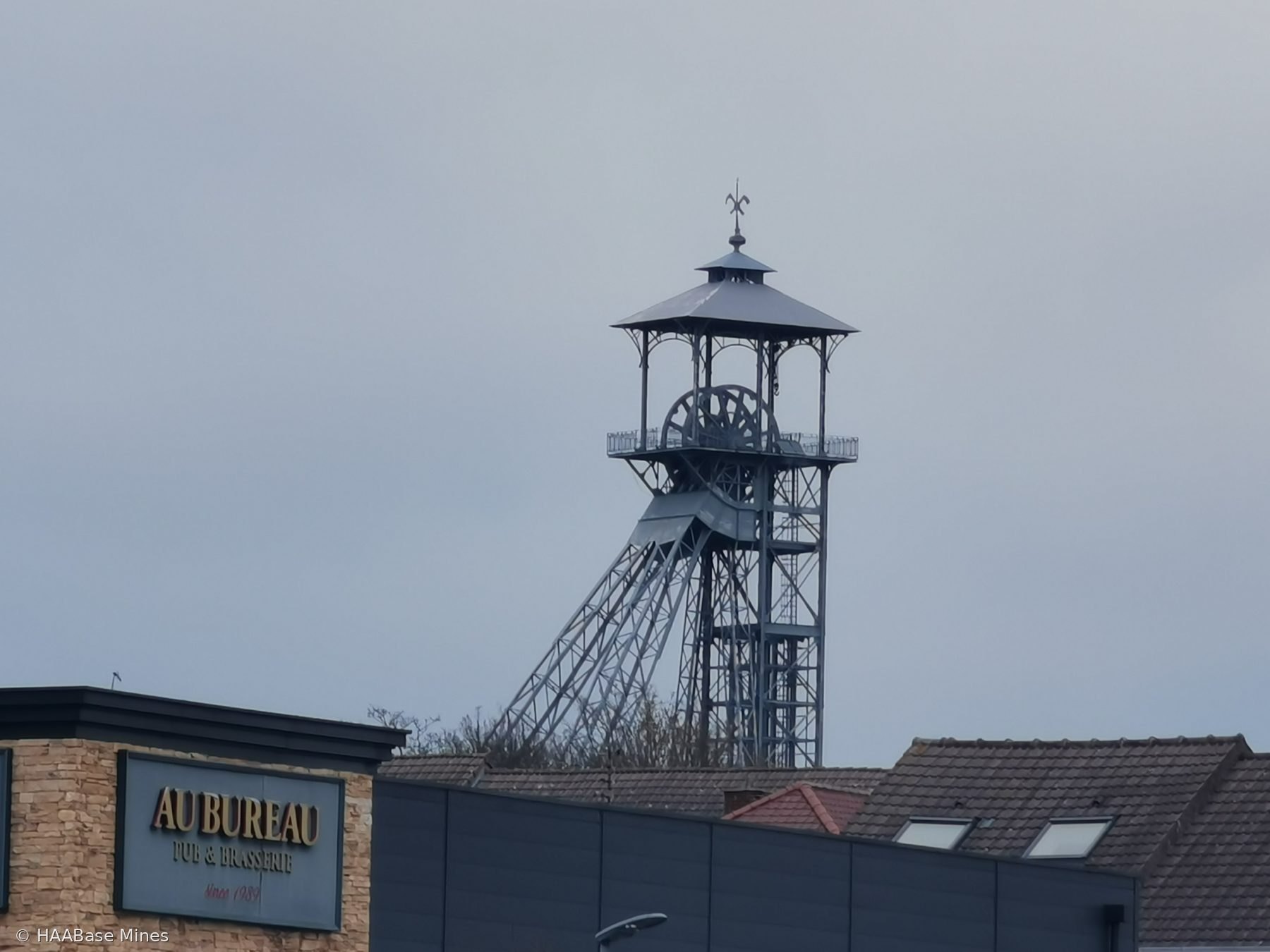
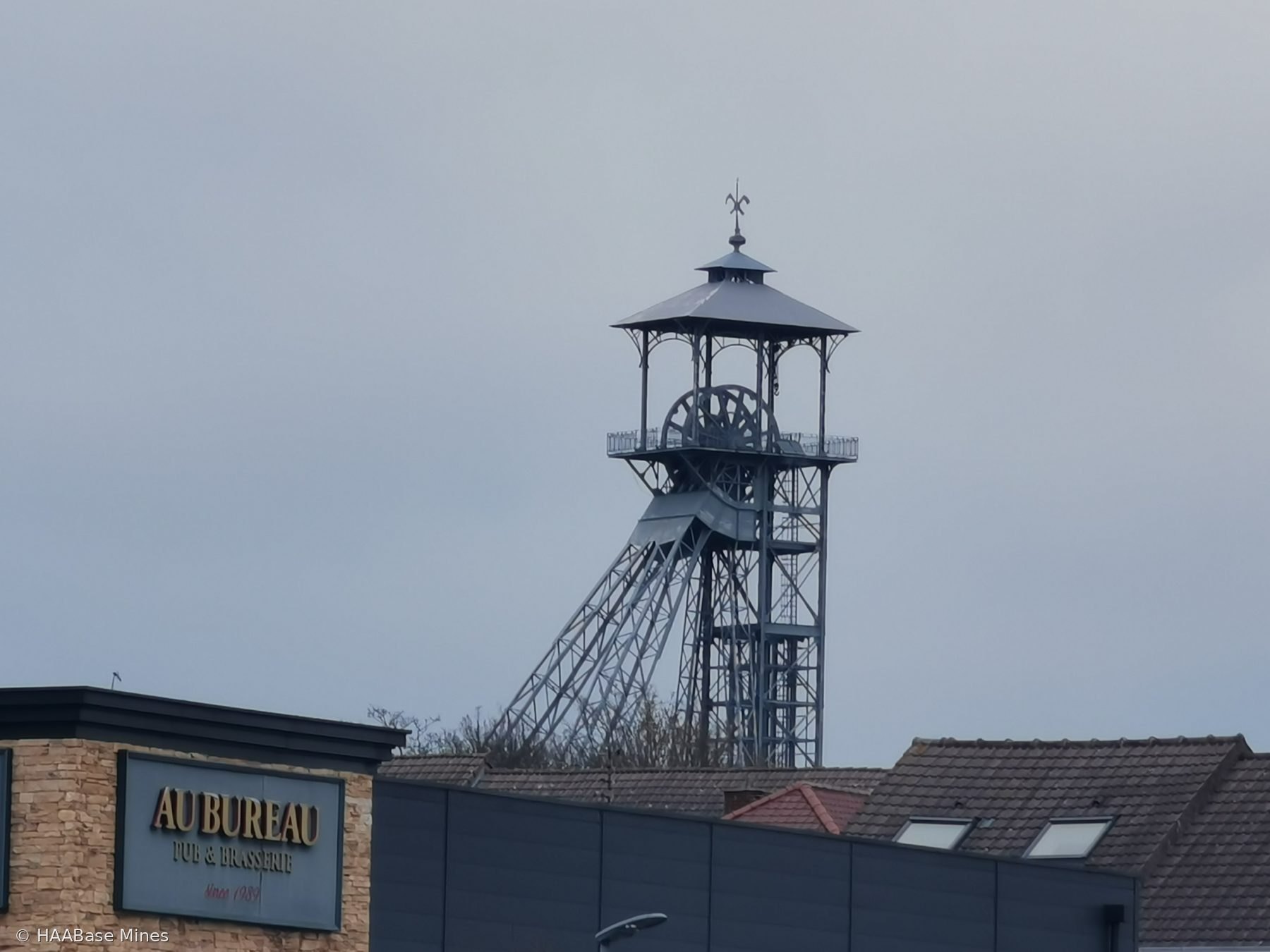
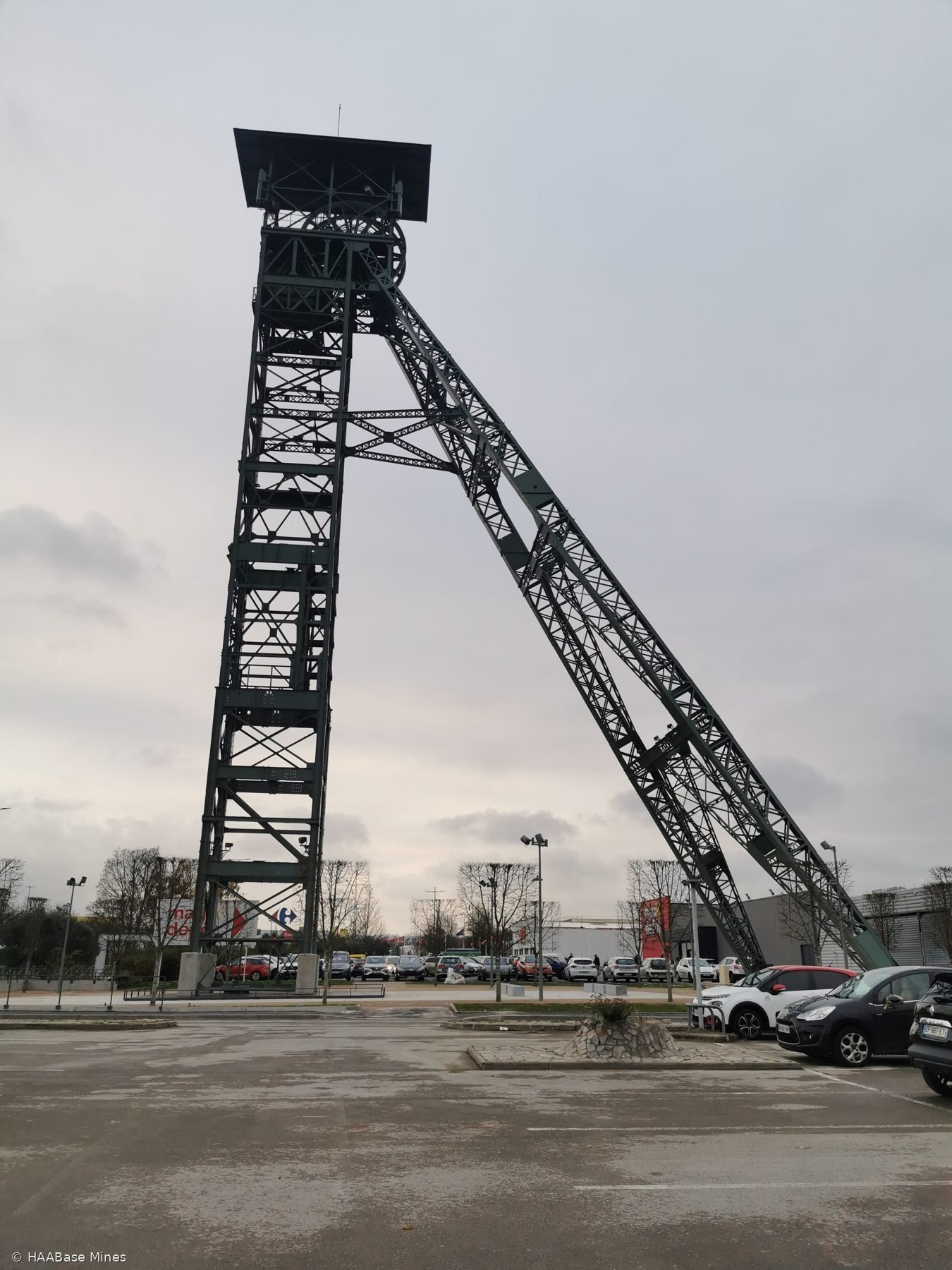
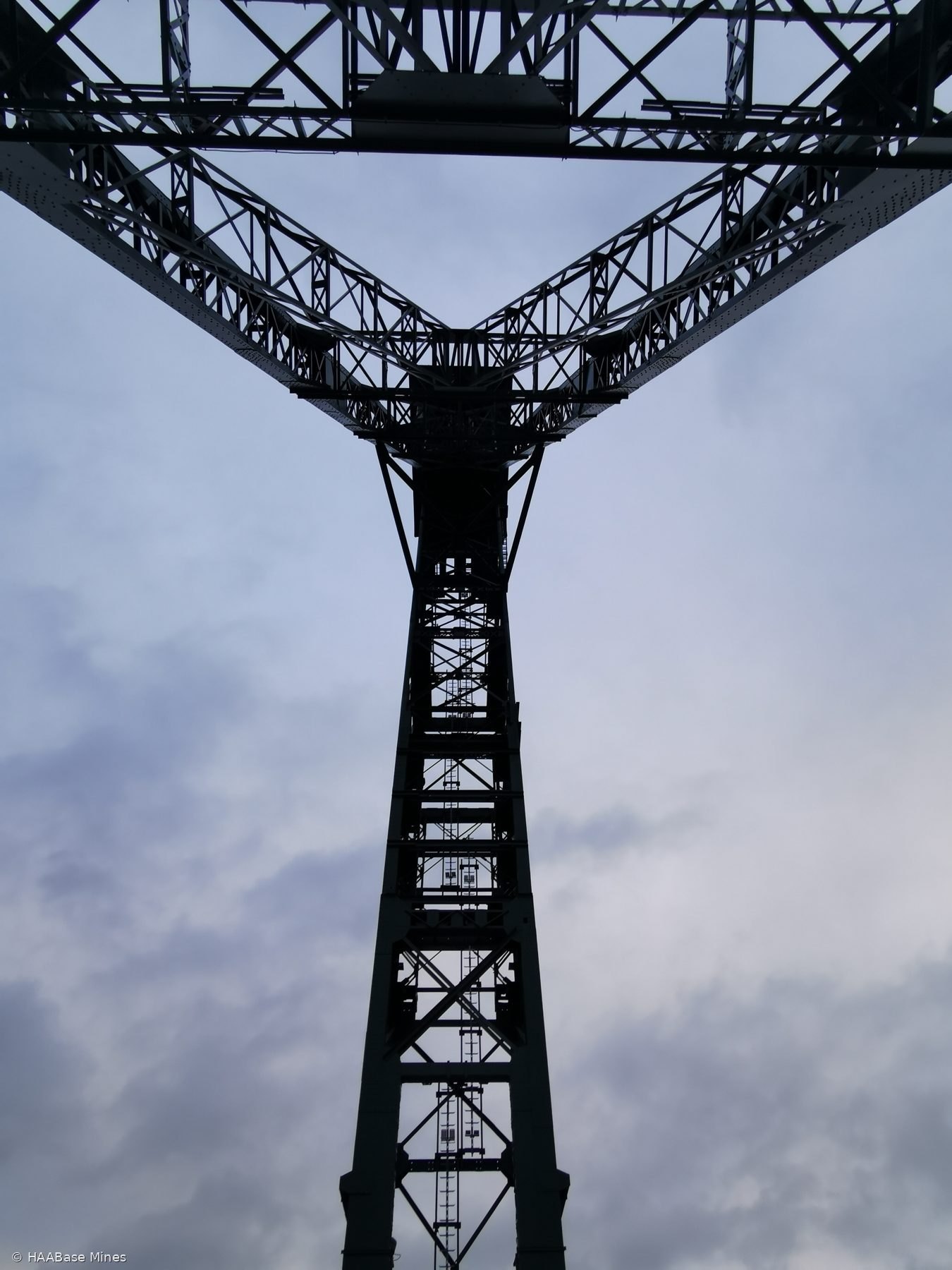
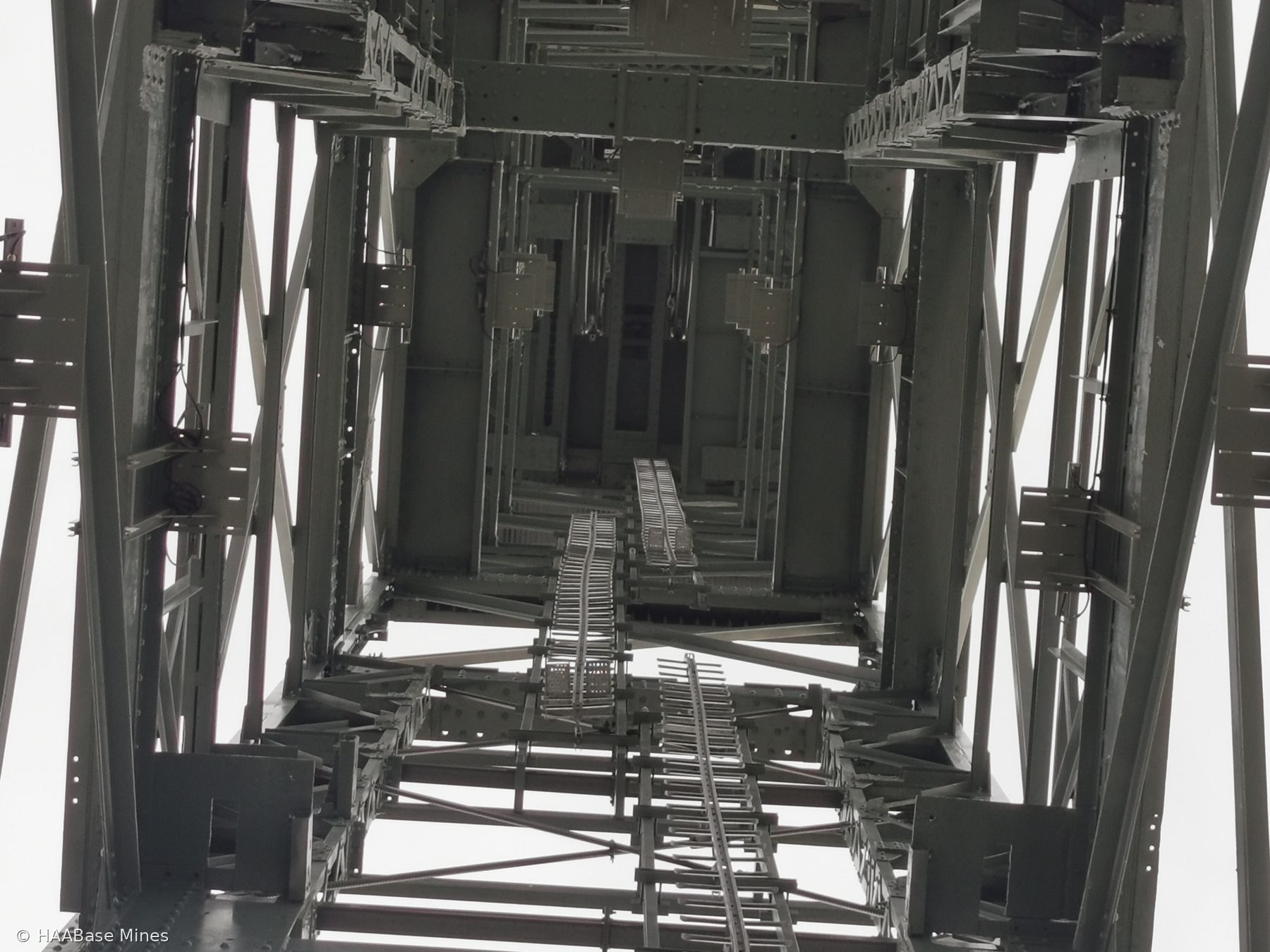
Reconstruction began in 1922, and the replacement headframe for the puits n° 1 bis was constructed between 1922 and 1923. This headframe is of the type described as avant-carré porteur, built from riveted trellised-lattice girders. It replaced the earlier headframe which had been destroyed in the conflict.
Workers' cités were also rebuilt and enlarged during this period. In 1946 the Compagnie des mines de Liévin was nationalised and integrated into the Groupe de Liévin. In 1952 the Groupe de Liévin merged with the Groupe de Lens to form the Groupe de Lens-Liévin.
The puits nos 1, 1 bis and 1 ter then served respectively for extraction, service and ventilation. A firedamp drainage station was installed in 1959, and the extracted gas was sent to the Liévin works. The fosse was concentrated on the fosse n° 6 – 6 bis at Angres, 2,320 metres to the south-south-west, and ceased extraction in 1955; thereafter the puits n° 1 bis served as intake air while the puits n° 1 ter provided return air for the fosse n° 3 – 3 bis des mines de Lens, 478 metres to the north-east.
The puits n° 1, 670 metres deep, was backfilled in 1966 and its headframe demolished in 1977. The puits nos 1 bis and 1 ter, respectively 796 and 648 metres deep, were backfilled in 1979. All remaining installations, except the headframe of the puits n° 1 bis, were subsequently destroyed; a shopping centre was installed on the former pit-head site.
The puits n° 1 ter had carried no headframe since the Second World War. Charbonnages de France materialised the pit-head markers for puits nos 1, 1 bis and 1 ter in the early twenty-first century; the BRGM conducts annual inspections. The headframe of the puits n° 1 bis, in its entirety, was inscribed as a monument historique on 25 November 2009.
It was listed on 30 June 2012 as part of the UNESCO World Heritage inscription of the Bassin minier du Nord-Pas-de-Calais, constituting site n° 71. The city of Liévin became the owner of the headframe in 1989 following the cessation of works by the Houillères. The headframe had been repainted blue in 1999.
In December 2023 a full rehabilitation project began, designed by the architecture firm Agence Florian Valeri, with a total budget of 1.8 million euros, of which 1.4 million euros came from institutional grants. Works included sand-blasting, repair of corrosion damage, application of three protective coats of paint, and the installation of a public forecourt with reflective surfaces and trees evoking the former recette building. The headframe was repainted in its original kaki green.
The restoration was celebrated with an illumination ceremony at the Sainte-Barbe festivities in December 2025.