The coalfield at Épinac was first identified in the mid-eighteenth century. In 1754 the sondeur François Rozan began extraction at Résille near Épinac following authorisation from the intendant of Burgundy. The comte de Clermont-Tonnerre, seigneur d'Épinac, asserted his rights over the deposit by arrêt du Conseil on 28 January 1755, founding a glassworks to consume the coal extracted.
Mining activity properly began in 1774 at the puits de l'Ouche, with coal carried by hand using baskets and later barrows. A formal concession was accorded in 1805. The estate passed in 1826 to Samuel Blum, a Dijon ironmaster, who purchased the château, glassworks and mines after the comte's emigration.
In 1829 the Compagnie des houillères et du chemin de fer d'Épinac was established, holding the Moloy, Sully, Pauvray and Épinac concessions for a total of 7,031 hectares. From 1835 the company built around 300 workers' dwellings at the cité de la Garenne, with schools, a chapel and co-operatives following shortly. A railway for coal transport entered service in 1836, running toward Pont-d'Ouche and then via the canal de Bourgogne.
Between 1829 and 1933, some seventy shafts were sunk across the basin, though only around ten extracted coal. The principal operational centres moved successively from the Curier to the Garenne and finally to the puits Saint-Charles from 1922. Under director Charles Destival, who arrived in 1899, the houillères entered a period of prosperity: output rose from 1,500 tonnes in 1838 with 150 workers to 191,500 tonnes in 1913 with 1,215 workers.
In 1905 the Académie des Sciences Morales et Politiques awarded the Prix Audéoud to the Compagnie d'Épinac for introducing profit-sharing in 1902. At Saint-Léger-du-Bois, the puits des Fourneaux was sunk to a depth of 130 metres by the Société des Houillères du Grand Moloy. Sinking is noted in the sources as beginning in 1910, with the shaft entering production in 1928.
It was subsequently acquired by the Société des Houillères et Chemins de fer d'Épinac. The puits des Fourneaux extracted coal using a system of galleries and employed around 120 to 128 workers; a record output of 78,183 tonnes was recorded in 1940. Ancillary facilities included stabling for pit ponies used to haul coal wagons underground, a charge-hand's house, and a wooden washhouse for female workers.
From 1929 the crisis accelerated closures across the broader basin, and shafts including Ressille, Champs-Pialey, Fontaine-Bonnard, Hagerman, Souachères, Micheneau, Garenne, Sainte-Barbe, Le Curier, Hottinguer, Lestiboudois and Saint-Charles closed in succession. In 1943 the Société Minière des Schistes Bitumineux d'Autun (SMSB) purchased the puits des Fourneaux to supply its shale-oil distillation plant. By decree of 1 April 1944 the concession of Sully was divided: the northern portion adjoining the Moloy concession took the name Saint-Léger-du-Bois, and the southern portion the name Veuvrottes; the Saint-Léger-du-Bois and Moloy concessions were ceded to the SMSB.
The decree no. 46-1570 of 28 June 1946, establishing the Houillères du bassin de Blanzy, provided for the transfer of assets from the Société des Houillères et du chemin de fer d'Épinac to the new nationalised body. The siège de Pauvray closed on 31 December 1949. The puits des Fourneaux, which had not been nationalised, closed in 1950; sources record that the shaft was backfilled at that date.
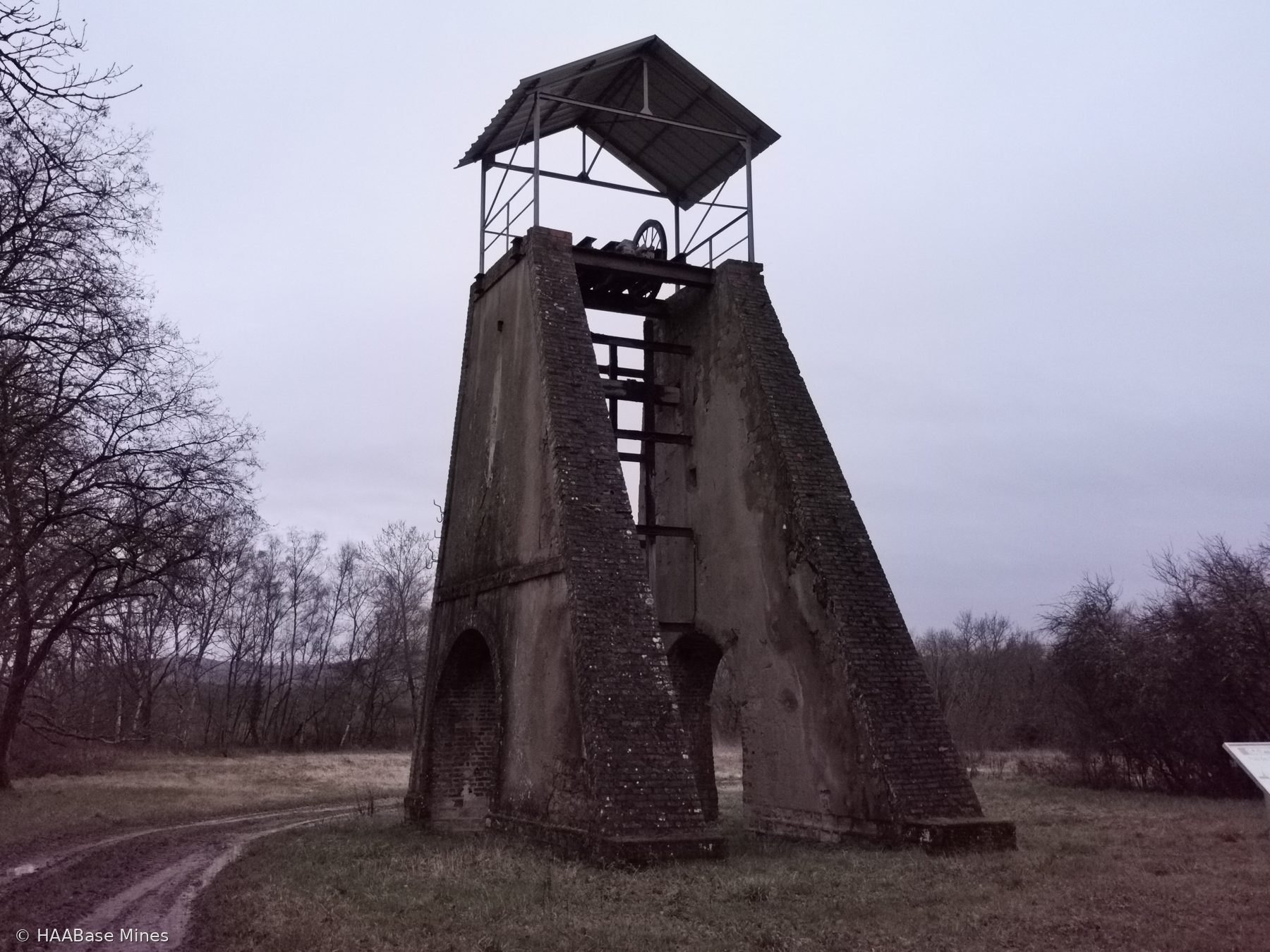
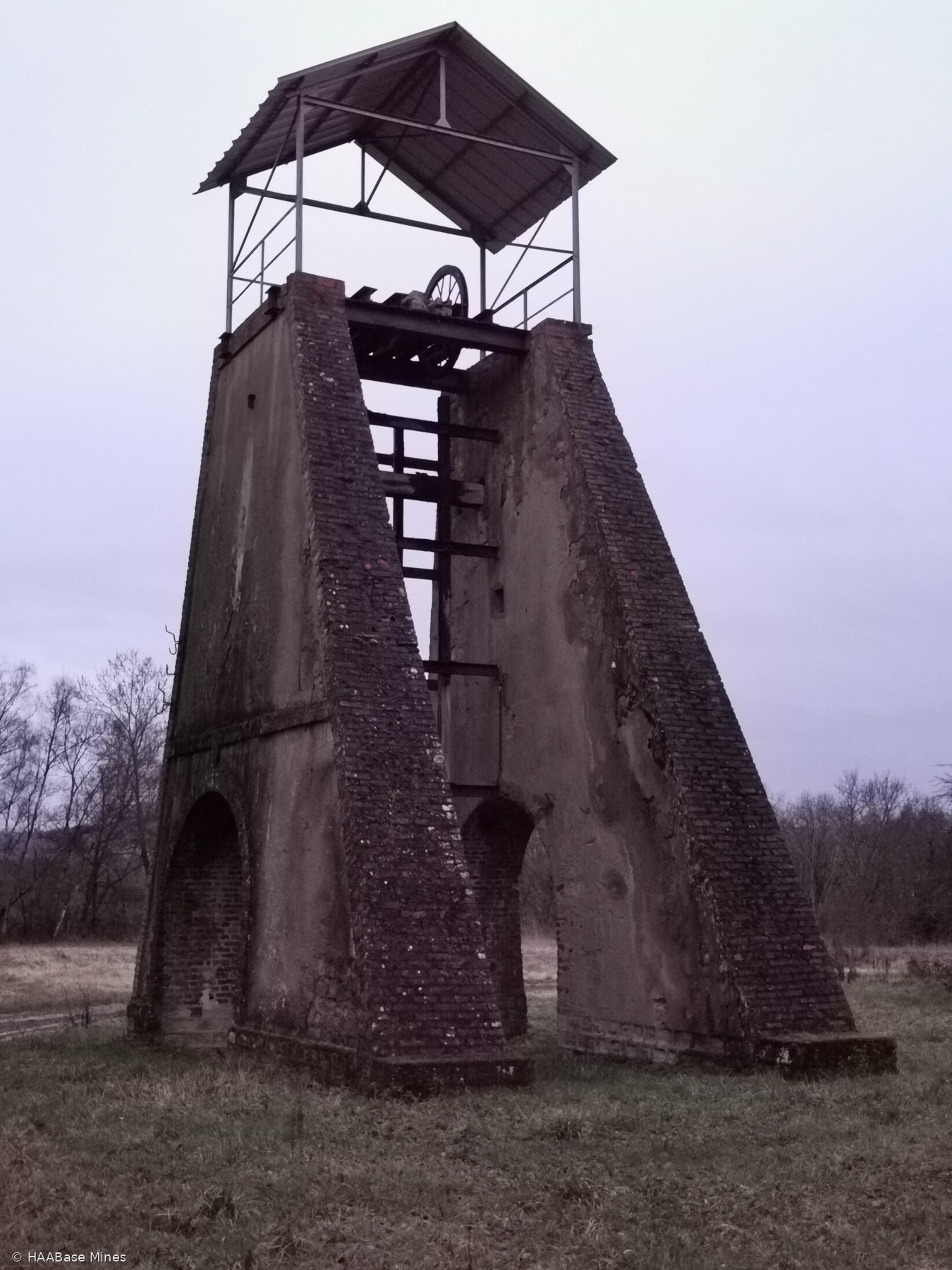
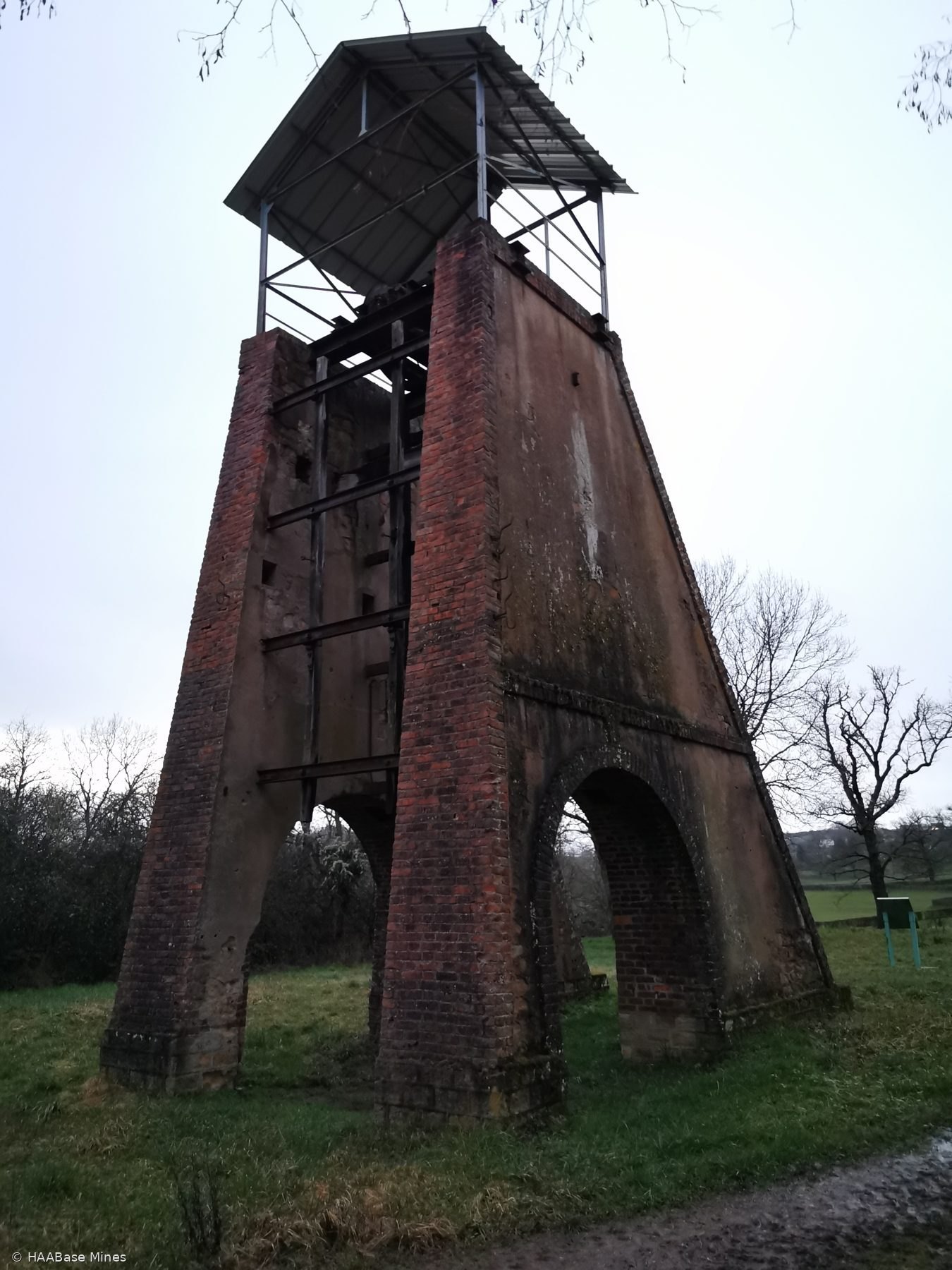
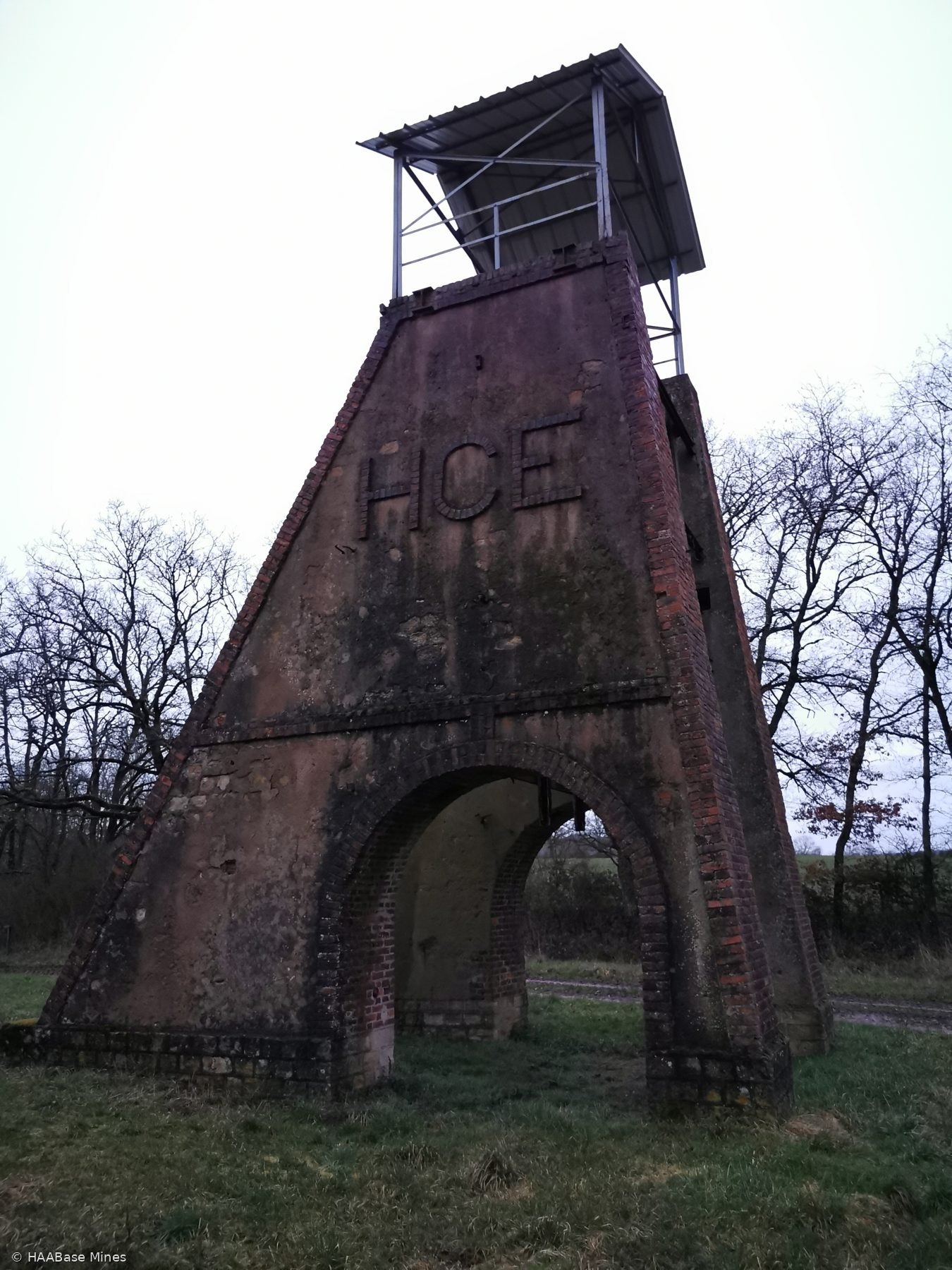
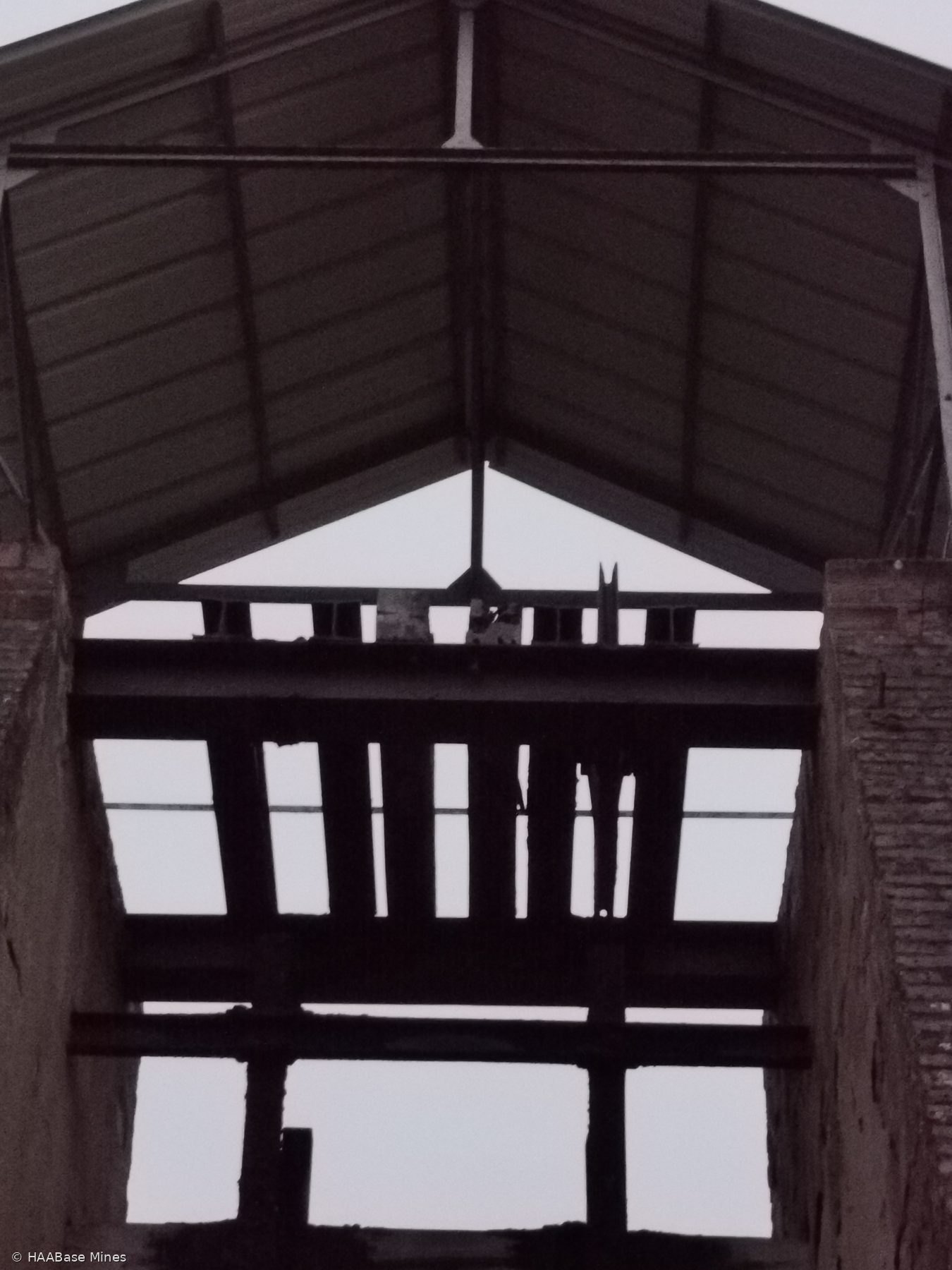
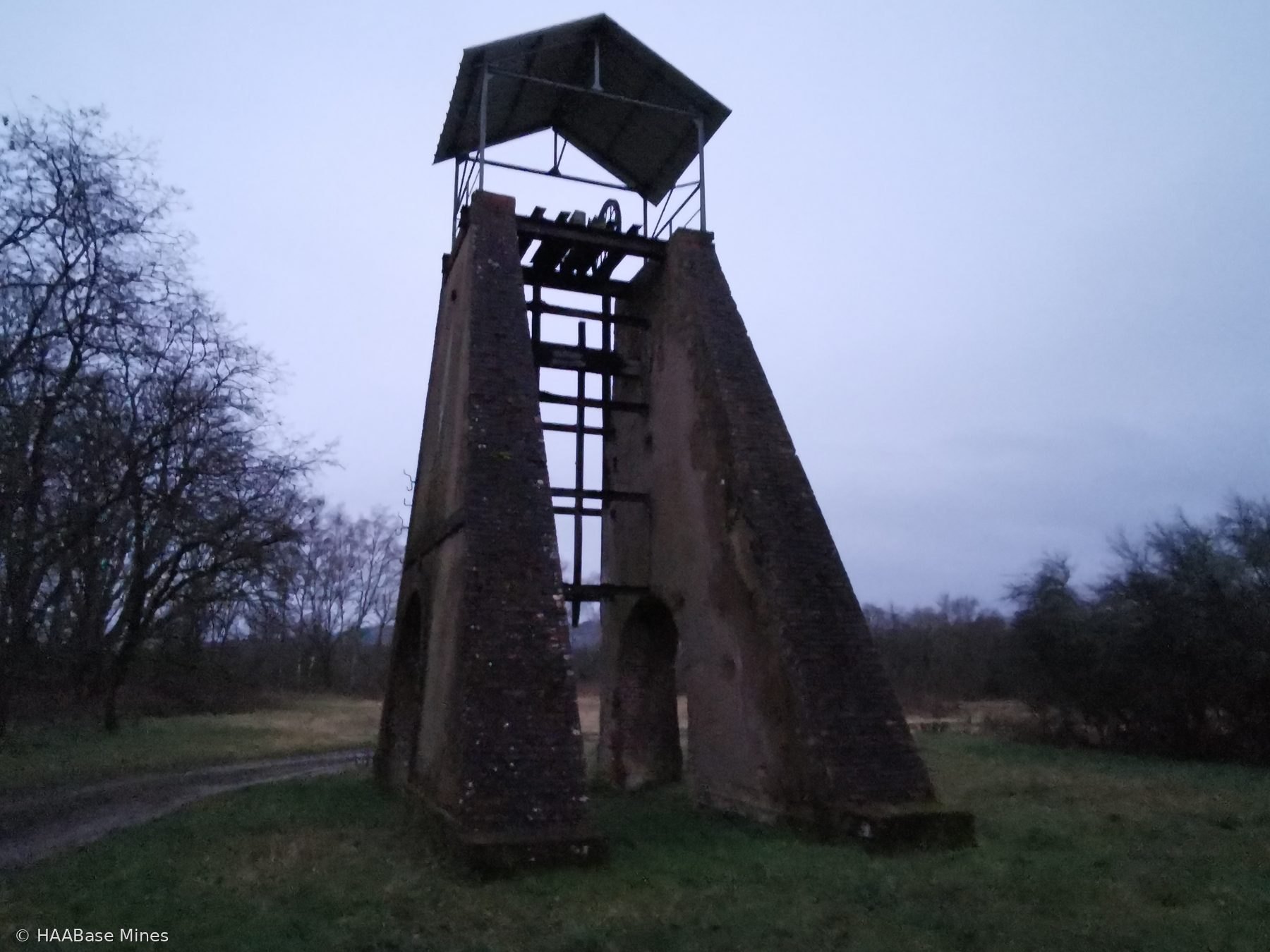
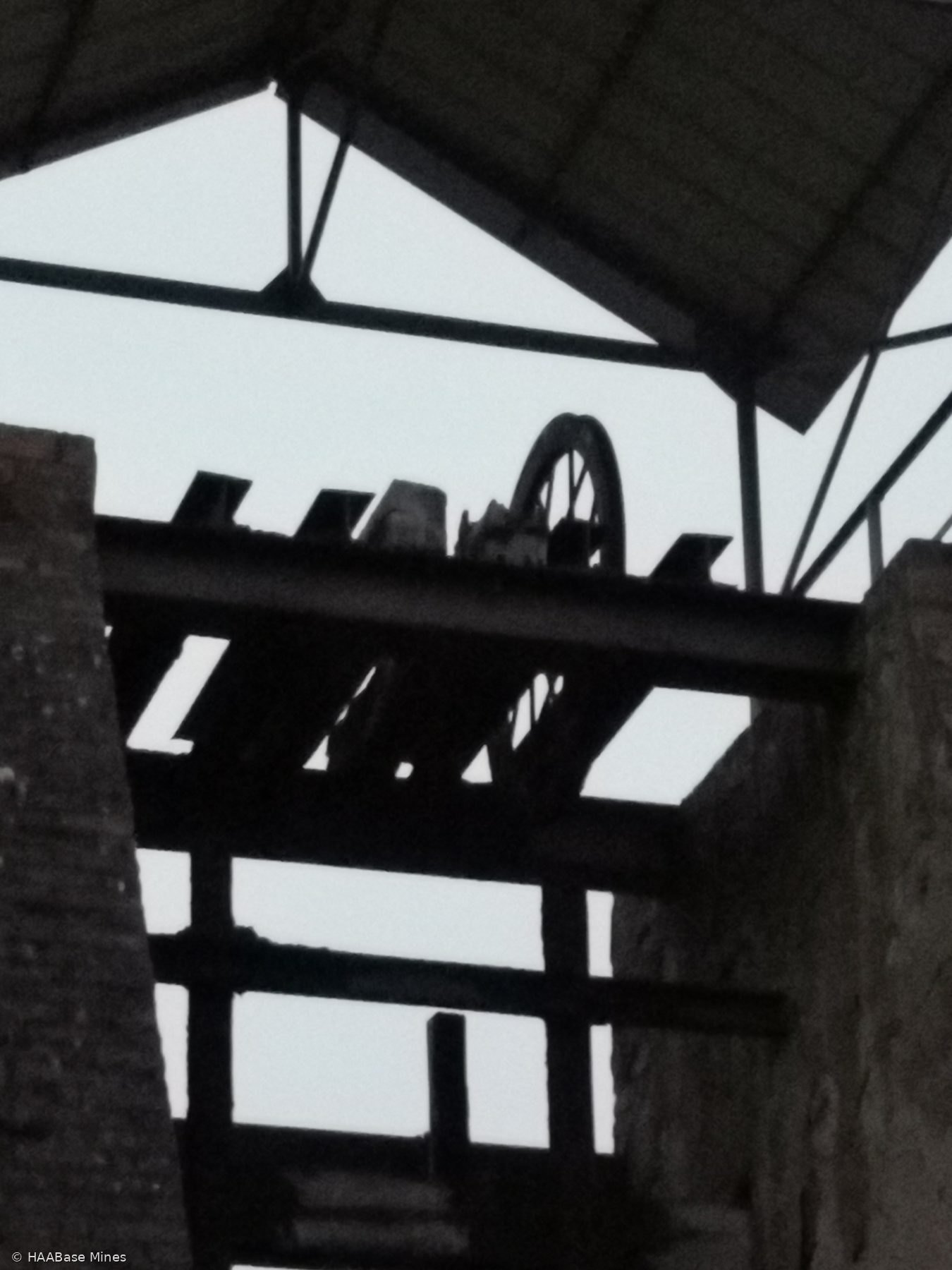
The last operating seat of the Houillères d'Épinac, the siège de Veuvrottes on the commune of Sully, was definitively stopped on 28 February 1966. Following closure the puits des Fourneaux site fell into abandonment, with only the masonry headframe surviving intact. The headframe bears the initials HCE for Houillères et Chemins de fer d'Épinac.
It is described as unique in France among masonry headframes of its type. In later years the association de Sauvegarde du Patrimoine Industriel Epinacois cleared and cleaned the headframe and installed explanatory plaques on the site. The site is today accessible to visitors as an interpreted industrial heritage point.