History
Small-scale open-cast slate workings on the commune of La Pouëze are attested from the fifteenth century, located at La Pinardière and La Bichetière toward Vern-d'Anjou. By 1797 three artisan families from Saint-Quentin-les-Anges — the Chesneaux, Gasnier, and Bellanger households — had settled at La Pouëze to continue slate working after the closure of a small ardoisière at Chatelais. Between 1800 and 1830, exploitations belonging to petits maîtres employed approximately ten workers each. An 1894 estimate gave annual production of 3 million slates with 110 workers.
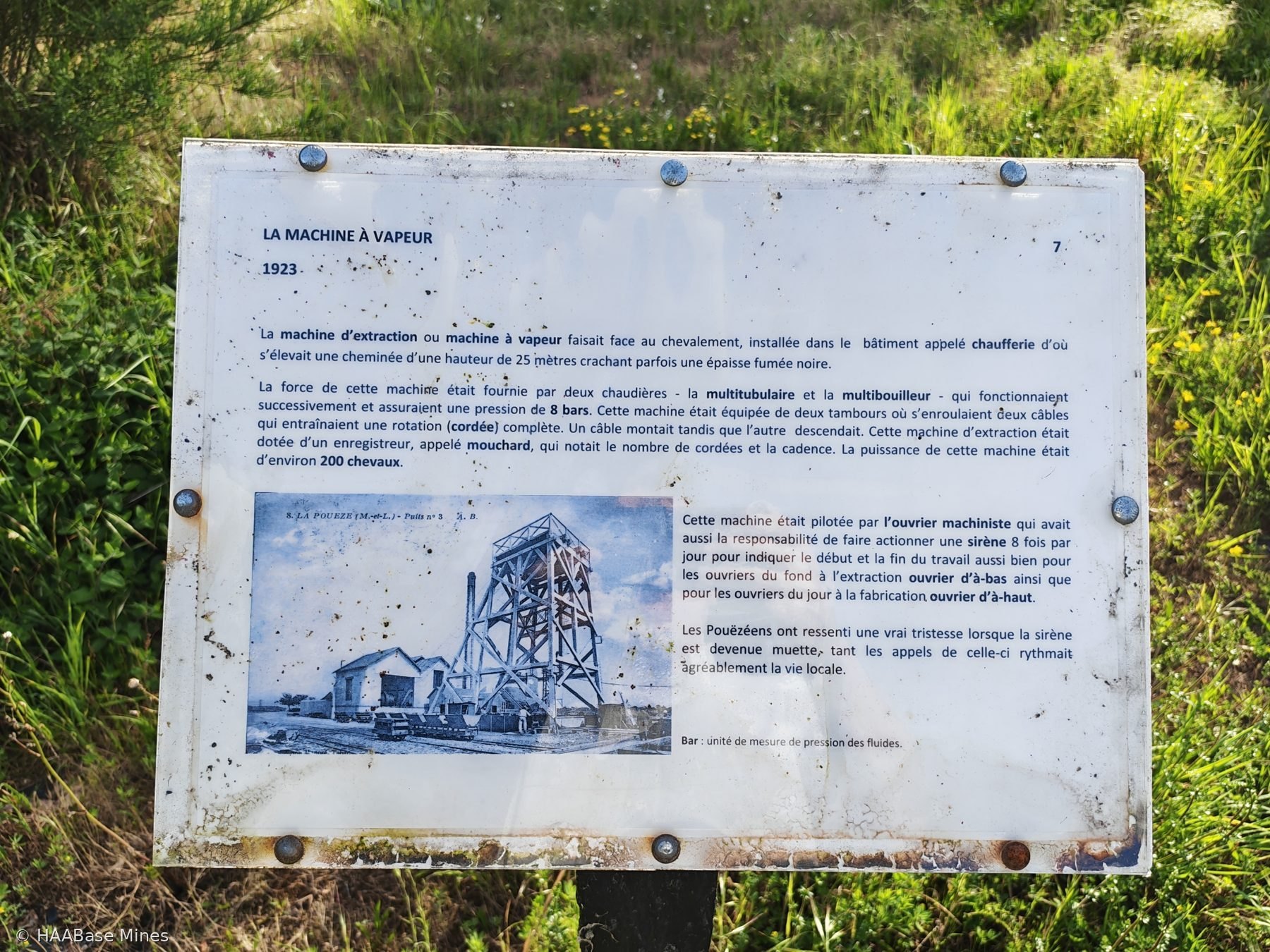
Industrial extraction developed through the nineteenth century by sinking vertical shafts equipped with headframes on the same model as those used in coal mines. The principal workings were grouped north-east of the bourg at the Carterie and Fiogée sites. Puits no. 1 (la Carterie) descended to 101 metres; it was destroyed in October 1899 when a steam-powered extraction machine installed at the shaft vault caught fire and set the timbering alight, causing the puits to be abandoned. Following this catastrophe, extraction was renewed entirely and puits no. 2 was sunk at la Carterie.
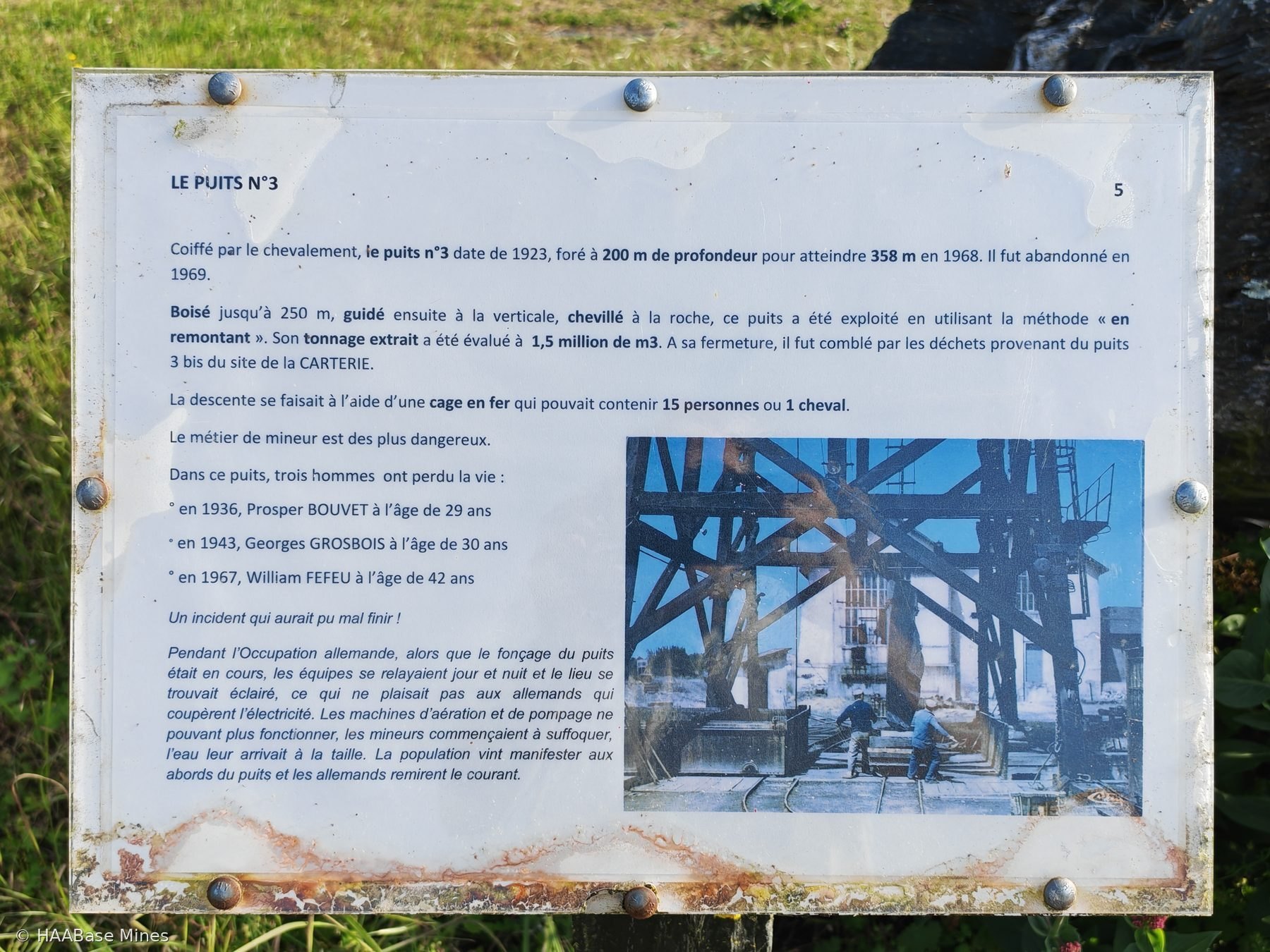
In 1941, facing exhaustion of the shallower reserves, the operators decided to commit fresh capital: puits no. 3 was deepened and a rescue shaft, puits 3bis in reduced section, was driven at la Carterie. By 1952 the centre ardoisier was operating with approximately 300 workers, accounting for some 4% of the national output in quality slates. By 1980 the workforce had fallen to 140. In 1968 puits no. 3 was replaced for principal extraction purposes by the deepened puits 3bis (equipped with a steel headframe), which was driven to 450 metres; puits no. 3 was epuisé at 355 metres and abandoned in 1974. The steel headframe of puits 3bis was demolished at the end of the 1980s. In 1989 a rockfall condemned the Carterie site entirely. Slate working at La Pouëze continued for a further period using stone transported from Trélazé and Noyant-la-Gravoyère/Misengrain, before ceasing definitively in 1998 with the end of the Société des Ardoisières de l'Anjou.
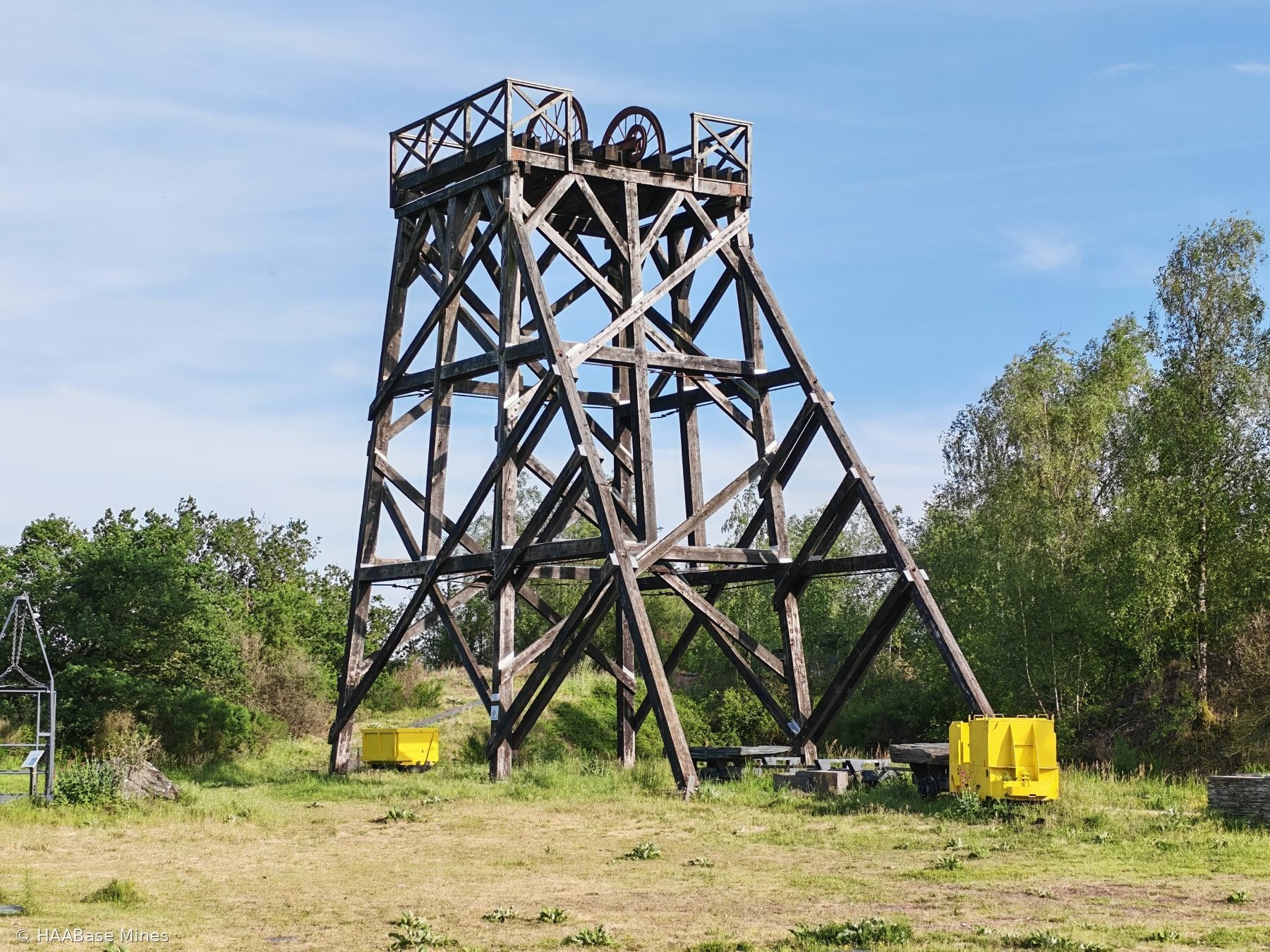
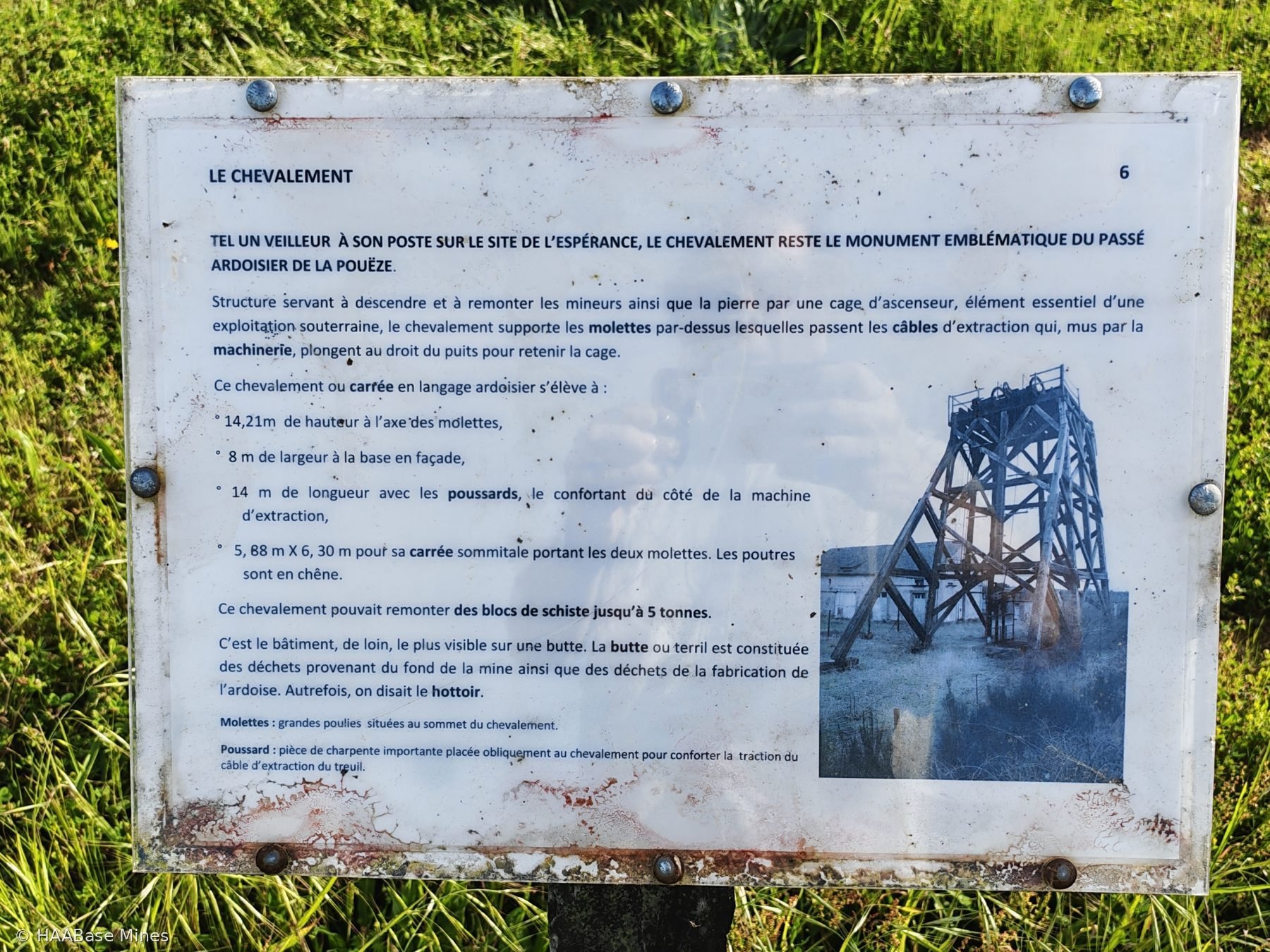
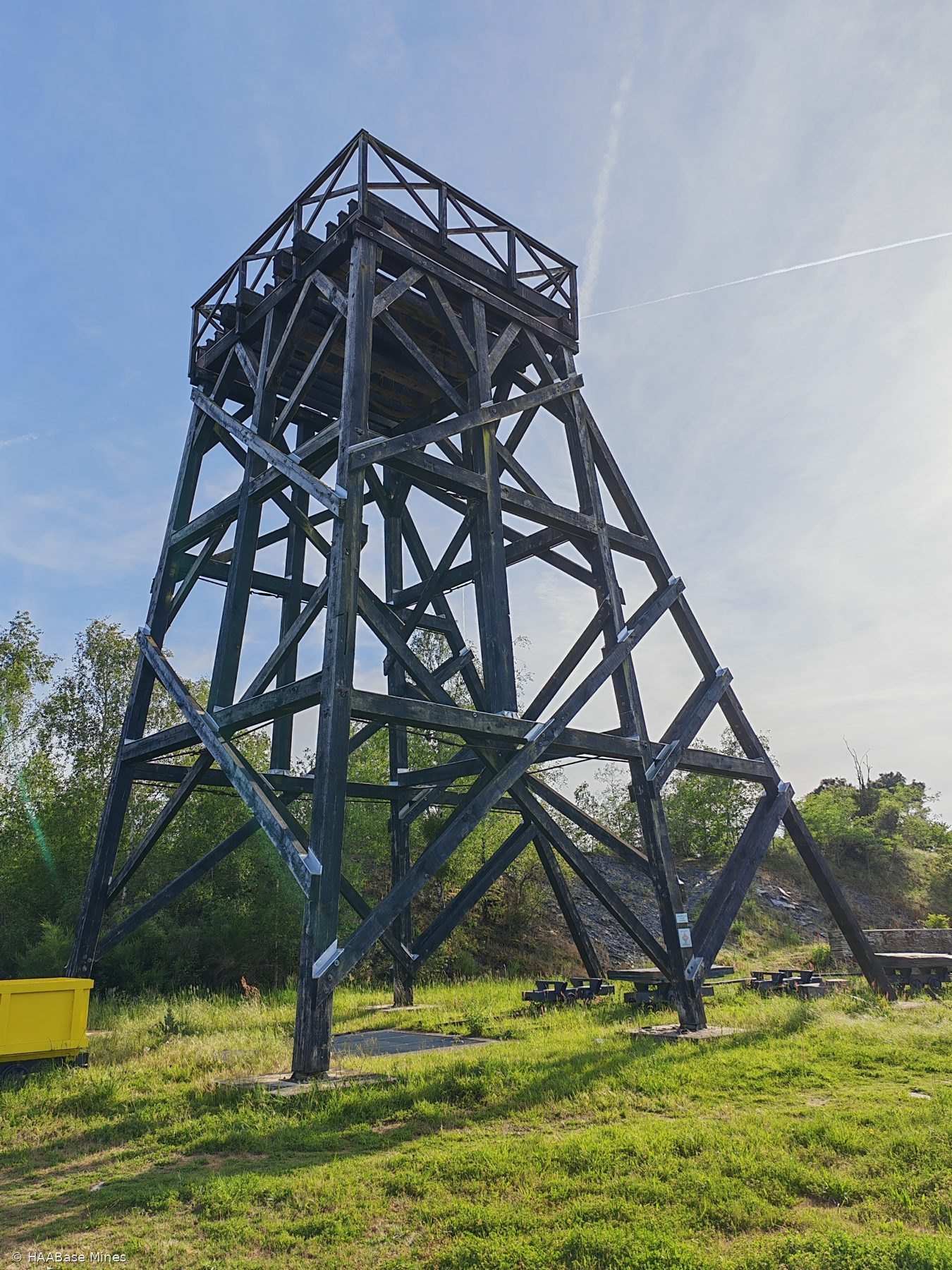
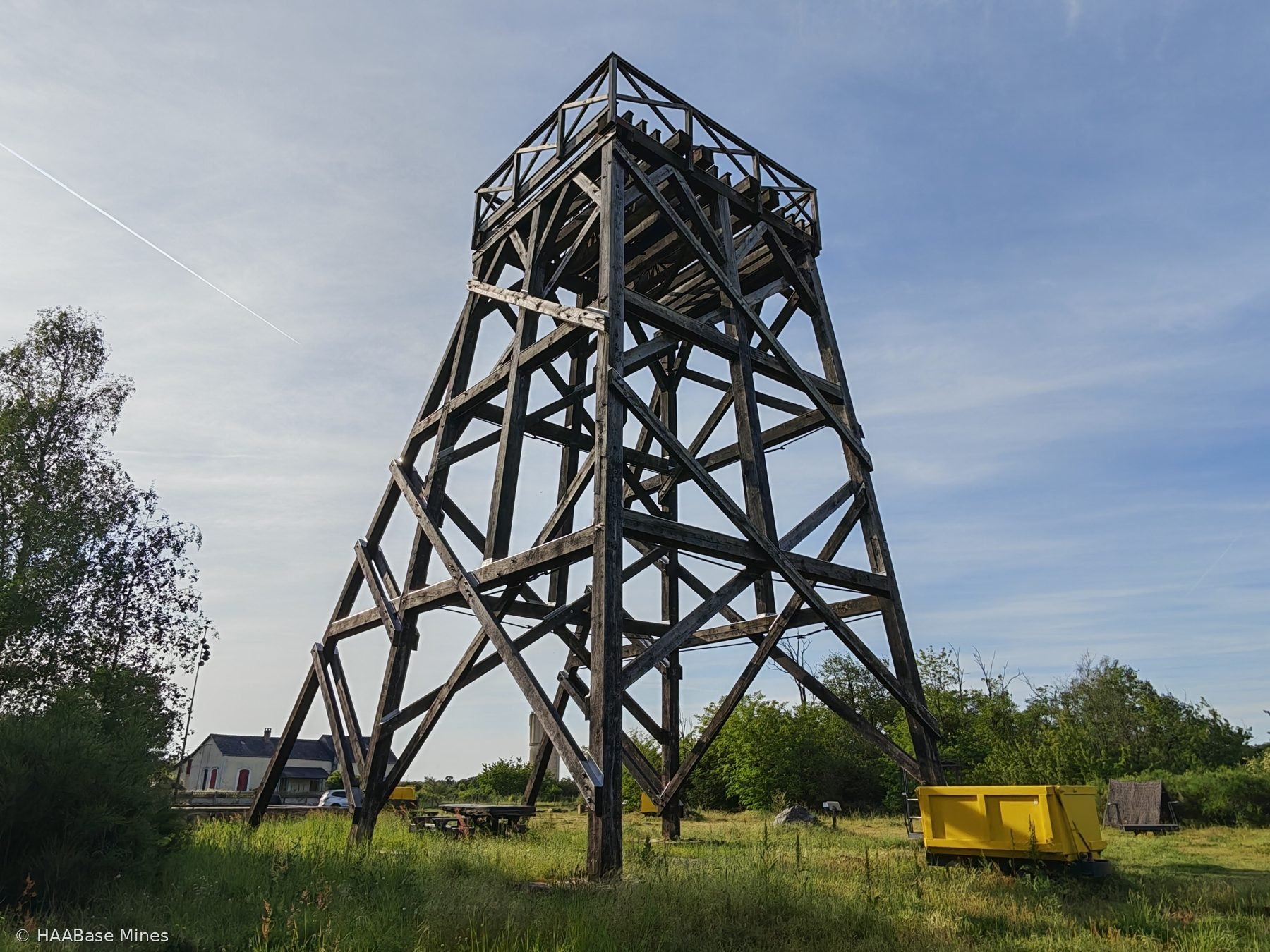
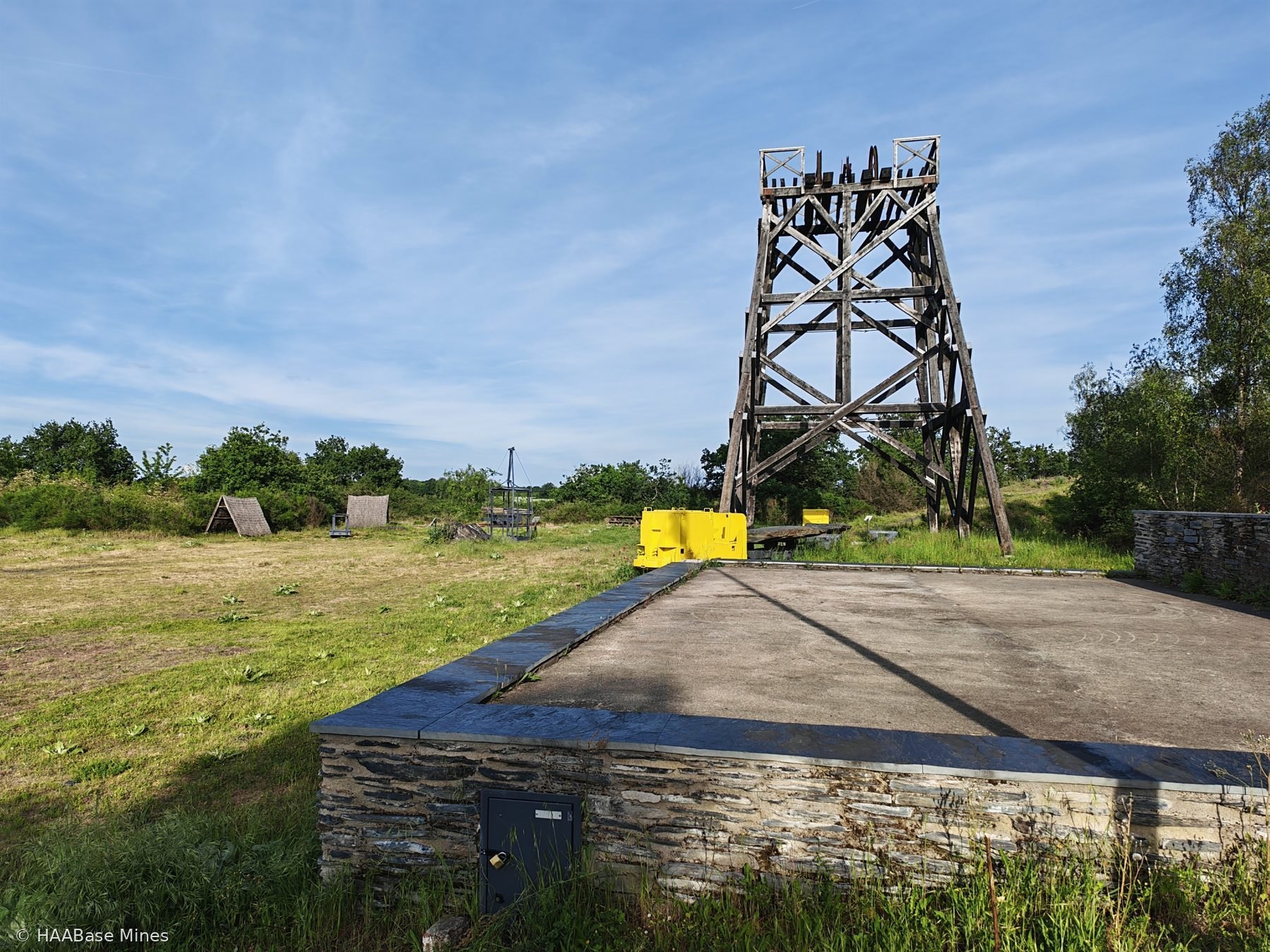
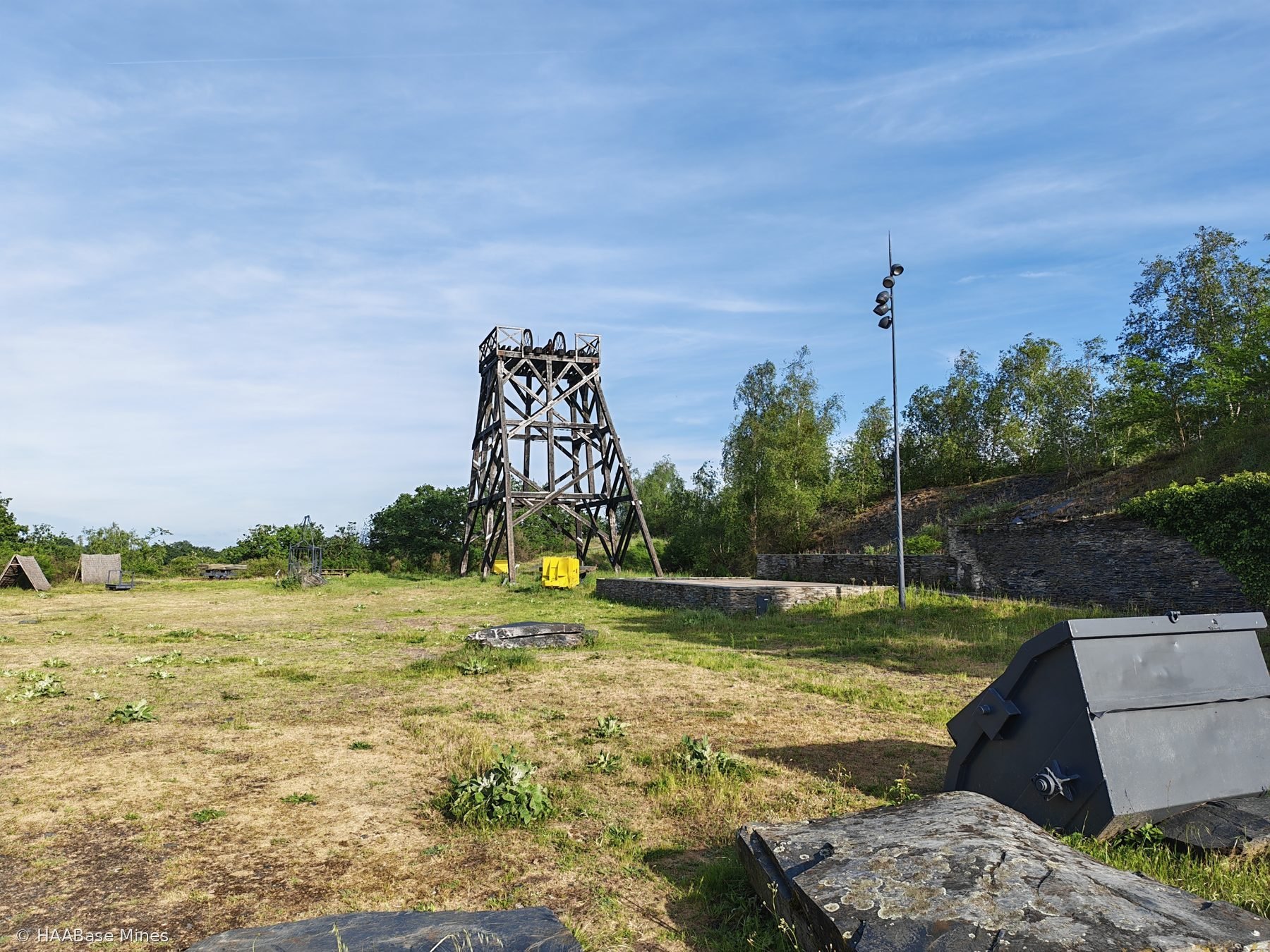
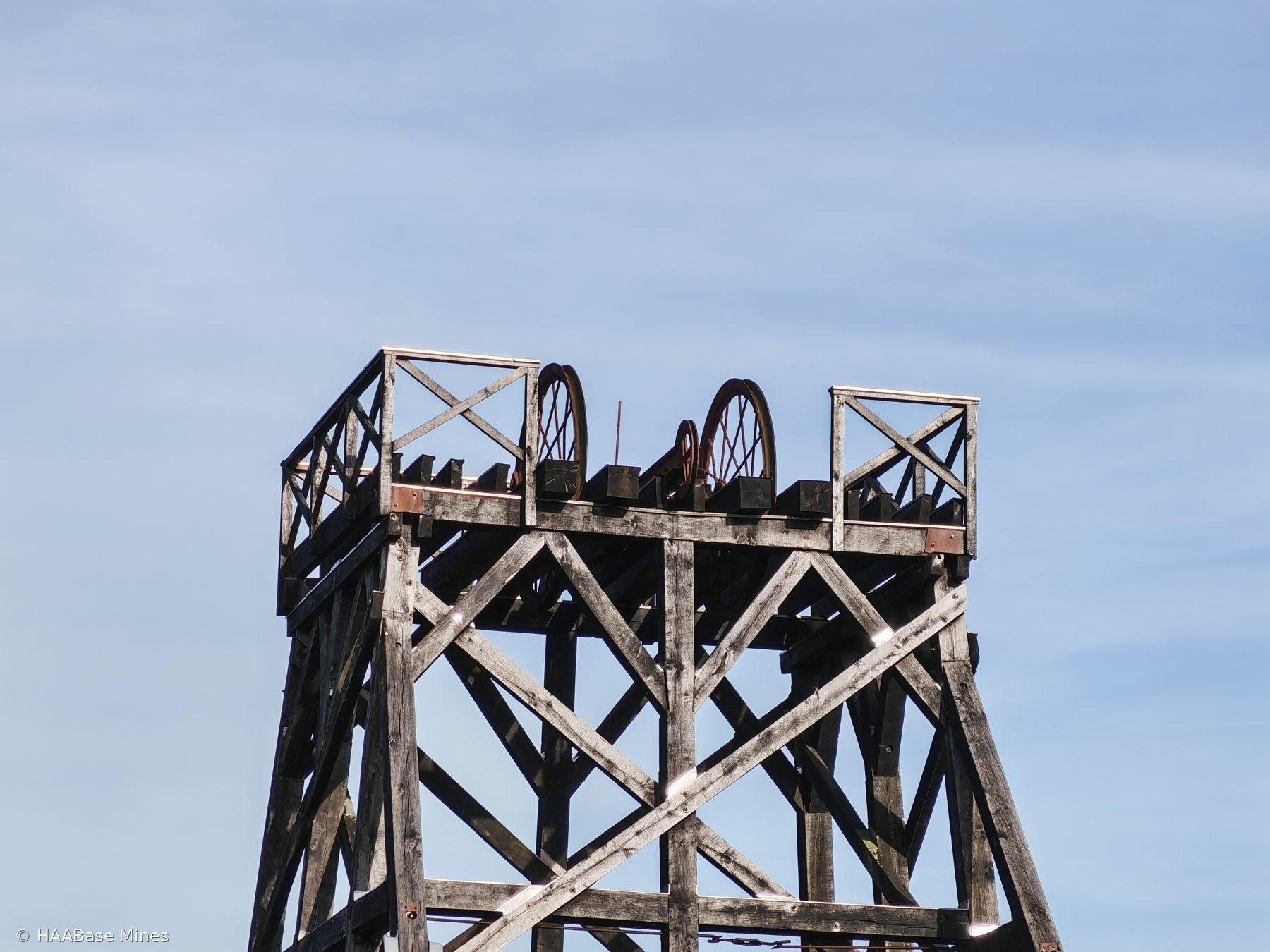
The surviving wooden headframe, standing over puits no. 3, is a landmark in the local landscape. Puits no. 3 had been completely abandoned since 1974. The chevalement en bois of puits no. 3 was inscribed to the Inventaire supplémentaire des Monuments Historiques by arrêté of 16 March 1999. Other surviving elements at the Espérance site include the administrative building with brick window surrounds, the patron's residence dated 1897, and the workers' housing estates of La Fiogée and Les Pouëzettes. The landscape is strongly marked by former open-cast quarries and spoil heaps of slate waste. A heritage discovery trail around the site de l'Espérance was developed by the commune and provides interpretation of the mining heritage.