History
The Lorraine coal-bearing formation extends beneath the Franco-German frontier in the Moselle–Sarre border region. Following initial failures at the first sounding of Schœneck (1818) and at the puits Sainte-Marthe at Stiring-Wendel (1851–1854), the Compagnie des Houillères de Stiring, formed in 1846 by Charles de Wendel and Georges Tom Hainguerlot (the reconstituted company building on the earlier Compagnie des Houillères de l'Est), turned westward to Petite-Rosselle.
Fonçage of puits Saint-Charles no. 1 began in March 1854, using a cast-iron tubing (cuvelage en fonte) of 4 metres diameter. The shaft is named directly after its founder, Charles de Wendel. In June 1856 the vein Saint-Jean was intersected; the first coal was raised on 27 June 1856 at approximately 121 metres depth (other sources give the date as slightly different in some detail but agree on 27 June). Production on a commercial scale began in August 1857. It is from this puits and this date that the great era of Lorraine coal exploitation is conventionally dated. By the 1870s the concession was producing several hundred thousand tonnes annually: with five sièges (Saint-Charles, Saint-Joseph, Wendel, Vuillemin, and Gargan) operating under the Compagnie des Houillères de Petite-Rosselle, production rose from 230,000 tonnes in 1873 to 2,210,000 tonnes in 1910.
Puits Saint-Charles no. 2 was sunk from 1875 at 4–4.25 metres diameter, reaching 603 metres, primarily serving aeration and backfilling. Puits Saint-Charles no. 3 was begun in 1924–1925 (some sources give completion to 1929) to a depth of 679 metres, serving both extraction and ventilation. The essential surface infrastructure of the siège was established between 1880 and 1913. In 1925, soundings limited by the Saarland frontier revealed rich coking coals at depth.
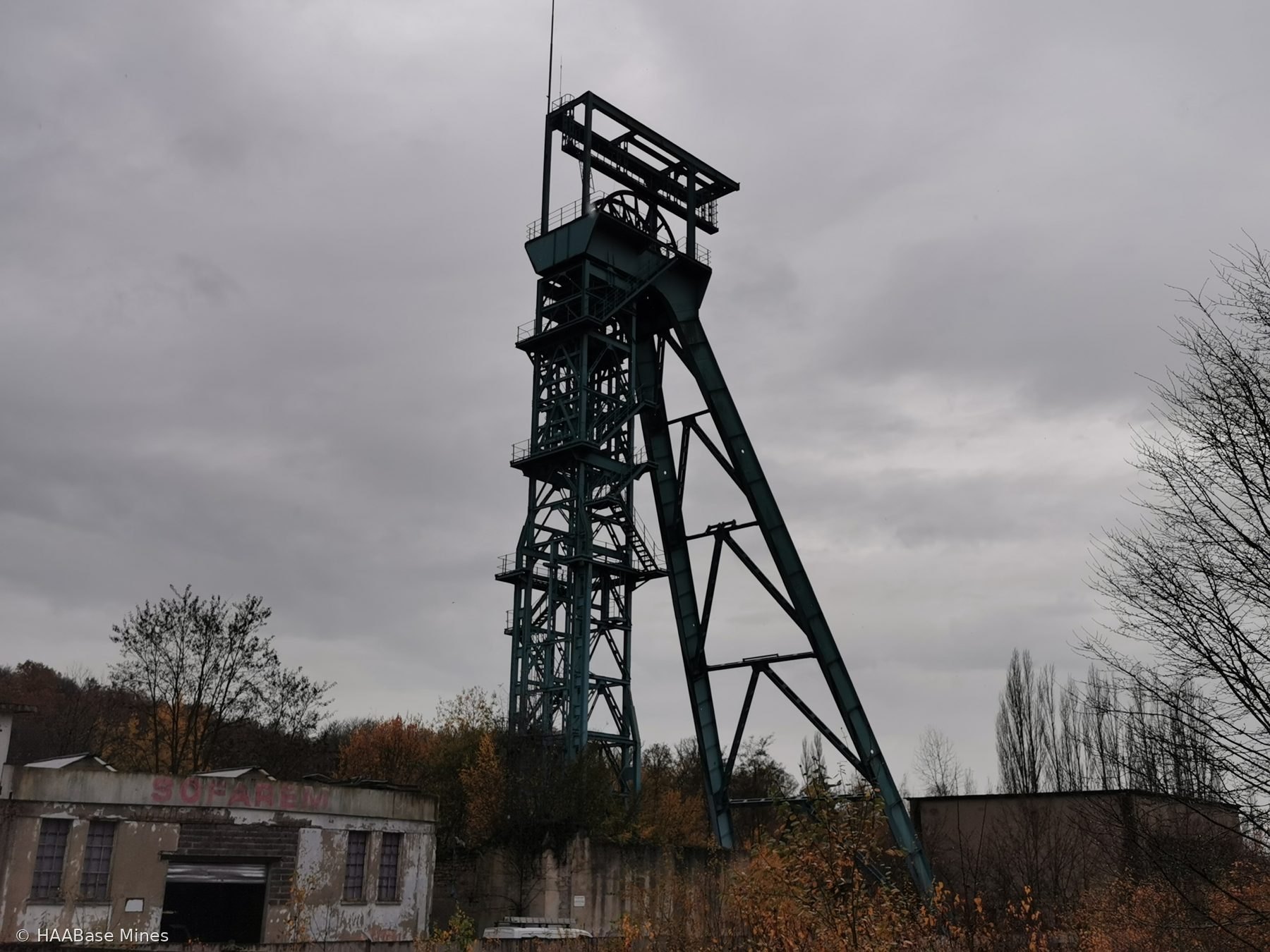
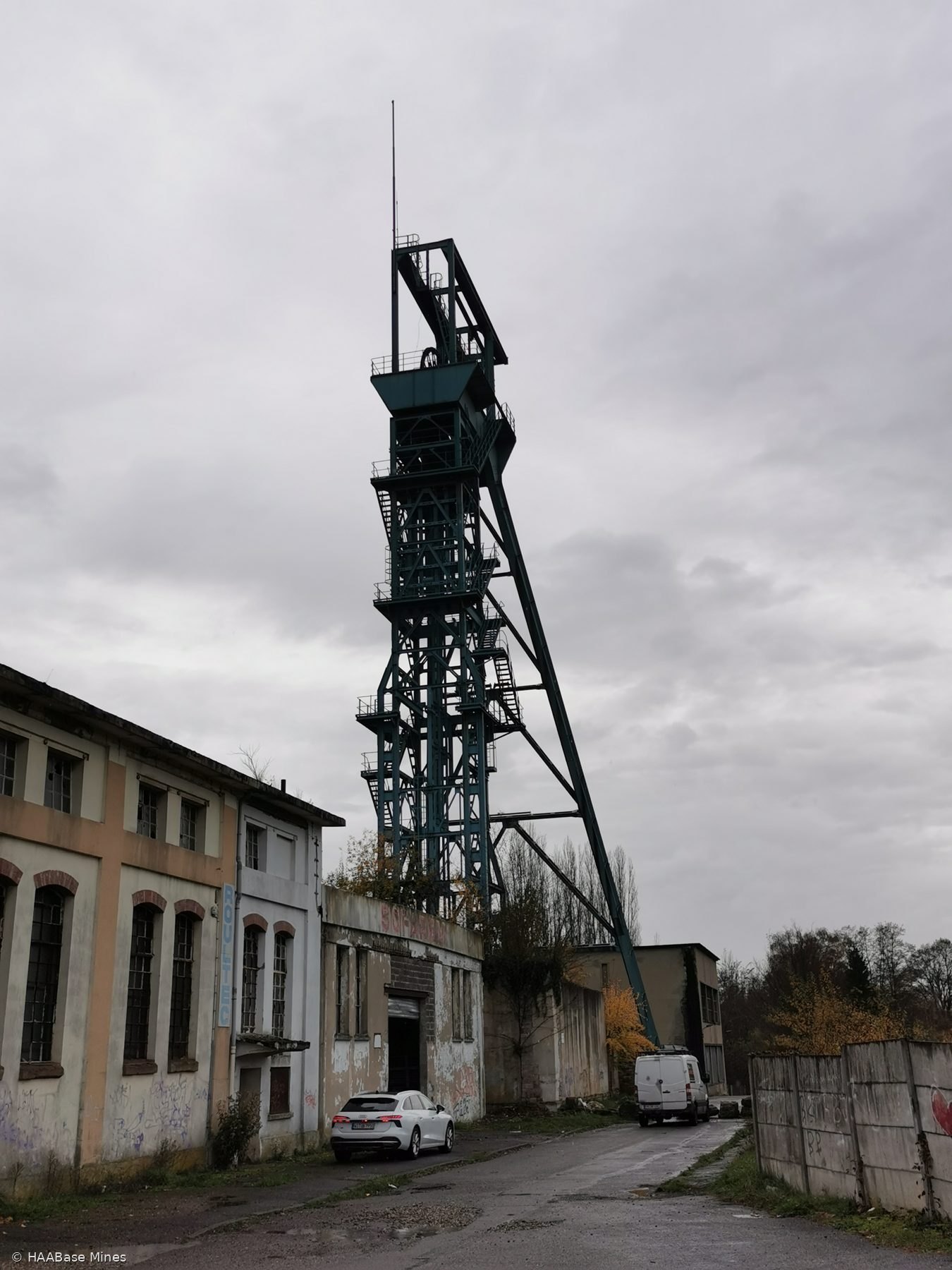
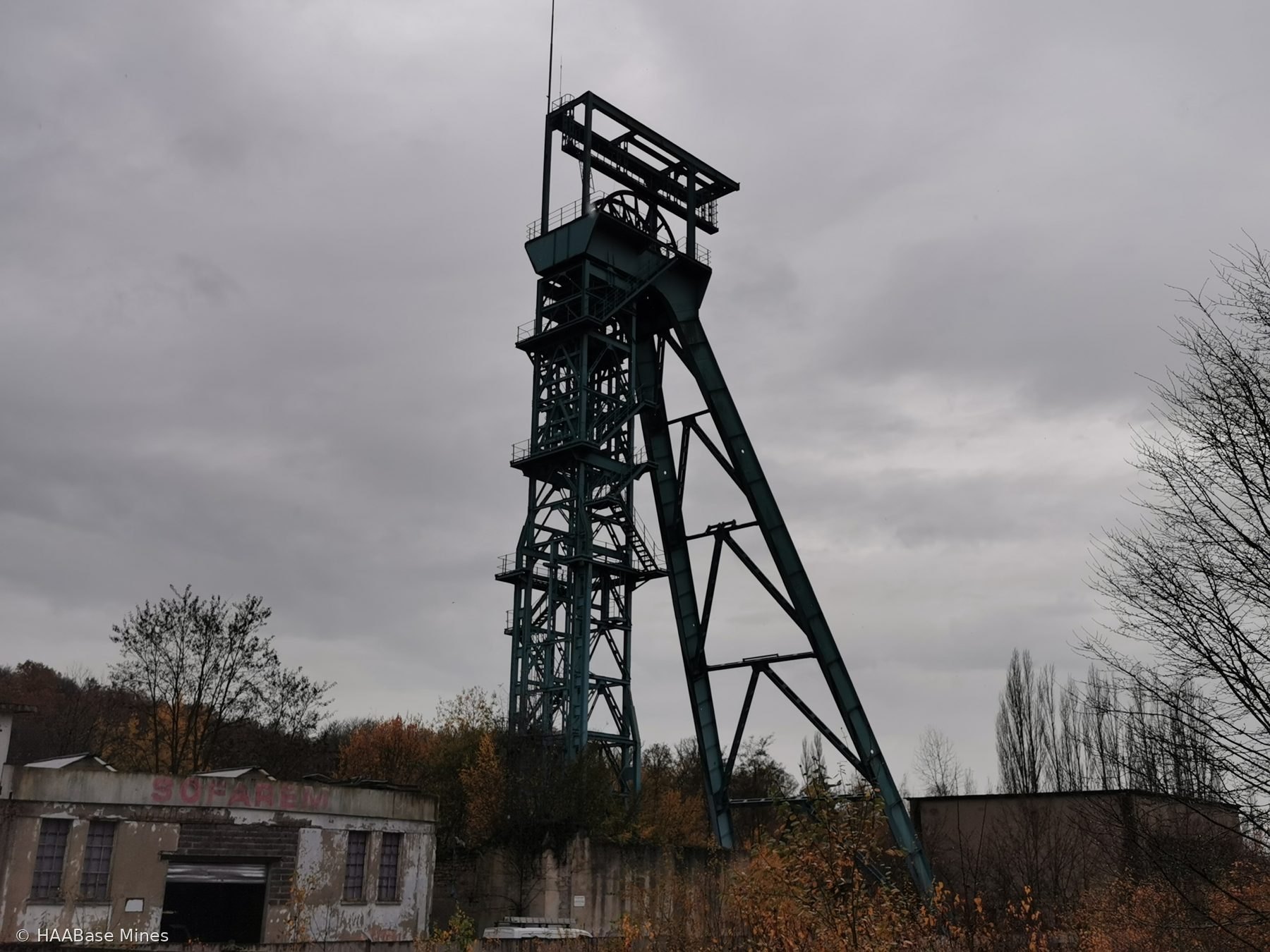
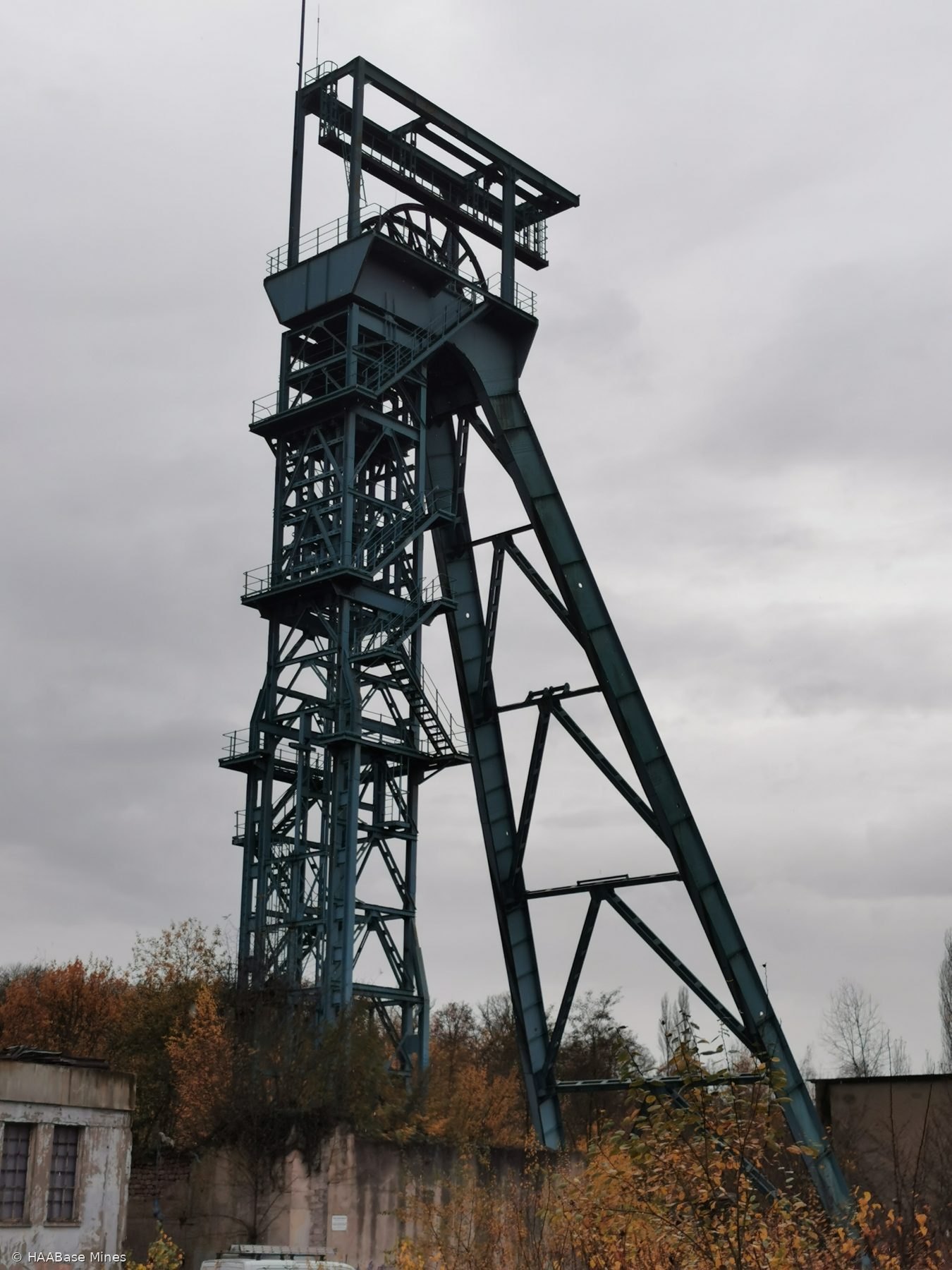
Nationalisation in 1946 integrated the siège into the Houillères du Bassin de Lorraine. Under the Warndt amodiation of 1949 (granted to the HBL for 50 years), access to German-side reserves secured the medium-term future of the siège. A new lavoir was installed in 1954 and puits no. 1 was modernised; at the time of modernisation the chevalement was rebuilt to a height of 46.30 metres, equipped with a 1,450 CV Koepe-pulley extraction machine. However, a Franco-German agreement of June 1956 required that all exploitation in the eastern part of the amodiation cease by the end of 1961. Geological surveys confirmed that the remaining French reserves at Saint-Charles were insufficient to sustain the siège in isolation. Extraction ceased on 10 July 1965. Puits no. 4 had been ceded to the Saarland mines. Puits no. 1 was backfilled in 1989 at a total depth of 788.81 metres. The headframes of puits no. 2 and no. 3 were demolished in 1993, as were the lavoir, extraction buildings, and central workshops; the land was sold to the commune.
The centenary of the first coal extraction was marked on 23 June 1956 with the inauguration of a statue of a miner, the work of sculptor Janthiel of Paris, in the presence of the President of the Council Guy Mollet. The statue stands on the former site.
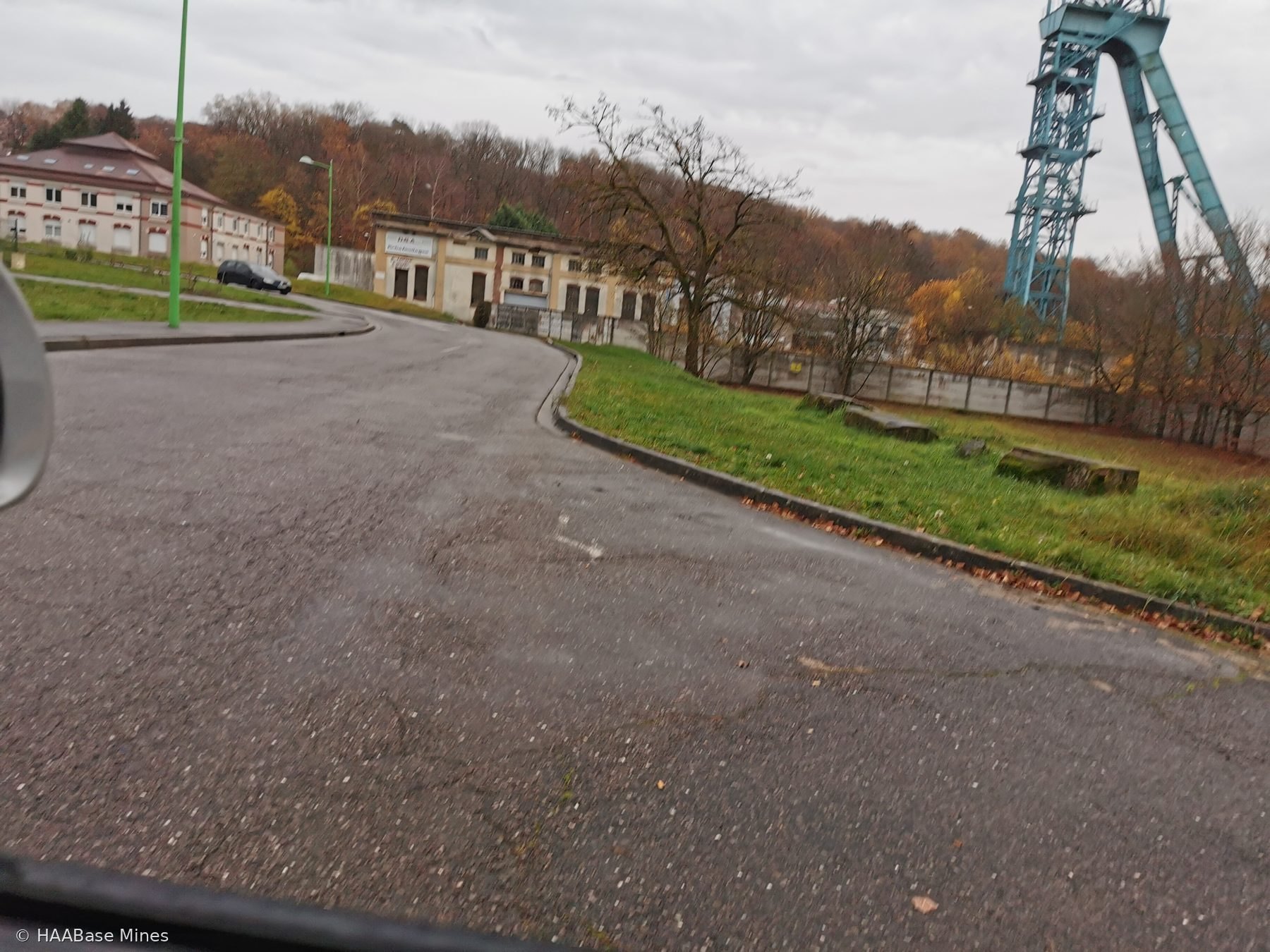
The association Les Amis du Puits Saint-Charles campaigned to preserve the puits no. 1 headframe, which narrowly escaped demolition on several occasions. As a result it is conserved today, along with the bâtiment de la machine d'extraction, the former écuries, the administrative buildings including the salle d'appel des mineurs, and other elements of the siège. The puits Saint-Charles site thus stands as a visible complement to the Parc Explor Wendel at Petite-Rosselle, where the Vuillemin 2 headframe (the oldest surviving metal headframe in the Lorraine basin, built in 1884–1885 and inscribed monument historique) and the Wendel 3 headframe are preserved as part of the musée Les Mineurs Wendel opened in 2012.