Site overview

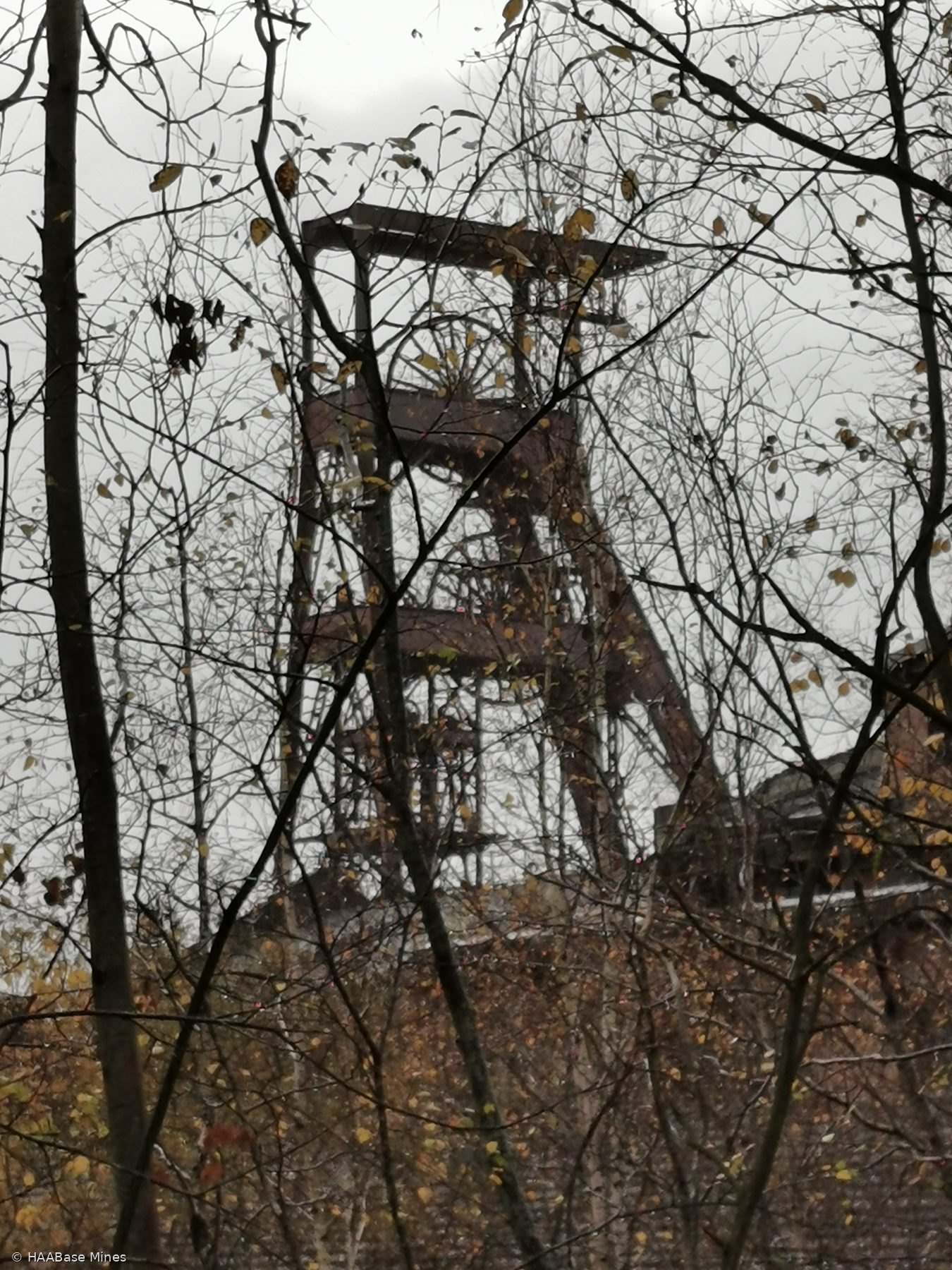
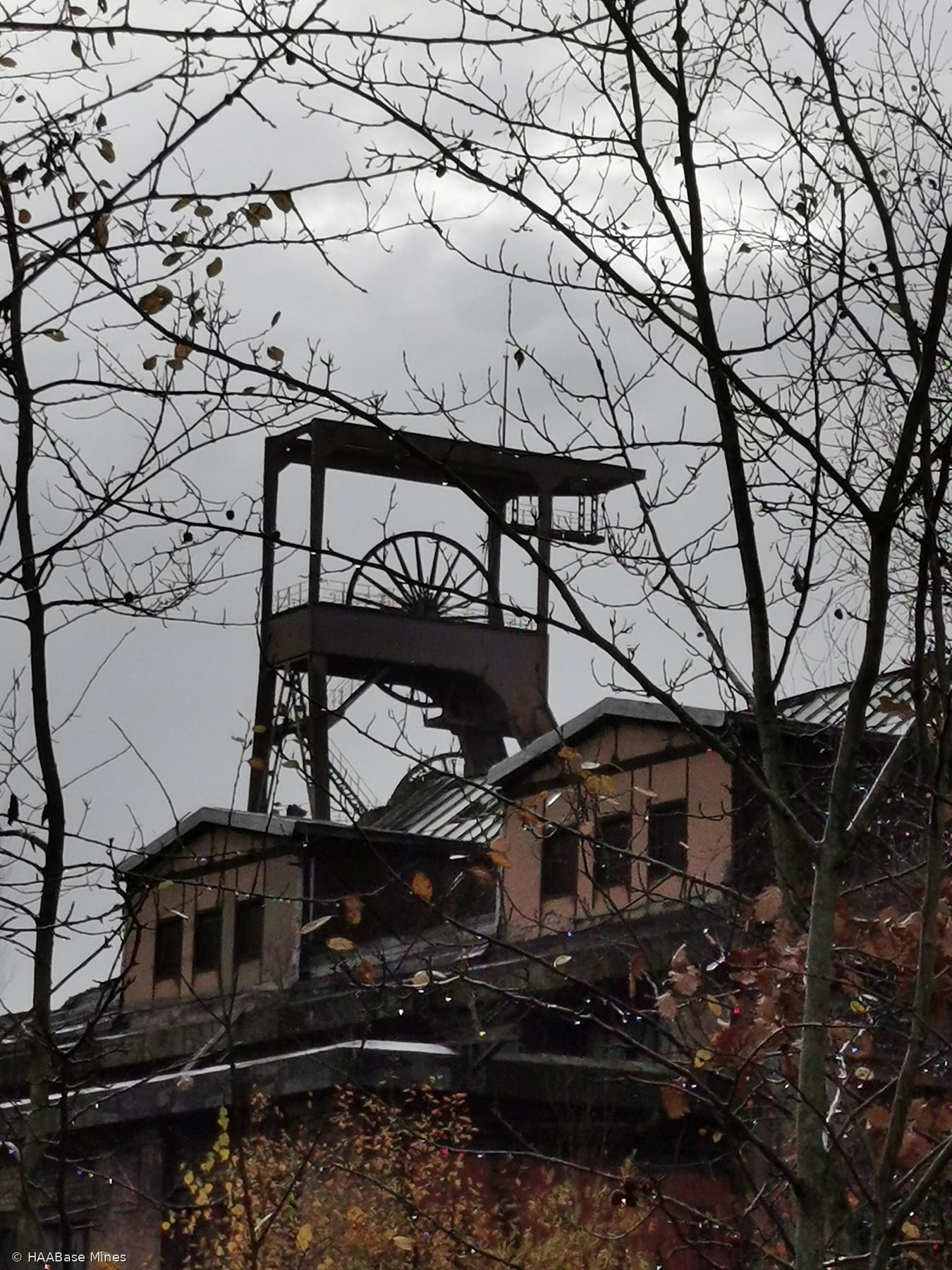
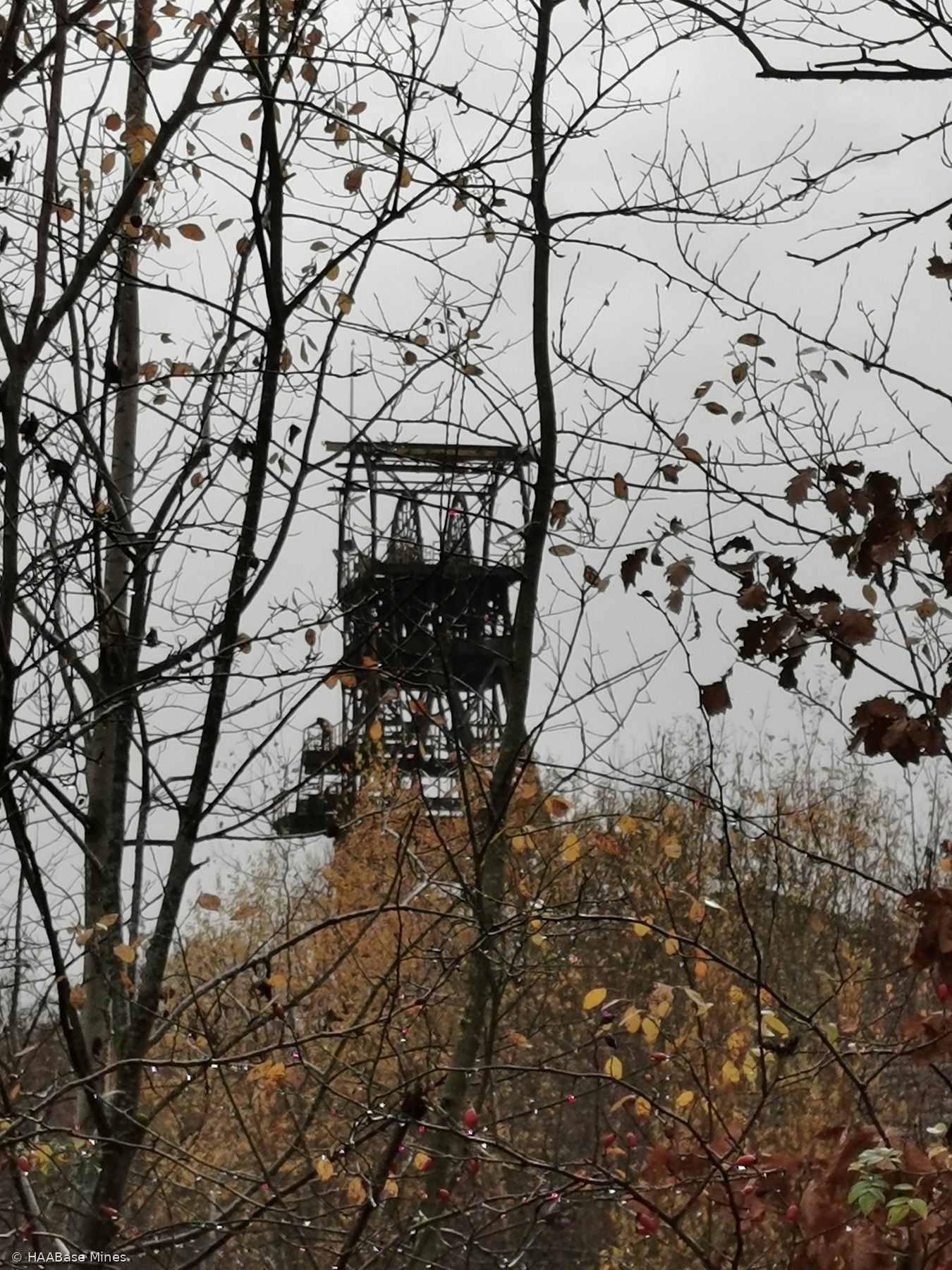
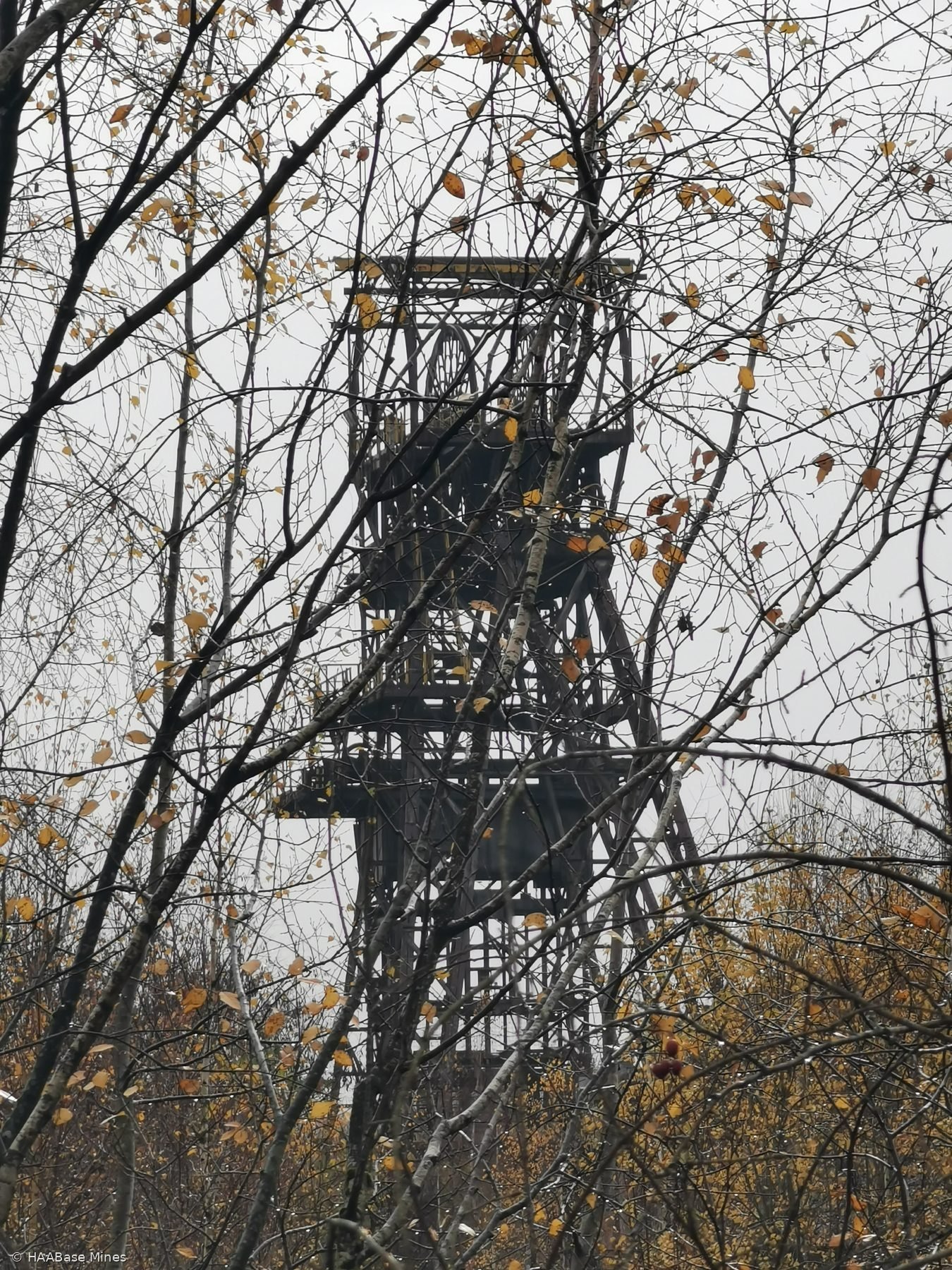
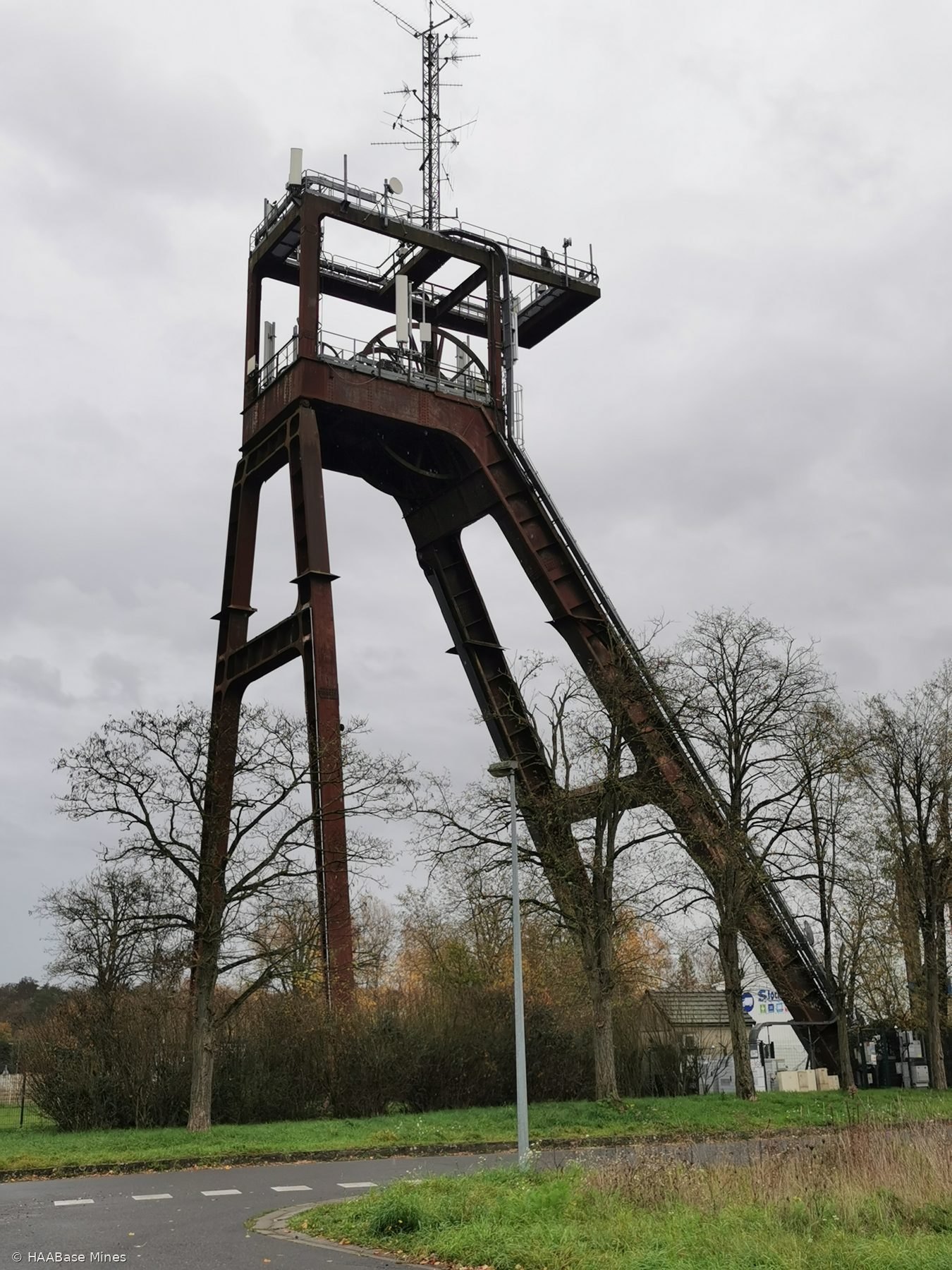
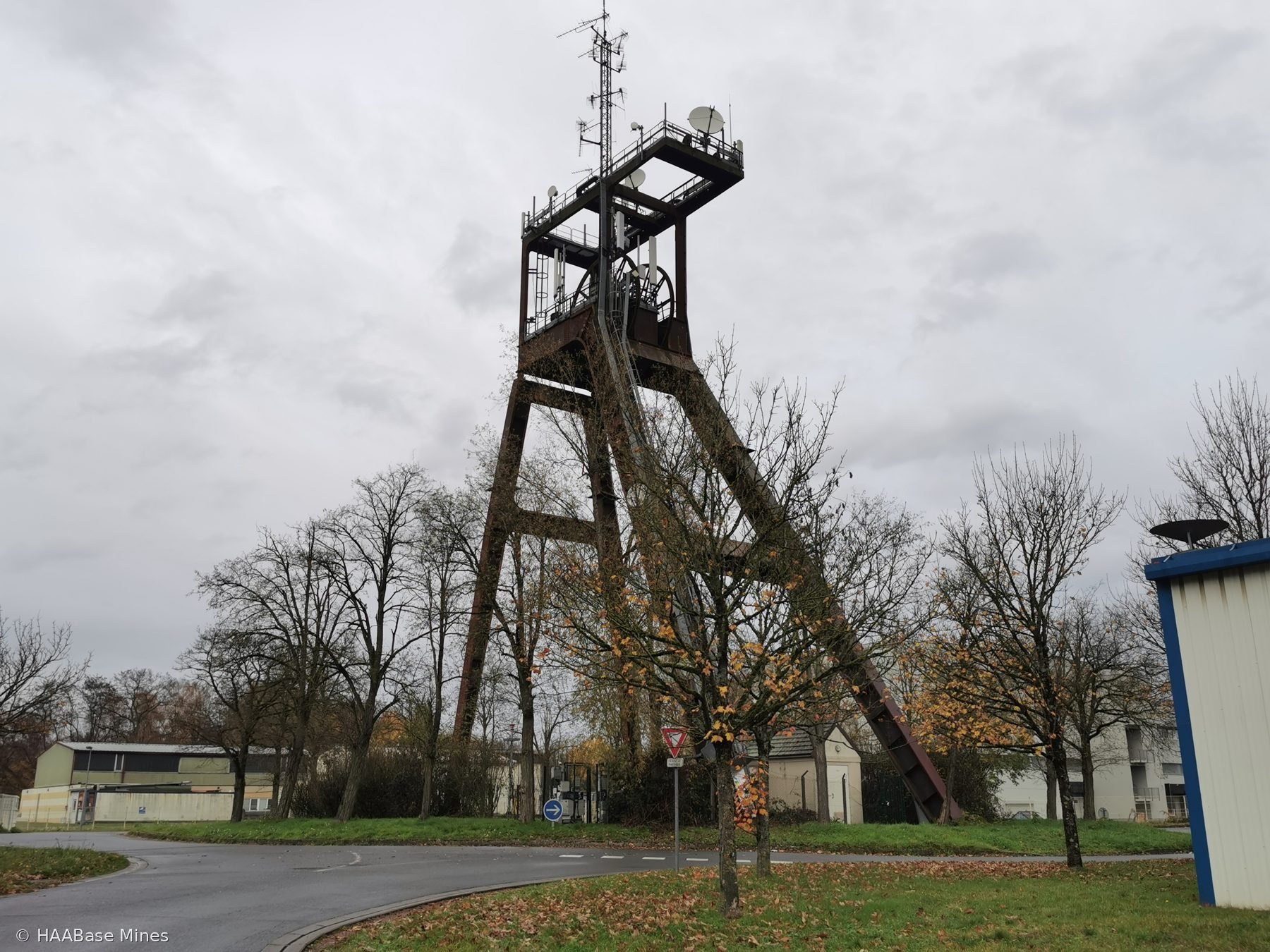
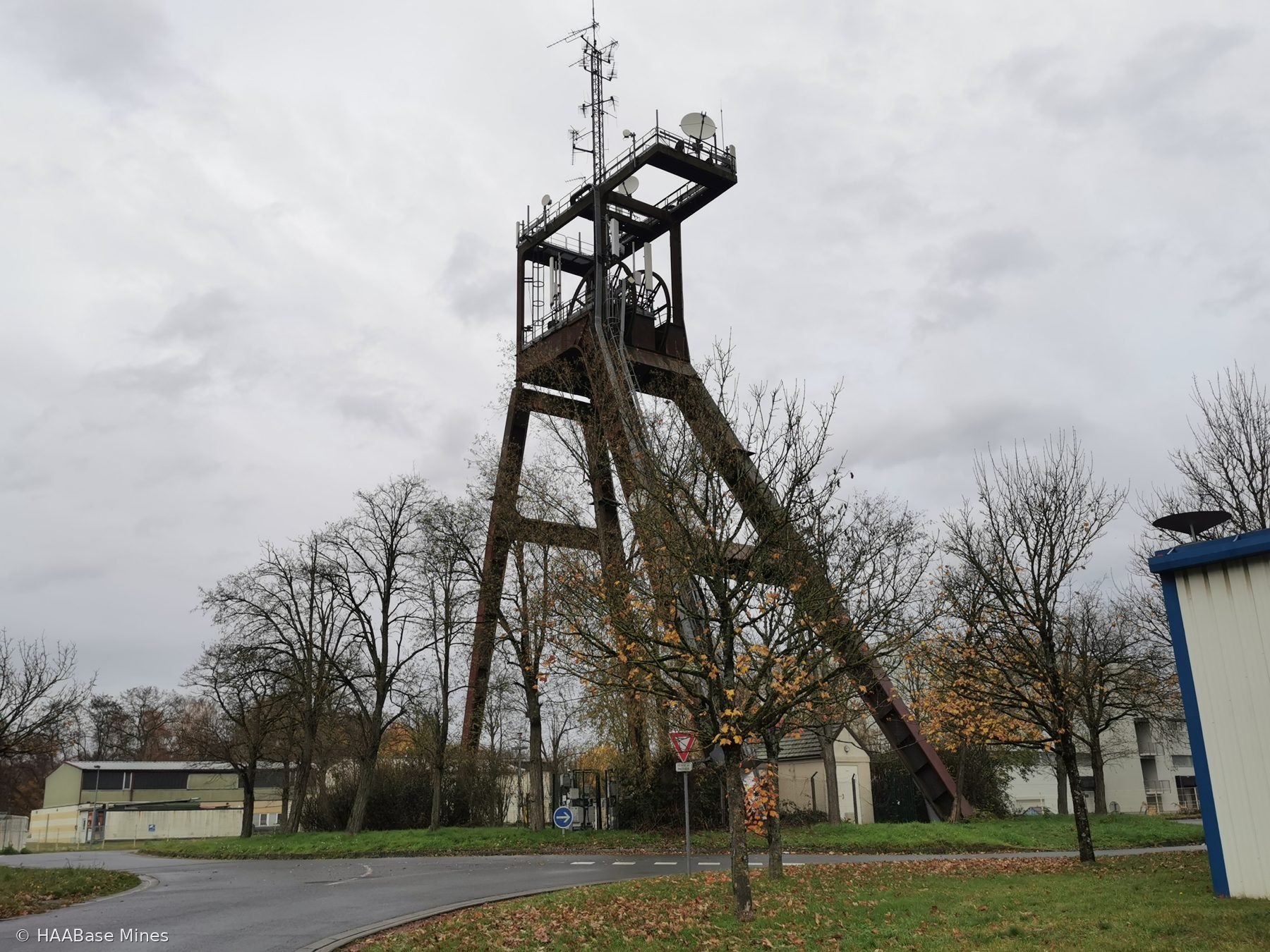
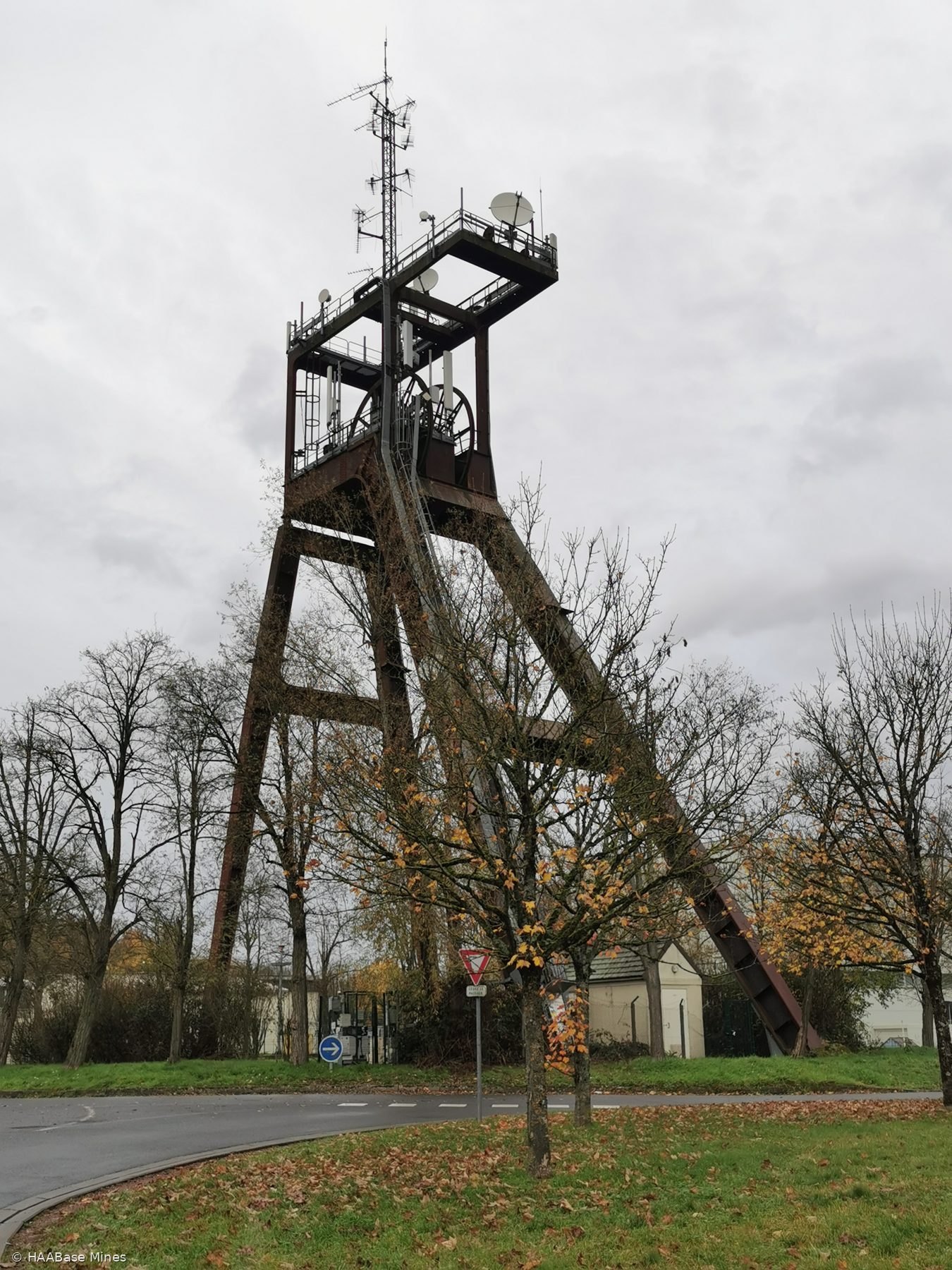
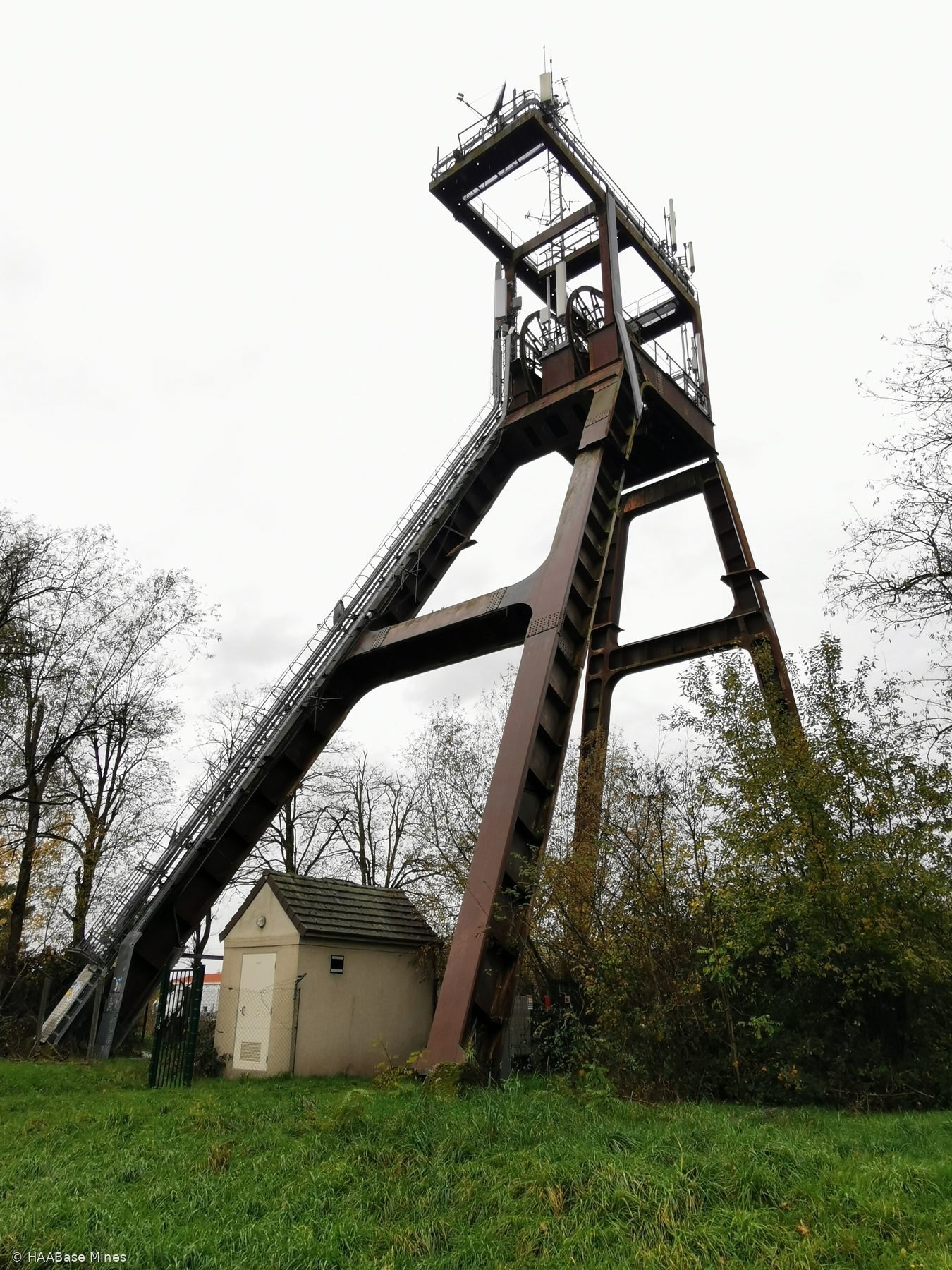
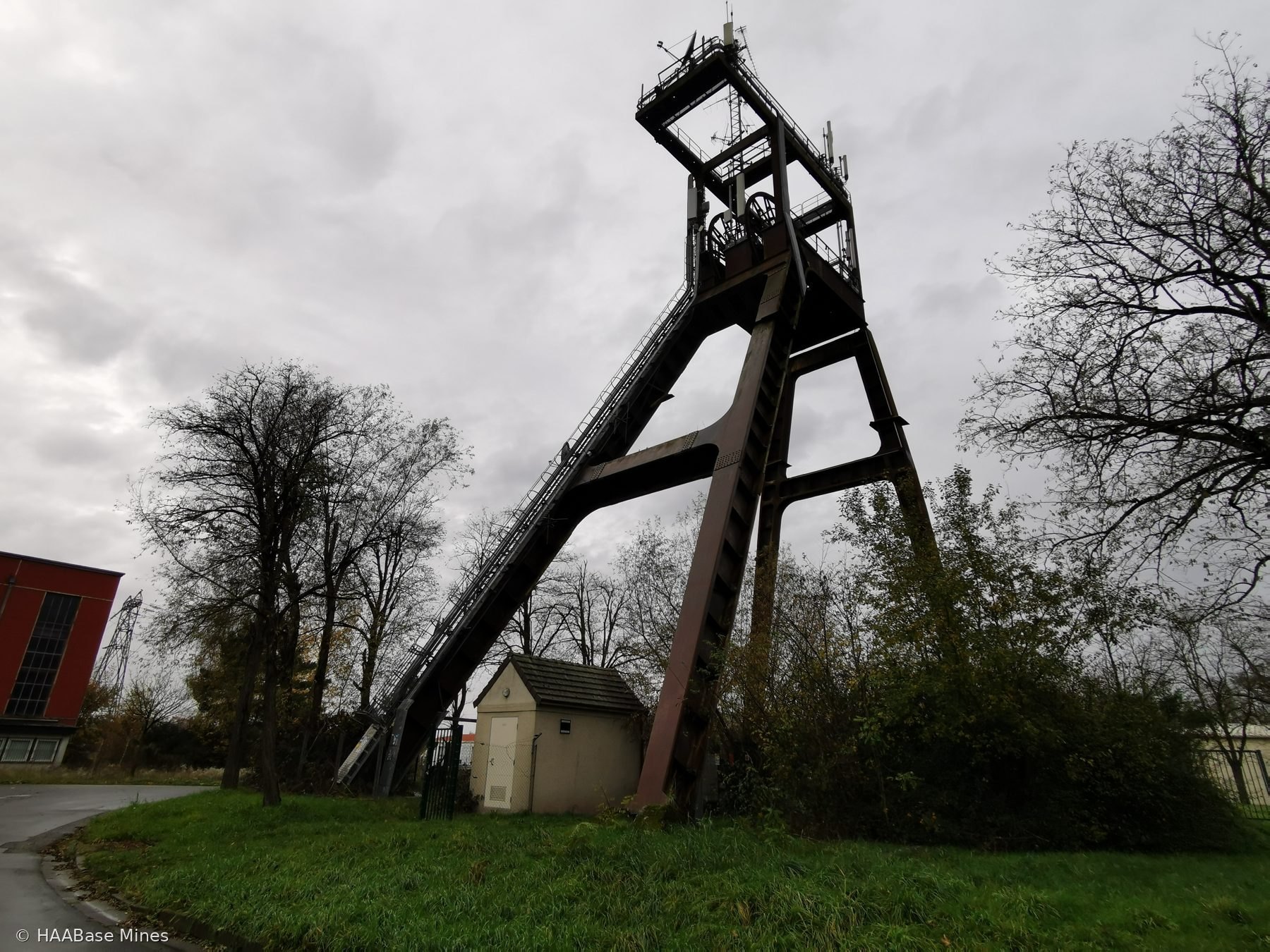
The Puits Simon no 4 was an auxiliary ventilation shaft of the Siège Simon, one of the principal collieries of the Houillères du Bassin Lorrain, located in the commune of Schœneck in Moselle. The shaft was sunk between 1947 and 1951 on the rue Denis Papin at Schœneck. It served primarily as a ventilation shaft and was closed in 1988.

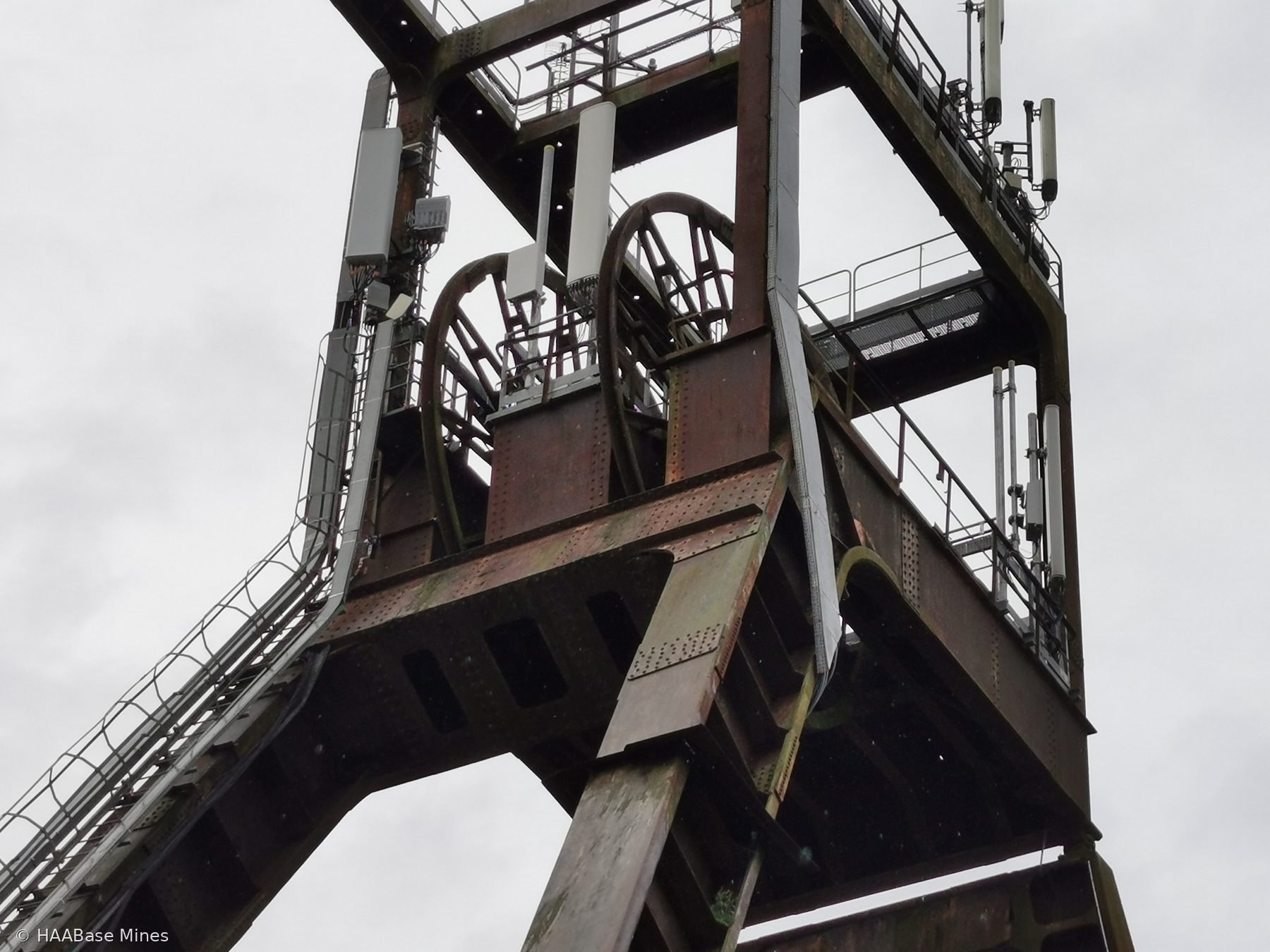
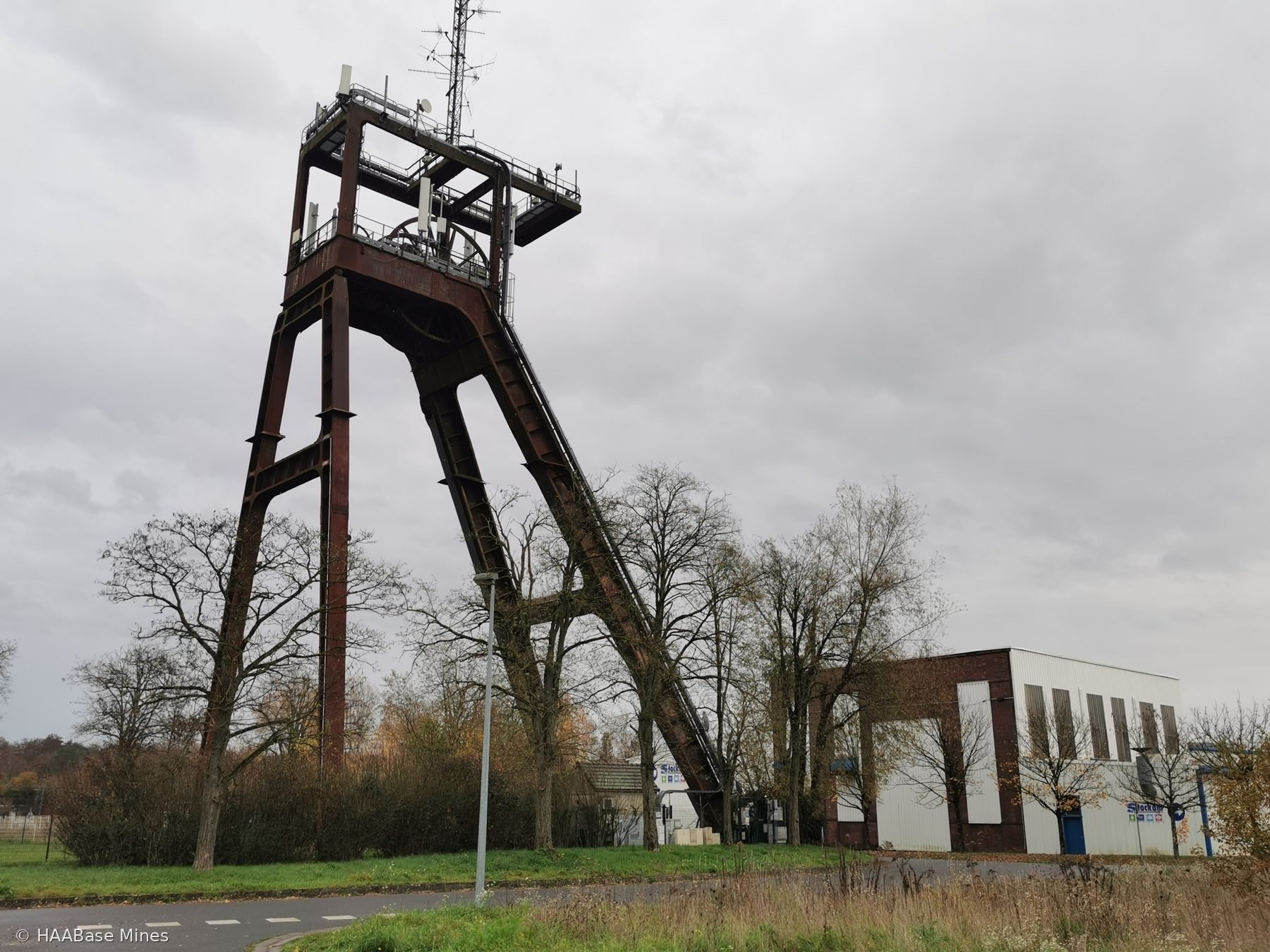
In 1991 the upper portion of the headframe — the faux-carré and the landing stage — was demolished. Three buildings and the headframe itself survived and remained visible. The headframe subsequently passed into the ownership of the commune of Schœneck, which converted it into an antenna mast for local television broadcasting.

The two remaining buildings on the site were sold to a private enterprise. The Siège Simon as a whole, centred on Forbach, operated from 1907 to 1997 and was named in honour of Guillaume Simon, engineer and director-general of the Houillères de Petite-Rosselle.

Set within settled urban surroundings, the truncated headframe and surviving buildings read as a small and altered remnant of the former mining site.

Map & photo

Siège Simon — Puits Simon IV mine headframe or winding tower site
Photograph taken: 15 November 2025
Map markers and directions links are provided for location reference only and do not indicate public access or permission to enter a site.

History

The Siège Simon, situated in Forbach in Moselle, was one of the principal charbonnages of the Houillères du Bassin Lorrain, named in honour of Guillaume Simon, engineer and director-general of the Houillères de Petite-Rosselle. The coal-bearing formation had been identified through a series of soundings conducted between 1817 and 1849. Fonçage of the first shaft, Puits Simon no 1, began in 1904 using the freezing method and cast-iron tubbing to counter water-bearing ground; it reached a final depth of 478 metres at 6 metres diameter. Extraction from the siège began in 1907. Fonçage of Puits Simon no 2 began in 1908, reaching 498 metres depth at 5.8 then 6 metres diameter; it entered service in 1914. The first buildings on the carreau were erected between 1905 and 1910 by the architect Choret of Saint-Germain-en-Laye, working for the Société des Houillères de Stiring in which the Wendel family held a majority of capital. The installation was electrified from the outset. Puits no 3 was sunk in 1932–1933 in the centre of Forbach.

Puits Simon no 4 is an auxiliary shaft of the Siège Simon, not located on the main carreau but on the rue Denis Papin at Schœneck. Its fonçage began in 1947 (some sources give 1948) and was completed in 1951, reaching a final depth that allowed it to serve as a ventilation shaft for the working areas to the east. A distinctive portal-type headframe without push-struts was erected at the site around the time of commissioning; this form gives the structure its characteristic open appearance. Puits no 3 had been closed in June 1973 and puits no 4 closed in 1988, both continuing to serve ventilation after the cessation of extraction. In 1991 the faux-carré and the landing stage of the puits no 4 headframe were demolished, but the headframe itself and two adjacent buildings were left standing. The two buildings were subsequently sold to a private enterprise. The headframe passed to the ownership of the commune of Schœneck, which repurposed it as an antenna mast for local television transmission.

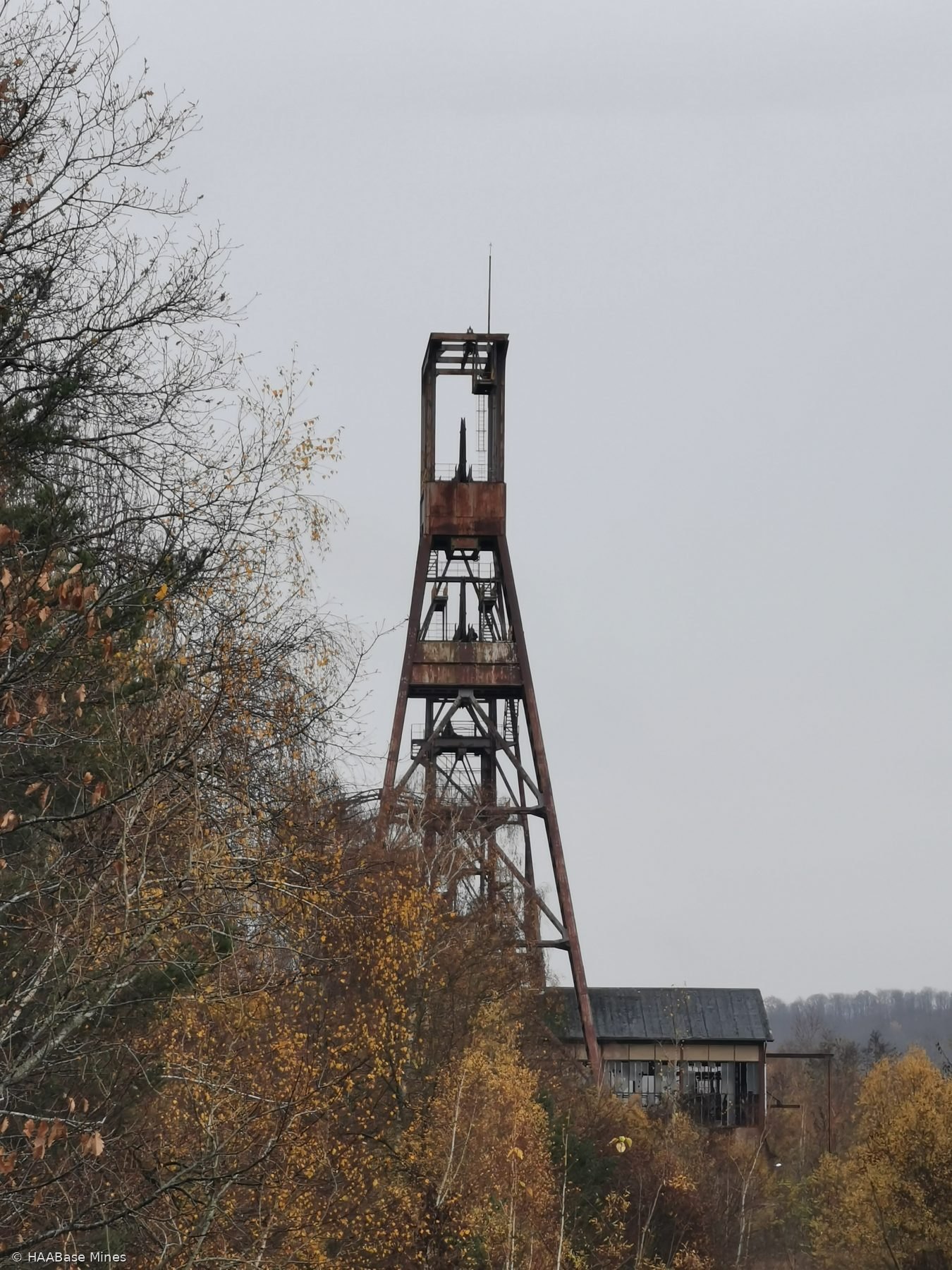
At the main carreau, the Siège Simon absorbed increasing production after the closure of the Siège Wendel in 1985, and the siège and the Siège Marienau merged in 1989 to form the Unité d'Exploitation Forbach. The last tonne of coal raised at the Siège Simon was brought to surface by Puits no 2 on 5 December 1997, marking the closure of the UE Forbach. Puits 1, 5, and Marienau continued in service for water pumping, methane capture, and ventilation until 2006, ensuring safety for the continuing operations at Merlebach and in the Saar. The concrete extraction tower over Puits no 5, 57.35 metres high, was demolished on 27 November 2009. The carreau of puits 1, 2, and 5 is described as one of the most complete in the basin; the two headframes of puits 1 and 2 survive, together with numerous historic buildings. The entire installations of puits 1 and 2 were listed as monuments historiques by arrêté of 11 July 2002, though the buildings have continued to deteriorate and no conversion has been confirmed.
Timeline

Redevelopment

Headframe passes to commune of Schœneck; repurposed as television antenna

The headframe of Puits no 4 passed into the ownership of the commune of Schœneck, which converted it to serve as an antenna mast for local television broadcasting. The two remaining buildings on the site were sold to a private enterprise.
1947–1951
Construction

Fonçage of Puits Simon no 4 at Schœneck

The sinking of Puits Simon no 4 began in 1947 (some sources give 1948) on the rue Denis Papin at Schœneck and was completed in 1951. The shaft was designed to serve as a ventilation shaft.
1951–1988
Operation

Puits no 4 in service as ventilation shaft

From commissioning in 1951 until 1988, Puits no 4 served primarily as a ventilation shaft for the eastern working areas of the Siège Simon.
1988
Closure

Puits no 4 closed

Puits Simon no 4 was closed in 1988. It had served latterly for ventilation only after extraction at the siège concentrated on puits 1, 2, and 5 from 1973.
1991
Closure

Faux-carré and landing stage of headframe demolished

In 1991 the upper portion of the headframe — the faux-carré and the recette — was demolished. The headframe structure and two adjacent buildings survived.

Sources and records

Wikipedia (French): Siège Simon
Exxplore.fr: Les houillères de Lorraine (Siège Simon pages)
Patrimoine-minier.fr: Siège Simon / Forbach
APPHIM.fr: Le siège Simon
Lorraine.charbon.free.fr: Le puits Simon 4
Monumentum.fr: Carreau du Siège Simon I et II (PA57000015)
Ministère de la Culture / POP base Mérimée: Carreau du Siège Simon I et II (PA57000015)
Wikipedia (French): Puits des houillères de Lorraine
Minespatrimoine.fr: Puits Simon no 4 listing
This researched site record is part of the HAABase Mines database. Normal personal research and browsing is welcome. Automated bulk extraction, republication, or harvesting of site text and images is not permitted without written consent.