History
The Lorraine iron-ore basin contains some of the largest oolitic iron-ore deposits in the world, known as minette, characterised by small iron-oxide ooliths typically bound in a calcareous or siliceous matrix. The ore averages 30–35% iron content and requires the Thomas dephosphorisation process for steelmaking use. The basin extends along approximately 100 kilometres between the Longwy area and Nancy.
At Audun-le-Tiche, initial extraction in the Saint-Michel concession is dated to 1870, with the fonçage and armage of the puits Saint-Michel carried out in 1890. In 1897 works began at the mine Montrouge, in the hands of the German company Gelsenkirchener Bergwerke. Puits III, located near the steelworks of Audun-le-Tiche, was sunk and equipped in 1907; by that year underground galleries had been driven to connect puits II and puits III, which reached -80 metres depth.
At the beginning of the twentieth century the Société des Aciéries d'Angleur, developing the Liège steelmaking basin, began to investigate the Lorraine iron-ore gisement. Between 1901 and 1902 two shafts were constructed at the Saint-Michel carreau under the auspices of the Société Minière des Terres Rouges. Initially, ore was transported by horse-drawn cart, necessitating the construction of a large stable adjacent to the mine. A railway line was later built to carry ore to the Audun-le-Tiche ironworks. The First World War interrupted expansion; the mine then counted three shafts.
After the war puits Saint-Michel was modernised and new buildings were erected: a lampisterie, baths, offices, and an apprenticeship centre. A new period of prosperity followed before the crisis of the 1930s reduced activity. In 1937 the mine and all structures associated with the Société Métallurgique des Terres Rouges were absorbed by the Société des Aciéries Réunies de Burbach-Eich-Dudelange (ARBED). During the Second World War, ore was extracted using Russian and Ukrainian prisoners of war, who were undernourished and housed in precarious conditions; sixty-nine of these forced labourers died at the mine. In the summer of 1944, before the Allied advance ended the programme, enlarged galleries were prepared to house a V-I rocket assembly and launching installation.
The Société Minière des Terres Rouges was created in Paris on 6 December 1919 as a subsidiary of ARBED, and on 26 May 1920 the concessions Saint-Michel and Montrouge were sold to it. After the Second World War, ARBED's management of the mine Montrouge and a major modernisation programme generalised mechanisation from 1945–1946; in 1938 a miner extracted 10 tonnes per shift, and by 1955 this figure had risen to 22 tonnes. In 1954 a new blast furnace was lit at the Usines Terres Rouges producing 300 tonnes of pig iron per day, with a total of three furnaces producing 800 tonnes daily.
In the 1950s the exploitation des Terres Rouges produced millions of tonnes of minette annually with a workforce of more than 3,000 miners — the local term gueules jaunes (yellow faces) reflecting the iron-dust that coloured the miners' skin. In May 1967 a descente à 10% gradient was commissioned for personnel and equipment at the mine Saint-Michel. Ore was directed to the Audun-le-Tiche ironworks until 1964, when puits III and the Audun-le-Tiche ironworks closed; thereafter galleries equipped with two railway tracks directed the ore directly to the carreau of the Luxembourg steelworks at Esch-sur-Alzette. In 1970 a mutation of ownership took place. Production peaked in 1976 at 450,000 tonnes.
The first oil shock in 1978 drew the Luxembourg steelworks into crisis, and the second, a year later, opened a period of sustained uncertainty. Increased reliance on Swedish ore, lower-priced on the market, and the introduction of electric arc furnaces melting scrap at the Luxembourg works progressively eliminated demand for Lorraine minette. On 1 January 1989 the mine Ferdinand at Tressange — which had been formed as a separate entity in 1938 as the Société Minière Ferdinand (ARBED 57%, De Wendel 43%) and transferred in 1971 to the Société des Mines Françaises de l'Arbed — was merged with the mine Montrouge at Audun-le-Tiche to form the unified Mine des Terres Rouges establishment. The siège de Tressange closed in March 1995. The final closure of the Belval blast furnaces in spring 1997 definitively cut the market for the ore, and on 30 July 1997 the last minette was extracted at Audun-le-Tiche, ending the Lorraine iron-mining era. At the time of closure, 140 gueules jaunes remained employed; from a peak of 56 mines in operation in 1960, theirs was the last.
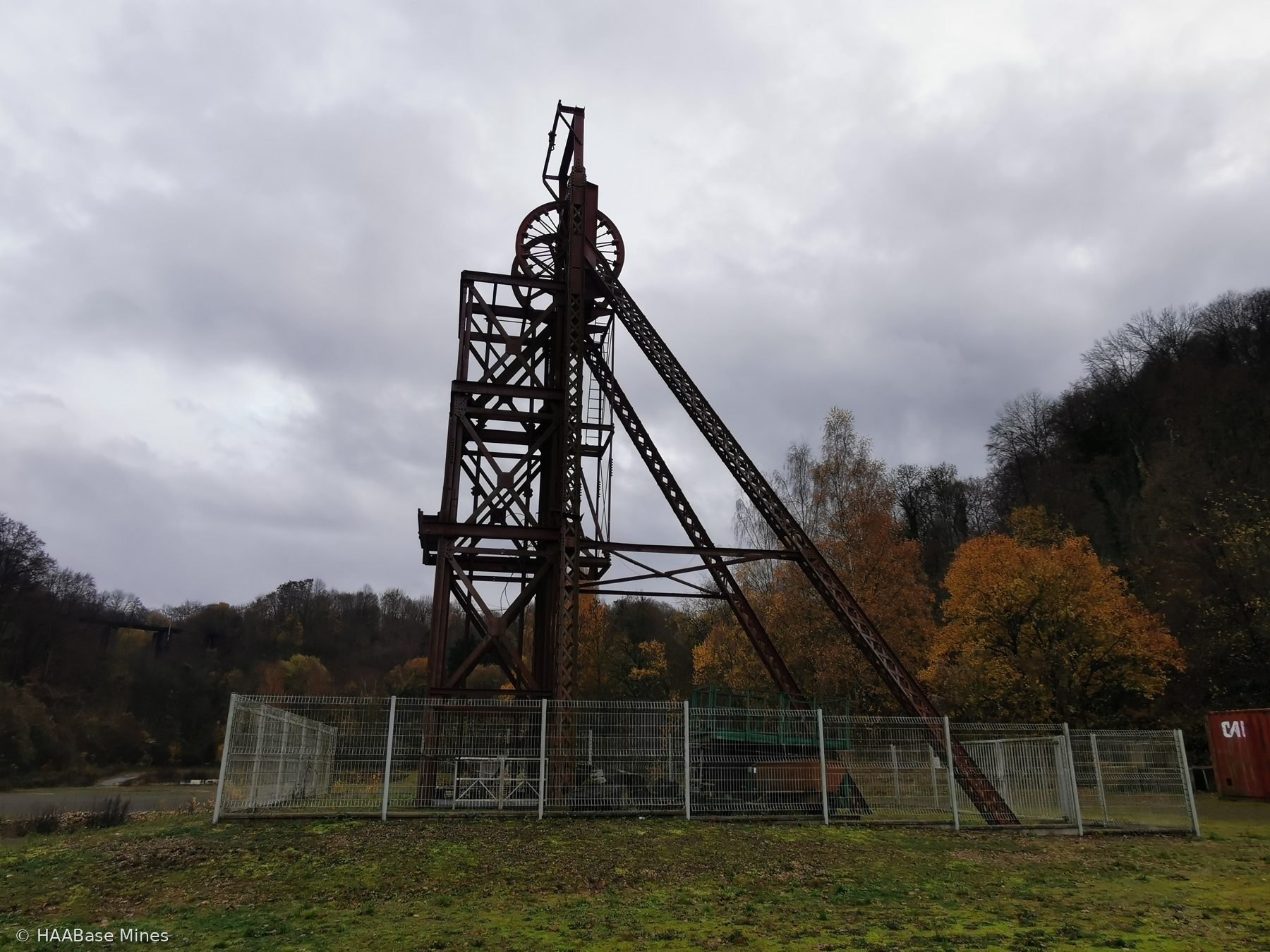
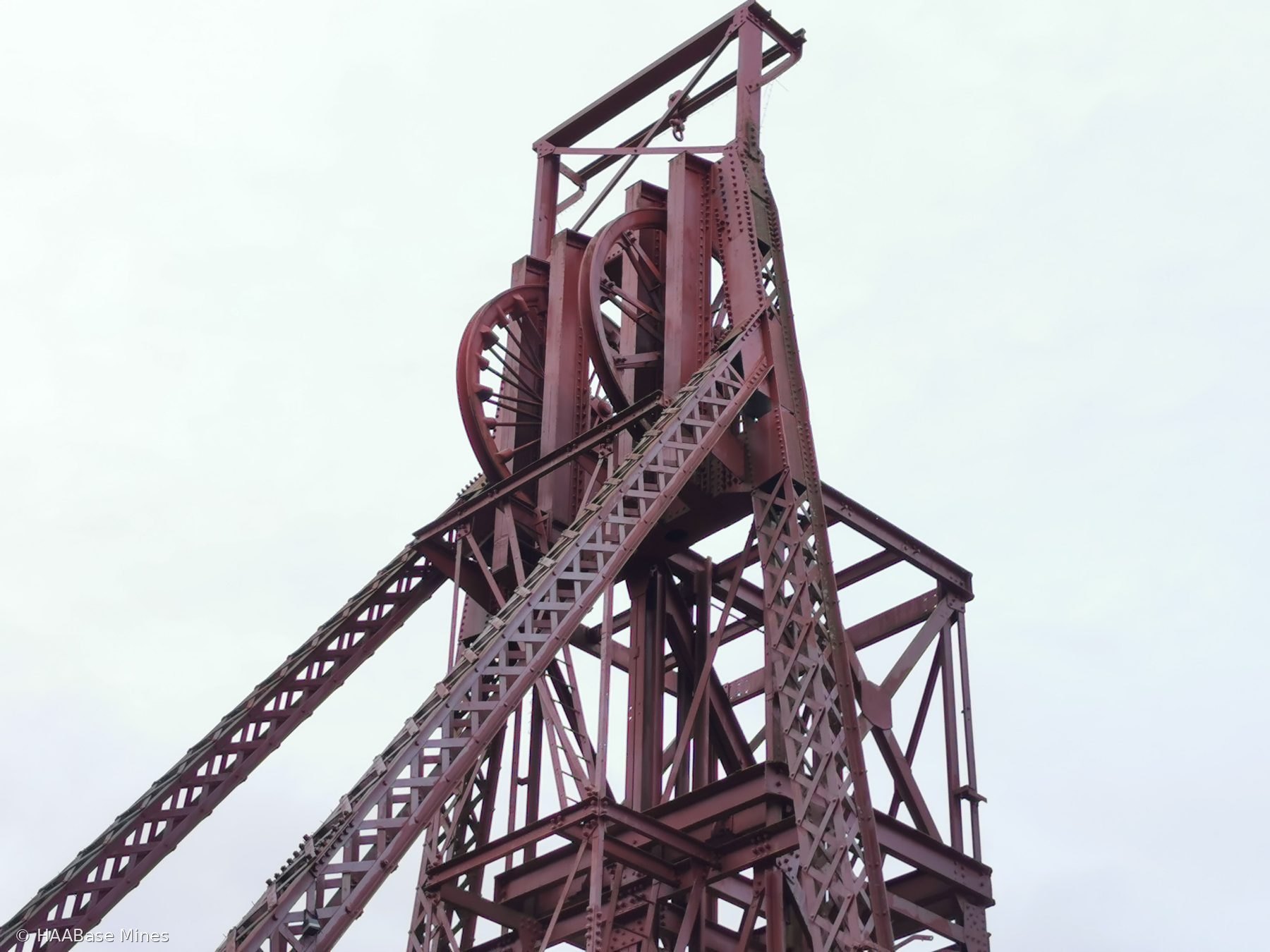
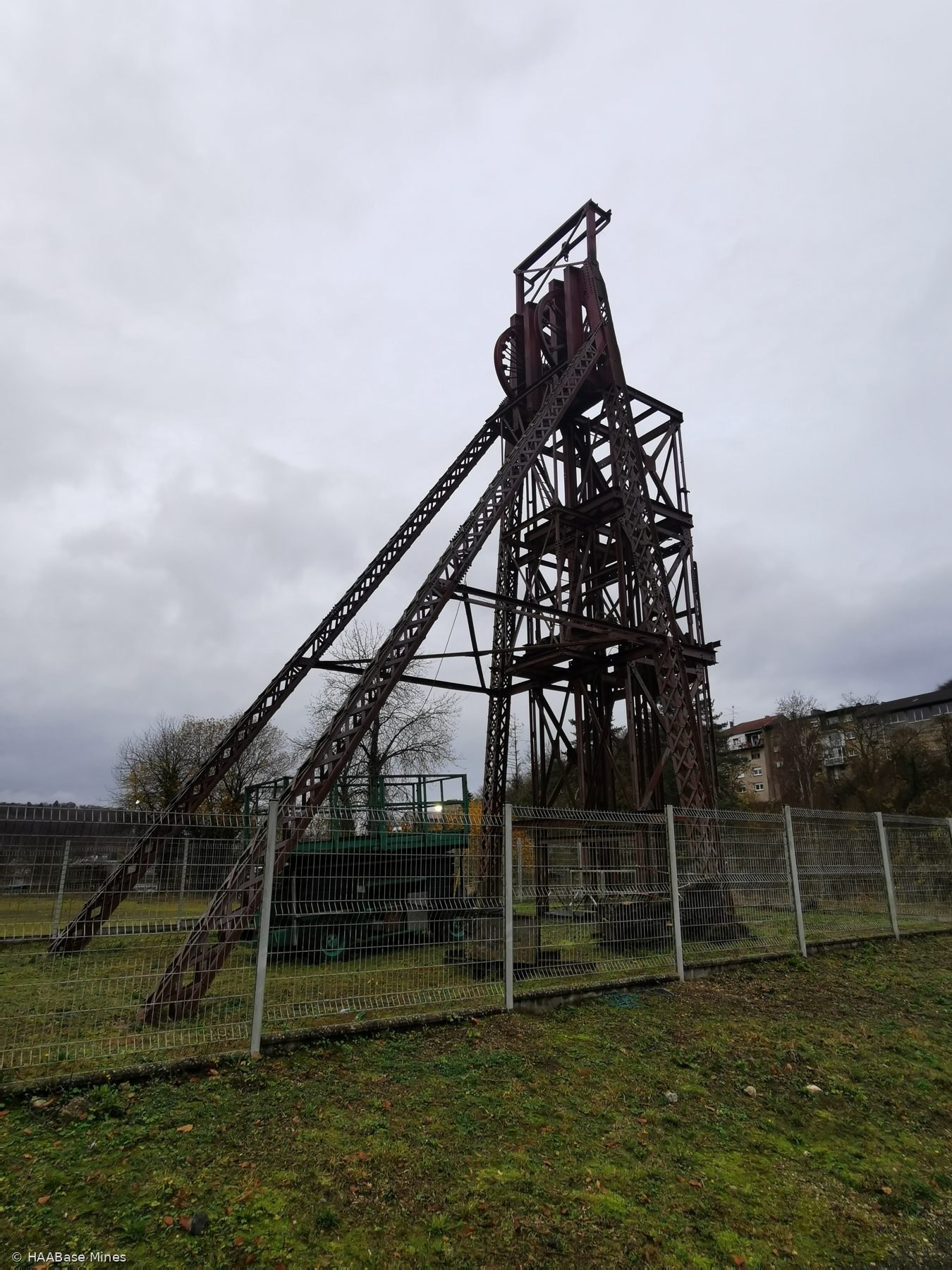
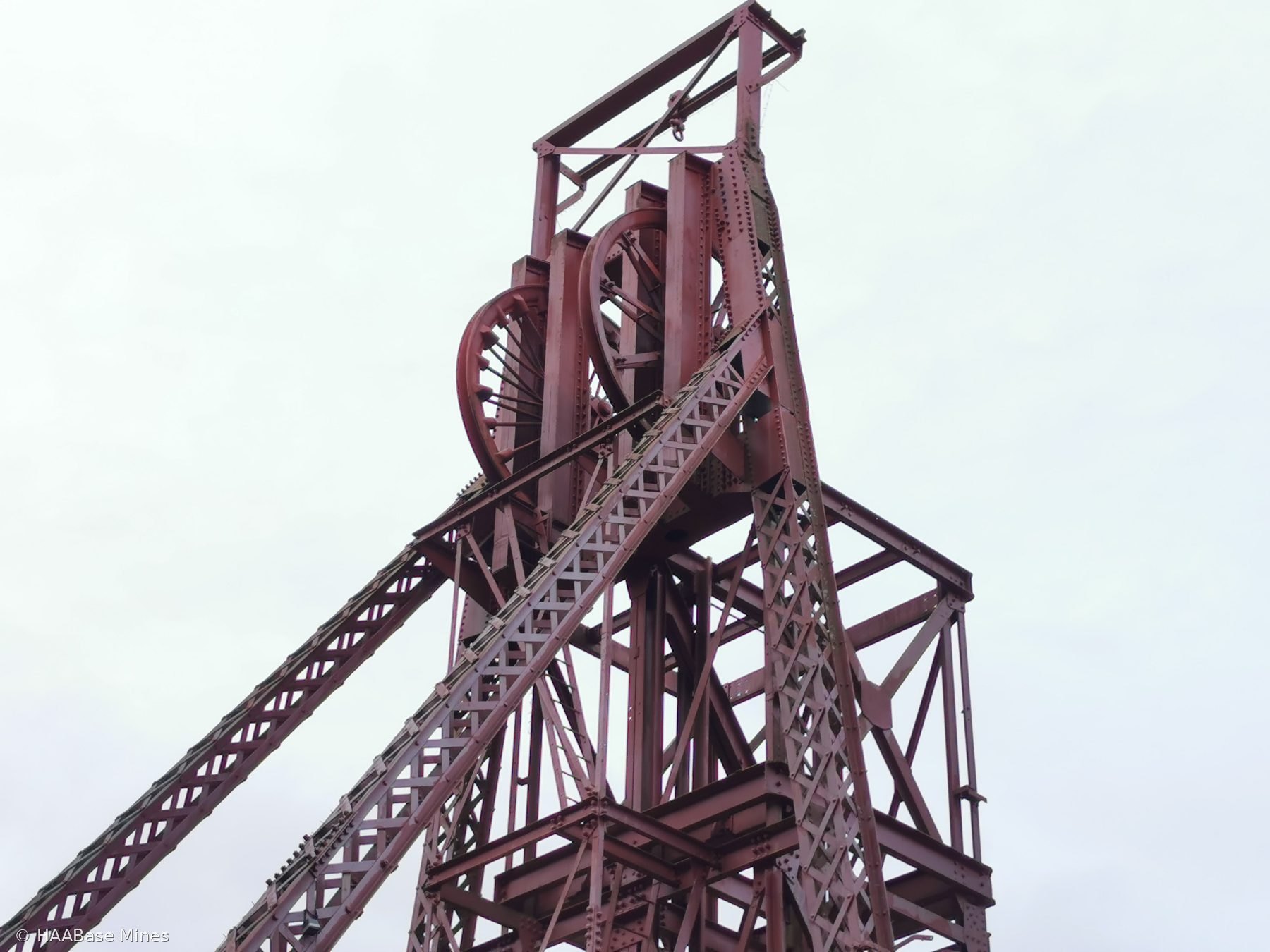
Of three headframes surviving in the Lorraine ferriferous basin, the puits Saint-Michel chevalement at Audun-le-Tiche is one, standing on the former carreau whose other buildings are in an abandoned condition. The Association des Mines Terres Rouges (AMTR), constituted in summer 2020, is engaged in preparing the galleries for museum access and commemorating the forced labourers of both World Wars.