History
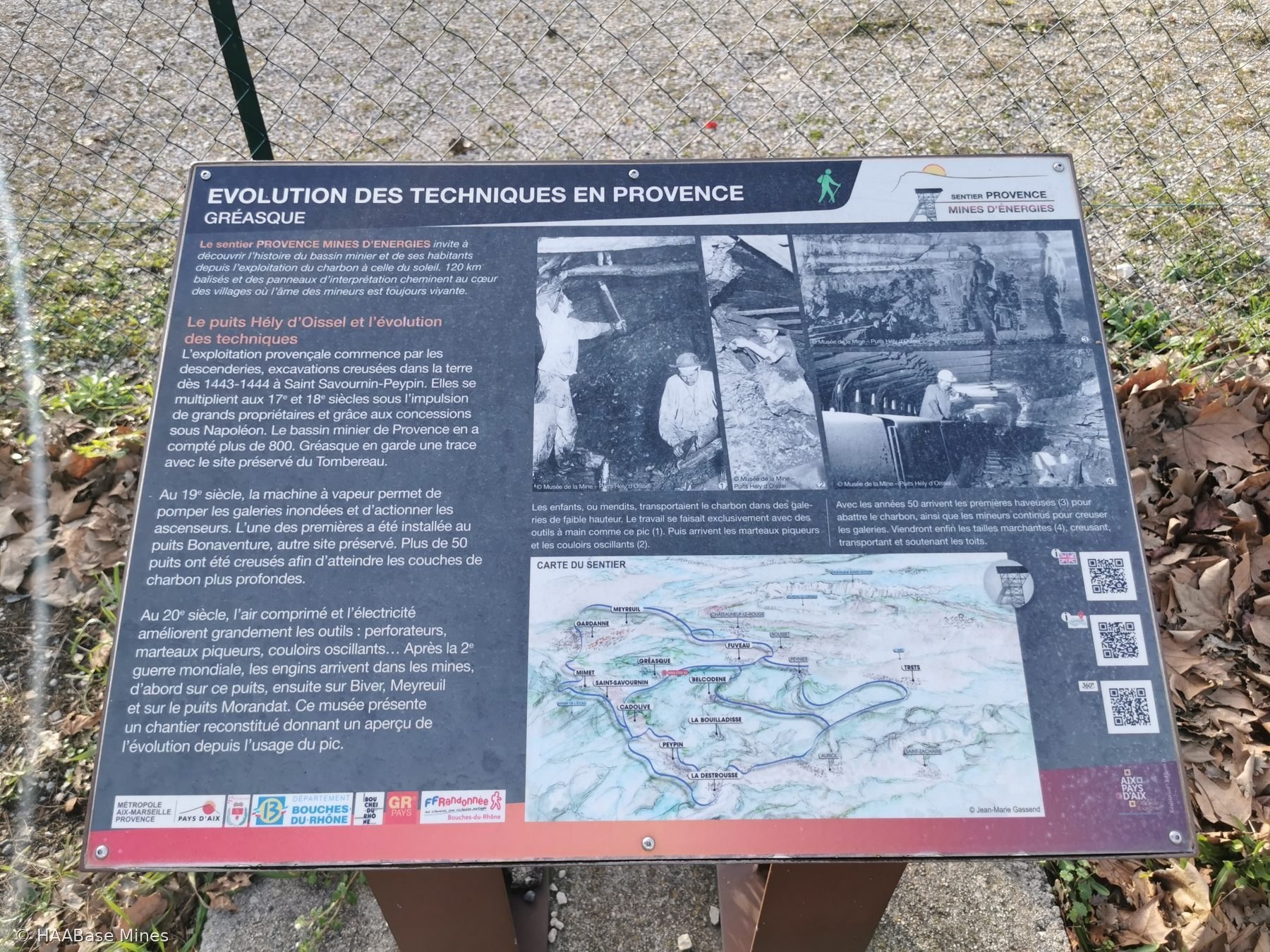
Coal has been extracted in the commune of Gréasque and its immediate surroundings since at least the fifteenth century, with the earliest documented extraction dated to 1443–1444. The bassin de l'Arc — the Provençal coalfield centred on Gardanne and extending to Gréasque, Fuveau, and surrounding communes — was among the most significant southern French coalfields, exploited artisanally and then industrially over five centuries.
In the nineteenth century exploitation was organised through a system of concessions. By 1809 a legislative framework created formal concessions, and by 1838 seventeen had been granted in the area. The Comte de Castellane held half the concessions of Gréasque and Belcodène, which together supplied approximately one third of the basin's output. The Société Anonyme des Charbonnages des Bouches-du-Rhône was founded at Gardanne by Lhuillier in 1855 as a société anonyme. In 1891 Étienne Émile Hély d'Oissel — an inspecteur des finances and administrator with connections to Saint-Gobain, the PLM, and the Société Générale du Crédit Industriel et Commercial — joined its board of administration. In 1898 the company was reorganised as the Société nouvelle des Charbonnages des Bouches-du-Rhône, with Hély d'Oissel as president until his death on 10 March 1915.
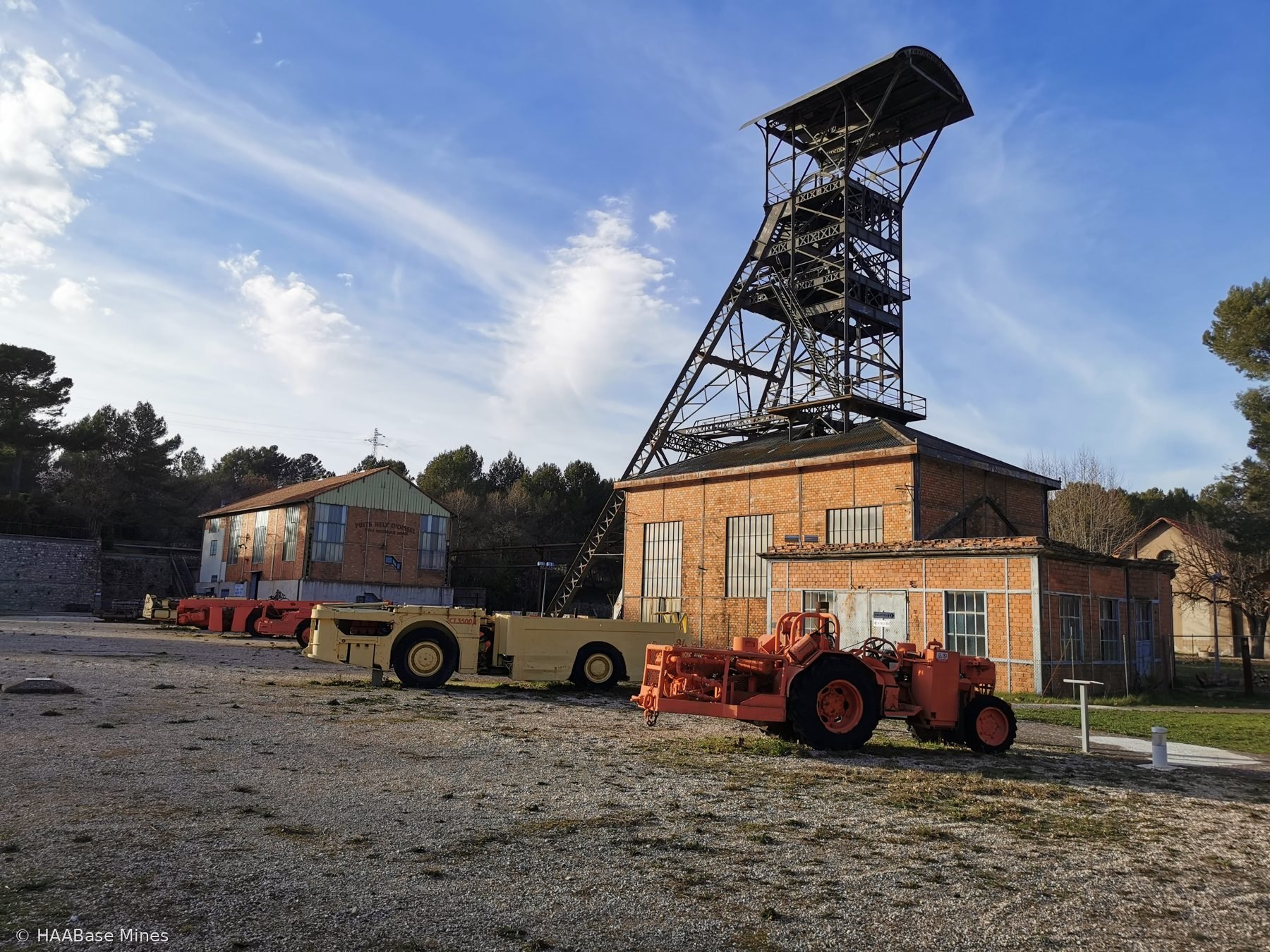
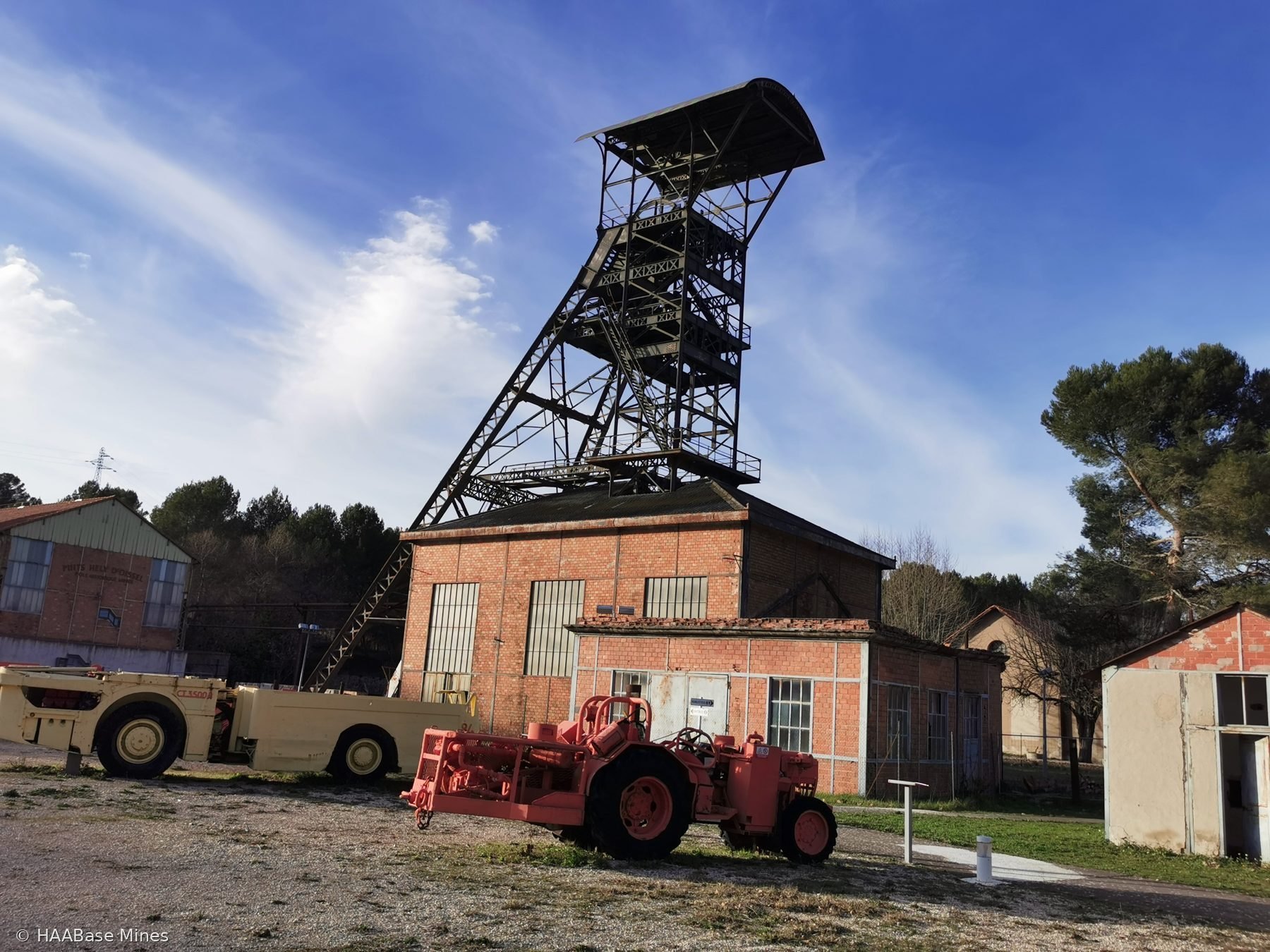
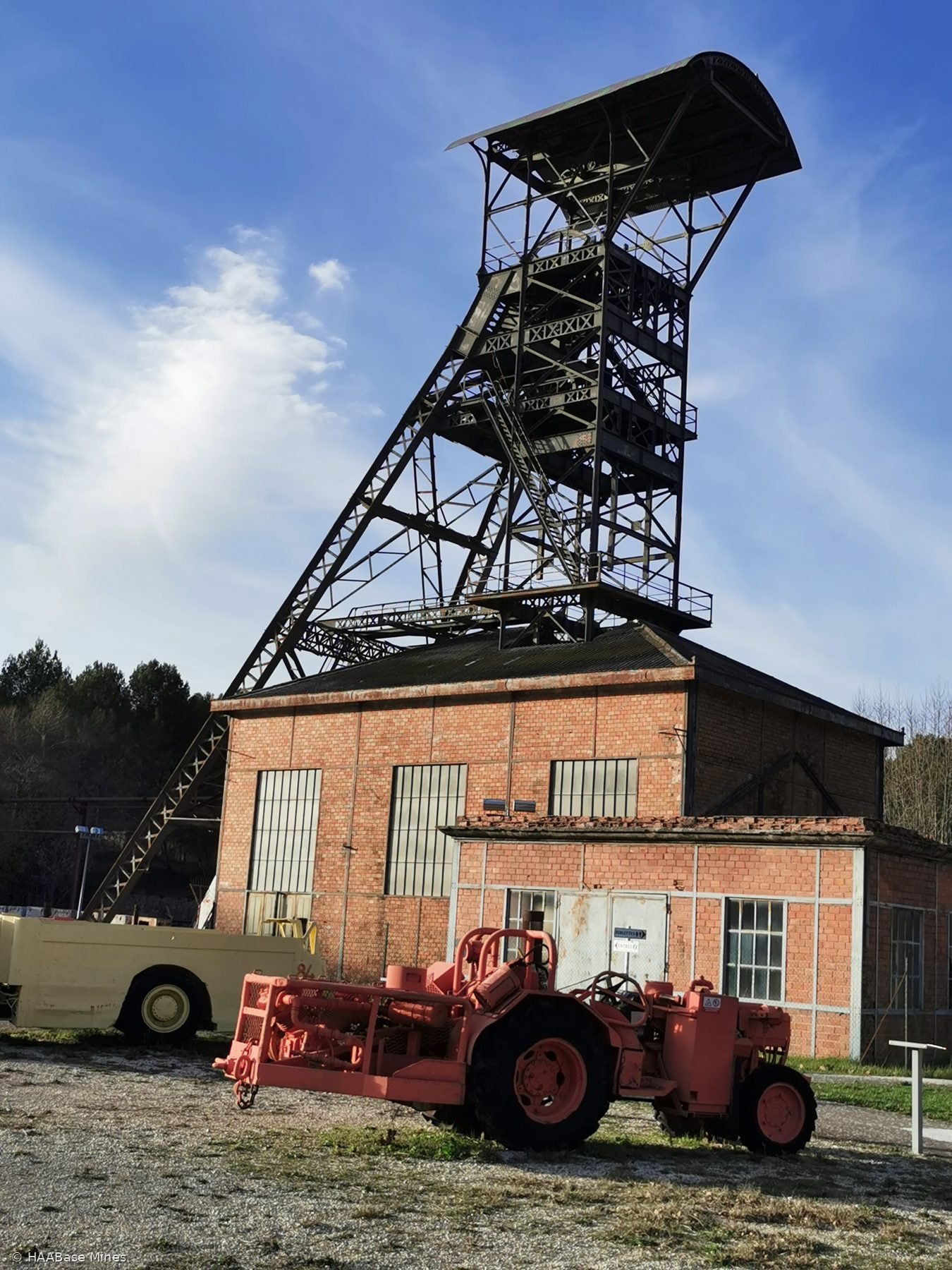
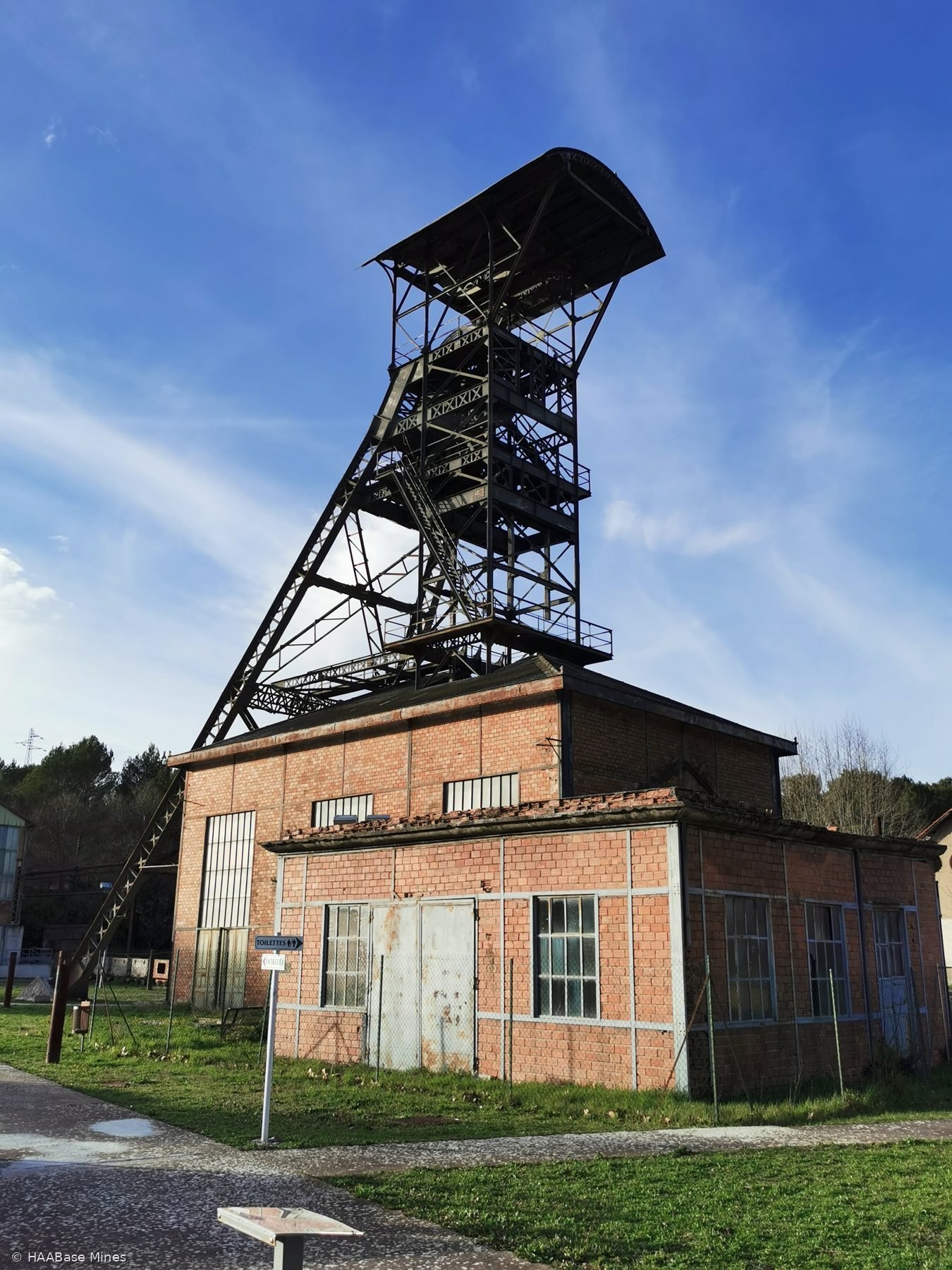
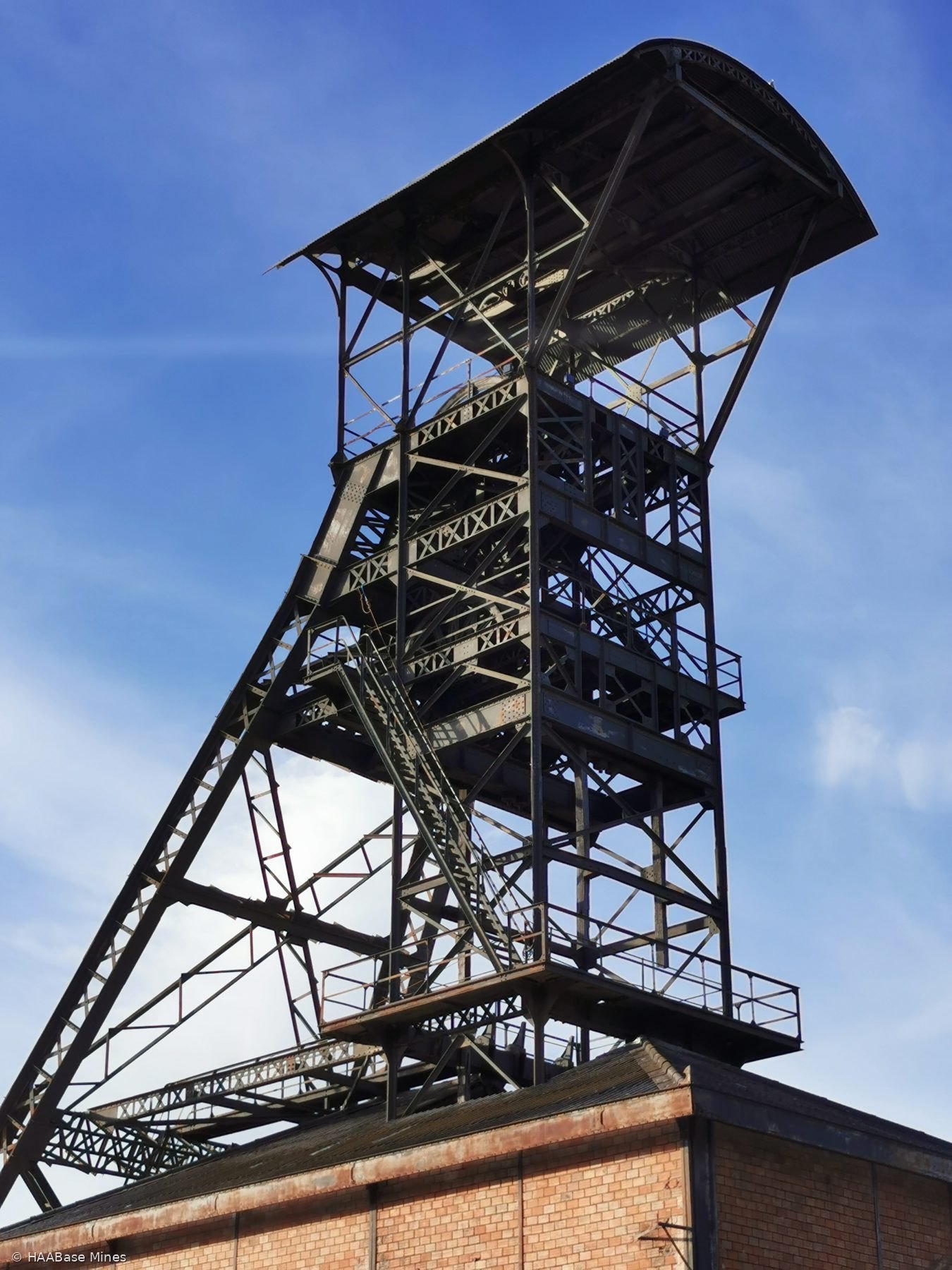
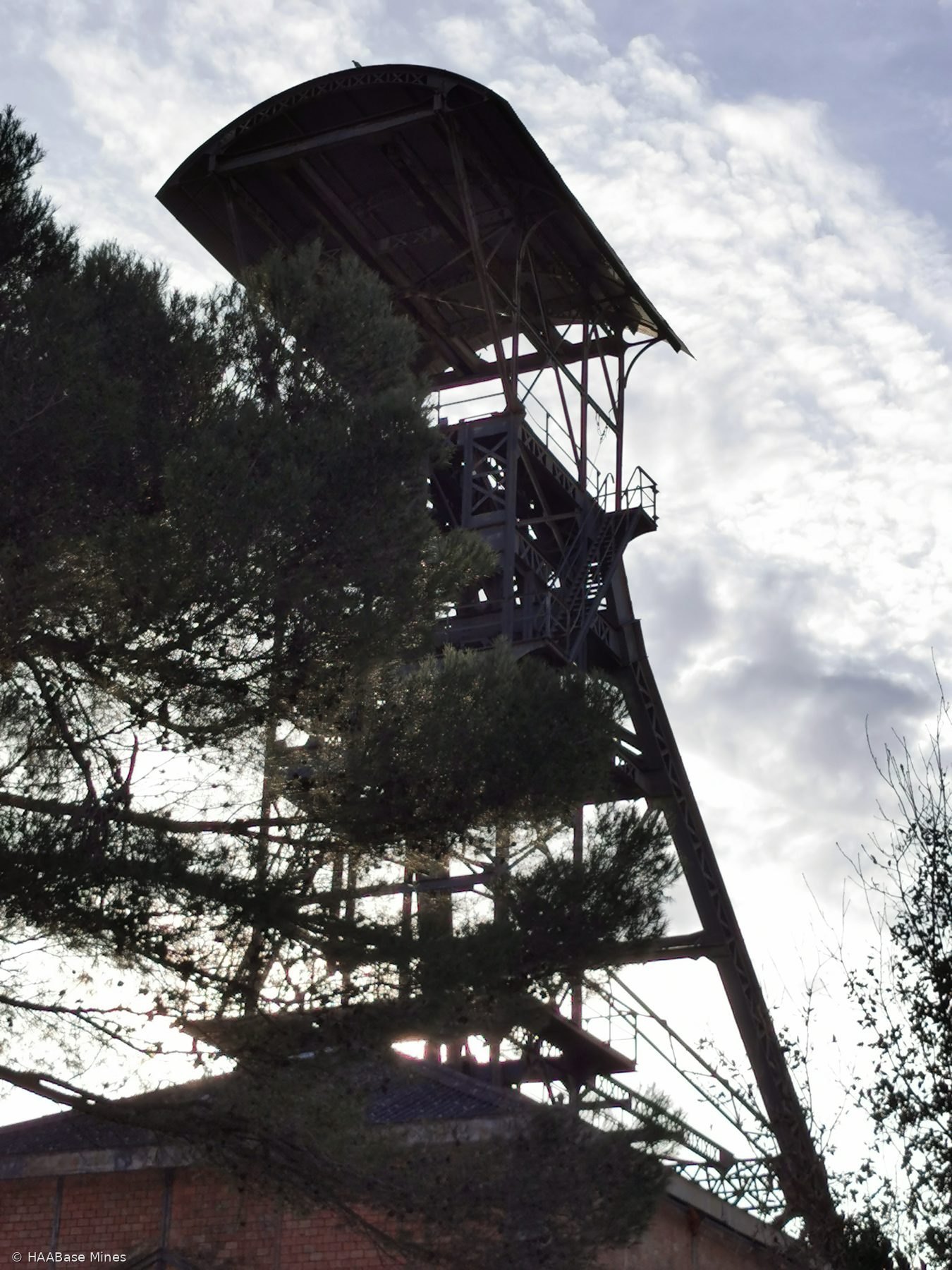
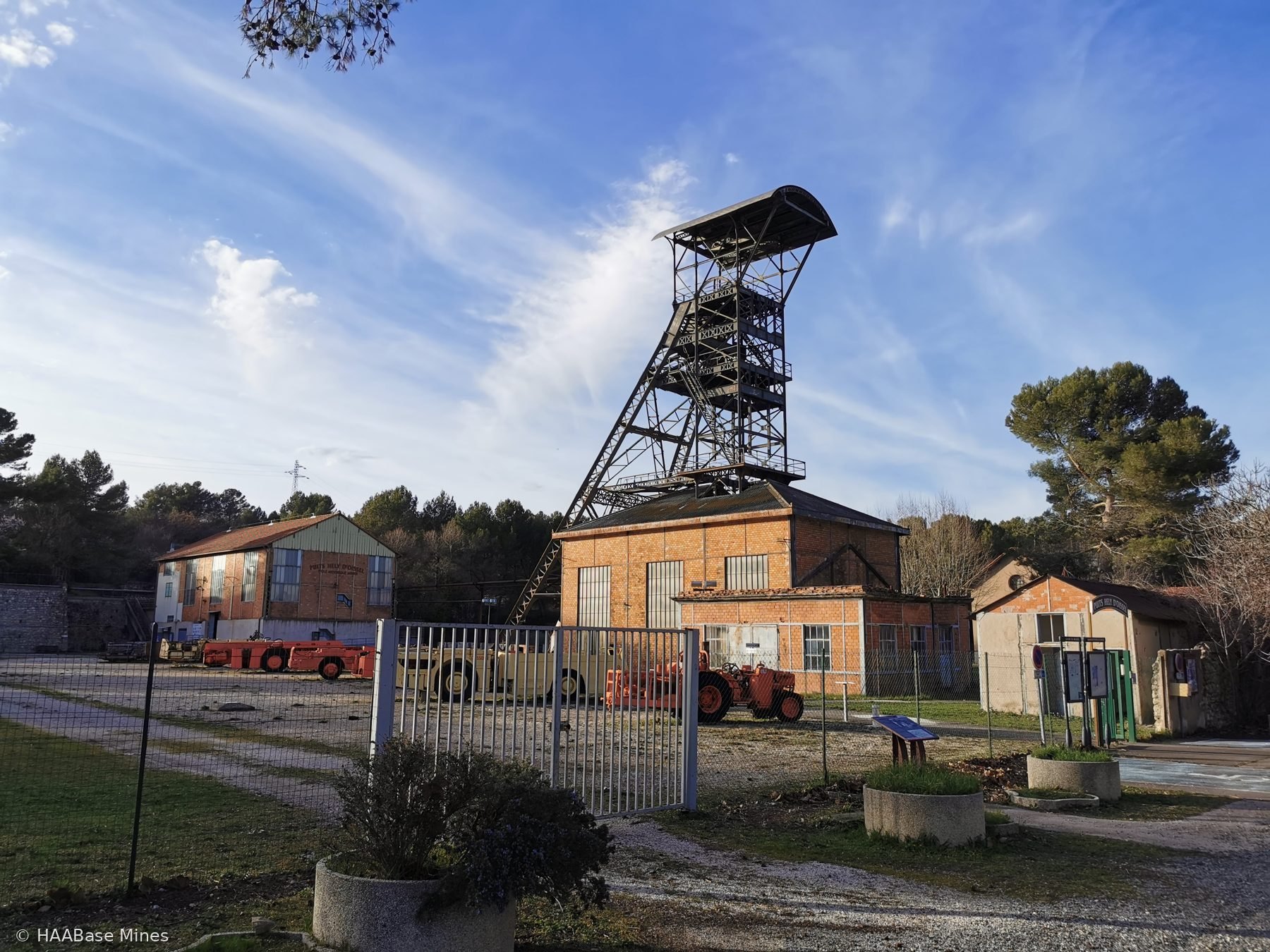
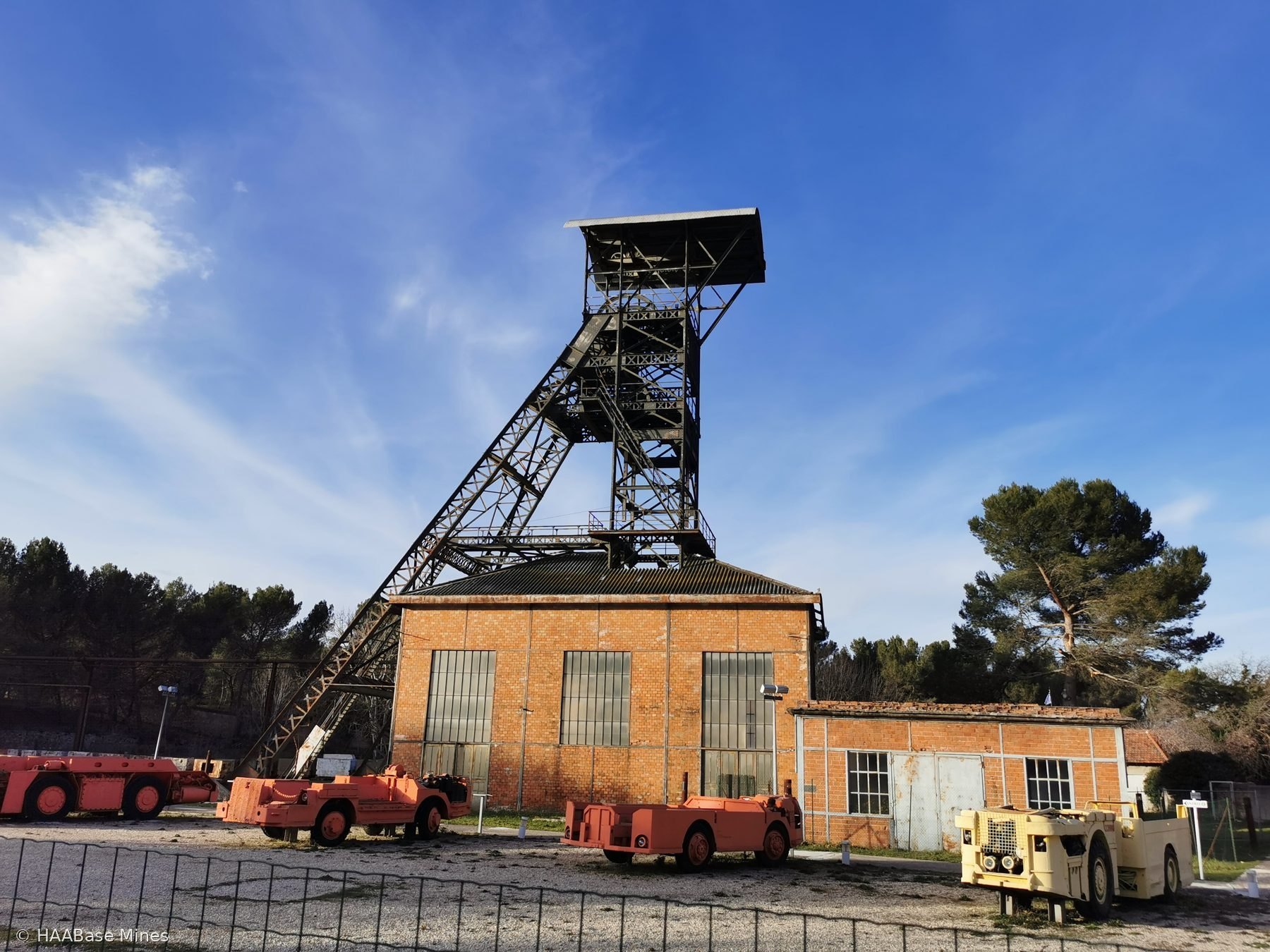
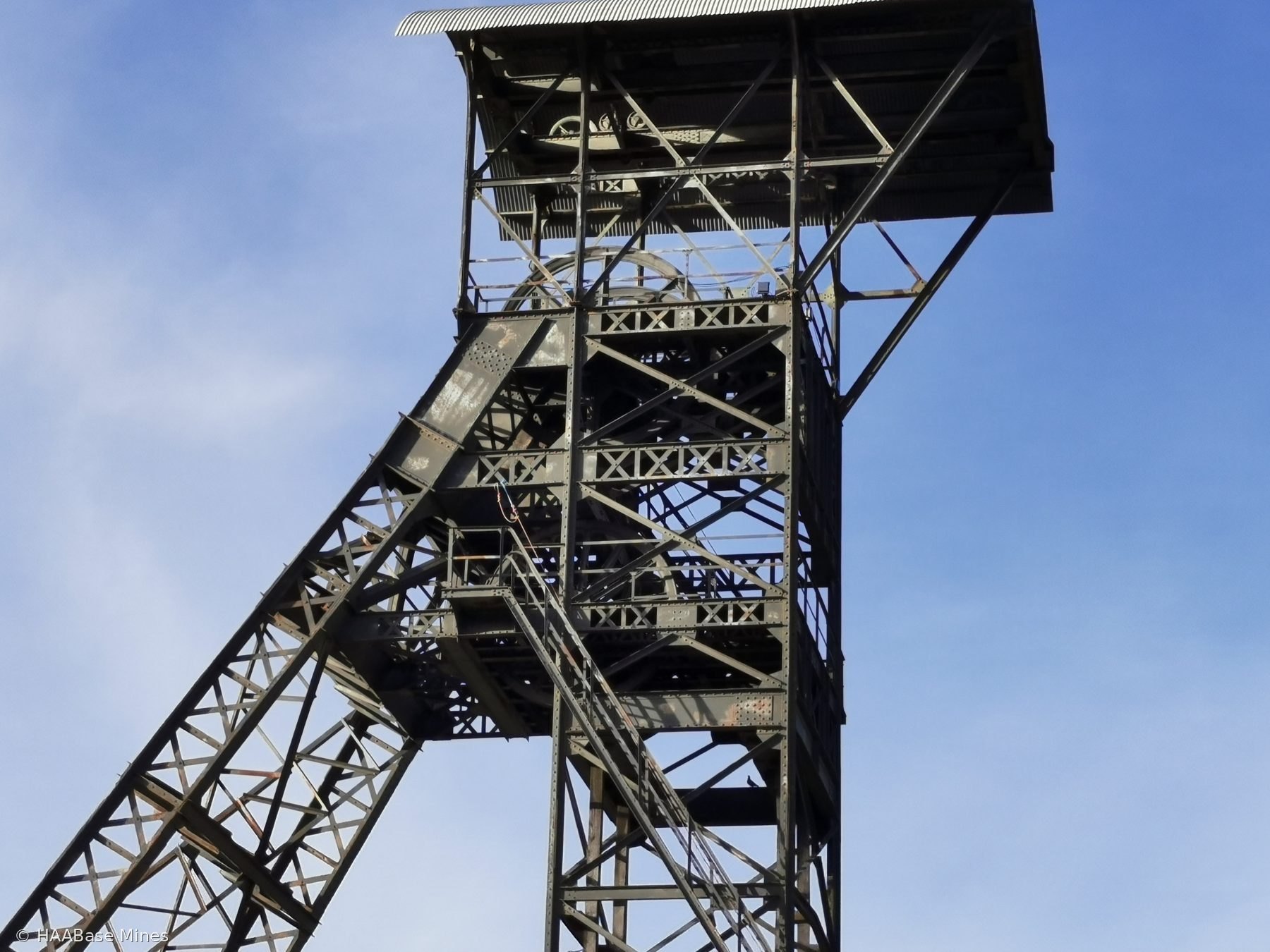
The puits Hély d'Oissel replaced three earlier shafts at Gréasque — the Bonaventure, Prosper, and Béthune — and was intended to consolidate extraction for the Grande Concession. Fonçage began in 1912 and continued until 1916, reaching a final depth of 455.85 metres with two accrochages at -28 metres and -100 metres. The shaft is named directly after the engineer-president who directed its construction. The steel headframe, 25.5 metres high with molettes of 5 metres diameter whose axis sits at 25.50 metres, was built in 1917 by the firm Derobert. The shaft was accidentally flooded during sinking; dewatering delayed its entry into service until 1922 or 1923, depending on the source. During its operational life the puits Hély d'Oissel served as the principal extraction shaft of the Grande Concession and won the national productivity prize three years in succession in the 1950s.
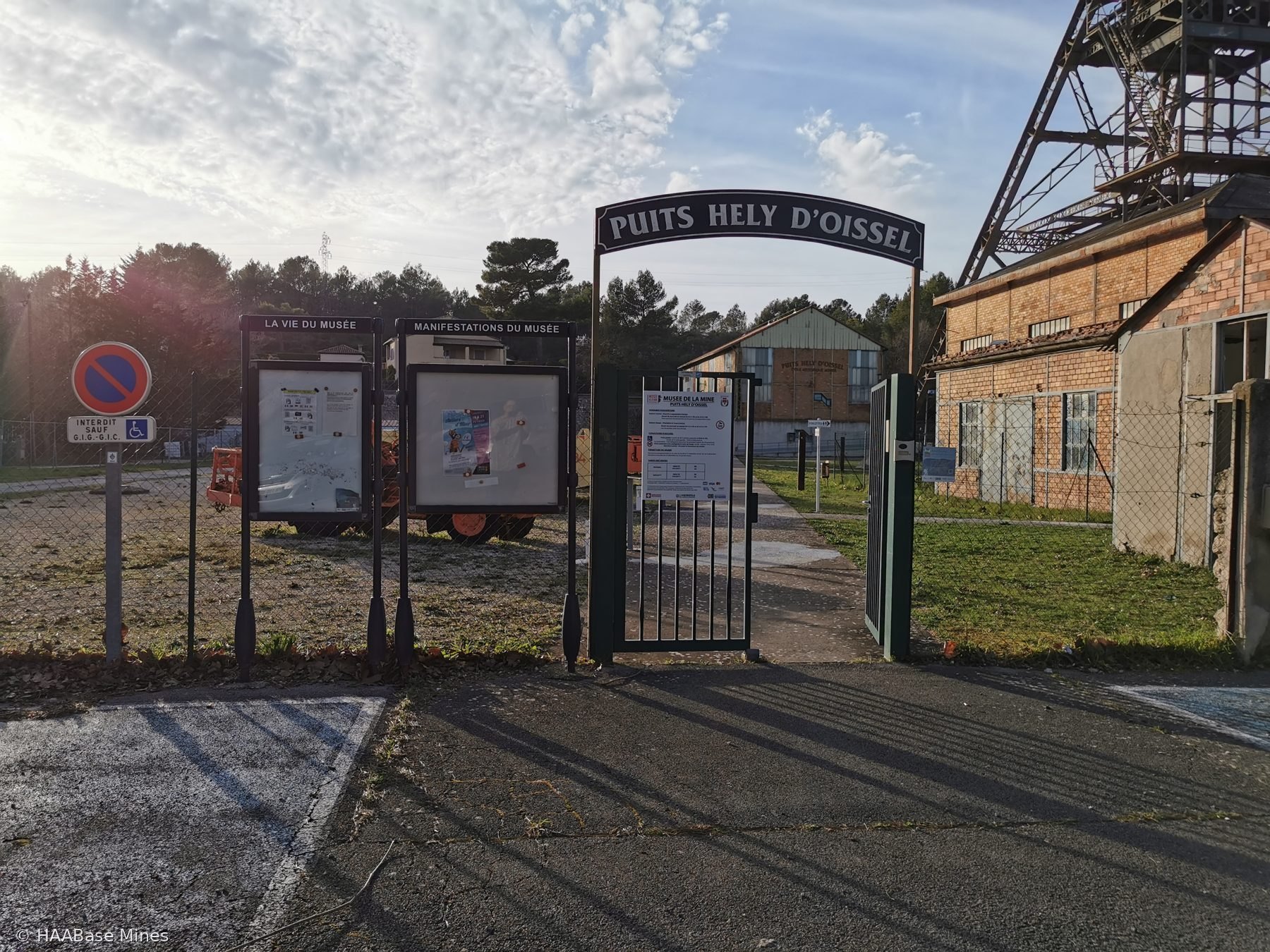
Nationalisation in 1946 created the Houillères du Bassin de Provence. In 1961 the puits Hély d'Oissel was replaced as the principal extraction shaft by the siège de Meyreuil and thereafter served as a ventilation and service shaft. The site was abandoned in 1970 and the property passed to the Houillères du Bassin du Centre et du Midi (HBCM). The chevalement and the bâtiment de la machine d'extraction — which retains the complete extraction machine with its motor, reduction gearbox, bicylindroconical winding drum, control room, and various control and safety instruments — were inscribed to the Inventaire des monuments historiques industriels by arrêté of 24 October 1989. The association La Carbouniero de Prouvènço was subsequently formed with the purpose of saving the site from threatened demolition and creating a museum. On 6 November 2000 the Pôle Historique Minier opened on the former carreau, becoming the only mining museum in the Provençal coalfield. Collections include coal-extraction machinery, geological and fossil material, safety equipment, maps, and underground objects arranged as if left in place by the last shift. The puits Hély d'Oissel also holds the label Architecture contemporaine remarquable from the Ministère de la Culture. The commune of Gréasque retains further mining heritage in its communal forest, including shaft entrances, pit remains, and other buildings from the nineteenth century, and the vestiges of the first mining cité in Provence — the cité du Thubet — which once housed Italian immigrant workers from Piedmont.