Site overview

La Ricamarie, in the Ondaine valley south-west of Saint-Étienne, was a central commune of the bassin houiller de la Loire, the oldest and once the largest coalfield in France. Documented extraction dates from around 1267; large-scale industrial mining developed through the nineteenth century. The town is inseparable from its mining history: it was the birthplace of Michel Rondet, founder of the French miners' trade unions and federations, and the site of the fusillade du Brûlé on 16 June 1869, in which troops fired on striking miners, killing fourteen.

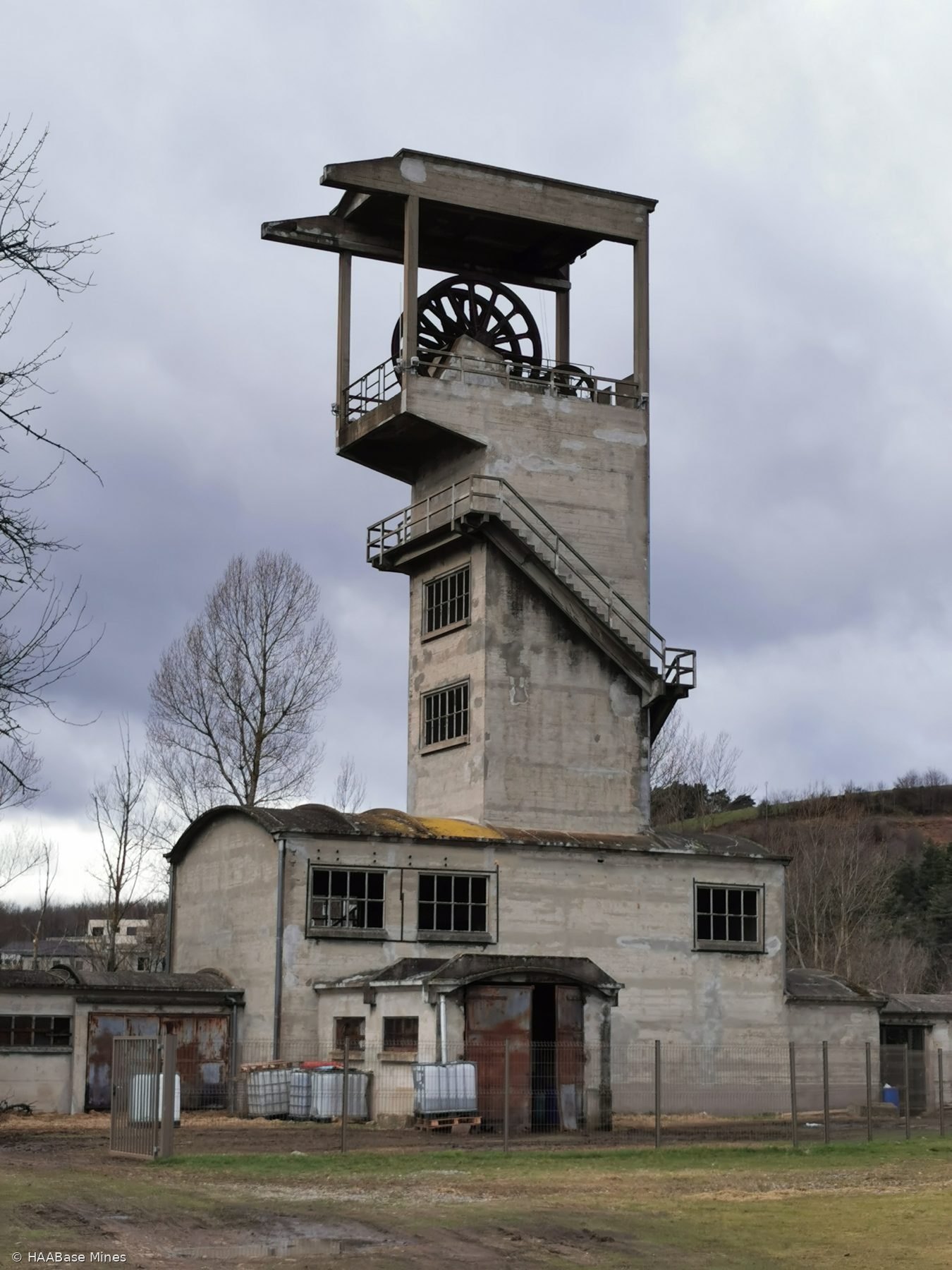
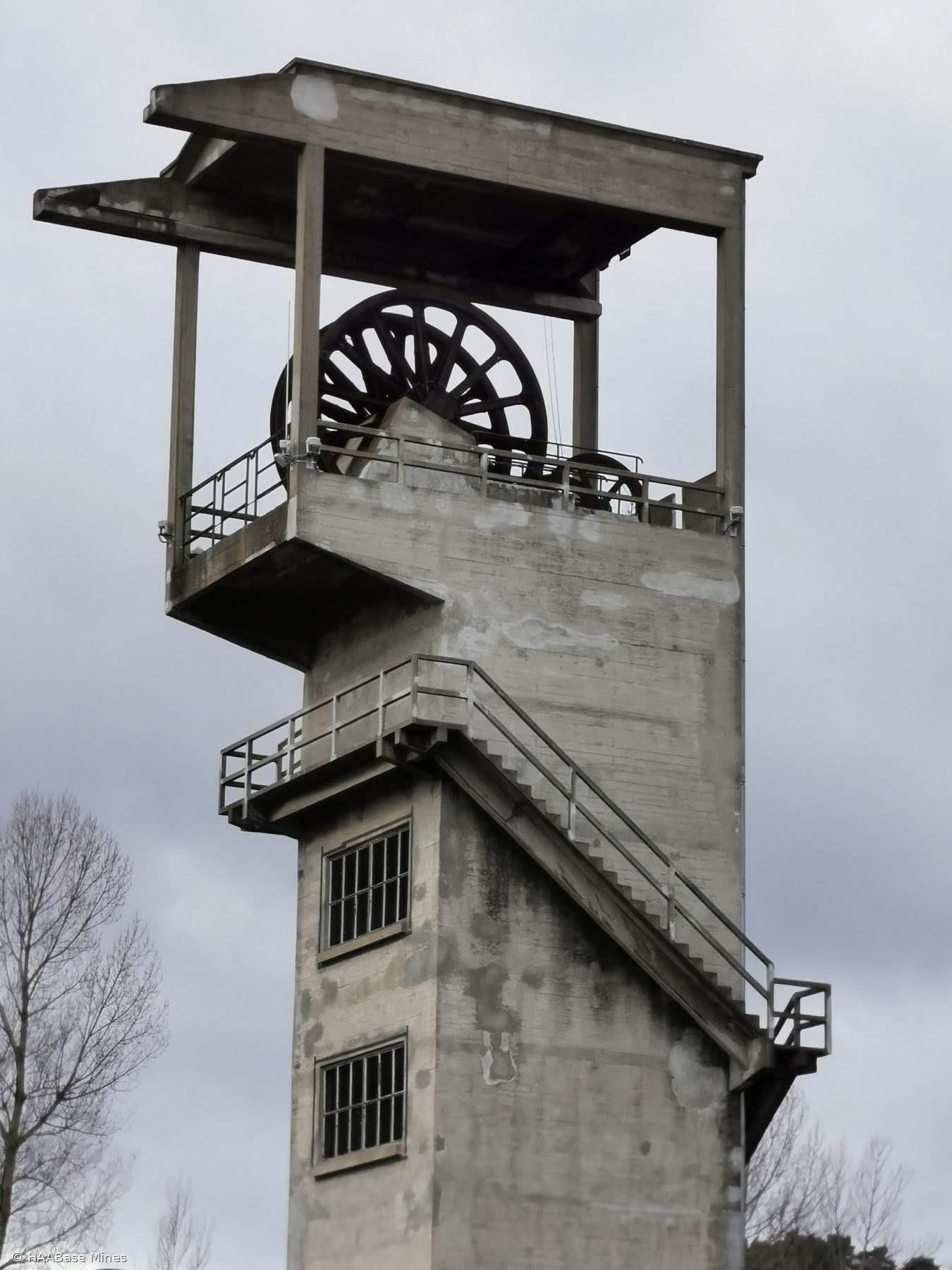
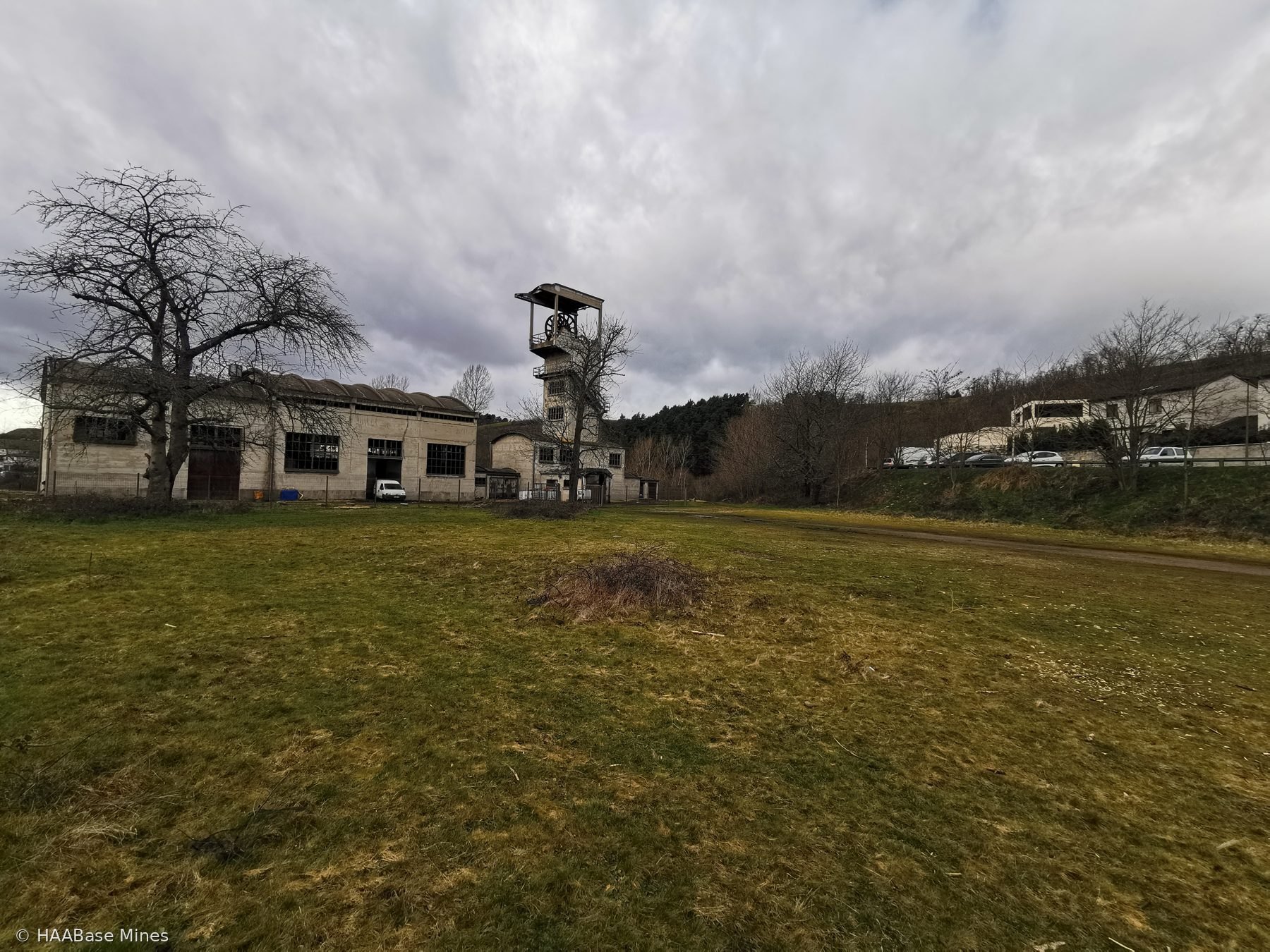
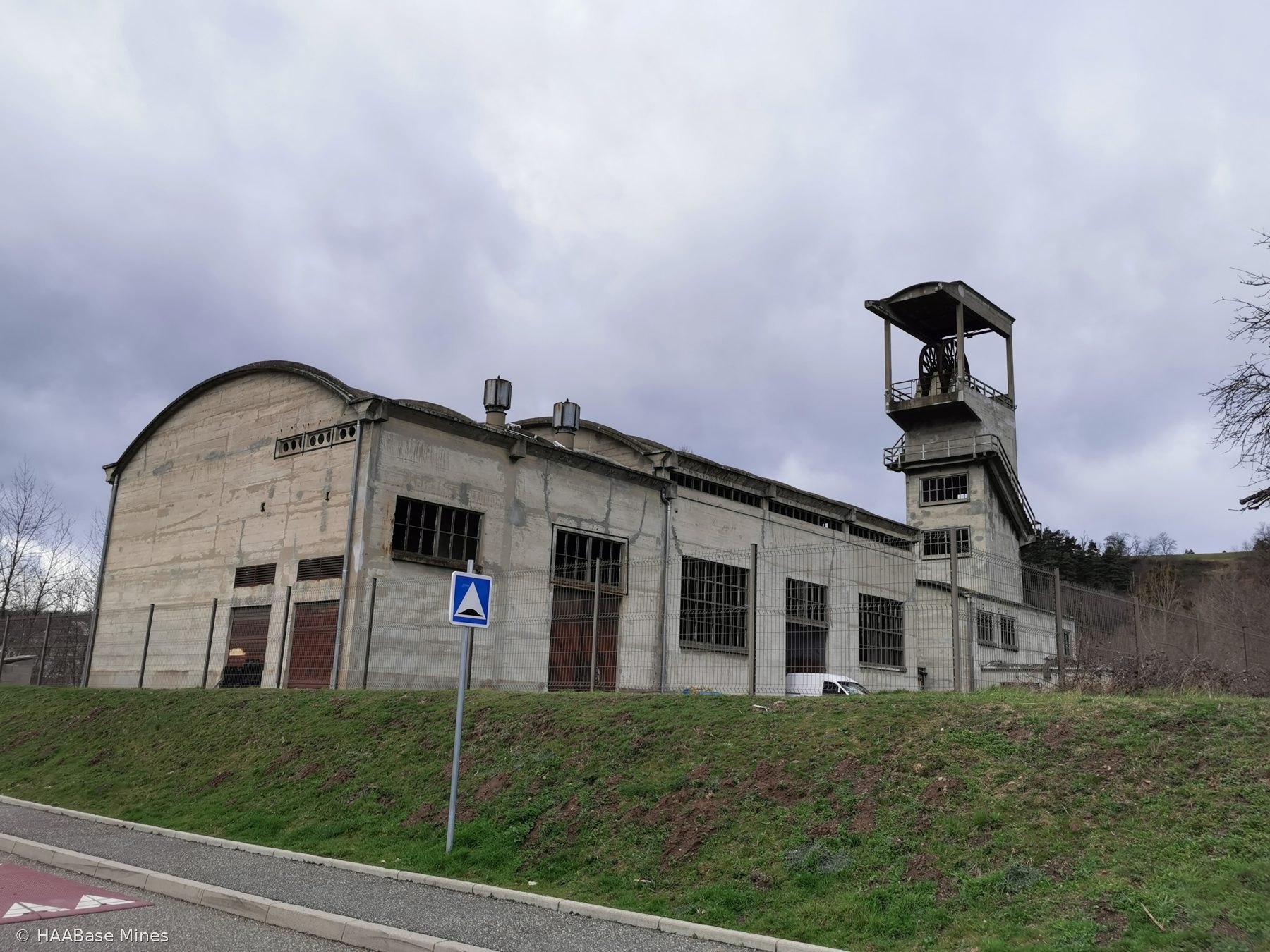
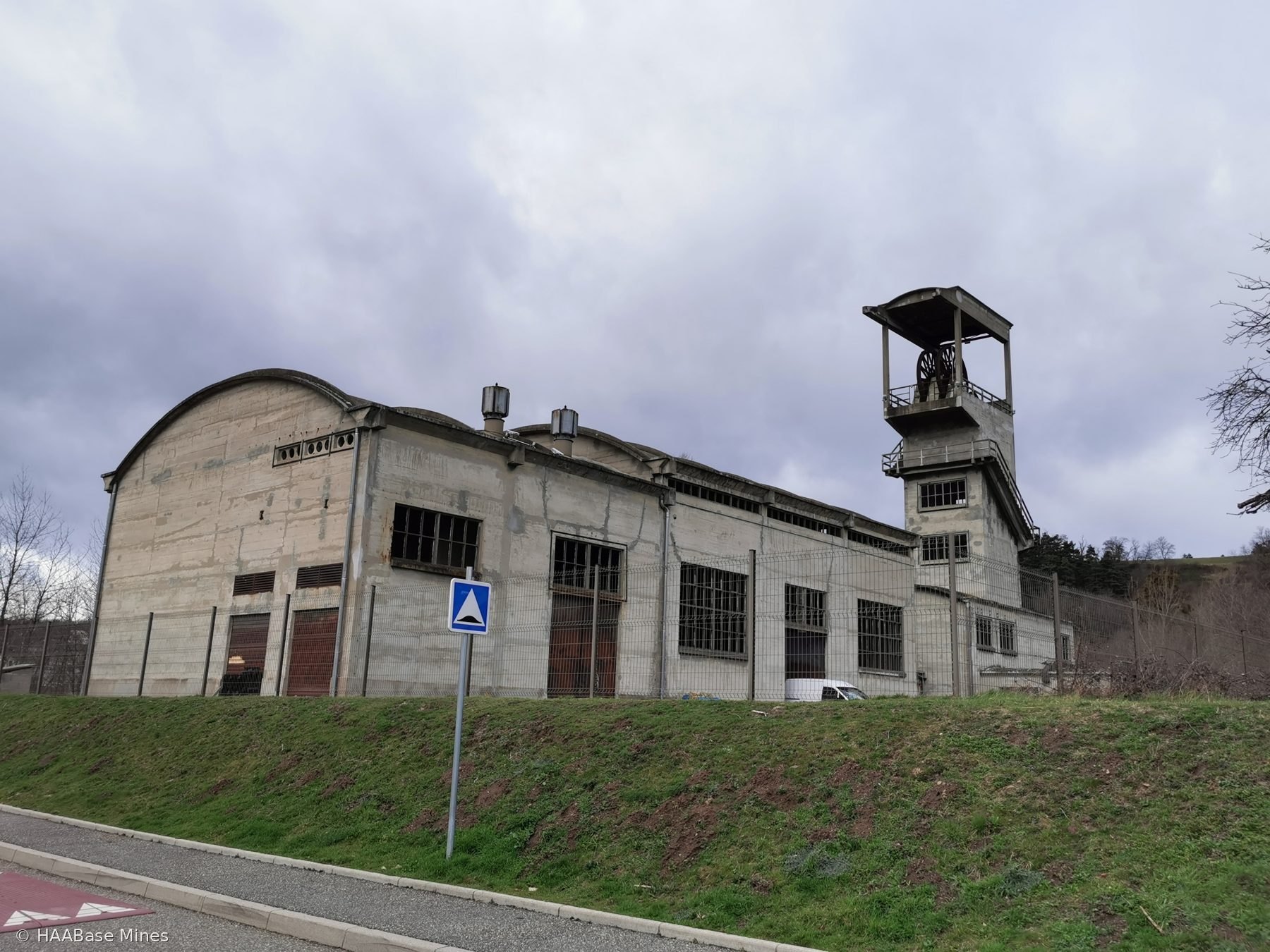
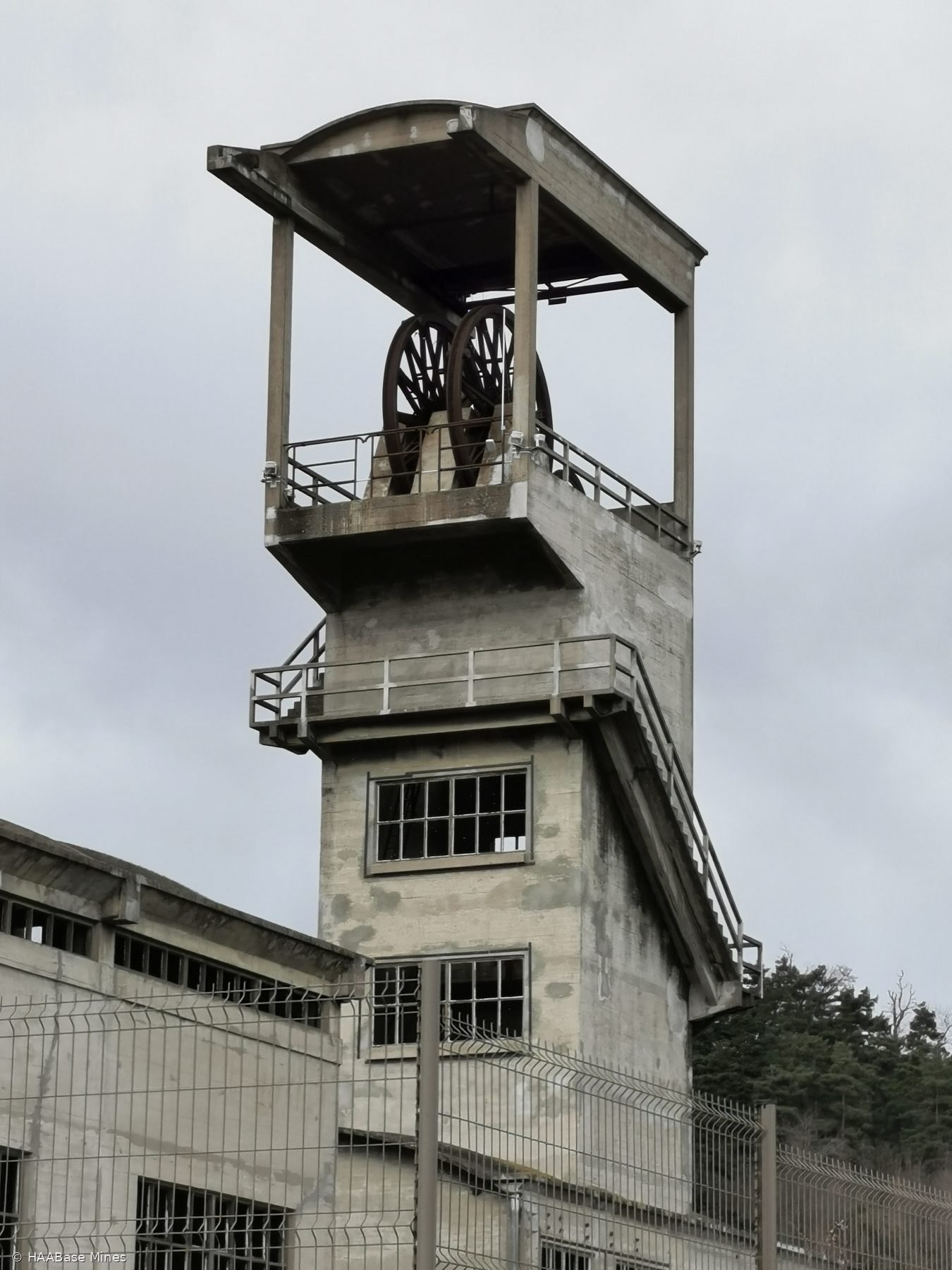
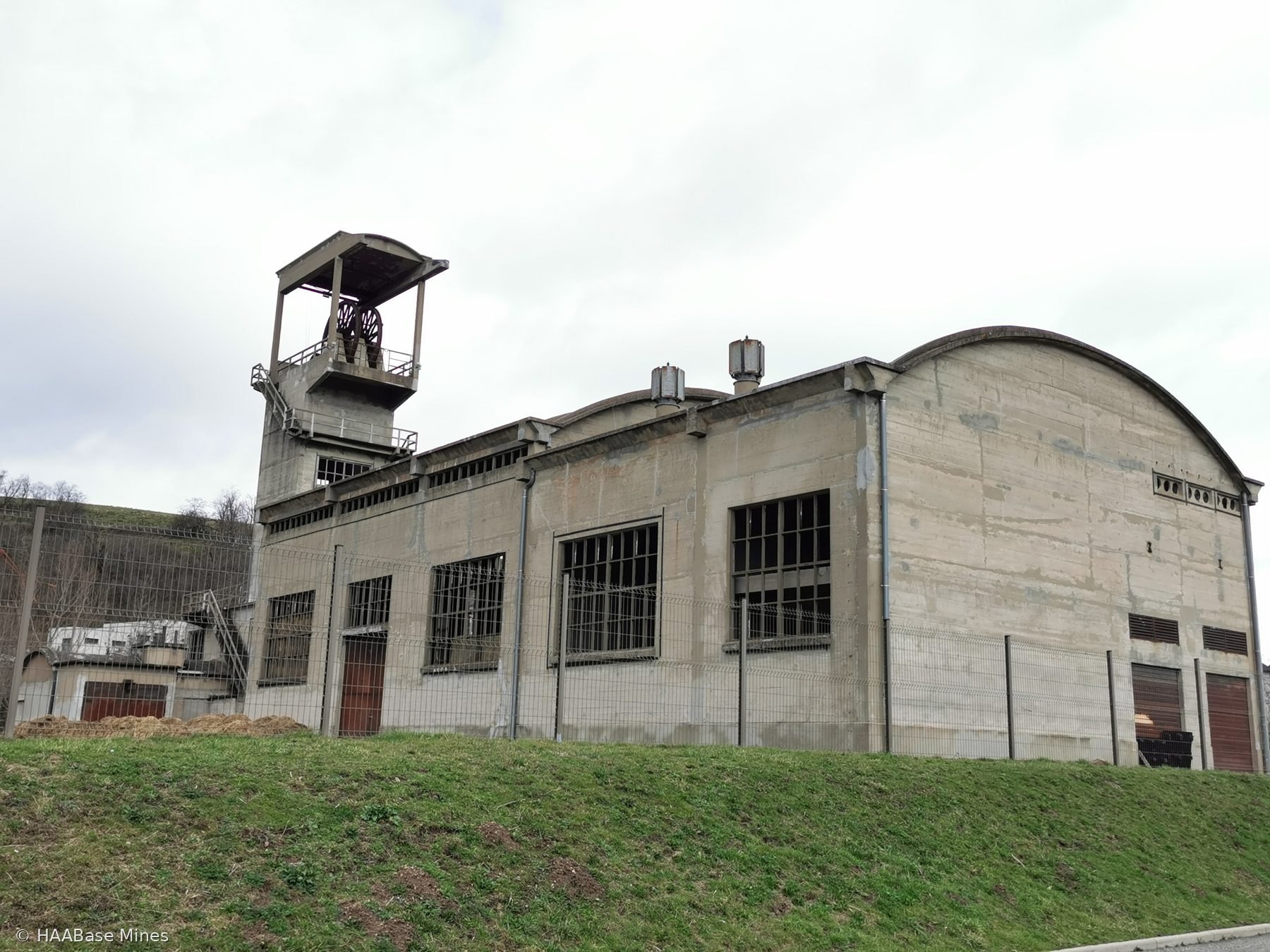
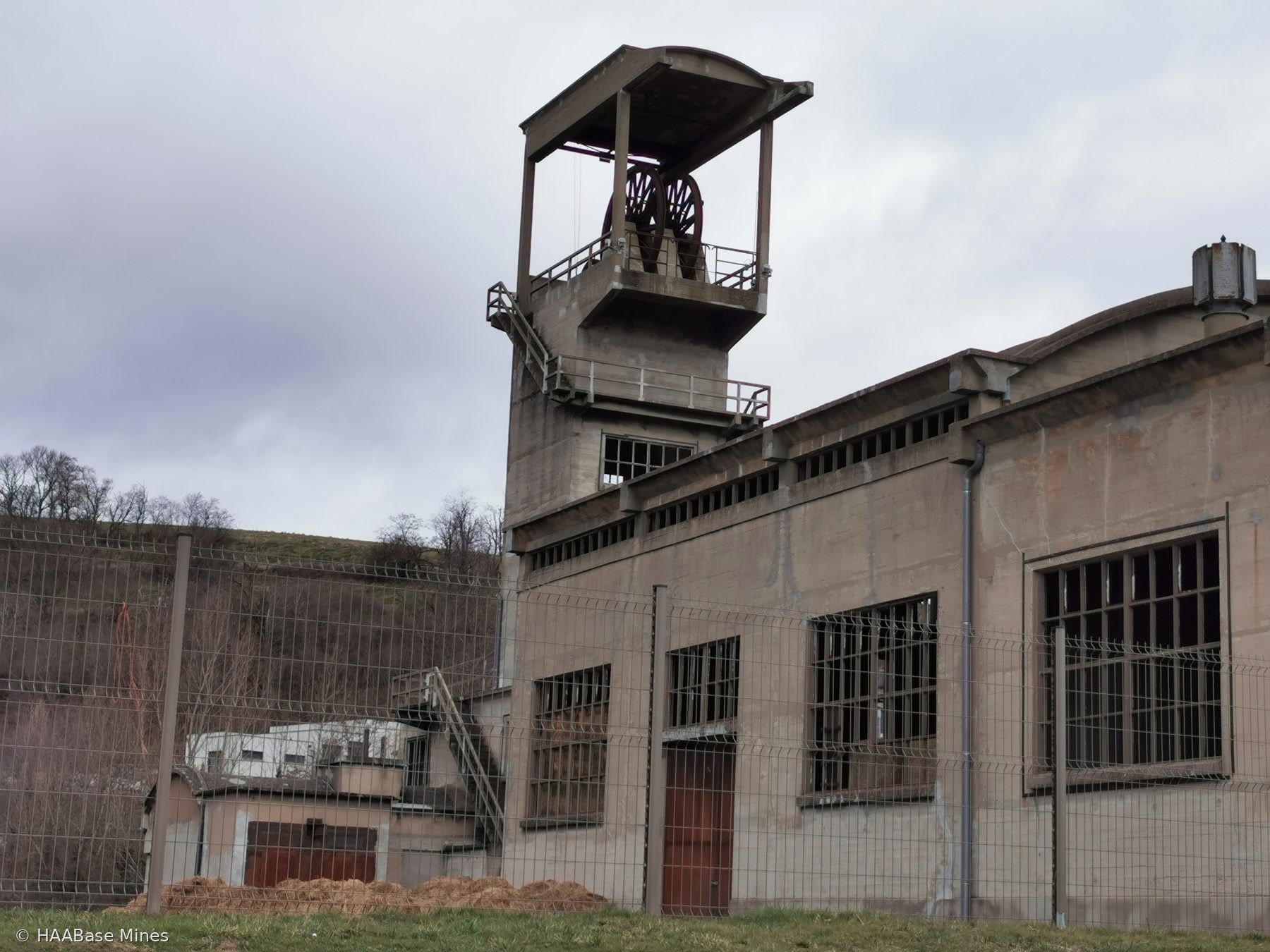
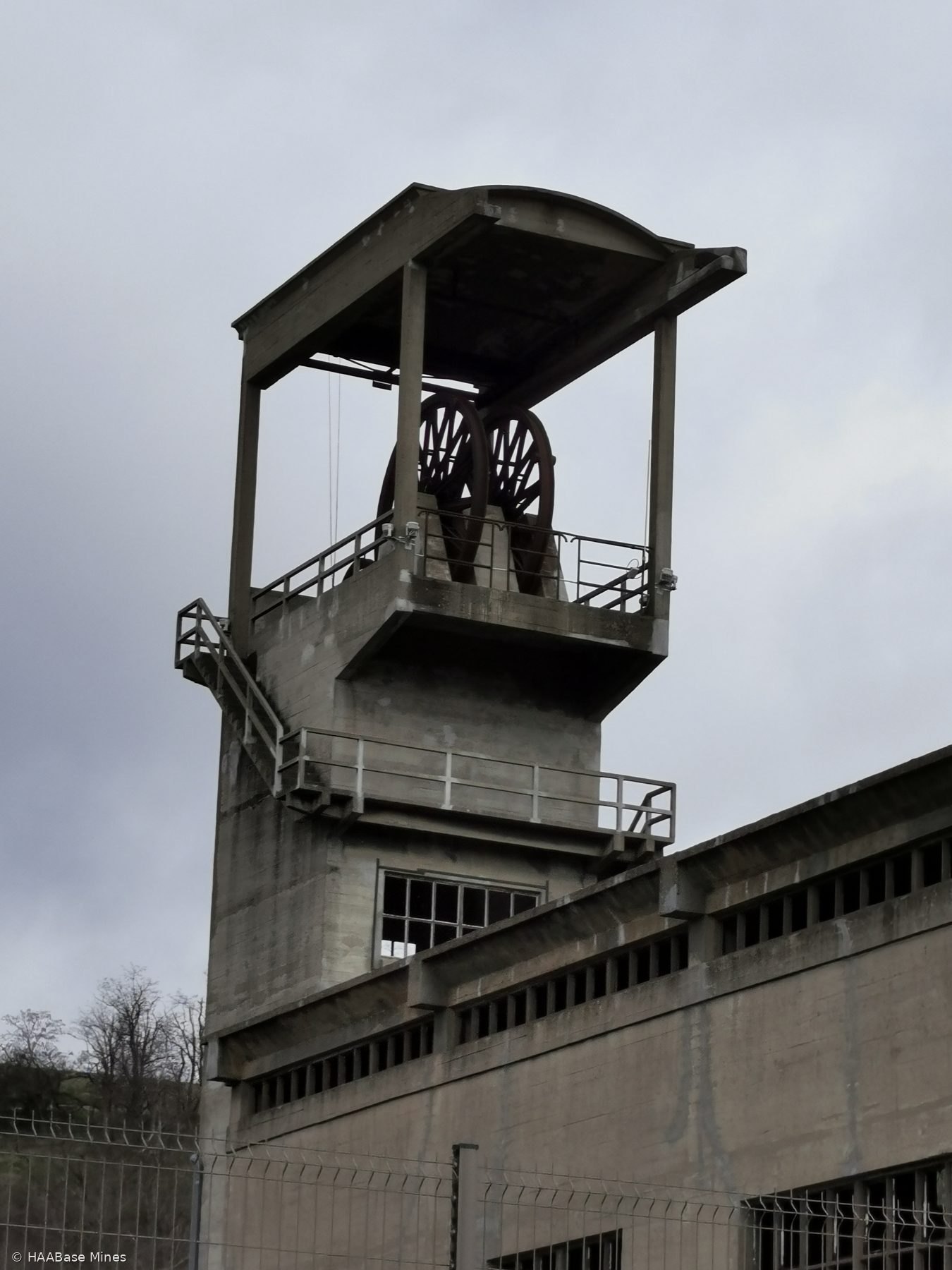
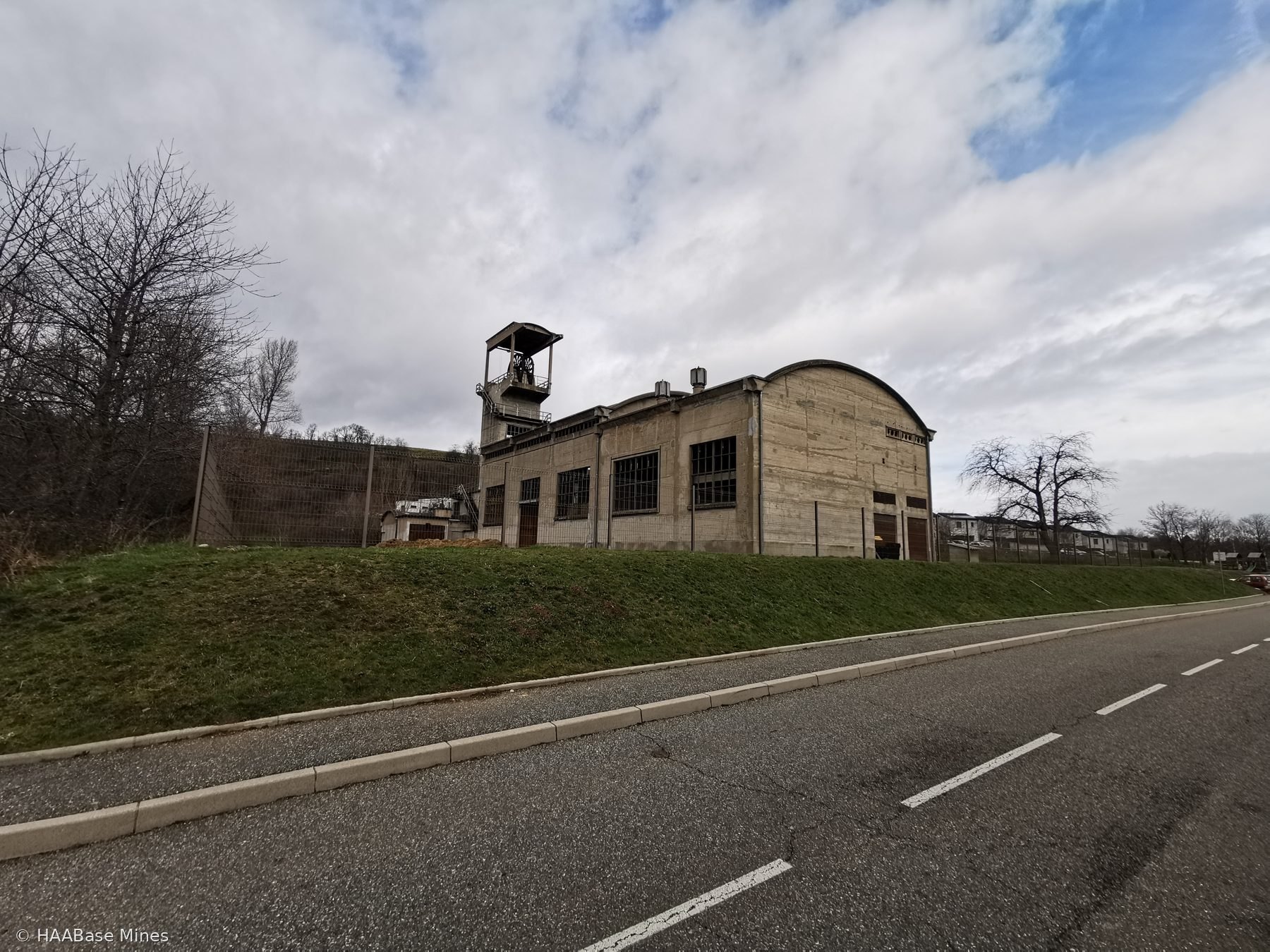
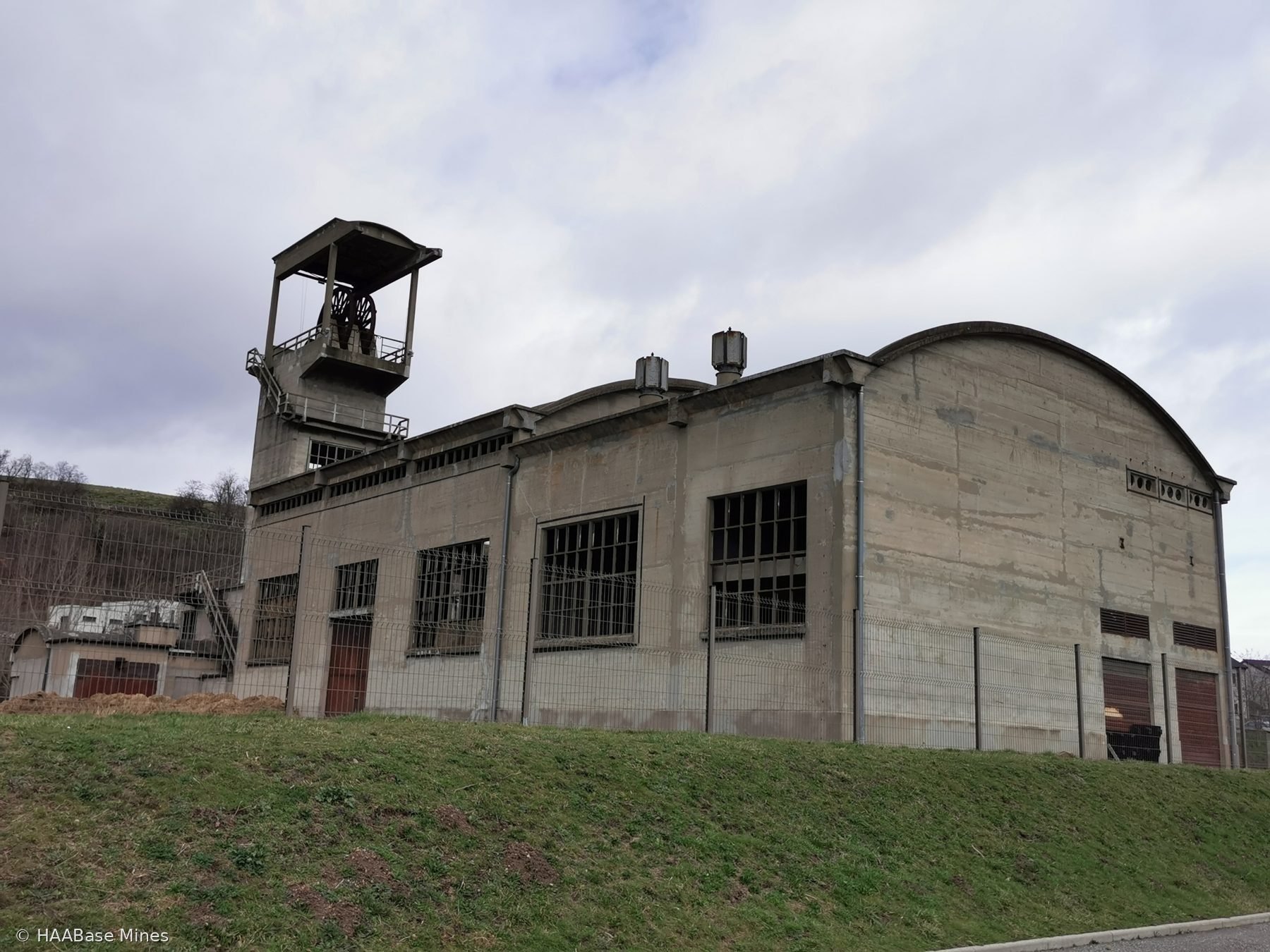
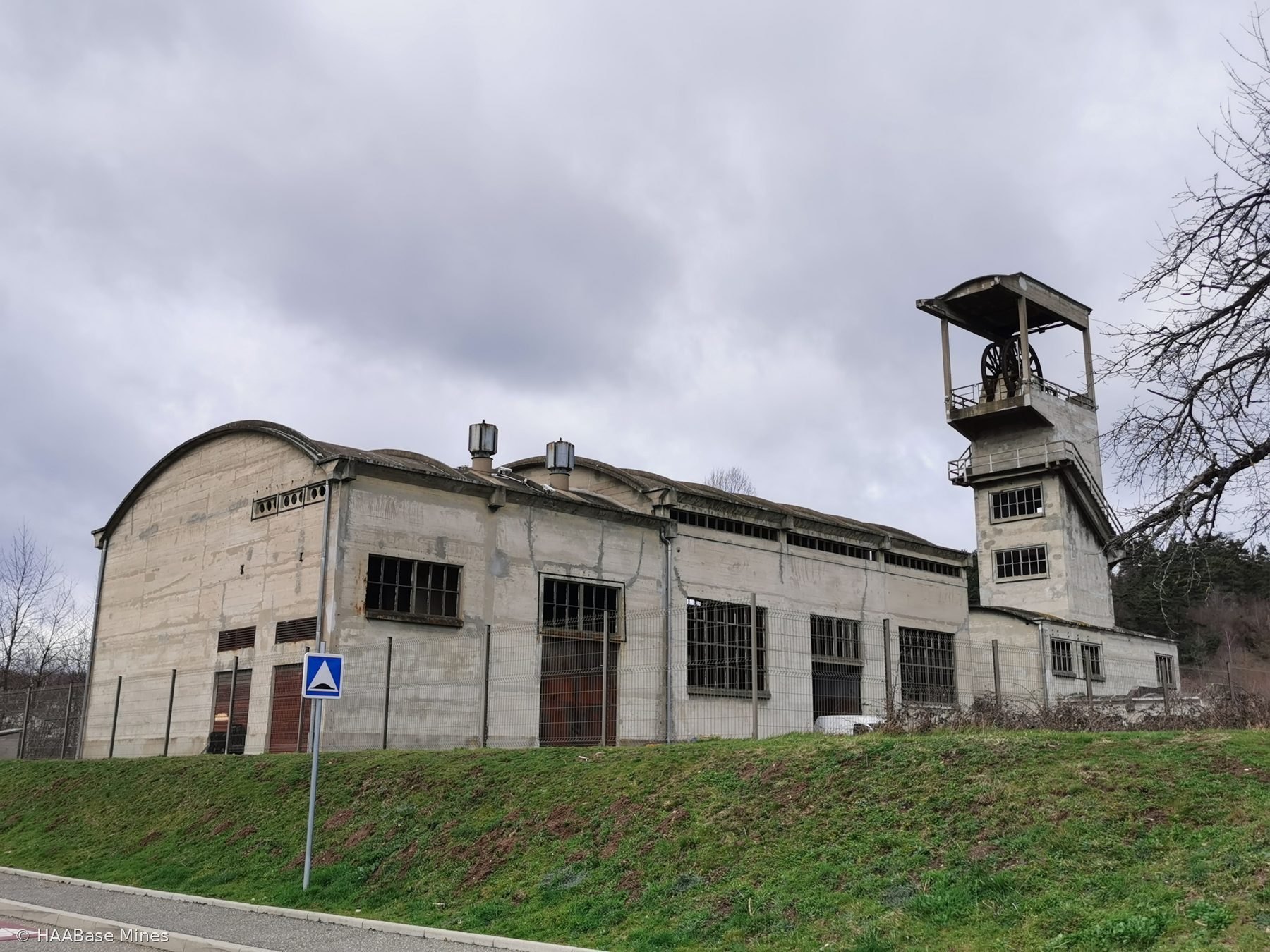
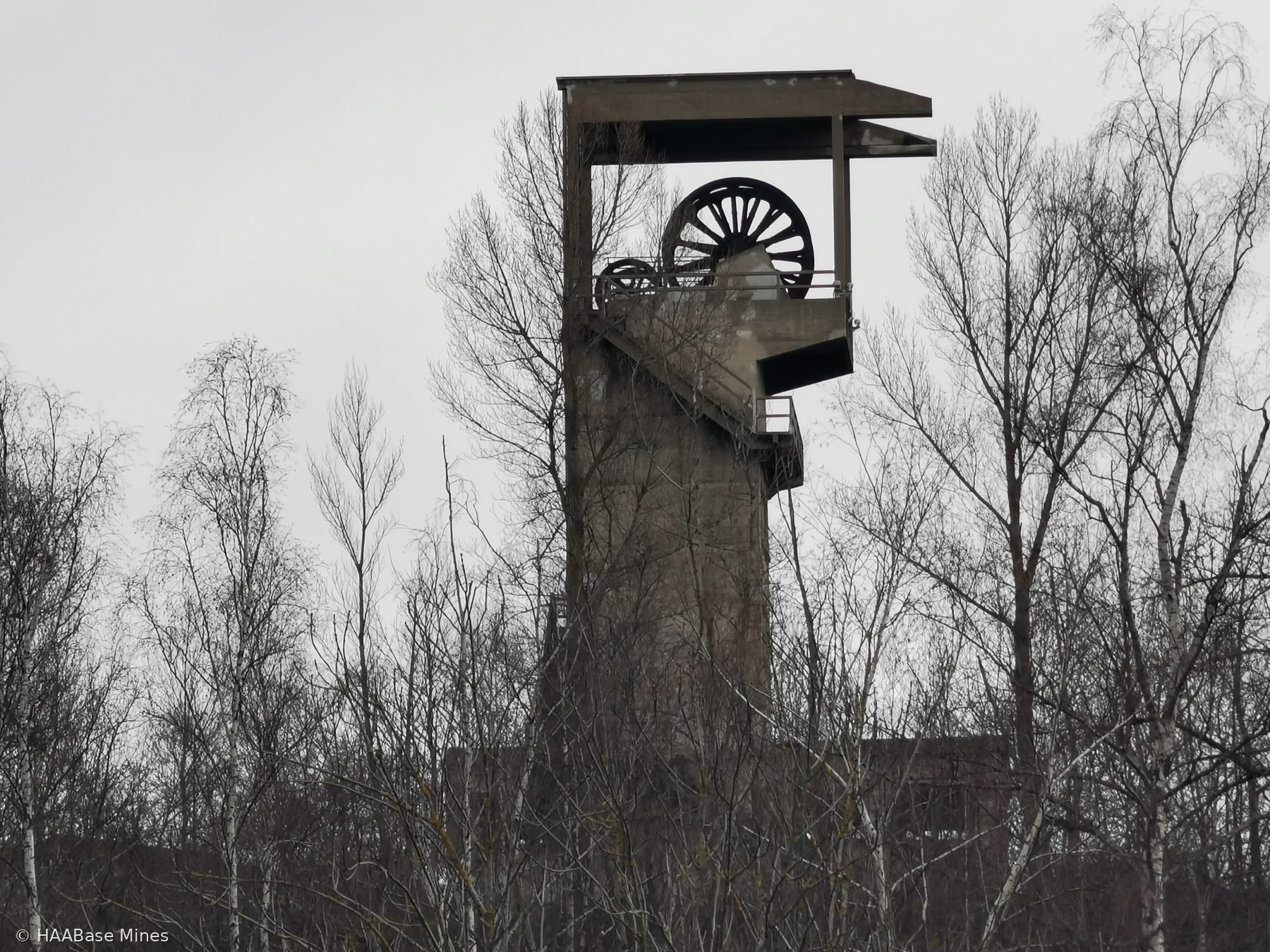
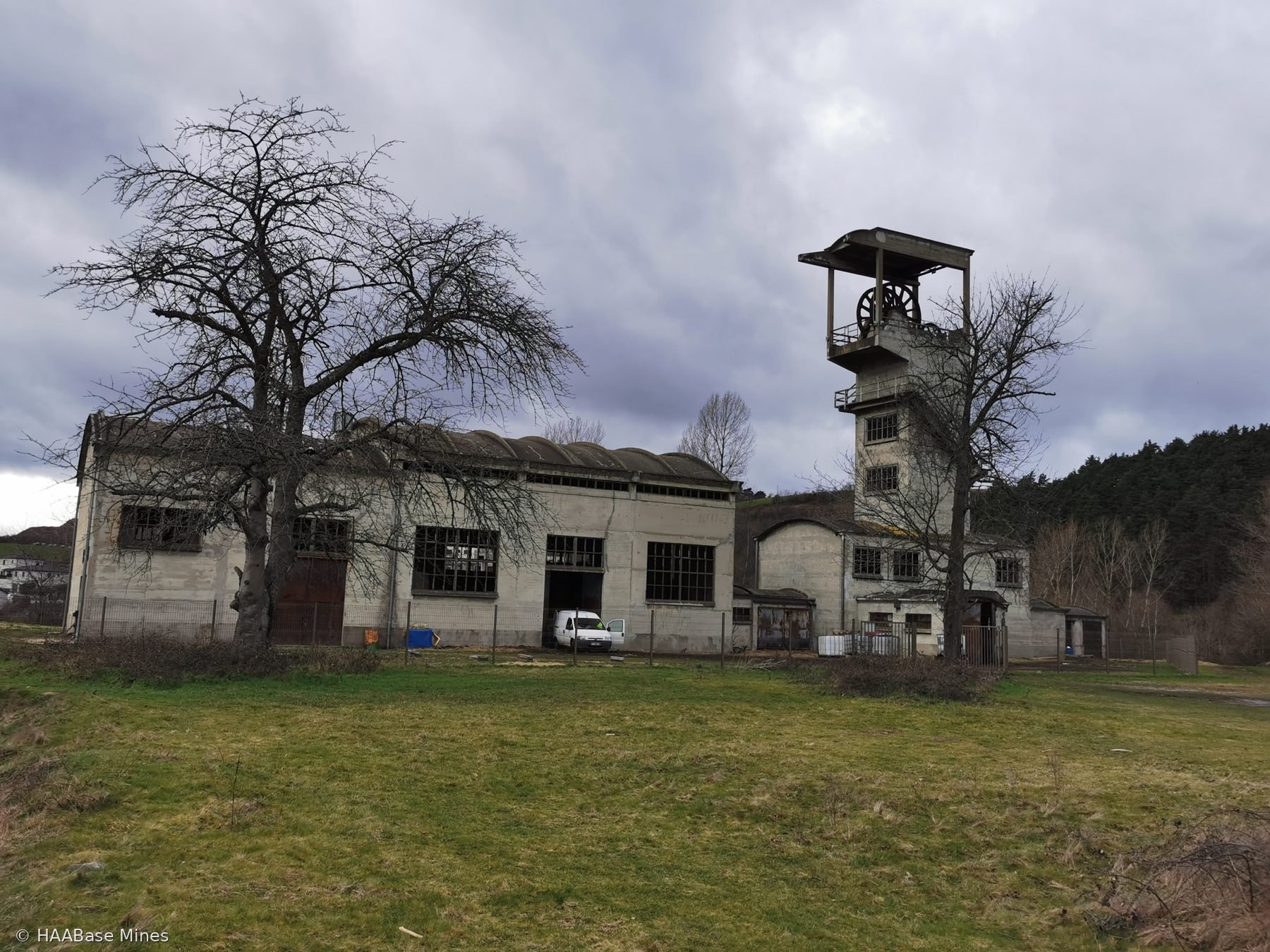
The puits des Combes was established from 1931 as a bure (underground connection), deepened to 469 metres in 1949, and equipped with its surviving concrete headframe of 29 metres, completed in 1950. Extraction here ceased in 1972 but the puits served for water management until final closure in 1983. The last active shaft of the Loire basin, the puits Pigeot at La Ricamarie, closed in 1983 and was dynamited in 1989, leaving no surface trace.

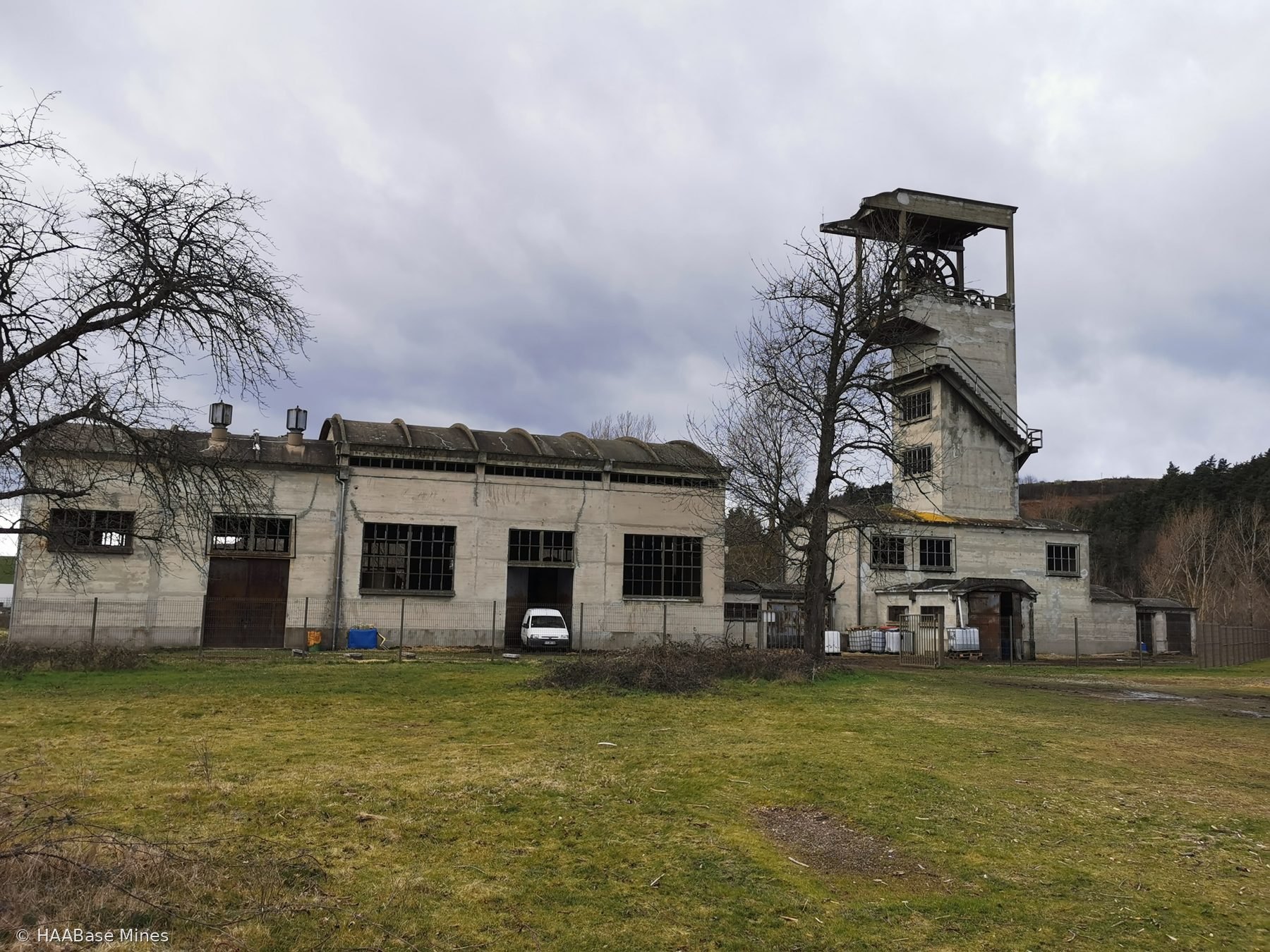
The puits des Combes headframe and buildings were purchased by the commune to prevent demolition and inscribed as a monument historique on 3 November 2003. The musée de la mine Michel-Rondet, established in 1980, occupies adjacent premises.

Set within the built-up valley floor at La Ricamarie, the surviving headframe and buildings form a compact historic group embedded in dense urban surroundings.

Map & photo

Puits des Combes mine headframe or winding tower site
Photograph taken: 19 February 2026
Map markers and directions links are provided for location reference only and do not indicate public access or permission to enter a site.

History

The bassin houiller de la Loire extends approximately 50 kilometres from Firminy to Rive-de-Gier, passing through La Ricamarie, Saint-Étienne, and Saint-Chamond. Documented extraction dates from around 1267, making it one of the oldest coalfields in France. Artisanal exploitation from surface outcrops developed from the medieval period and was formalised through successive concessions. In the first half of the nineteenth century the Loire basin was the premier coal producer in France, representing around 80 per cent of national output; 500,000 tonnes were extracted in 1824, 1 million in 1835, 2 million in 1854, and 3 million in 1864. In the 1860s the basin was definitively surpassed by the Nord-Pas-de-Calais. The period 1876 to 1890 was marked by catastrophic mine explosions: 186 dead at puits Jabin in 1876, 210 dead at puits Verpilleux in 1889, and 111 dead at puits Pélissier in 1890.

La Ricamarie occupies the Ondaine valley on the north flank of the bassin, to the south-west of Saint-Étienne. On 16 June 1869, troops escorting arrested strikers near the hameau du Brûlé fired on a crowd of miners' families attempting to block their passage, killing fourteen persons including a baby of seventeen months. Michel Rondet, who had played a central role in organising the strike, was arrested and sentenced to seven months imprisonment but later pardoned. Rondet subsequently became the founder of the first miners' unions and federations in France; a bronze statue of 2.10 metres, the work of sculptor Joseph Lamberton, stands on the place Michel Rondet before the mairie. The event and the 1869 strike more widely are thought to have provided material used by Émile Zola in Germinal. A monument of 3.60 metres with fourteen stars for the victims, the work of sculptor Victor Caniato, was inaugurated on 24 June 1989.

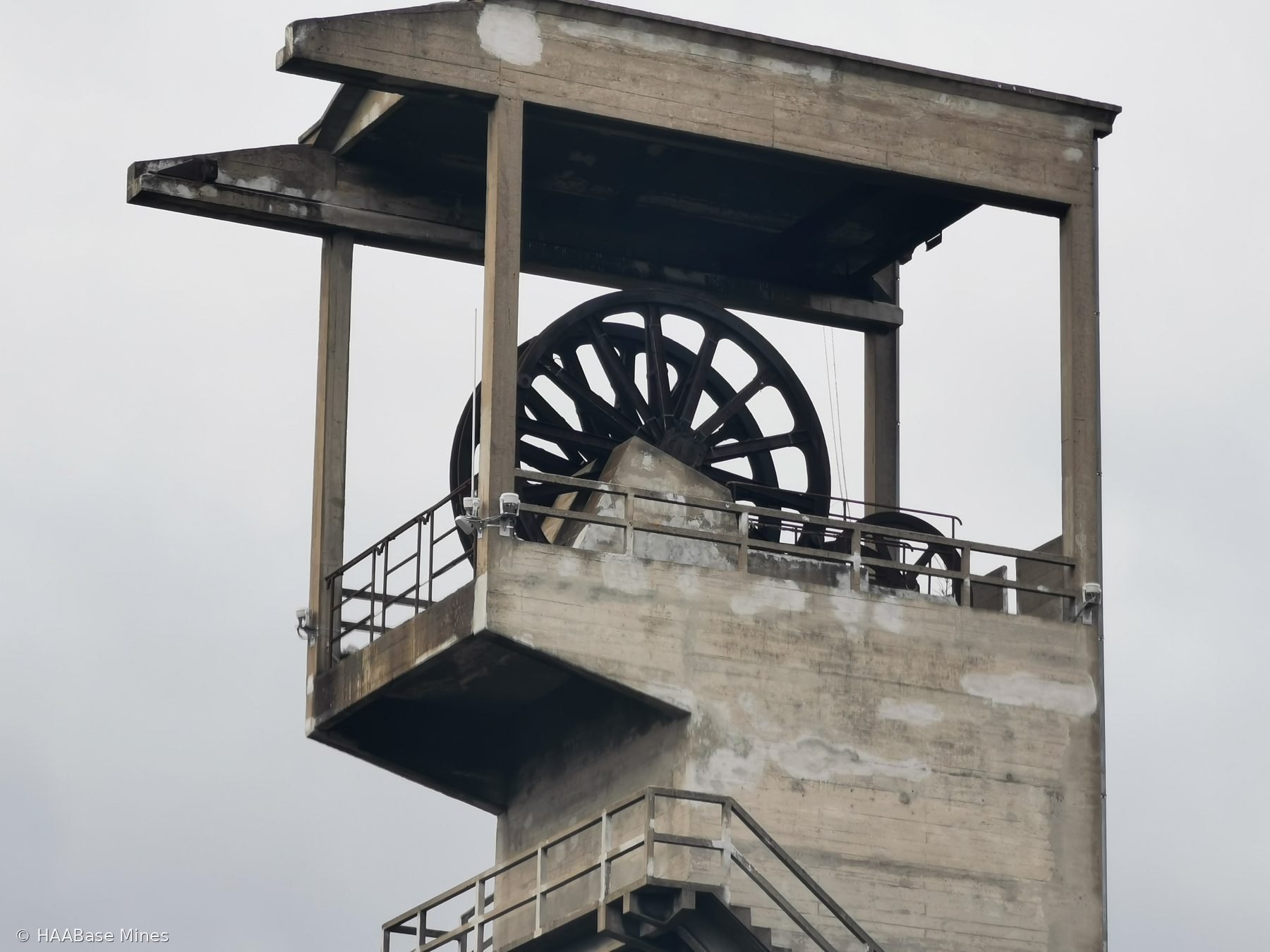
The Houillères de Montrambert et de la Béraudière constructed the cité des Combes in 1922 to house Polish immigrant workers from Poznań and Katowice with their families. The puits des Combes was established from 1931, initially as a bure — an underground passage linking galleries without a surface connection. It was deepened in 1949 to 469 metres and it was during this deepening and in the context of the Marshall Plan that the surviving concrete headframe and associated buildings were constructed. The chevalement was completed in 1950, reaching 29 metres in height; it belongs to the second generation of concrete headframes that became common in the Loire from the 1930s, a tradition associated with the engineering firms operating from Lyon that included engineers Limousin and Freyssinet. The machine d'extraction is at ground level; the chevalement has no poussards, its stability being provided by the mass of the lower building. In 1960 the puits des Combes was extracting 1,200 tonnes of coal per day. The ore fell onto a trémie then onto a conveyor belt that followed the hillside to the lavoir at the puits Pigeot, where washing and lamp facilities were located.

The law of 17 May 1946 nationalised all French collieries. A decree of June 1946 created the Houillères du Bassin de la Loire (HBL). Reorganisation from 1950 concentrated extraction in the western basin; the eastern basin closed entirely. A peak workforce of 22,000 was recorded in 1946 and 1948. Production stood at 4 million tonnes in 1946, falling to 3 million in 1960, 1.5 million in 1970, less than 500,000 in 1975, and 150,000 in 1980. The workforce fell to 730 by 1979.

The puits des Combes became a puits d'exhaure in 1972, with pumps maintaining the water level at -60 metres and directing water via a conduit to the sea through the Galerie de la Mer. It remained in this function as a dependency of puits Pigeot until final closure. The puits Pigeot at La Ricamarie, sunk from 1932 and the last extraction shaft in the Loire basin, closed on 27 December 1983. About 170 miners were working in the final months. Anticipating closure, the municipality of La Ricamarie purchased the puits des Combes to prevent the demolition by the Houillères that was planned. The puits Pigeot tower was dynamited on 10 February 1989 and no surface traces remain. The musée de la mine Michel-Rondet, named after the miners' union founder, was established in 1980 by the section locale des mineurs CGT, and is located on the place des écoles du Centre, adjacent to the mairie. Its collection comprises tools, instruments, miner and surveyor equipment, minerals, fossils, documents, and photographs, including reconstructions of gallery techniques and scale models of puits des Combes and puits Pigeot. The puits des Combes headframe and surface buildings were inscribed to the Inventaire supplémentaire des Monuments Historiques by arrêté of 3 November 2003.
Timeline

1267–1800
Operation

Medieval and early modern coal extraction in the Loire basin

Documented extraction in the Loire basin dates from around 1267. The basin developed through successive concessions from the medieval period. By the early nineteenth century it was the premier coal producer in France.
1869
Operation

Fusillade du Brûlé: 14 strikers killed

On 16 June 1869 troops escorting arrested strikers near the hameau du Brûlé at La Ricamarie fired on a crowd, killing fourteen persons including a baby of seventeen months. The event contributed to the emergence of organised labour under Michel Rondet, founder of the first French miners' unions.
1922
Construction

Cité des Combes constructed for Polish workers

The Houillères de Montrambert et de la Béraudière constructed the cité des Combes in 1922 to house Polish immigrant workers from Poznań and Katowice with their families.
1931–1950
Construction

Puits des Combes established and concrete headframe completed

The puits des Combes was established from 1931 as a bure. It was deepened to 469 metres in 1949 using Marshall Plan funding. The concrete headframe of 29 metres, belonging to the second generation of Loire concrete headframes, was completed in 1950.
1932
Construction

Puits Pigeot sinking begins

The sinking of the puits Pigeot, the last new shaft to be sunk in the Loire basin, began in 1932 at La Ricamarie. It was to become the final active extraction shaft of the entire bassin houiller de la Loire.
1946
Legislation

Nationalisation: Houillères du Bassin de la Loire created

The law of 17 May 1946 nationalised all French collieries. A decree of June 1946 created the Houillères du Bassin de la Loire (HBL). The peak workforce of 22,000 miners was reached around 1946 to 1948. Annual production stood at 4 million tonnes.
1960
Operation

Puits des Combes extracts 1,200 tonnes per day

In 1960 the puits des Combes was extracting 1,200 tonnes of coal per day, with the ore transported by conveyor belt to the lavoir at puits Pigeot.
1972
Closure

Puits des Combes ceases extraction; becomes puits d'exhaure

In 1972 the puits des Combes ceased coal extraction and became a puits d'exhaure, with pumps maintaining the water level at -60 metres to protect the workings of puits Pigeot.
1980
Heritage

Musée de la mine Michel-Rondet established

The musée de la mine Michel-Rondet was established in 1980 at the initiative of the local section of the miners' CGT, and is located on the place des écoles du Centre adjacent to the mairie. It holds tools, equipment, minerals, fossils, archives, and reconstructions of gallery techniques.
1983
Closure

Final closure of puits Pigeot: end of Loire coal mining

The last active shaft of the bassin houiller de la Loire, puits Pigeot at La Ricamarie, closed on 27 December 1983 when the last miners descended. Approximately 170 workers were employed in the final months. Total extraction from the Loire basin over its history amounted to approximately 500 million tonnes.
1989
Closure

Puits Pigeot tower dynamited

The extraction tower of puits Pigeot was dynamited on 10 February 1989, leaving no remaining surface traces of the shaft.
1989
Heritage

Monument des Étoiles inaugurated at the Brûlé site

A sculpture of 3.60 metres with fourteen stars symbolising the victims of the 1869 fusillade, the work of sculptor Victor Caniato, was inaugurated on 24 June 1989 at the junction of the roads de Caintin and du Puits des Combes.
2003
Heritage

Puits des Combes inscribed as monument historique

The chevalement and surface buildings of the puits des Combes were inscribed to the Inventaire supplémentaire des Monuments Historiques by arrêté of 3 November 2003, at the request of the municipality.

Sources and records

Wikipedia article (French): Bassin houiller de la Loire
Wikipedia article (French): Puits Pigeot
Wikipedia article (French): Fusillade du Brûlé
Inventaire Général du Patrimoine Culturel (Région Rhône-Alpes) — Mine de la Ricamarie dit puits des Combes, dossier IA42001268
POP Ministère de la Culture — Puits des Combes, PA42000018
Monumentum heritage record PA42000018 — puits des Combes, La Ricamarie
Patrimoine-minier.fr — Loire basin survey
Exxplore.fr — houillères de la Loire detailed shaft records
France Bleu Loire — reportage on 40th anniversary of puits Pigeot closure, December 2023
Planet-Terre (ENS Lyon) — article on puits Couriot museum and puits Pigeot
Ville de La Ricamarie — patrimoine de la ville
Archives départementales de la Loire — Les sources de l'histoire minière (journals.openedition.org)
This researched site record is part of the HAABase Mines database. Normal personal research and browsing is welcome. Automated bulk extraction, republication, or harvesting of site text and images is not permitted without written consent.