History
The Carmaux coalfield has a documented history extending to the twelfth century, when peasant farmers in the area around Carmaux and Blaye extracted coal from surface outcrops for fuel. Exploitation remained small-scale and intermittent until 1752, when Gabriel de Solages, later known as the Chevalier de Solages, received a royal concession from the Conseil du Roi on 2 May 1752 to extract and sell coal within a radius of one league around his château at Blaye. This concession, initially granted for twenty years, was extended on two further occasions.
De Solages developed the enterprise with energy, opening new workings and attracting Flemish miners alongside local labour. He also established a glass bottle factory in 1754, fuelled by the coal, which became the principal consumer of the basin's output. By the late eighteenth century around a hundred workers were extracting approximately 11,000 tonnes of coal per year.
Production survived the Revolutionary period, though the enterprise was placed under sequestration in 1793. The mining law of 1810, which made concessions perpetual and freely transferable, provided a new legal foundation for investment. François-Gabriel de Solages established the Entreprise des Mines et de la Verrerie de Carmaux under his own name.
A further restructuring in 1856 brought the Compagnie des Houillères et Chemin de fer de Carmaux à Toulouse into ownership, and from 1866 until nationalisation the Société des Mines de Carmaux directed operations. The arrival of the railway linking Carmaux to Albi in 1856–1857 transformed the basin's commercial reach. By 1900 around 3,500 miners were employed and production stood at approximately 500,000 tonnes per year.
During the First World War the basin played a critical role supplying coal after northern French fields were cut off; production rose from 583,000 tonnes in 1914 to 850,000 tonnes in 1919. A production record of 1,062,000 tonnes was reached in 1940. The mines were requisitioned in 1944 and nationalised in 1946, passing into the Houillères du Bassin d'Aquitaine and then in 1969 into the Houillères du Bassin du Centre et du Midi.
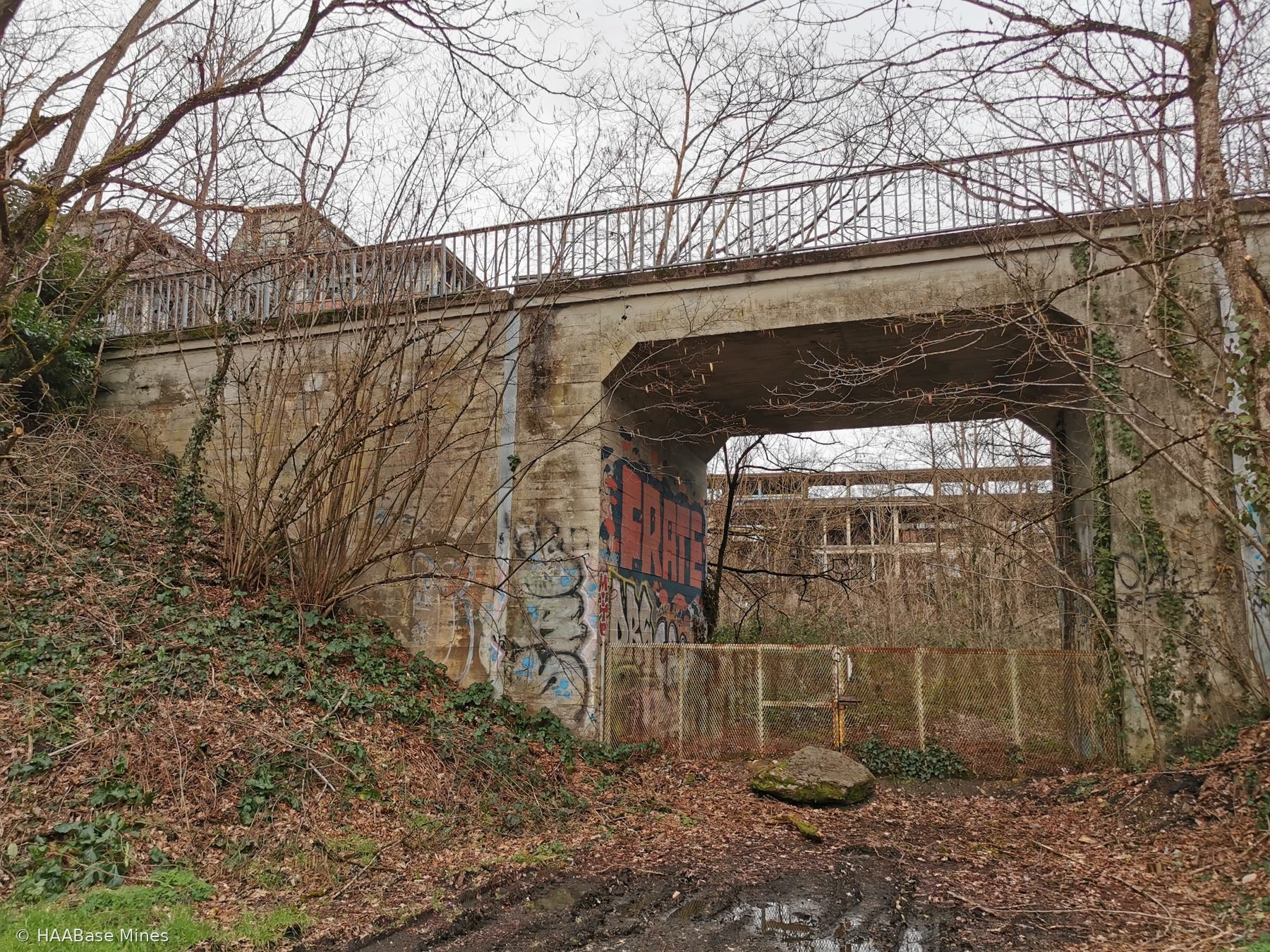
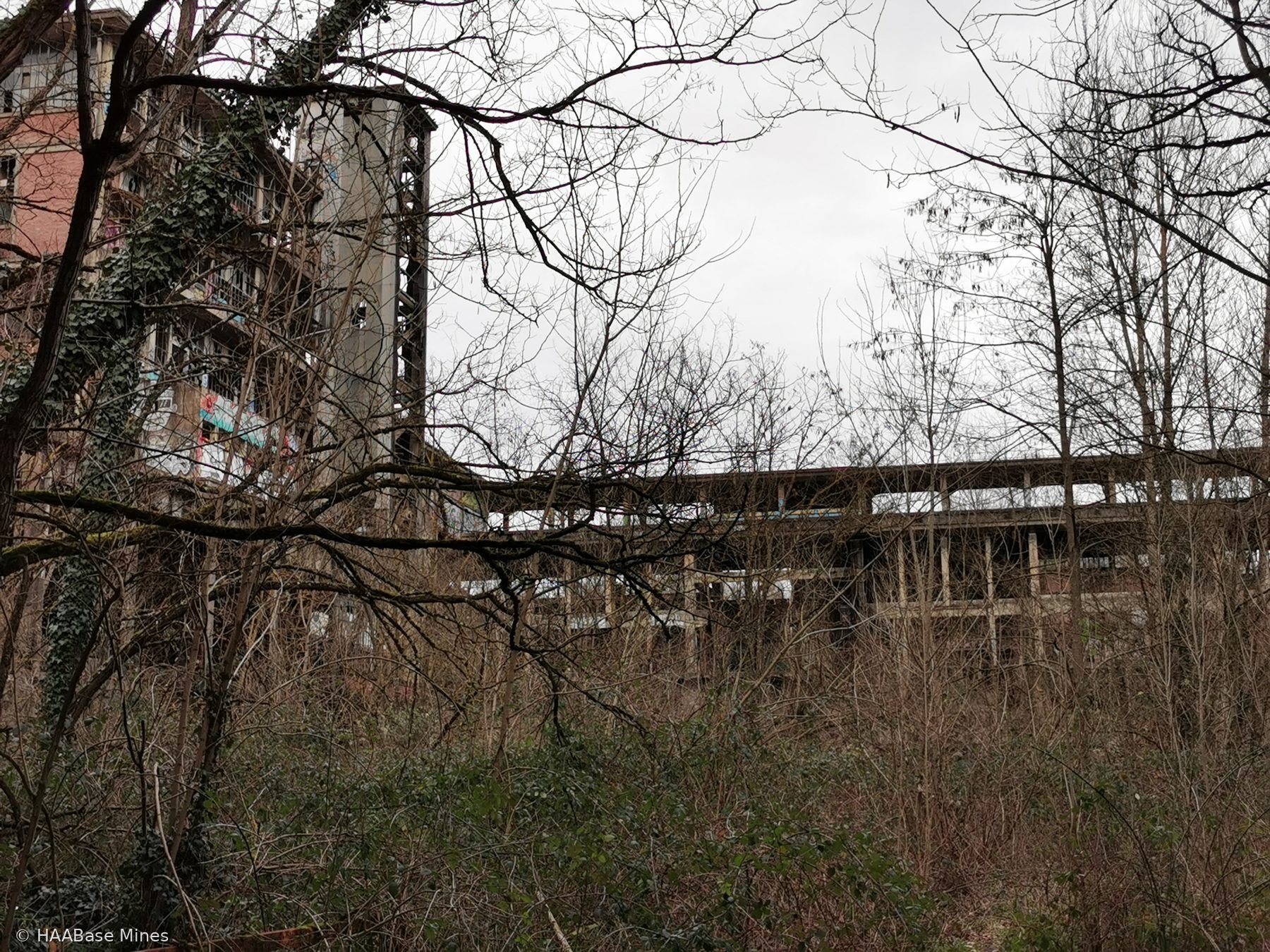
The Lavoir à Charbon at Blaye-les-Mines was commissioned in 1928 and opened in 1932. The structure of seven storeys and two basement levels was built in reinforced concrete with metal beams. Coal from across the basin was delivered via two inclined drifts approximately 800 metres in length, an arrangement described as practically unique.
The lavoir separated coal from rock gangue through a dense medium process using a mixture of water and magnetite, while fines were treated in jig tanks. Coal output was loaded into silos and dispatched by rail. The installation was enlarged and modernised during the 1950s, when new underground galleries were constructed to connect the principal shafts of the basin directly to the lavoir.
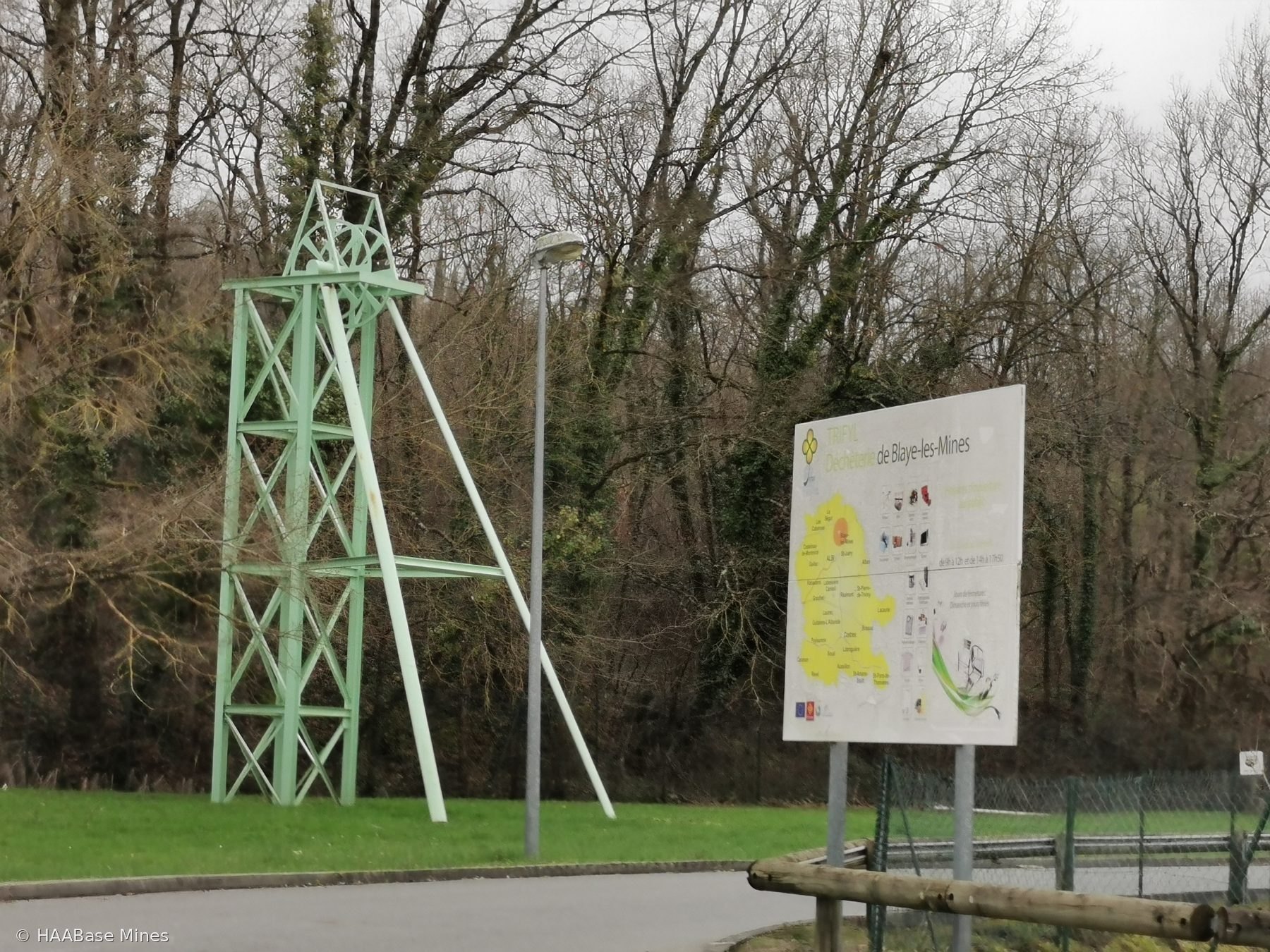
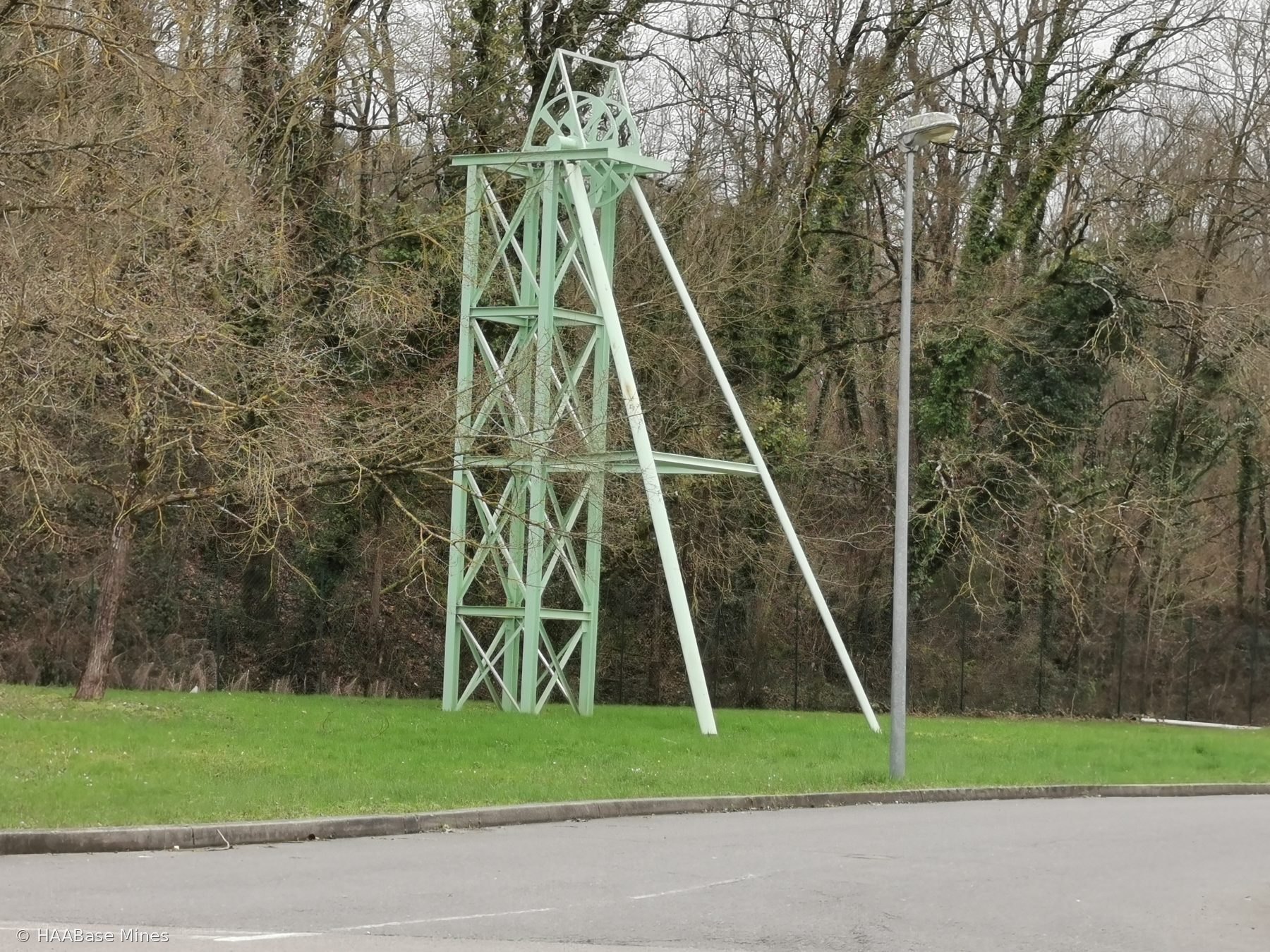
The deep shafts of the underground mines began closing progressively from the late 1950s onward as competition from imported coal and new energy sources reduced the commercial viability of the basin. The state launched a major investment programme in the 1980s to create the Découverte Sainte-Marie, a large open-cast mine on a 600-hectare site at Blaye-les-Mines, which began extraction in 1985. This was one of the largest open-cast coal operations in Europe, with an eventual depth of around 220 metres and a diameter of 1.2 kilometres.
The open-cast operation closed definitively on 30 June 1997, ending coal extraction in the Tarn after seven centuries. The lavoir was sold on the same date but was never brought back into use. The Découverte Sainte-Marie site was subsequently redeveloped as the Cap'Découverte leisure and sports park, which opened in 2003.
The lavoir building at Blaye-les-Mines remained vacant and unsecured. Two fires broke out in the structure, the first in 2008 and the second in 2010, causing significant deterioration to the fabric. The building stands today as a derelict industrial shell, its machinery having been entirely removed, and is considered one of the very few coal washeries of this type still standing in France.