Fact-checked record

This record has completed the HAABase Mines source-by-source fact-checking process.

Show fact-check assessment and classification

The history, timeline and surviving-site classification shown here reflect the reviewed account.

Assessment

The finished account establishes the identity and chronology of Clipstone Colliery and distinguishes the historical mine from the surviving 1953 listed complex. Its principal evidence is Historic England list entry 1380235, supported by the Derbyshire Record Office authority record, Nottinghamshire specialist local history, an official district-council planning report and current site information. The precise individual heights of the two headstocks and some detailed production, company-index and railway figures remain insufficiently verified and have therefore been omitted or expressed more cautiously.

The approved surviving-site classification is an original repurposed site with twin headframes and associated buildings, including the powerhouse, heapstead structures, sealed shafts and retained machinery. The revised history and timeline are suitable for publication with these qualifications.

Surviving-site classification

The surviving site is more substantial than a pair of isolated headframes. Historic England identifies a structurally complete listed complex comprising twin headstocks, powerhouse and heapstead structures with much of the original winding and shaft-head equipment remaining in situ. The wider colliery has largely been demolished and remediated, but the original surviving complex is now actively reused.

Published 4 August 2026 · Overall confidence 94/100 · Classification confidence High
Sources added or confirmed during the review are included in Sources and records where available.

Site overview

Clipstone Colliery at Clipstone in Nottinghamshire was developed from 1912 by the Bolsover Colliery Company after land was leased from the Duke of Portland. Shaft sinking was interrupted by the First World War, development resumed in 1919, and the colliery was operational by 1922, initially working the Top Hard seam. Following nationalisation in 1947, the shafts were deepened to reach the Low Main seam.

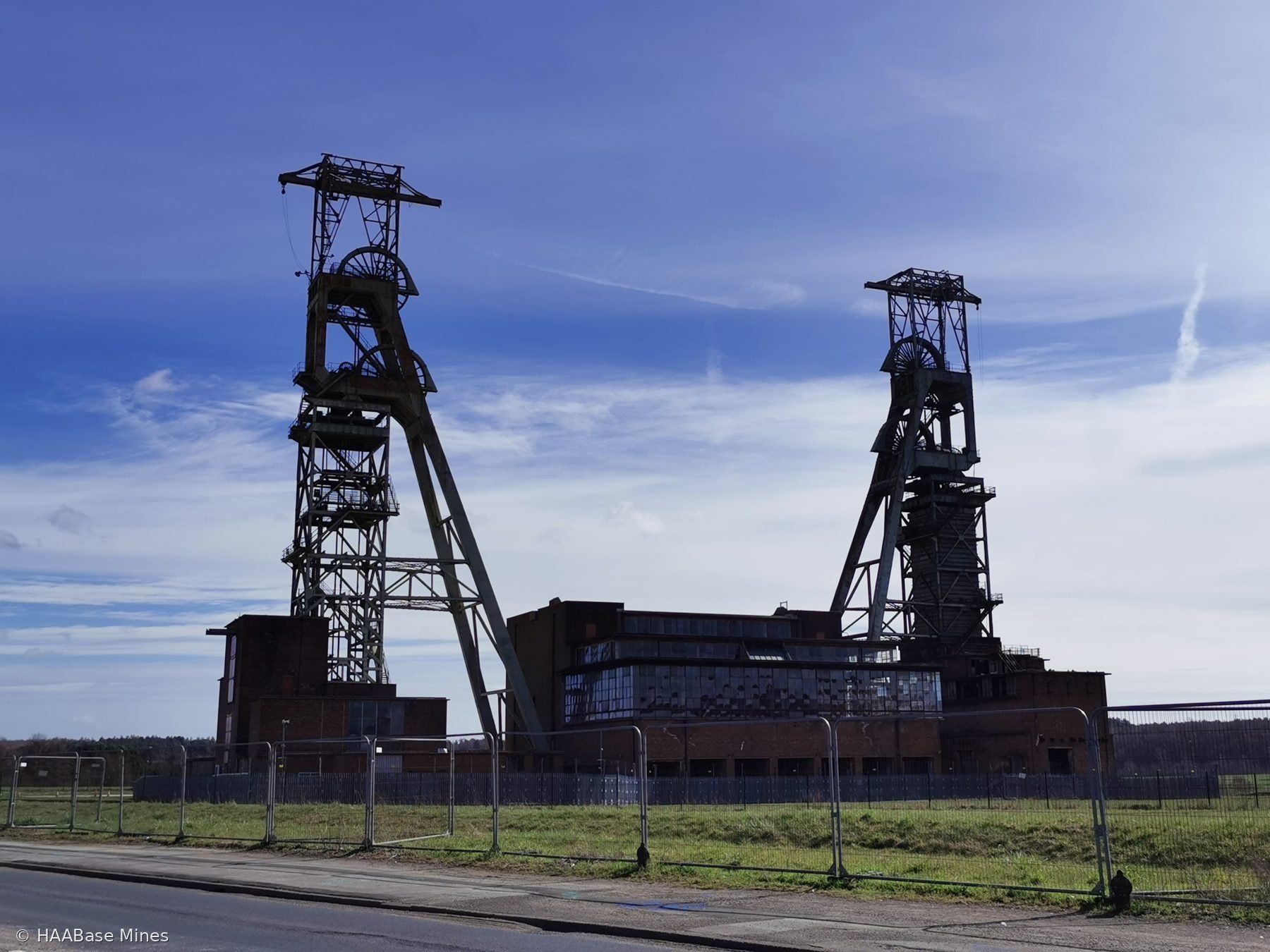
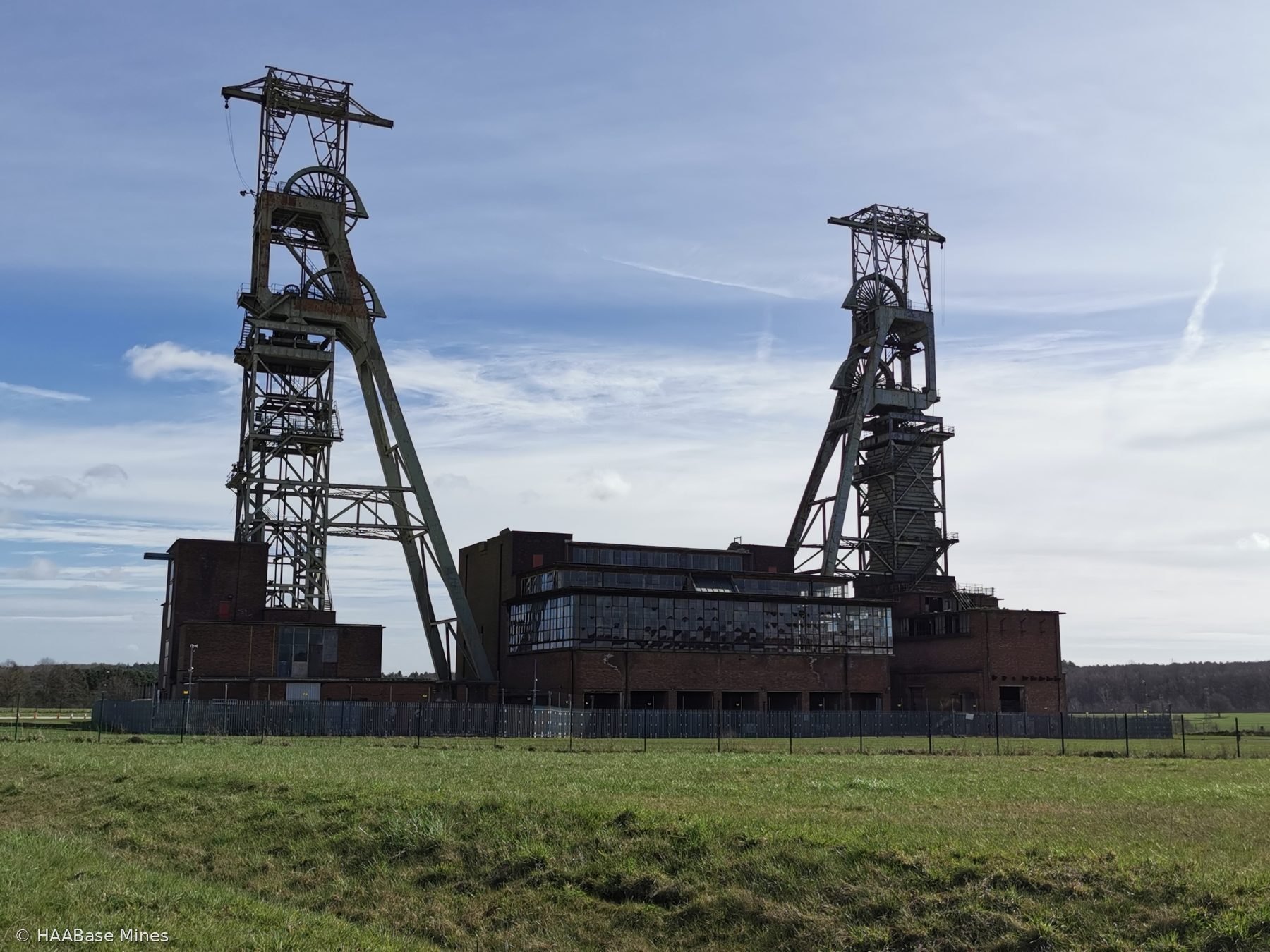
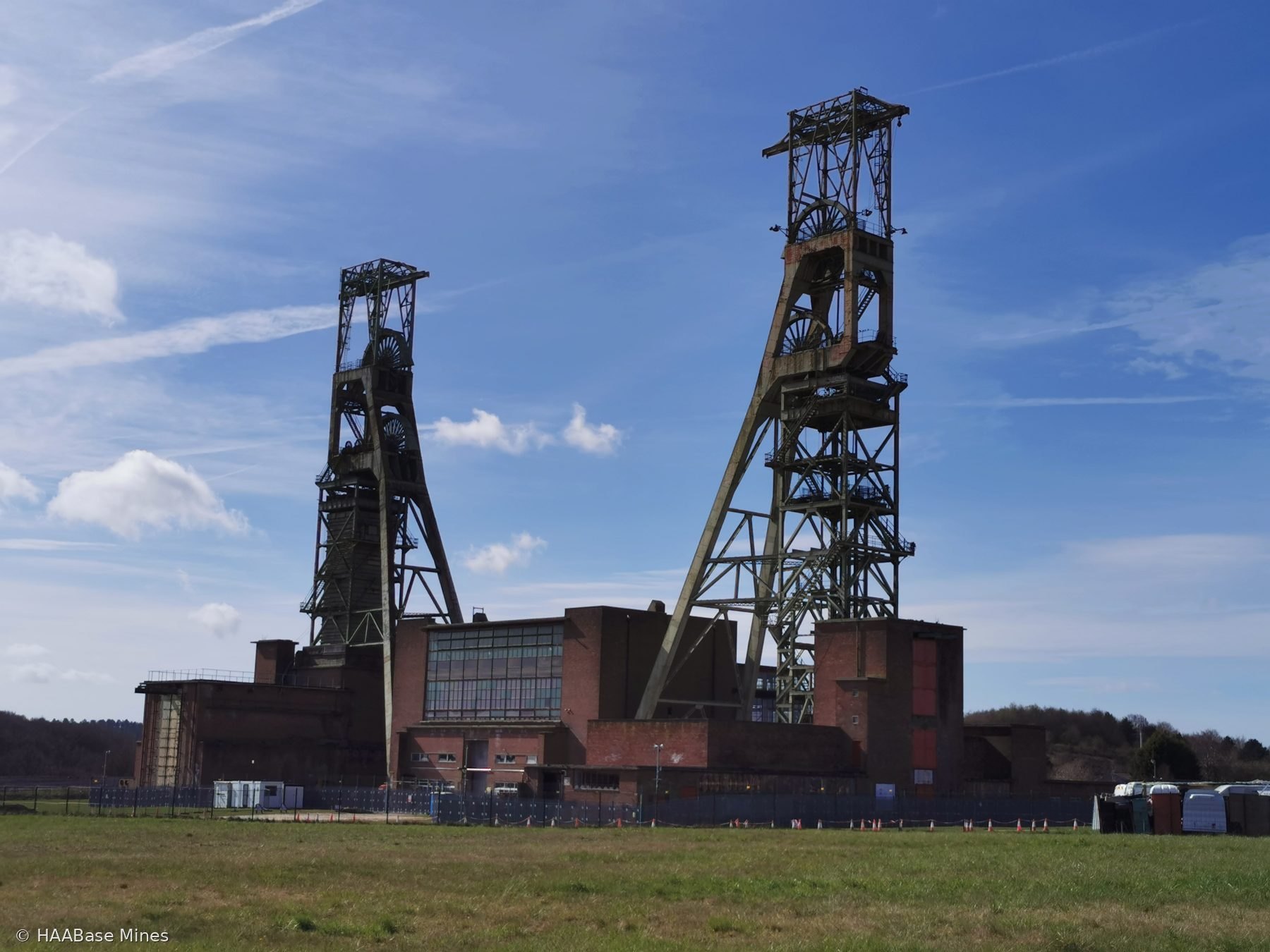
Two new steel headstocks linked by a central Modernist powerhouse were completed in 1953 to designs by Young and Purves of Manchester. The powerhouse contains Koepe friction-winding engines made by Markham and Company of Chesterfield, while the headstocks were constructed by Head Wrightson Colliery Engineering. British Coal mothballed the mine in 1993; it reopened under RJB Mining in April 1994 and closed finally in April 2003.

The headstocks and powerhouse were listed at Grade II on 19 April 2000. Most of the wider colliery surface complex was subsequently demolished and the site largely remediated, but the listed headstocks, powerhouse, heapstead buildings, shaft-head equipment and substantial machinery survive. The complex is now partly reused as a museum, education and events venue.

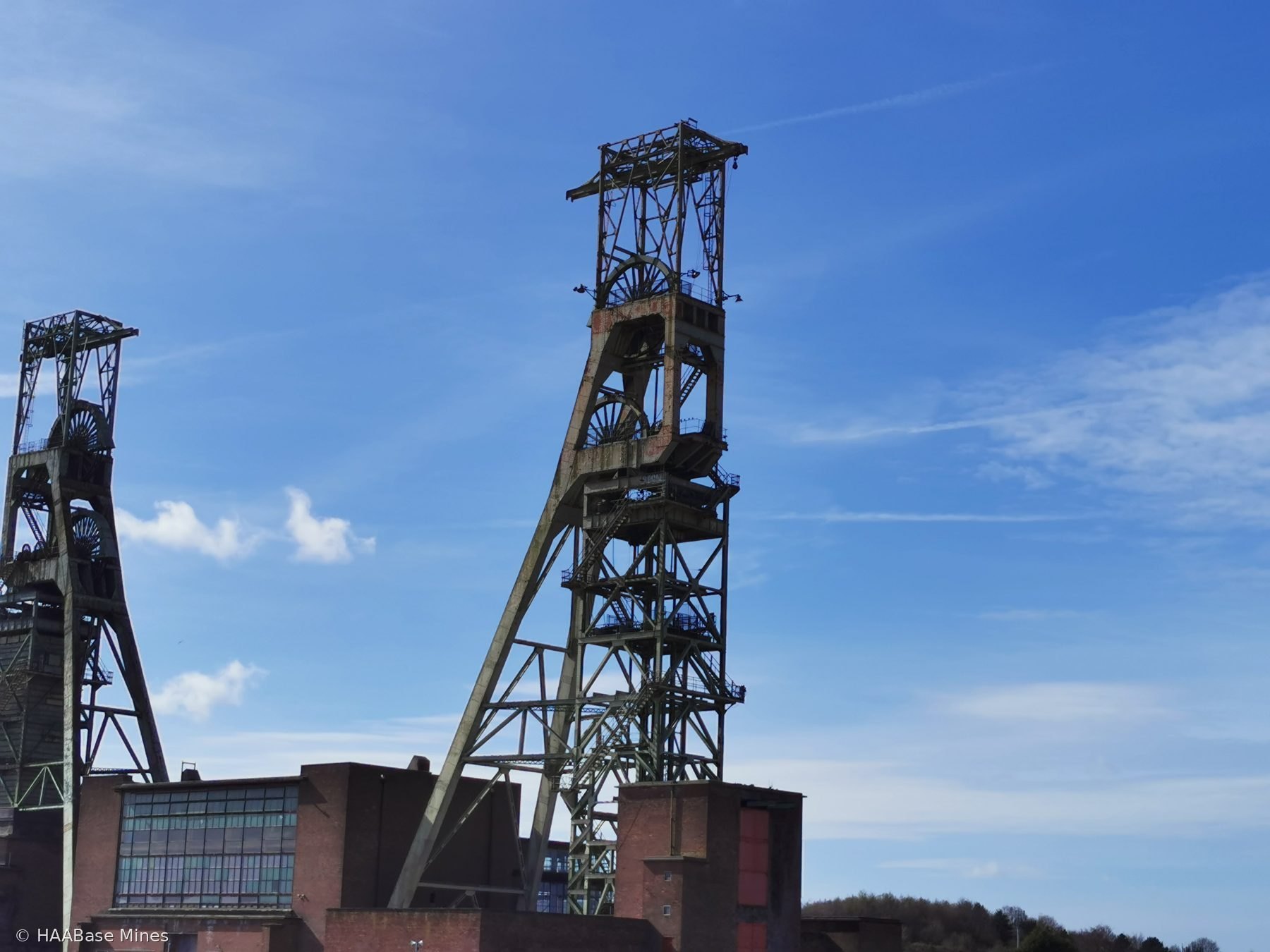
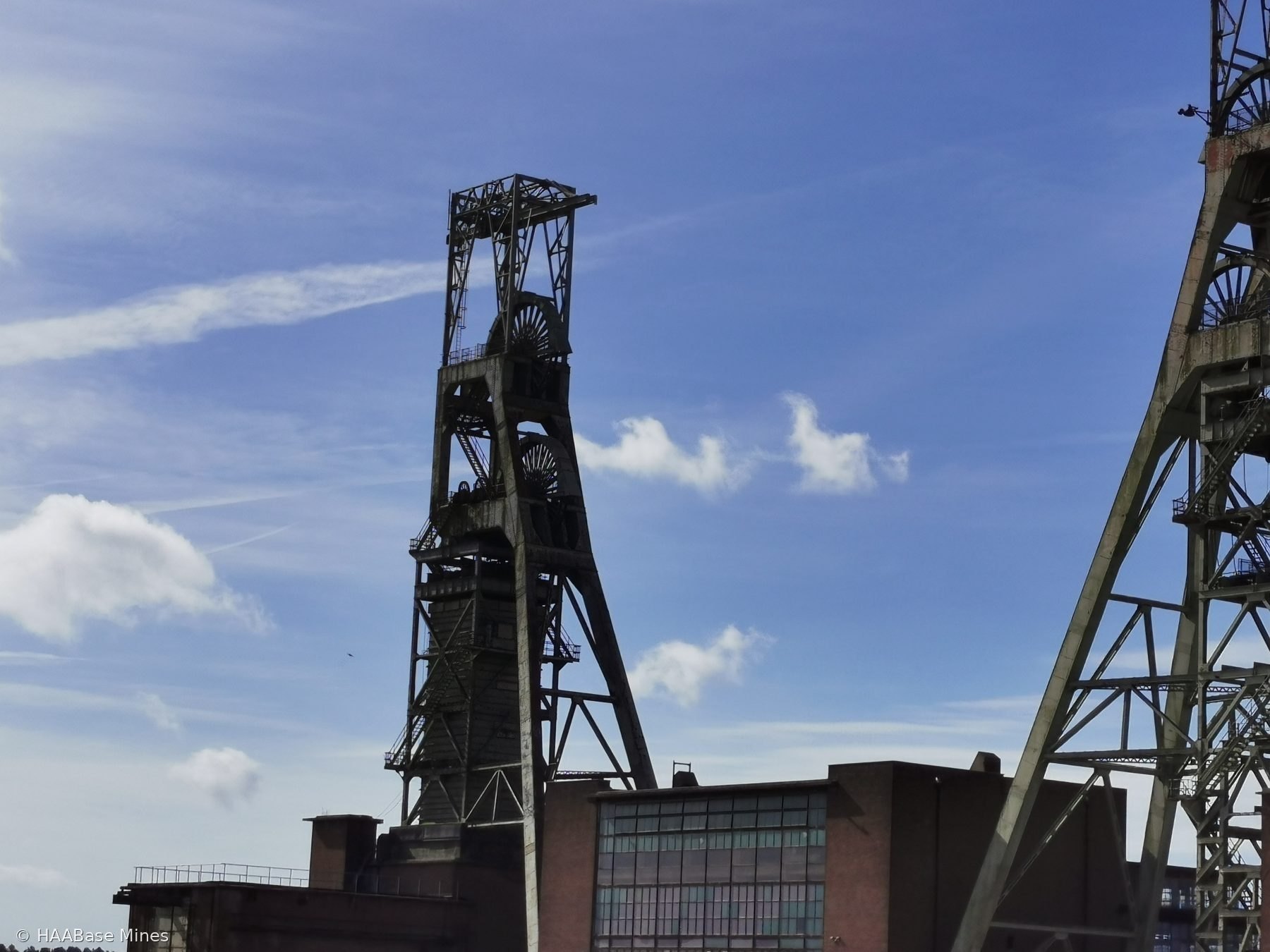
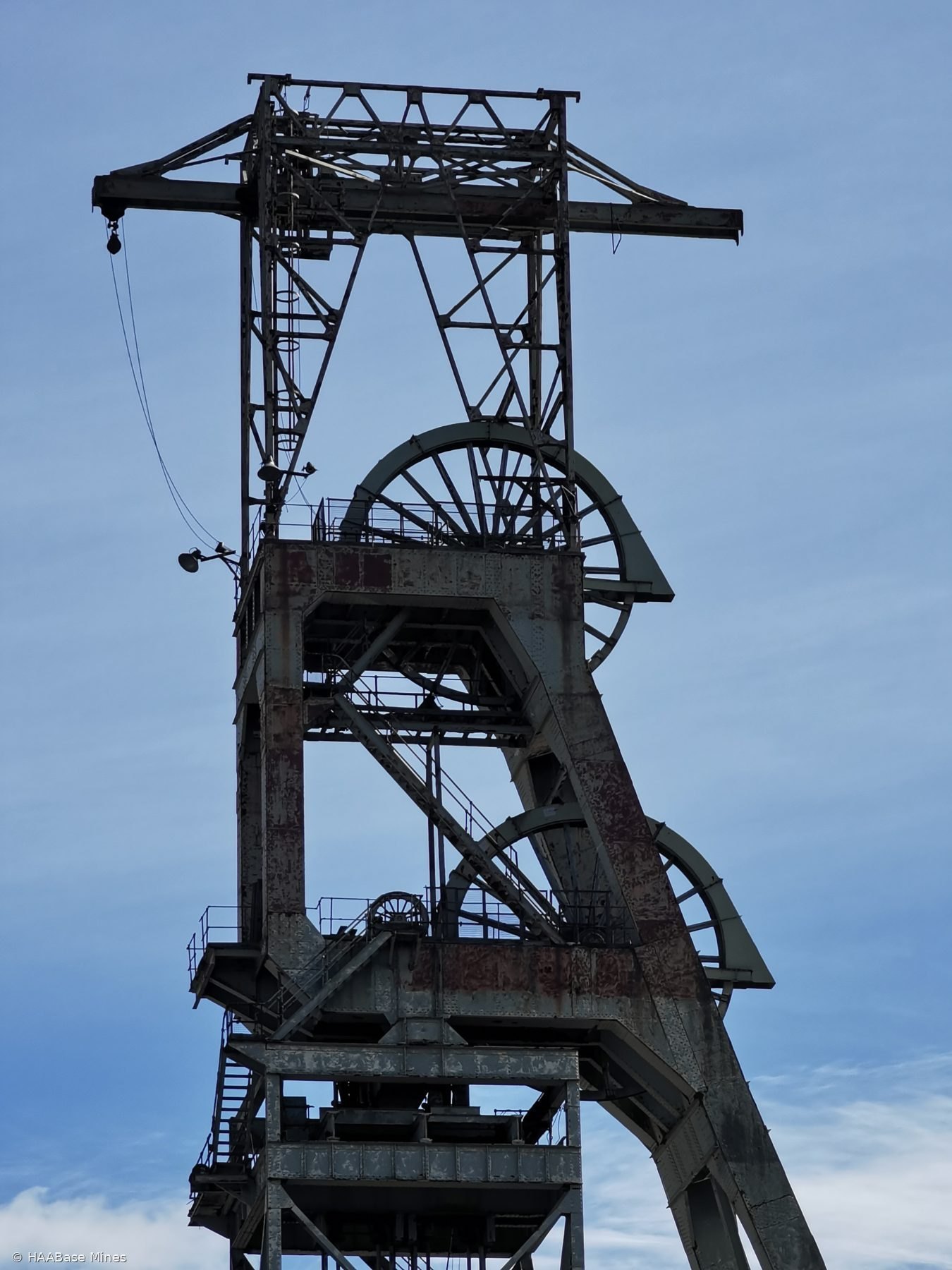
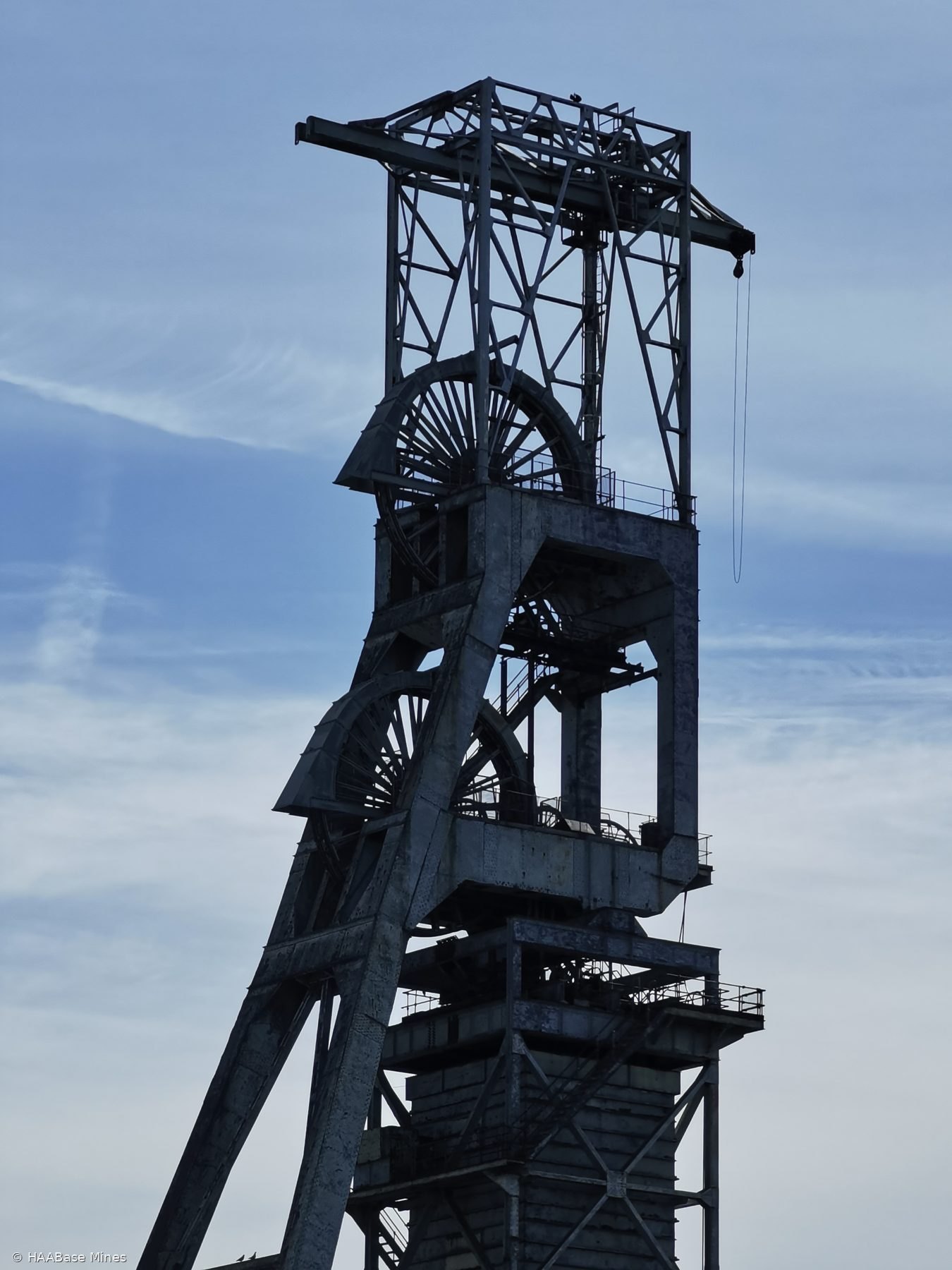
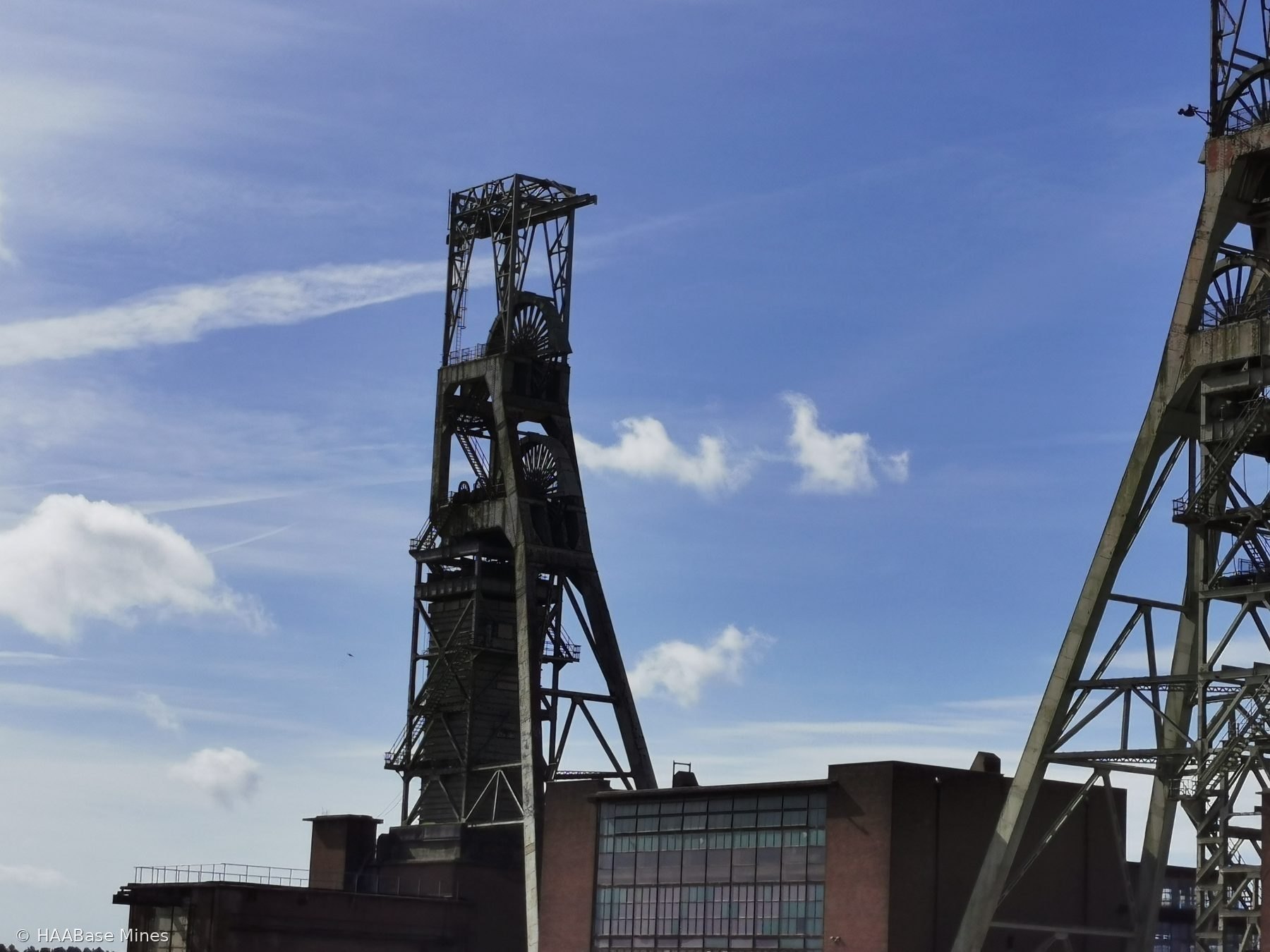
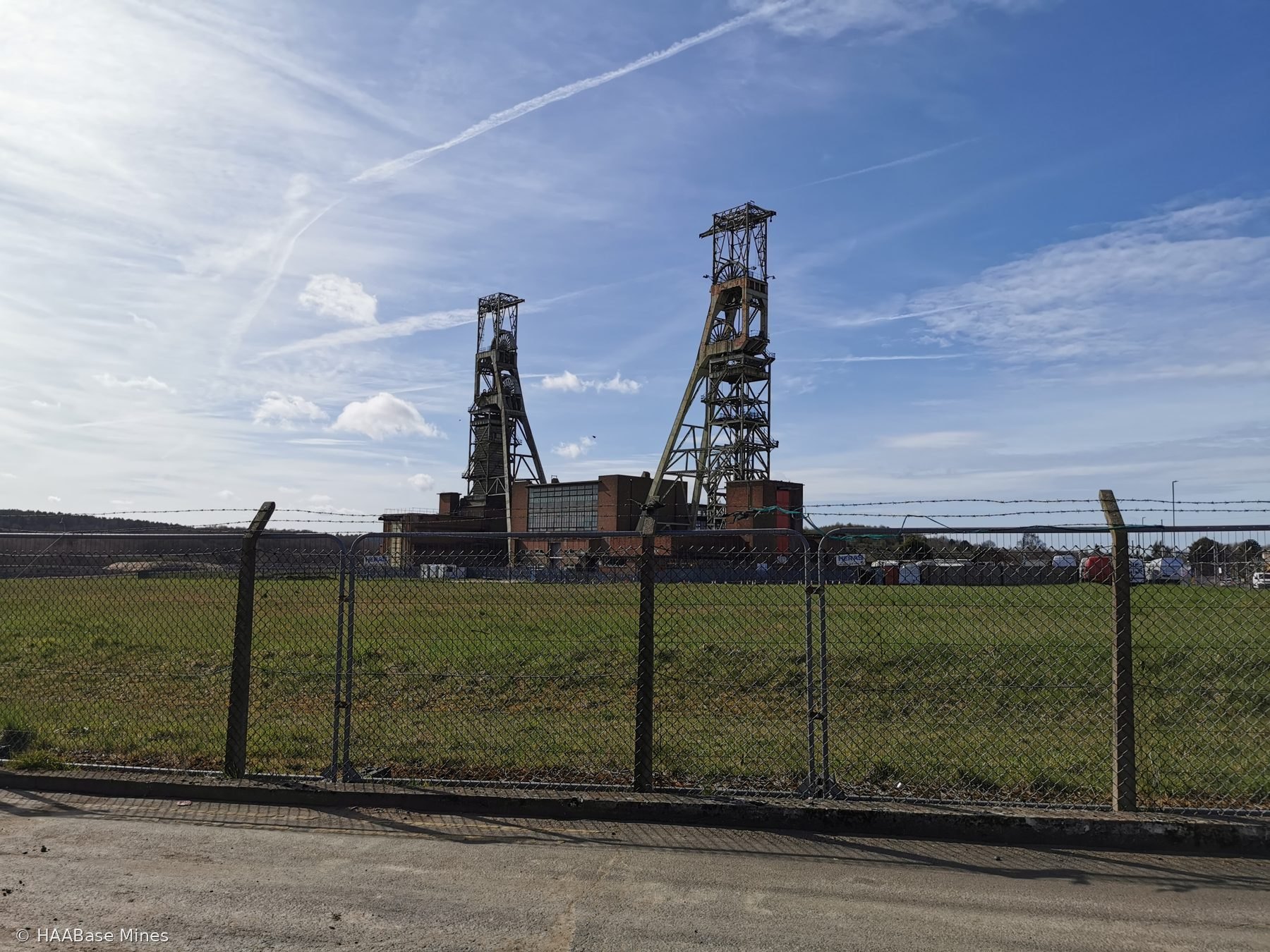
The surviving headstocks and powerhouse stand on the edge of Clipstone within a cleared former pit site, where they read as stark and visually prominent remnants in a fragmented post-industrial landscape.

Map & photo

Clipstone Colliery mine headframe or winding tower site
Photograph taken: 29 March 2025
Map markers and directions links are provided for location reference only and do not indicate public access or permission to enter a site.

History

Clipstone Colliery formed part of the Dukeries area of the Nottinghamshire coalfield. The Bolsover Colliery Company began developing the site in 1912 after leasing land from the Duke of Portland. Test boring had identified the Top Hard seam at about 585 metres below the site. Work was interrupted by the First World War, but development resumed in 1919 and by 1922 two shafts, each about 6.4 metres in diameter, had been completed. The colliery was operational by that year and initially worked the Top Hard seam.

Clipstone became a major producer. By the 1940s it was delivering about 4,000 tons of coal per day. On nationalisation in 1947 the colliery passed to the National Coal Board, which undertook a major programme of reconstruction to reach deeper reserves. The shafts were deepened to more than 1,000 yards to reach the Low Main seam, almost 800 feet below the Top Hard.

The most visible result of this investment was the present winding complex, completed in 1953. Young and Purves of Manchester designed two steel lattice headstocks linked by a central brick-and-glass powerhouse. Head Wrightson Colliery Engineering constructed the headstocks, and Markham and Company of Chesterfield manufactured the Koepe friction-winding engines. Each headstock carries twin 7.3-metre-diameter sheaves in an under-and-over arrangement. The northern No. 1 Service Shaft handled workers and materials, while the southern No. 2 Winding Shaft raised coal skips. When completed, the headstocks were described as the tallest structures of their type in Europe.

The complex is important not only for its scale but for the coordinated survival of its architecture and machinery. The Modernist powerhouse accommodated the winders, motor-generator sets, switchgear and control cabins, while the heapstead buildings enclosed the shaft heads and surface circuits. Historic England records that substantial original machinery and shaft-head equipment remain in situ. At its peak the colliery employed more than 1,300 people, and in 1986 it produced almost one million tons of coal.

British Coal mothballed Clipstone in 1993. RJB Mining reopened it under licence in April 1994 to work the Yard seam, reported at about 957 yards depth. During the reopened period nearly four million tonnes were reported to have been produced, but the remaining reserves were judged uneconomic because of their quality, sulphur content and the cost of access. Production ended finally in April 2003.

The headstocks and powerhouse had been listed at Grade II on 19 April 2000 while the mine was still operating. After closure, most of the wider surface complex and transport infrastructure was demolished and the former colliery site was largely cleared and remediated. The original 1953 headstocks, powerhouse, heapstead structures, sealed shaft heads and substantial machinery survived. Following years of uncertainty over demolition and reuse, the complex entered active use as Clipstone Headstocks, accommodating museum displays, educational visits, guided tours and events while remaining the dominant landmark of the former colliery landscape.
Timeline

Heritage

Regeneration group campaigns for retention and reuse

The Clipstone Colliery Regeneration Group campaigned for retention and reuse of the listed complex and received Heritage Lottery Fund and Historic England support to investigate future options.
Operation

Output reaches about 4,000 tons per day

By the 1940s Clipstone Colliery was delivering about 4,000 tons of coal per day and was regarded as one of Britain's most productive pits.
1889
Legislation

Bolsover Colliery Company established

Mining engineer Emerson Muschamp Bainbridge established the Bolsover Colliery Company in 1889; this provides company context for Clipstone's later development.
1912
Exploration

Clipstone site development begins

In 1912 the Bolsover Colliery Company leased land at Clipstone from the Duke of Portland. Test boring had identified the Top Hard seam at about 585 metres depth.
1914–1919
Construction

First World War interrupts development

Development of the colliery was interrupted by the First World War; work resumed in 1919.
1919–1922
Construction

Shaft sinking resumes and colliery becomes operational

Development resumed in 1919. By 1922 two shafts about 6.4 metres in diameter had been completed and the colliery was operational.
1922
Operation

Production begins from the Top Hard seam

Clipstone Colliery was operational by 1922 and initially worked the Top Hard seam.
1947
Legislation

National Coal Board takes ownership

On nationalisation in 1947 Clipstone Colliery passed to the National Coal Board.
1947–1953
Construction

Shafts deepened to reach the Low Main seam

During post-war reconstruction the shafts were deepened to more than 1,000 yards to reach the Low Main seam, almost 800 feet below the Top Hard.
1953
Construction

Koepe-winder headstocks and powerhouse completed

Two headstocks linked by a central powerhouse were completed in 1953 to designs by Young and Purves. Head Wrightson constructed the headstocks and Markham and Company manufactured the Koepe winding engines. The new headstocks were described as the tallest structures of their type in Europe.
1986
Operation

Almost one million tons produced

Clipstone produced almost one million tons of coal in 1986.
1993
Closure

Colliery mothballed by British Coal

British Coal mothballed Clipstone Colliery in 1993.
1994
Operation

RJB Mining reopens Clipstone

RJB Mining reopened Clipstone Colliery in April 1994 under licence to work the Yard seam, reported at about 957 yards depth.
2000
Heritage

Headstocks and powerhouse listed Grade II

The headstocks and powerhouse were listed at Grade II on 19 April 2000 while the colliery was still operating.
2003
Closure

Final closure and later clearance

Clipstone Colliery closed finally in April 2003. A local referendum recorded support for demolition, and most of the wider surface complex was subsequently demolished, while the listed headstocks, powerhouse and associated structures survived.
2014
Heritage

Further demolition proposals advanced

In 2014 the then owners again advanced proposals to demolish the listed complex while local campaigners sought its retention.

Sources and records

This list includes live sources already held for the record and any additional sources added or confirmed during the published fact-check review.

Official heritage records

Further sources

Research bibliography

Wikipedia article: Clipstone Colliery
Historic England list entry 1380235: Headstocks and Powerhouse at the site of the former Clipstone Colliery
Nottinghamshire Local History Association: Crazy for Clipstone
28DaysLater urban exploration forum: Headstocks, Various Locations 2020
Notts TV News: Housing project on former colliery heading for rejection, July 2024
The View From The North website: Clipstone Colliery
Atlas Obscura: Clipstone Colliery Headstocks
Mansfield and Ashfield Chad newspaper coverage (various dates)
Archived UK Parliament petition: Save Clipstone Colliery headstocks
This researched site record is part of the HAABase Mines database. Normal personal research and browsing is welcome. Automated bulk extraction, republication, or harvesting of site text and images is not permitted without written consent.