History
Coal was being extracted in a small and largely seasonal way at Saint-Éloy-les-Mines from the mid-eighteenth century, primarily to supply local lime kilns. The miners were predominantly peasant farmers who worked underground during periods of agricultural inactivity. By the late eighteenth century a small settlement had grown around the hamlets of La Vernade and La Roche. Two concessions, La Vernade and La Roche, were granted by ordonnance royale in 1837, the first to the Rambourg brothers and the second to M. Thévenin. After numerous difficulties, including underground fires severe enough to halt all production between roughly 1849 and the early 1850s, and again sporadically thereafter, the two concessions were authorised to merge by imperial decree in 1859, forming the Société anonyme des houillères et du chemin de fer de Saint-Éloy in 1863. The company went bankrupt, and in 1881 the concessions were acquired by the Compagnie des Forges de Châtillon-Commentry, a steelworks group. Under Châtillon-Commentry, the older workings were modernised, the puits Sainte-Barbe was upgraded, the puits du Manoir was deepened to 200 metres and converted to extraction service, and a new agglomeration plant was built with a capacity reaching 40,000 tonnes per year by 1890. Production in 1882 stood at 123,000 tonnes; by 1892 it had reached 193,400 tonnes with 1,085 workers.
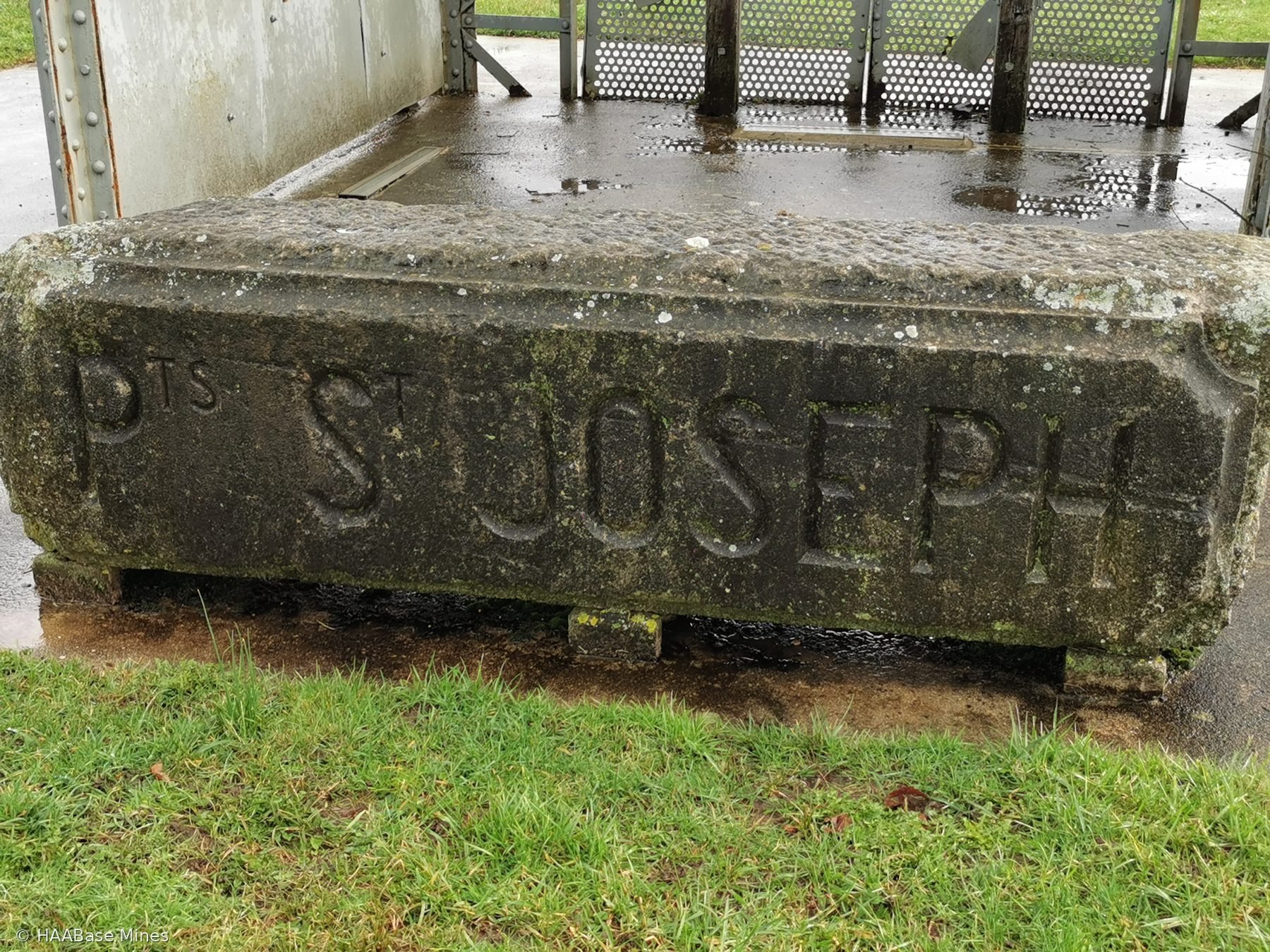
The puits Saint-Joseph was sunk in 1897 by the Compagnie des Forges de Châtillon-Commentry, initially serving as a service shaft. In the southern part of the concession, the puits Sud was sunk from 1906 to 275 metres. A southern concession, La Bouble, was the subject of competing claims: by decree of 26 August 1898, President Félix Faure granted the concession to the Syndicat de Recherche, which had already incorporated on 22 February 1898 as the Société anonyme des mines de La Bouble. This company sank puits Tollin (also known as puits 1) to 280 metres from 1895, later deepened to 400 metres; the recognition of the seam by this shaft justified the creation of a full extraction facility. The Société anonyme des mines de La Bouble also sank puits 2 at Youx from 20 May 1895. The first wooden headframe at puits 2 dates from 1898; it was replaced by a metal structure in 1909. This shaft served as a pumping station, ventilation return, and aeration gallery for the basin's underground workings; it was connected to the other shafts of the Saint-Éloy basin. Production at La Bouble reached 33,000 tonnes in 1900 and 231,000 tonnes in 1917, with 890 miners. The workforce at La Bouble reached its maximum of 1,169 miners in 1944.
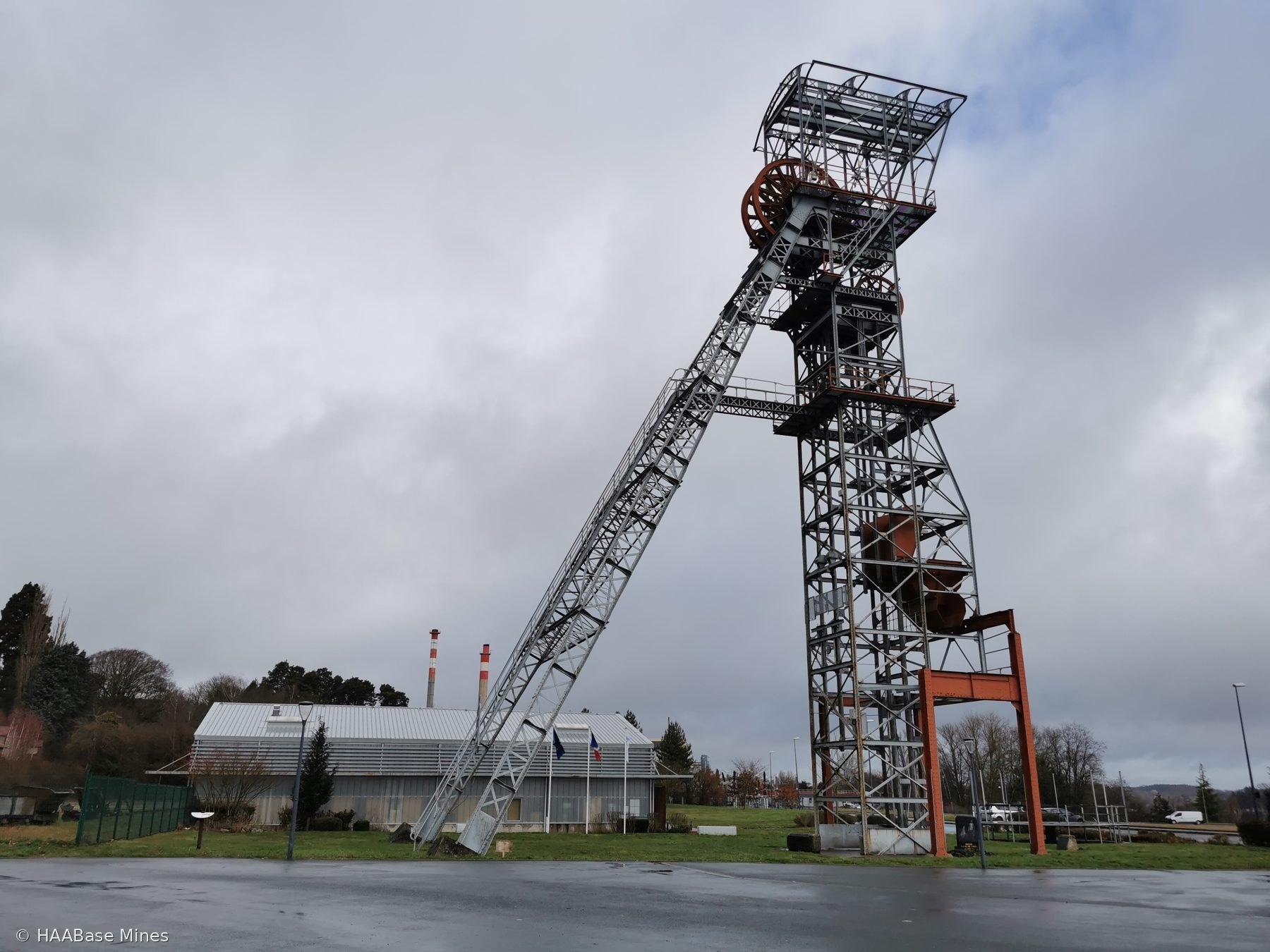
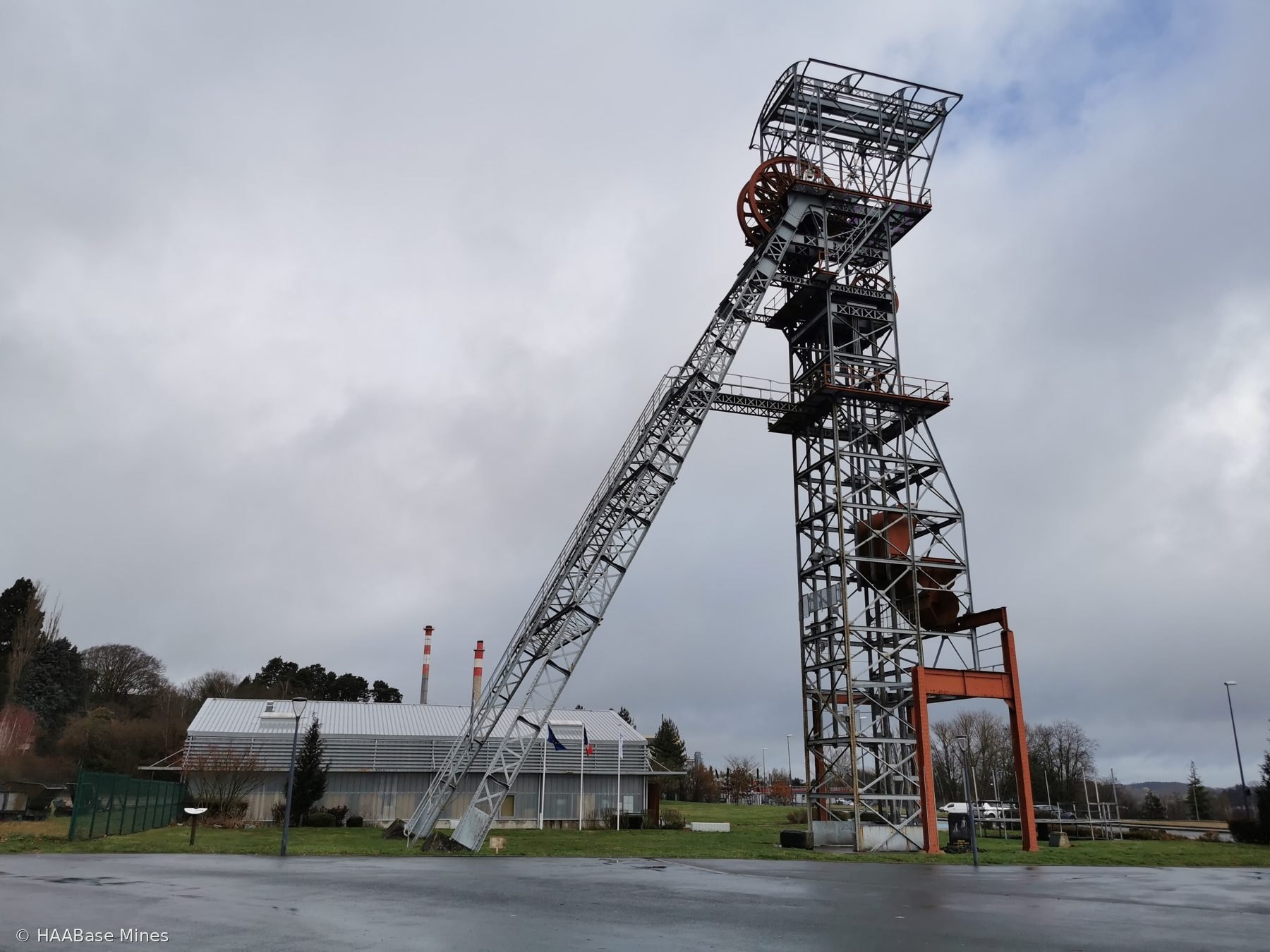
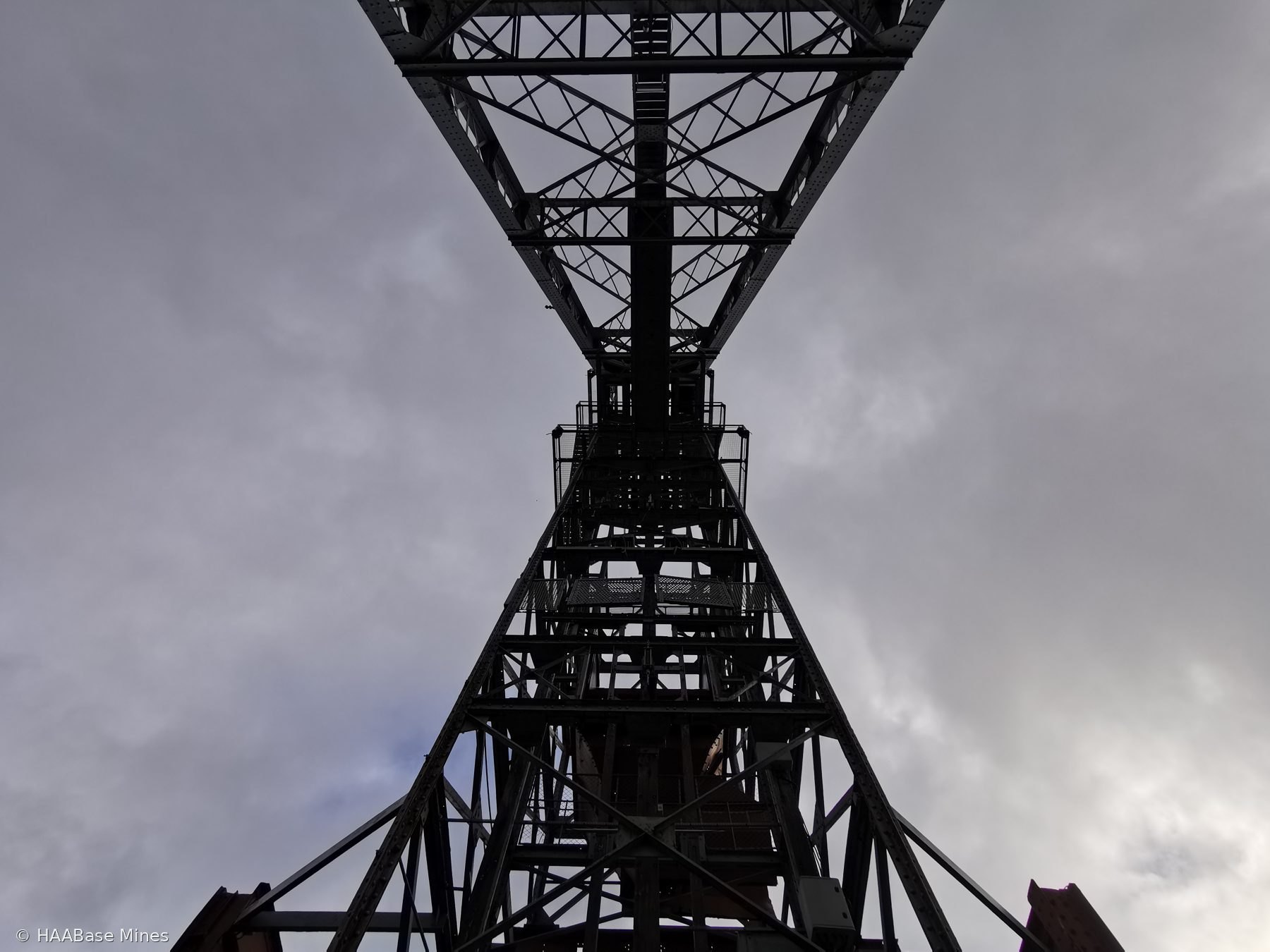
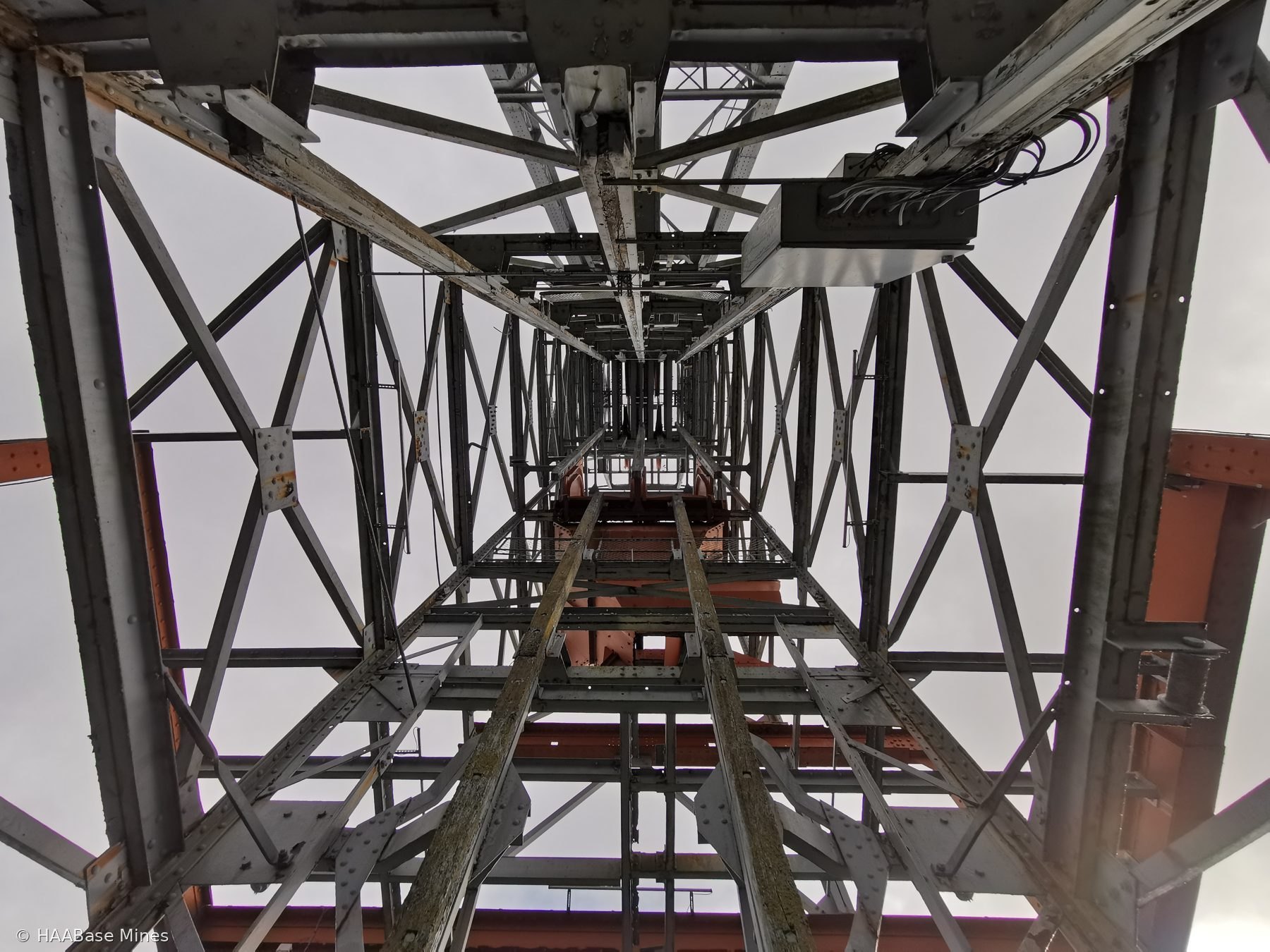
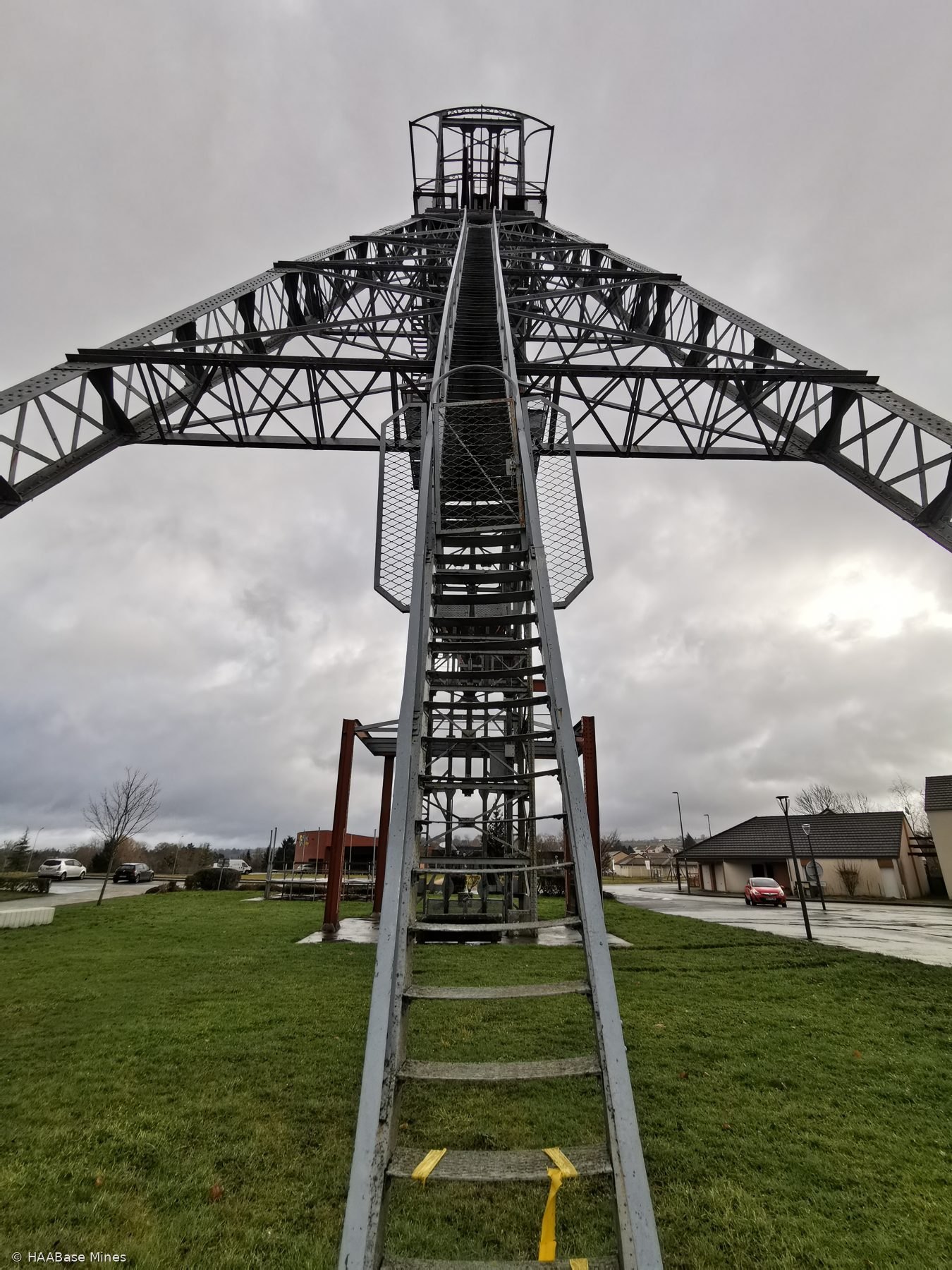
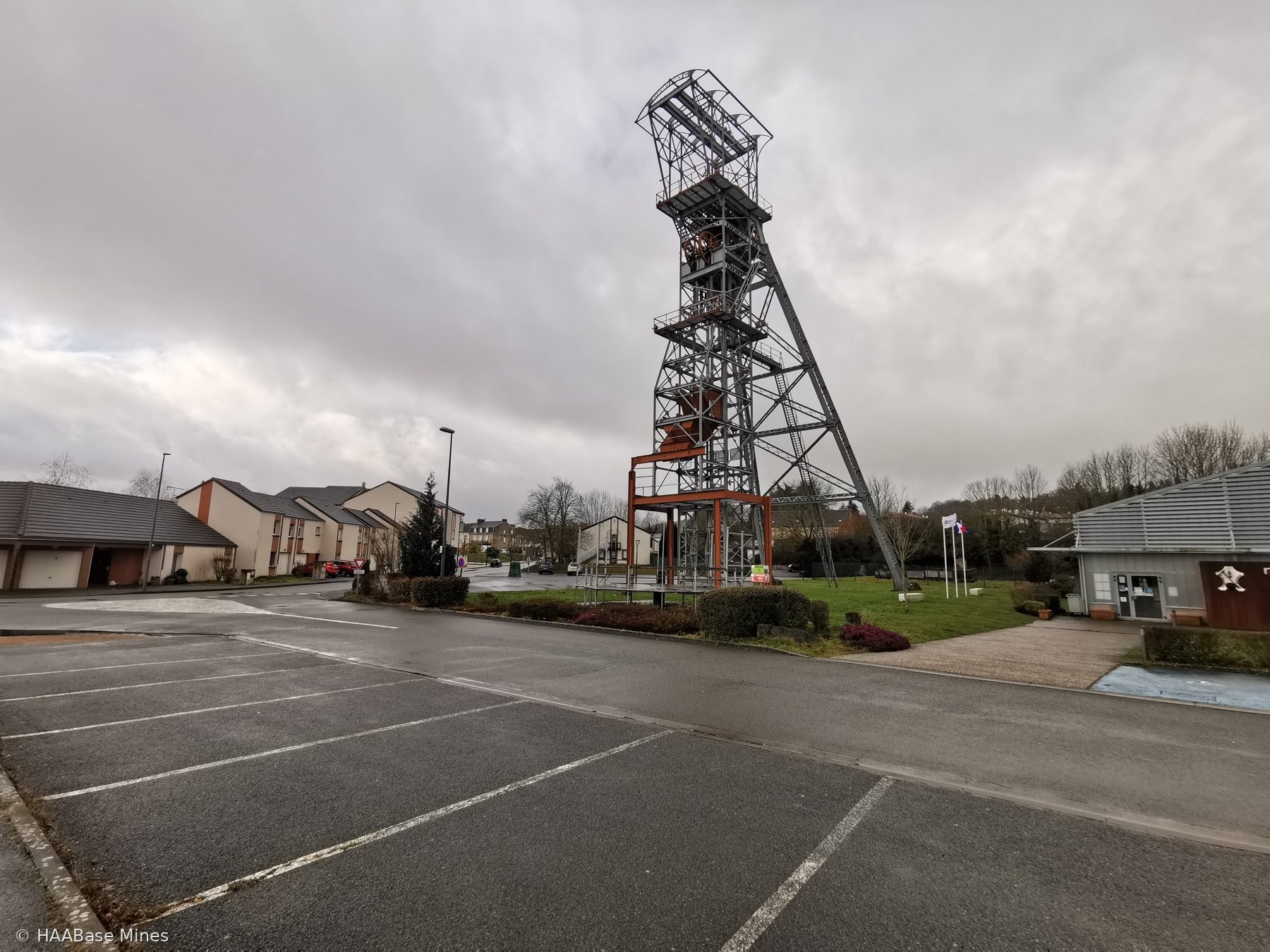
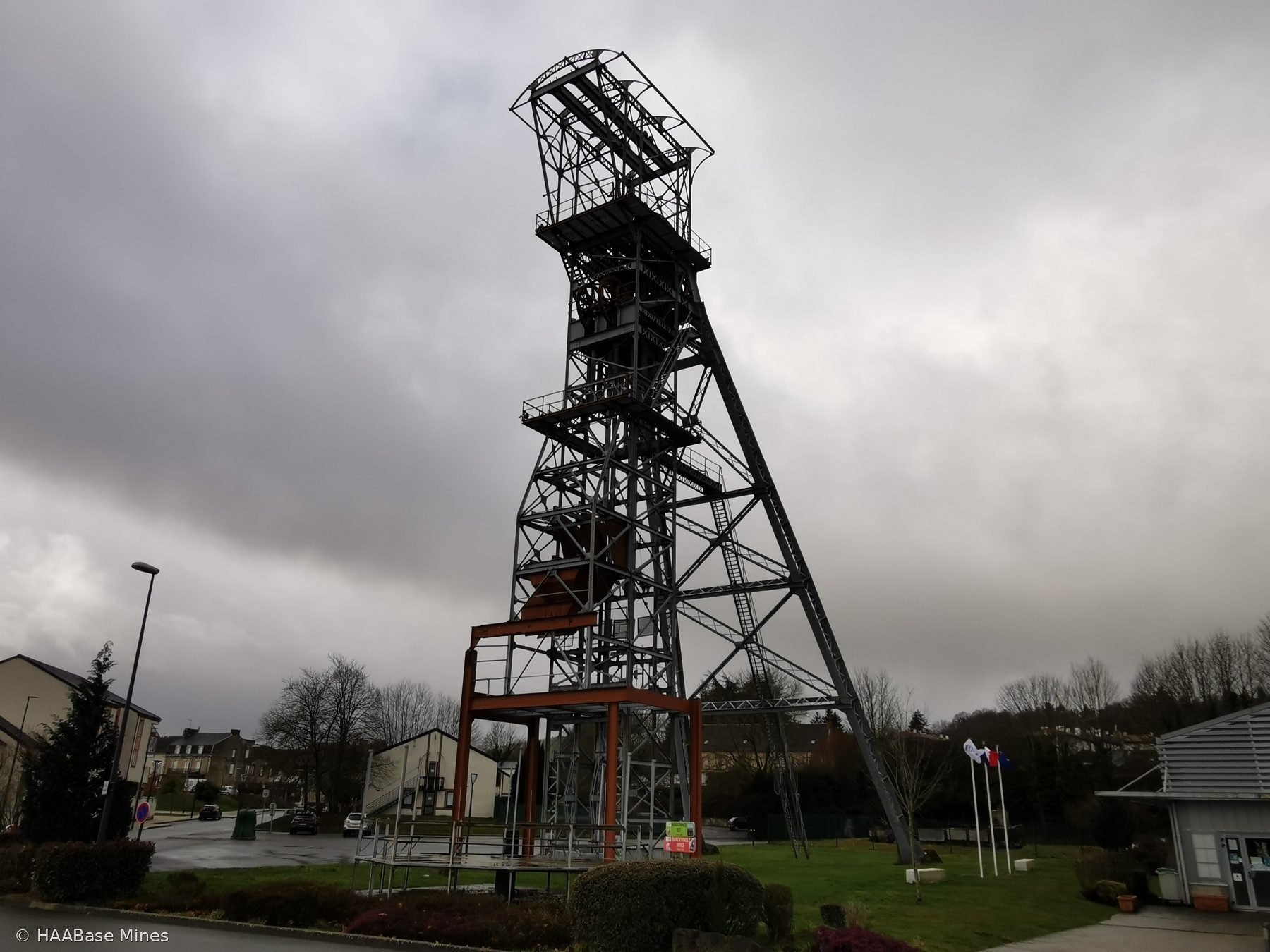
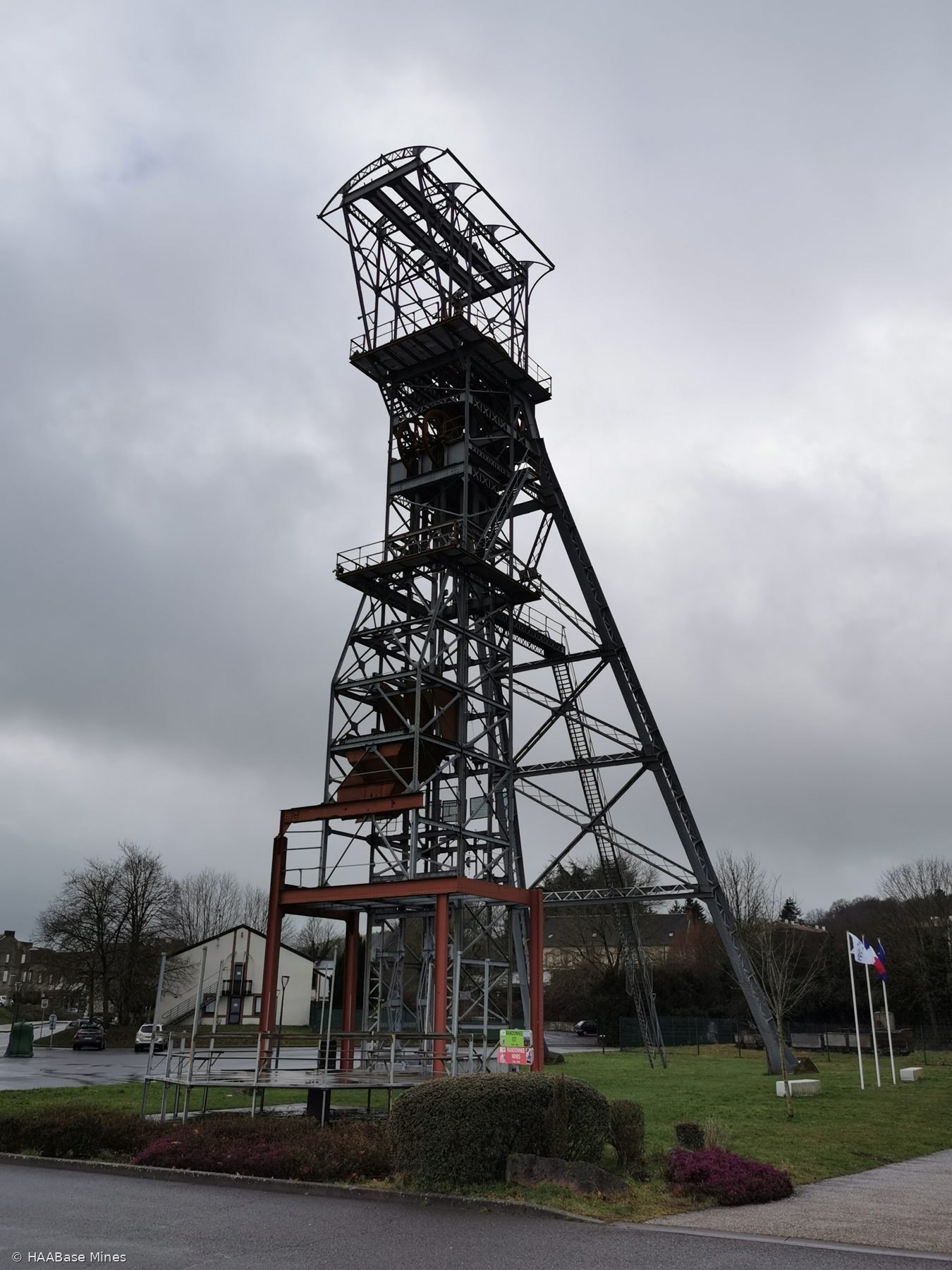
After the First World War, puits Saint-Joseph was modernised and became the principal extraction shaft for the Saint-Éloy division. In 1926 a new headframe of 38 to 40 metres was installed at puits Saint-Joseph, equipped with two skips; at maximum capacity it could raise 4,200 tonnes of crude ore per day. In 1946 the group Saint-Éloy/La Bouble was nationalised along with all other French collieries, coming under the Houillères du Bassin d'Auvergne. Production at nationalisation was 400,000 tonnes annually. The year of peak production was 1958, when 740,000 tonnes were extracted. Between 1945 and 1951 the thermal power station at Menat was built with a generating capacity of 275,000 kilowatts, supplied in part from the Saint-Éloy basin. An industrial reconversion programme was developed from 1955 to 1970, with several new factories established in the area including ESBA (1962), Lavoilotte (1964), and Artimoul (1970).
The puits de Youx (puits 2) at Youx ceased operation in 1954. The puits Est, which served as ventilation return for the Saint-Éloy division at 500 metres depth, closed in 1978. As reserves approached exhaustion, extraction concentrated increasingly on the puits Saint-Joseph. The production of puits Saint-Joseph in 1966 alone was 520,000 tonnes. The reserves were declared exhausted in 1977 and the mine closed on 15 January 1978, with a date also given in some sources as 17 January 1978. Over the full period of industrial exploitation, approximately 40 million tonnes of coal were produced from the Saint-Éloy basin. Two significant ground subsidence events occurred in the 1950s and 1960s, creating large dolines which subsequently filled with groundwater and have since been used for bathing.
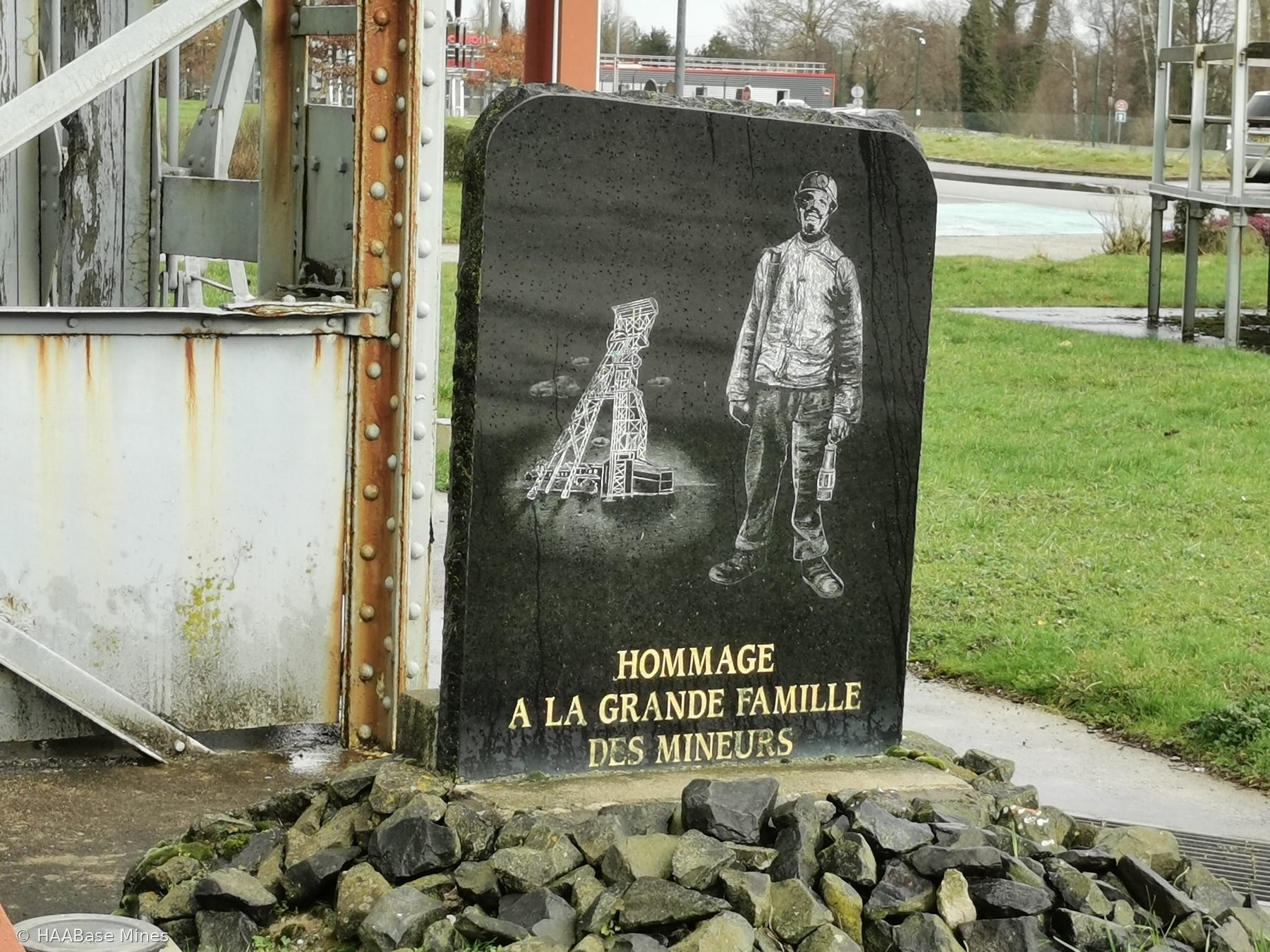
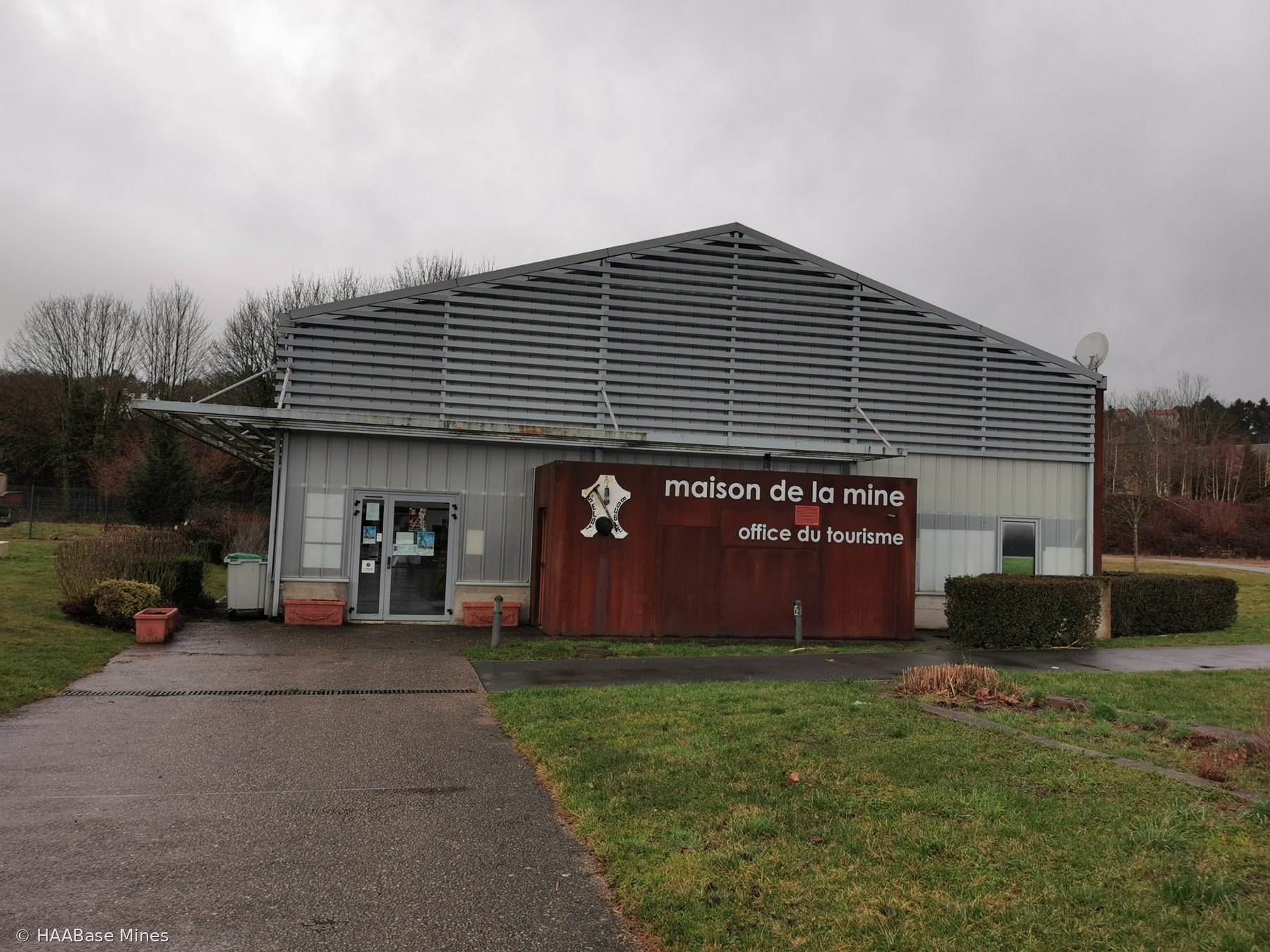
Following closure, most surface installations were dismantled. The headframe of puits Saint-Joseph was preserved, along with the smaller metal headframe at puits 2 (Youx). A museum and tourist office, known as the Maison de la Mine, was built adjacent to the puits Saint-Joseph headframe in the early 2010s, with a scénographie conceived by the local miners' association Souvenir et Patrimoine du Mineur. In January 2024 an immersive projection room was inaugurated at the Maison de la Mine.