Potash was discovered at Wittelsheim on 11 June 1904 when a drilling operation conducted on the property of Amélie Zürcher, in association with Joseph Vogt and Jean-Baptiste Grisez, intercepted two rich seams of sylvinite at depth. A laboratory in Strasbourg confirmed the find. The gisement consists of two seams of potassium chloride separated by approximately twenty metres of rock salt, lying at depths ranging from 400 to 1,100 metres; the upper seam reaches two metres in thickness with around 40 per cent potassium chloride content, and the lower seam five metres in thickness with around 30 per cent. After further prospecting through 1910, the Gewerkschaft Amélie was formally constituted on 13 June 1906 with German capital, the Mulhouse industrial establishment having declined to invest and French banks having offered prohibitive terms. Construction of the first shaft, Amélie I, began on 22 April 1908, and extraction commenced in February 1910. In 1911 the Gewerkschaft Amélie ceded its concessions to the German company Deutsche Kaliwerke. By the eve of the First World War, thirteen shafts had been sunk across the basin, including Amélie 1 and 2, Max, Joseph, Else, Marie, Louise, Reichsland (later renamed Fernand), Est and Ouest, Prinz Eugen, Théodore, Rodolphe 1, and Alex. Shaft sinking was interrupted by the declaration of war in 1914; works on Anna Est, Anna Ouest, Ensisheim 1 and 2 were halted.
After the Armistice of 1918 the mines were placed under French sequestration. The French state purchased the Mines de Potasse d'Alsace (MDPA) on 24 May 1924 for 208 million francs, and nationalisation was confirmed by the law of 23 January 1937. During the 1920s the installations were greatly expanded: the Anna Est, Anna Ouest, Ensisheim 1 and 2 shafts were completed, and Rodolphe 2, Ungersheim 1 and 2, and Ensisheim 3 were sunk. By 1930 the workforce numbered 11,000 and the population of Wittelsheim had grown from a few hundred at the turn of the century to more than 7,000. In November 1930 the world economic crisis reduced output and halted construction programmes.
In 1940 Alsace was annexed to the Third Reich and the mines were regrouped under the Elsässische Kaliwerke. The deadliest accident in the history of the basin occurred on 23 July 1940 at puits Rodolphe, when a sudden rock burst and firedamp release killed 25 miners. The basin was liberated by Allied forces on 3 February 1945. Wartime destruction was severe: of 4,518 workers' dwellings, 3,134 had been damaged and 1,048 were uninhabitable. Production recovered to its 1939 level of 3.5 million tonnes by 1946, assisted by Joy battery-powered underground vehicles supplied under the Marshall Plan.
The postwar decades brought intensive mechanisation. New shafts were commissioned: Berrwiller in 1962, Staffelfelden in 1972, and Schoenensteinbach in 1973, bringing the total to 24 shafts across the basin. In 1948 the MDPA workforce reached its peak of 13,880 employees. The first large flotation processing plant came into service at the mine Théodore in the early 1960s, supplementing the older and more costly thermal processing method. Potassium chloride was extracted by thermal process at the main treatment plant at the principal carreau. The same process also yielded bromine through chlorination at a Seveso-classified plant, the only such installation in the basin, as well as de-icing salt as a secondary output.
Production reached its historical peak in 1974 at 13.361 million tonnes of crude ore, yielding 2.79 million tonnes of potassium oxide. From this point output declined. Shaft closures proceeded from the 1950s: Alex closed in 1954, Ensisheim in 1961, Joseph-Else in 1966 with 22.2 million tonnes extracted, Fernand in 1972, Anna in 1973, Bollwiller in 1976, and Théodore in 1986. By 1994 a decision had been taken to close the remaining active shafts progressively. Ungersheim closed in 1997, Marie-Louise and the puits Marie in 1998, Berrwiller on 24 April 2003, and Staffelfelden on 30 July 2003. The last active extraction shaft, Amélie, closed on 10 September 2002 following a fire in the StocaMine underground waste-storage facility, an event that brought forward the planned closure by approximately eighteen months.
In total, 567 million tonnes of crude potash ore were extracted over nearly a century of operation. The MDPA entered voluntary liquidation in 2009 and was held entirely by the French state. Following closure, the concession areas were progressively rehabilitated as industrial zones, natural areas, or developed land.
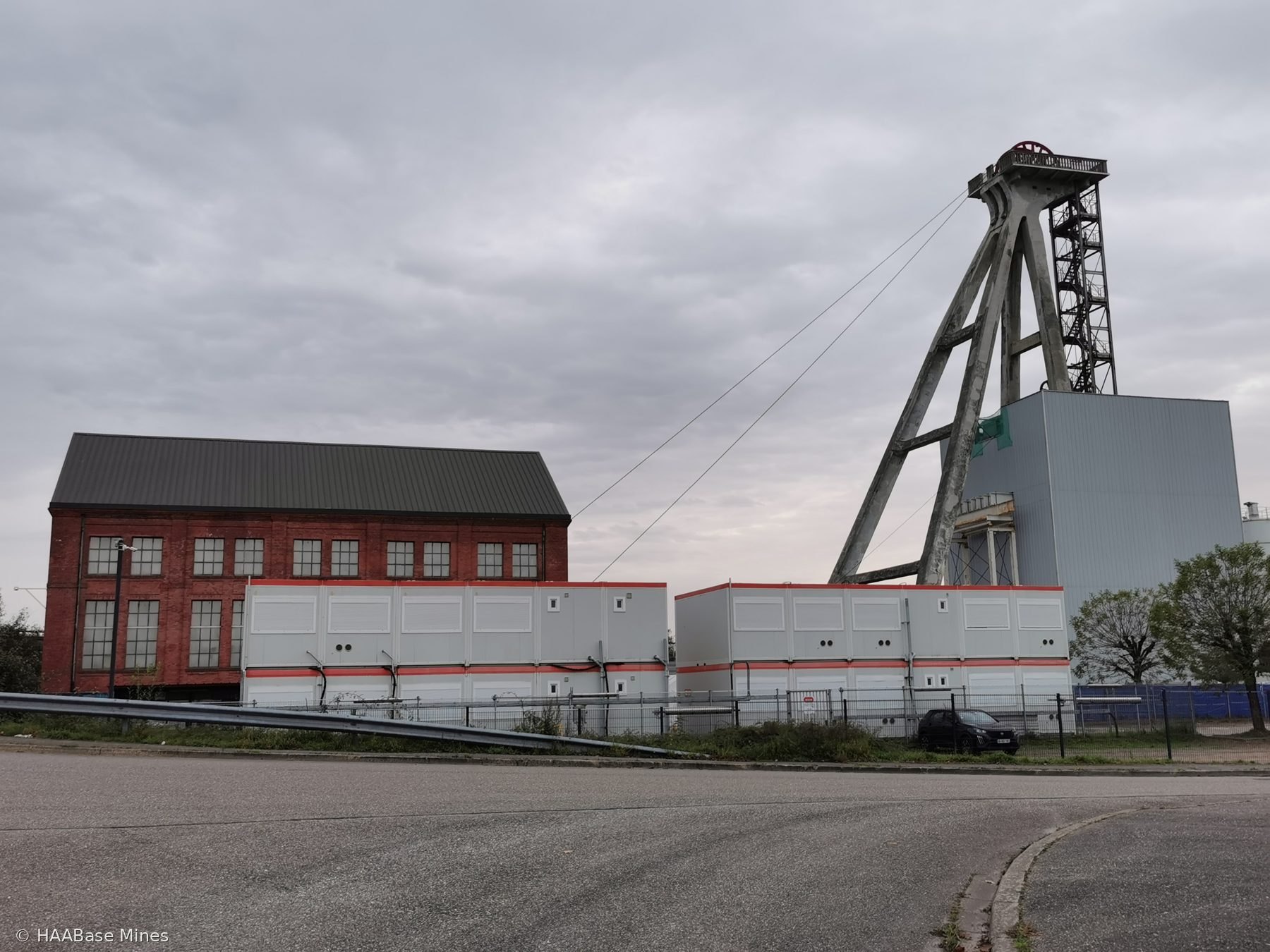
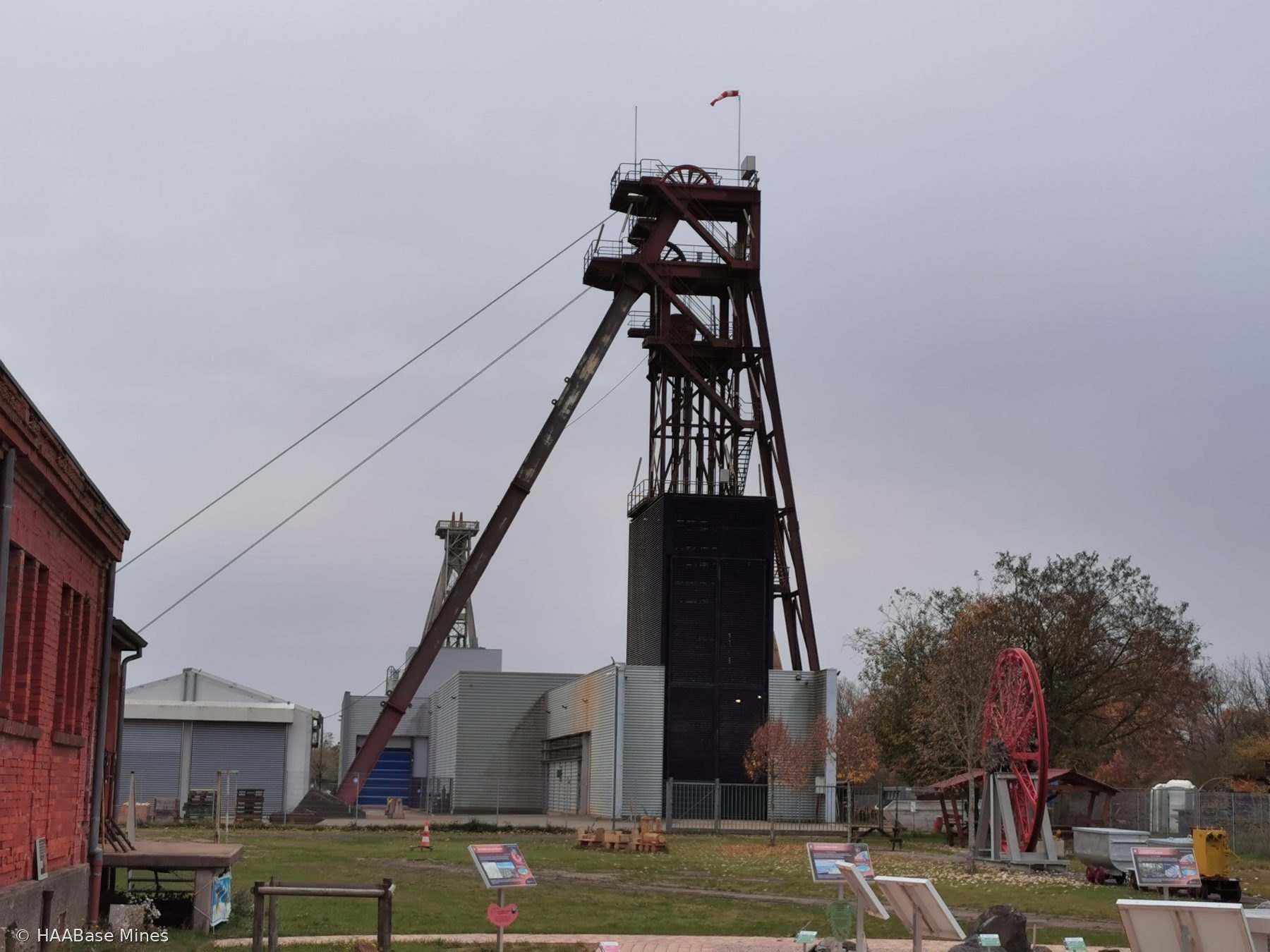
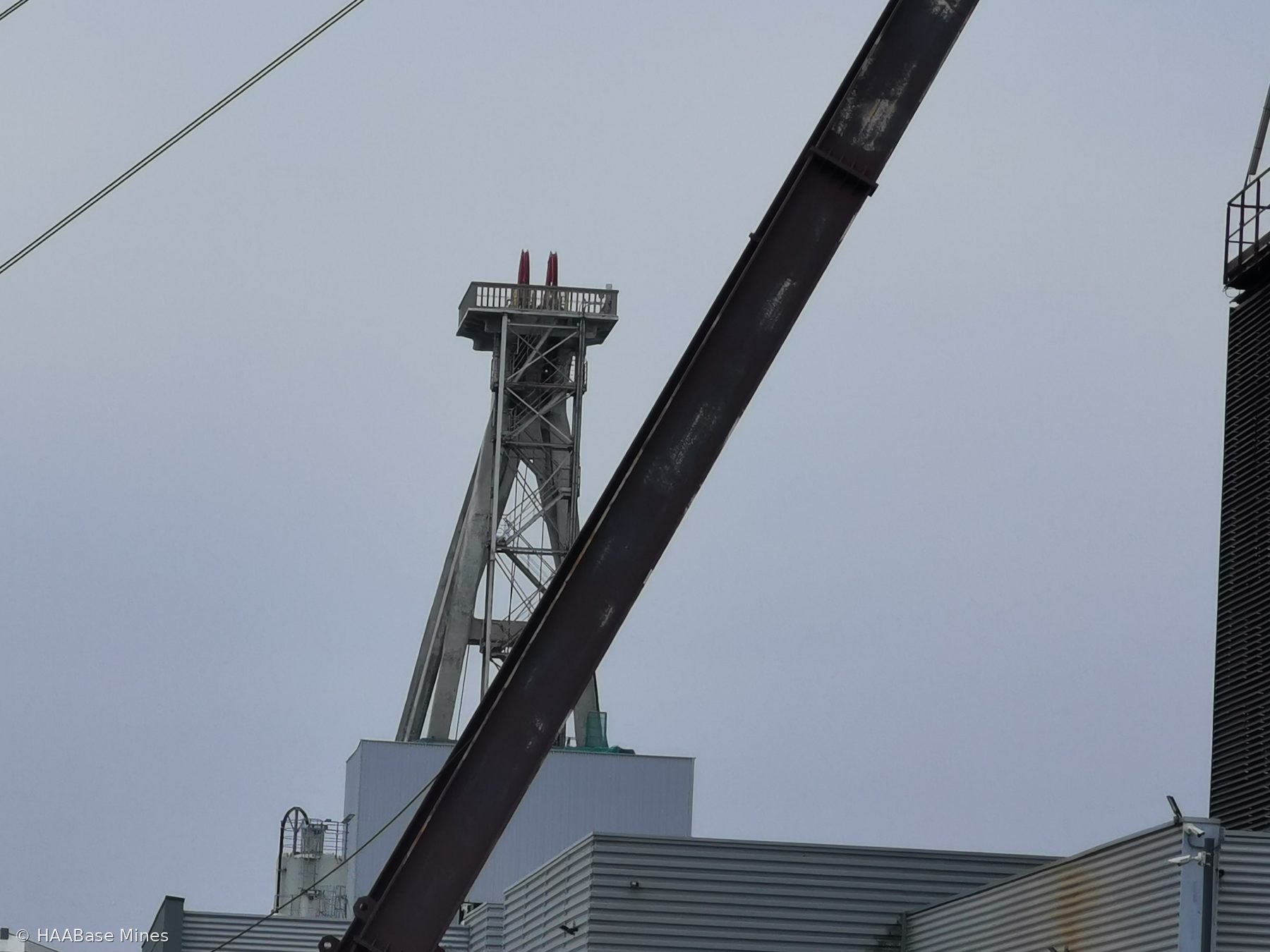
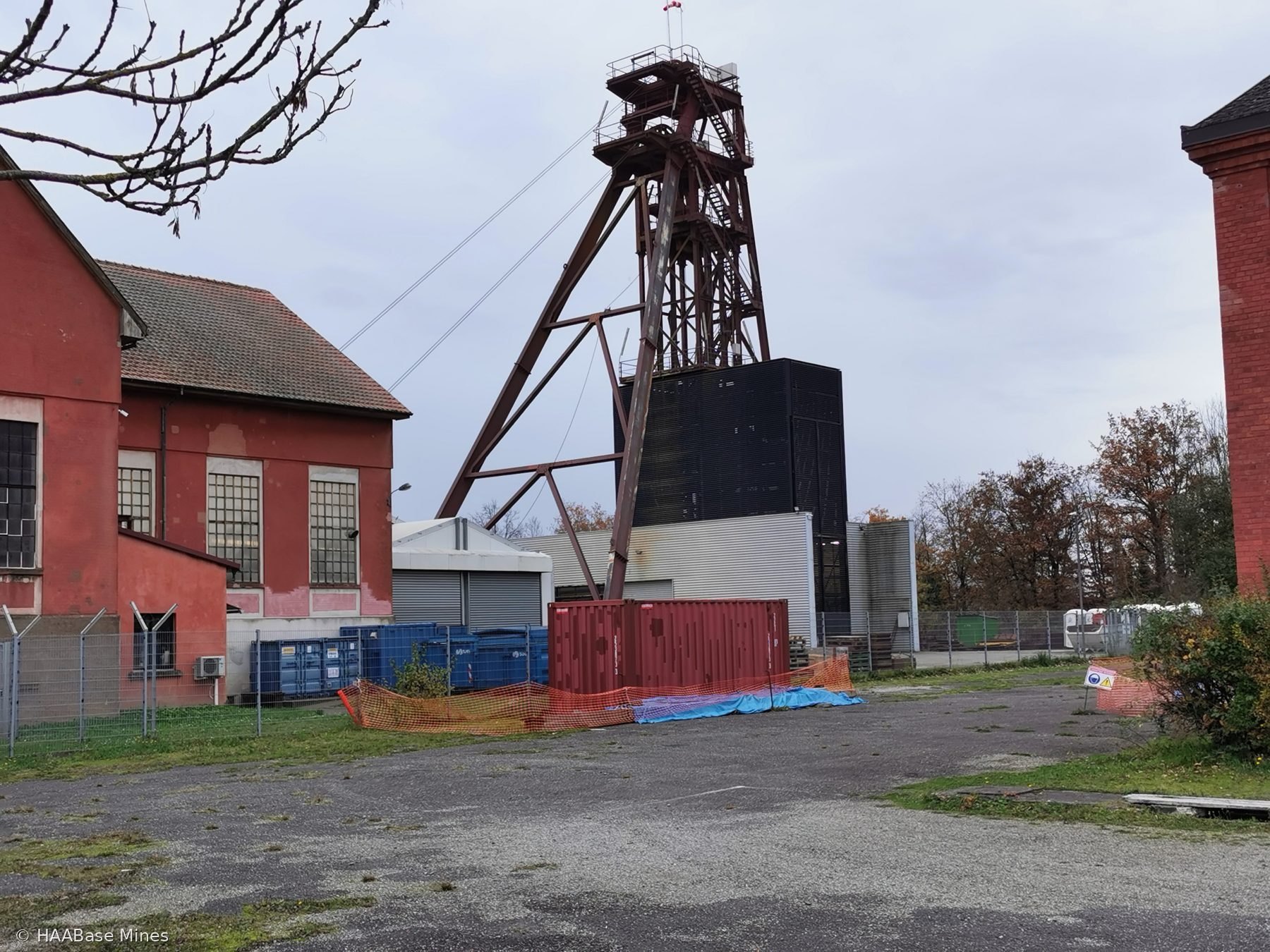
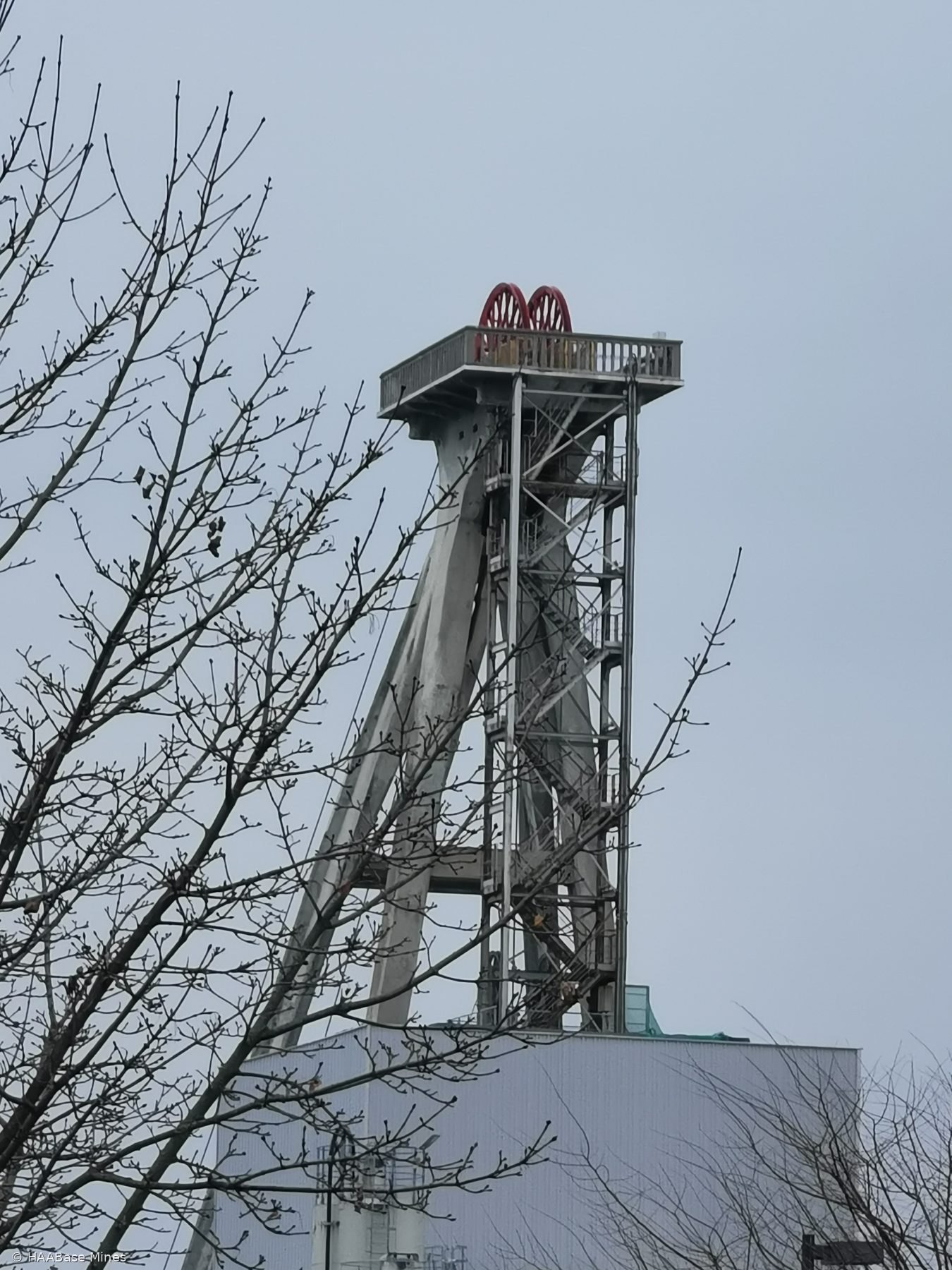
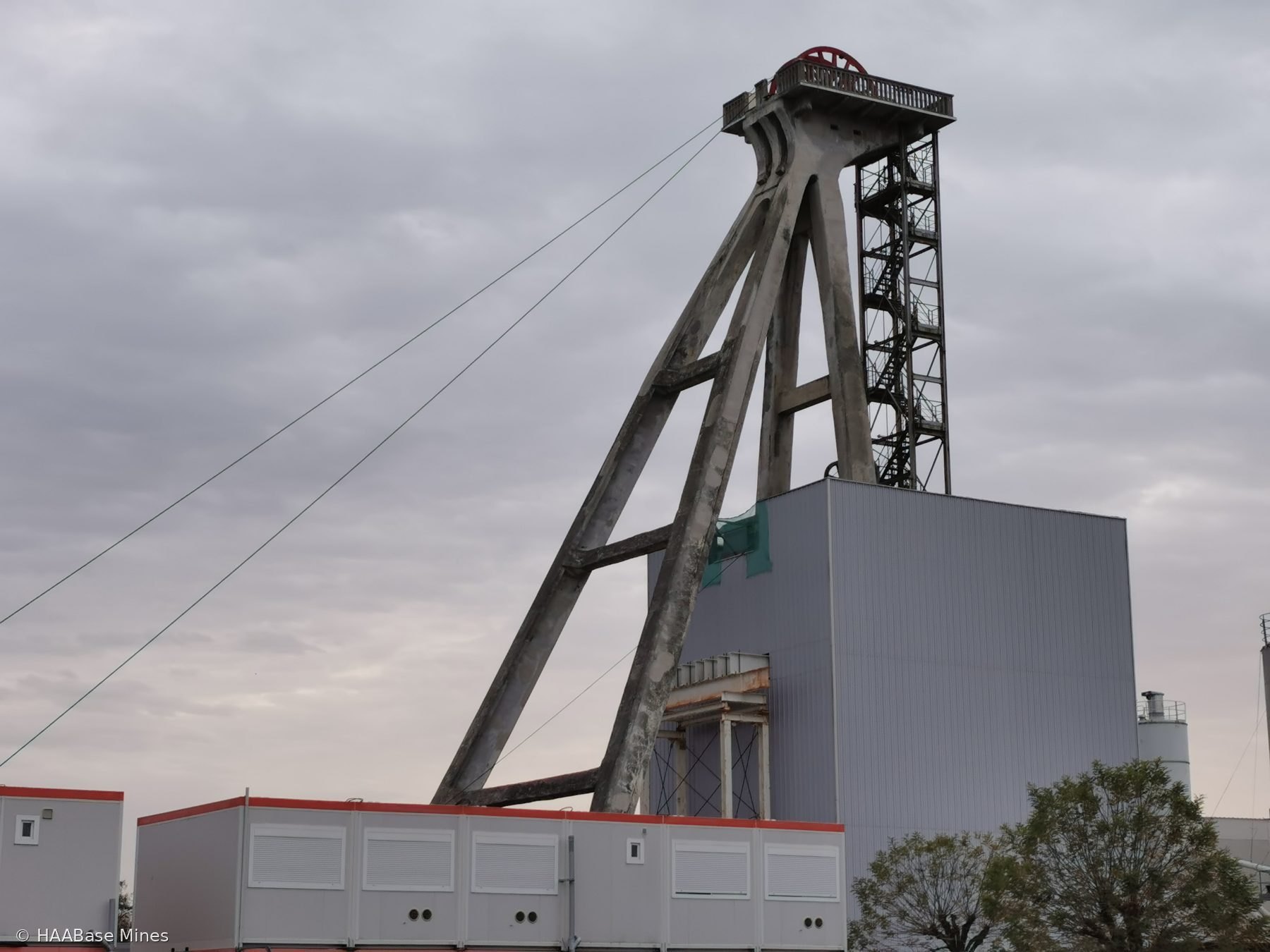
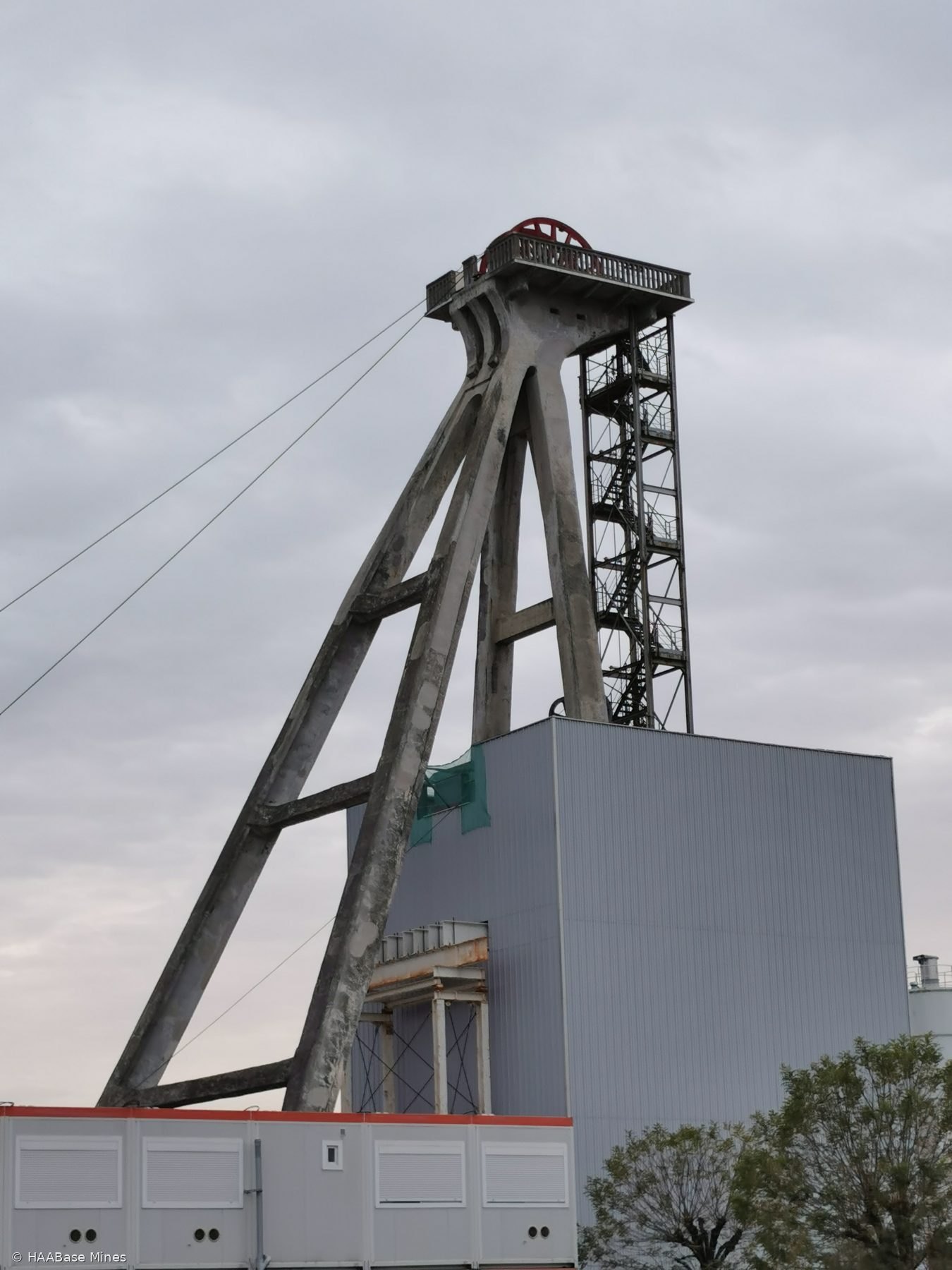
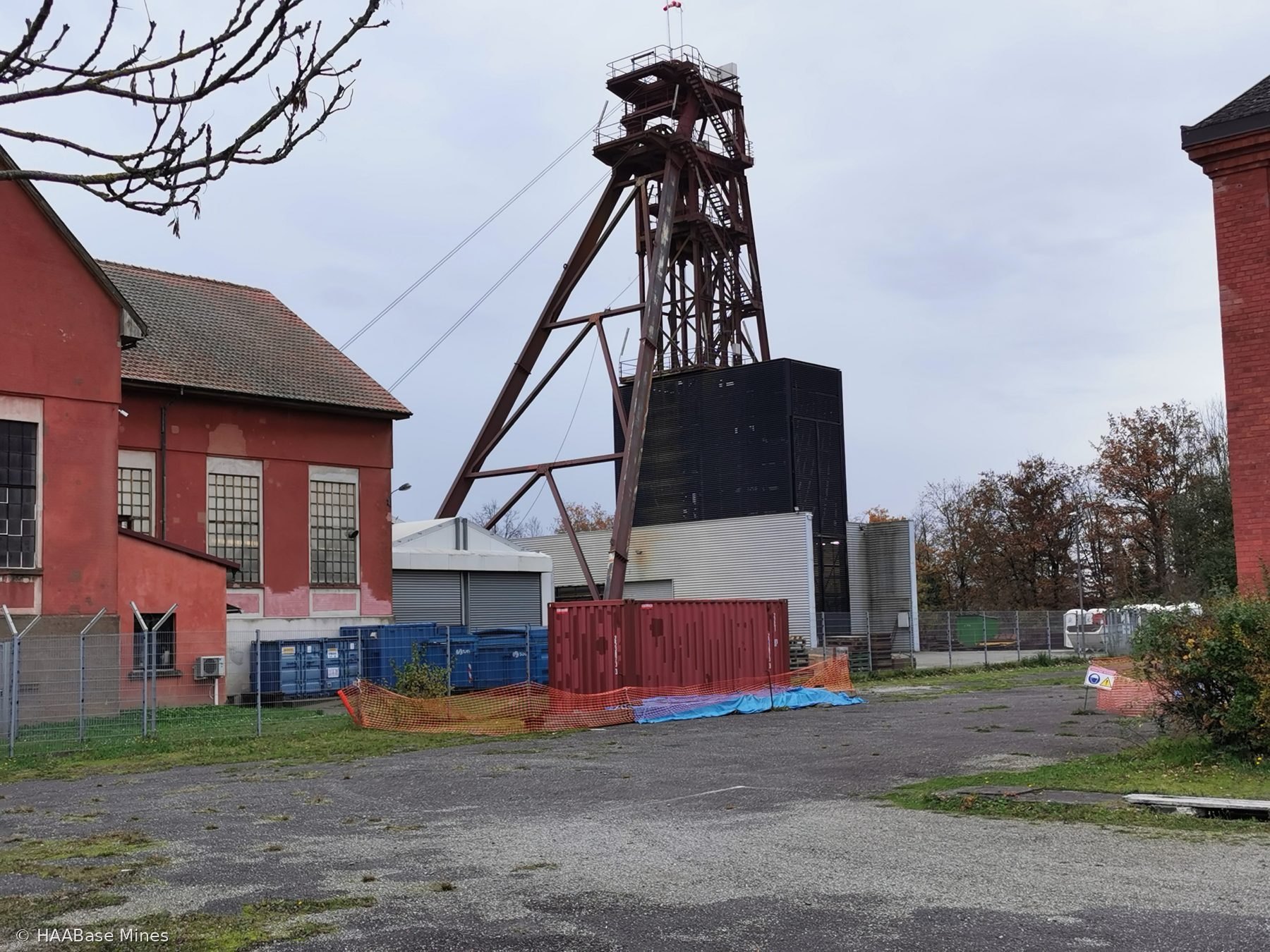
Of the twenty-four shafts sunk across the basin, most headframes were demolished in the decades following closure. The chevalement of Théodore, 65 metres high and installed in 1958, was classified as a monument historique on 17 August 1995 and has been preserved at Wittenheim. The site of puits Rodolphe at Pulversheim, with its two headframes — one in steel and one in reinforced concrete — was acquired by the Écomusée d'Alsace and the Conseil général du Haut-Rhin in 1987; the association Groupe Rodolphe was created in 1994 to preserve it. At Wittelsheim, the former carreau Joseph-Else, which ceased extraction in 1966, retains its two renovated headframes; the site now houses the Musée de la Mine et de la Potasse, opened in the former miners' washroom and lamproom buildings and holding a mineralogical collection founded in 1926. The future of the Joseph-Else shafts, which remain open for monitoring in connection with the StocaMine confinement programme, is linked to the outcome of that programme. At Bollwiller, the administrative building, workshops, and winding engine of the Alex shaft have been conserved.