1895
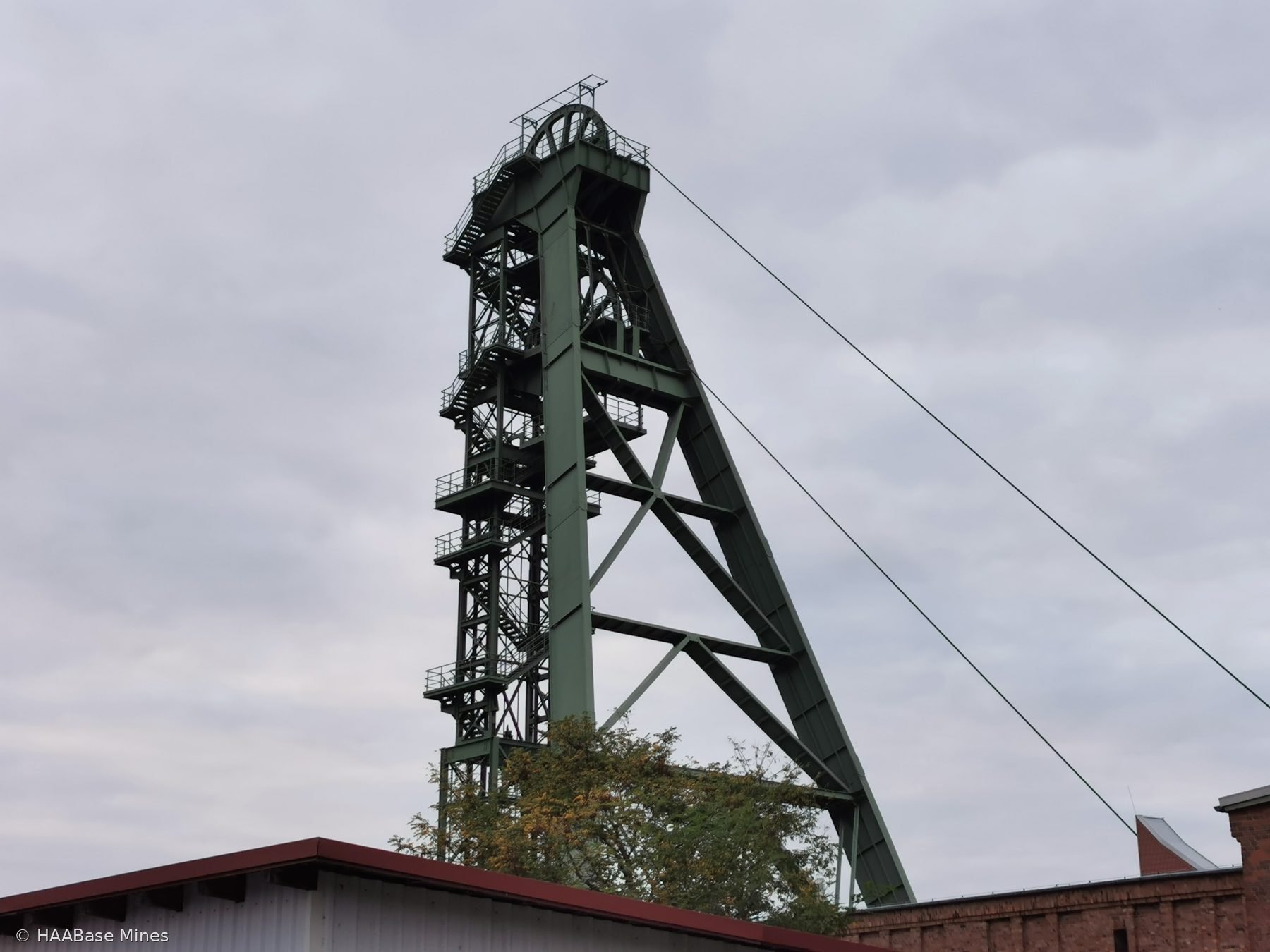
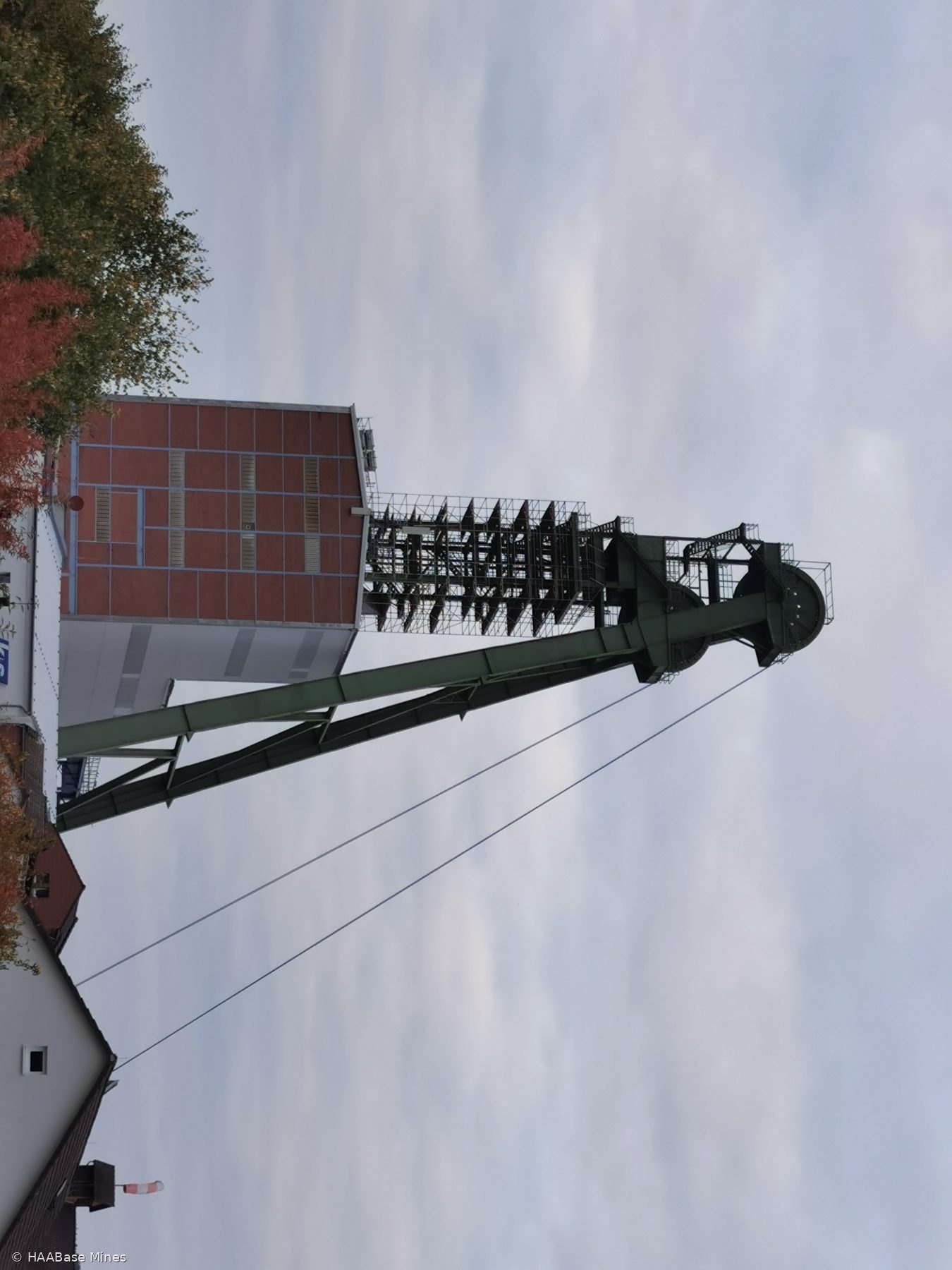
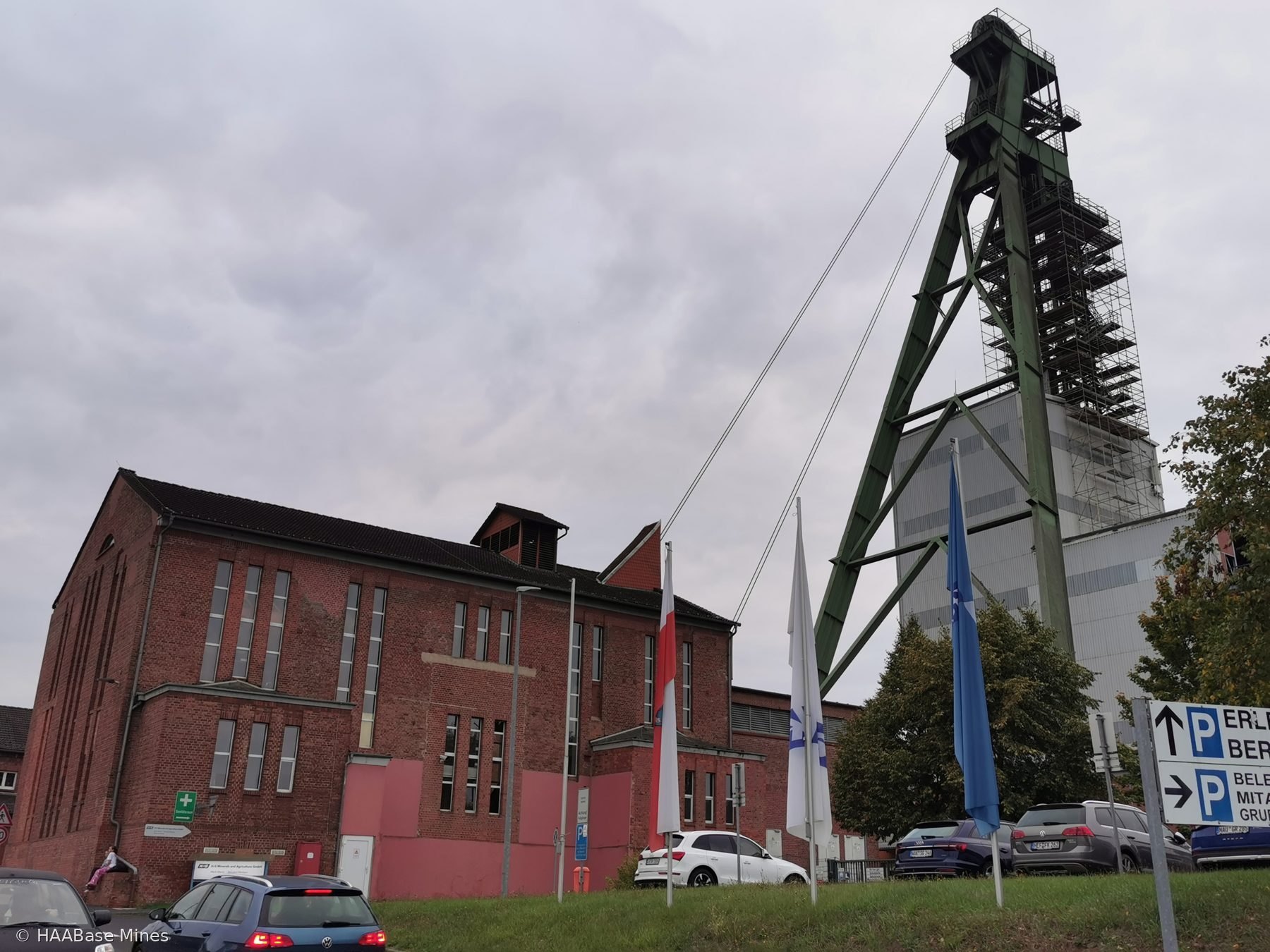
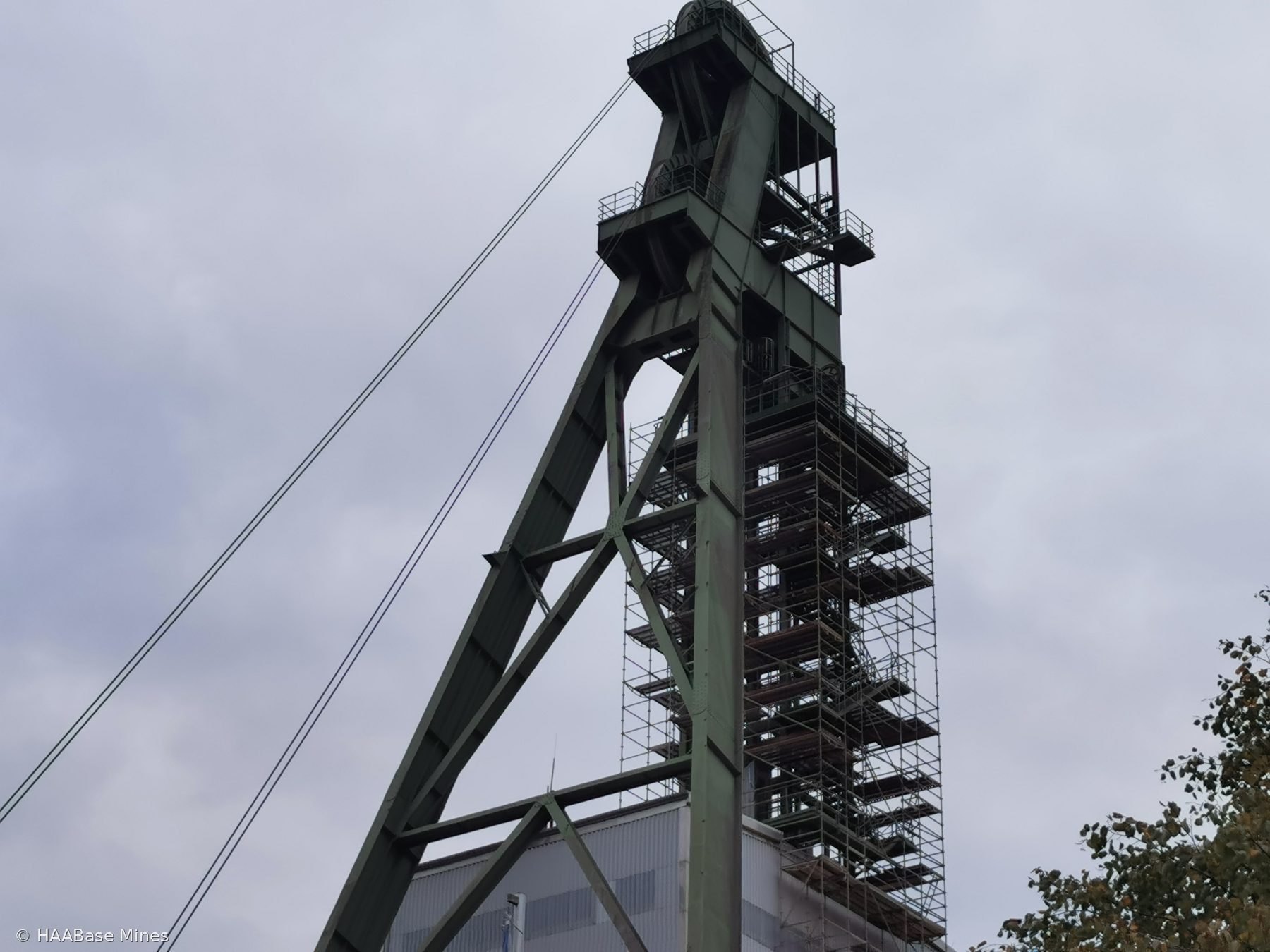
Schacht Kaiseroda I sinking begins
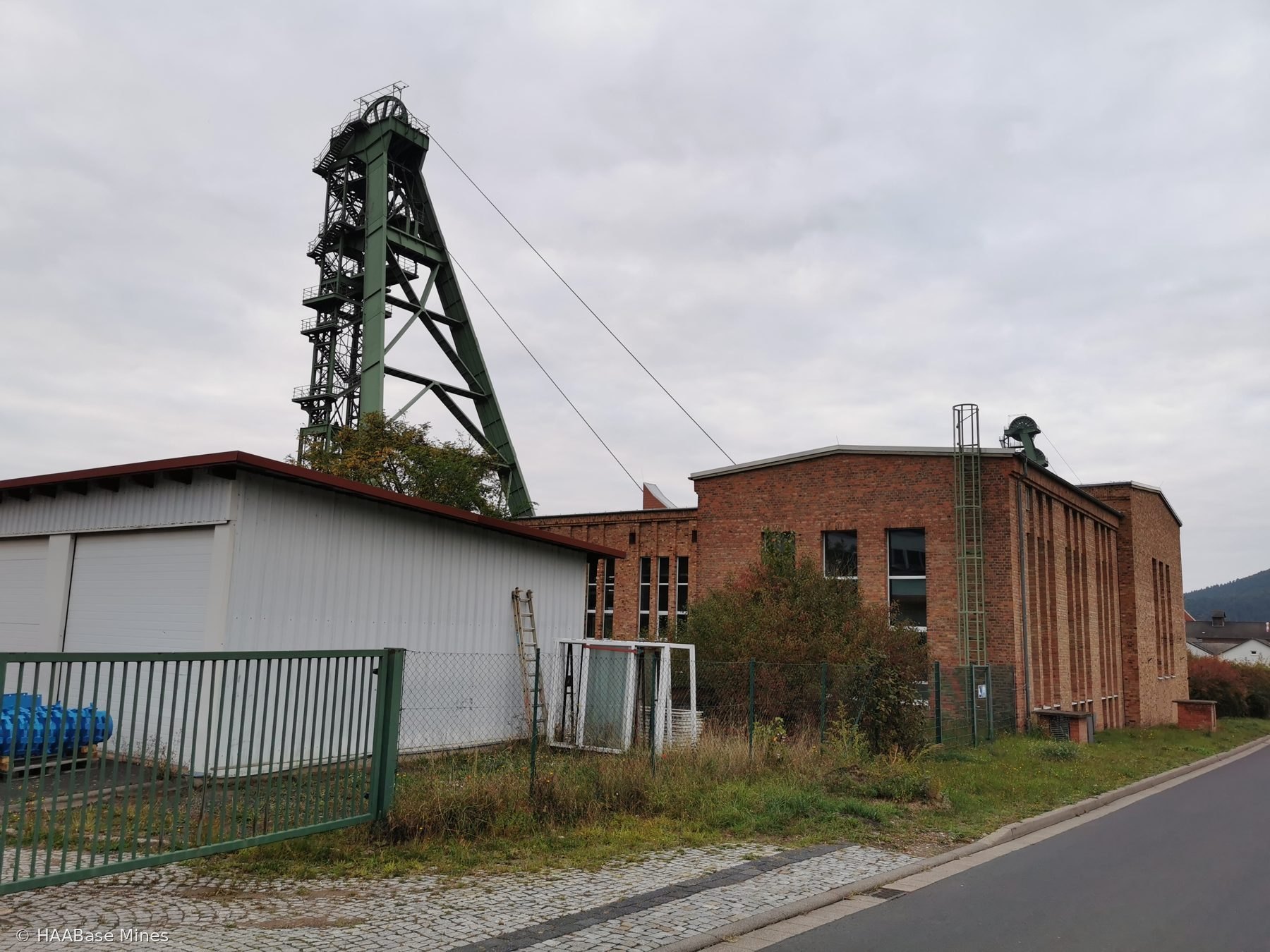
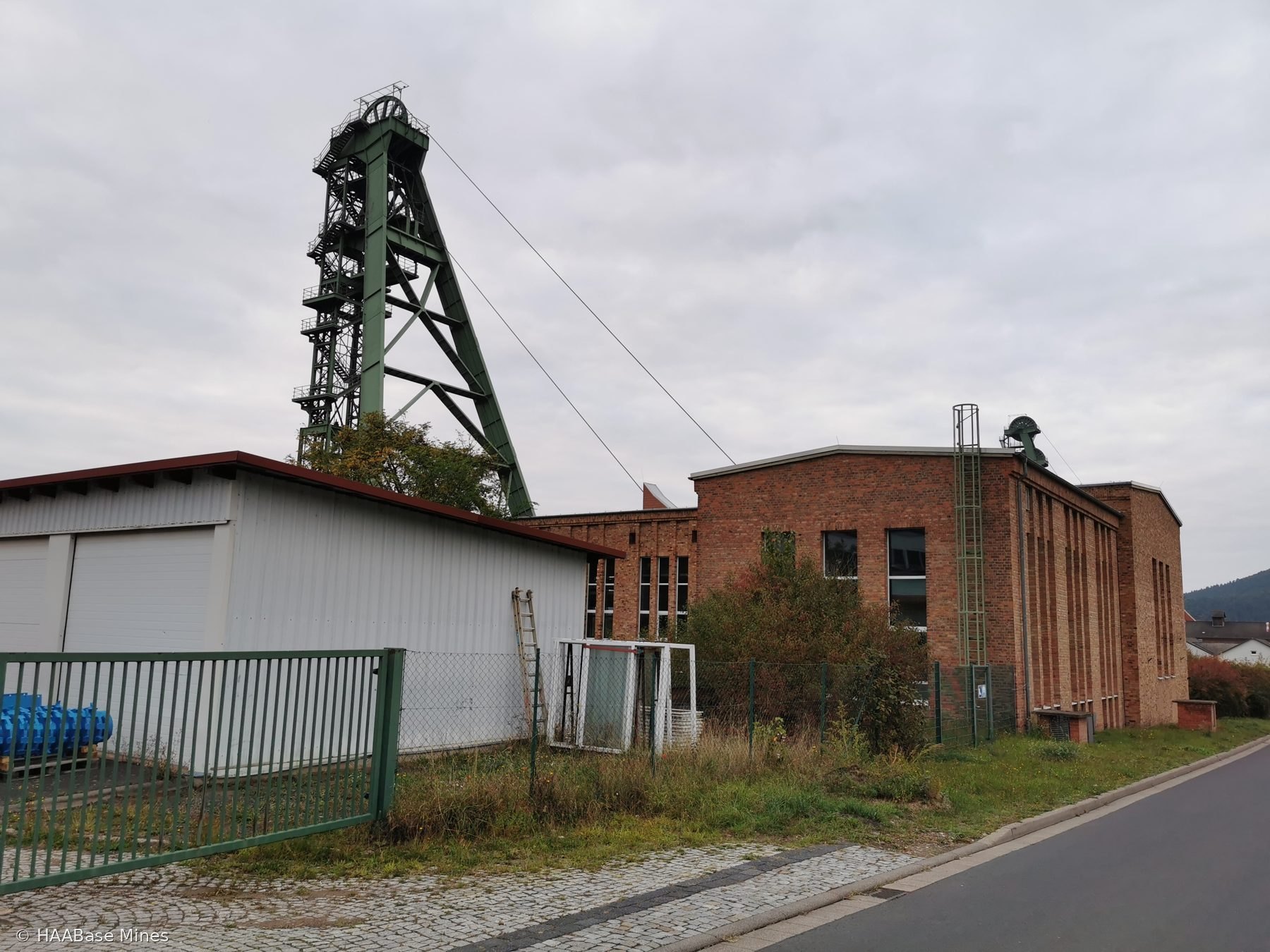
The sinking of Schacht Kaiseroda I began in 1895, initiating the development of the Merkers potash mine.
Former potash and rock salt mine at Merkers, now operating as the Erlebnisbergwerk with a celebrated underground crystal grotto and historic gold chamber.
This record is based on the research currently available to HAABase Mines. It has not yet completed the site's formal source-by-source fact-checking process, so the history and timeline should be regarded as a well-researched provisional account and may be refined as further evidence is reviewed.
Kaliwerk Merkers is a former potash and rock salt mine in Merkers, a village in the Wartburgkreis of western Thuringia, Germany. The ore deposit formed as a Zechstein evaporite approximately 240 million years ago and lies within the Werra potash mining district. Shaft Kaiseroda I was sunk from 1895 and potash extraction began in the Merkerser Schacht in 1910.
The Kaliwerk Merkers was formally opened in 1925 and grew to become the largest potash mine in the DDR by the 1960s. The underground workings extend to a maximum depth of 860 metres and the tunnel network covers approximately 4,600 kilometres. In April 1945 the workings were the hiding place of the German Reichsbank gold reserves, foreign currency and major art collections from Berlin museums, found by American forces on 8 April 1945.
Potash production ceased on 22 June 1993. Since 1991 the site has been operated as the Erlebnisbergwerk Merkers, which receives visitors up to 500 metres depth. The crystal grotto discovered in 1980 and designated a national geotope in 2006 is the principal natural attraction.
The salt deposits underlying the Merkers area were laid down during the Zechstein period approximately 240 million years ago from evaporation of an inland sea. The Werra potash district in which Merkers lies is one of the principal potash regions of Germany. Sinking of the first shaft, Kaiseroda I, began in 1895. Shafts Kaiseroda II and Kaiseroda III were both sunk from 1911. In 1910 the extraction of potash salts through the Merkerser Schacht commenced. By 1925 the formal Kaliwerk Merkers had been established, and the associated potash processing plant was described at the time as the largest of its kind in Europe. The population of Merkers grew rapidly from approximately 428 inhabitants before the mine's opening to approximately 4,000 by the peak years, a tenfold increase driven by the mine's workforce.
In 1938 a carbon dioxide outburst in the mine killed eleven workers. During the Second World War approximately 700 prisoners of war and forced labourers from numerous occupied countries worked in the potash shafts at Merkers and the neighbouring sites of Kaiseroda and Hämbach. In the closing weeks of the war, at the end of April 1945, the German Reichsbank transferred large quantities of gold bars, foreign currency in Reichsmarks, looted gold and major art collections from Berlin museums — including pictures from the Gemäldegalerie and the bust of Nefertiti — to the secured underground chambers of the mine. American troops of the Third US Army discovered the hoard on 8 April 1945; the find attracted worldwide attention and General Dwight D. Eisenhower visited the mine in person.
From 1945 to 1952 the mine operated as a Soviet-administered enterprise (SAG). In 1952 the Kaliwerke were handed over to the DDR. In 1958 the Vereinigung Volkseigener Betriebe Kali was established in Erfurt. In 1959 the VEB Kalikombinat Werra was founded, which in 1970 became part of the VEB Kombinat Kali. During the 1960s and 1970s the Kalibetrieb Merkers was the largest potash mine in the DDR until the new mine at Zielitz came into production. In 1980 a spectacular crystal grotto was discovered at a depth of 800 metres. The grotto, ten metres high, is lined at walls and ceiling with milky white to crystal-clear rock salt crystals, some reaching a metre in edge length.
In June 1990 the VEB Kombinat Kali was transformed by the Treuhandanstalt into the Kali-Werra AG and the broader enterprise into the Mitteldeutsche Kali AG. The Kali-Werra AG merged with Kali und Salz GmbH in 1993. The last crude salt was raised from the Merkers site through Schacht III (formerly Kaiseroda III) on 22 June 1993; the final cessation of production followed three days later. The Kaliwerk Merkers was closed in favour of the continuing mine at Unterbreizbach in Thuringia.
Since 1991 the mine has operated as the Erlebnisbergwerk Merkers. Visitors descend to a depth of over 500 metres in the winding cage in approximately 90 seconds. Guided tours of approximately 21 kilometres are conducted on underground transport vehicles, visiting the historical Goldraum where the 1945 treasure was hidden, a underground salt mining museum in a former Schrapperstrecke, the crystal grotto at 800 metres depth, and the former Großbunker, an underground chamber described as the deepest and largest concert hall in Europe. The crystal grotto was designated a national geotope (Nationales Geotop) in 2006. A new visitor centre was inaugurated in 2003. The Erlebnisbergwerk Merkers is a designated anchor point on the European Route of Industrial Heritage. The mine belongs to K+S Minerals and Agriculture GmbH, which continues to carry out maintenance and safety works in the underground network.