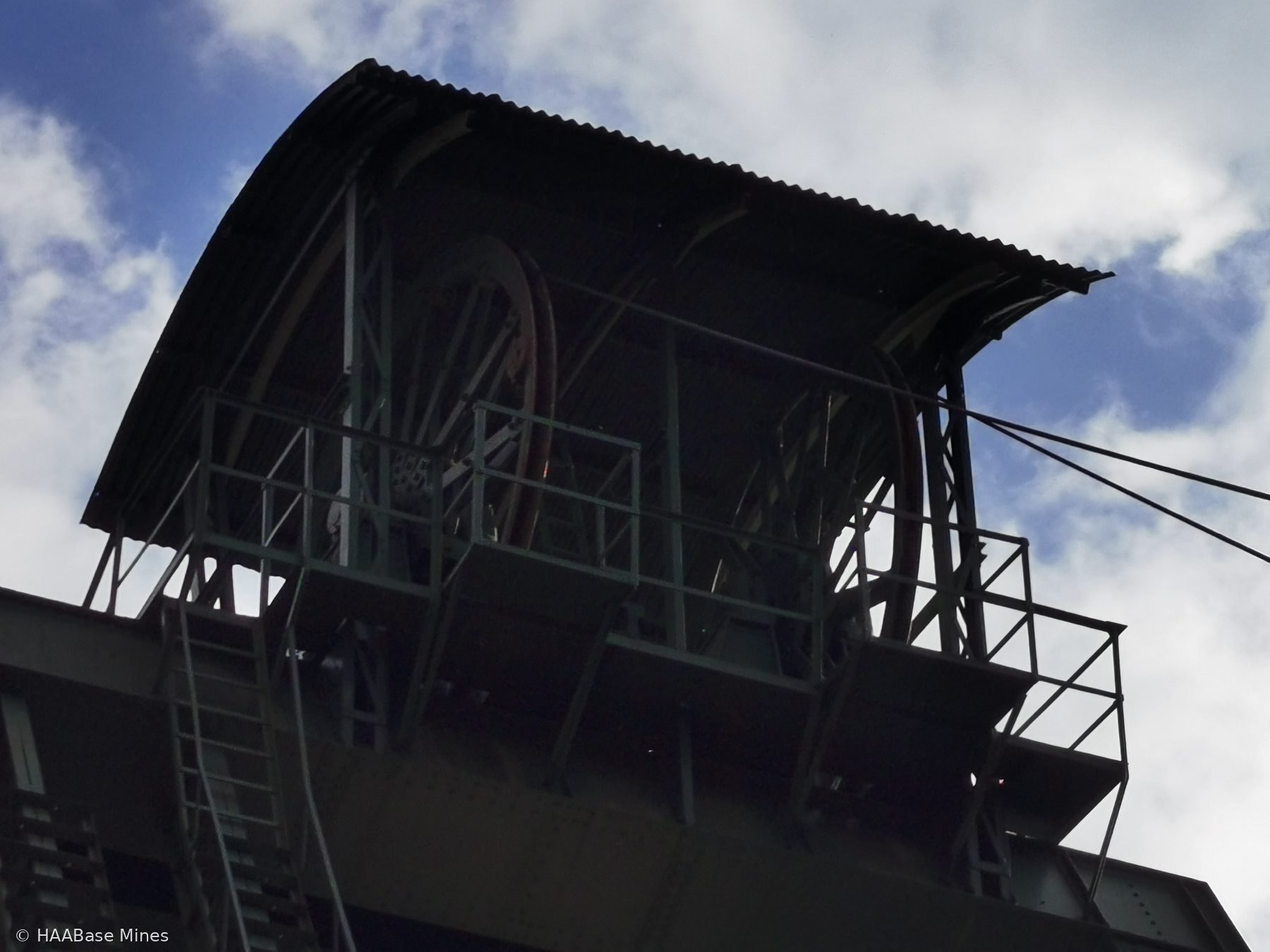
Site overview

Grube Rosenhof, also known as the Rosenhöfer Revier, was a silver, copper and lead ore mine working the Rosenhöfer Gangzug vein system west of Clausthal in the Upper Harz. Documented mining on the vein began around 1554 and continued without interruption until 1930, making it one of the longest-operating mines in the Oberharz. The mine originated from several independent collieries — including Thurmhof, Rosenhof, Drei Brüder and Sankt Anna — that gradually consolidated.

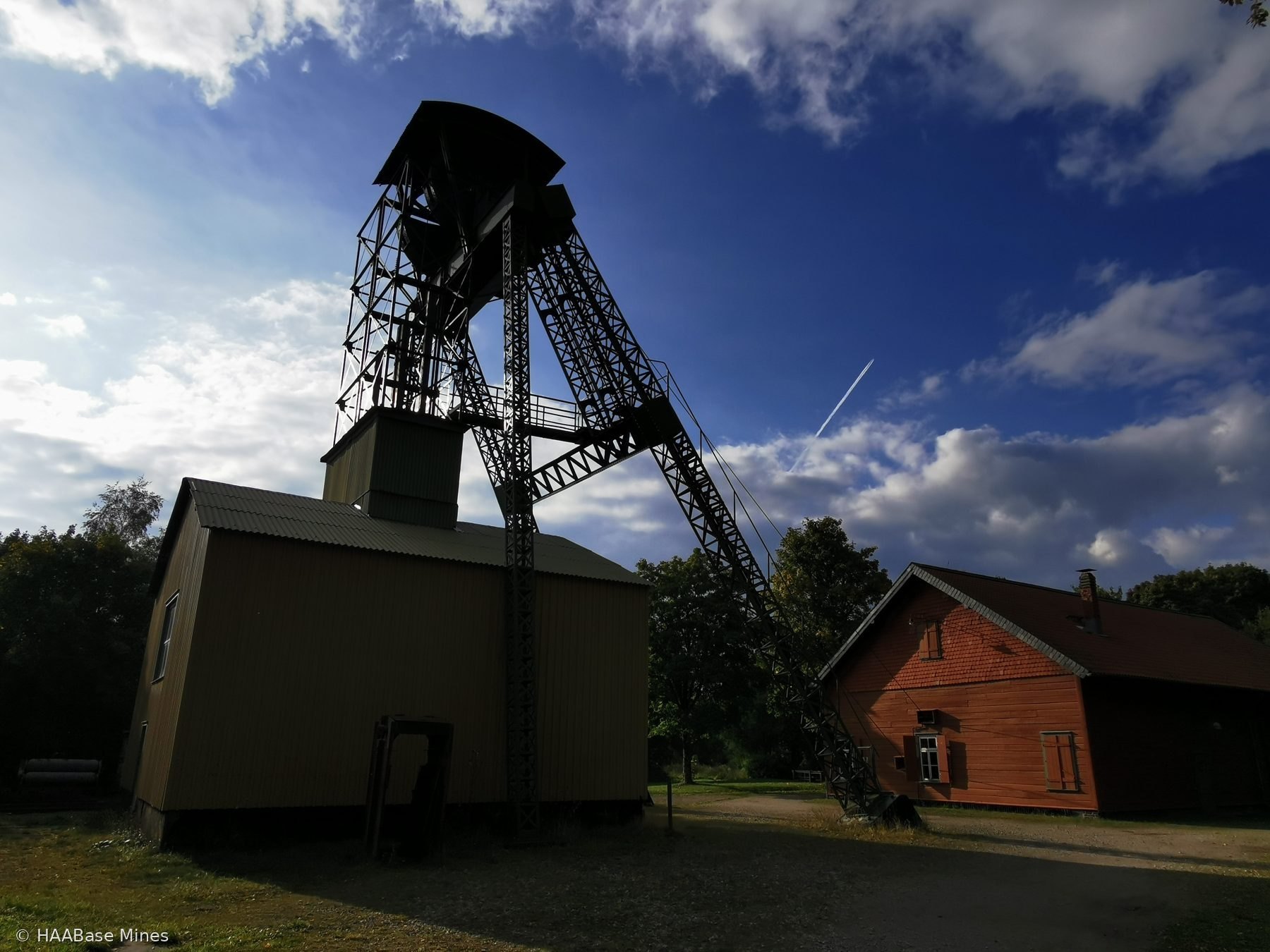
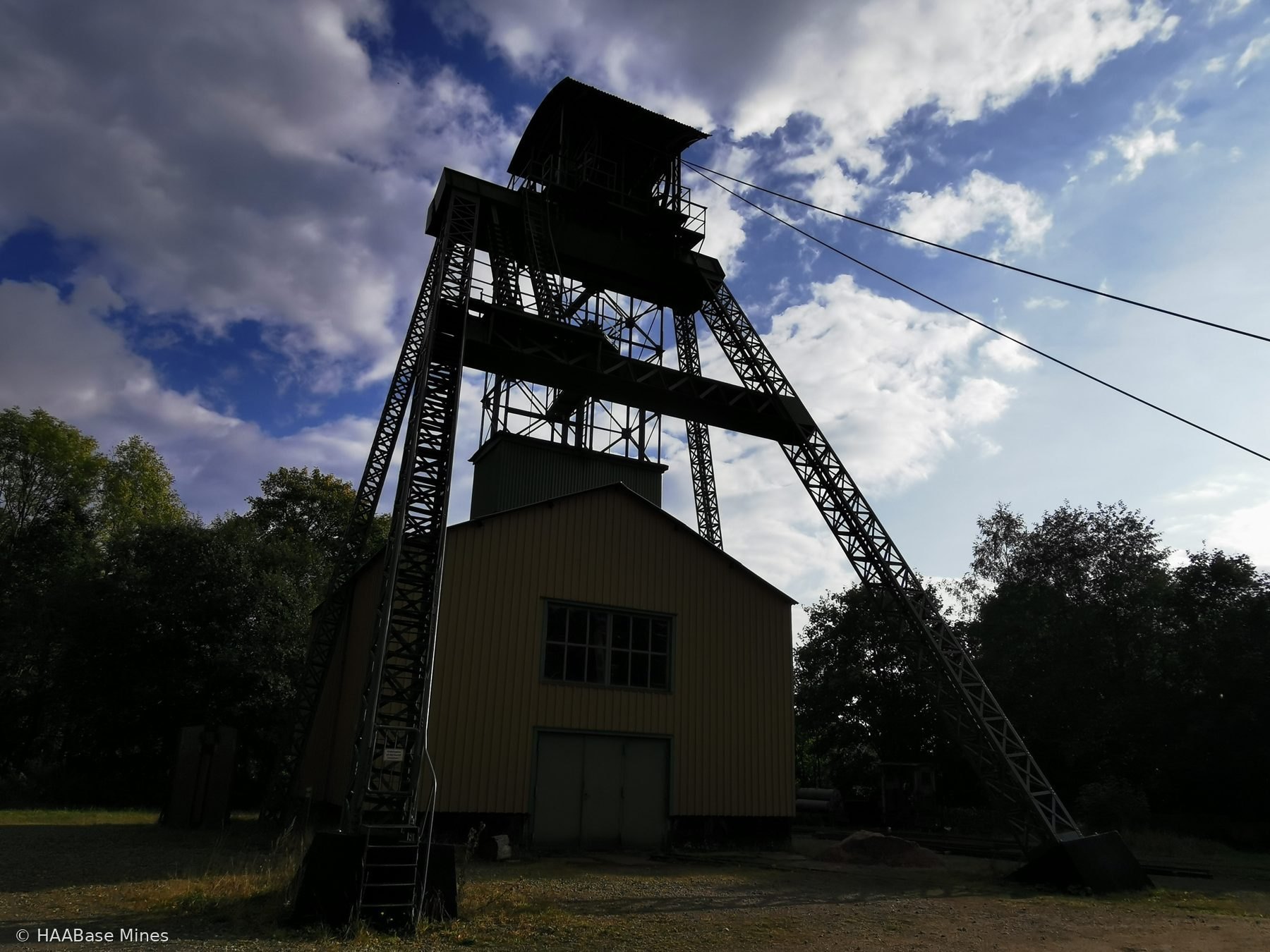
Around 1600 Thurmhof and Rosenhof merged to form Grube Thurm-Rosenhof. Silver was consistently the main revenue source, with lead and copper also extracted. The Ottiliae-Schacht, sunk from 1868, became the central winding shaft from 1905.

Closure came in 1930 amid the global economic depression. The mine is now part of the UNESCO World Heritage Welterbe-Route. The surviving round and oval water-wheel chambers of Grube Thurm-Rosenhof are accessible as an outstation of the Oberharzer Bergwerksmuseum.

The site lies in wooded upland surroundings west of Clausthal, where little reads as a complete surface mine and the surviving features are scattered within a wider historic mining landscape.

Map & photo

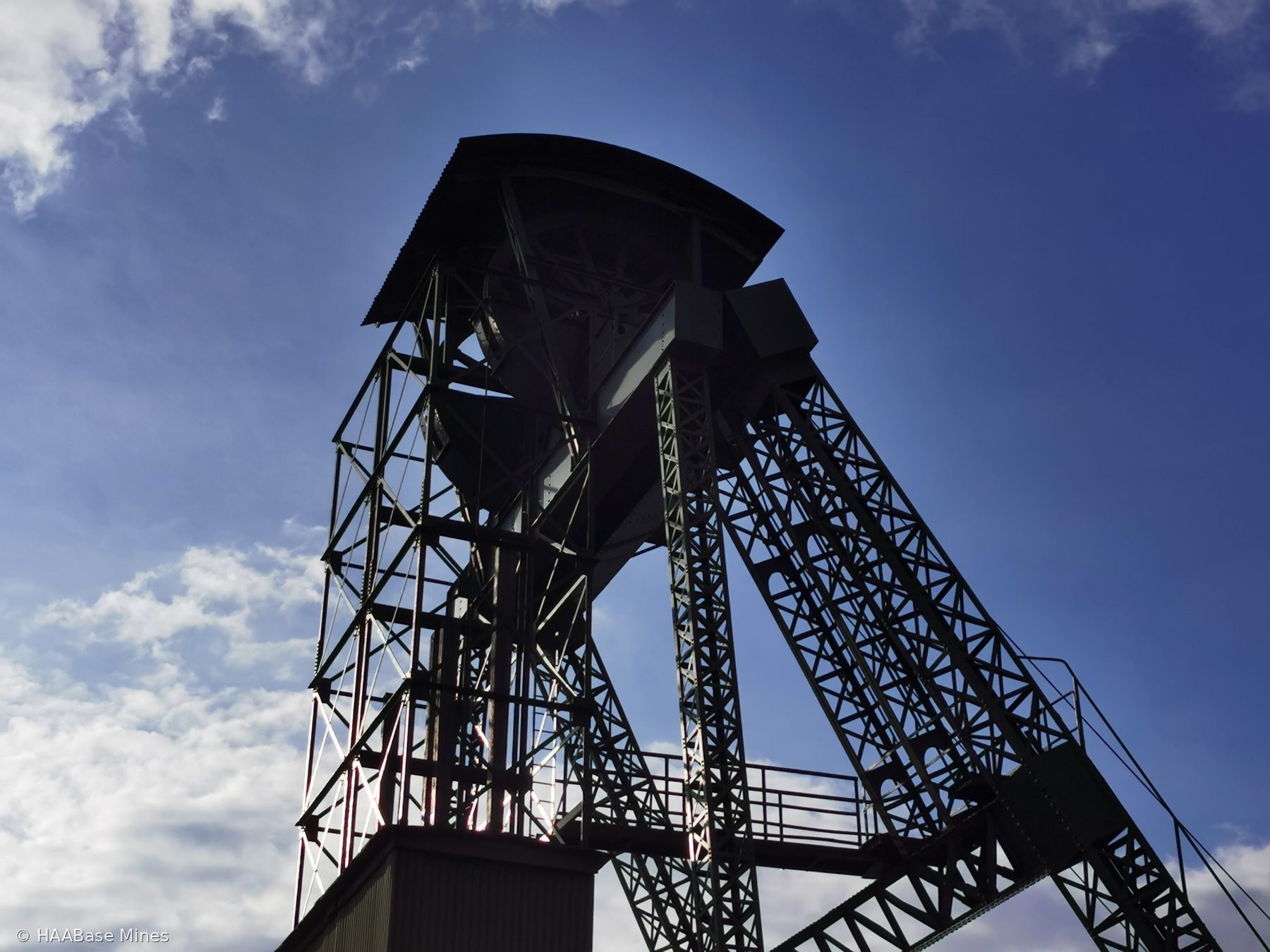
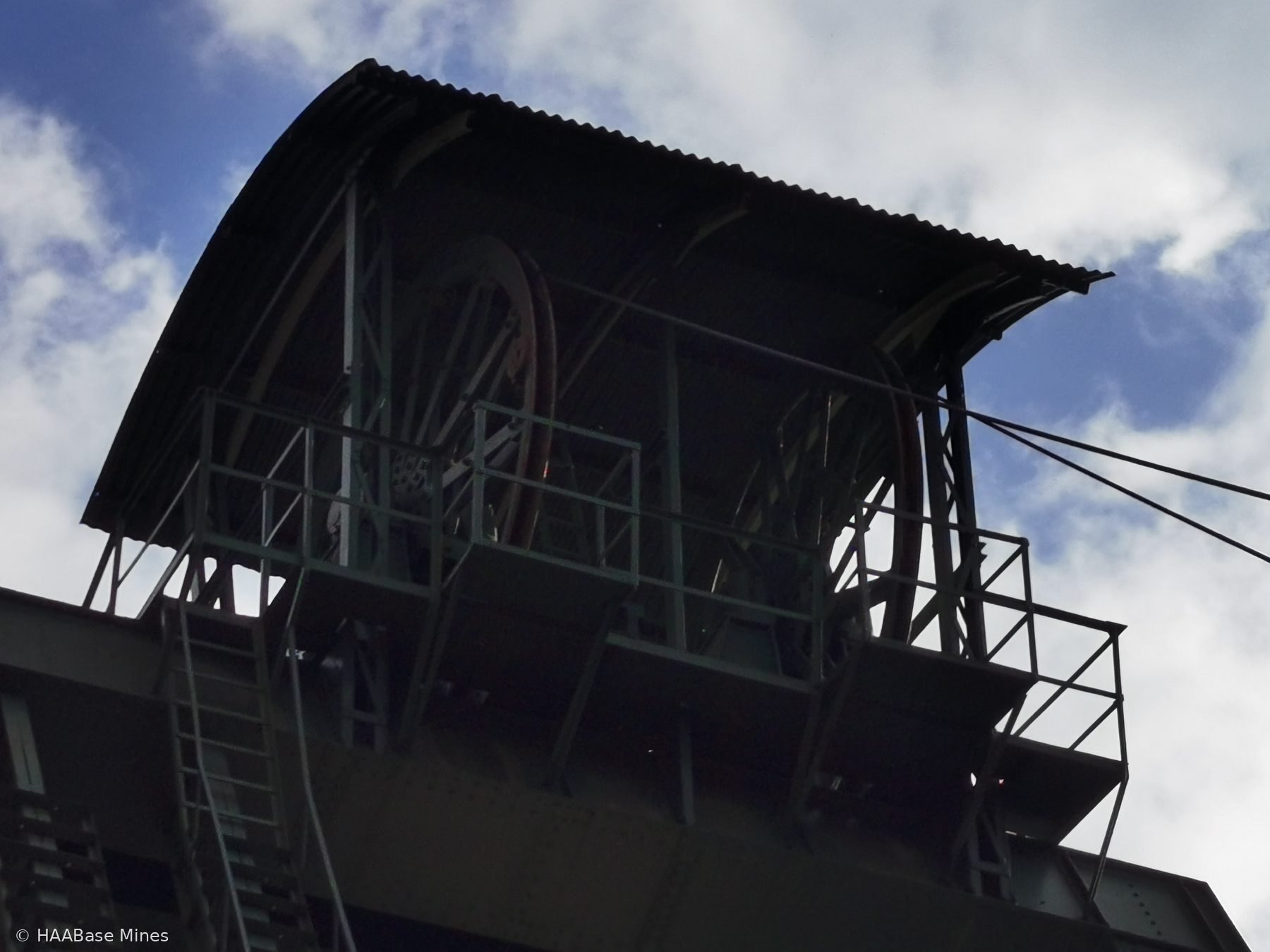
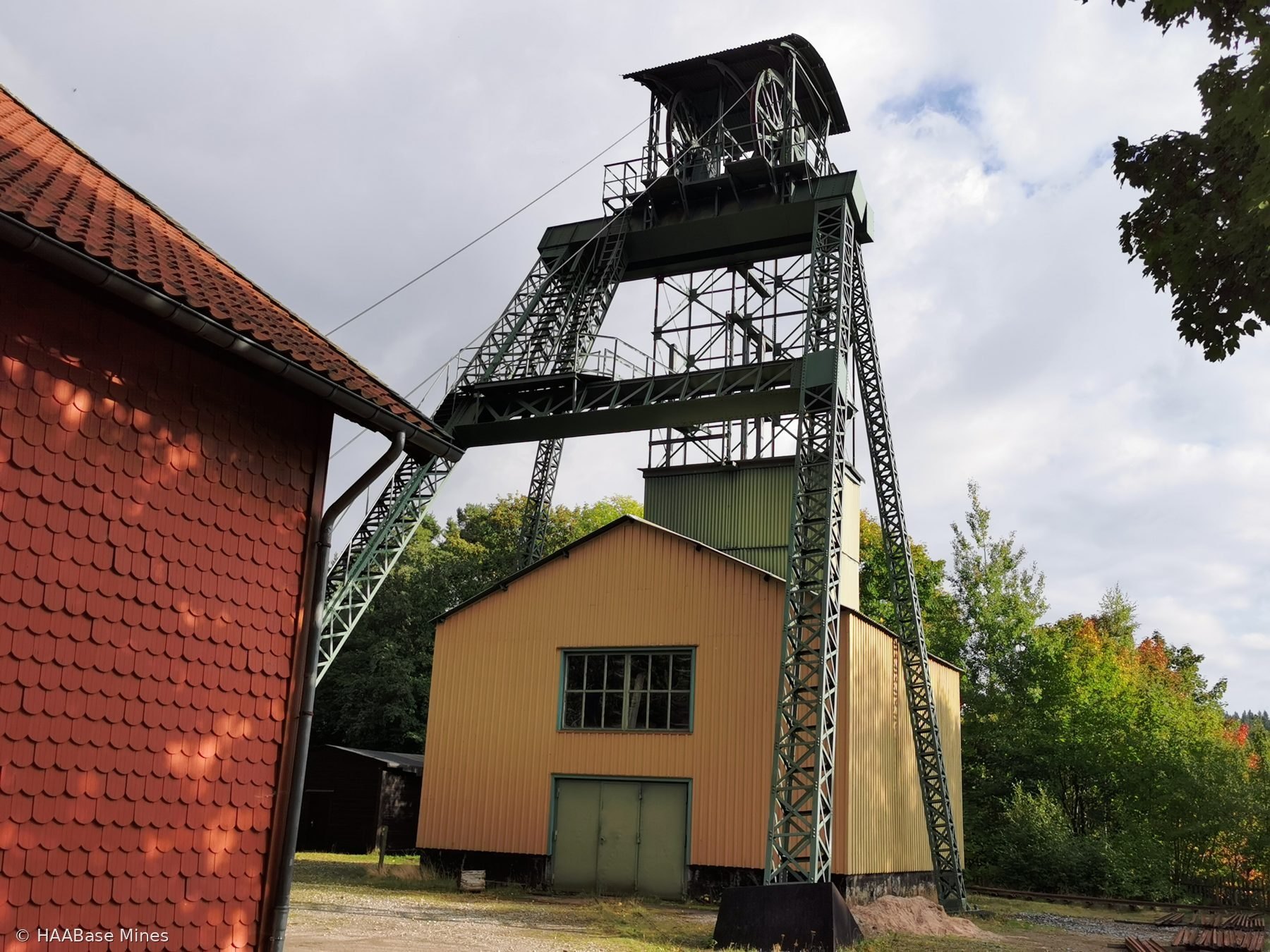
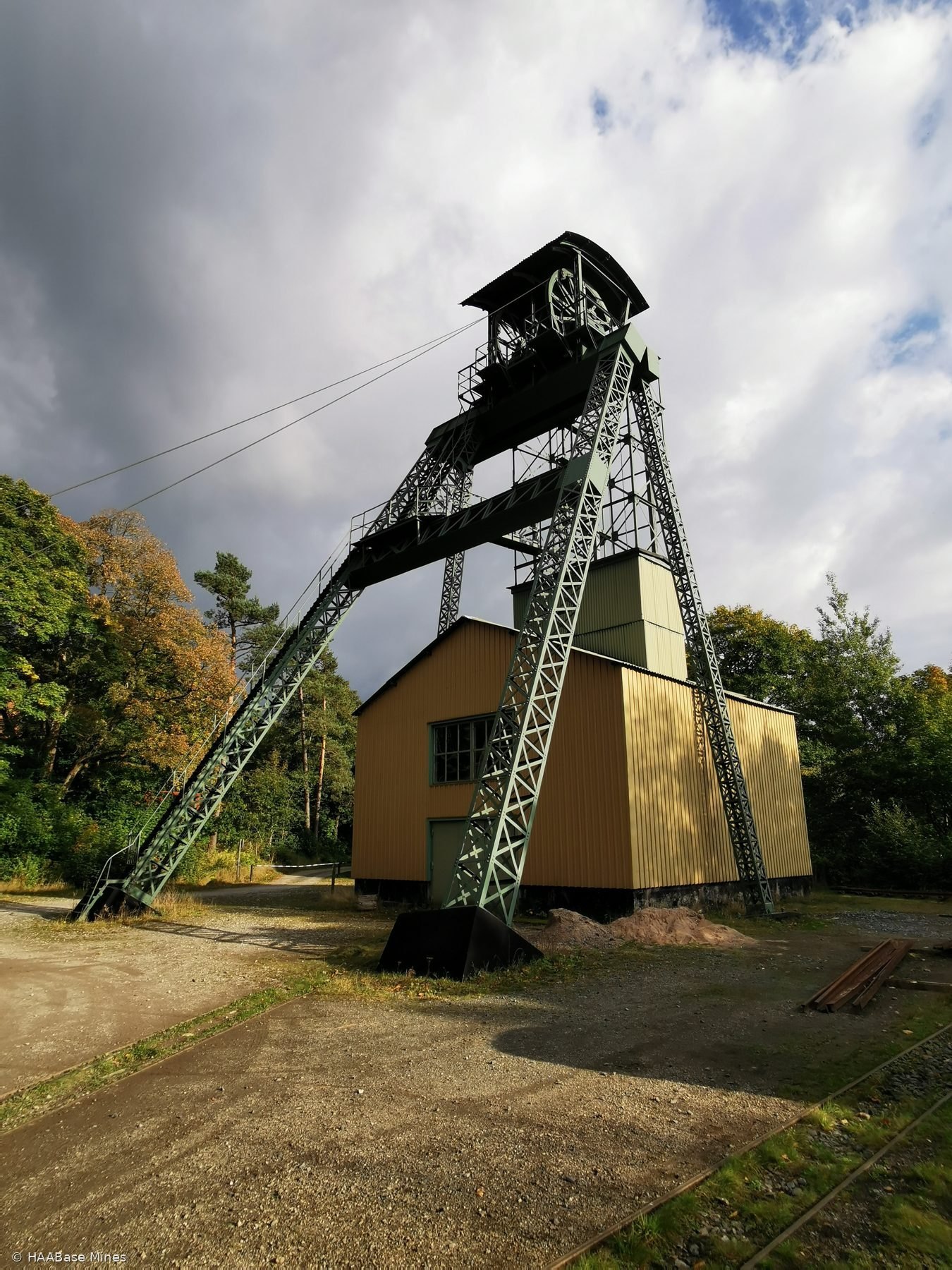
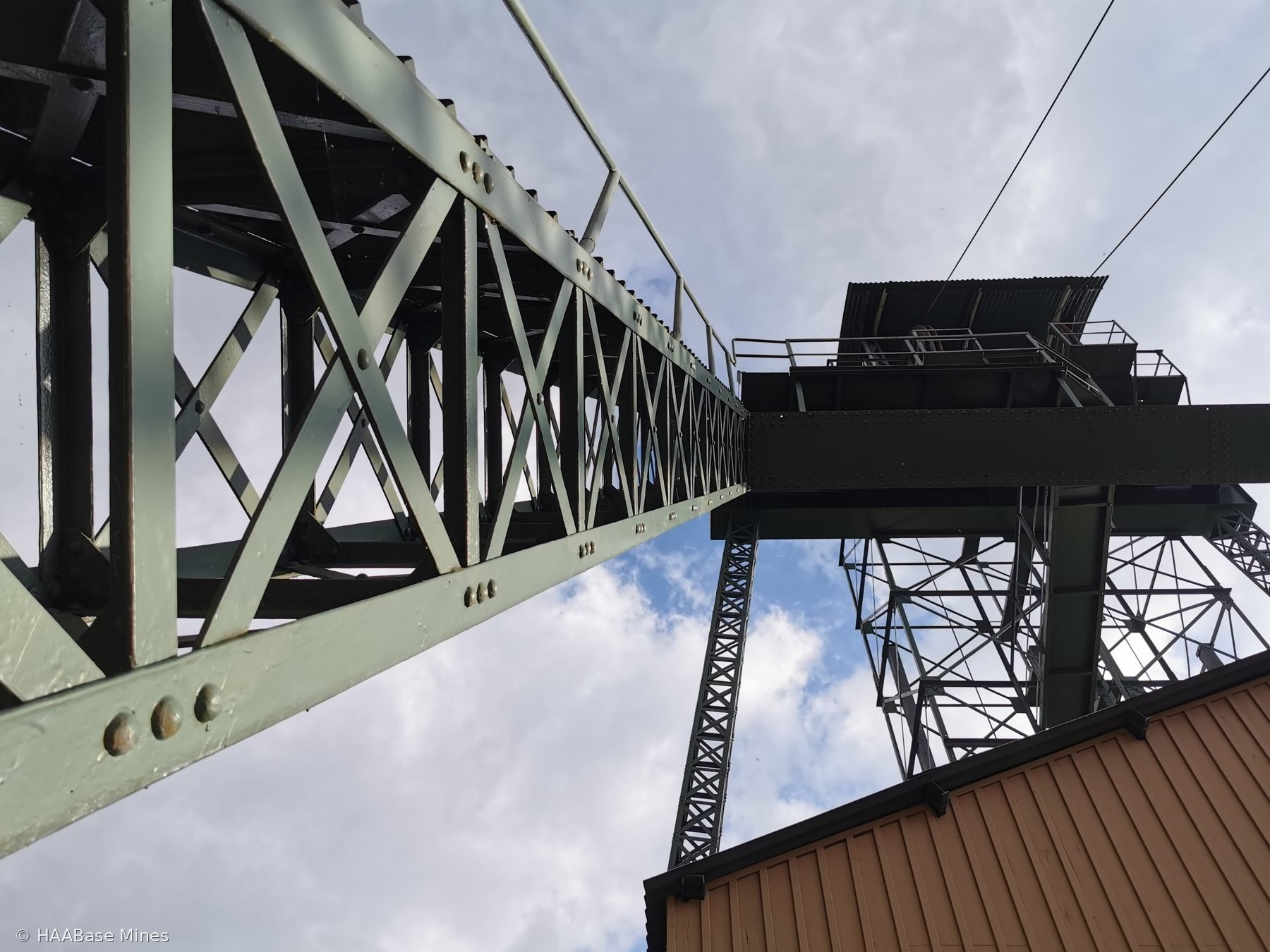
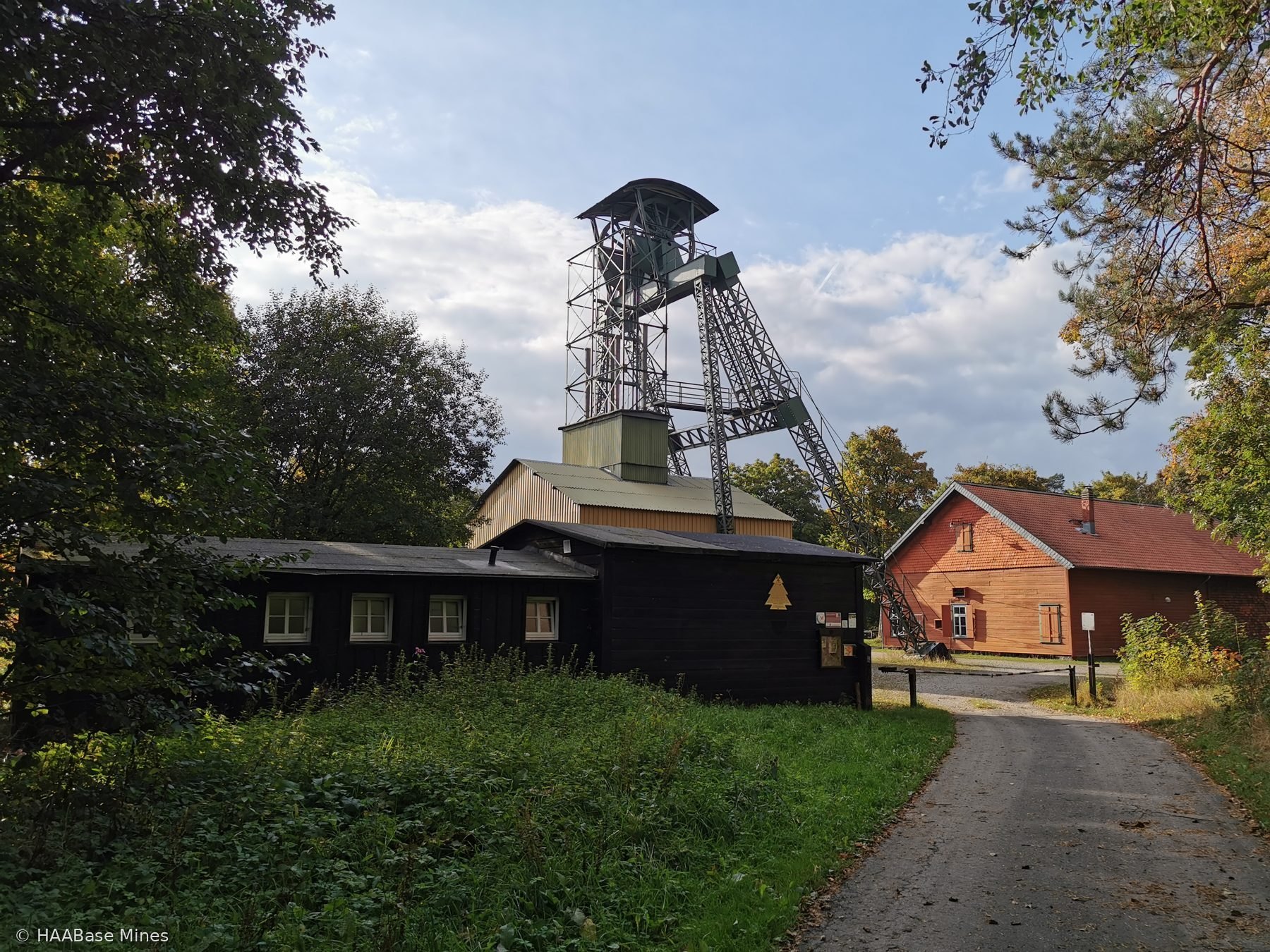
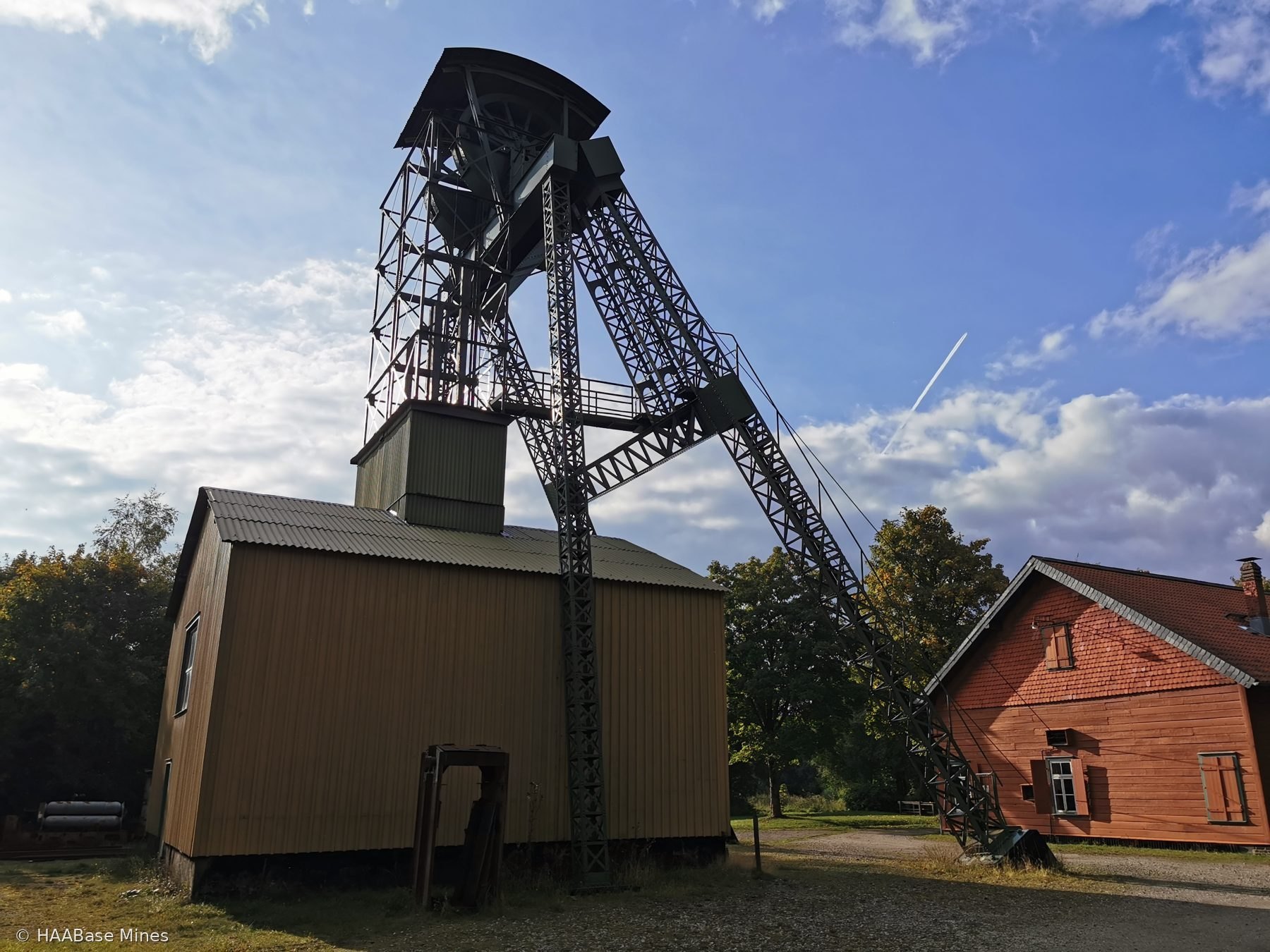
Grube Rosenhof — Schacht Ottiliae mine headframe or winding tower site
Photograph taken: 28 September 2025
Map markers and directions links are provided for location reference only and do not indicate public access or permission to enter a site.

History

The Rosenhöfer Gangzug, a vein system west of Clausthal at the western edge of the Oberharzer plateau, was the mineralised basis of the Grube Rosenhof and its predecessors. Mining on the vein began by the middle of the sixteenth century, with the bergmännische Bergfreiheit granted for Zellerfeld in 1554. The earliest independent collieries on the vein were Sankt Anna, Drei Brüder, Thurmhof and Rosenhof, all of which came rapidly into productive operation because of rich ore bodies. Schacht Sankt Anna was active from 1552. Drainage of the workings required early investment in adits: from 1554 the Fürstenstollen was driven, and from 1570 the Rabenstollen was advanced, beginning in the Rabental at Frankenscharrnhütte. By about 1591 the collieries appear on a documented Bergzettel. In 1649 a fire caused by negligence of a Kunstwärter destroyed the main shaft.

Around 1600 the two workings Thurmhof and Rosenhof consolidated to form the new Grube Thurm-Rosenhof. Alongside it continued the Gruben Sankt Anna, Drei Brüder, Himmlisch Heer and Alter Segen. During the seventeenth century additional mines came into being: Heilige Drei Könige, Sankt Johannes and Braune Lilie. The Grube Alter Segen sank a second shaft, the Liegender Alter Segen, and Grube Thurm-Rosenhof received a new shaft — the Unterer Thurm-Rosenhof — while the earlier working was renamed Oberer Thurm-Rosenhof. The round Radstube (water-wheel chamber) associated with this mine was originally an above-ground structure approximately 10.50 metres in diameter. As the adjacent spoil heap grew over the centuries, a protective ring wall was added and progressively heightened, eventually reaching 24 metres, so that what had been a surface building became effectively an underground structure.

From 1799 the Tiefe Georg-Stollen, completed within 22 years of its commencement, took over the drainage of all the Rosenhöfer Revier mines, providing a drainage level approximately 250 metres below surface. As drainage improved and the workings deepened, the independent mines continued to consolidate. By the early nineteenth century only three mines remained active on the Rosenhöfer Gangzug: Neu-Thurm-Rosenhof (which had absorbed the Schächte Braune Lilie, Zilla and Sankt Johannes), Alter Segen (with Schacht Drei Könige), and Silbersegen (which had taken over the Schacht Himmlisch Heer and sunk the new seigerer Silbersegener Schacht as the first vertical shaft on the Rosenhöfer Gangzug). This seigerer shaft was designed as the new central hoisting shaft for the revier. The water-wheel chambers continued to house the large Kehrrad that drove the man-riding Fahrkunst; the existing Kehrrad was installed in 1840, and wooden parts of a later Kehrrad built in 1897 and in use until 1909 were recovered during excavations.

In 1864 the Ernst-August-Stollen broke through the workings, superseding the Tiefe Georg-Stollen as the principal drainage adit and providing a new drainage level approximately 330 metres below the Ottiliae-Schacht collar. In 1868 sinking began in the country rock on a new vertical shaft, the Ottiliae-Schacht, named after the Prussian Berghauptmann Ernst Hermann Ottiliae (1821–1904). In October 1878 a severe accident occurred in the Schacht Unterer Thurm-Rosenhof: the Fahrkunst broke at a depth of 345 metres, killing eleven miners and seriously injuring twenty more. The repaired installation continued in use into the 1920s.

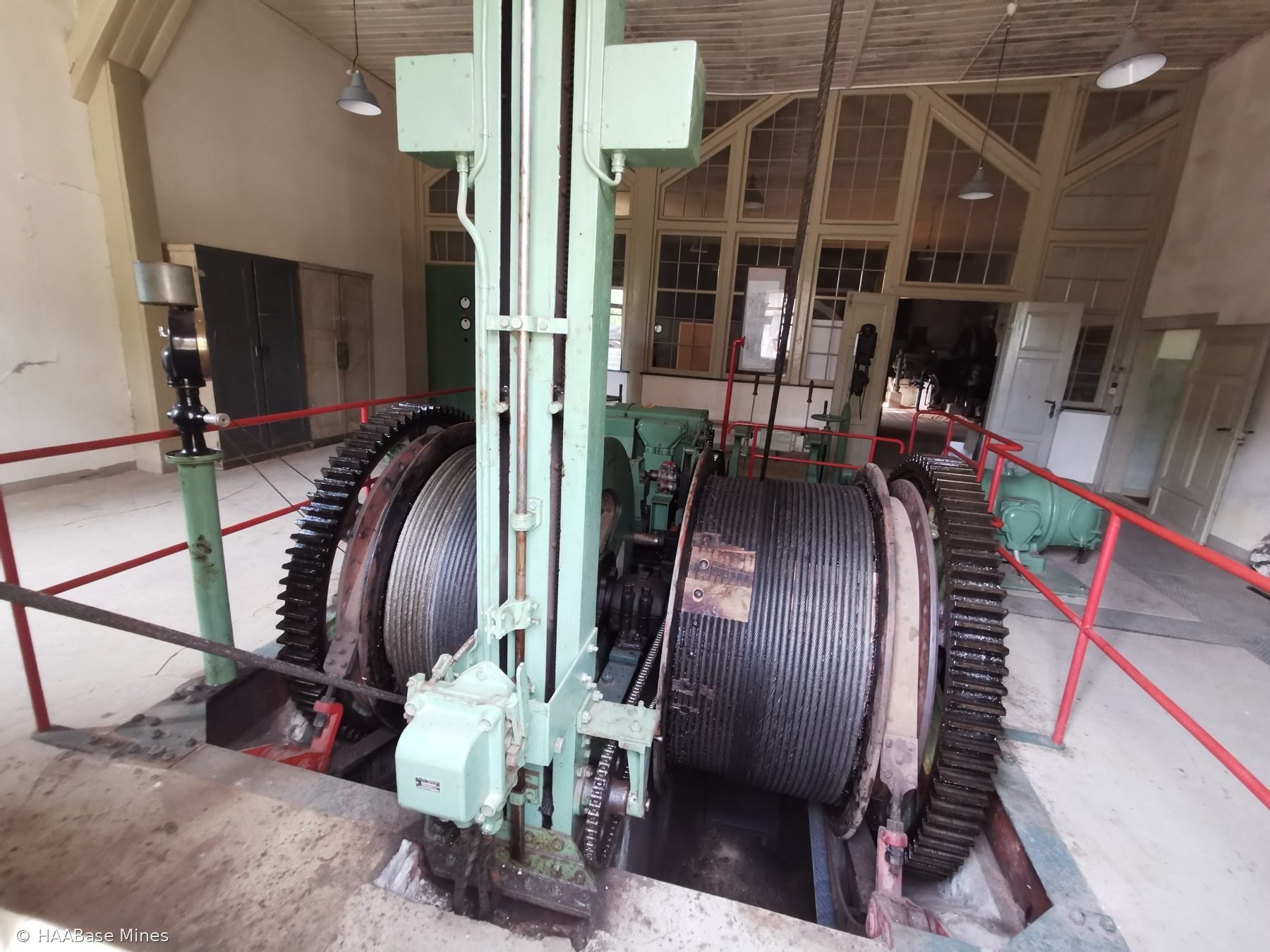
In the final phase of the Oberharz ore industry the mine, now known as Grube Rosenhof, absorbed the Gruben Silbersegen and Alter Segen. In 1905 the underground Thekla-Schacht was created as the new winding shaft, replacing the Unterer Thurm-Rosenhof, which was thereafter abandoned. From 1905 the Ottiliae-Schacht, connected to the Tiefste Wasserstrecke, became the central hoisting shaft for the Rosenhöfer, Zellerfelder and Burgstätter Gangzüge, reaching its final depth of 594 metres after comprehensive modernisation between 1900 and 1905 including conversion to electric Koepe winding. The greatest depth achieved across the Grube Rosenhof was 697.4 metres. The mine's power water was supplied through several installations of the Oberharzer Wasserregal, principally the Oberer and Unterer Rosenhöfer Fall and the Bremerhöher Graben.

In 1930 the Grube Rosenhof and all other mines around Clausthal-Zellerfeld were closed, the direct consequence of the global economic depression and its effect on metal prices, combined with the high cost of production in these ageing deep mines. After closure the mine workings were progressively filled; by 1930 the round Radstube was also filled in. The structure was rediscovered by chance around the turn of the millennium and subsequently excavated. From 1990 the Oberharzer Geschichts- und Museumsverein began research and clearance work; the round Radstube has been accessible since 2005 in the framework of guided tours run by the Oberharzer Bergwerksmuseum in Clausthal-Zellerfeld. The oval Radstube, from the early nineteenth century and 15 metres high, is also accessible by underground tours. The Grube Rosenhof is listed on the Welterbe-Route of the UNESCO World Heritage designation Bergwerk Rammelsberg, Altstadt von Goslar und Oberharzer Wasserwirtschaft, which was extended in 2010 to include the Oberharzer Wasserwirtschaft. Visits to the Rosenhöfer Radstuben are possible as an outstation of the Oberharzer Bergwerksmuseum.
Timeline

1552
Legislation

Schacht Sankt Anna active; Bergfreiheit granted 1554

Mining on the Rosenhöfer Gangzug was formalised with the Bergfreiheit granted for Zellerfeld in 1554. Schacht Sankt Anna had been active from 1552. The Fürstenstollen drainage adit was begun from 1554.
1554
Legislation

Bergfreiheit granted; Fürstenstollen drainage adit begun

The Bergfreiheit was granted for Zellerfeld in 1554. Mining on the Rosenhöfer Gangzug was formalised, and the Fürstenstollen drainage adit was driven from the same year. Schacht Sankt Anna was active from 1552.
1570
Construction

Rabenstollen drainage adit driven

The Rabenstollen was advanced from 1570, beginning in the Rabental at Frankenscharrnhütte, to improve drainage of the growing workings.
1600
Legislation

Gruben Thurmhof and Rosenhof consolidated as Grube Thurm-Rosenhof

Around 1600 the two adjacent mines Thurmhof and Rosenhof merged to form the new Grube Thurm-Rosenhof. The round water-wheel chamber existed at this period as a surface building approximately 10.50 metres in diameter.
1799
Operation

Tiefe Georg-Stollen completed; drainage of entire Rosenhöfer Revier

The Tiefe Georg-Stollen, completed within 22 years of its commencement, took over the drainage of all Rosenhöfer Revier mines, providing a drainage level approximately 250 metres below surface.
1840
Operation

New Fahrkunst installed in Unterer Thurm-Rosenhof shaft

A Fahrkunst man-riding installation was fitted in 1840, driven by the Kehrrad in the round water-wheel chamber.
1840
Operation

Fahrkunst installed in Unterer Thurm-Rosenhof shaft

A Fahrkunst man-riding installation was fitted in 1840, driven by the Kehrrad in the round water-wheel chamber.
1864
Operation

Ernst-August-Stollen breaks through; new principal drainage level established

In 1864 the Ernst-August-Stollen broke through into the Rosenhöfer workings, superseding the Tiefe Georg-Stollen as the principal drainage adit and providing a deeper drainage level of approximately 330 metres at the Ottiliae-Schacht.
1864
Operation

Ernst-August-Stollen breaks through; new principal drainage level

In 1864 the Ernst-August-Stollen broke through, superseding the Tiefe Georg-Stollen as the principal drainage adit at approximately 330 metres depth at the Ottiliae-Schacht.
1868
Construction

Ottiliae-Schacht sinking begins

Sinking of the seigerer Ottiliae-Schacht began in 1868 in the country rock adjacent to the ore veins. It was named after Prussian Berghauptmann Ernst Hermann Ottiliae (1821–1904).
1878
Operation

Fahrkunst breaks in Unterer Thurm-Rosenhof; eleven miners killed

In October 1878 the Fahrkunst broke at a depth of 345 metres in the Schacht Unterer Thurm-Rosenhof, killing eleven miners and seriously injuring twenty. The repaired installation continued in use into the 1920s.
1897–1909
Operation

New Kehrrad installed in round water-wheel chamber

A new Kehrrad (winding water-wheel) was built in 1897 and operated in the round Radstube until 1909. Parts of the wooden wheel were later recovered during archaeological excavations.
1897–1909
Operation

New Kehrrad built and operated in round water-wheel chamber

A new Kehrrad was built in 1897 and operated in the round Radstube until 1909.
1900–1905
Construction

Ottiliae-Schacht modernised and deepened to 594 metres; becomes central winding shaft

Between 1900 and 1905 the Ottiliae-Schacht was comprehensively enlarged and modernised: a new ore preparation plant was built, the shaft was deepened to its final depth of 594 metres to reach the Tiefste Wasserstrecke, and electric Koepe winding was installed. From 1905 it served as the central winding shaft for the Rosenhöfer, Zellerfelder and Burgstätter Gangzüge.
1900–1905
Construction

Ottiliae-Schacht modernised to 594 metres; becomes central winding shaft

Between 1900 and 1905 the Ottiliae-Schacht was deepened to 594 metres, a new ore preparation plant was built, and electric Koepe winding was installed. From 1905 it was the central winding shaft for multiple Gangzüge.
1905
Construction

Thekla-Schacht created underground; Unterer Thurm-Rosenhof abandoned

In 1905 the underground Thekla-Schacht was created as the new winding shaft for the Rosenhöfer working, replacing the Unterer Thurm-Rosenhof shaft, which was subsequently abandoned.
1905
Construction

Thekla-Schacht created; Unterer Thurm-Rosenhof abandoned

In 1905 the underground Thekla-Schacht was created as the new winding shaft, replacing the Unterer Thurm-Rosenhof, which was subsequently abandoned.
1930
Closure

All Clausthal-Zellerfeld mines closed including Grube Rosenhof

In 1930 the Grube Rosenhof and all other mines around Clausthal-Zellerfeld were closed due to the global economic depression and depressed metal prices. The round water-wheel chamber was filled in after closure.
1990
Heritage

Excavation and research work on Rosenhöfer Radstuben begins

From 1990 the Oberharzer Geschichts- und Museumsverein began research and clearance work on the round Radstube, which had been rediscovered by chance around the turn of the millennium after being filled and forgotten since 1930.
2005
Heritage

Round water-wheel chamber opened for public guided tours

The round Radstube has been accessible since 2005 in the framework of guided tours run by the Oberharzer Bergwerksmuseum in Clausthal-Zellerfeld. It is a UNESCO World Heritage component.
2010
Heritage

Site incorporated into extended UNESCO World Heritage Welterbe-Route

The UNESCO World Heritage designation was extended in 2010 to include the Oberharzer Wasserwirtschaft, incorporating the Grube Rosenhof site into the Welterbe-Route.

Sources and records

Wikipedia article (German): Grube Rosenhof
Wikipedia article (German): Ottiliae-Schacht
DeWiki: Grube Rosenhof
Harzlife.de: Altbergbau im Harz – Radstube der Grube Thurm Rosenhof in Clausthal-Zellerfeld
Welterbeimharz.de: Rosenhöfer Kehrradstuben
Oberharzerbergwerksmuseum.de: Round Wheel Chamber Thurm Rosenhof (English)
Clausthal-Zellerfeld municipal website: Rosenhöfer Radstuben
Wikisource: Die Gruben und Schächte rings um Clausthal-Zellerfeld (H. Morich)
This researched site record is part of the HAABase Mines database. Normal personal research and browsing is welcome. Automated bulk extraction, republication, or harvesting of site text and images is not permitted without written consent.