1819
Grube Bergwerkswohlfahrt begins operations
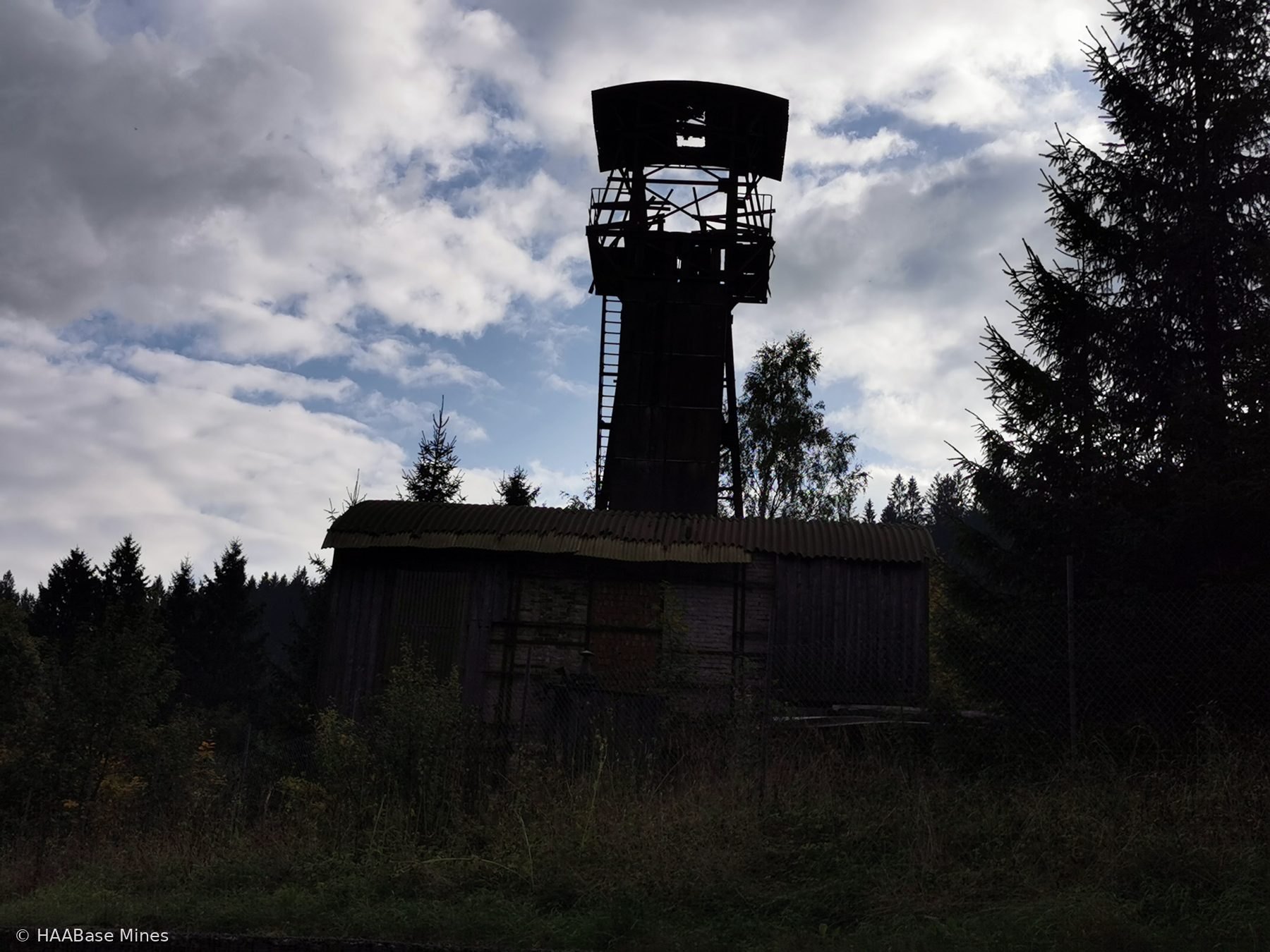
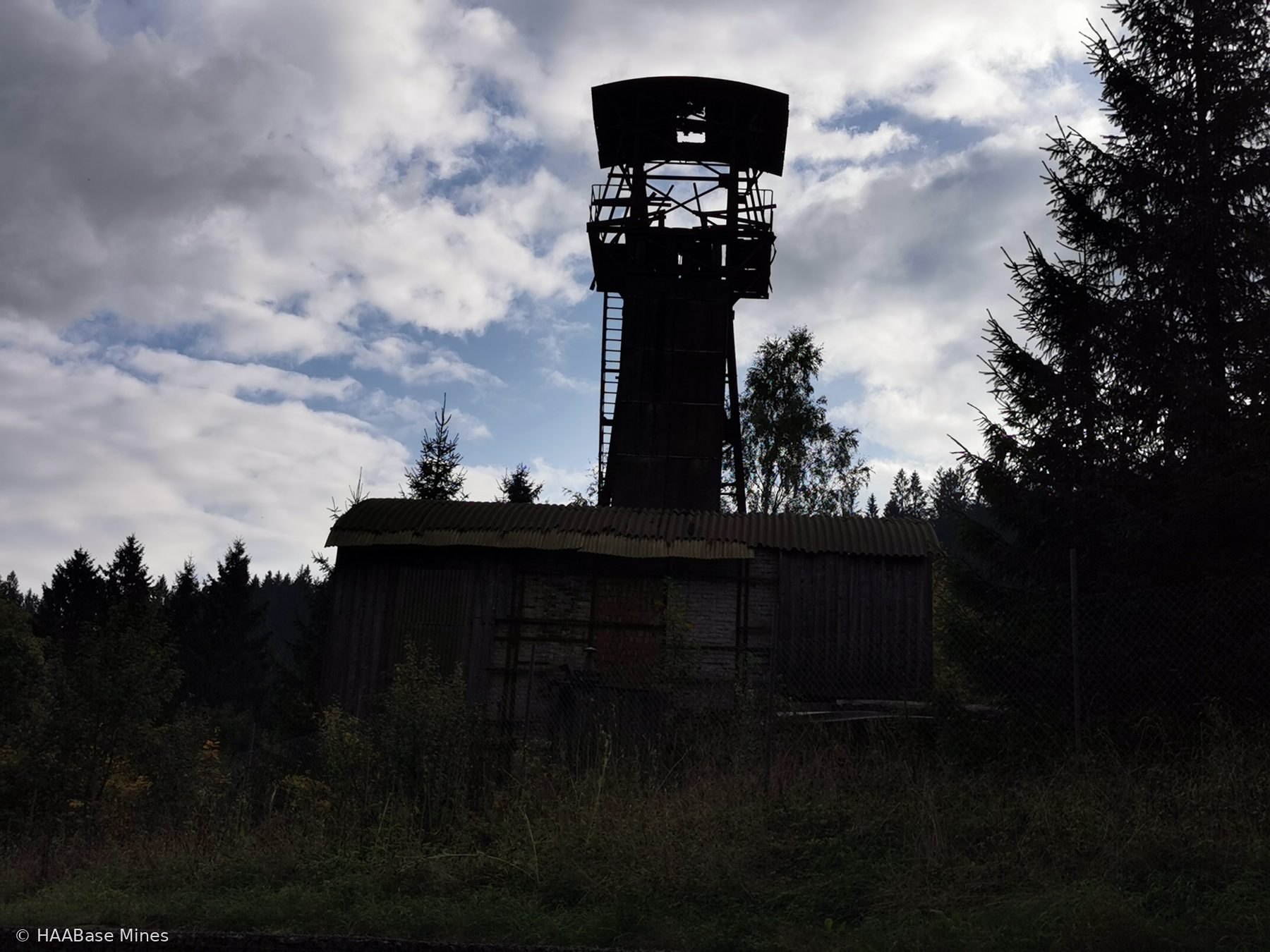
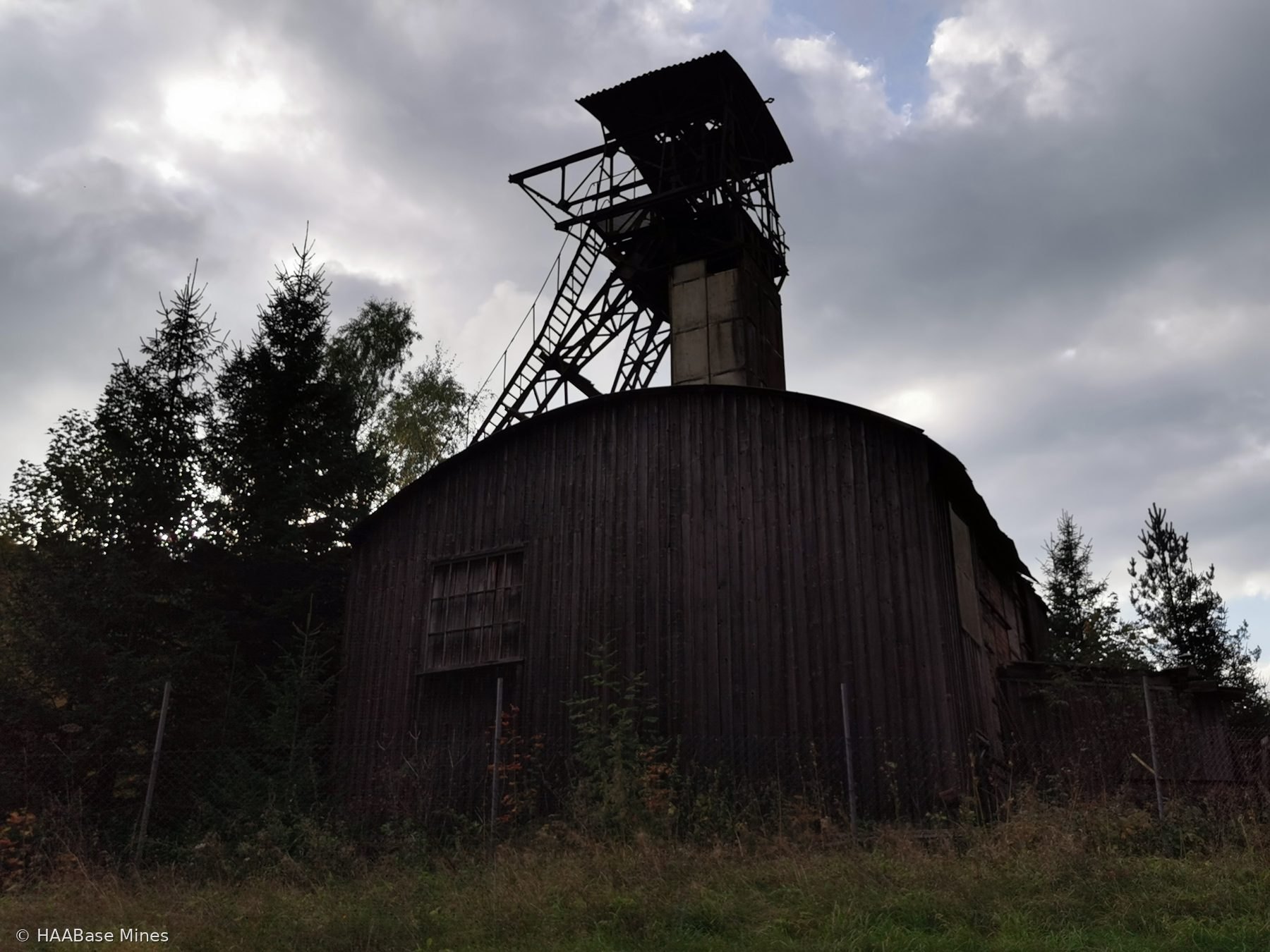
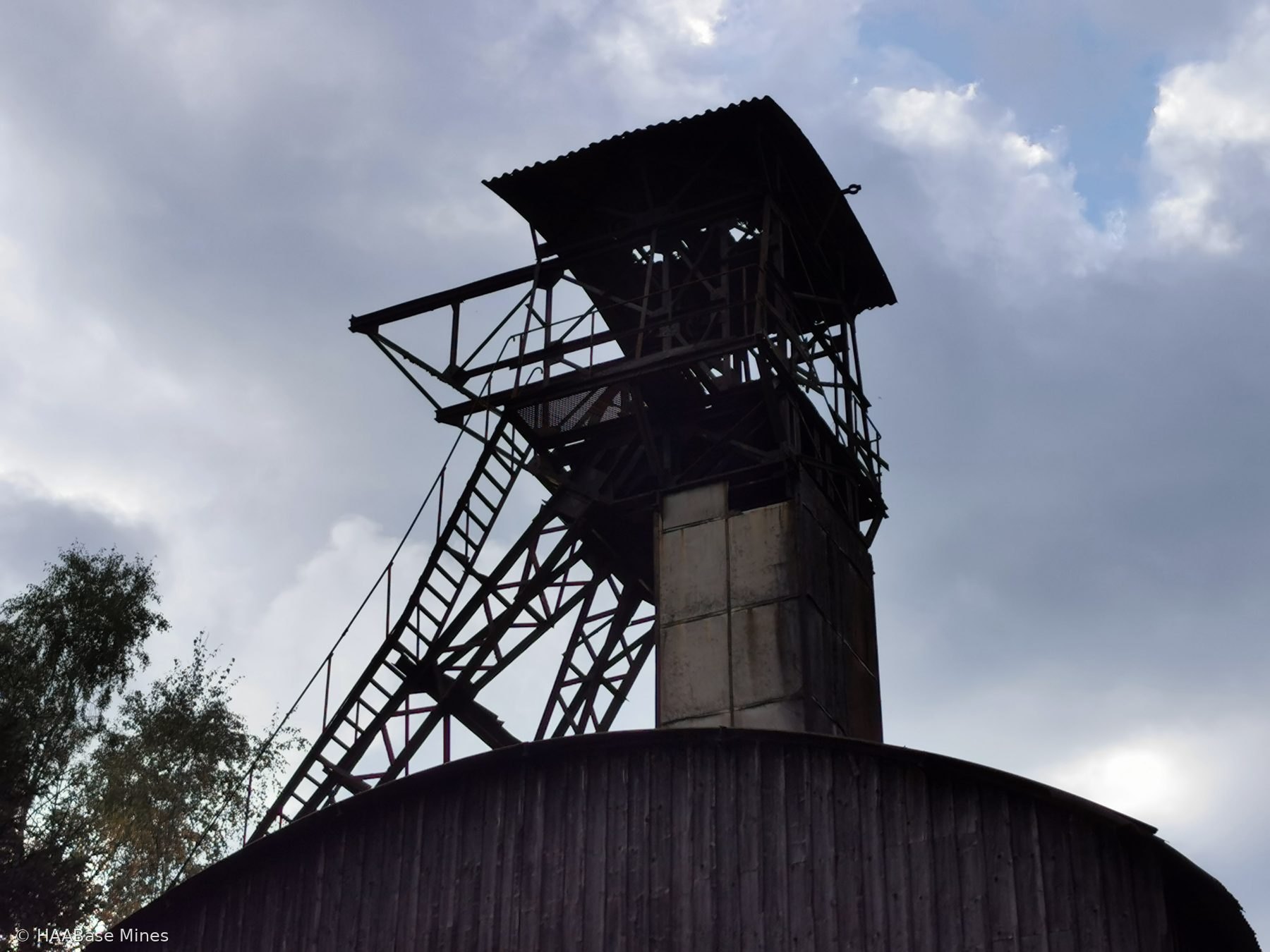
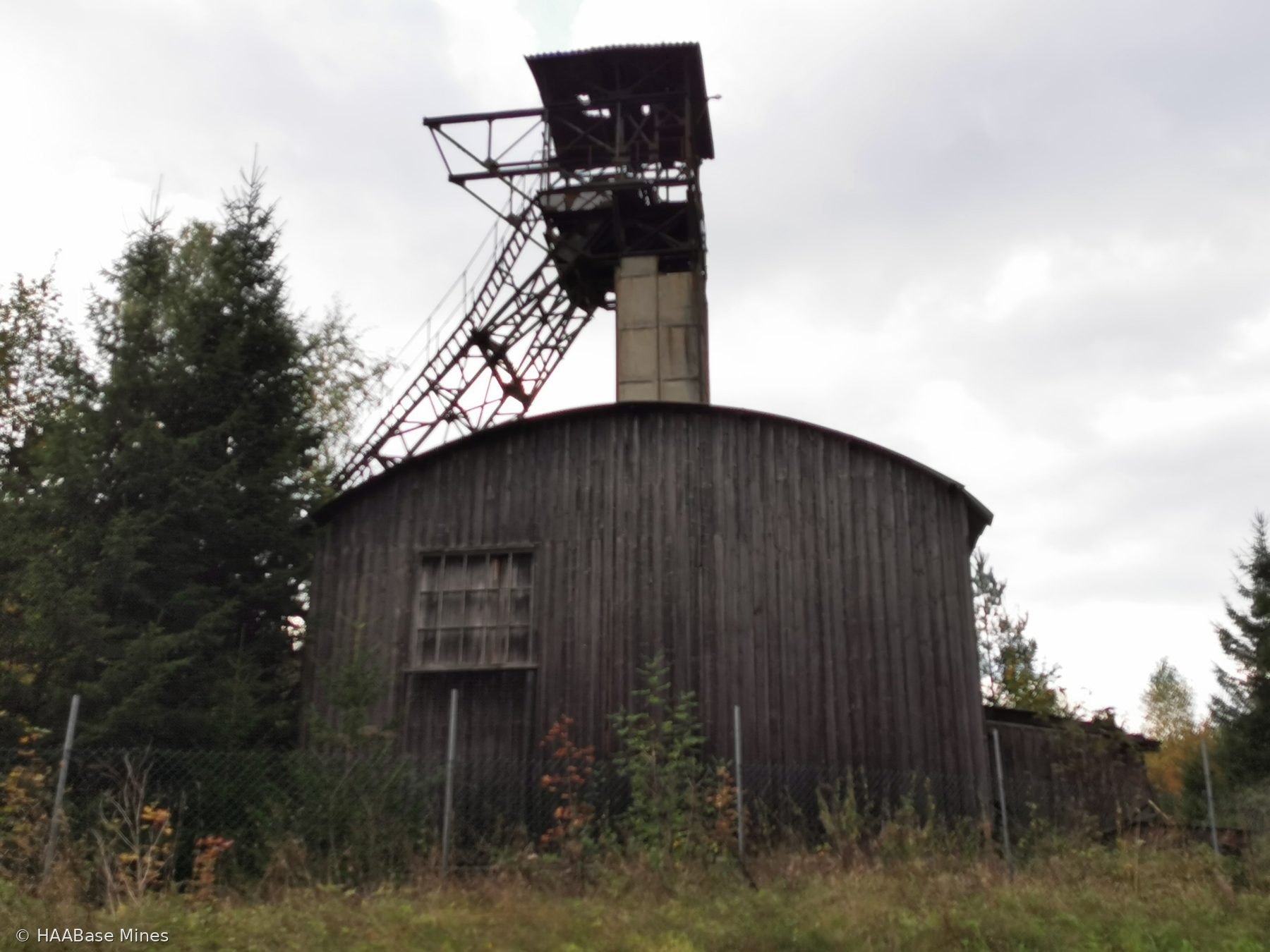
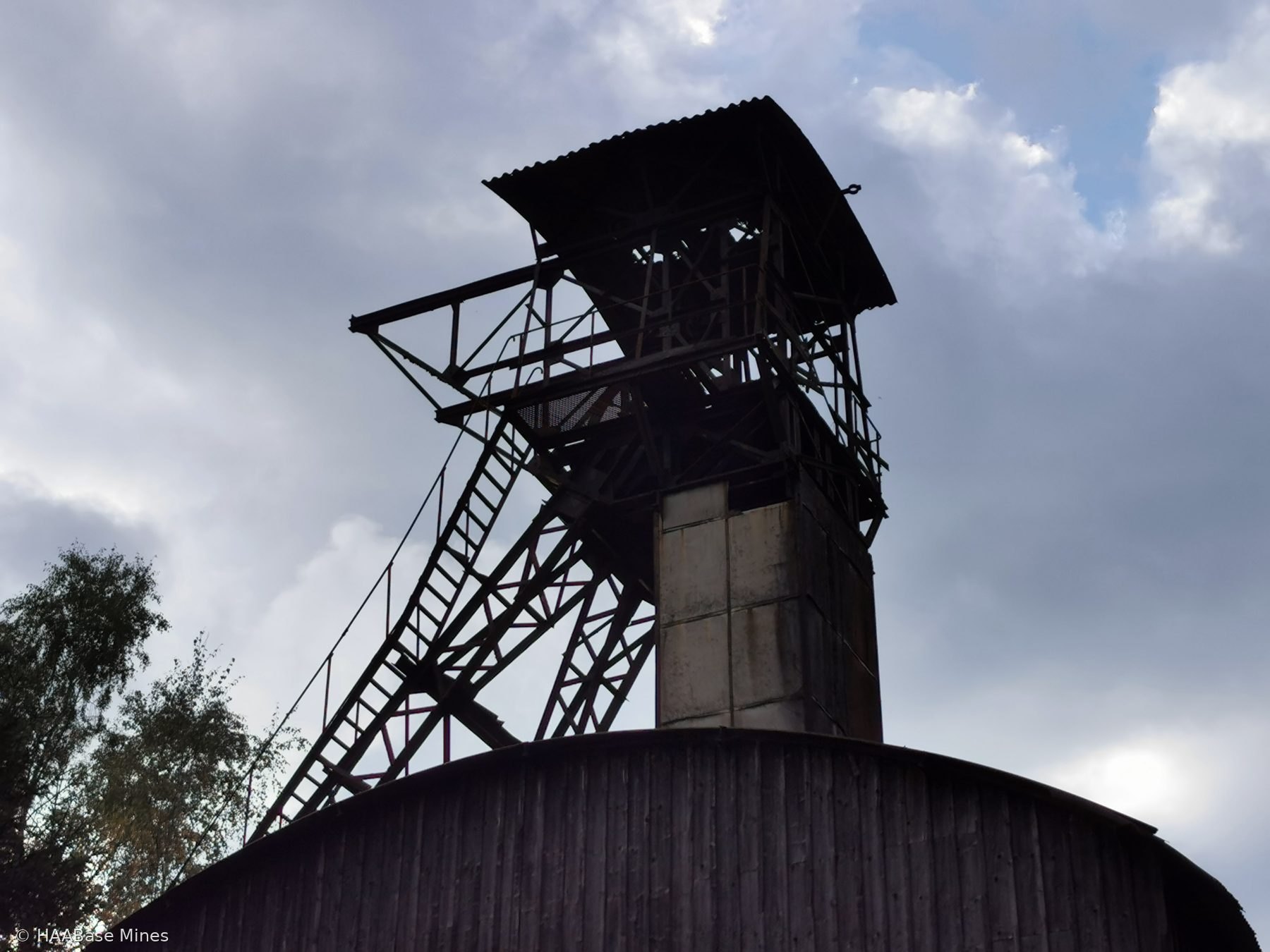
Grube Bergwerkswohlfahrt, which would later form the eastern field of the Erzbergwerk Grund, began operations in 1819.
Former lead-zinc ore mine at Bad Grund, the last metal ore mine in Germany, with surviving headframes at three shaft sites and the Knesebeckschacht museum.
This record is based on the research currently available to HAABase Mines. It has not yet completed the site's formal source-by-source fact-checking process, so the history and timeline should be regarded as a well-researched provisional account and may be refined as further evidence is reviewed.
Erzbergwerk Grund was a lead-zinc ore mine at Bad Grund in the Harz mountains of Lower Saxony, Germany, operated by Preussag AG Metall. It was the last producing metal ore mine in the Federal Republic of Germany. The mine had its origins in the independent Grube Hilfe Gottes, whose operations began in 1831, and the Grube Bergwerkswohlfahrt, active from 1819.
These were merged in 1923 when Preussag took over the state-owned mines of the western Harz. The principal ore minerals were galena and sphalerite with an average metal content of ten per cent; lead, zinc, copper and silver were extracted. Over its working life approximately 16 million tonnes of ore were mined, yielding about one million tonnes of lead, 700,000 tonnes of zinc and 2,500 tonnes of silver.
Final production ceased on 28 March 1992, ending the Oberharzer Erzbergbau after more than 450 years. The mine workings below the Ernst-August-Stollen level have since flooded. The surface installations at the shaft sites Wiemannsbucht, Knesebeck and Achenbach survive with their headframes, and a mining museum operates at the Knesebeckschacht.
The site is part of the UNESCO World Heritage Welterbe-Route.
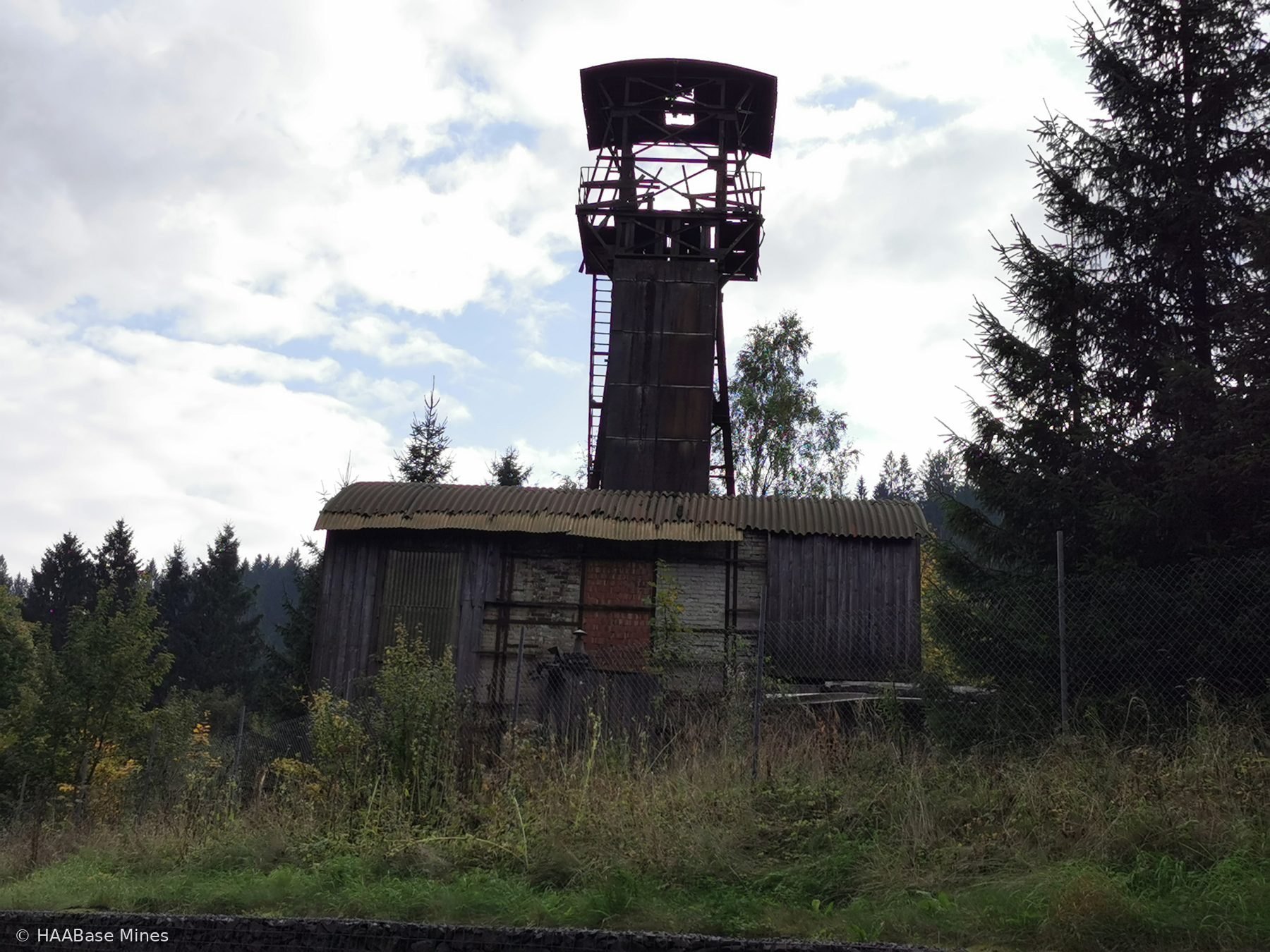
The ore deposit of the Erzbergwerk Grund lay on the Silbernaaler, Rosenhöfer and Laubhütter vein systems, extending from the western Harz margin at Gittelde to the Clausthaler plateau. Seven major ore bodies were identified within the field. The history of ore extraction at Bad Grund reaches back to at least the twelfth century, though the documented continuous operations of the Grube Hilfe Gottes began with the state-initiated sinking of the Hilfe-Gotteser-Schacht in 1831. The eastern field, which became the Grube Bergwerkswohlfahrt, had its first major shaft in the Medingschacht, begun in 1829 in the Innerstetal; this shaft introduced the first electric winding machine in the Harz in 1902. The Knesebeckschacht was sunk in 1855 initially as a Lichtloch for the Ernst-August-Stollen, the major drainage adit built between 1851 and 1864.
The Königliche Berginspektion Grund was constituted in 1887 by the merger of the inspections Silbernaal and Sankt Andreasberg. The Achenbachschacht was completed in 1907 as the new main production shaft of Grube Hilfe Gottes, with electric winding and a steel headframe; from 1931 all ore from the western field was hoisted through this shaft and processed by flotation. In 1923 Preussag assumed control of all state-owned mines in the western Harz and the mines of the Berginspektion Grund were merged to create the Erzbergwerk Grund.
The Westschacht was sunk in 1933 to provide ventilation for newly discovered western ore bodies. Further westward ore finds were made in 1934 and 1950. The Wiemannsbuchtschacht was sunk in the eastern field in 1951 and used with skip haulage for the surface disposal of all underground waste rock. From 1970 to 1973 a major modernisation programme was carried out to increase output: trackless drilling vehicles were introduced for blast-hole drilling, diesel-powered load-haul-dump vehicles were deployed for ore and waste transport, a shuttle train with large-capacity wagons was introduced between the east and west fields, and ore preparation capacity was increased. The Achenbachschacht received a modern headframe with box-profile full-web struts and an upgraded winding machine in 1976. From 1978 ore extraction was carried out with self-hardening hydraulic fill. Annual output was raised from 260,000 to 450,000 tonnes of crude ore. The workings ultimately reached the twenty-first level, approximately 900 metres below surface; the principal production level was the nineteenth level at about 700 metres depth.
In the late operational period the mine employed approximately 540 workers (1981 figures) and was considered one of the most modern ore mines in Europe. When ore prices fell sharply on the world market, production became uneconomic despite rationalisation efforts. The final ore production was brought to surface on 28 March 1992, ending German metal ore mining. Around 200 miners lost their employment. Following closure, the mine machinery was removed and removed vehicles were taken out of the workings. Water pumping was discontinued; the workings below the level of the Ernst-August-Stollen have since flooded. The Achenbachschacht was filled in 2002, closing the last underground access.
In total the Erzbergwerk Grund produced approximately 16 million tonnes of ore, from which about one million tonnes of lead, 700,000 tonnes of zinc and 2,500 tonnes of silver were recovered. The closure marked the end of the Oberharzer Erzbergbau after more than 450 years of continuous operation.
The surface installations at the Wiemannsbuchtschacht, the Knesebeckschacht and the Achenbachschacht survive with their headframes intact. A mining museum at the Knesebeckschacht was opened in 1986 and has been accessible since the mine's closure. The Medingschacht in the Innerstetal also retains its headframe and other buildings, though in poor condition; its original electric winding machine — one of the oldest of its kind in Germany — is held by the Deutsches Bergbaumuseum in Bochum. The Erzbergwerk Grund is listed on the Welterbe-Route of the UNESCO World Heritage designation Bergwerk Rammelsberg, Altstadt von Goslar und Oberharzer Wasserwirtschaft, expanded in 2010 to include the Oberharzer Wasserwirtschaft.