Site overview

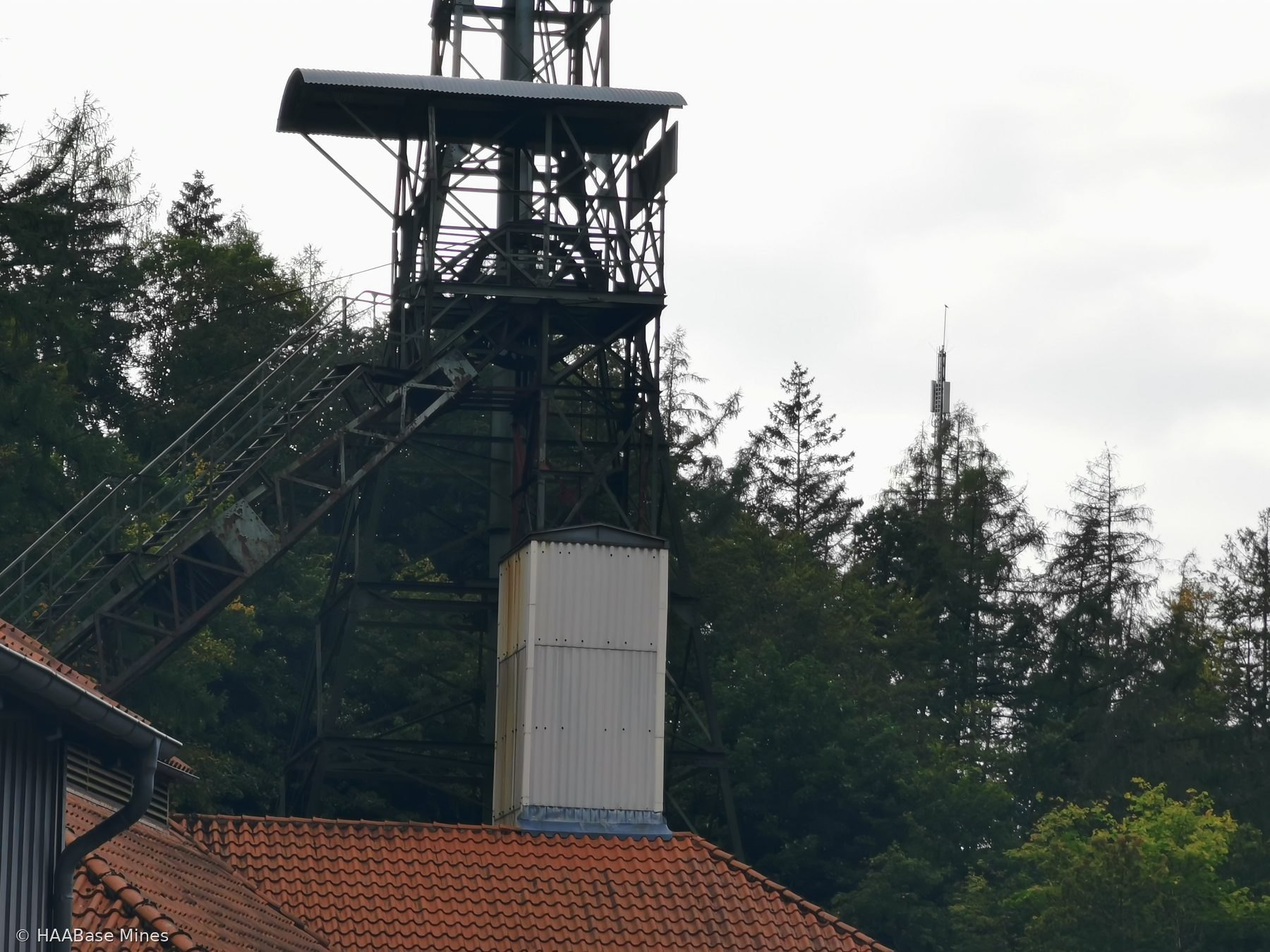
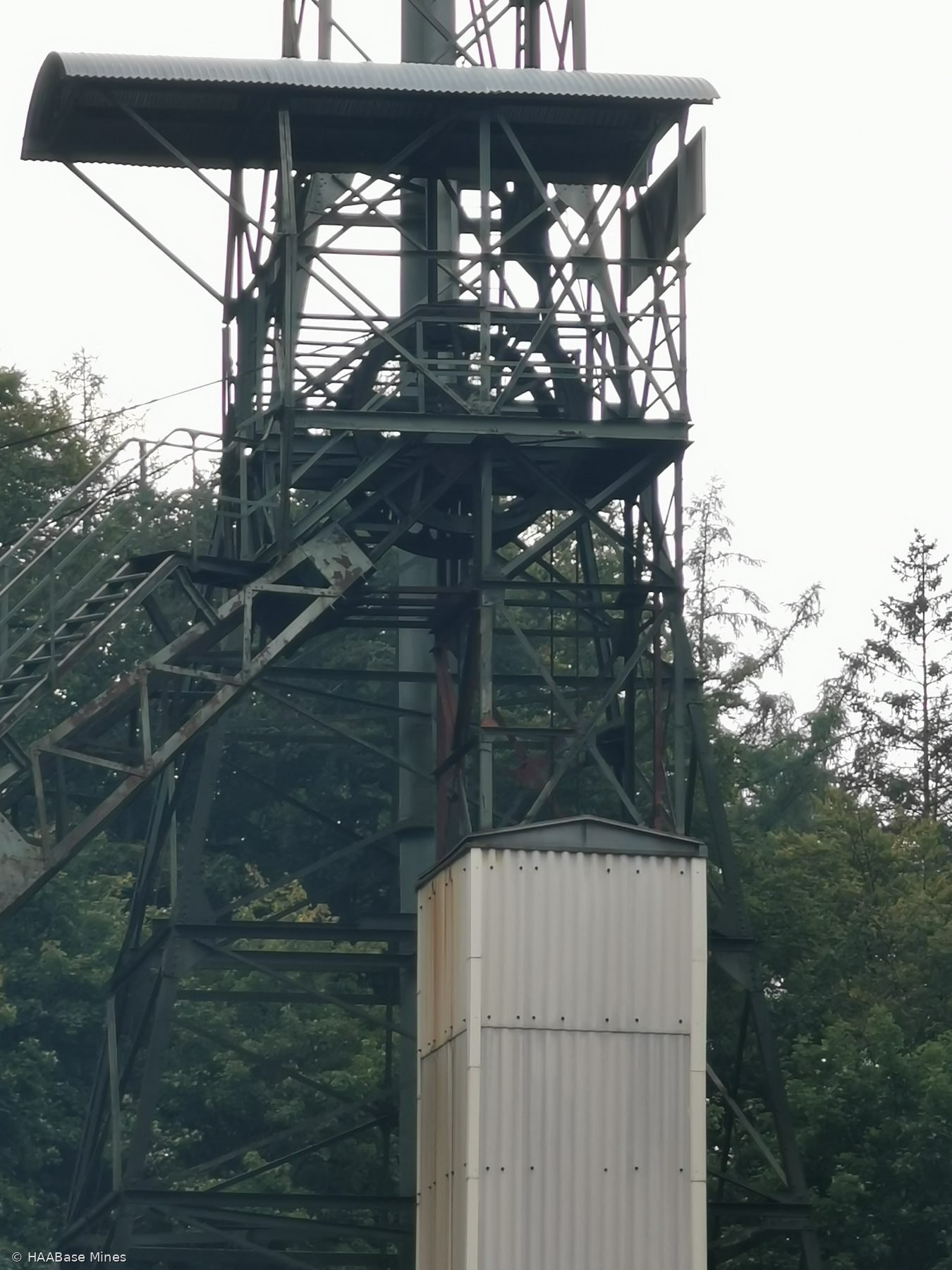
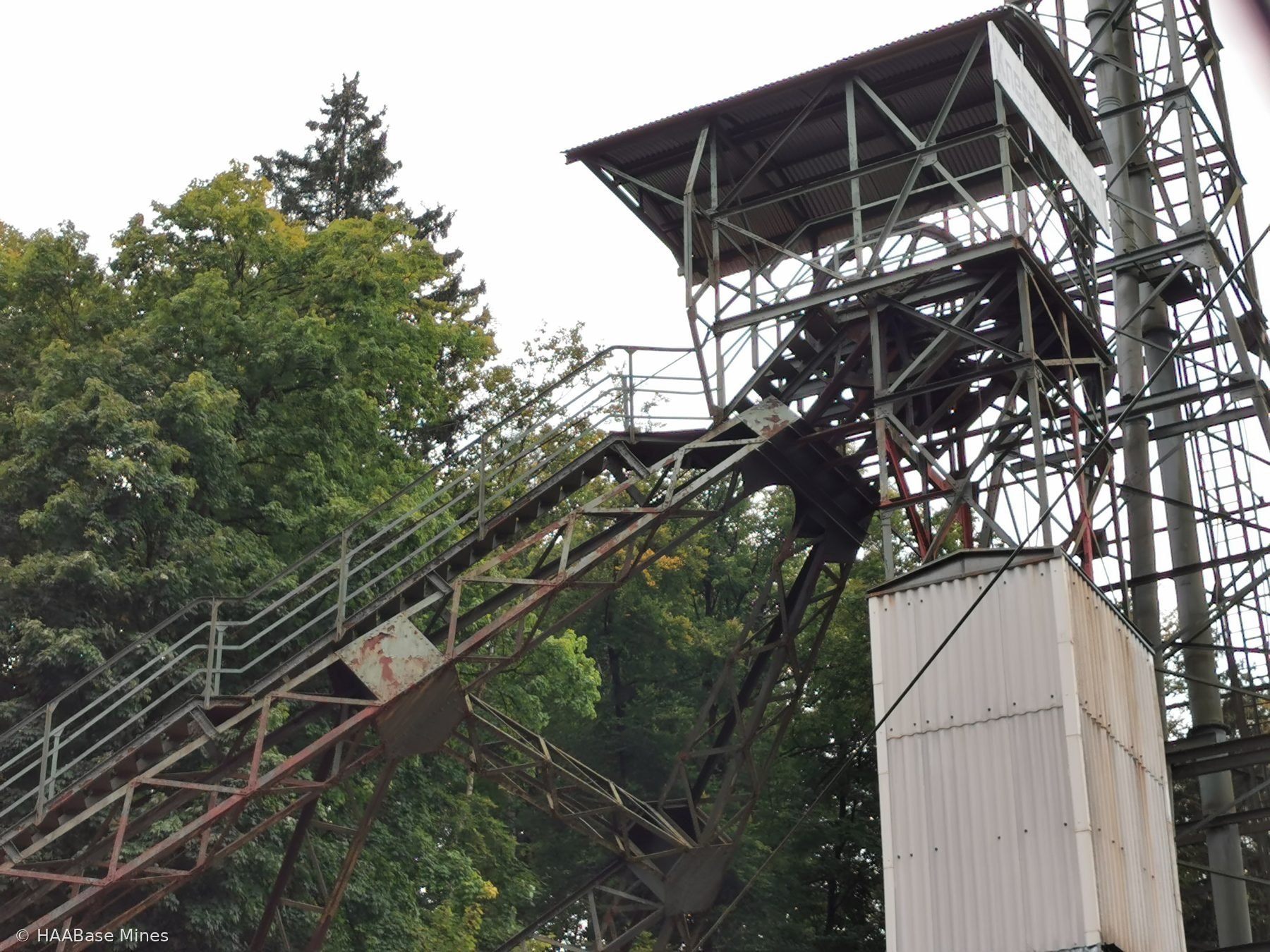
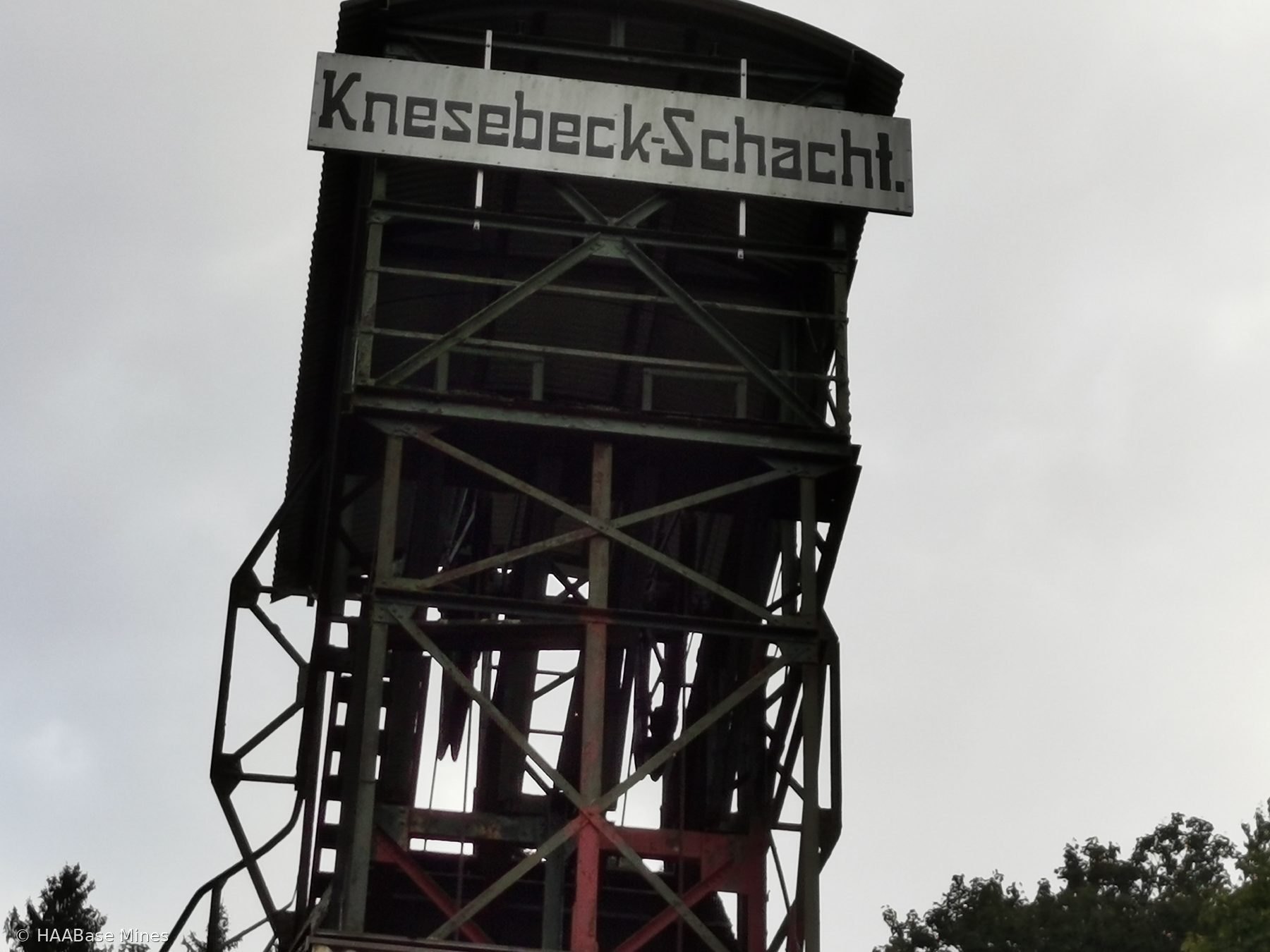
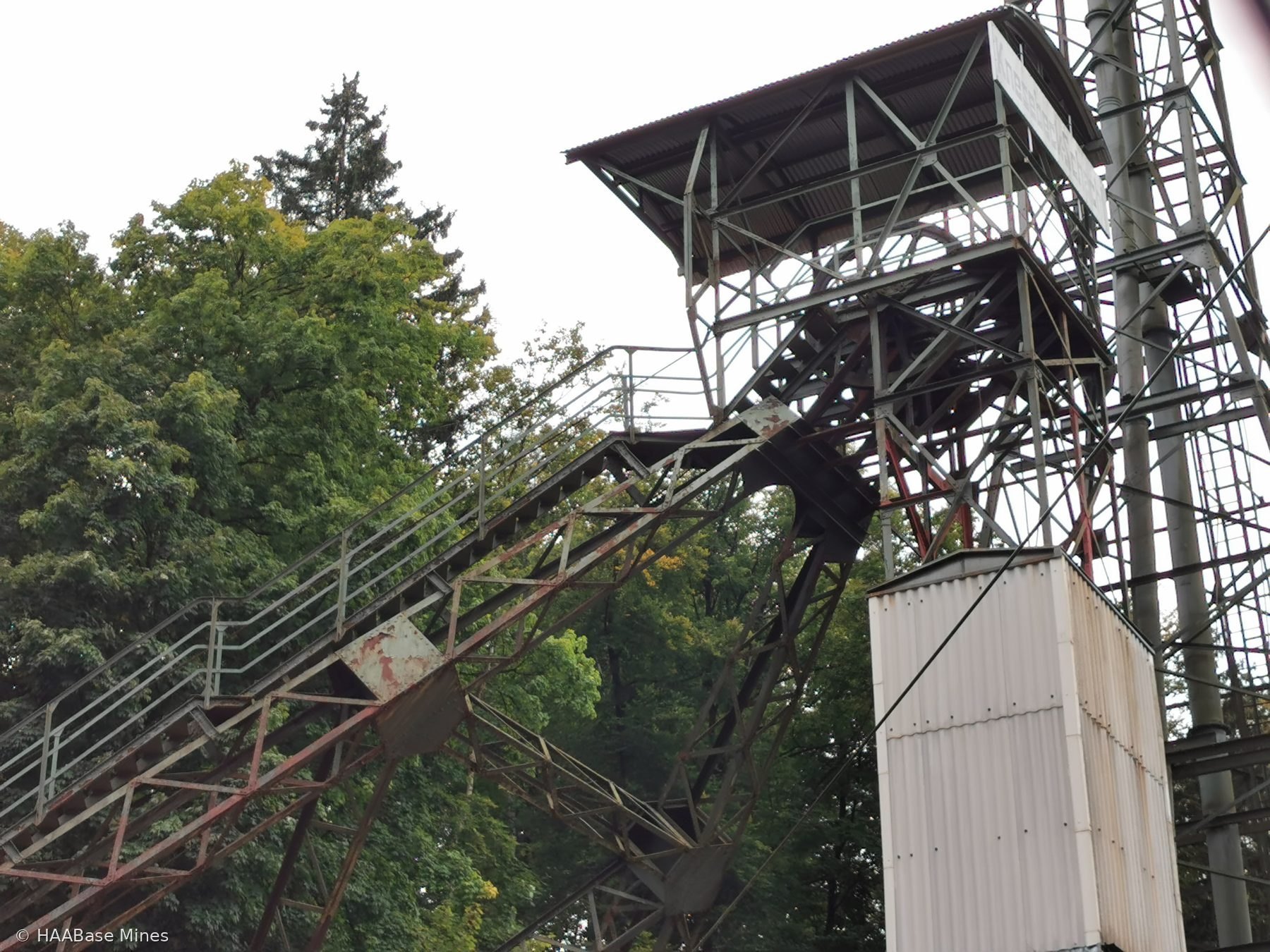
Bergwerk Knesebeck is the former Knesebeckschacht, one of the principal shafts of the Grube Hilfe Gottes at Bad Grund in the Harz mountains of Lower Saxony, Germany. The shaft was sunk in 1855 originally as a ventilation opening (Lichtloch) for the Ernst-August-Stollen, the major drainage adit that was under construction from 1851 to 1864. Over subsequent decades it was developed into a transport and man-riding shaft, reaching a maximum depth of approximately 499 metres.

From 1974 it served exclusively as a ventilation shaft. The Grube Hilfe Gottes, of which the Knesebeckschacht formed part, was merged with Grube Bergwerkswohlfahrt in 1923 to form the Erzbergwerk Grund, operated by Preussag AG Metall. The mine extracted lead, zinc, copper and silver from the Silbernaaler, Rosenhöfer and Laubhütter ore veins.

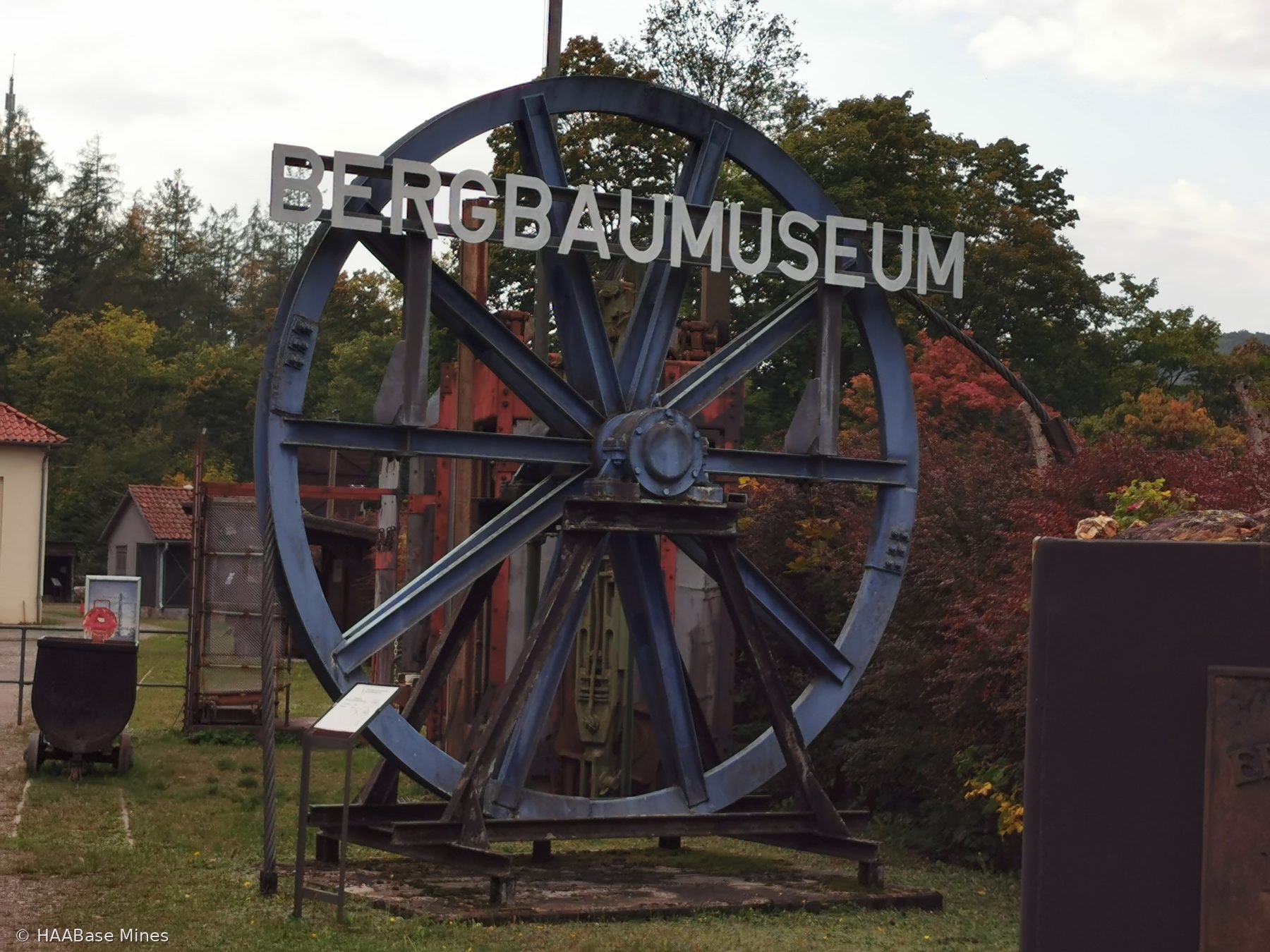
The Erzbergwerk Grund closed on 28 March 1992, the last metal ore mine in Germany. The Knesebeckschacht site is a listed monument. A mining museum opened there in 1986 and the site is noted for its unique 47-metre hydro-compressor tower of 1912.

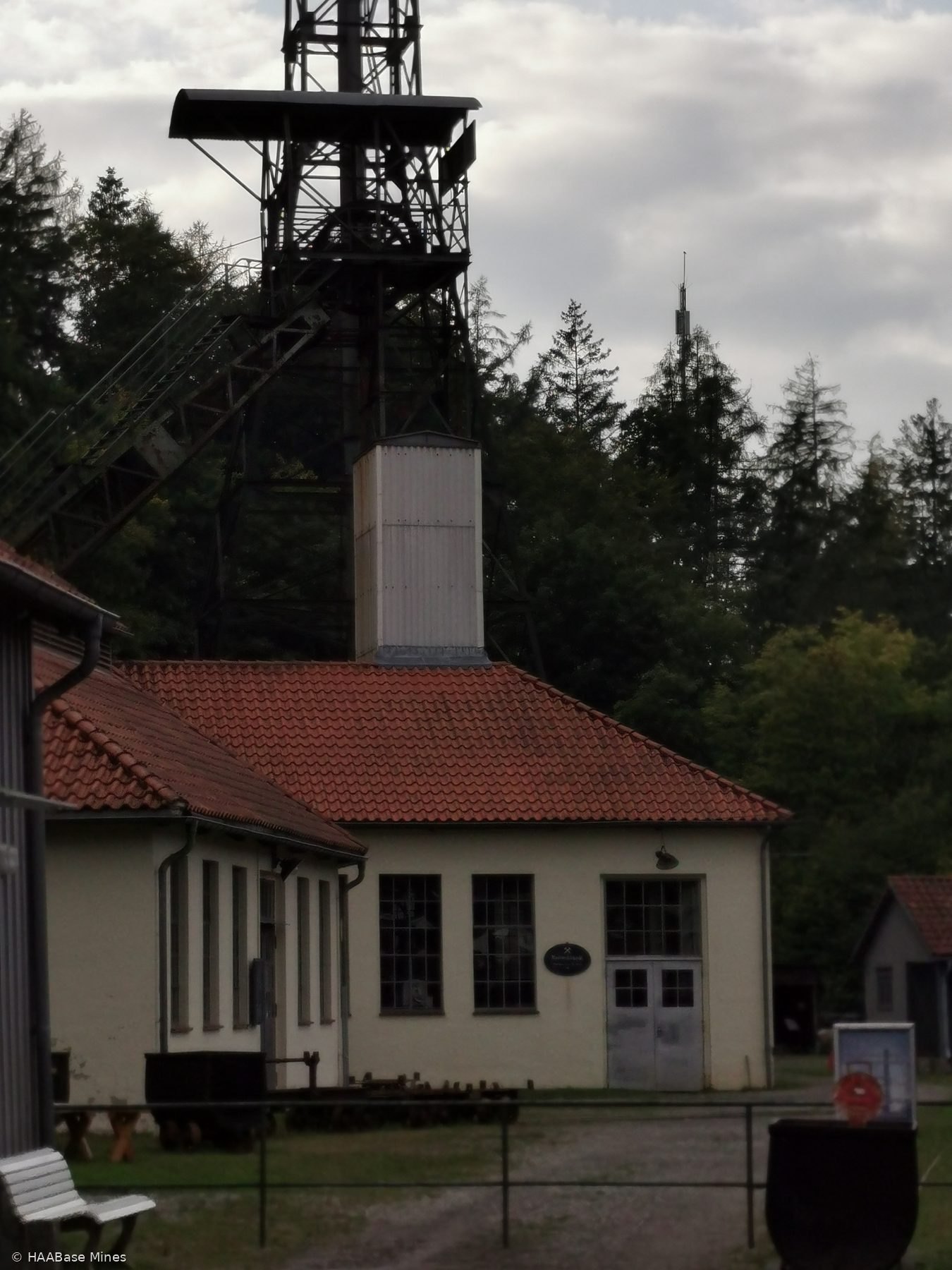
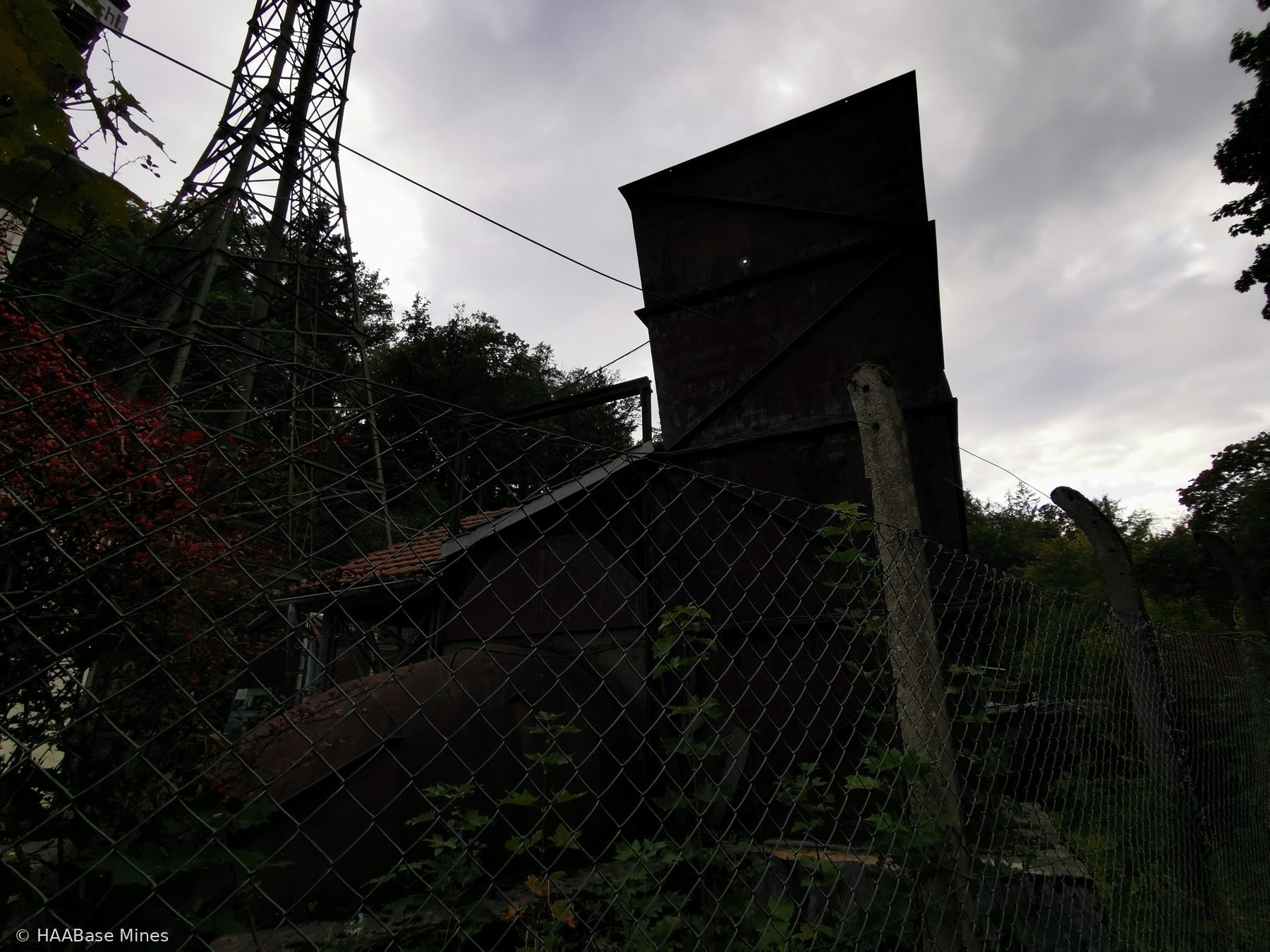
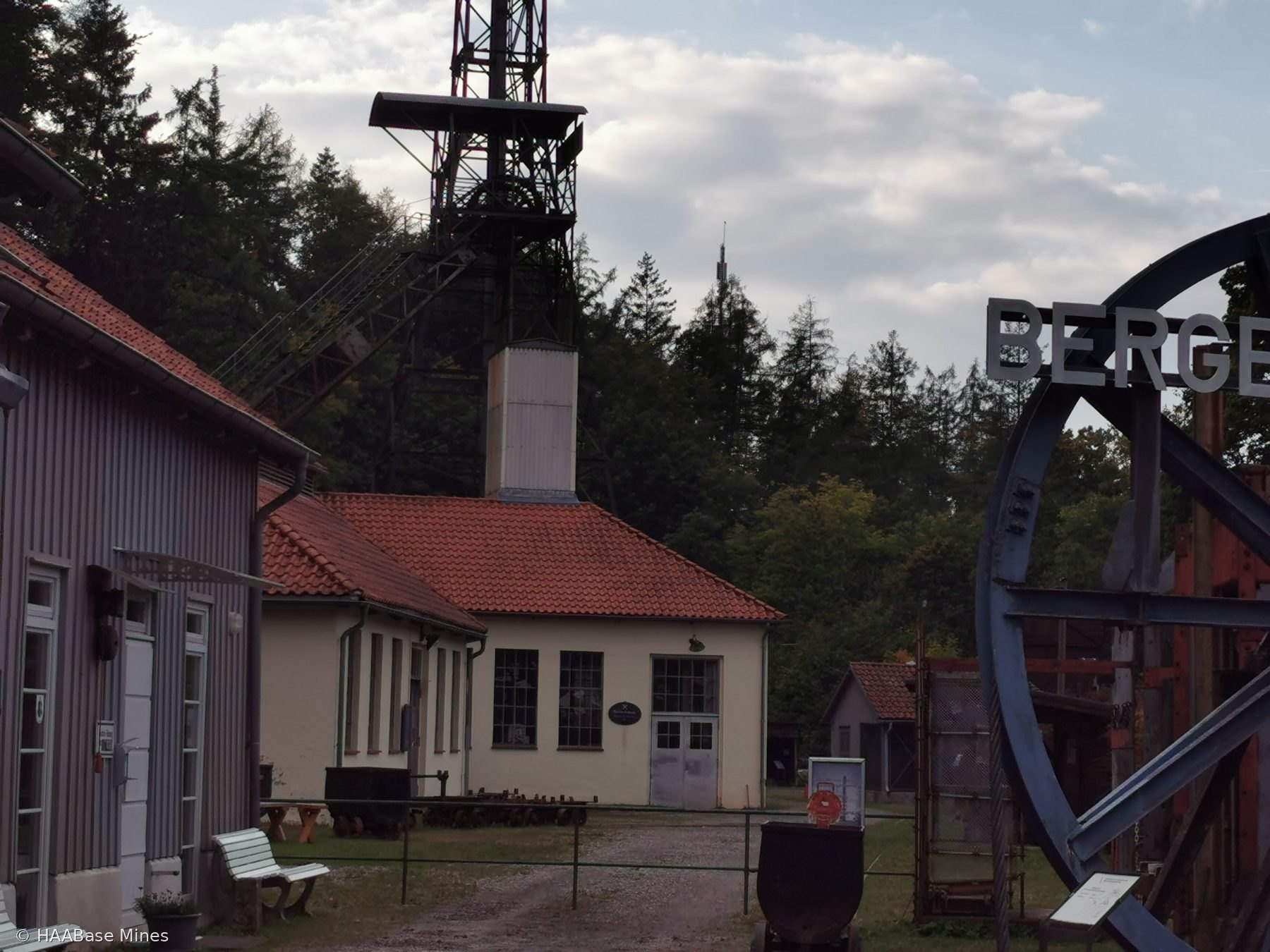
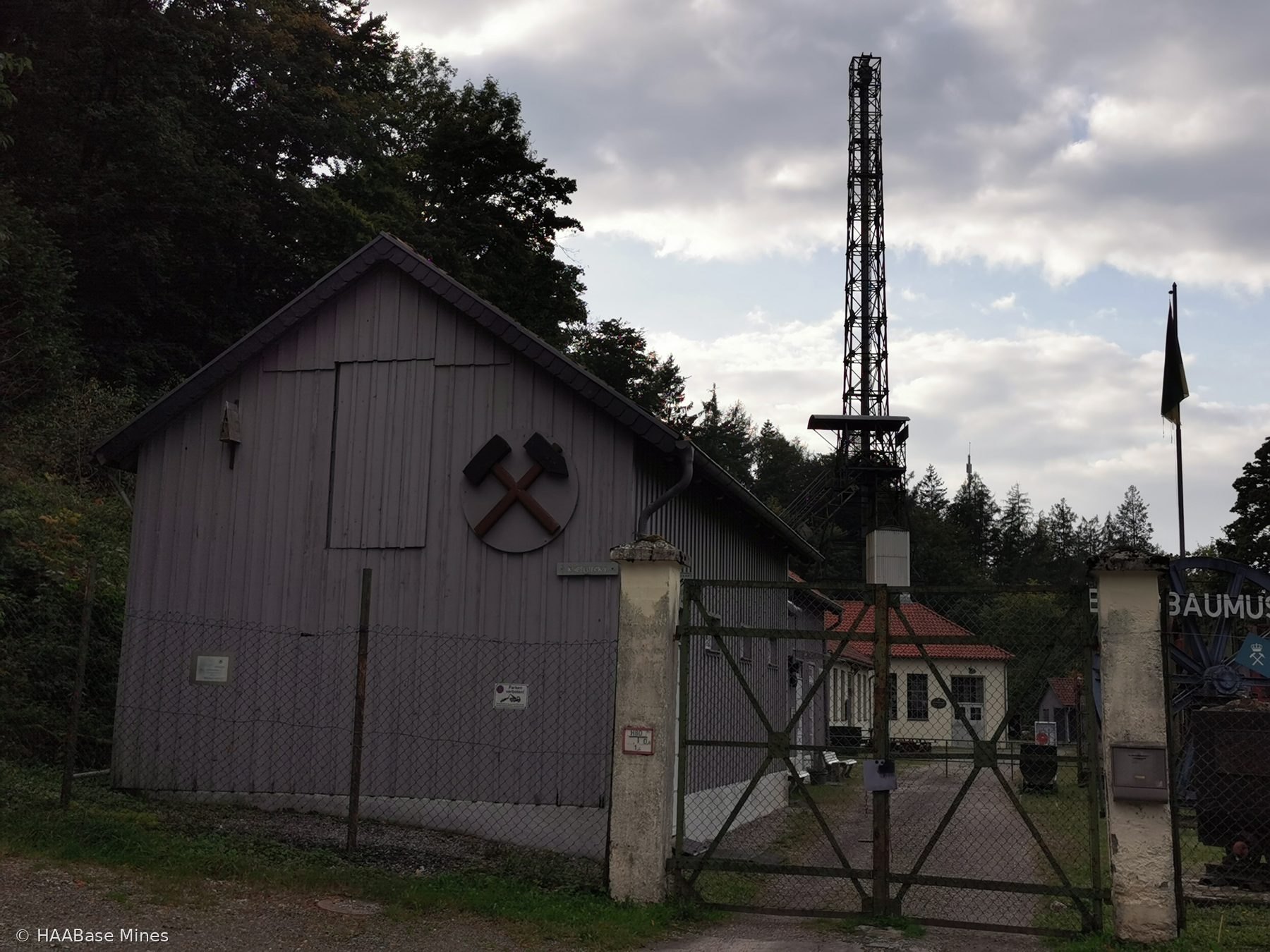
The site stands in wooded upland surroundings above Bad Grund, where the headframe, hydro-compressor tower, and associated buildings form a compact and clearly legible historic mining group.

Map & photo

Erzbergwerk Grund — Knesebeckschacht mine headframe or winding tower site
Photograph taken: 28 September 2025
Map markers and directions links are provided for location reference only and do not indicate public access or permission to enter a site.

History

The Knesebeckschacht is situated above the town centre of Bad Grund on the western edge of the Harz mountains. Mining in the Bad Grund area has a documented history extending back to the twelfth century; the Grube Hilfe Gottes, to which the Knesebeckschacht belonged, had its operational beginnings in 1831 when a state initiative resumed mining at the Todtemannberg by sinking the Hilfe-Gotteser-Schacht. The Knesebeckschacht itself was begun in 1855, initially as a Lichtloch — a ventilation opening — for the Ernst-August-Stollen, which was under construction from 21 July 1851. The adit was completed in 1864. As the workings extended in depth the Knesebeckschacht was gradually developed into a transport and man-riding shaft. To Beginn des 20. Jahrhunderts it had been expanded into a Fahr- und Materialschacht. It reached a maximum depth of approximately 499 metres. The man-riding function of the shaft was discontinued in 1974, after which it served exclusively as a ventilation shaft until the closure of the mine.

A landmark feature of the Knesebeckschacht site is the hydro-compressor tower, built in 1912. This 47-metre tower, probably the only surviving installation of its kind in the world, was constructed to generate compressed air for the underground machinery. Water from a mountain reservoir was carried by pipe to a specific point above the shaft and then allowed to fall vertically through the tower, dragging air with it and compressing it in the process. The compressed air was delivered to the underground workings via pipes. The compressor remained in service until 1977. The tower is designated a listed monument.

The broader Erzbergwerk Grund, of which the Grube Hilfe Gottes and the Knesebeckschacht formed the western part, was formed in 1923 when Preussag assumed control of all the state-owned mines in the western Harz and merged the Gruben der Berginspektion Grund into a single operation. The mine's main ore minerals were Bleiglanz (galena) and Zinkblende (sphalerite) with an average metal content of ten per cent, from which lead, zinc, copper and silver were extracted. The Achenbachschacht, completed as the modern main winding shaft of Grube Hilfe Gottes in 1907, replaced the old Hilfe-Gotteser-Schacht and from 1931 concentrated all ore winding. Further westward ore bodies were discovered in 1934 and 1950. The Westschacht was sunk in 1933 to provide ventilation for the western field. The Wiemannsbuchtschacht in the eastern field was sunk in 1951 and used for skip haulage of waste rock.

The closure of the Erzbergwerk Grund on 28 March 1992, the last metal ore mine operating in Germany, ended the Oberharzer Erzbergbau after more than 450 years. At closure about 200 miners lost their employment. Following closure, the mine machinery was removed and the water pumps were shut down; the workings below the level of the Ernst-August-Stollen flooded. In 2002 the Achenbachschacht was filled, closing the last access to the underground workings.

A mining museum at the Knesebeckschacht was opened in 1986, while the mine was still in operation. After closure, the museum was established more fully and presents the technical development of the site from the mid-nineteenth century to the end of operations. The surviving buildings, machinery and technical installations, underground vehicles, part of the Aufschlagröschen water management system, and the preserved hydro-compressor tower are all accessible. The site is part of the Welterbe-Route of the UNESCO World Heritage designation Bergwerk Rammelsberg, Altstadt von Goslar und Oberharzer Wasserwirtschaft, which was expanded in 2010 to include the Oberharzer Wasserwirtschaft. The surface installations at the Knesebeckschacht, the Wiemannsbuchtschacht and the Achenbachschacht are all preserved with their headframes standing.
Timeline

1831
Construction

Grube Hilfe Gottes re-established; Hilfe-Gotteser-Schacht sunk

By state initiative, mining at the Todtemannberg was resumed in 1831 and the Hilfe-Gotteser-Schacht was sunk, marking the operational beginning of Grube Hilfe Gottes.
1851–1864
Construction

Ernst-August-Stollen constructed

The Ernst-August-Stollen drainage adit was begun on 21 July 1851 and completed in 1864 after thirteen years of construction. It became the principal drainage level for the mines at Bad Grund.
1855
Construction

Knesebeckschacht sunk as Lichtloch for Ernst-August-Stollen

The Knesebeckschacht was begun in 1855, originally as a ventilation opening for the Ernst-August-Stollen under construction. It was subsequently developed into a transport and man-riding shaft and reached a maximum depth of approximately 499 metres.
1907
Construction

Achenbachschacht completed as modern main winding shaft

The Achenbachschacht was completed in 1907, equipped with electric winding and a steel headframe, replacing the old Hilfe-Gotteser-Schacht as the main production shaft of Grube Hilfe Gottes.
1912
Construction

Hydro-compressor tower built at Knesebeckschacht

The 47-metre hydro-compressor tower was built in 1912 to generate compressed air for the underground machinery by using falling water. It is probably the only surviving installation of its kind in the world and is a listed monument.
1923
Legislation

Preussag assumes control; Erzbergwerk Grund formed

In 1923 Preussag took over all state-owned mines in the western Harz. The mines of the Berginspektion Grund, including Grube Hilfe Gottes, were merged to form the Erzbergwerk Grund.
1931
Operation

All ore winding concentrated at Achenbachschacht

From 1931 all ore hoisting from the Grube Hilfe Gottes field was concentrated at the Achenbachschacht, with flotation-based ore processing introduced centrally.
1933
Construction

Westschacht sunk for ventilation of western field

The Westschacht was sunk in 1933 to provide ventilation for newly developed ore bodies in the western field.
1951
Construction

Wiemannsbuchtschacht sunk for skip haulage of waste rock

The Wiemannsbuchtschacht was sunk in 1951 in the eastern field and equipped with skip haulage to raise all underground waste rock to surface.
1974
Operation

Man-riding at Knesebeckschacht discontinued; shaft used as ventilation only

The man-riding function of the Knesebeckschacht was discontinued in 1974. From that point the shaft served exclusively as a ventilation shaft until the closure of the mine.
1977
Operation

Hydro-compressor at Knesebeckschacht taken out of service

The hydro-compressor, which had operated since 1912 generating compressed air for the underground workings, was taken out of service in 1977.
1986
Heritage

Mining museum opened at Knesebeckschacht

A mining museum was opened at the Knesebeckschacht in 1986 while the Erzbergwerk Grund was still in production, showing the technical development of the site from the mid-nineteenth century to the modern era.
1992
Closure

Final closure of Erzbergwerk Grund; last ore mine in Germany

The Erzbergwerk Grund was closed on 28 March 1992, ending the Oberharzer Erzbergbau after more than 450 years. It was the last metal ore mine operating in Germany. Around 200 miners lost their employment.
1992
Closure

Water pumps shut down; workings below Ernst-August-Stollen flood

After production ceased, water pumping was discontinued. The underground workings below the level of the Ernst-August-Stollen flooded.
1997
Heritage

Museum at Knesebeckschacht presents 500-year history of Bad Grund mining

From 1997 the museum at the Knesebeckschacht presented the more than 500-year history of mining at Bad Grund in the former operational buildings.
2002
Closure

Achenbachschacht filled; last underground access closed

In 2002 the Achenbachschacht was filled, closing the last remaining access to the underground workings of the Erzbergwerk Grund.
2010
Heritage

Knesebeckschacht site incorporated into UNESCO World Heritage Welterbe-Route

In 2010 the UNESCO World Heritage designation was extended to include the Oberharzer Wasserwirtschaft. The Knesebeckschacht site forms part of the Welterbe-Route connecting heritage sites of the Bergwerk Rammelsberg, Altstadt von Goslar und Oberharzer Wasserwirtschaft.

Sources and records

Wikipedia article (German): Erzbergwerk Grund
DeWiki: Erzbergwerk Grund
Harzlife.de: Das Bergbaumuseum Schachtanlage Knesebeck in Bad Grund im Harz
Harzinfo.de: Schachtanlage Knesebeck
Knesebeckschacht.de: Bergbau-Museum Knesebeckschacht – news and site pages
Industriedenkmal.de: Erzbergwerk Grund / Grube Hilfe Gottes
Harz-Travel.de: Die Top 10 Bergwerke und Bergbaumuseen im Harz
Knesebeckschacht.de: Vor 20 Jahren rollten im Harz die letzten Erz-Loren aus dem Berg
This researched site record is part of the HAABase Mines database. Normal personal research and browsing is welcome. Automated bulk extraction, republication, or harvesting of site text and images is not permitted without written consent.