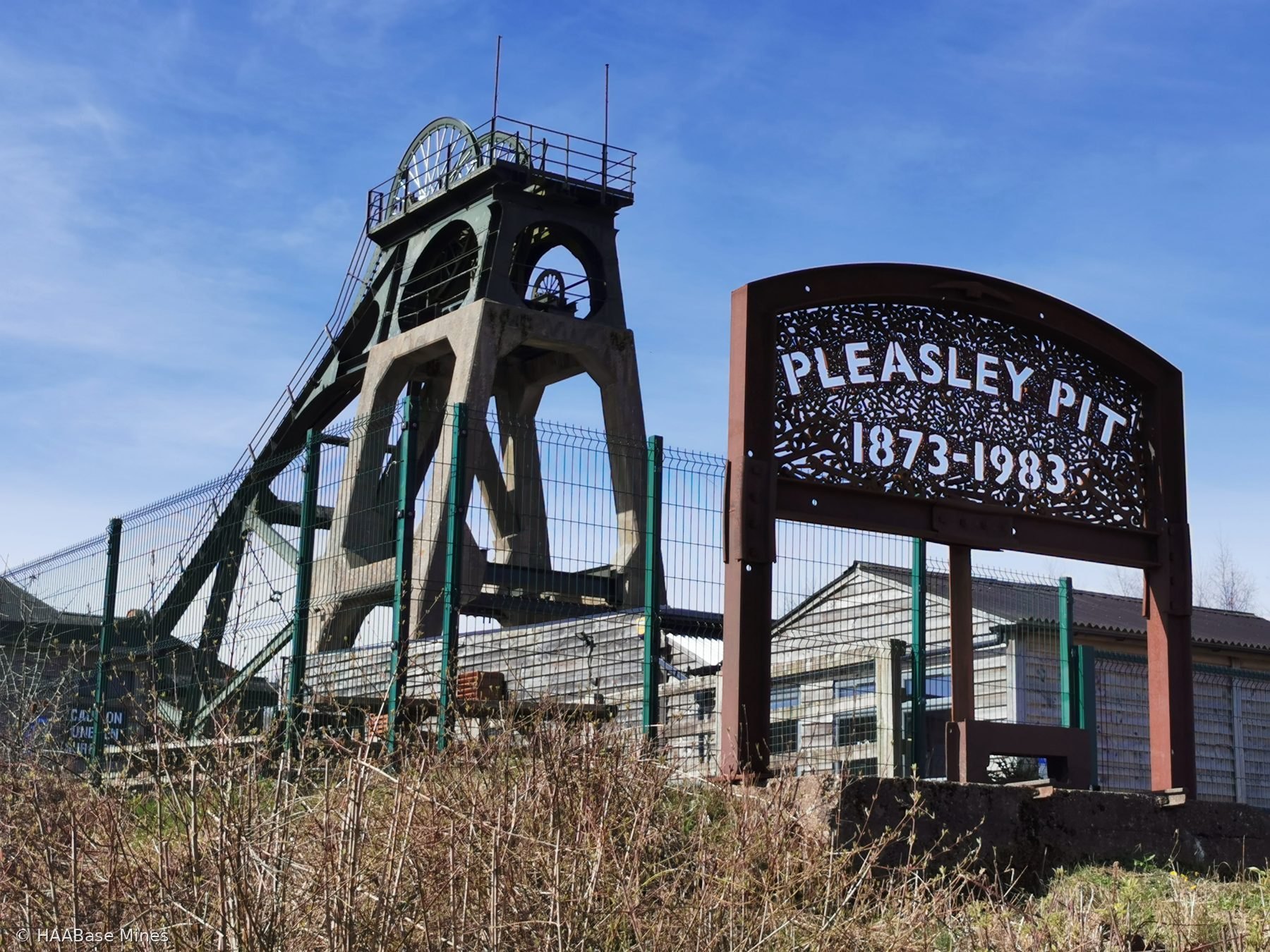
The origins of Pleasley Colliery lie in the early 1870s, when the Stanton Iron Company began searching for additional fuel sources for its blast furnaces. Having identified promising coal in a borehole at Pleasley, the Company negotiated a lease with William Edward Nightingale, lord of the manor of Pleasley, who had purchased the estate in 1823 for £38,000. In 1872 Nightingale granted the lease for extraction of coal from the Top Hard seam and for the construction of a colliery. Florence Nightingale is reputed to have performed the ceremony of turning the first sod at the start of sinking. Nightingale died in a tragic accident in 1874 and the manor passed to his other daughter, who had married Sir Harry Verney.
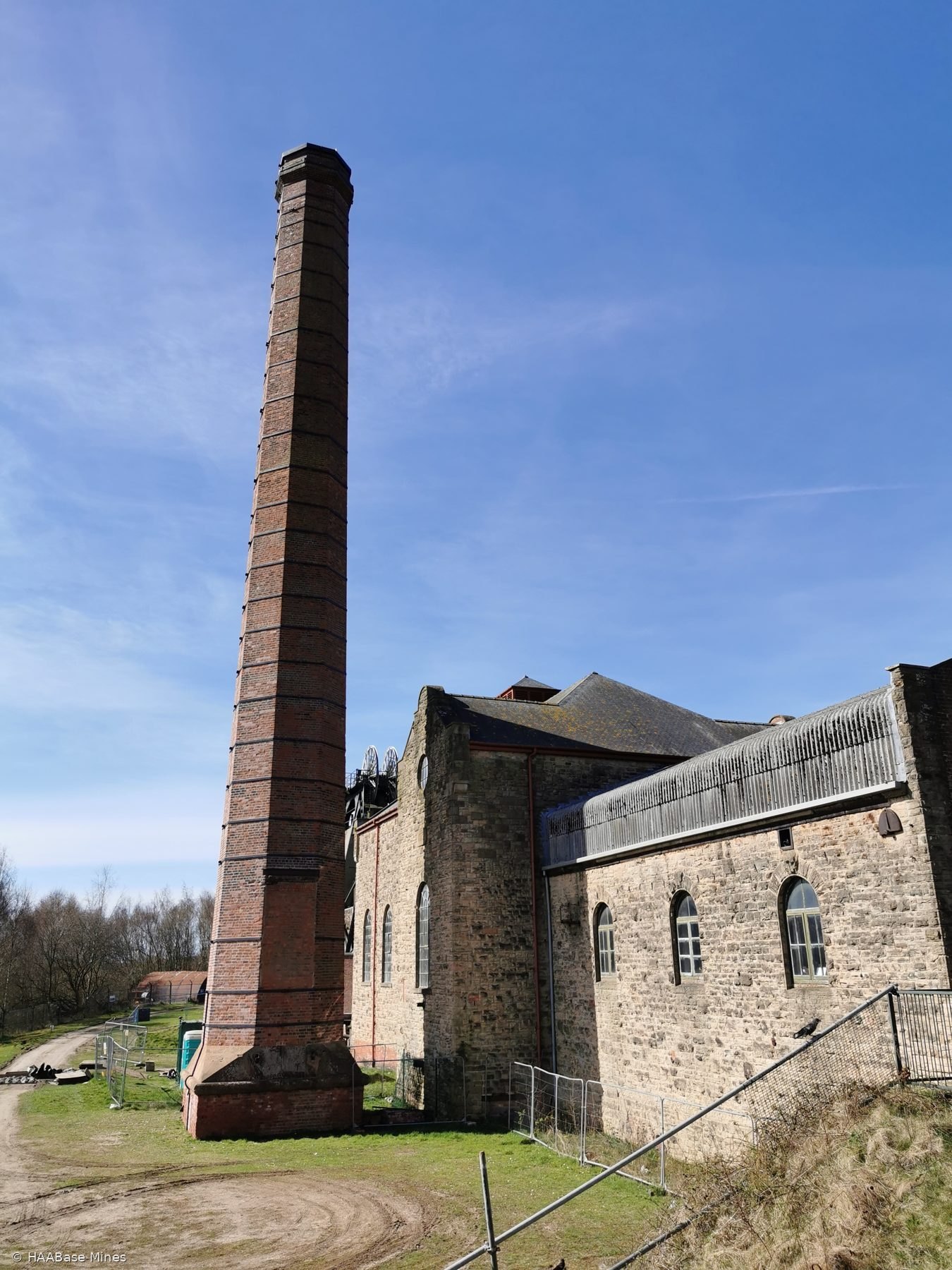
In 1873 the Stanton Iron Company began sinking two shafts, each 14.5 feet in diameter, on a large field on the brow of a hill overlooking the River Meden valley. The sinking encountered large volumes of water in the first 150 yards, necessitating the lining of the upper portions of both shafts with cast iron tubbing. This coincided with a severe depression in the iron and coal trade and work was halted for several months. The shafts were originally sunk to approximately 520 yards, with pit-bottoms at the Top Hard seam level at about 514 yards. The north shaft was the deeper of the two by reason of the eastward dip of the seam. The engine house, located between the two shafts, was constructed to house two Worsley Mesnes steam winding engines installed in 1874, positioned back-to-back with each serving one shaft. Coal was first reached in 1875.
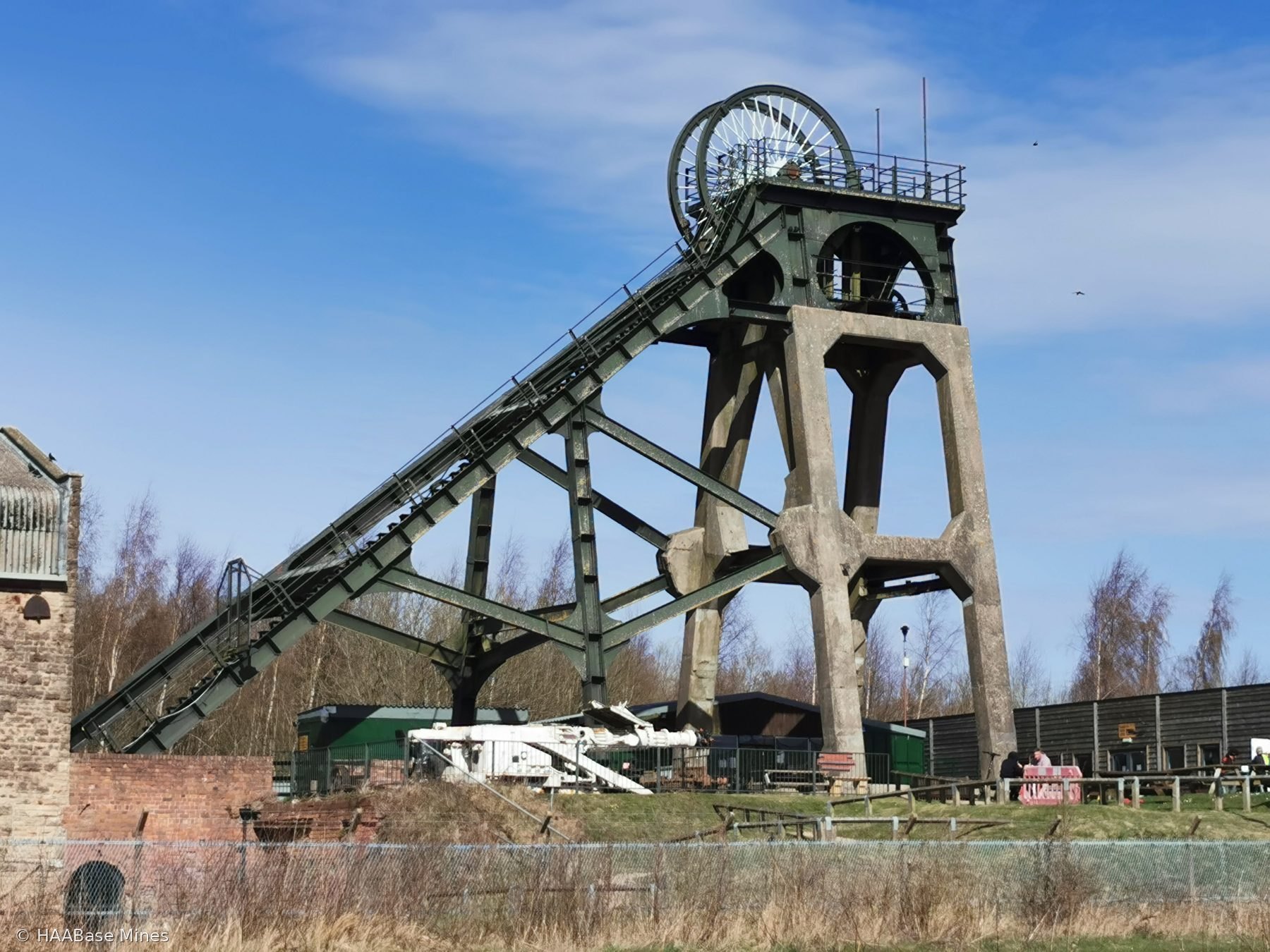
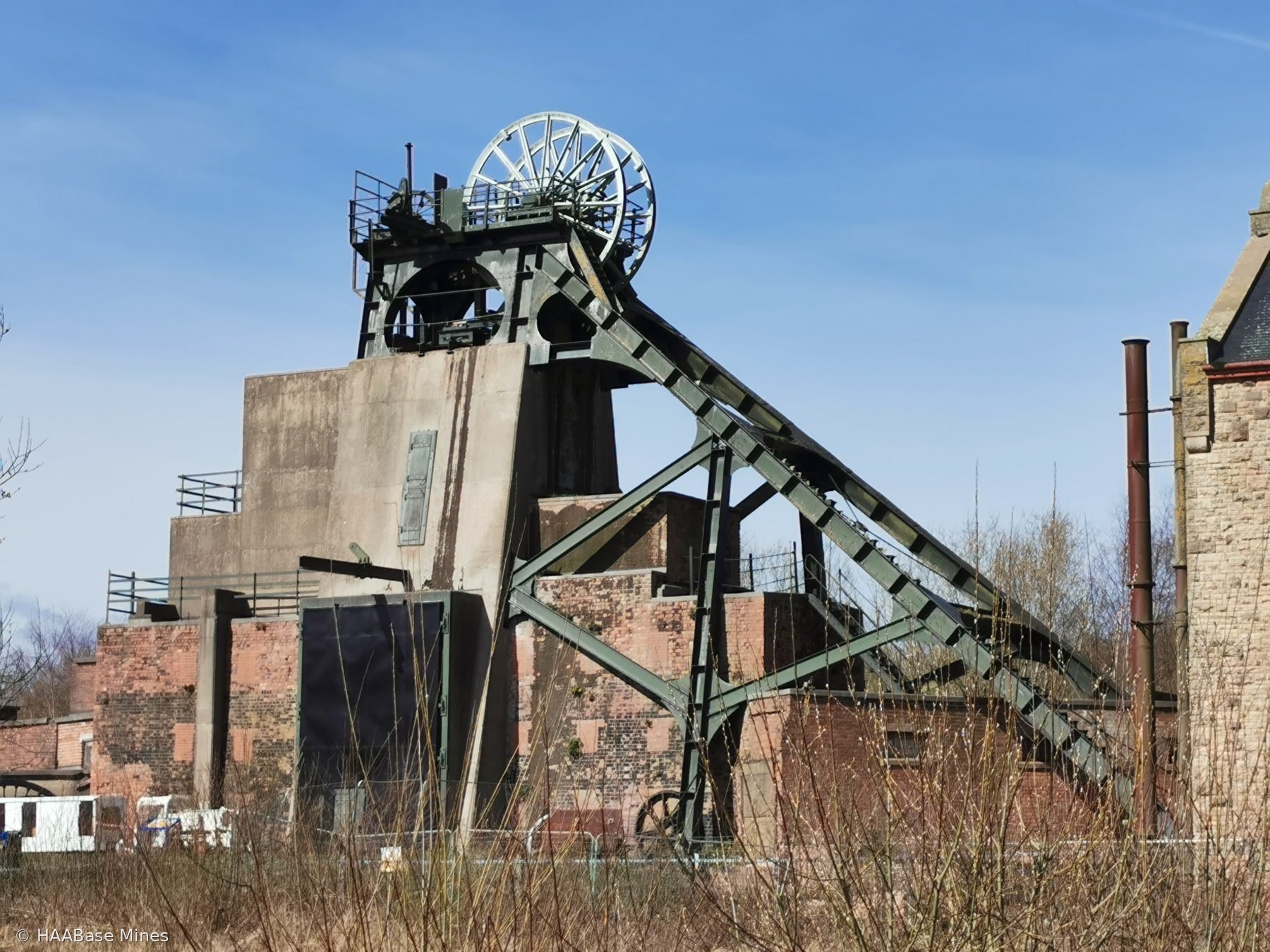
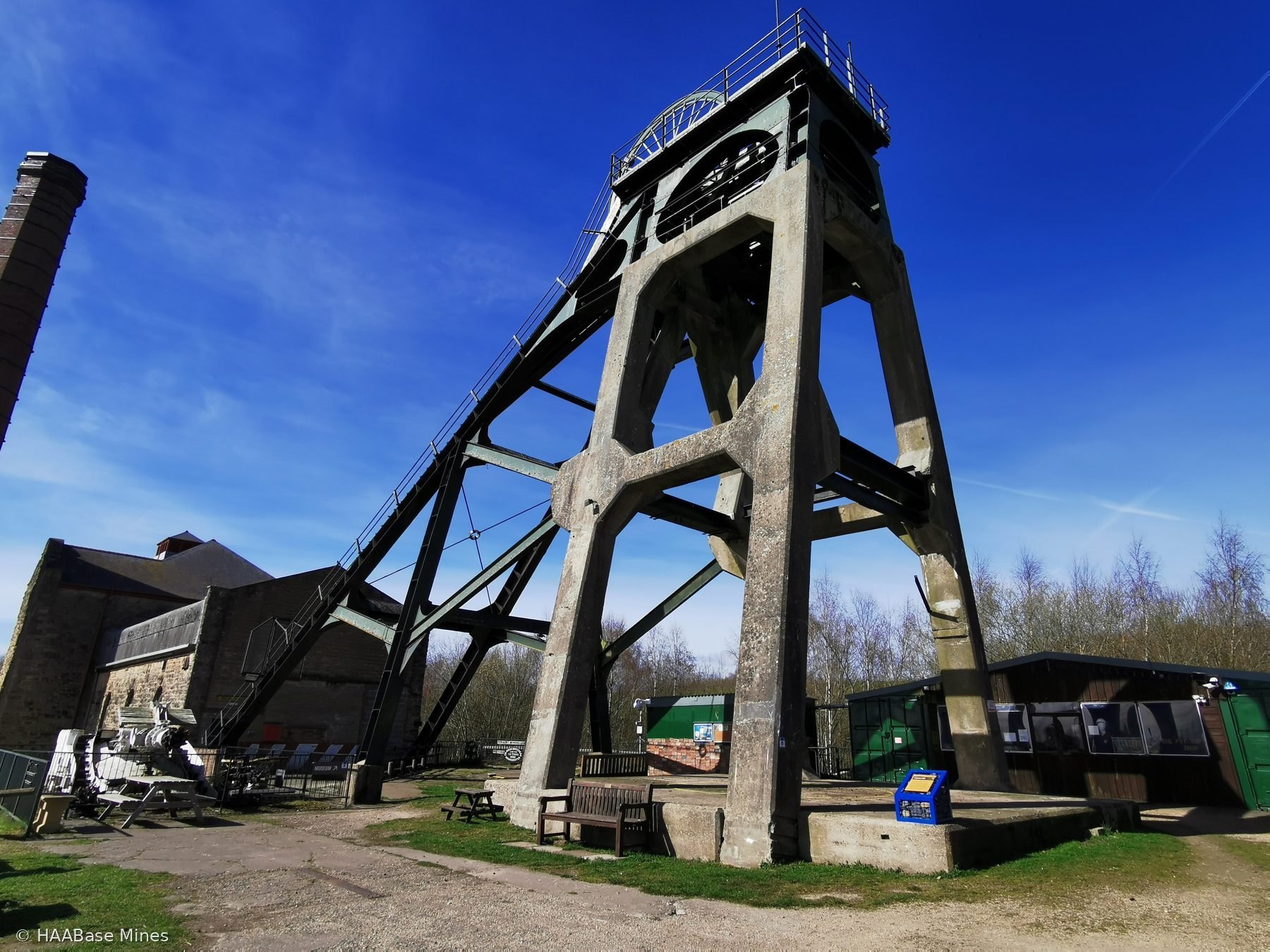
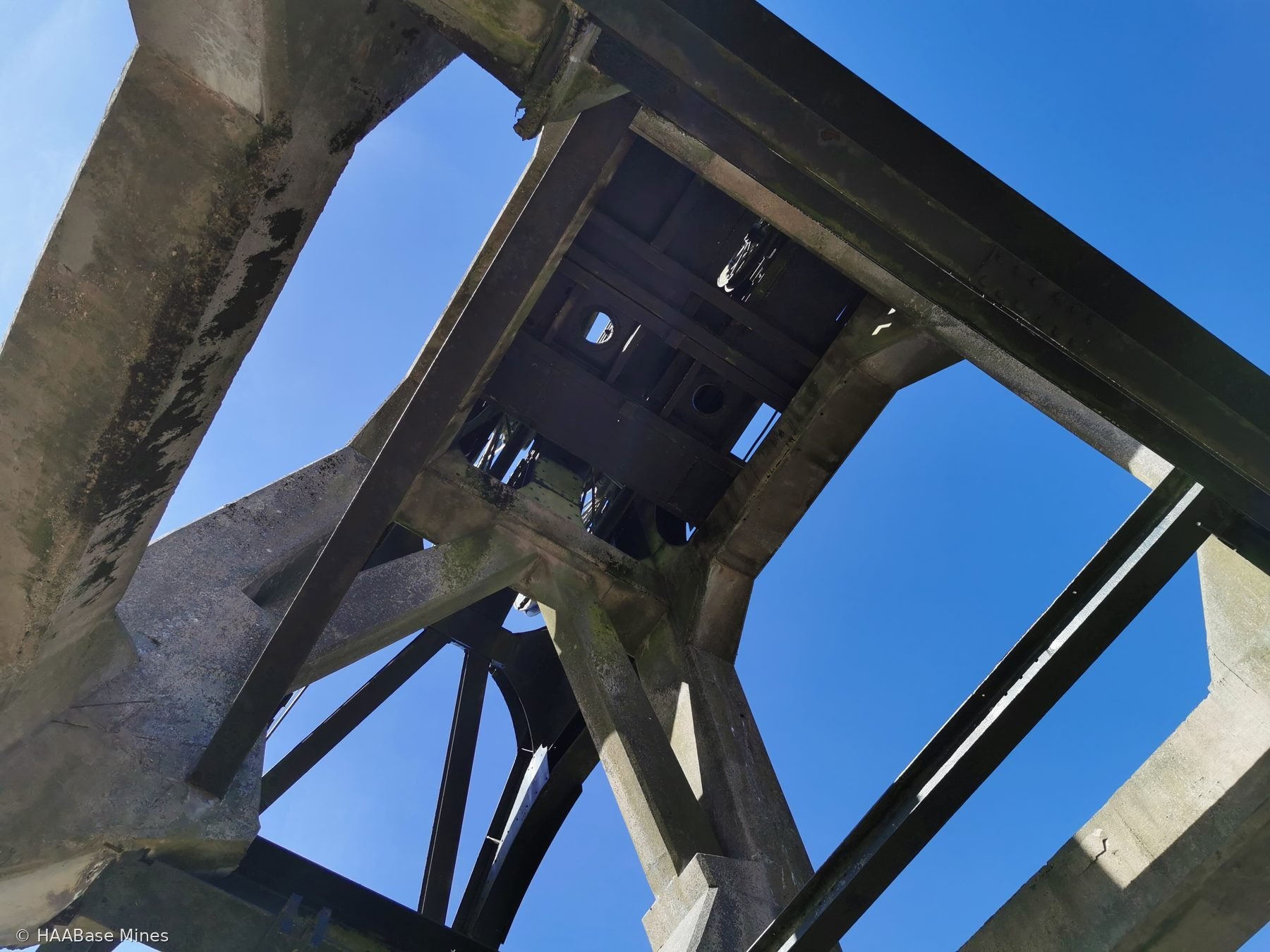
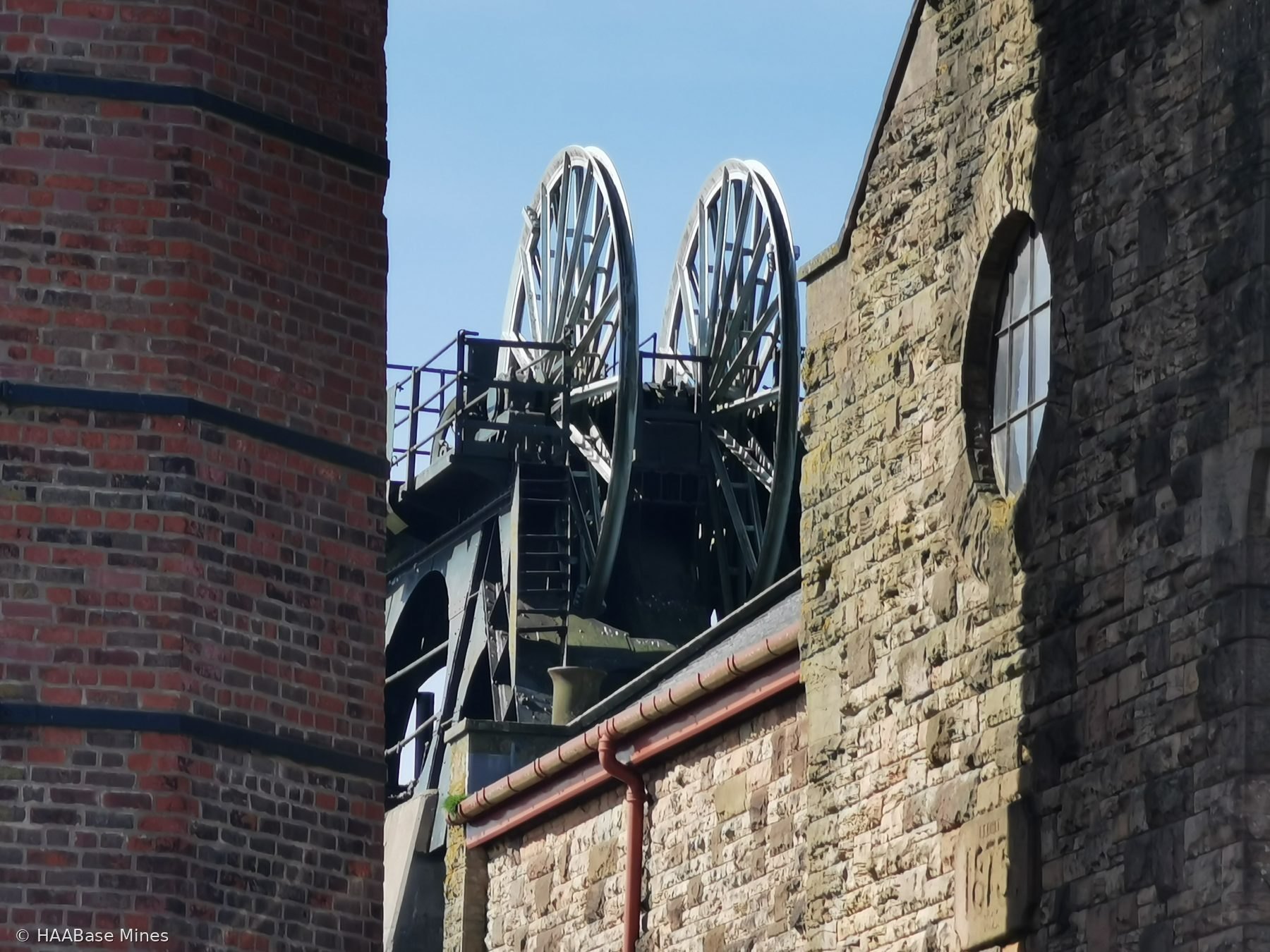
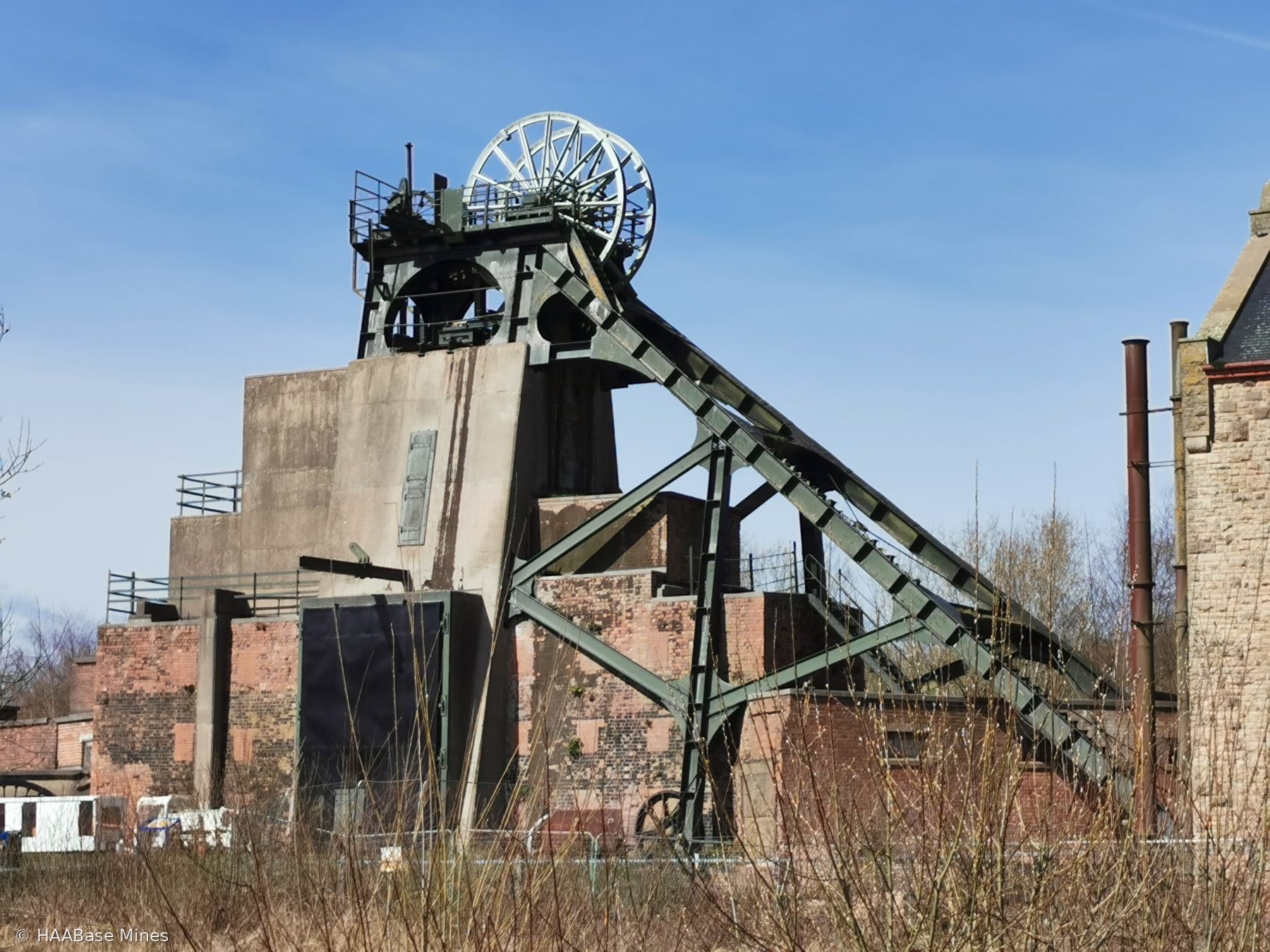
Despite the prevailing depression in trade, production grew steadily. By October 1881 monthly output was approximately 9,600 tons, rising to 13,000 tons by August 1882 and to 17,250 tons in August 1884, surpassing output at the Stanton Company's earlier Teversal colliery. In 1881 the electrical engineer R.E.B. Crompton demonstrated electric lighting of the pit bottom and coal face to the Royal Commission on Accidents in Mines, making Pleasley one of the earliest collieries to adopt underground electric illumination. By 1888 production had grown to the point that the main winding shaft had reached its maximum capacity. In 1888 an electric winder was in use underground, and by 1908 eleven electric motors were operating below ground, though 120 horses were still employed for various tasks. The original wooden headgear had become obsolete by the turn of the century. In 1901 both wooden frames were replaced with steel girder headgear, a notably early use of steel girder construction in colliery headgear; the replacement was accomplished over a single weekend without loss of production, the new steel structure being assembled adjacent to the shafts and then lifted into position over the existing wooden frames.
In the 1880s the Midland Railway constructed a branch line serving the colliery, opening it to wider coal markets. The colliery was served by two railway systems: the Great Northern Railway Leen Valley Extension and the Midland Railway Westhouses–Mansfield Woodhouse branch.
During 1919 to 1923, extensive underground works were carried out to extend the operational life of the colliery. The south shaft was deepened from 520 yards to 822 yards, and drifts were constructed to connect the Top Hard, Deep Hard, and Waterloo seams. In 1922 the decision was taken to modernise the site: the downcast winder serving the north shaft was overhauled, while the upcast winder was replaced entirely by a new and more powerful engine manufactured by the Markham Company of Chesterfield, rated at 3,000 horsepower with a 36-inch cylinder diameter and a 21-foot drum diameter. The engine house was enlarged to accommodate this machine. The north winding engine, supplied by the Lilleshall Company, was installed in 1904 and remains in situ.
By 1938 the colliery employed 1,261 miners underground and 283 on the surface. Coal cutting had been mechanised by electric cutters from the early 1900s, though coal was still loaded by hand onto conveyor belts at the face. By the late 1930s the Top Hard workings to the north of the River Meden were largely exhausted, and exploration turned to the underlying Dunsil and 1st Waterloo seams. To process the higher proportion of smaller coal expected from these thinner seams, a washery plant capable of handling 150 tons per hour was constructed. By 1947, under National Coal Board ownership following nationalisation, the colliery was working the Top Hard, Dunsil, 1st Waterloo, and Deep Hard seams, producing approximately half a million tons per year. The Stanton Iron Company had continued to operate the colliery until nationalisation in 1947.
In 1967 the colliery encountered difficult geological conditions, leading to losses and the eventual closure of the Waterloo seam by June 1970. A proposed £7 million scheme to link Pleasley underground with Shirebrook Colliery was authorised by the National Coal Board in 1979. By the time of final closure, production had ceased in the Dunsil and 1st Waterloo seams and in the Deep Hard north-side districts, with all remaining output coming from the combined Deep Hard and Piper workings to the south-east. The surface infrastructure was ageing and a new surface drift and coal processing plant had been constructed at Shirebrook. Coal-winding at Pleasley ceased and the colliery was subsequently used only for man-riding and materials haulage until final closure in December 1983, technically constituting a merger of the remaining reserves with those at Shirebrook.
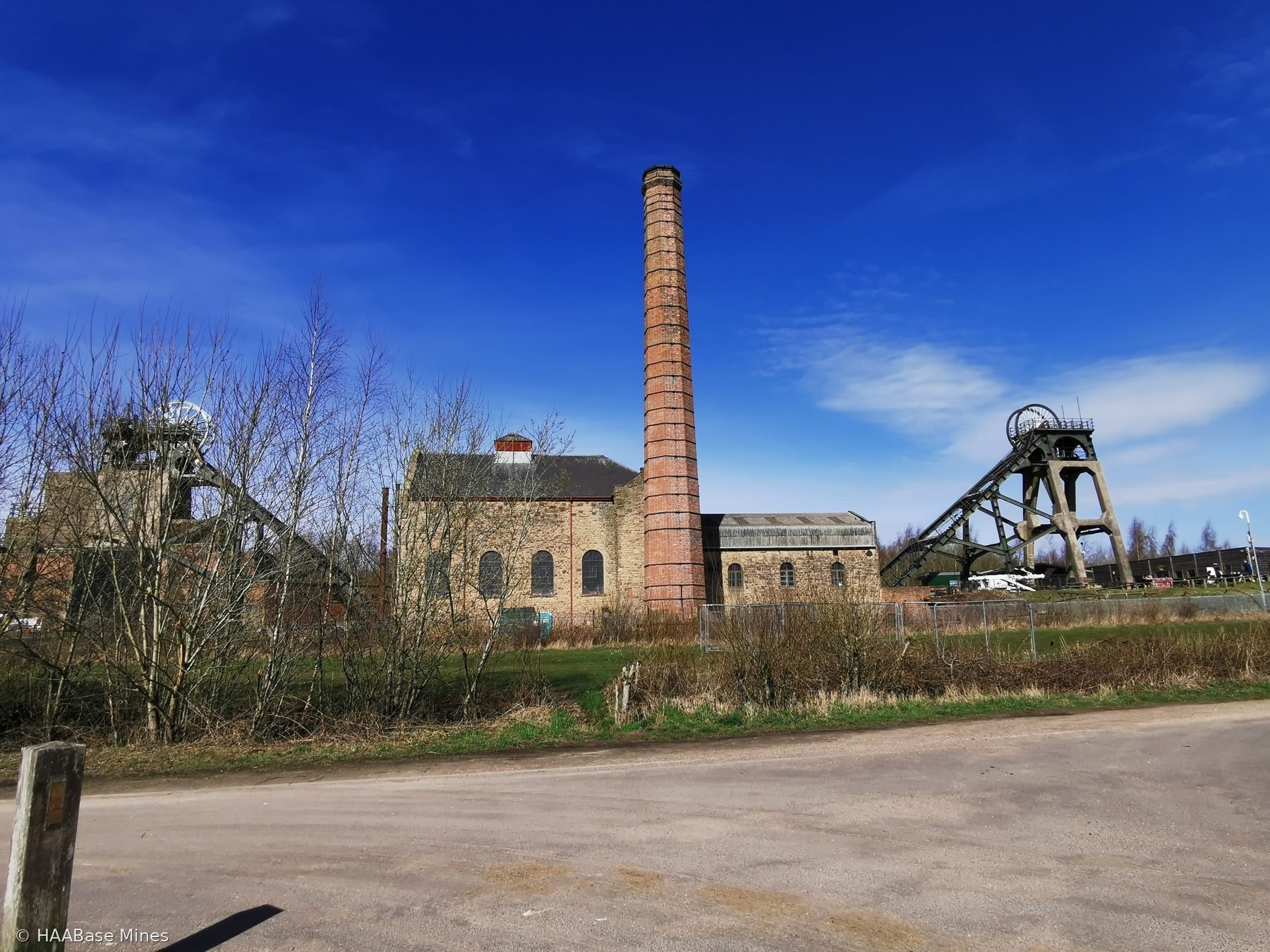
Following closure, most of the surface infrastructure was demolished. The upcast shaft was converted to supply ventilation air to Shirebrook's workings for several years, delaying its infilling and thereby inadvertently preserving time for a heritage listing to be applied. The north downcast shaft was infilled in February 1985. The south upcast shaft continued to serve Shirebrook until 1992, when it was also filled in. The engines continued to be operated on site for salvage work until 1986, during which period the local authority issued a preservation listing on the remaining structures just as their demolition was imminent. The engine-house complex, two headgears, and the surviving 40-metre brick chimney were listed. An early photograph shows a second chimney to the east of the winding house, indicating there was originally a second boiler plant, but this was demolished after closure.
The Friends of Pleasley Pit preservation group was formed in 1995 and restoration work began. In 1996 the site was scheduled as an Ancient Monument and the engine-house complex received a Grade II listed building designation. The engine-house roof was completely renewed and the chimney underwent major renovation. The headgears, roof, and chimney were restored by Robert Woodhouse Ltd. In 2013 the pistons of the Markham winding engine were sent to Markham Engineering for machining. A new visitor centre opened in February 2020. The site is owned by the Land Trust and occupied under licence by the Pleasley Pit Trust, a registered charity. The old pit tip was reworked to extract residual coal and then landscaped as a nature reserve with footpaths and lakes, now designated Pleasley Pit Country Park and Local Nature Reserve. The two adjacent former railway lines have been converted into cycle trails. Pleasley Colliery is now a publicly accessible mining heritage museum offering guided tours of the unique back-to-back engine house, restored steam winders, and headgears.