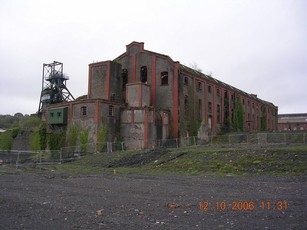
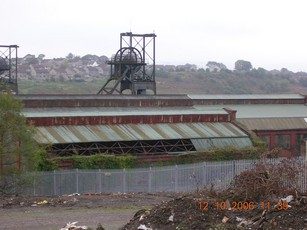
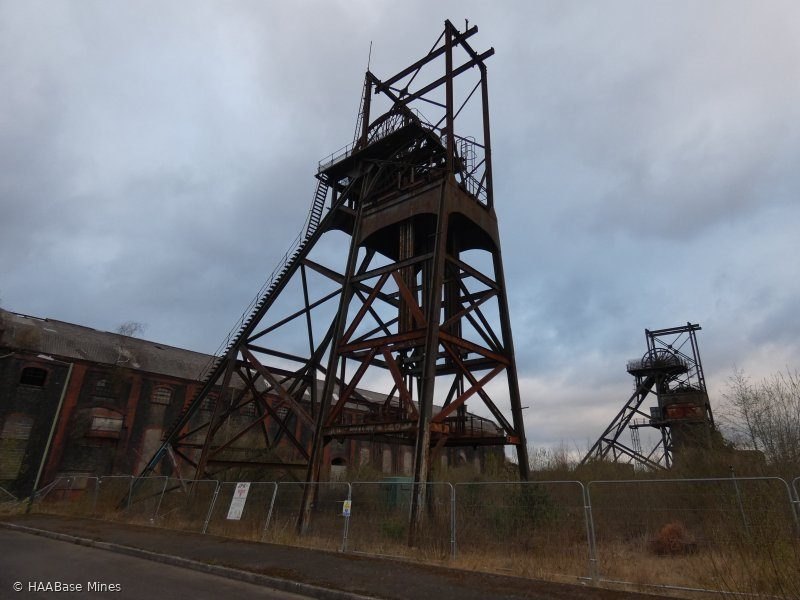
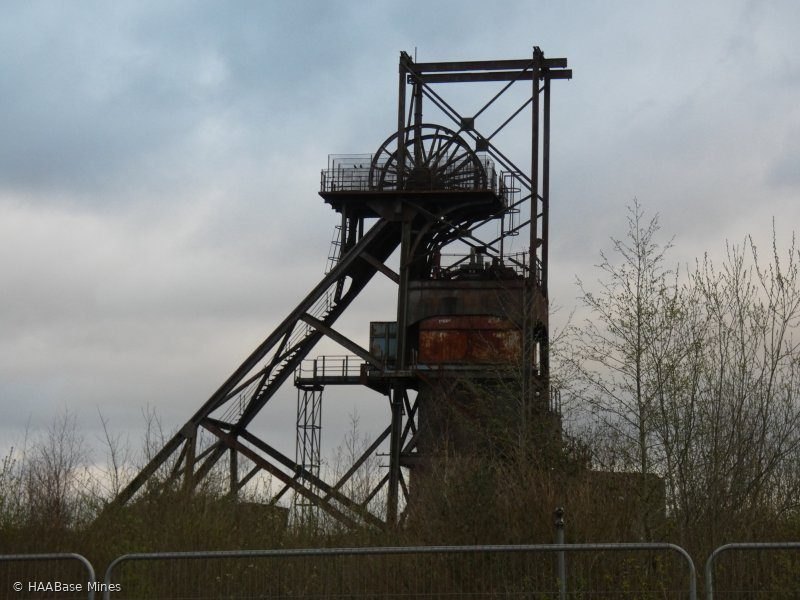
Penallta Colliery was built by the Powell Duffryn Steam Coal Company between 1905 and 1909, at the height of the South Wales coal trade. It was conceived as the 'super-pit' of its day, laid out on modern principles with surface buildings in a matching architectural style on a spacious, artificially levelled site on a rectilinear plan. The No. 1 shaft, the downcast, was sunk to 783 yards (716 metres) and the No. 2 shaft, the upcast, to 750 yards (690 metres).
At the time of sinking these were the deepest shafts in the South Wales Coalfield. Both shafts are 6.4 metres in diameter. The winding engines were made by Fraser and Chalmers; the No. 1 spiral drum measures 4.57 metres.
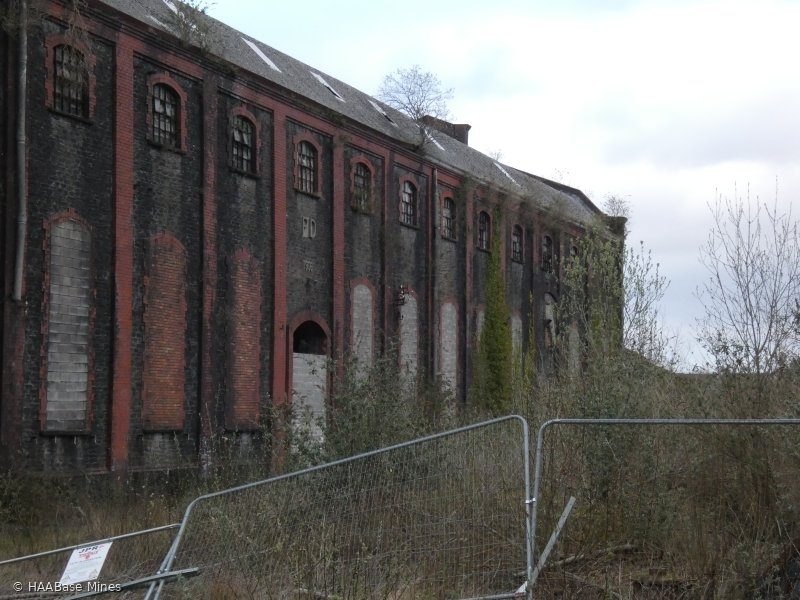
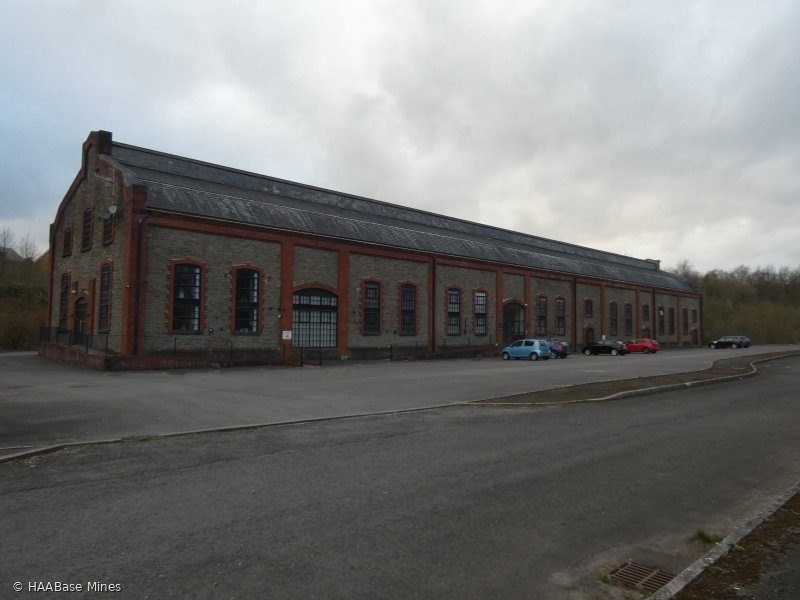
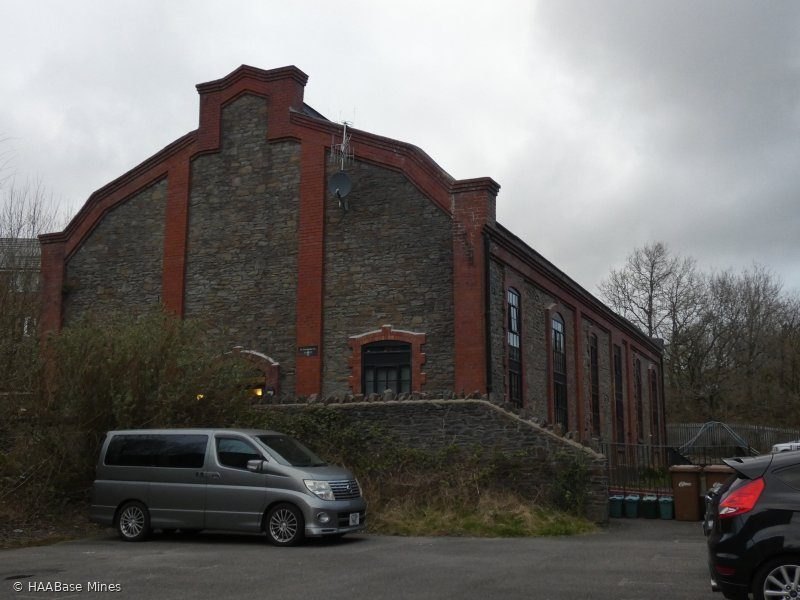
The engine hall — a single combined building measuring 91.4 metres by 21.3 metres — replaced the arrangement of separate engine houses that had previously been standard at British collieries and was an important innovation copied at many subsequent collieries. Its design by George C. Hann was presented to the South Wales Institute of Engineers in 1910 and received formal discussion on three further occasions. The railway connection was provided by the Cylla branch, which linked the colliery to both the Rhymney Railway from the Ystrad Mynach north junction and the Newport, Abergavenny and Hereford Railway.
The first coal was raised in 1909. By 1908, 291 men were employed. Production difficulties emerged in 1910 when large-scale faulting was encountered while opening out the Red Vein seam.
By 1923 the colliery employed 2,395 men working principally the Six Feet seam. By the early 1930s over 3,200 men were employed and annual production exceeded 860,000 tons, with output for 1930 recorded at over 975,600 tons. In 1935 the colliery held the European record for coal wound in a 24-hour period.
The colliery baths building was constructed in 1938 by the Miners' Welfare Committee; at the time it was described as probably the finest and largest pithead baths in the country. On nationalisation in 1947 the colliery passed to the National Coal Board. In the late 1940s a Meco-Moore Cutter Loader was installed, one of the first power loaders to be used in British mines.
In December 1949, the Minister of Fuel and Power, Hugh Gaitskell, visited the colliery. In 1952 the colliery's miners founded Penallta RFC. In 1954 the colliery produced 500,000 tonnes of coal.
During 1960 the shafts were extended to reach 800 yards as part of a scheme that also included electrification of the shaft winding engines. By the 1970s access to coal had become more difficult and operations were concentrated on the Lower Nine Feet and Seven Feet seams, with 700 men producing 210,000 tons yearly, both approximately 20% of the figures at peak production. In 1969 the colliery was placed on the National Coal Board's jeopardy or closure list; a reprieve came in July of that year when output per man-shift exceeded its target of 28 hundredweights by reaching 31.6 hundredweights.
In December 1978 a fire broke out on the No. 2 electric locomotive approximately 1,380 metres from the No. 1 pit; the driver extinguished it. In 1979 the M19 coalface was the best-performing coalface in the South Wales Coalfield in its seam-thickness group. The colliery survived the 1984–85 miners' strike and made significant gains in production after the return to work.
On 29 March 1991 the workforce voted at a special meeting not to contest the proposed closure through the review procedure. British Coal closed Penallta Colliery on 1 November 1991, the last shift led out by a brass band. The manager at closure was D. Fox.
It was the last deep mine to work in the Rhymney Valley. The pit was decommissioned and finally closed in 1992. From 1996 the site was subject to staged redevelopment.
Stage one transformed approximately two kilometres of derelict land and coal tip into Penallta Community Park. Stage two involved the creation of bridle paths, cycle tracks, and stone footpaths. Between 1996 and 1999 artist Mike Petts created Sultan, a 200-metre earthwork sculpture commemorating pit ponies, constructed from 60,000 tons of coal shale waste covered with living grass.
A business park was subsequently developed on part of the site. Both headframes, the engine hall and fan house, and the baths building are listed Grade II*. The baths building is listed as the best surviving example in Wales of a pre-war pithead baths and an important example of International Modern movement design.
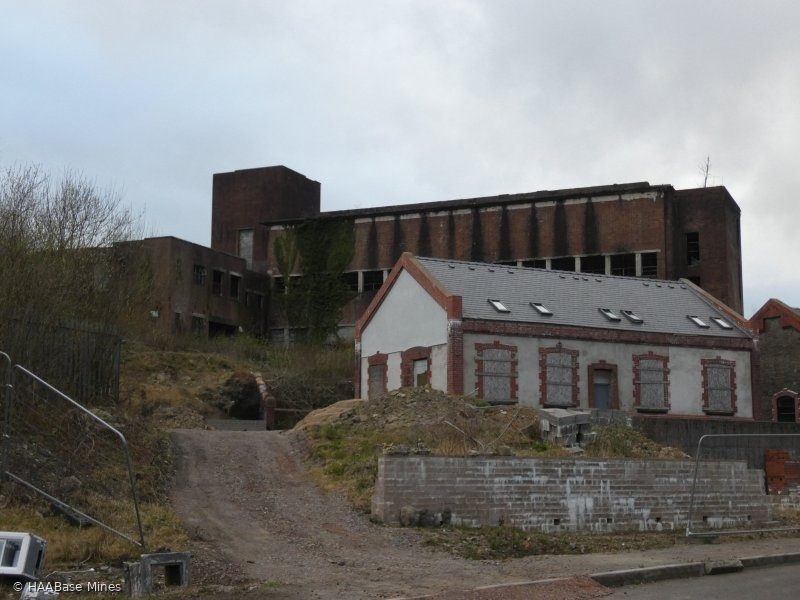
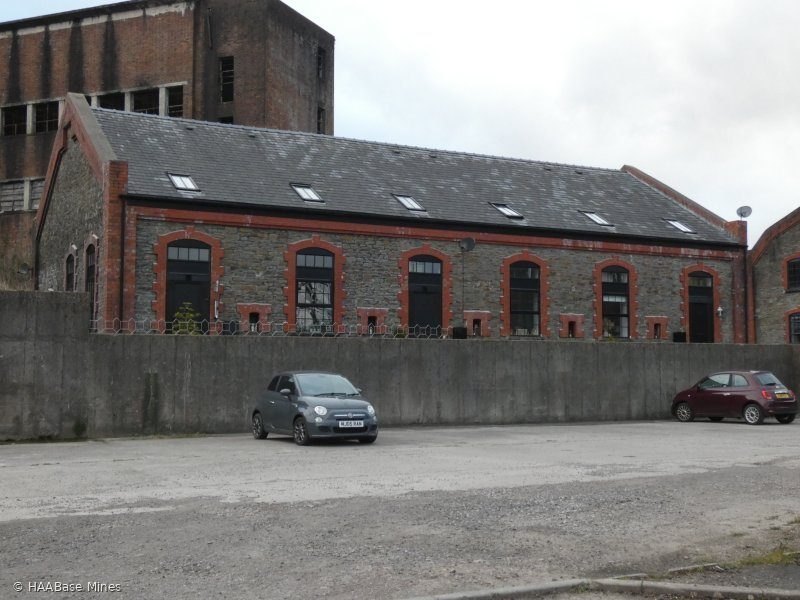
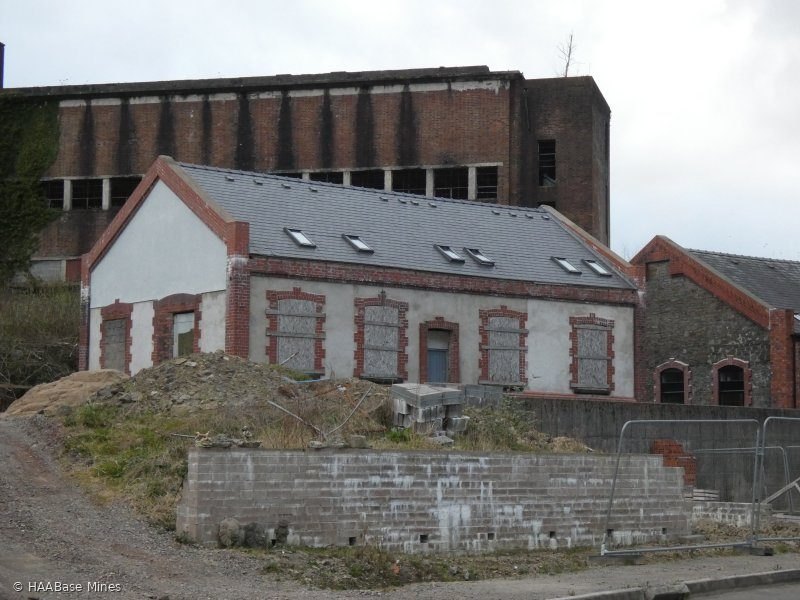
The engine hall is listed for its impressive architectural qualities, its rarity as a surviving large colliery building in South Wales, and its important influence on colliery building design in Britain. The colliery workshops, old stores, pit-top offices, and electricity building are listed Grade II. The former engineers' hall has been converted into luxury apartments.
In 2025 and 2026, plans for a further housing development of approximately 193 homes on the remaining colliery site, incorporating restoration of the listed power hall, were submitted for planning consideration, with the two headframes proposed to be retained as part of the scheme.