The Cefn Coed Colliery stands in the Dulais Valley in what is now Neath Port Talbot, a district with a long history of anthracite extraction. The Llwynonn Colliery Company began attempts to sink shafts at the site during the 1920s but encountered severe difficulties penetrating the hard Blue Pennant sandstone that overlay the anthracite seams. Three separate sinking attempts were unsuccessful.
In 1926 the Llwynonn Colliery Company was bought out by the Amalgamated Anthracite Collieries Limited of Ammanford, which brought the substantial capital investment necessary to overcome the geological barrier. The two shafts were sunk in 1926–27. Both shafts were 20 feet in diameter.
The No. 1 Pit, or upcast shaft, served as the winding pit for the north side of the workings; the No. 2, or downcast shaft, served the south side. At a depth of over 732 metres, the shafts were at the time of sinking the deepest in any anthracite mine in the world. The winding engine for No. 2 shaft, a Worsley Mesnes horizontal duplex cylinder steam winding engine, was installed in 1927.
It has two cylinders with a bore of 32 inches and a drum 10 feet wide, with ropes each over 800 yards long and a breaking strain of 234 tons. Winding was powered by steam, with the boilers supplied by gas pumped from old workings. Six Lancashire steam boilers were installed to supply steam.
The ventilating fan was a Walker Steart propeller type, nine feet in diameter, capable of producing 190,000 cubic feet of air per minute. On 4 January 1929, John Lewis, a sinker aged 53, died when he fell down the shaft during construction work. Due to depression in the coal trade the colliery lay idle in 1934.
First coal was raised in 1930 and production developed through the 1930s. The seams worked at Cefn Coed included the Big Vein, Peacock, Dulais, White Four Feet, and Nine Feet. The Big Vein, the deepest seam, was reached at approximately 750 yards underground, and at over 2,500 feet the colliery was the deepest anthracite mine in the world during its working life.
This exceptional depth brought elevated risk from methane gas and roof falls, and a succession of accidents caused the colliery to become known locally as 'The Slaughterhouse'. The colliery was nationalised under the National Coal Board in 1947. By the end of the Second World War in 1945, 908 men were employed.
In 1943 and 1945 underground employment was 689 men, with 219 on the surface. In 1959 the colliery was partially closed, with 276 men lost from underground and 104 from the surface following uneconomic results. In 1961 the colliery formed part of No. 9 Area's No. 1 Group along with Blaenant, Glyncastle, and Ffaldydre collieries; total group production for that year was 267,704 tons with a total workforce of 1,285.
The colliery was earmarked for closure in 1967, prompting a petition campaign involving Ifor Davies, the Secretary of State for Wales, which gathered 51,500 signatures presented to Prime Minister Harold Wilson. The mine nonetheless closed on 20 April 1968 due to uneconomic conditions arising from the high cost of maintaining roadways at extreme depth; it had lost £400,000 in its last year of production. On closure, workers wishing to continue employment were transferred to Blaenant, Blaengwrach, Brynlliw, and Abernant collieries; seventy men over 55 opted for redundancy and 100 were retained for salvage work.
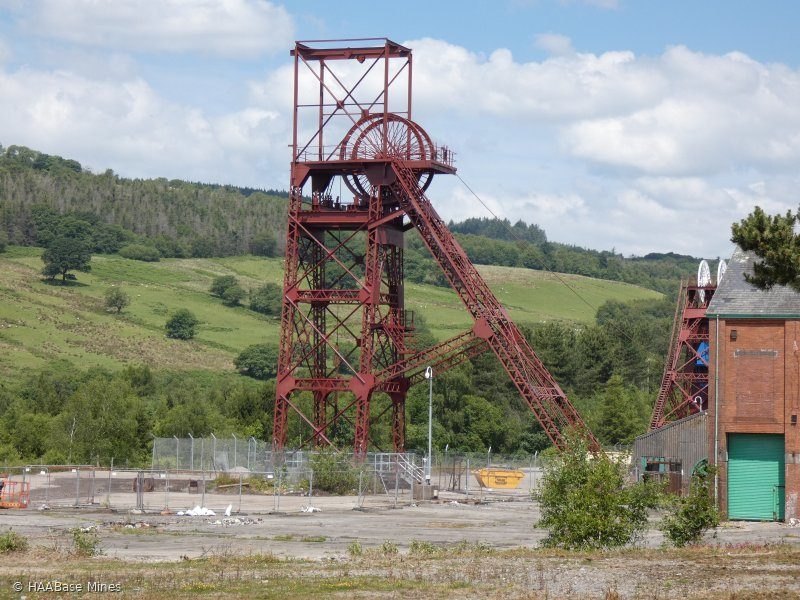
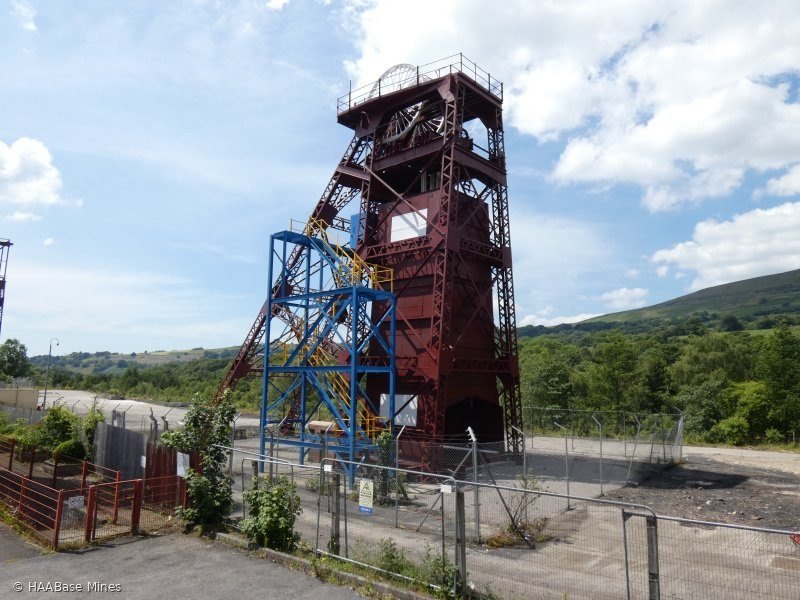
One of the two shafts at Cefn Coed was retained in use to ventilate the adjacent Blaenant drift mine and as an emergency exit; Blaenant had opened in 1963 to extract coal from the No. 2 Rhondda seam at a shallower depth, and finally closed in May 1990. The complete above-ground mine workings remain intact on the site. Both original lattice steel headframes, each approximately 18 metres high, survive, with winding sheaves still in place at their tops; both shafts have been capped with steel joists fixed in concrete and metal plate covers.
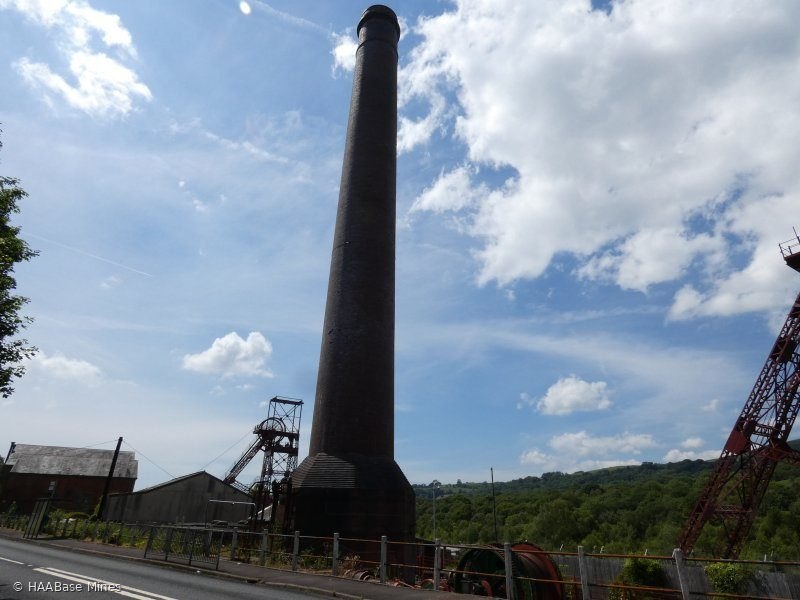
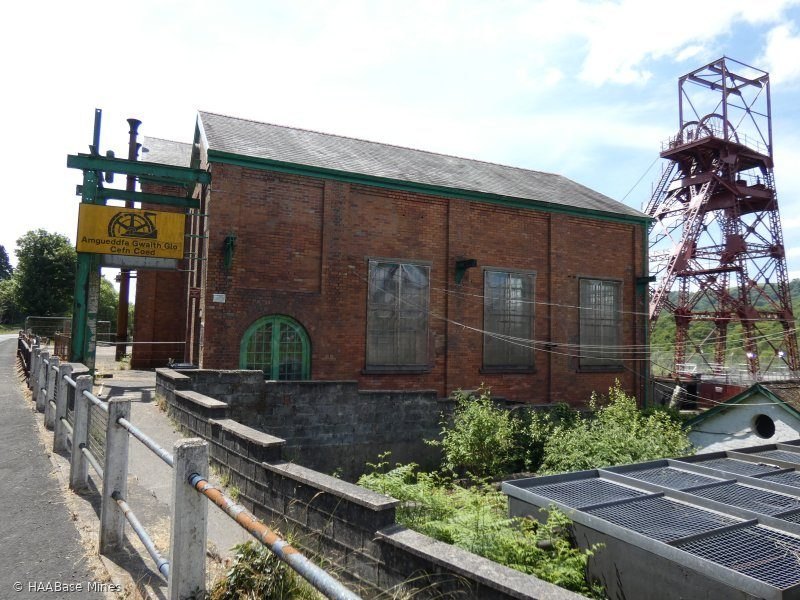
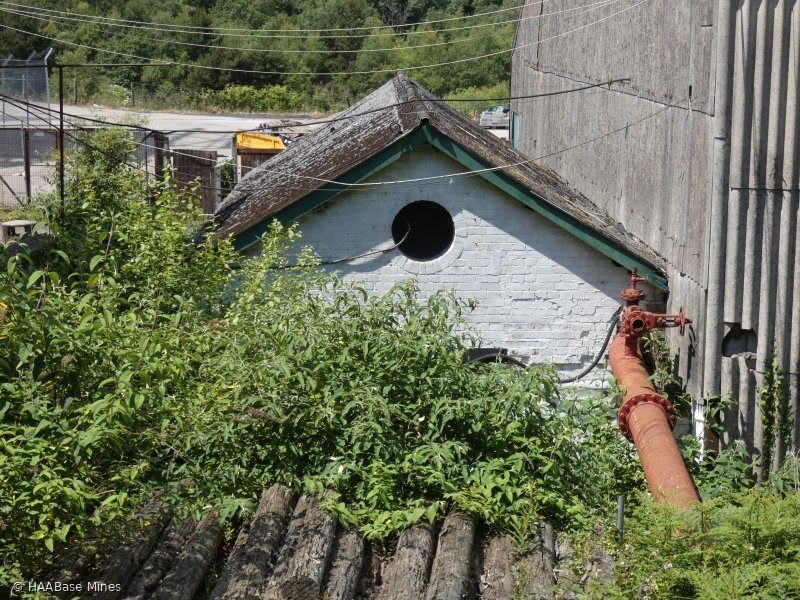
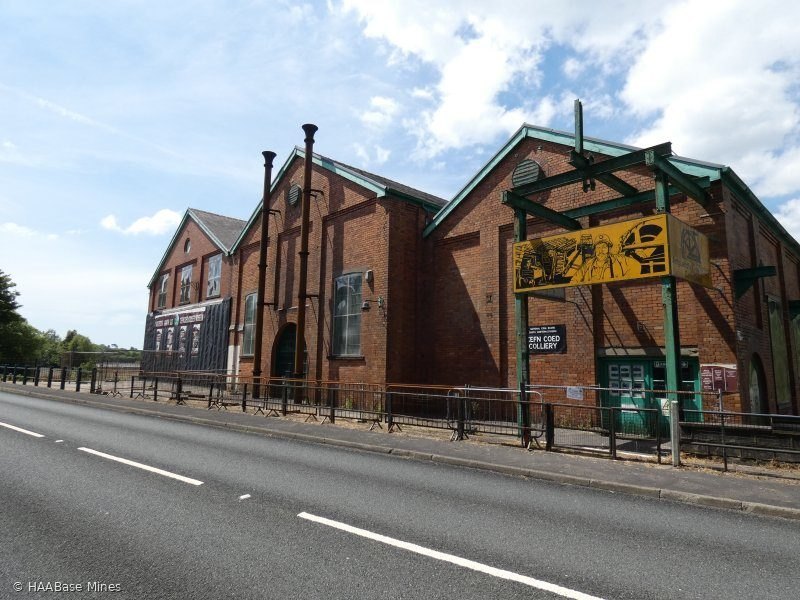
The Worsley Mesnes winding engine has been converted from steam to electrical power but remains operational. The six Lancashire steam boilers remain in the boiler house. Other surviving structures include the boiler house chimney, compressor house, electrical generating house, and pump house.
The pump house contains two small steam-driven pumps manufactured by Weir, installed around 1930 and reported to have been reused from a First World War battleship. The No. 1 shaft headframe and No. 2 shaft headframe are each listed Grade II*, as two of only two surviving pre-war headframes in the anthracite coalfield and one of only two sets of lattice girder construction remaining anywhere in South Wales. The boiler house is also listed Grade II*, as the sole remaining set of colliery steam boilers in Wales.
The engine house range and steam capstan engine are listed Grade II*. The chimney and pump house carry Grade II listings. A museum was established on the site in 1978 and has operated as the Cefn Coed Colliery Museum.
The museum's collections and exhibits include the operational winding engine, a restored Neath gas tram, a Hunslett colliery locomotive restored to working order by the Friends of Cefn Coed, exhibits on mining history, and a simulated underground gallery. In 2019 Neath Port Talbot County Borough Council secured a Welsh Government grant of £1.8 million to develop the museum as an enhanced visitor attraction, but the project was delayed and ultimately could not proceed as planned due to health and safety issues including flaking stonework, unsafe tunnels, asbestos, and corrosion discovered during due diligence. The museum is currently closed to the public.
The Welsh Government dismantled the headgear in 2016 over safety concerns, though heritage listing records describe both headframes as surviving. Neath Port Talbot Council holds a 100-year lease on the Grade II listed museum building and 1.6 acres of land from the Welsh Government at a peppercorn rent, expiring in 2077. Future options for the site are under consideration as part of the council's Heritage Strategy.