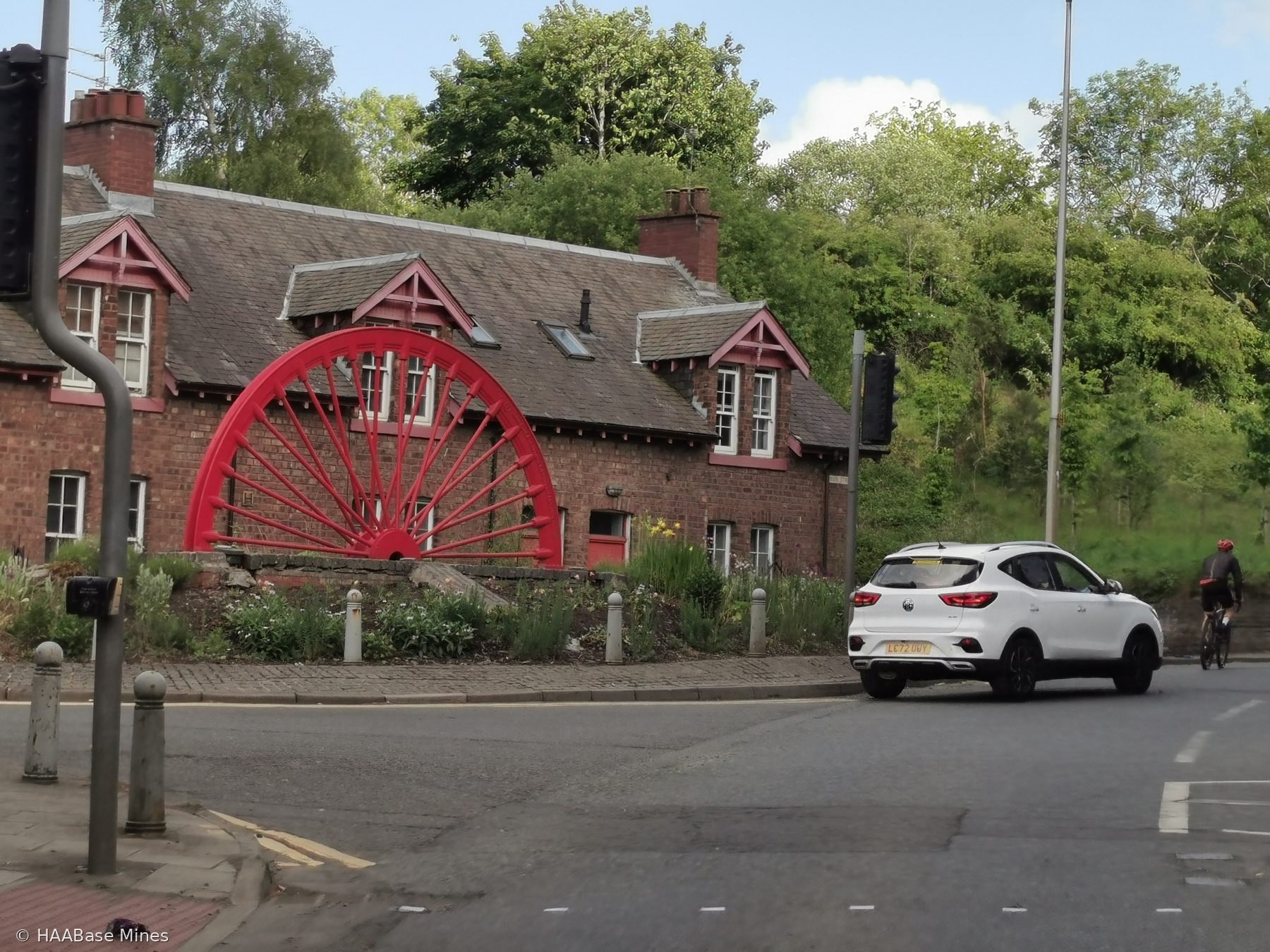
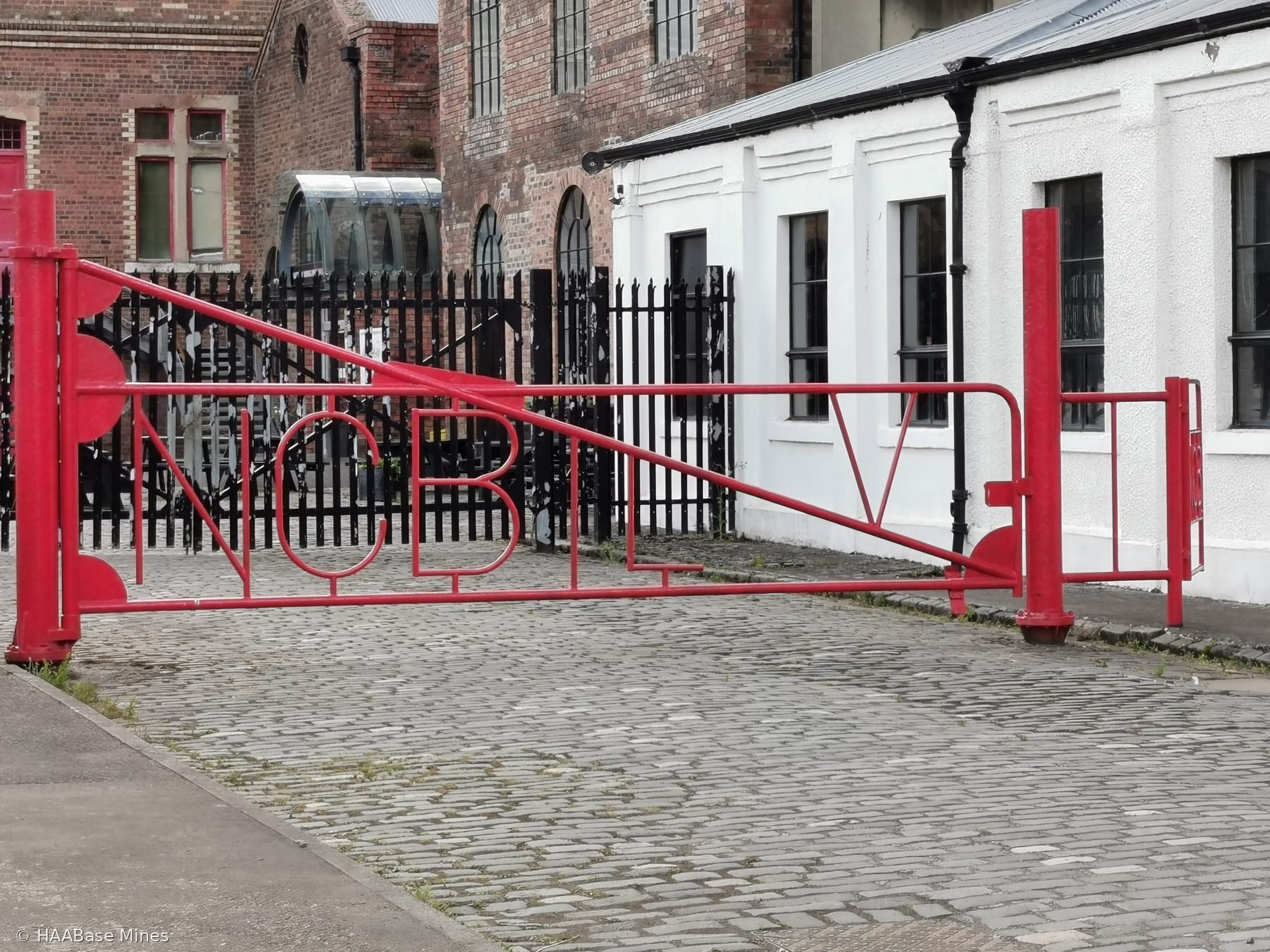
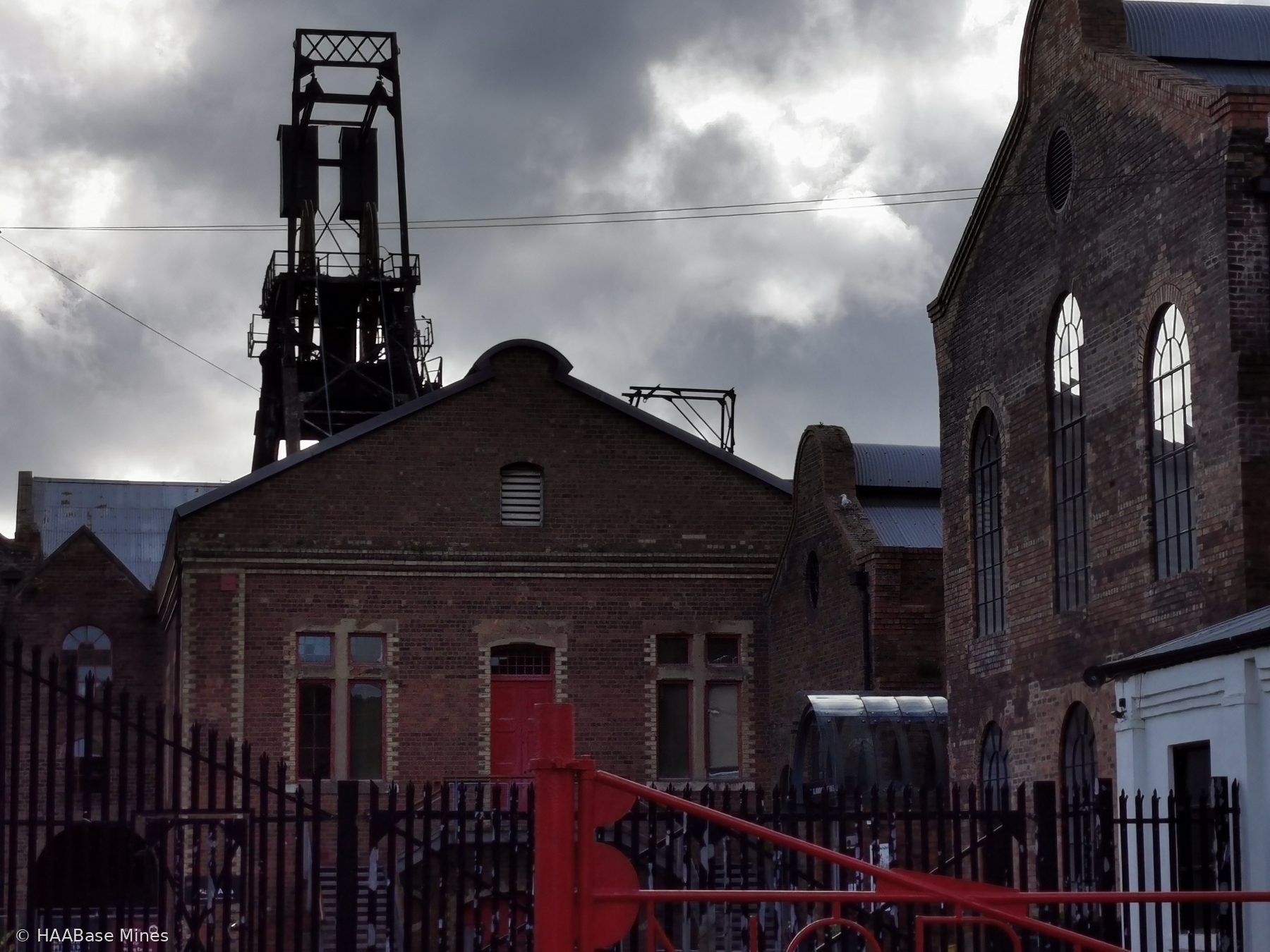
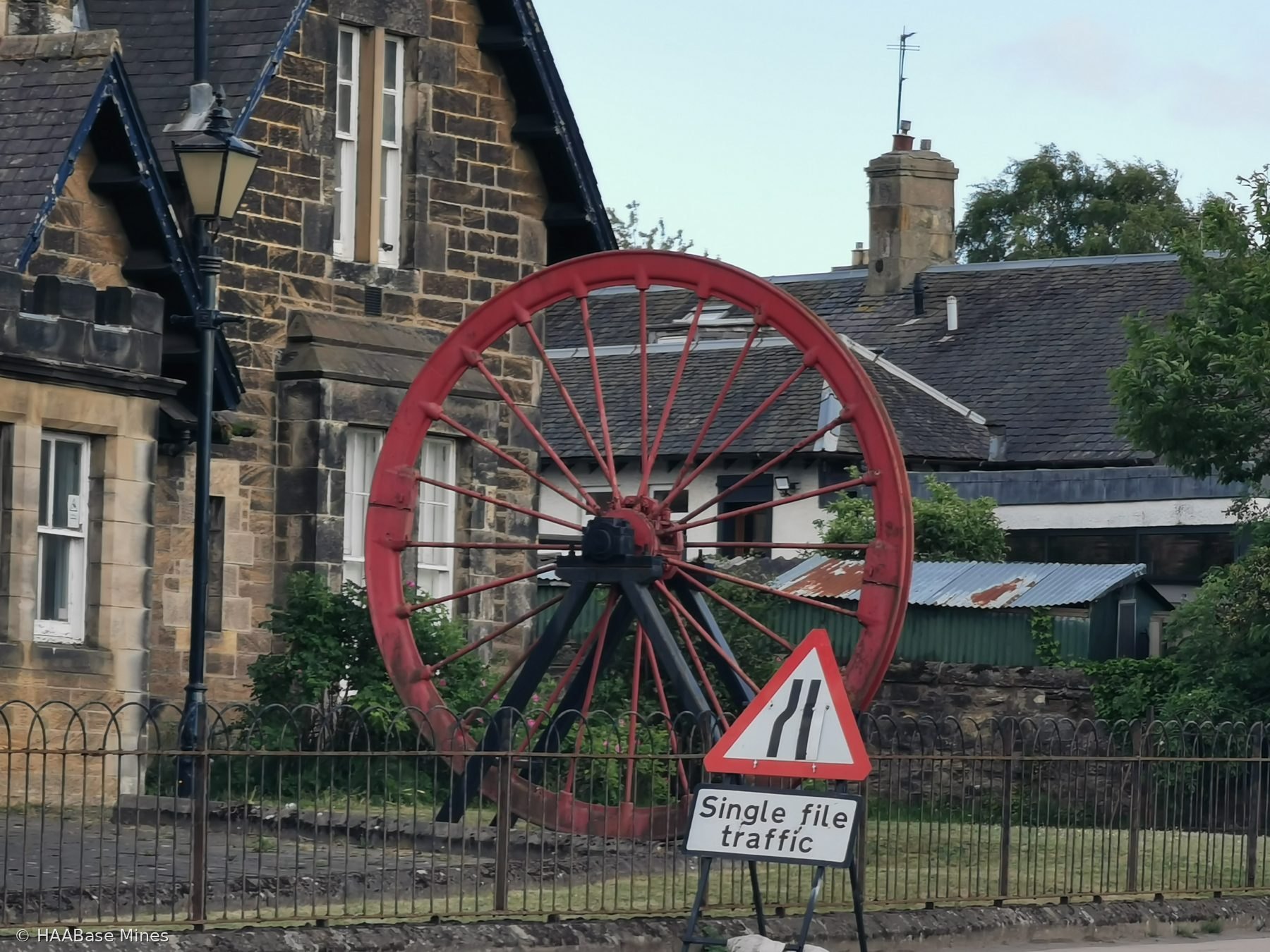
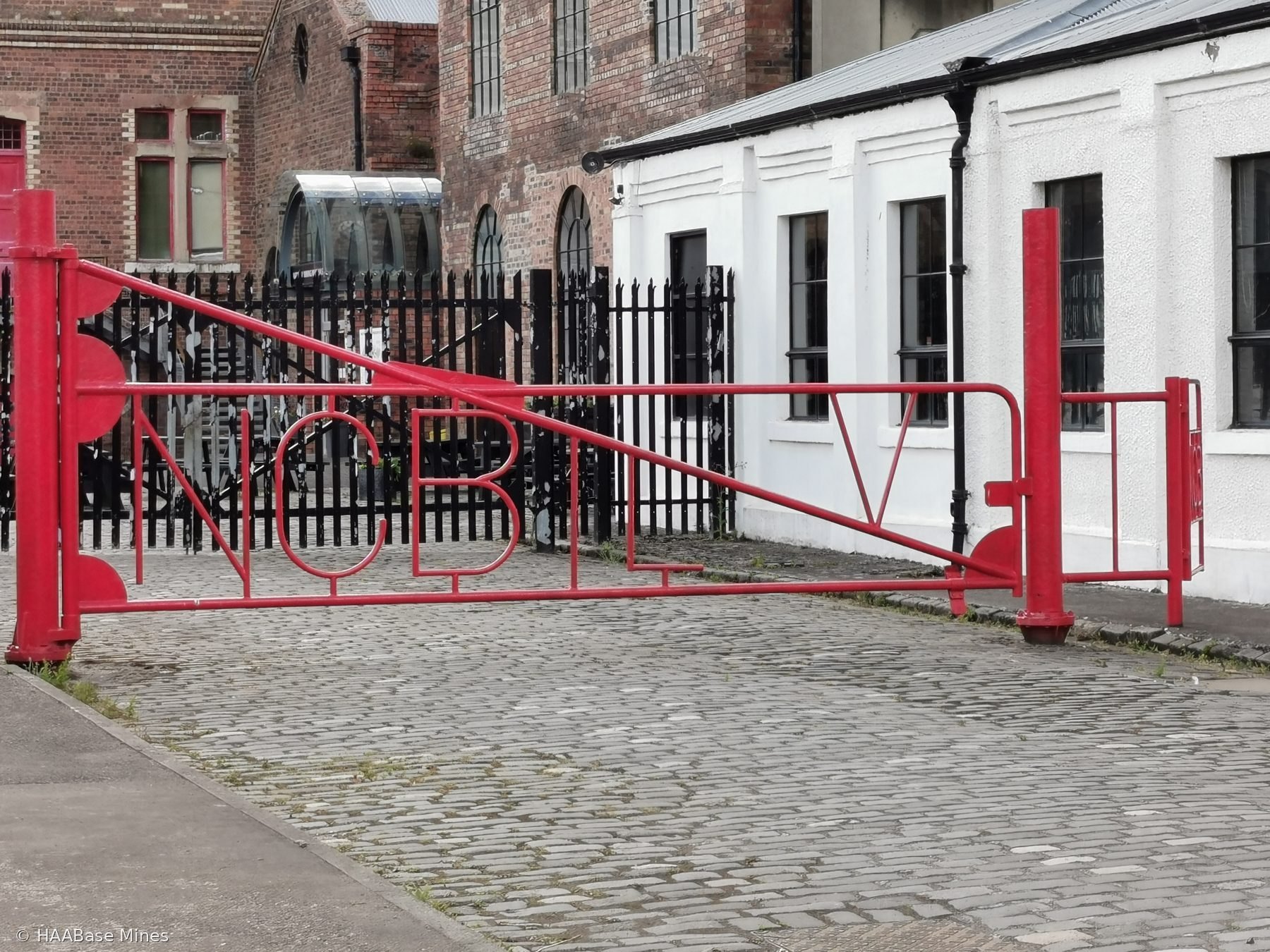
Lady Victoria Colliery stands at Newtongrange, Midlothian, where one of the most complete late-Victorian colliery surface complexes in Britain survives as the National Mining Museum Scotland. The Lothian Coal Company Ltd was formed in March 1890 by combining the Newbattle and Rosewell interests, with the intention of building a model pit capable of bringing together large-scale production, improved engineering and efficient preparation of coal for market. Shaft sinking began in 1890 under mining engineer John Morison and managing director Archibald Hood. The company developed the pit in close association with the expanding mining settlement of Newtongrange and its surrounding Lothian coalfields. The name Lady Victoria commemorated the wife of the ninth Marquess of Lothian, whose estate and local connections were closely involved in the district's mining development.
The principal shaft and the first major surface buildings were constructed between 1890 and 1894. The shaft was ready for production by 1894; specialist historical accounts describe initial production in that year, while the museum dates the colliery’s public opening as Scotland’s first purpose-built super-pit to 1895. Its deep single winding shaft reached the Jewel Seam at an operational depth of about 1,650 feet; accounts of the sinking refer to a greater initial depth of approximately 1,740 feet. The shaft was among Scotland's largest of its period and was developed with watertight brick lining. A second winding shaft at the Lady Victoria pithead was unnecessary because ventilation was provided through underground connections with neighbouring Lingerwood Pit. Lingerwood was a separate mine, not another headframe within the surviving Newtongrange complex.
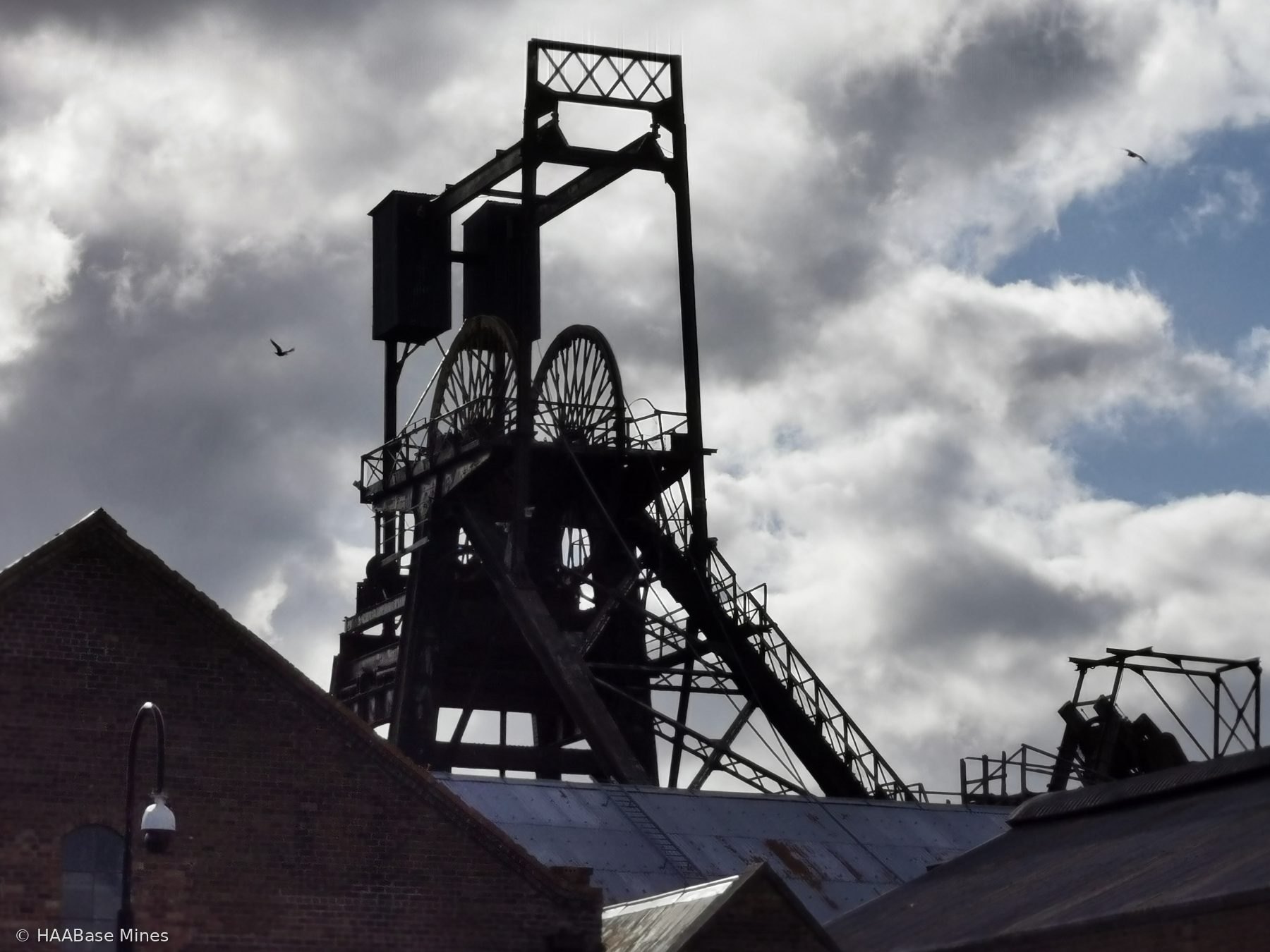
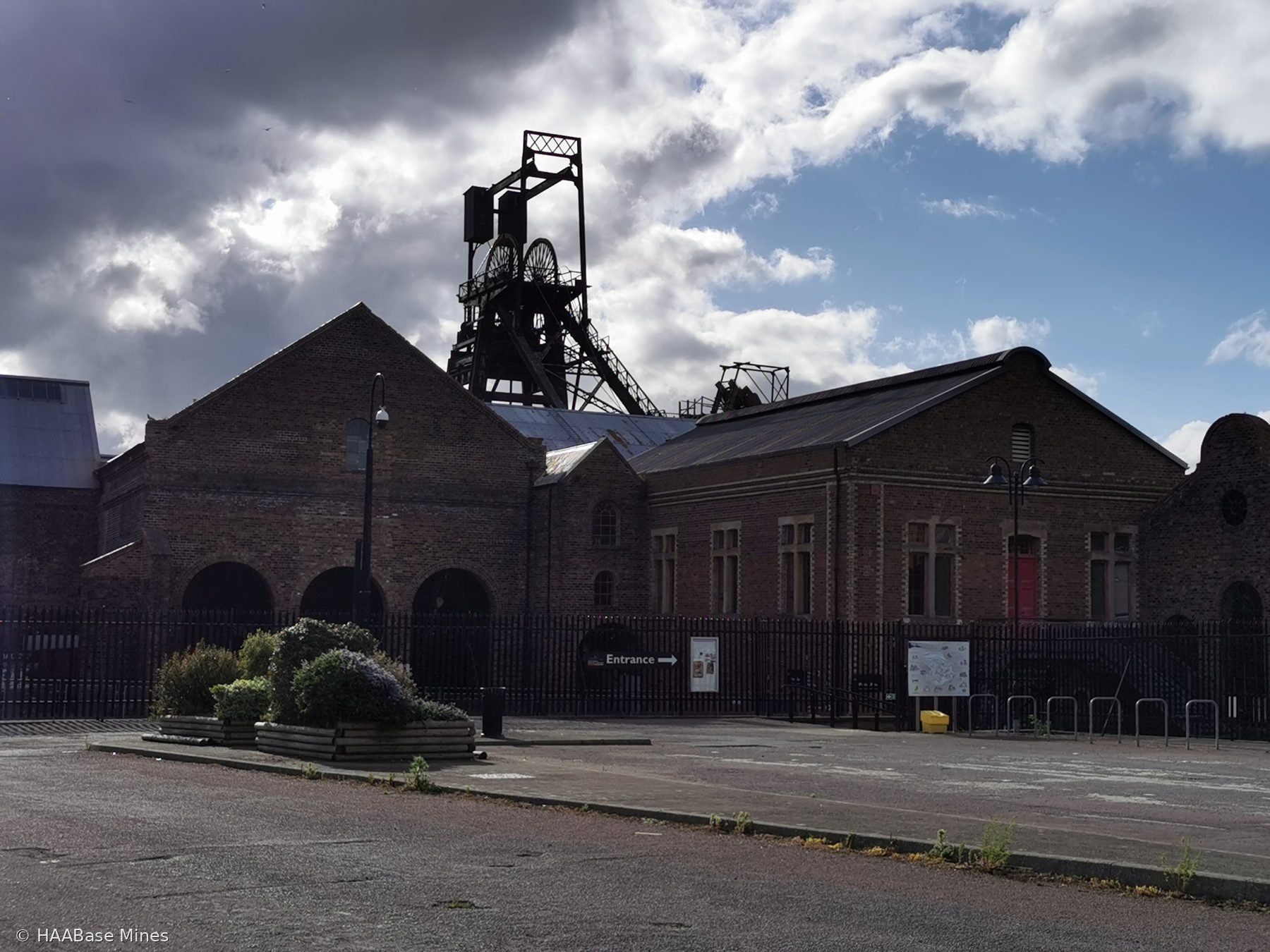
Sir William Arrol & Co manufactured the substantial steel headgear, erected in 1893–94. With steel box girders, bracing, backstays and winding wheels, the structure rose above the brick-built tub circuit and coal-preparation buildings. The winding engine house, constructed around 1890–91 in red and yellow brick, was designed to house exceptionally powerful machinery. Its 2,400-horsepower twin-compound horizontal steam winding engine was made by Grant, Ritchie & Co of Kilmarnock. It has 42-inch steam-jacketed cylinders, a seven-foot stroke and Cornish drop valves, and is regarded by Historic Environment Scotland as the largest surviving steam engine in Scotland. Though preserved in its original working building, the machine was altered during its operating life: Andrew Barclay, Sons & Co supplied replacement brakes in 1953 and a replacement winding drum in 1964. The drum measures approximately twenty feet in diameter. These adaptations form part of the machinery's working history rather than later display reconstruction.
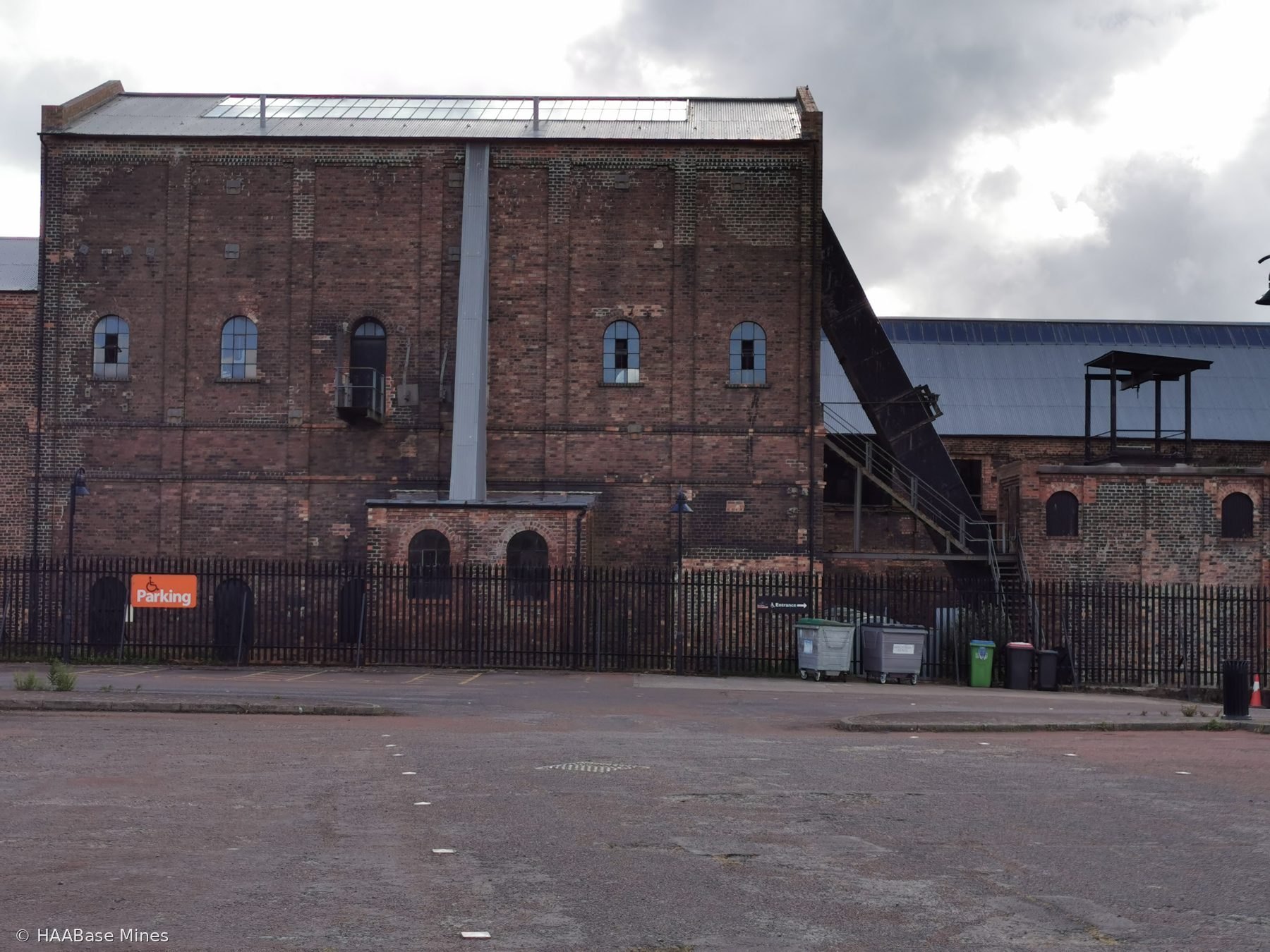
The early colliery combined the chimney, engine house, power station, pithead and railway-connected coal-handling plant. The surviving tub circuit retains its characteristic brick arcades and trussed steel roof, with tipplers, picking tables and handling arrangements illustrating the movement of coal from tubs into preparation and dispatch. Around 1906–14 the operators added a washer and hopper and extended the east side of the pithead to provide a smithy and electrical switch house. The original washery included two Baum coal washers driven from line shafts and belt pulleys. A re-washer was added later, while an additional Drew Boy washer was installed around 1963–64. The extraordinary brick-vaulted dross hopper, with railway tracks passing below, survives as a further reminder of the scale of coal handling. A timber dredger, preserved with the colliery's equipment, is a rare example of machinery used in the processing circuit.
Lady Victoria initially developed the Parrot and Splint coals of the Limestone Coal Group. Parrot was prized for gas-making and Splint for steam and household use; later workings included the Kailblades, Smithy and Coronation seams. The Jewel Seam gave its name to the deep working horizon. Historical sources also use the terms cannel and household coal for particular grades of output. Coal from these workings served household, gas-making and industrial markets. The pit was a focus of technical experimentation and improvement: electrical equipment was employed on an unusually extensive scale for an early Scottish colliery, and mechanised methods and steel pit props were introduced between about 1911 and 1919. Underground transport initially depended substantially on horses; the adoption of endless-rope haulage replaced some 120 pit ponies. Mavor and Coulson bar-type coal cutters were introduced in 1905, later giving way to chain cutters and eventually shearer loaders with armoured conveyors. During the first decades of the twentieth century, the power station was enlarged, the boiler plant developed and the picking tables extended as working practices and the demands of coal preparation changed.
The surviving boilerhouse dates substantially from about 1915–17 and contains seven Lancashire boilers, with economisers and superheaters. Earlier installation began with six boilers and the plant reached twelve at its operational peak during the enlargement associated with electricity generation; the seven documented in the statutory listing are the surviving units. Its associated power station was expanded around 1924, incorporating both earlier and later phases of electrical generation and distribution. The colliery's tall chimney was reduced in height during its later life, most recently in 1986. Picking-table installations were extended and re-equipped in approximately 1933–46. The pithead and washing plant therefore preserve a layered history of alterations rather than a single untouched Victorian arrangement. A fire in the winding-engine house in 1902 damaged its original timber lining, which was subsequently replaced or protected with ceramic wall tiling and steel chequer-plate floors. The engine house and headgear thus contain original late-nineteenth-century fabric alongside changes made for continued use.
Rail connections gave Lady Victoria a role in the wider Newbattle group. The pithead handled coal from its own workings and from neighbouring operations, using railways and connecting tramways to bring material to preparation facilities and send washed coal to market. The separate Easthouses Extension Pit, opened in the early twentieth century, formed part of this linked industrial system, while Lingerwood also contributed to the arrangements for ventilation and working the coalfield. These links help explain the size of the processing equipment surviving at Lady Victoria. They do not make the neighbouring pits part of the surface monument at Newtongrange.
After nationalisation in 1947 the colliery passed to the National Coal Board. It remained a major employer and a centre of mining engineering for the district. In 1953 the workforce numbered 1,765, showing the considerable scale of employment supported by the pit and its associated operations. New pithead baths serving Lady Victoria and Lingerwood were provided in the post-war period, and an elevated reinforced-concrete walkway was built around 1954 to carry miners across to the pithead. The baths themselves were demolished in 1985, but the distinctive gantry remains an important part of the surface layout. The colliery continued to change in its final decades: double-deck handling at the tub circuit was reduced to a single level, while new coal preparation plant supplemented and in some cases superseded the older washers. An important part of the older machinery nevertheless remained in place.
The last coal was mined on 27 March 1981, bringing more than eight decades of production to an end. The shaft was secured, and the underground workings did not become part of the visitor route. Specialist industrial history, including a contemporary photograph of the final coal tubs, gives lifetime extraction as almost forty million tons. At a time when most British coalfields were undergoing rapid change, the unusual completeness of Lady Victoria's buildings made its preservation especially significant. The winding engine house had been statutorily listed on 10 April 1981. The Scottish Mining Museum opened at the colliery in 1984, conserving a rare group of industrial buildings and bringing mining tools, photographs, documentary records and the machinery of the pit into public interpretation. The historic steam winding engine is displayed with electric drive for demonstration rather than being powered by steam. The main complex entered the Category A statutory listing register on 27 April 1990 as LB14604. Historic Environment Scotland describes it as the best-preserved pre-First World War model colliery complex in the United Kingdom.
The heritage site retains its steel headgear, winding engine and engine house, parts of the tub circuit, tipplers, picking tables, old washery, hopper, boilerhouse, power station, workshops and the overhead gantry. Much of the plant occupies buildings erected for its original purpose, although some structures have altered roofs or internal arrangements, and other ancillary buildings have been lost. The post-war tub circuit was brought back into working order in 1986. The Scottish Mining Museum Trust purchased the colliery from Lothian Estates in 1994, assisted by heritage funding. Restoration of the Old Washer was completed in 1998, and further Heritage Lottery Fund and Historic Scotland-supported work began in 1999 to adapt central parts of the pithead and tub circuit for exhibition and visitor access. Conservation schemes subsequently addressed the substantial maintenance demands of the brickwork, metalwork and equipment. A major museum conservation programme begun in 2009 stabilised the tippler floor, picking tables, elevator shed and brick-vaulted undercroft. The site now contains both restored visitor areas and structures deliberately retained with visible evidence of their industrial working lives.
The National Mining Museum Scotland cares for the colliery and a wider national collection of Scottish coal-mining material. Its displays explore machinery, miners' working conditions, communities and the economic importance of coal. As well as conserving the exceptional winding-engine installation and the extensive Lancashire boiler plant, the museum interprets the rare timber dredger and the surviving complex of coal-preparation structures. In 2026 further improvement and conservation projects included proposals concerning the winding engine, energy provision, visitor facilities and the elevated gantry. The site remains a striking illustration of how a late-Victorian mining enterprise continued to evolve through the twentieth century, and how its surviving buildings and machinery continue to record the daily work of generations of miners at Newtongrange.