Site overview

Prestongrange Colliery at Prestonpans, East Lothian, has one of the longest continuous histories of any Scottish coalfield site, with coal first mined by the monks of Newbattle Abbey in the twelfth century. The first deep shaft was sunk in 1830 by Matthias Dunn of Newcastle to the Great Seam at 128 metres, making it the first deep shaft in Scotland. The colliery passed through several owners — the Grant Suttie family, the Prestongrange Coal and Iron Company from 1874, and the Summerlee and Mossend Iron Company from 1895, which became the Summerlee Iron Company in 1898.

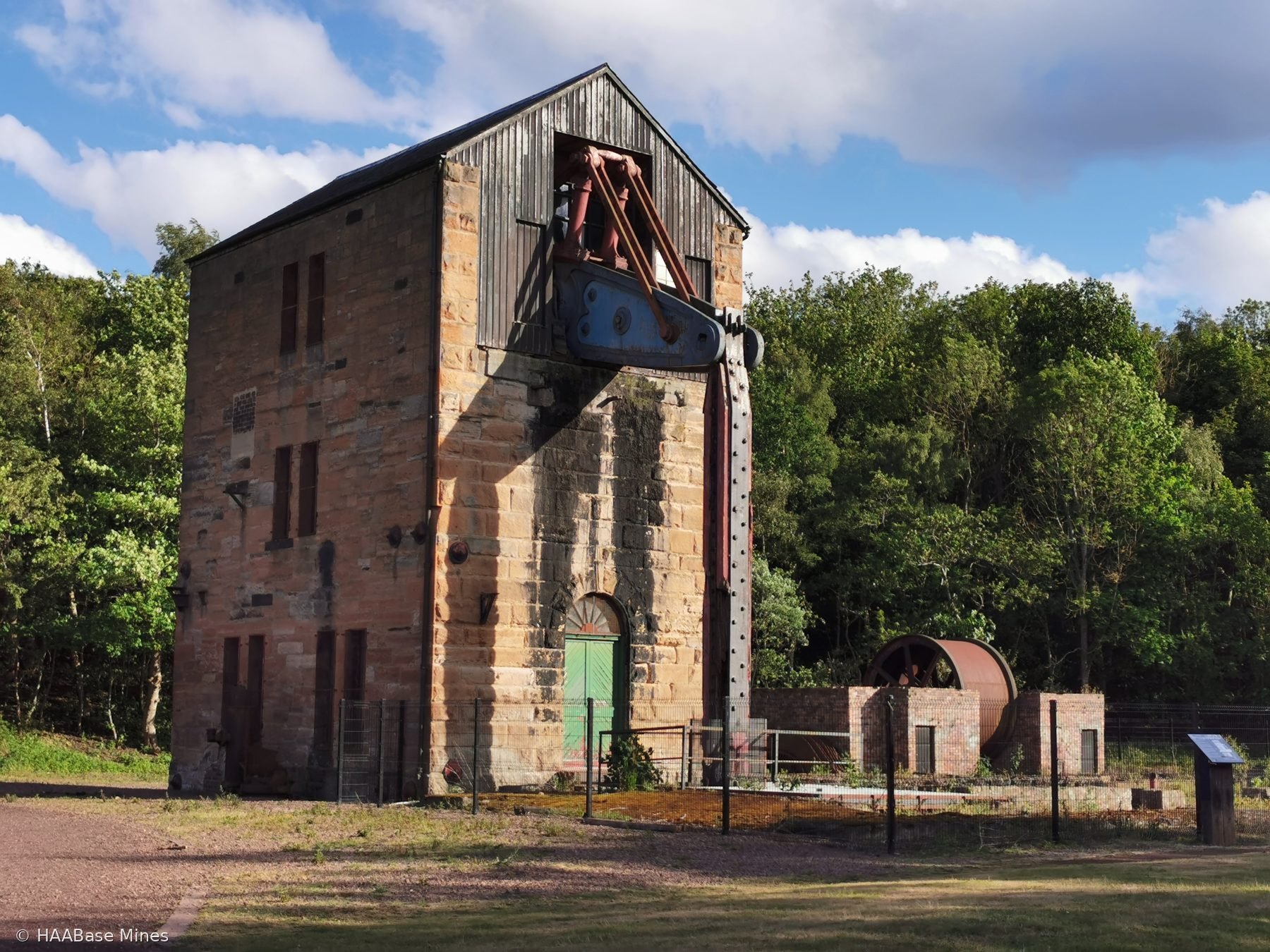
A Cornish beam pumping engine, manufactured by J. E. Mare & Co of Plymouth and modified by Harvey and Company of Hayle, was purchased in 1874 and installed to pump water from the workings; it remained in operation until 1954. The colliery produced steam and house coal and at its peak in 1952 employed 700 workers. It closed in 1962.

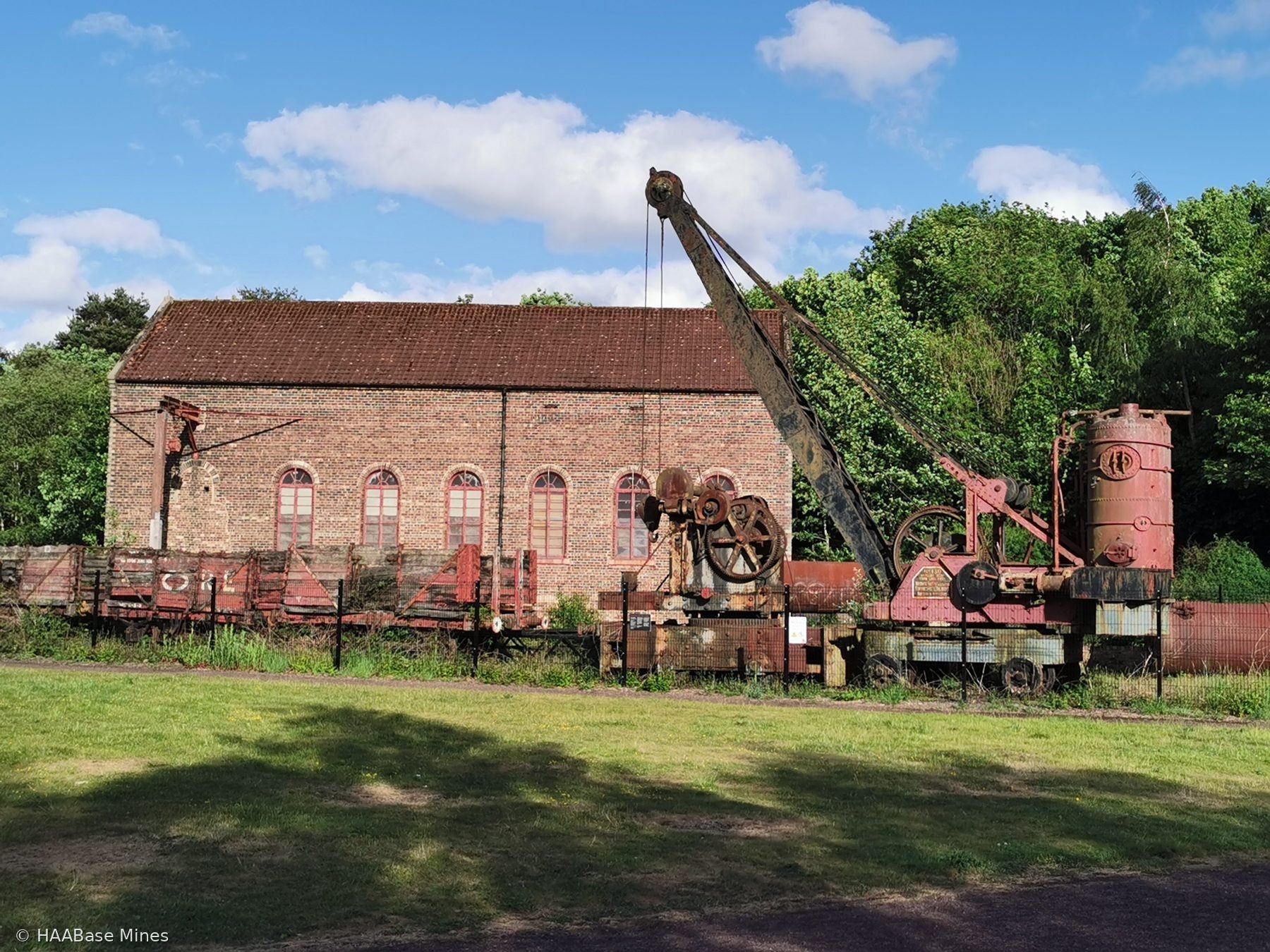
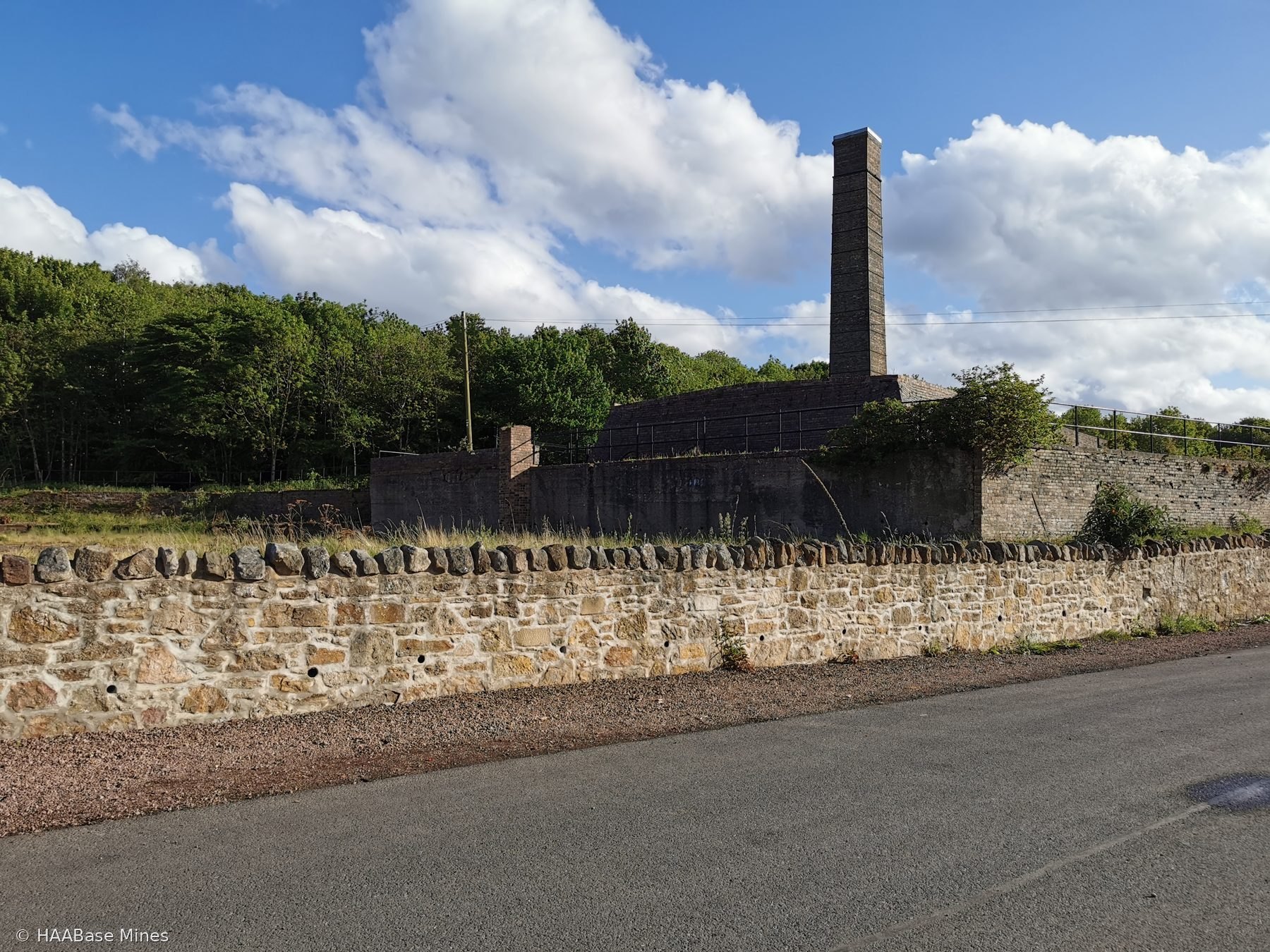
The site became Prestongrange Industrial Heritage Museum, now operated by East Lothian Council and free to visit. The Cornish beam engine pump house is a category A listed building; the generating house and Hoffmann kiln are category B listed.

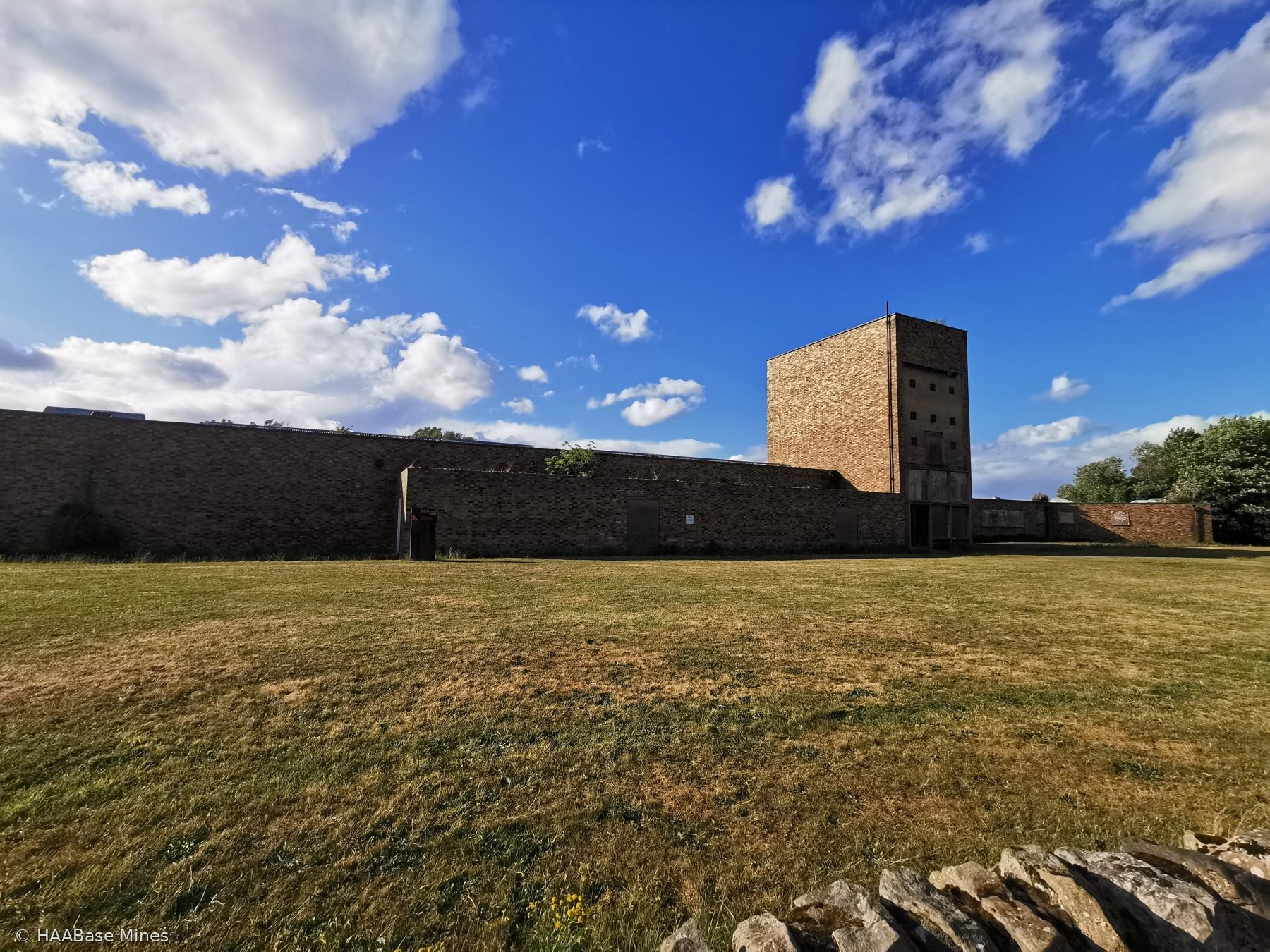
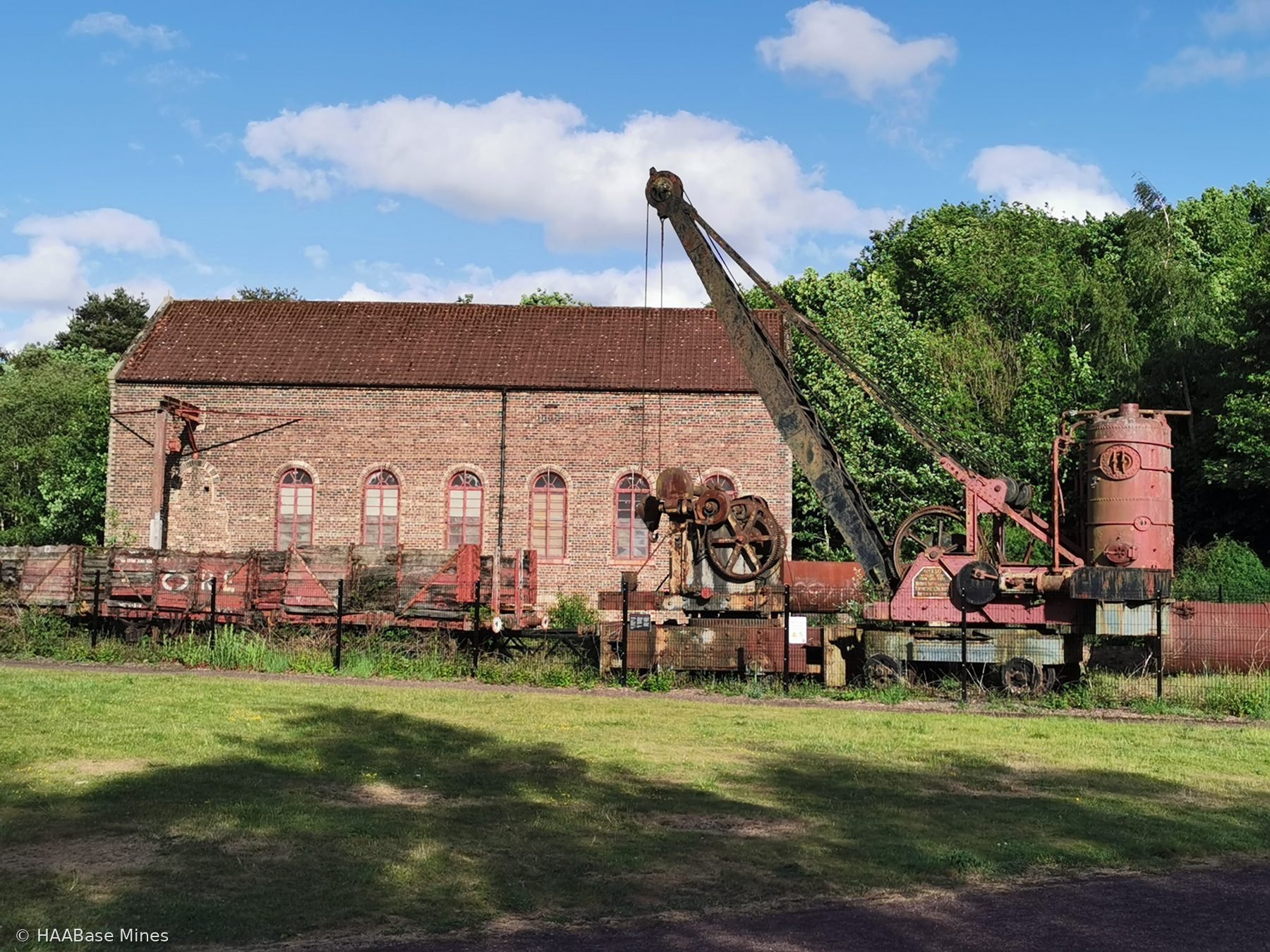
The site lies within settled coastal surroundings, where historic industrial buildings stand as a coherent surviving group within a landscape shaped by both heritage use and nearby development.

Map & photo

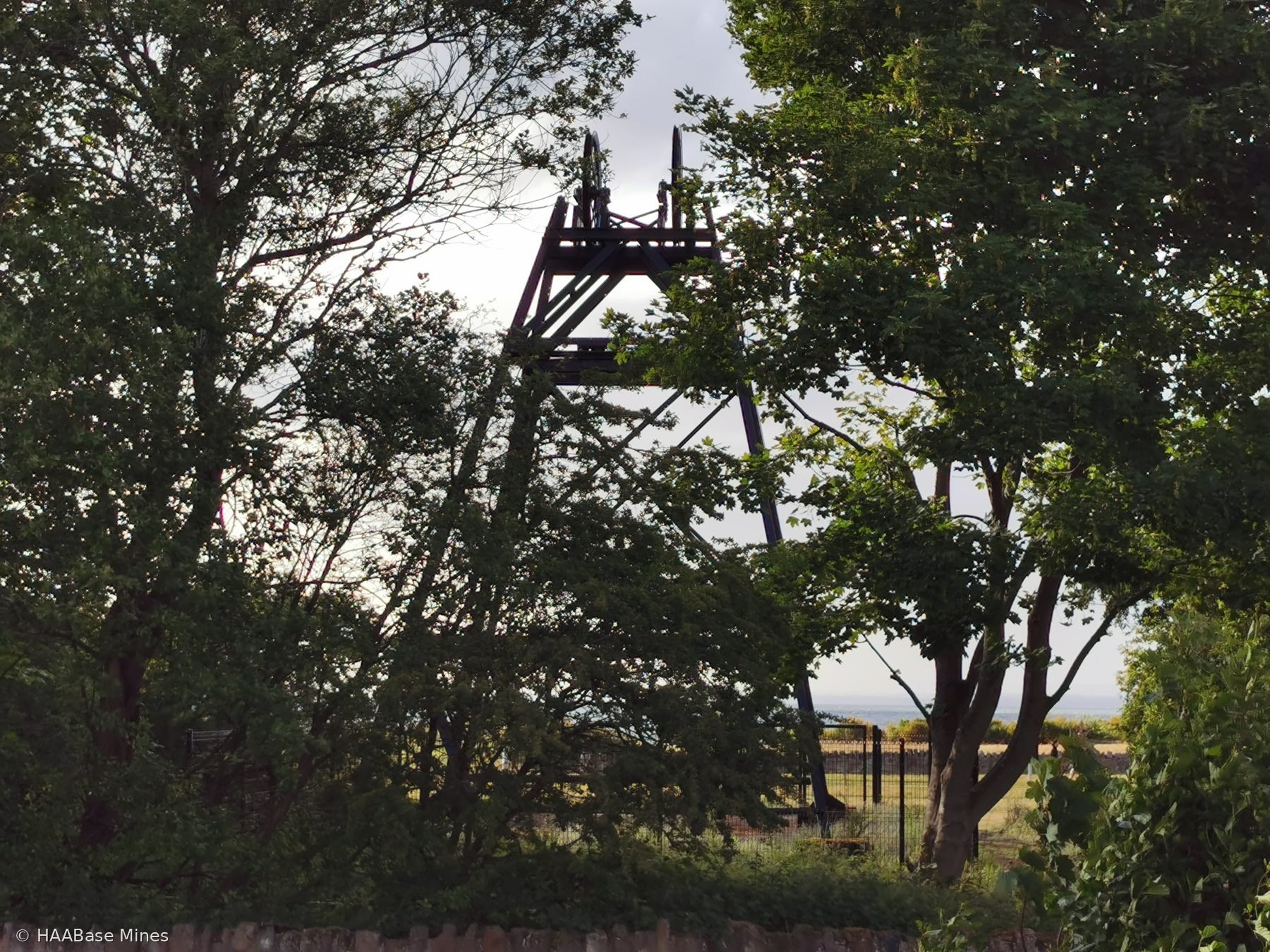
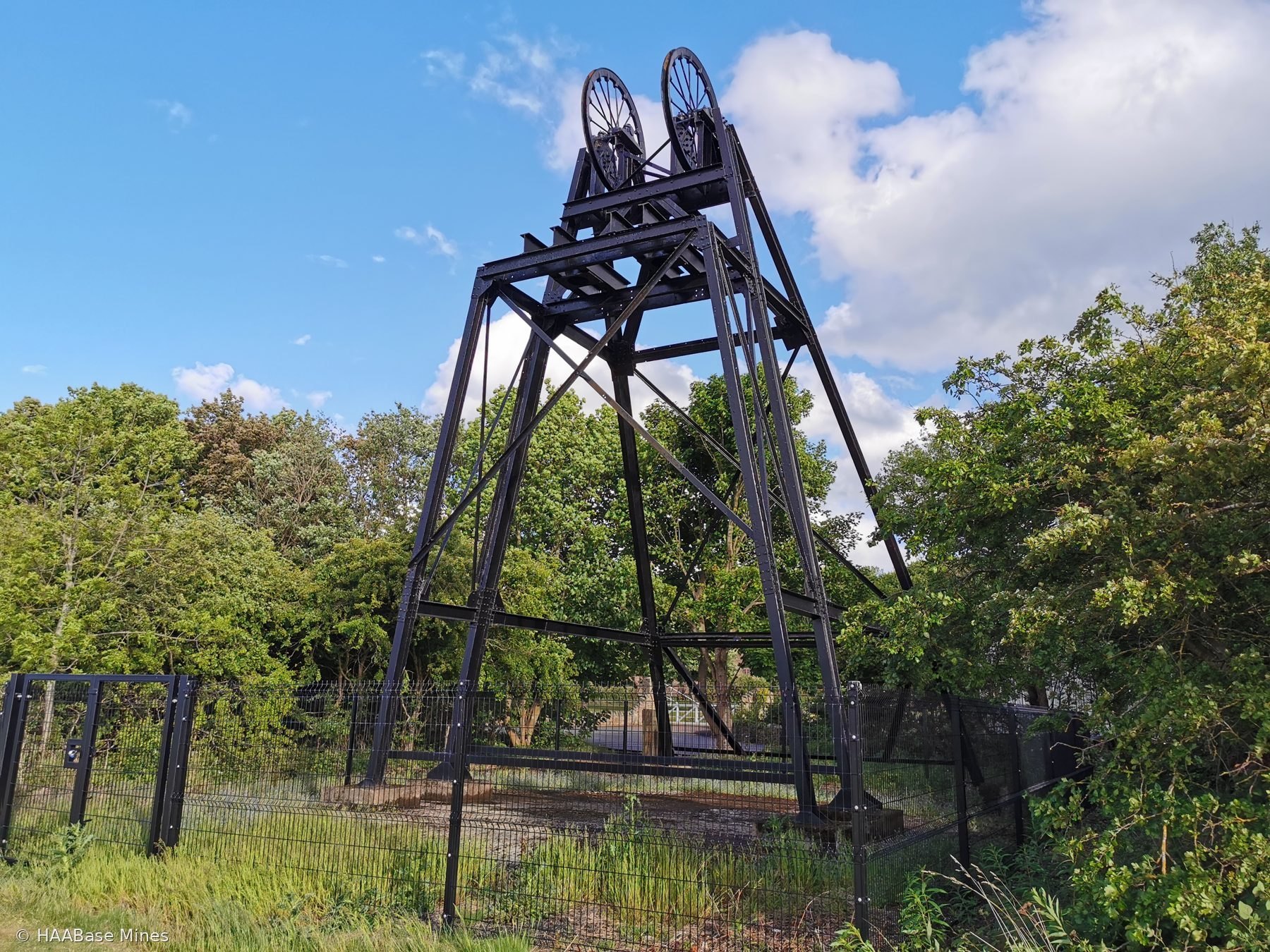
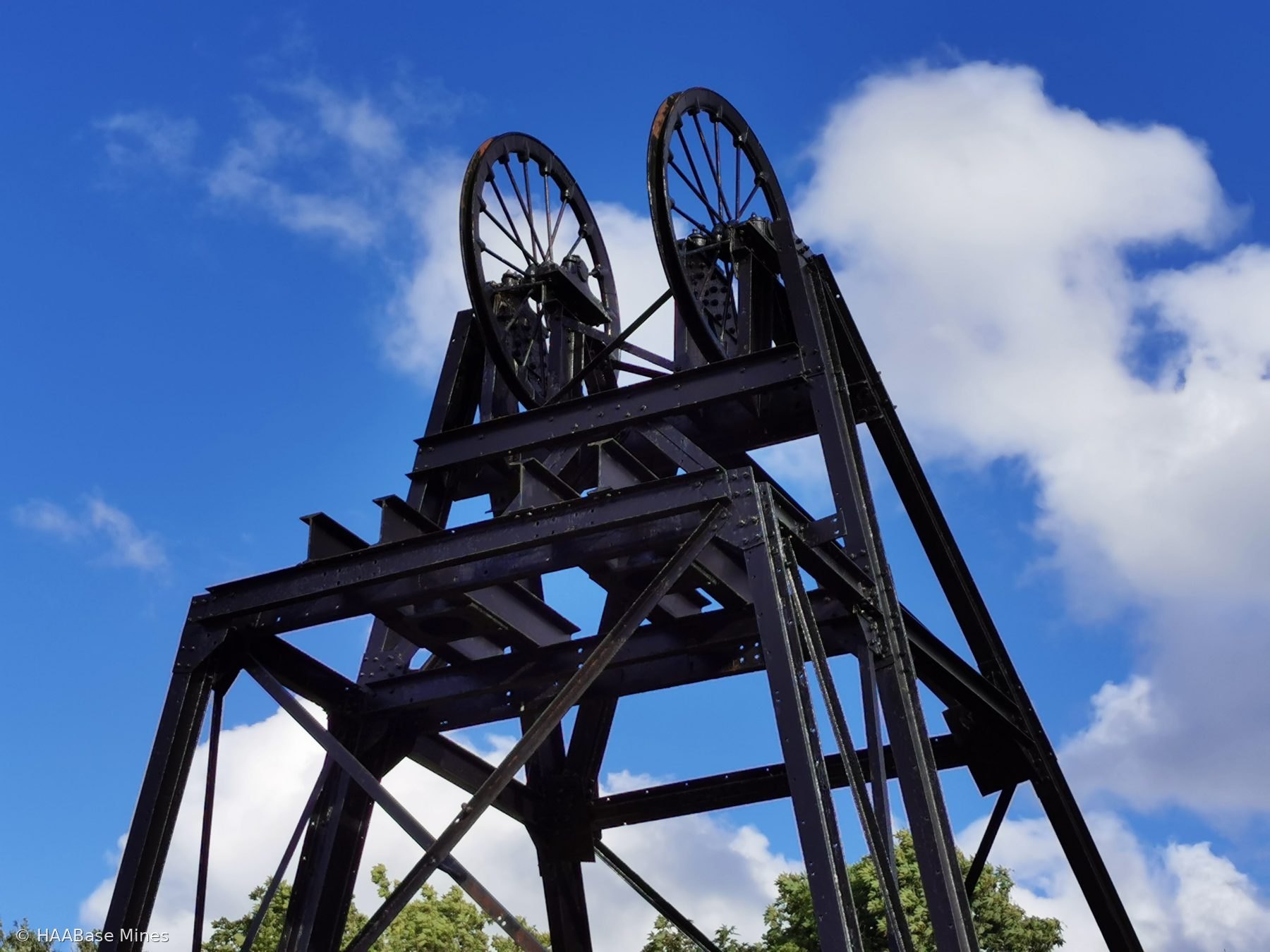
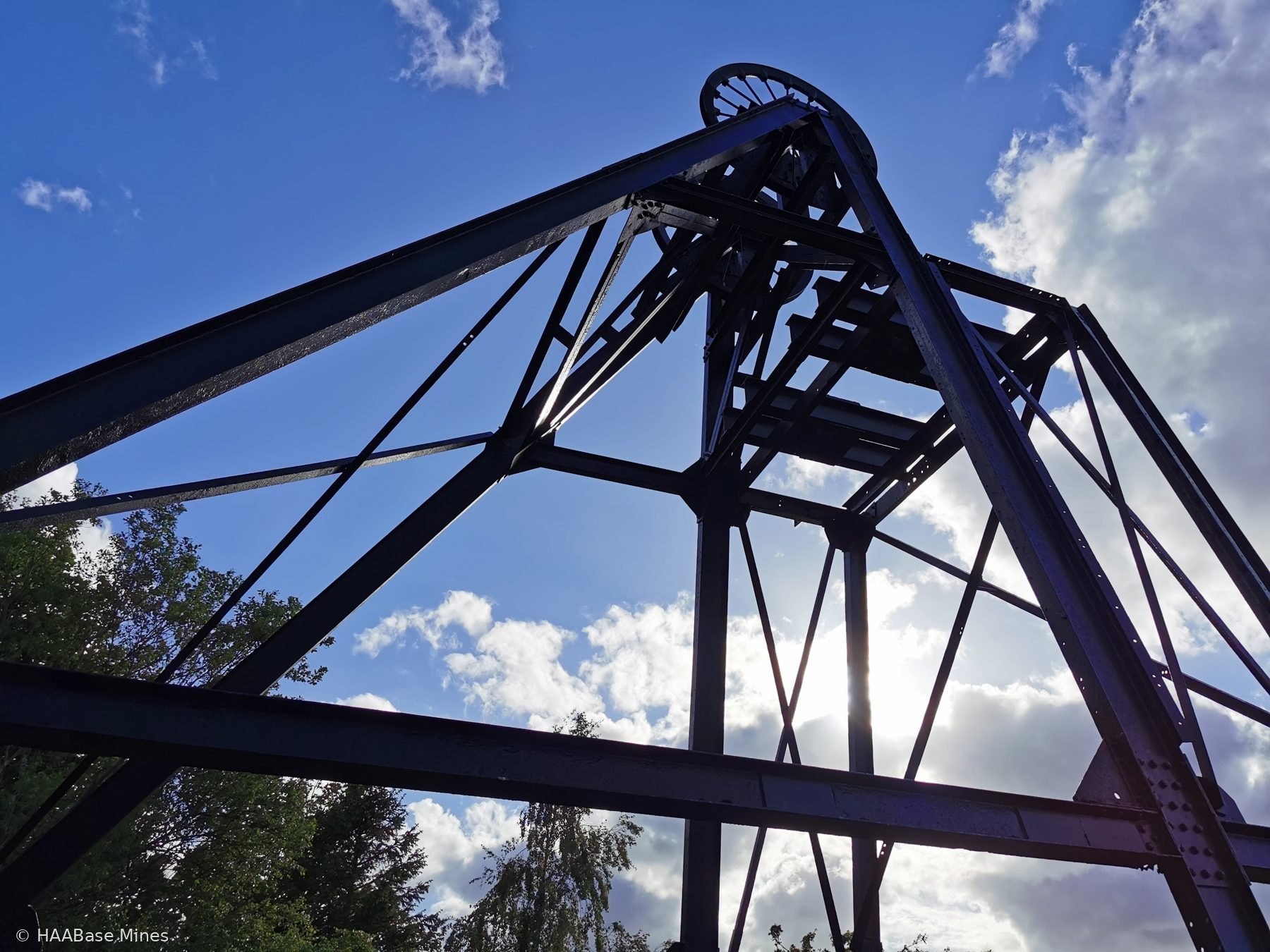
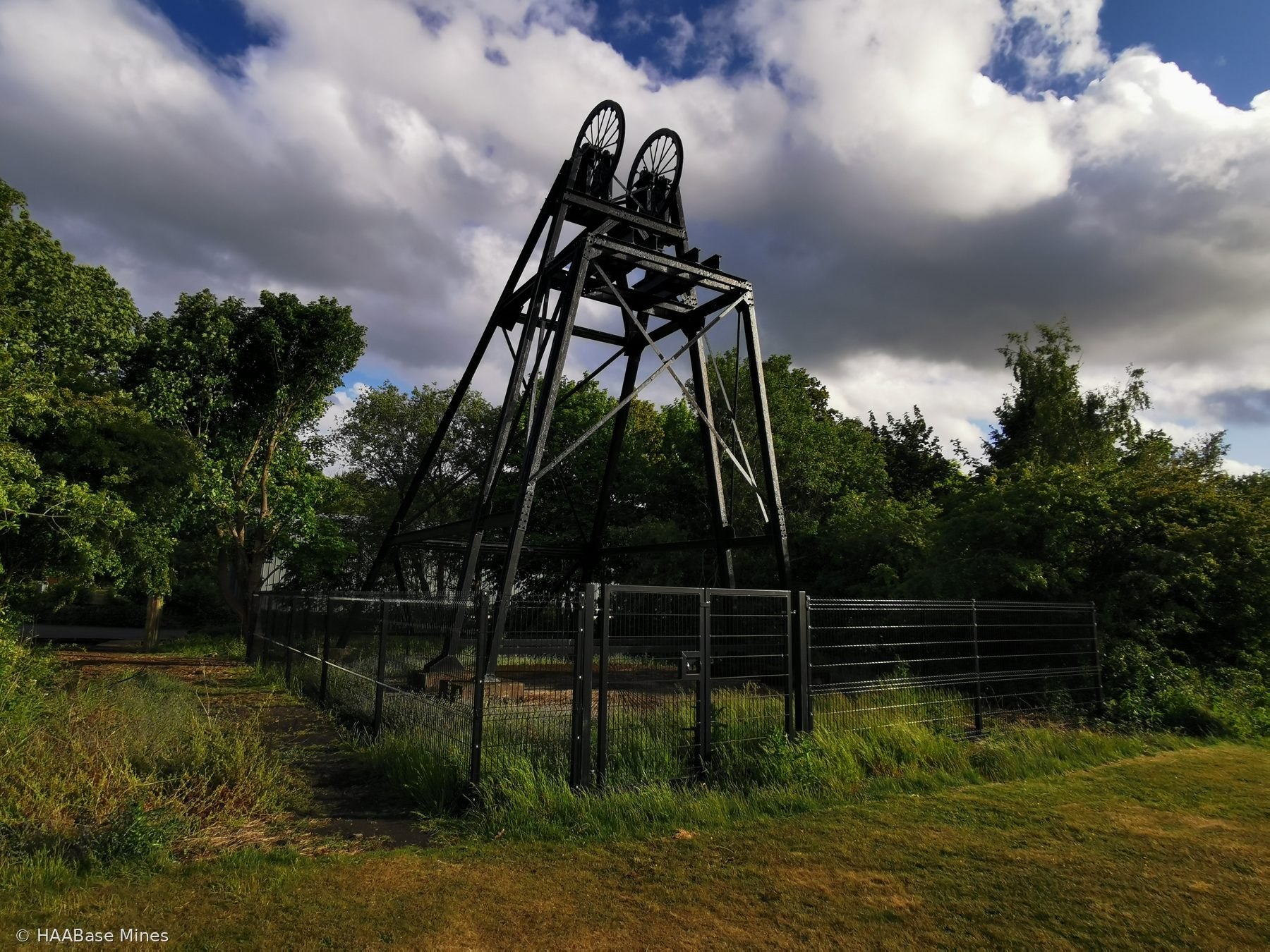
Prestongrange Colliery mine headframe or winding tower site
Photograph taken: 25 May 2025
Map markers and directions links are provided for location reference only and do not indicate public access or permission to enter a site.

History

The Prestongrange estate on the East Lothian coast has one of the earliest documented records of coal mining in Scotland. The monks of Newbattle Abbey first mined coal in the area in the twelfth century, and the estate features in what is often described as the earliest written account of collieries in Scotland, dated to 1180 to 1210. Coal mining at Prestongrange continued under successive landowners, supporting local industries including salt panning, glass manufacture, and pottery production from the sixteenth and seventeenth centuries onward.

The first deep shaft at Prestongrange was sunk in 1830 by Matthias Dunn of Newcastle to the Great Seam at a depth of 420 feet (128 metres), described as the first deep shaft in Scotland. From around the 1820s a coal mine was in operation at the site. The colliery was originally associated with the Grant Suttie family (recorded as owner from at least 1854) and from 1874 it was operated by the Prestongrange Coal and Iron Company.

In 1874 the Prestongrange Coal and Iron Company purchased a secondhand Cornish beam pumping engine manufactured by J. E. Mare & Co of Plymouth, to the design of engineers Hocking & Loam. The engine had previously been used in three different mines in Cornwall. It was sold to Prestongrange by Harvey and Company of Hayle, Cornwall, who supplied a new beam of their own manufacture. The engine was installed in a new engine house, whose front wall was built nearly 7 feet (2.1 metres) thick to support the main pivot bearing of the cast iron beam. The engine pumped water from the mine workings at approximately 2,955 litres per minute in three stages, enabling access to previously unworkable reserves. In 1877 an explosion at the colliery killed two men and a boy.

The Prestongrange Coal and Iron Company went into voluntary liquidation in 1882. The holdings passed through the Prestongrange Coal and Fire-Brick Company Limited and then into the control of the Summerlee and Mossend Iron and Steel Company, which acquired the colliery and associated brickworks in May 1895. The company took a lease on Morrison's Haven harbour and expanded both the colliery and the brickworks significantly. A brickworks and fireclay pipe works had been associated with the Prestongrange site since at least the early nineteenth century and grew substantially from the 1870s. The Summerlee Iron Company (as the firm became in 1898) strengthened the cast iron beam of the Cornish pumping engine by adding a large brace manufactured at the Summerlee Iron Works in Coatbridge.

At Prestongrange, three shafts were in operation: 115 metres, 166 metres, and 225 metres deep respectively. The colliery worked steam and house coal. By the early twentieth century the Summerlee company's workforce at Prestongrange, across both the mine and brickworks, was at times over a thousand. The colliery was one of two retained by the company after most of its mining interests were sold in 1934, with Prestongrange and Bardykes Colliery the only mines retained. Both were nationalised in January 1947 and passed to the National Coal Board.

Pithead baths were completed at Prestongrange in 1952; they were the 100th pithead baths to be installed at Scottish collieries. The peak workforce of 700 was recorded in 1952. In January 1960 the headframe and a Norton washer used for cleaning and grading coal were badly damaged by fire. Both were subsequently demolished. The Cornish beam pumping engine was superseded by electric pumps in 1954 and ceased operating, eight years before the colliery closed. The Summerlee Iron Company built a Hoffmann continuous kiln at the associated brickworks in 1937; the brickworks continued after the mine's closure, operated by the Scottish Brick Corporation until it closed in 1975.

The colliery closed in 1962. Abandonment was recorded in 1963. Following closure, site clearance began but was halted when a plan to establish a museum was adopted. A steering committee was formed in 1968, led by retired mining engineer David Spence. Volunteers cleared the site and collected artefacts from across the East Lothian and Midlothian coalfields. The National Mining Museum was formally launched at Prestongrange on 28 September 1984, with the beam engine house and colliery power station forming the first gallery spaces. With the closure of Lady Victoria Colliery at Newtongrange in 1981 the ambitions of the steering group expanded to include that site, and both operated jointly from 1984 to 1992. In 1992 Prestongrange was withdrawn from the National Mining Museum by East Lothian District Council and recast as Prestongrange Industrial Heritage Museum, broadening its remit to cover the area's wider industrial history. The site continues to operate as a free open-air museum, now managed by East Lothian Council. The Cornish beam engine pump house and associated fixtures are a category A listed building; the generating house and the Hoffmann kiln are category B listed buildings.
Timeline

1180–1210
Exploration

Earliest Written Record of Coal Mining at Prestongrange

The Prestongrange estate features in the earliest written account of collieries in Scotland, dated to approximately 1180 to 1210, relating to coal mining by the monks of Newbattle Abbey.
1830
Construction

First Deep Shaft Sunk by Matthias Dunn

The first deep shaft at Prestongrange was sunk in 1830 by Matthias Dunn of Newcastle to the Great Seam at a depth of 420 feet (128 metres), described as the first deep shaft in Scotland.
1874
Construction

Cornish Beam Pumping Engine Installed

The Prestongrange Coal and Iron Company purchased a secondhand Cornish beam pumping engine manufactured by J. E. Mare & Co of Plymouth to the design of Hocking & Loam, acquired via Harvey and Company of Hayle, Cornwall. The engine was installed in a new engine house and pumped water from the workings at approximately 2,955 litres per minute in three stages.
1877
Operation

Explosion Kills Two Men and a Boy

An explosion at Prestongrange Colliery in 1877 killed two men and a boy.
1882–1895
Legislation

Voluntary Liquidation and Change of Ownership

The Prestongrange Coal and Iron Company went into voluntary liquidation in 1882. The holdings passed through the Prestongrange Coal and Fire-Brick Company Limited before being acquired in 1895 by the Summerlee and Mossend Iron and Steel Company.
1895
Legislation

Acquisition by Summerlee and Mossend Iron and Steel Company

The Summerlee and Mossend Iron and Steel Company acquired the Prestongrange colliery and brickworks in May 1895 and took a lease on Morrison's Haven harbour. The company expanded both the mine and the brickworks. The company became the Summerlee Iron Company in 1898.
1937
Construction

Hoffmann Continuous Kiln Constructed at Brickworks

The Summerlee Iron Company built a Hoffmann continuous kiln at the associated Prestongrange brickworks in 1937, increasing brick production capacity.
1947
Legislation

Nationalisation — Transfer to National Coal Board

Prestongrange Colliery passed to the National Coal Board on nationalisation of the coal industry in January 1947.
1952
Construction

Pithead Baths Completed; Peak Workforce of 700 Reached

Pithead baths were completed at Prestongrange in 1952, described as the 100th pithead baths installed at Scottish collieries. The peak workforce of 700 was recorded in the same year.
1954
Closure

Cornish Beam Engine Superseded by Electric Pumps

The Cornish beam pumping engine, in operation since 1874, was superseded by electric pumps in 1954 and ceased operating.
1960
Closure

Fire Damages Headframe and Norton Washer

In January 1960 the colliery headframe and the Norton washer used for cleaning and grading coal were badly damaged by fire. Both were subsequently demolished.
1962
Closure

Colliery Closed

Prestongrange Colliery closed in 1962 with the redeployment of approximately 700 staff. Abandonment was formally recorded in 1963. Site clearance began but was subsequently halted when a museum plan was adopted.
1968
Heritage

Steering Committee Formed for Museum

A steering committee to establish a mining museum at Prestongrange was formed in 1968, led by retired mining engineer David Spence. Volunteers began clearing the site and collecting artefacts from the coalfield.
1975
Closure

Brickworks Closed

The Scottish Brick Corporation, which had operated the Prestongrange brickworks after the colliery closed in 1962, ceased operations at the brickworks in 1975.
1984
Heritage

National Mining Museum Formally Launched at Prestongrange

The National Mining Museum was formally launched at Prestongrange on 28 September 1984, with the beam engine house and colliery power station forming the first gallery spaces.
1992
Heritage

Site Recast as Prestongrange Industrial Heritage Museum

East Lothian District Council withdrew Prestongrange from the National Mining Museum in 1992 and recast the site as Prestongrange Industrial Heritage Museum, broadening its remit to cover the wider industrial history of the area including salt panning, glass making, pottery, and brickworks.

Sources and records

Trove.scot / Historic Environment Scotland site record: Prestongrange Colliery (NT37SE 78)
Wikipedia article: Prestongrange Museum
Mindat.org locality record: Prestongrange Colliery
CultureNL Museums: Summerlee's Other Mines
John Gray Centre exhibition panels: Prestongrange — A Powerhouse of Industry
NRS blog: Morrison's Haven Part 2
VisitScotland listing: Prestongrange Museum
Undiscovered Scotland: Prestongrange Museum feature
Scottish brick history website: Prestongrange Brick and Tile Works
Oglethorpe M K, Scottish Collieries, 2006
This researched site record is part of the HAABase Mines database. Normal personal research and browsing is welcome. Automated bulk extraction, republication, or harvesting of site text and images is not permitted without written consent.