History
Highhouse Colliery was established at Merlinhill Farm, south of Auchinleck station, by William Baird and Company during the mid-1890s. Specialist records place the start of the colliery between 1894 and 1896. Two shafts were sunk, reported as approximately 177 metres and 174 metres deep, to work coal in the Ayrshire Coalfield as part of Baird's extensive mining and ironworking interests around Lugar.
A two-cylinder horizontal steam winding engine made by Grant, Ritchie and Company of Kilmarnock was installed about 1896. The engine remains in its original engine house. Historic Environment Scotland records cylinders approximately 0.5 metres by 1.22 metres, a later winding drum approximately 3.03 metres by 2.01 metres and Stephenson link motion. Highhouse also employed an older beam engine for haulage. Traditionally attributed to Walkinshaw of Bridgeton and dated to about 1790, it had previously served at other workings before reaching Highhouse in the 1890s. It ceased working there in 1956 and was subsequently transferred to Heriot-Watt College for preservation.
A serious fire broke out in the engine-house area on 30 July 1908. Contemporary reporting identifies Highhouse coal pit and William Baird and Company directly, and the damage led to substantial repair and rebuilding. Highhouse continued as a producing colliery through the first half of the twentieth century. In 1931 it became part of Bairds and Dalmellington Limited following the combination of William Baird and Company with the Dalmellington Iron Company. It passed to the National Coal Board when the coal industry was nationalised in 1947.
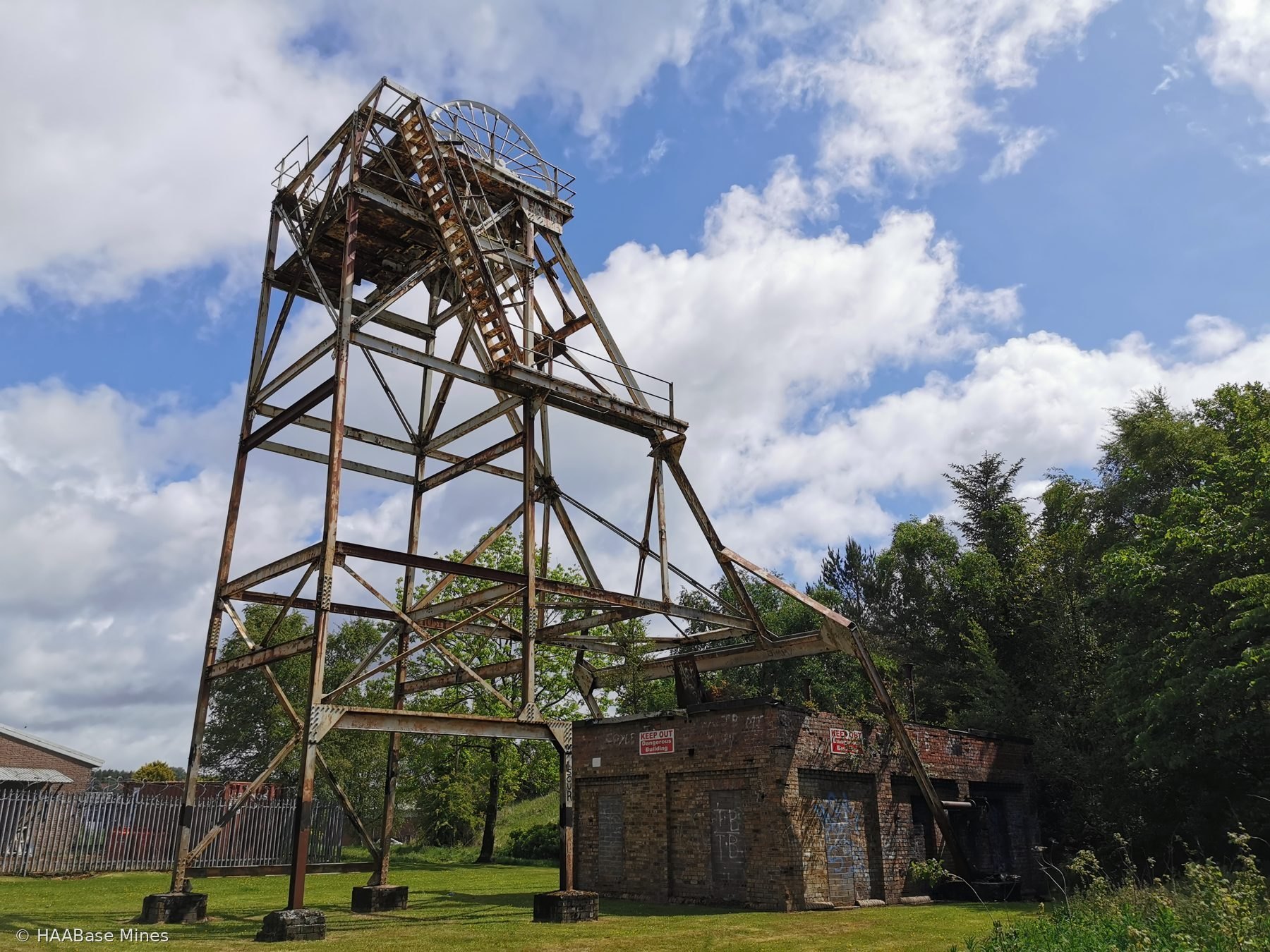
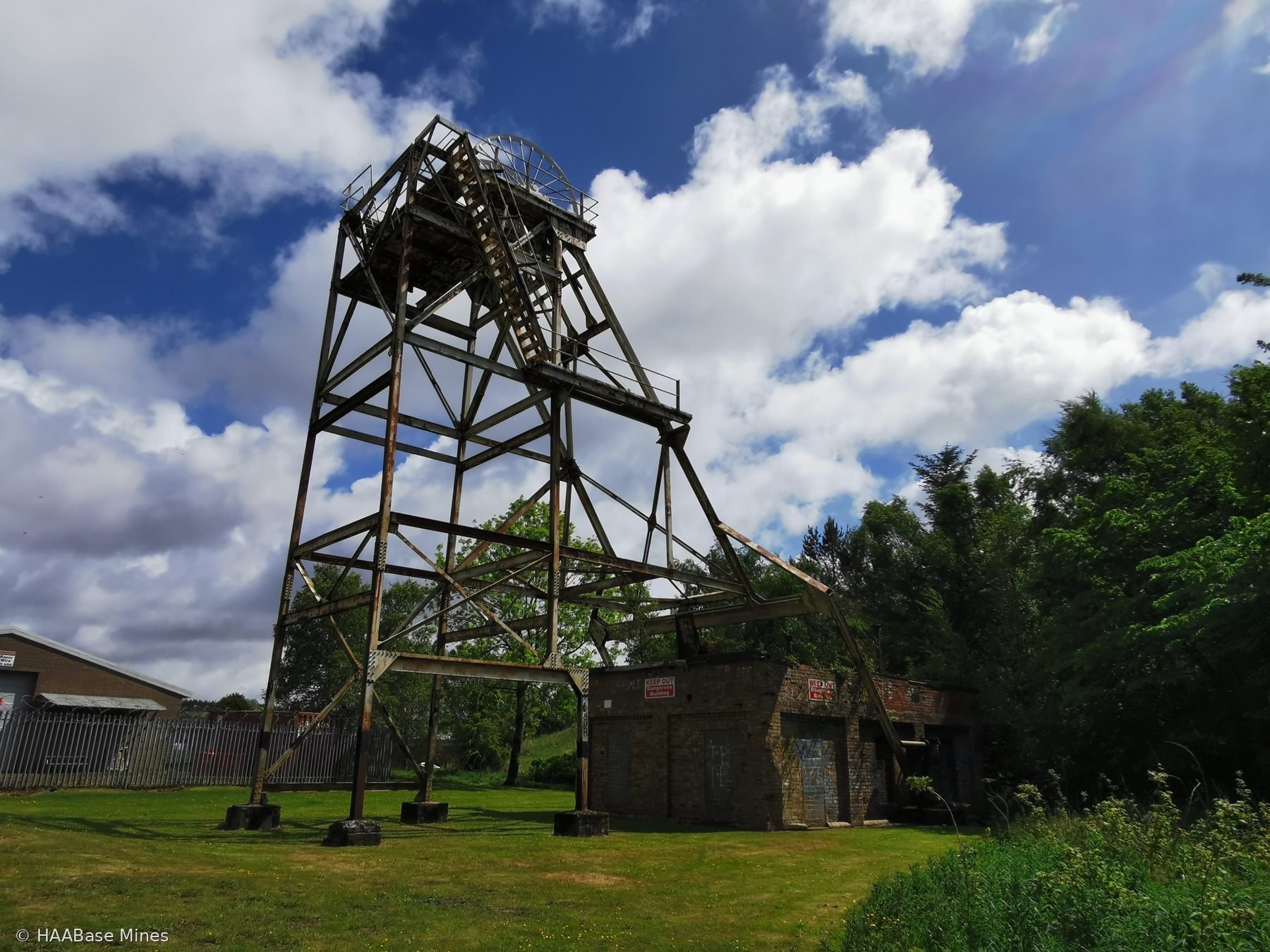
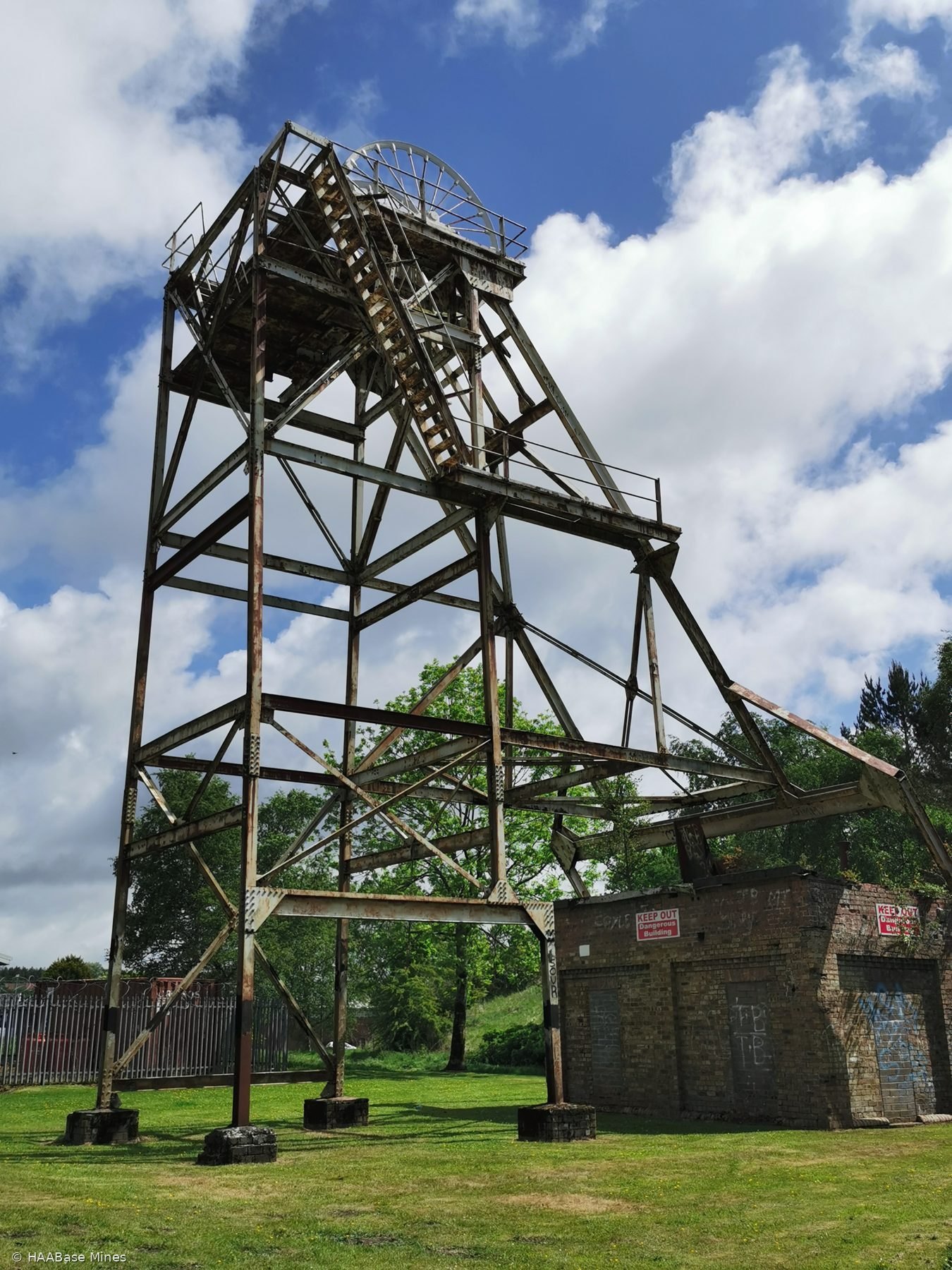
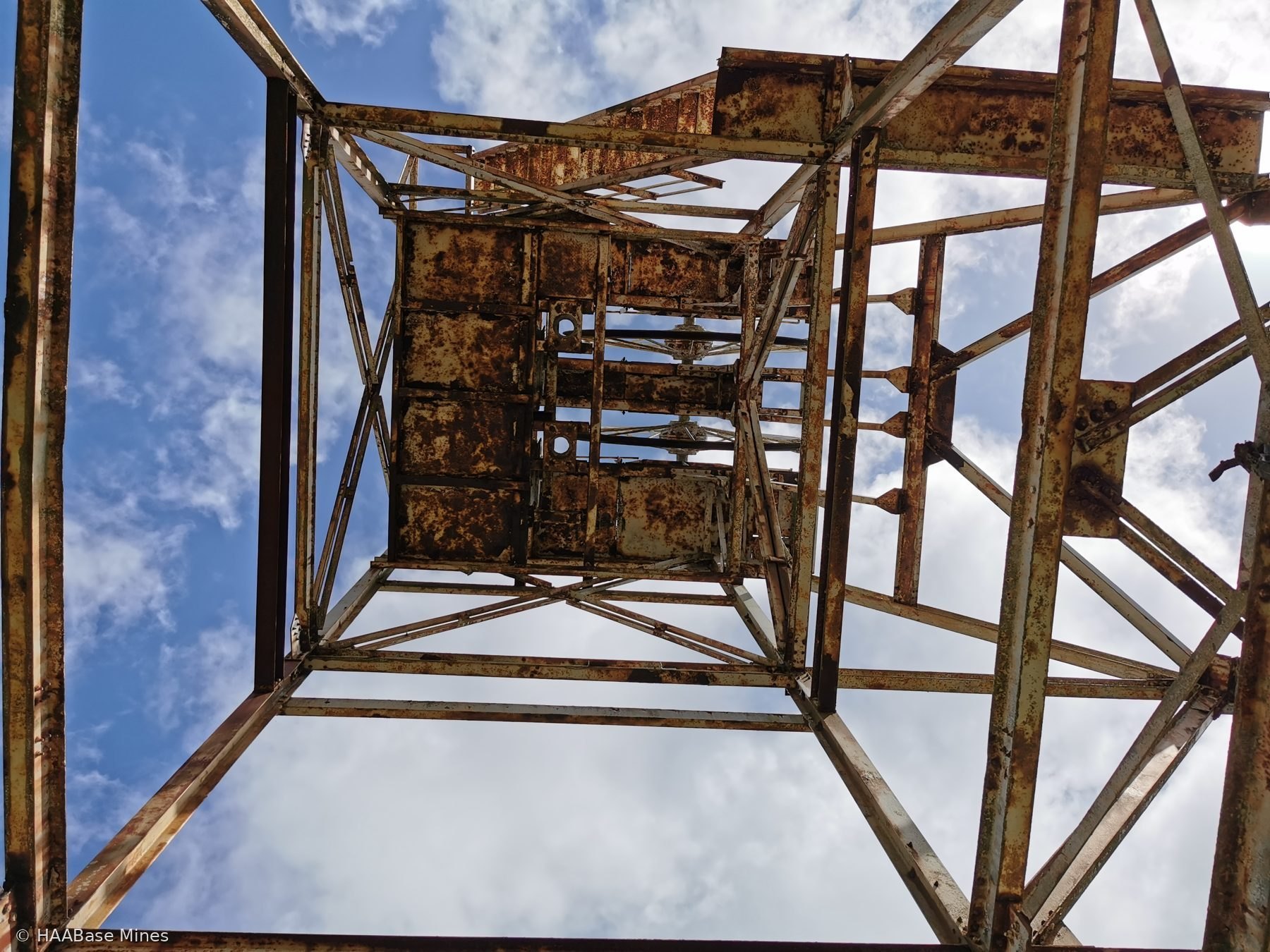
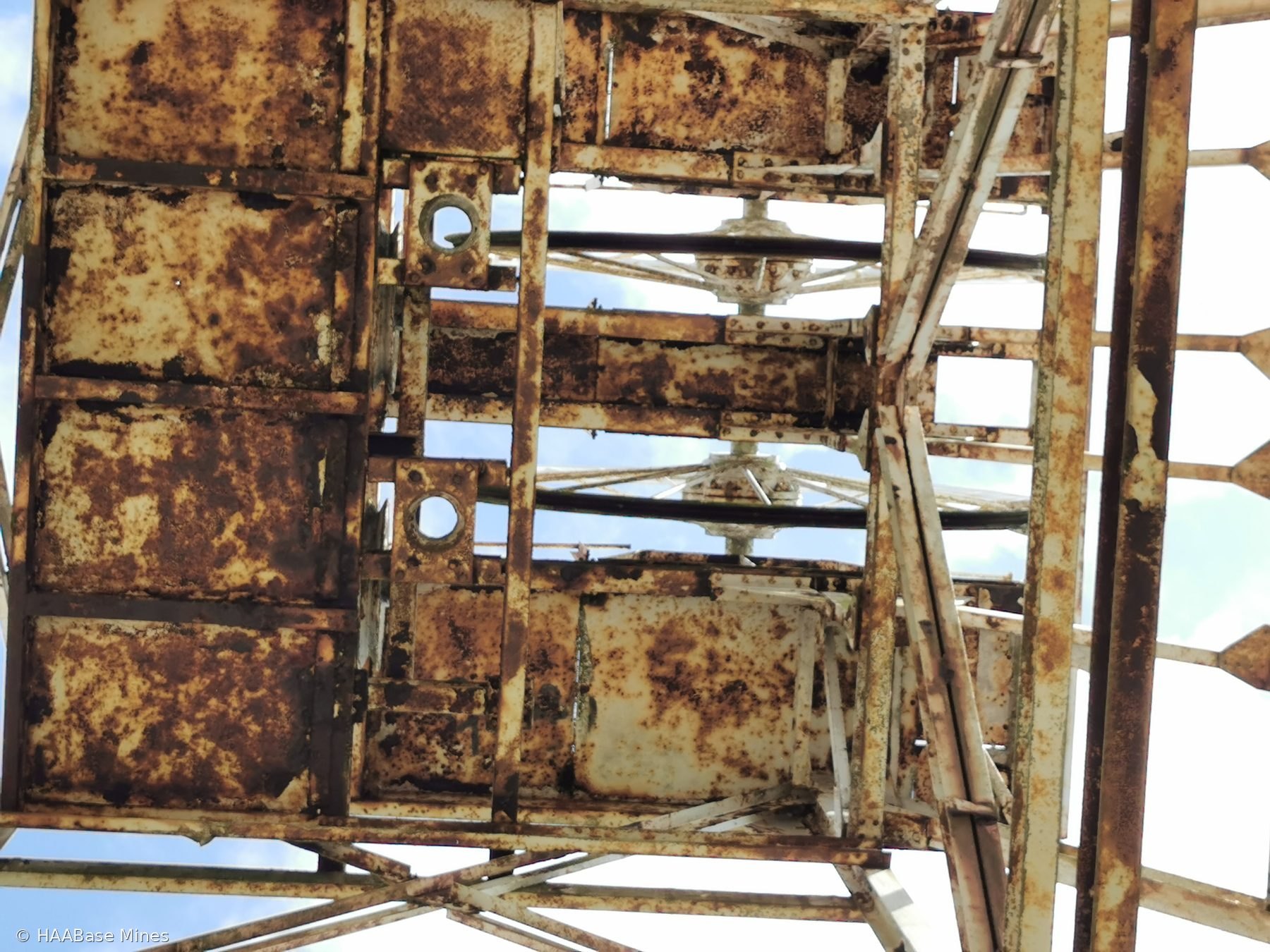
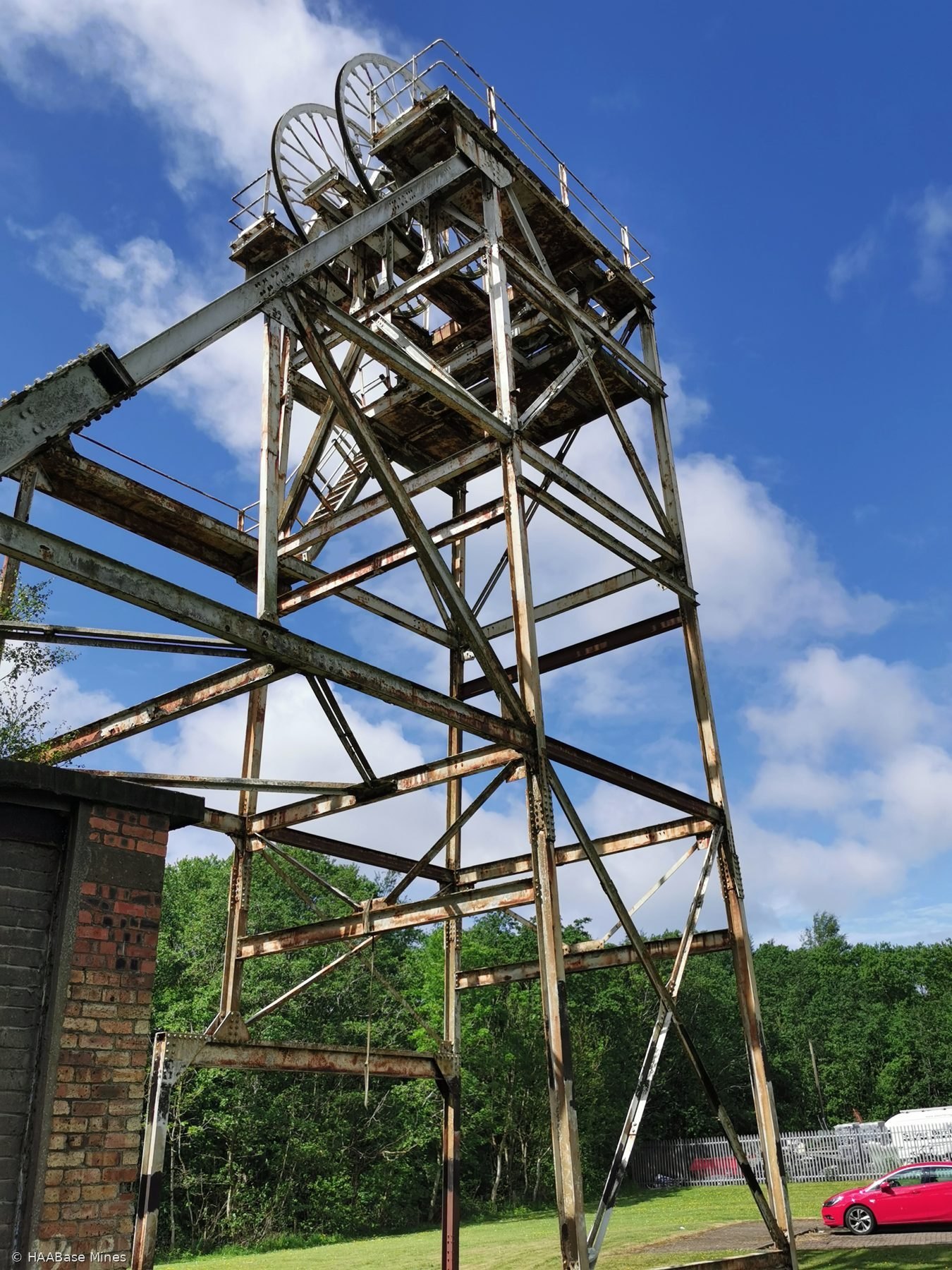
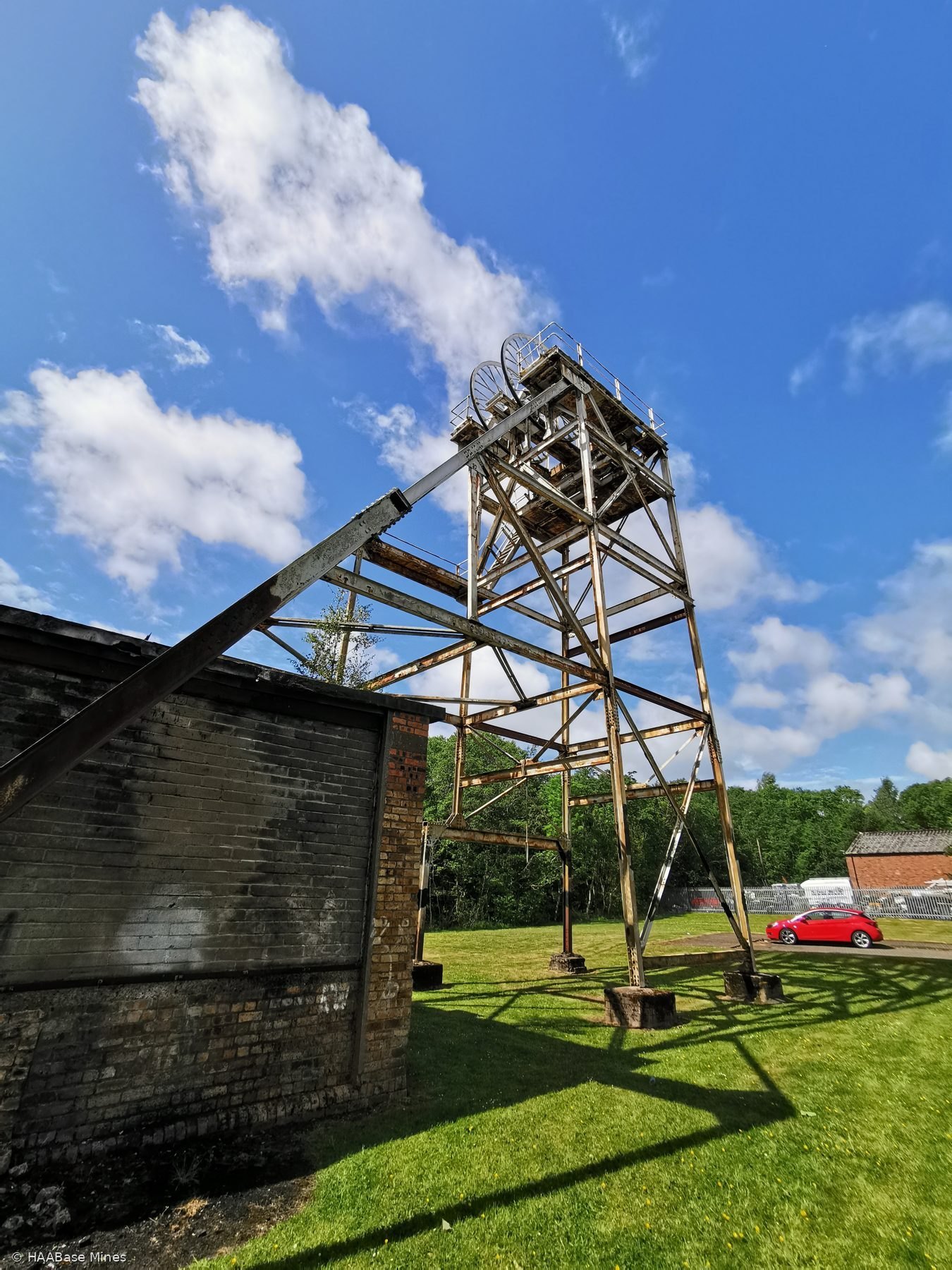
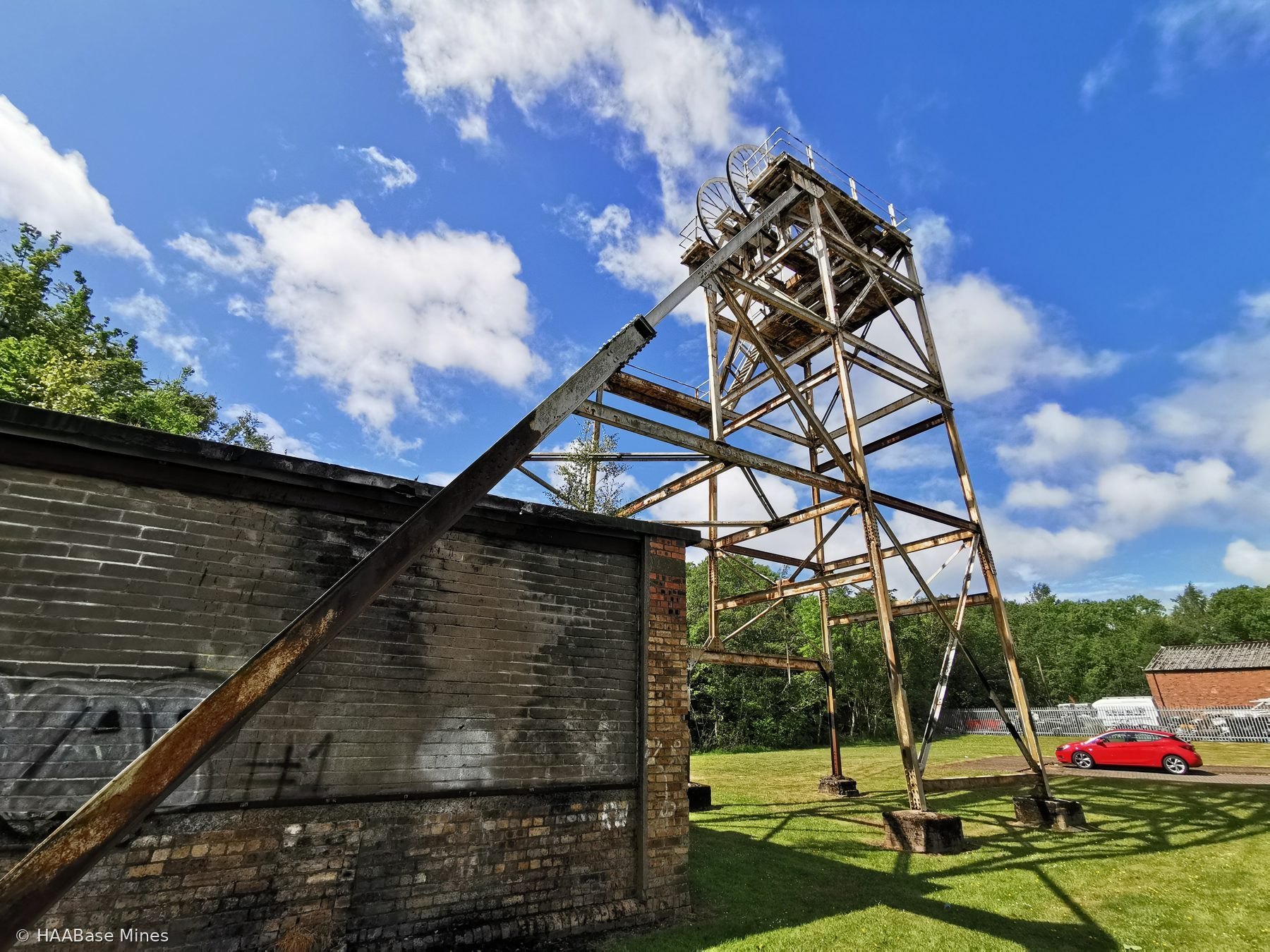
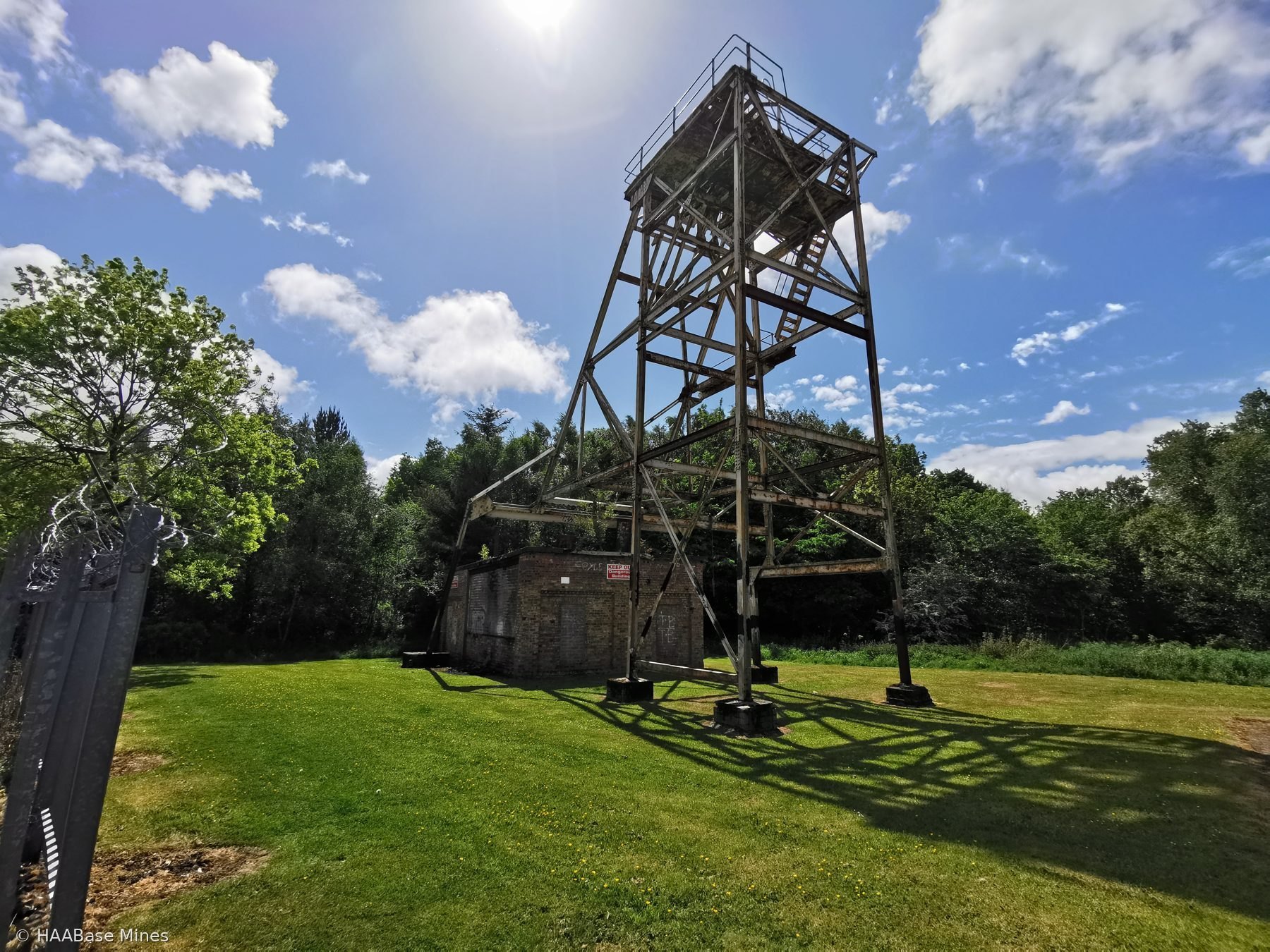
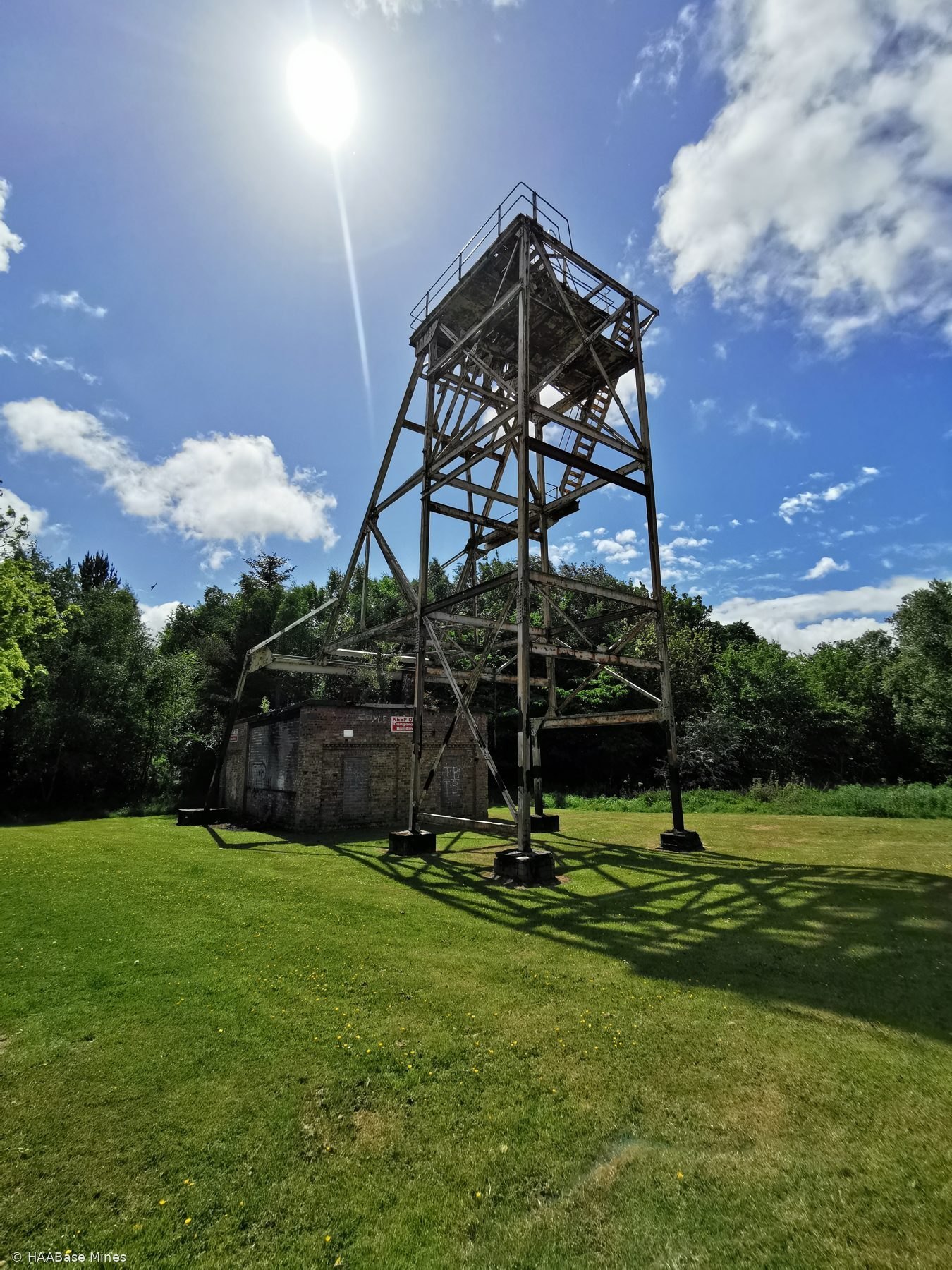
The earlier wooden headframe over the winding shaft was replaced about 1968 by the structure that survives today. It is a riveted steel frame with two pulleys side by side and distinctive dog-leg raking struts arranged to span the engine house. Historic Environment Scotland describes it as probably the last traditional headframe built in Scotland.
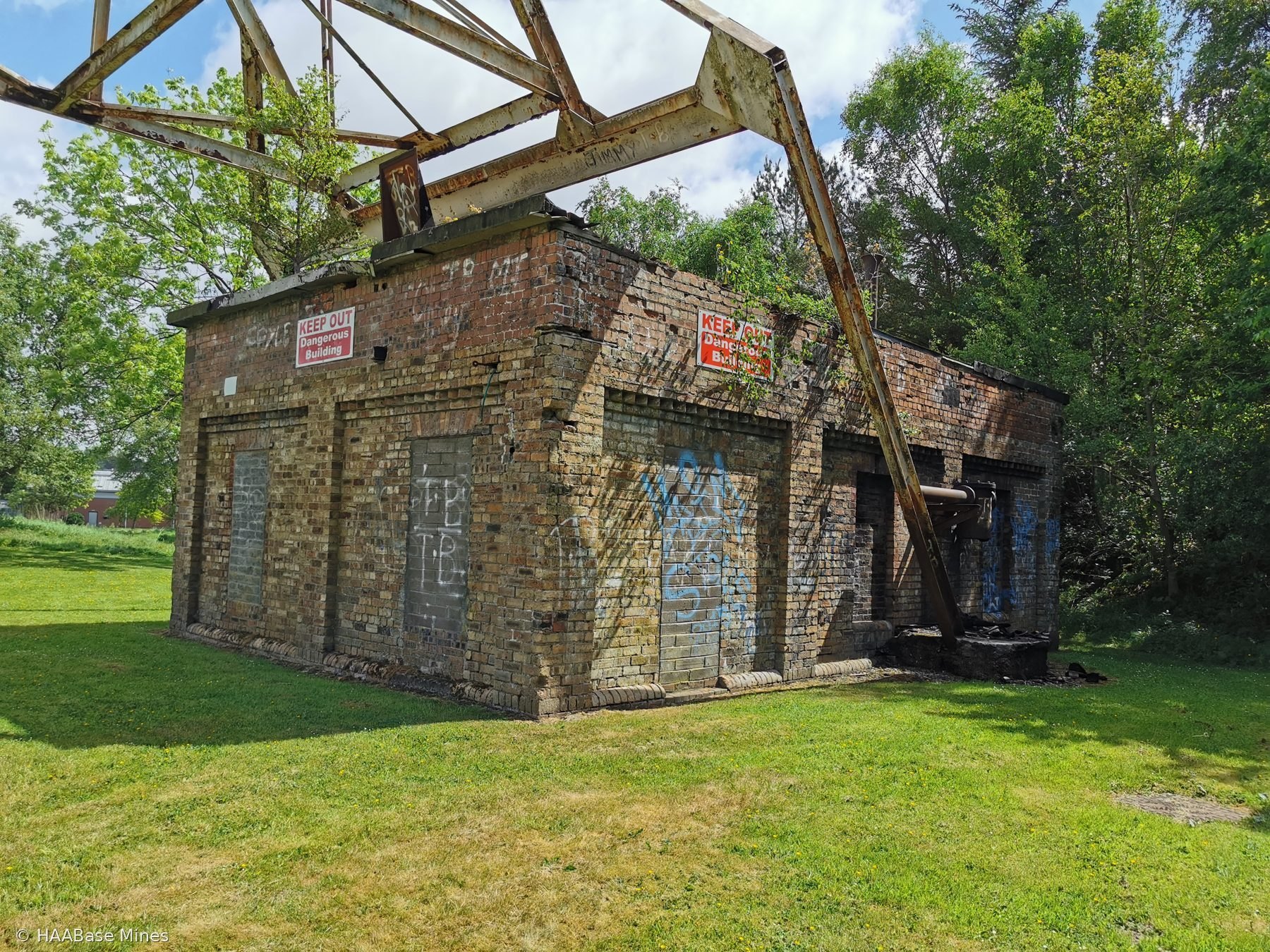
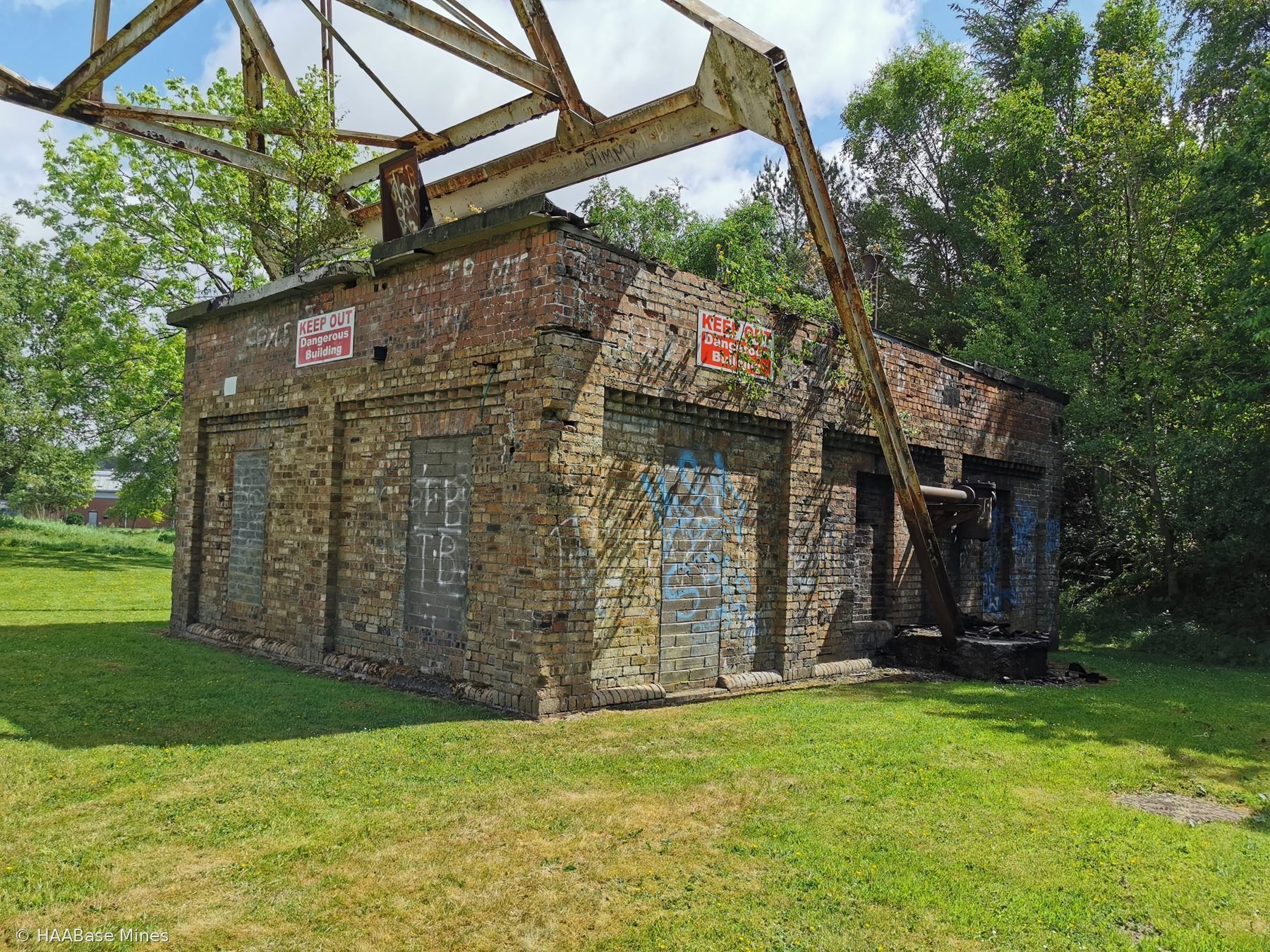
Highhouse Colliery closed in 1983. Its wider surface complex was subsequently reduced and adapted as Highhouse Industrial Estate, but the winding group remained in place. The surviving engine house is a single-storey brick building with later alterations to its upper walls, roof and openings. It retains the c.1896 Grant, Ritchie and Company winding engine, while the c.1968 steel headframe stands directly above the capped shaft.
The engine house, winding engine and headframe were designated together as Category B listed building LB6580 on 4 September 1992. The designation identifies the engine, apart from the example at Lady Victoria Colliery in Newtongrange, as the only steam winding engine in Scotland remaining in situ. Together, the engine, building, headframe and shaft preserve the principal winding arrangement of Highhouse Colliery within the later industrial estate.