Fact-checked Research reviewed and published About research status
View fact-check assessment and classification

The history, timeline and surviving-site classification shown here reflect the reviewed account.

Assessment

The record identifies the surviving site as Mary Colliery’s original No. 2 reinforced-concrete winding headframe at Lochore, rather than the full demolished pithead of the former colliery. Historic Environment Scotland’s statutory designation, archival references to the numbered mine shafts, specialist industrial-heritage accounts and Fife Council’s engineering and interpretation updates substantiate the sinking of the original colliery in 1902, the second shaft in 1923, its electrically operated winding gear, closure on 24 September 1966, conservation in 1988–89 and scheduling in 2000. The original headframe survives after extensive site reclamation, while most working machinery and buildings are lost.

The exact first-shaft depth, some early technical construction attributions and the historic employment statistics rely chiefly on secondary accounts. The core physical identity and central chronology are strongly evidenced, with those narrower details retained only where appropriately qualified.

Surviving-site classification

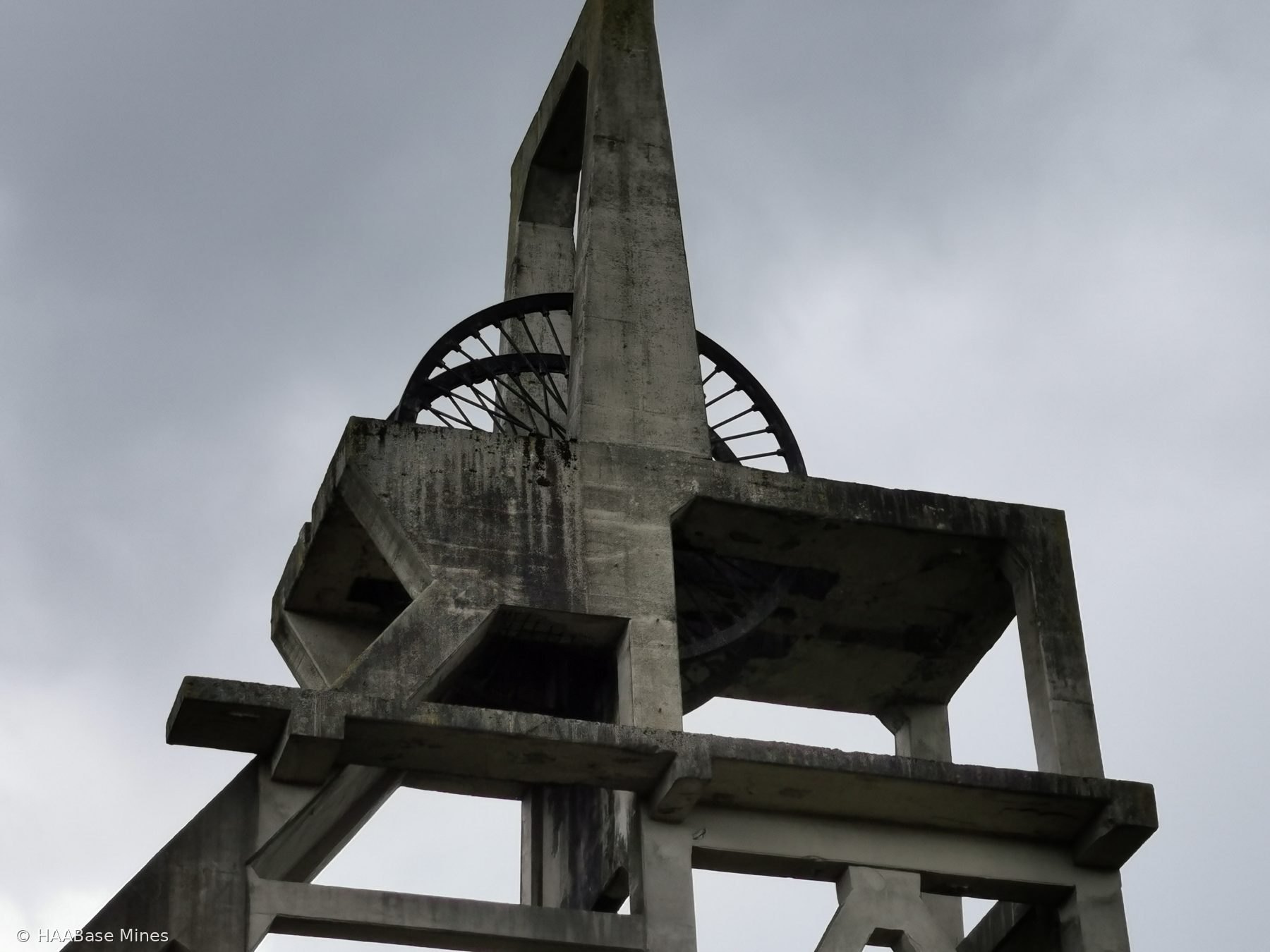
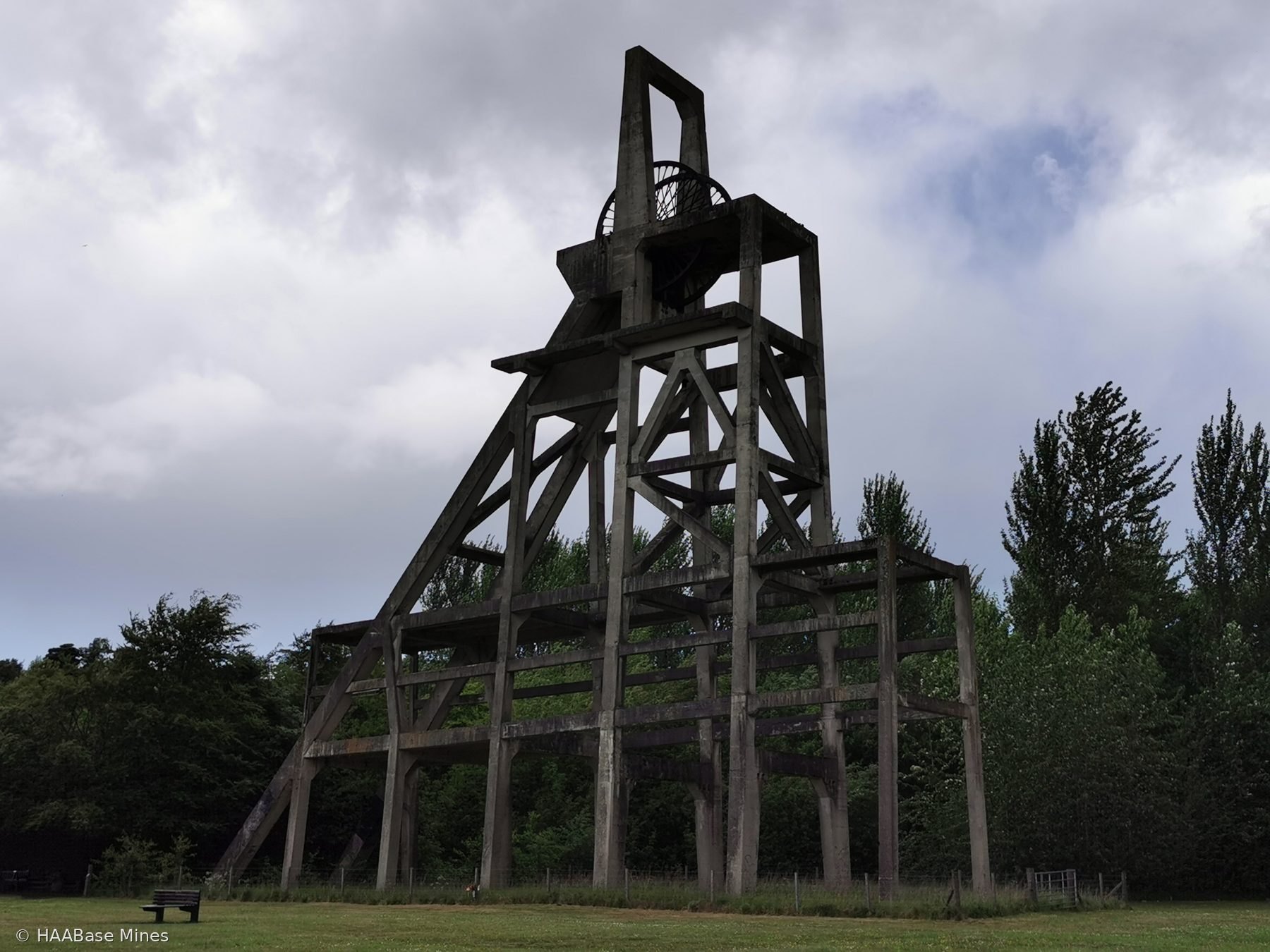
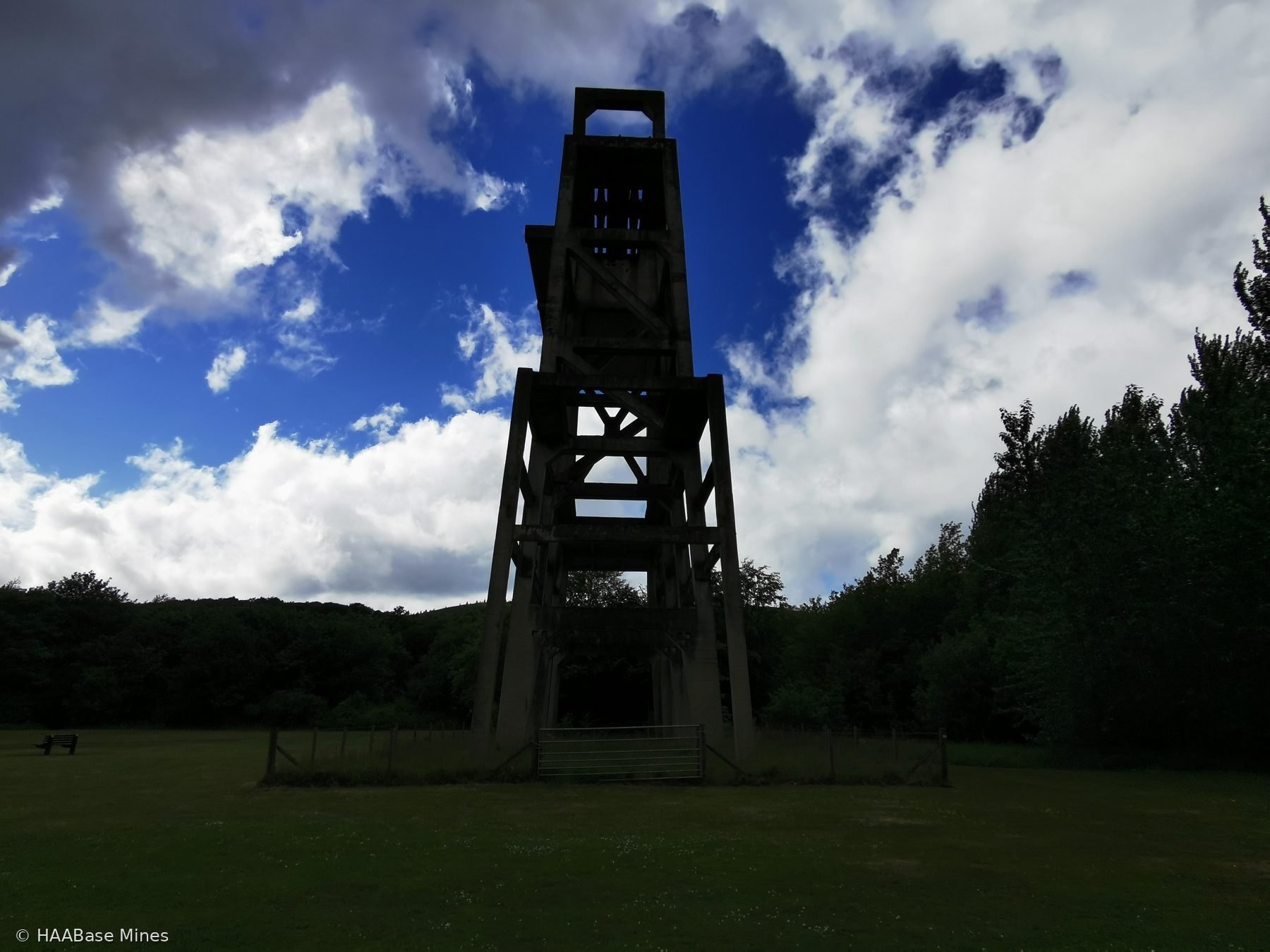
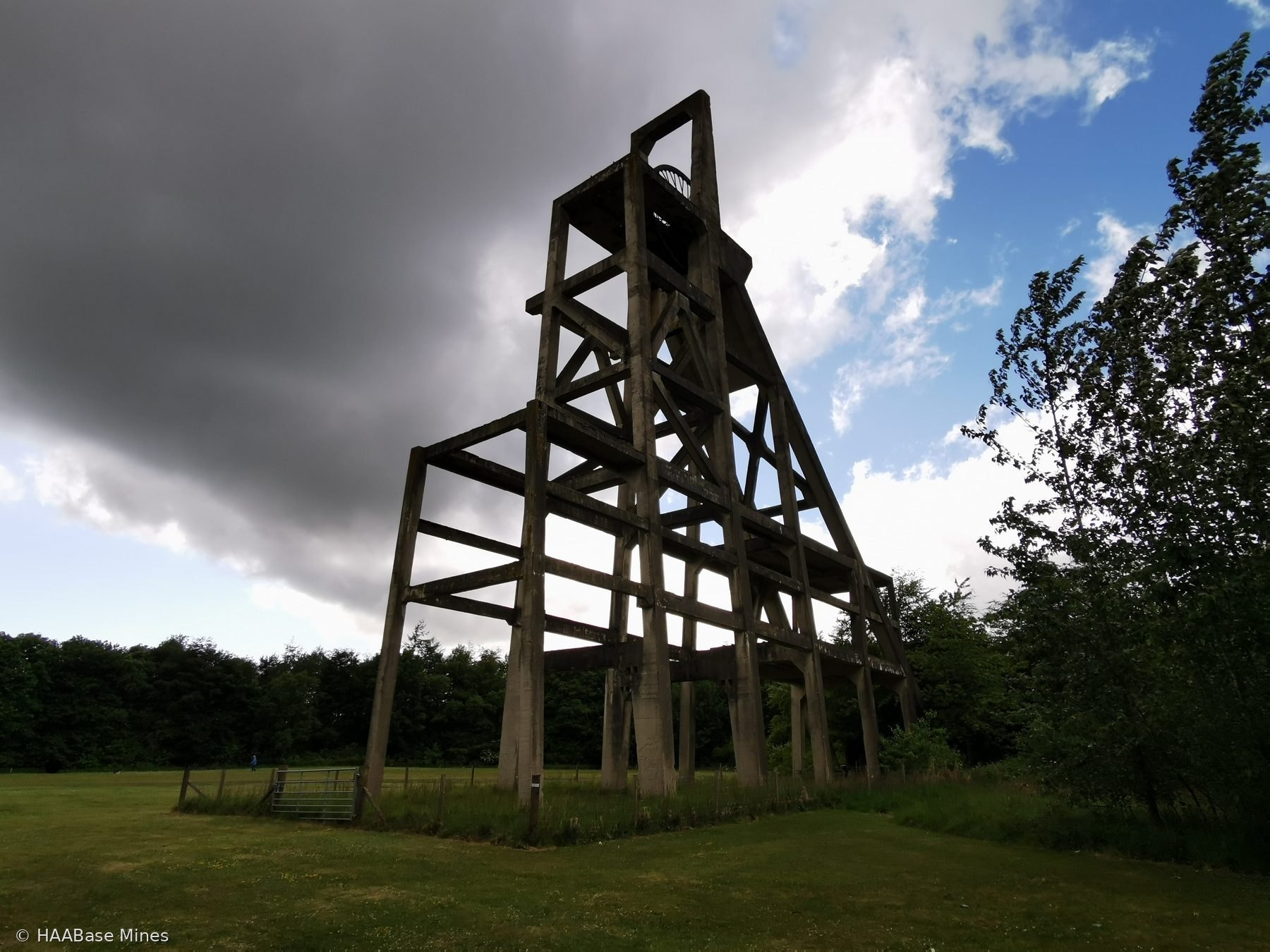
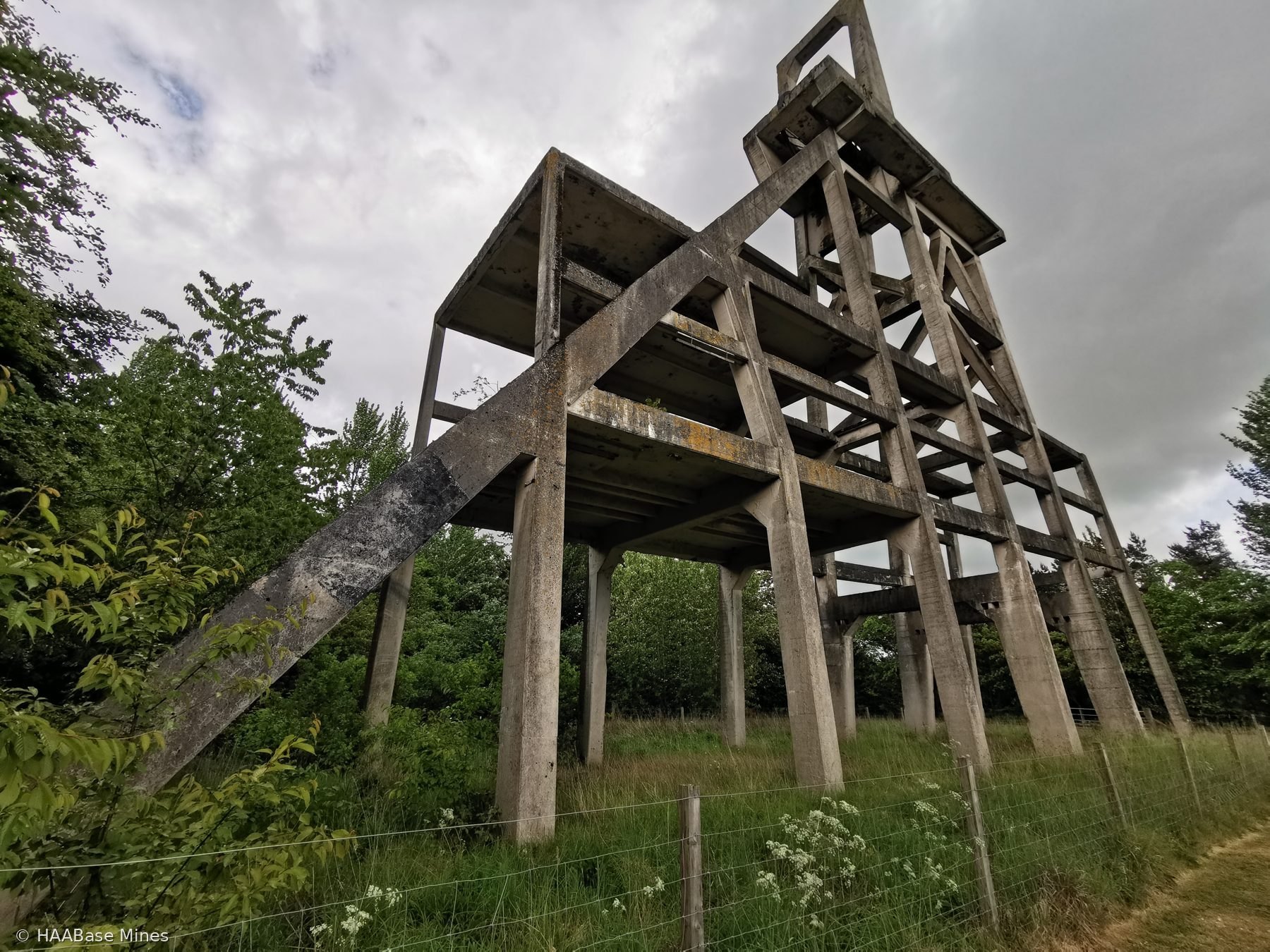
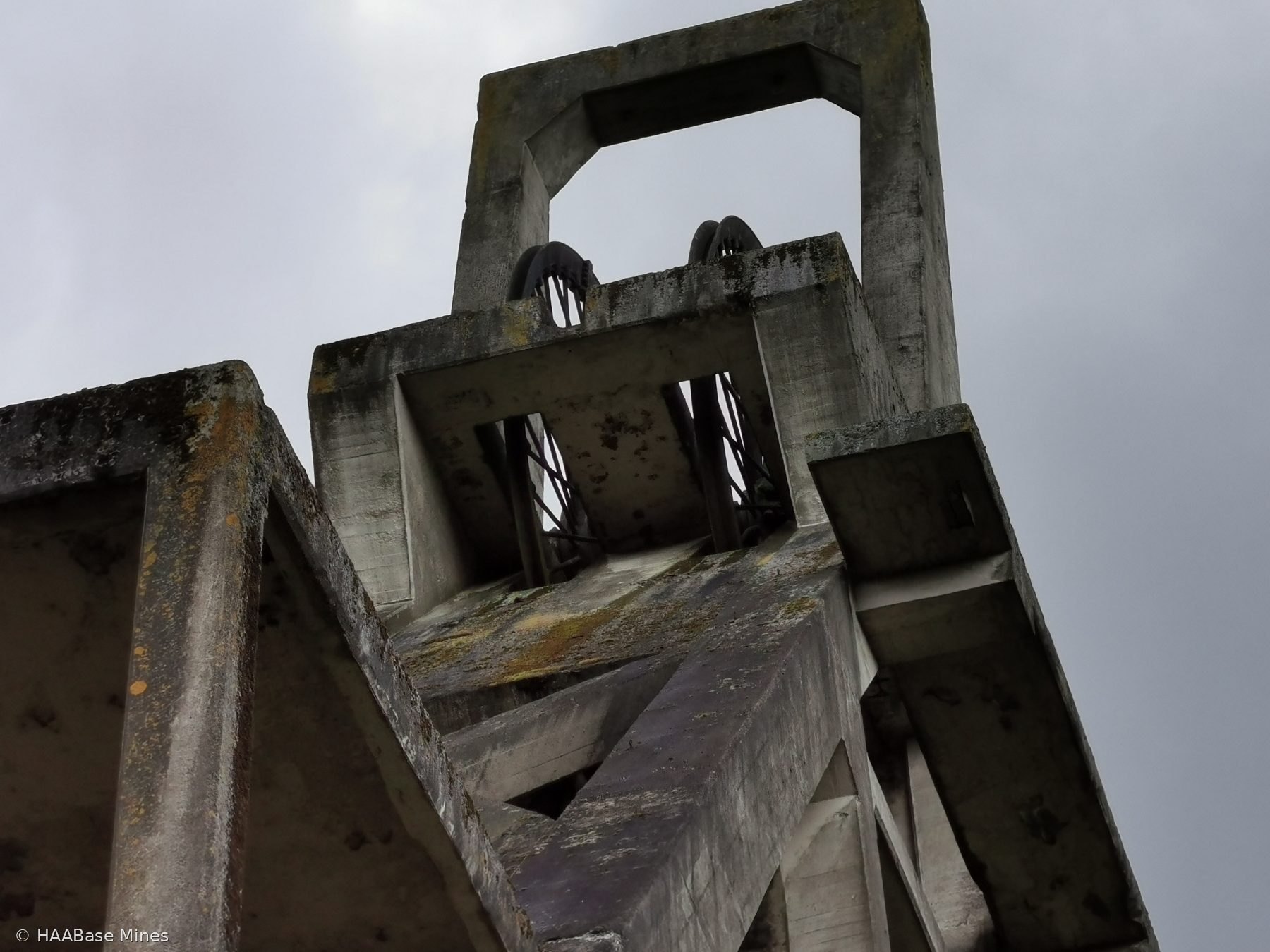
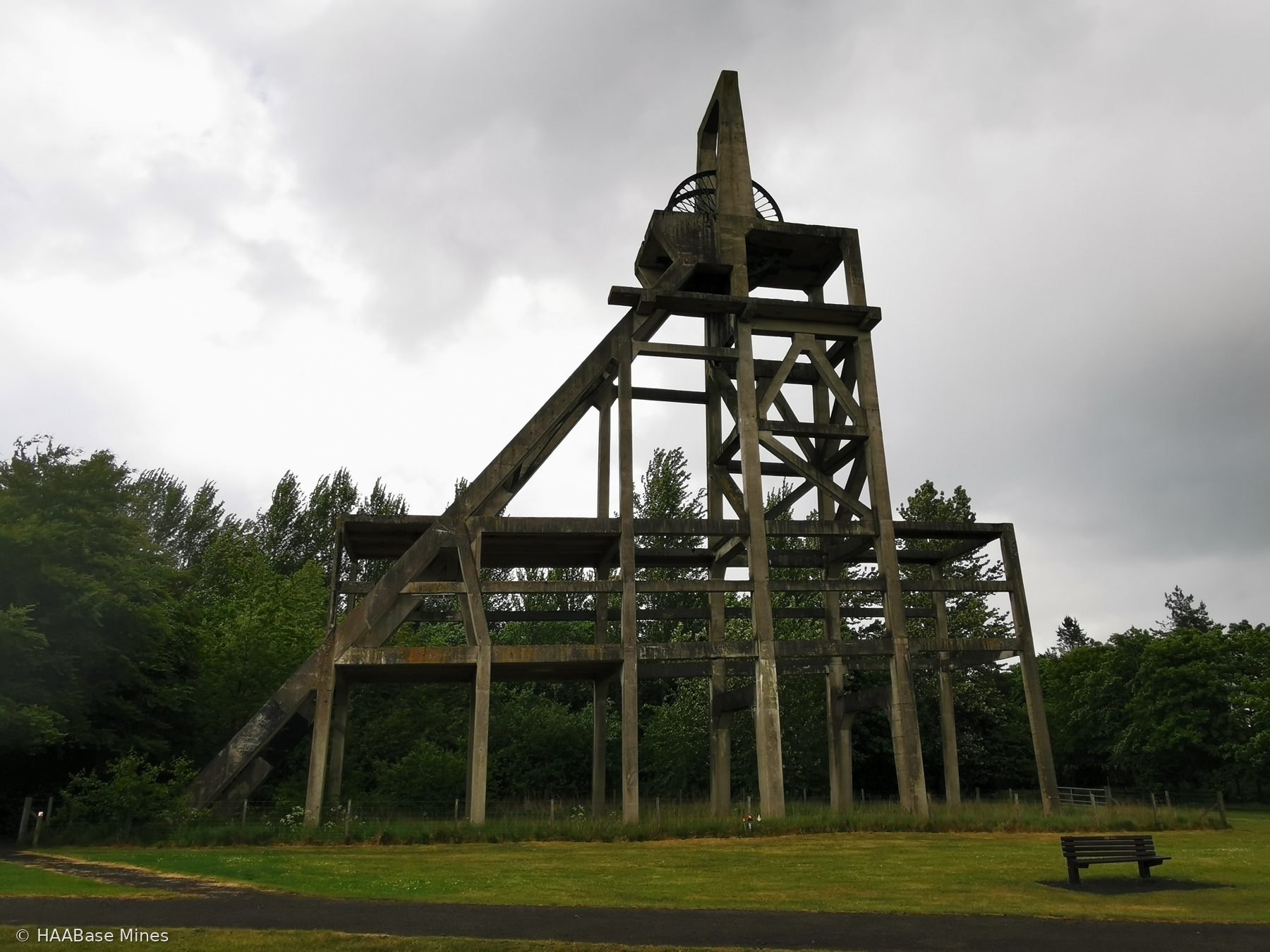
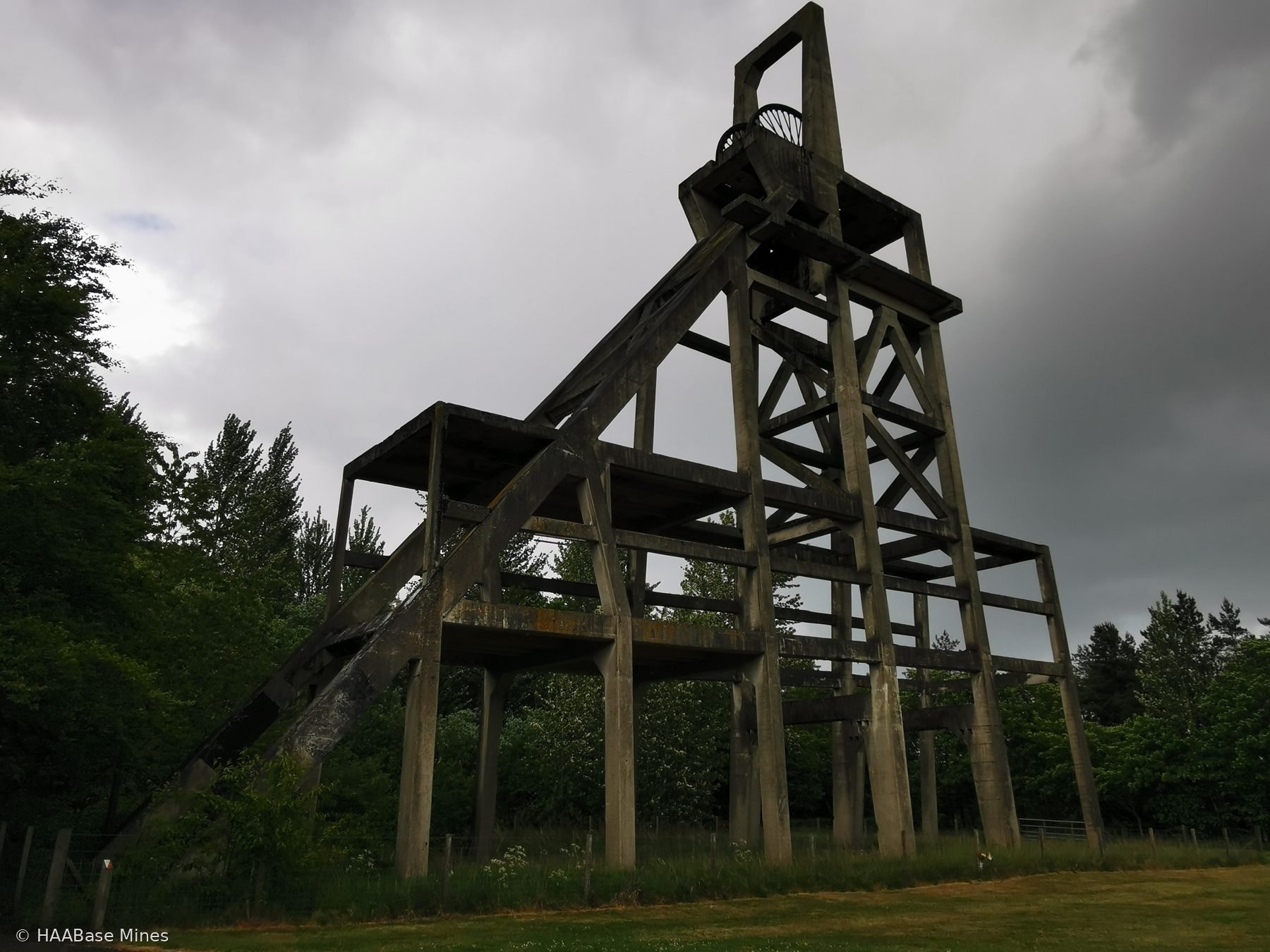
The surviving site comprises the original reinforced-concrete winding headframe of Mary Colliery No. 2 shaft, erected in the early 1920s, with its distinctive winding wheel and substantial concrete framework. It is classified as headframe, original, and Isolated headframe because the structure survives at the shaft location while the electric winding engine and other colliery buildings and equipment no longer stand as an operational complex. Historic Environment Scotland’s scheduled-monument record SM9016 identifies the frame and its relationship to the 1923 shaft, documents conservation in 1988–89 and defines the protected monument.

The recorded output is coal. Later conservation and nearby interpretive artefacts do not constitute an intact mining plant; detailed assessments of the present concrete fabric and its repairs require inspection of engineering reports.

Published 23 November 2026 · Overall confidence 91/100 · Classification confidence High
Sources added or confirmed during the review are included in Sources and records where available.

Site overview

Mary Colliery, or Mary Pit, was a deep coal mine at Lochore near Ballingry, developed by the Fife Coal Company from 1902 and named after Mrs Mary Carlow, who cut the first sod. The first shaft was followed by No. 2 in 1923, designed to improve mine ventilation and access to deeper seams. It was equipped with an electrically operated reinforced-concrete headframe, a pioneering example of its type in Britain.

The headframe stands over a former shaft sunk to about 280 fathoms (512 metres), while its winding machinery and the rest of the original surface installations have gone. The mine supplied coal from the Fife Coalfield, became part of the National Coal Board in 1947 and closed on 24 September 1966. After large-scale reclamation, the headframe remained by the golf course in Lochore Meadows Country Park; it was conserved in 1988–89 and scheduled in 2000.

Community conservation campaigns in the early 2020s were followed by a Fife Council assessment in 2024 finding it not structurally dangerous and by new plans for mining interpretation.

Set within open parkland and reclaimed colliery ground, the surviving headframe stands as an isolated but visually prominent remnant in a broad post-industrial landscape.

Map & photo

Mary Pit / Lochore Colliery mine headframe or winding tower site
Photograph taken: 25 May 2025
Map markers and directions links are provided for location reference only and do not indicate public access or permission to enter a site.

History

Coal and ironstone had been extracted in the Lochore district long before the deep Mary Pit was developed. Shallow workings formed part of a wider Fife landscape in which coal was taken from numerous seams for household, industrial and transport purposes. At the turn of the twentieth century, the Fife Coal Company established a new colliery on the Lochore estate to reach deeper reserves. The company commenced sinking in 1902; some industrial histories give 1904 as the date of opening, reflecting the distinction between initial shaft work and the establishment of a producing colliery. The new pit was named after Mrs Mary Carlow, who cut the first sod, a personal connection recorded in the national monument designation.

The first shaft reached the deeper coal measures and is reported in local mining accounts to have been approximately 613 metres deep, an exceptional depth for a Fife colliery of its period. The sinking represented a substantial commitment of capital and made Mary an important part of the Fife Coal Company’s expansion. Coal from the Lochore basin was marketed for household and other uses, including navigation coal. The colliery belonged to the network of deep pits that helped reshape communities around Lochore and Ballingry as rail transport, mechanical haulage and improved winding equipment allowed mining to develop beneath earlier workings.

A second shaft was added during the early 1920s, chiefly to improve ventilation and make the deeper seams easier to work. Historic Environment Scotland dates its sinking to 1923 and gives a depth of 280 fathoms, approximately 512 metres. Above it rose the reinforced-concrete winding headframe that still stands today. Its massive angular concrete members, winding wheel and supporting framework made it a conspicuous example of a new structural material applied to the engineering of a deep coal mine. At a time when steel winding towers predominated, the use of reinforced concrete was an important technical departure. The monument designation describes it as one of the first reinforced-concrete colliery headframes in Britain. An electric winding engine operated the lifting gear; although the engine has disappeared, the structure of the headframe and the winding wheel remain to show how cages were raised and lowered through No. 2 shaft. Electrical winding formed part of the wider early-twentieth-century modernisation of Scottish pits.

The colliery continued to operate through the interwar years and the Second World War. Its output and employment were closely tied to the demand for Fife coal and to changing methods of underground transport. In January 1947, nationalisation transferred Mary to the National Coal Board, which inherited the shaft infrastructure and the task of maintaining access to deep workings. Post-war development included changes to underground and surface materials handling, with larger mine cars and locomotive haulage described in accounts of the colliery. Local histories record a workforce of about 780 in 1957, illustrating the scale of the operation in the middle of the twentieth century, although surviving summaries do not establish a complete annual series of employment totals.

Mary Colliery closed on 24 September 1966, after more than sixty years of operation. In the decades that followed, the surrounding spoil tips, railway and pithead installations were removed or incorporated into a major reclamation scheme. The former industrial landscape became Lochore Meadows Country Park, with open grassland, recreation grounds and a golf course taking the place of spoil and working yards. The No. 2 winding headframe was deliberately retained close to the first green as a recognisable reminder of mining in the district. It is the only substantial above-ground structure from the colliery still standing; the electric winding engine and the other pithead machinery have not survived in their working positions. The history of the mine is also commemorated through memorial interpretation in the park.

The headframe received conservation work in 1988–89 and was formally scheduled as a monument of national importance on 31 October 2000 under reference SM9016. The designation recognises both its rare engineering form and its survival as a visible coal-mining relic in central Fife. The scheduled area is centred on the headframe itself, not on a complete preserved pithead complex. Its location within public parkland has given the structure a very different setting from that of an operating mine, while retaining its close physical connection with the old No. 2 shaft site.

Concerns about the condition of the ageing reinforced concrete became prominent in the early 2020s. Reports of loose fragments and deteriorating high-level members led to protective fencing and a community campaign for conservation. Fife Council, Historic Environment Scotland and local heritage organisations considered surveys, funding and repair options. A council engineering update in 2024, following review of the structure, presented a more reassuring assessment: the frame, and particularly its wheel, was considered generally in good condition and not structurally dangerous, though careful investigation and sensitive conservation remained necessary. A local heritage subgroup was formed to pursue its long-term care and interpretation. In 2025 Fife Council announced plans to display a group of historic mining objects, loaned by the National Mining Museum Scotland, beside the headframe. The surviving tower therefore occupies a place not only in the industrial history of the Lochore coalfield but also in the continuing effort to make that history visible in the reclaimed landscape.
Timeline

1902–1904
Construction

Sinking of Mary No. 1 shaft

The Fife Coal Company began sinking Mary Colliery in 1902; some industrial accounts give 1904 as the opening year. The first shaft was sunk for the deep coal measures.
1922
Operation

Electric winding at No. 2 shaft

The No. 2 shaft was equipped with an electric winding engine in the early 1920s. The exact year of first electrical use throughout the colliery is not established.
1923
Construction

No. 2 shaft and concrete winding headframe

The second shaft was sunk in 1923 to 280 fathoms, with one of Britain’s earliest reinforced-concrete winding headframes and electric winding equipment.
1946–1950
Construction

National Coal Board modernisation of Mary Colliery

In the post-war National Coal Board period Mary Colliery’s underground haulage and surface materials handling underwent modernisation.
1947
Legislation

Nationalisation of Mary Colliery

Mary Colliery passed into National Coal Board ownership when Britain’s coal industry was nationalised in January 1947.
1957
Operation

Workforce reported at 780

Local historical accounts record a workforce of approximately 780 at Mary Colliery in 1957.
1966
Closure

Mary Colliery closes

Mary Colliery closed on 24 September 1966. Its surviving No. 2 headframe was later retained during site reclamation.
1966
Redevelopment

Colliery grounds reclaimed as Lochore Meadows

After the 1966 closure, the colliery grounds were reclaimed for Lochore Meadows Country Park, retaining the No. 2 concrete headframe beside the golf course.
1988–1989
Heritage

Conservation of the concrete headframe

The retained No. 2 reinforced-concrete headframe received conservation treatment in 1988–89.
2000
Heritage

Mary Pit headframe becomes a scheduled monument

The original No. 2 winding headframe was scheduled on 31 October 2000 as monument SM9016, recognising its exceptional early reinforced-concrete design.
2022
Heritage

Community campaign for the headframe

A local conservation campaign raised concerns about deteriorating concrete and led to engagement between Fife Council, heritage organisations and engineers; the council’s subsequent 2024 assessment found the structure was not structurally dangerous.
2024
Heritage

Fife Council engineering review and conservation planning

Fife Council reported that the headframe was not structurally dangerous and was generally in good condition, particularly its wheel, and announced a community heritage subgroup to develop future conservation.
2025
Heritage

Historic mining artefact display announced

Fife Council announced a heritage display beside the headframe using loaned mining equipment, including a cage and underground machinery, to interpret the former colliery.

Sources and records

This list includes live sources already held for the record and any additional sources added or confirmed during the published fact-check review.

Official heritage records

Further sources

Research bibliography

Canmore record: Lochore, Mary Colliery (Historic Environment Scotland)
Fife Photos & Art blog: Mary Colliery – Lochore Meadows
Fifepits.co.uk: Pit-M-4, Mary Nos. 1 and 2 Pits, Lochore
Wikipedia article: Fife Coal Company
Blipfoto: The Mary Colliery (Colin McLean)
Scotland Off the Beaten Track: Mary Colliery
Fife Today: Save the Mary — fears over future of crumbling mining pithead, 2022
Fife Today / Central Fife Times: Fife Council update on Mary Pit winding wheel project, 2022 and 2024
STV News: Bid to save Mary Pit Head Frame with Heriot-Watt University help, 2022
Glasgow Punter blog: Fife Pilgrim Way Part 2
This researched site record is part of the HAABase Mines database. Normal personal research and browsing is welcome. Automated bulk extraction, republication, or harvesting of site text and images is not permitted without written consent.