Site overview
Frances Colliery, located at Dysart on the Fife coast and known locally as 'The Dubbie' because of its wet underground conditions, was one of the oldest and longest-operating collieries in Scotland. The pit was sunk around 1850 by the Earl of Rosslyn's Collieries and worked coal seams extending beneath the Firth of Forth from a clifftop site. The Fife Coal Company acquired the colliery in 1923 and carried out successive phases of modernisation, including construction of a washery in 1925, reconstruction in the 1930s, and installation of a new tandem steel headframe in 1943 and an electric winding engine.
The colliery was nationalised in 1947. At its peak in 1957 the workforce reached 1,482. An underground connection to the nearby Seafield Colliery was established in 1980.
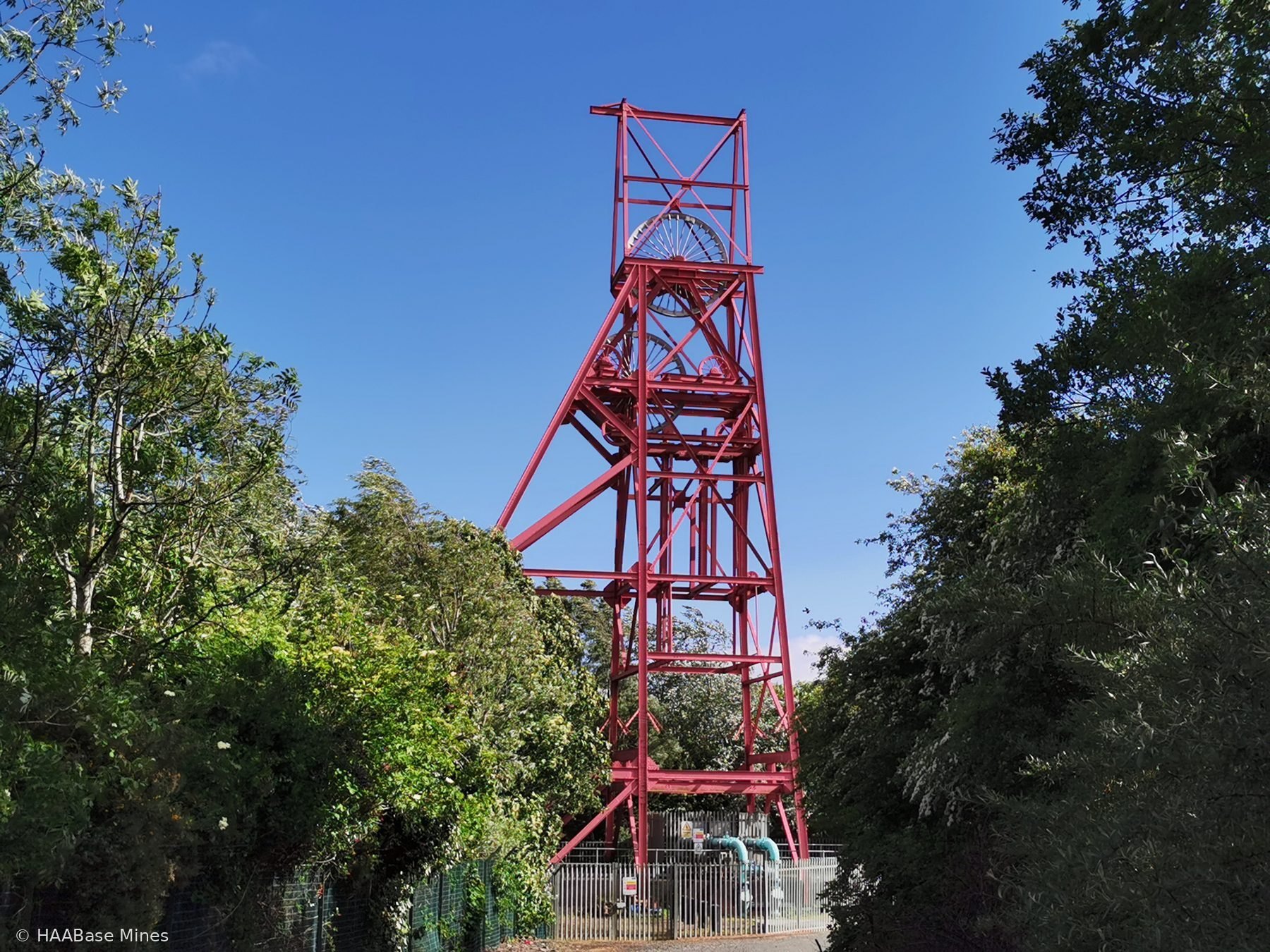
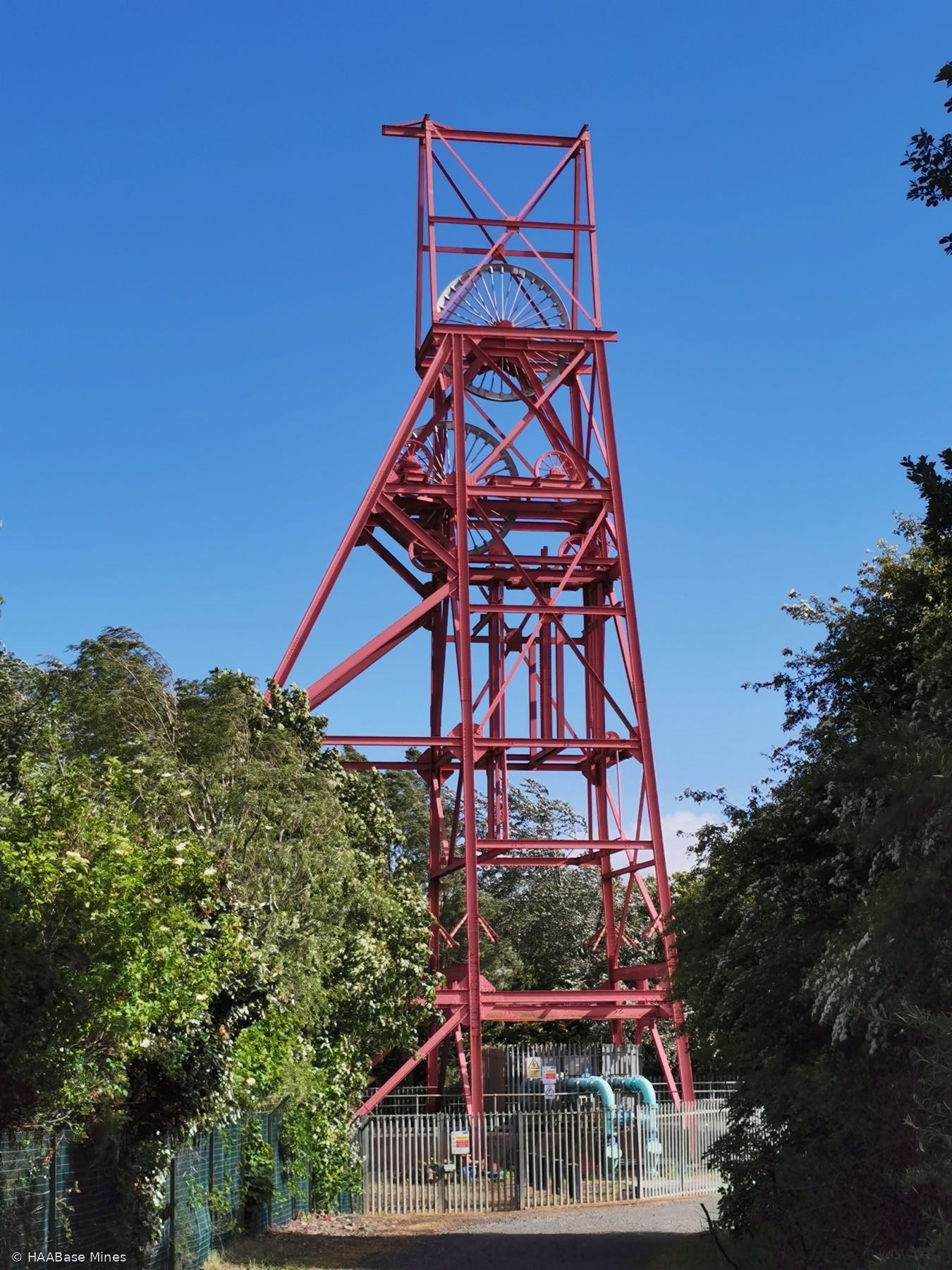
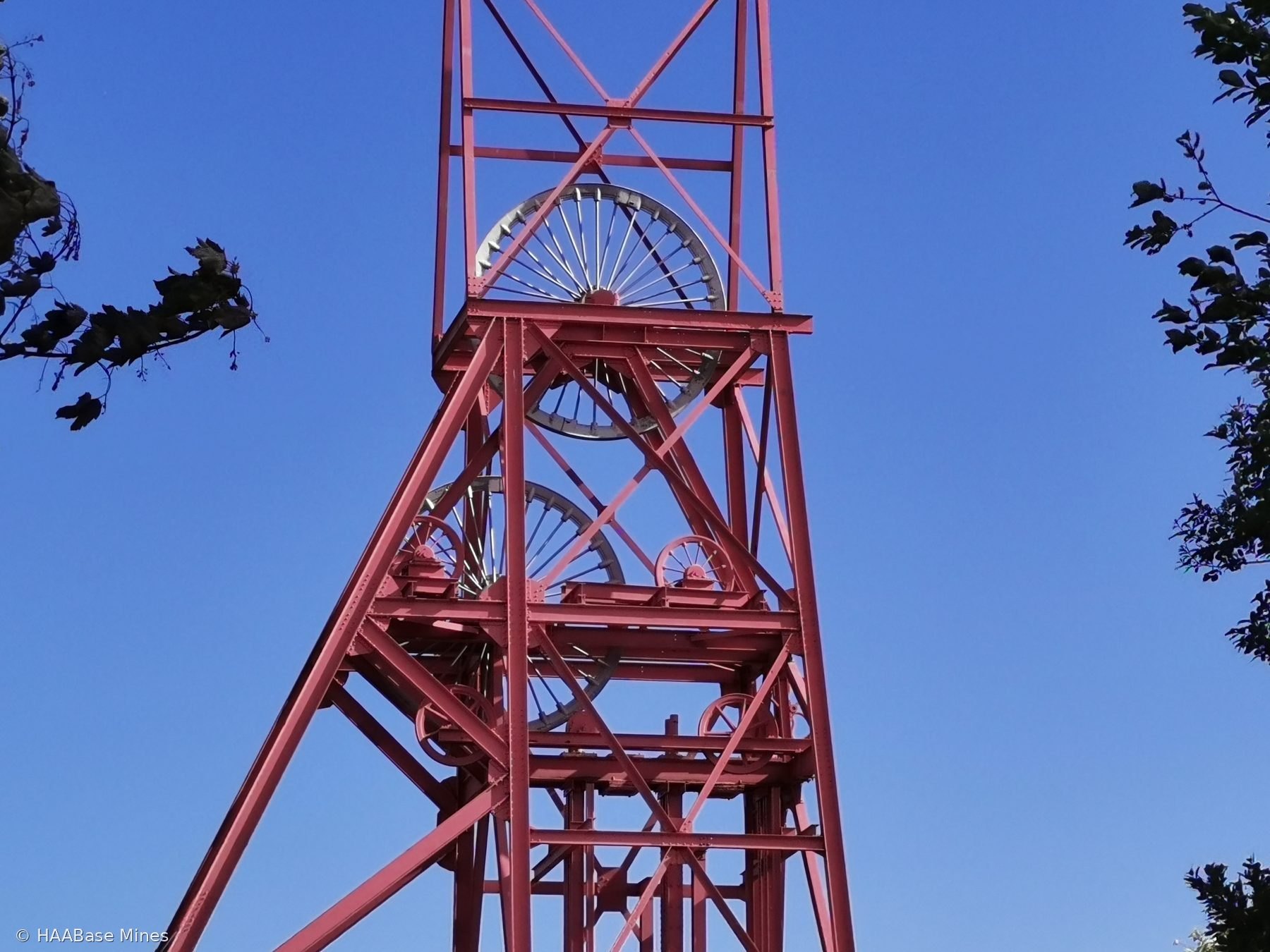
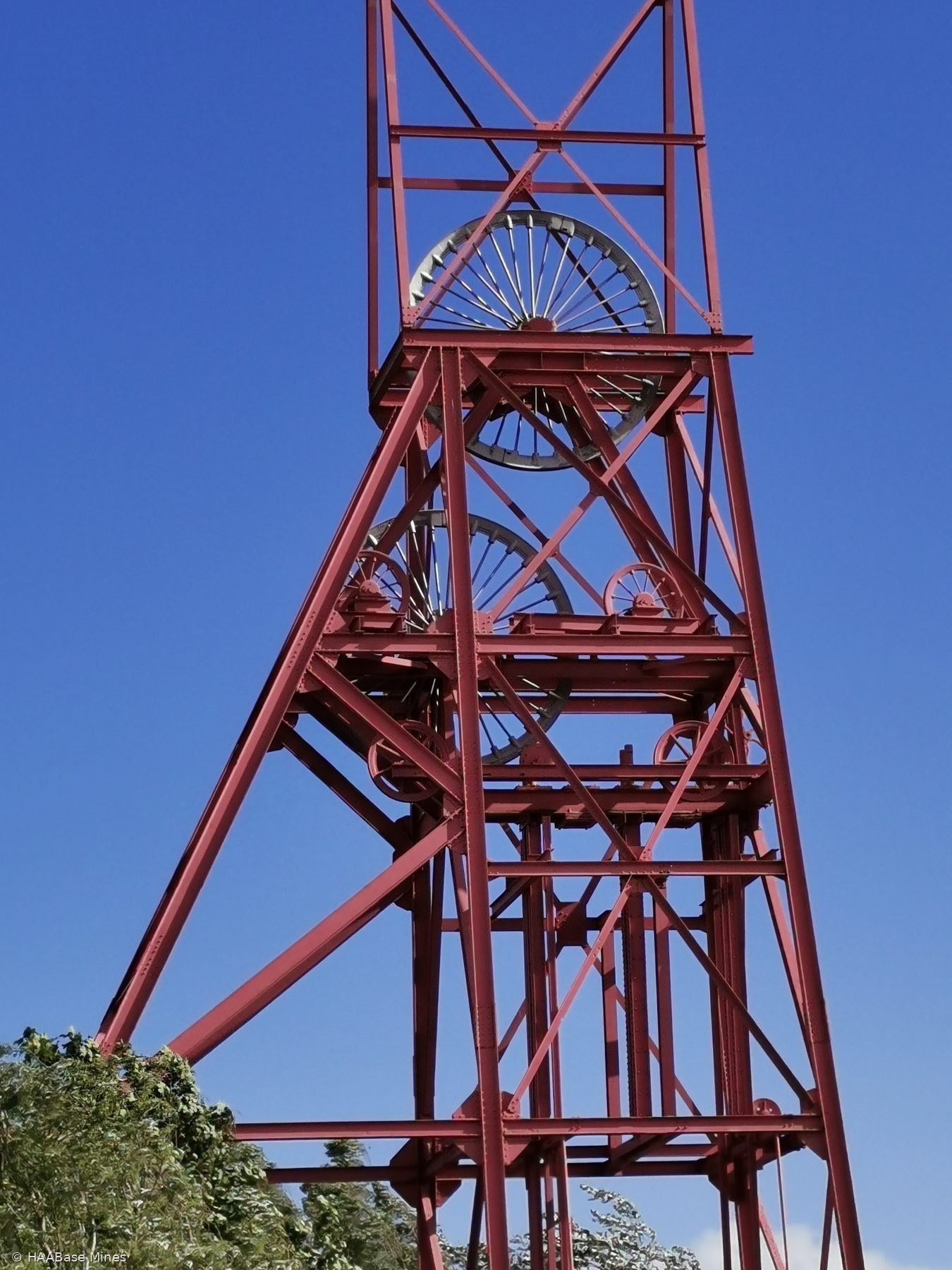
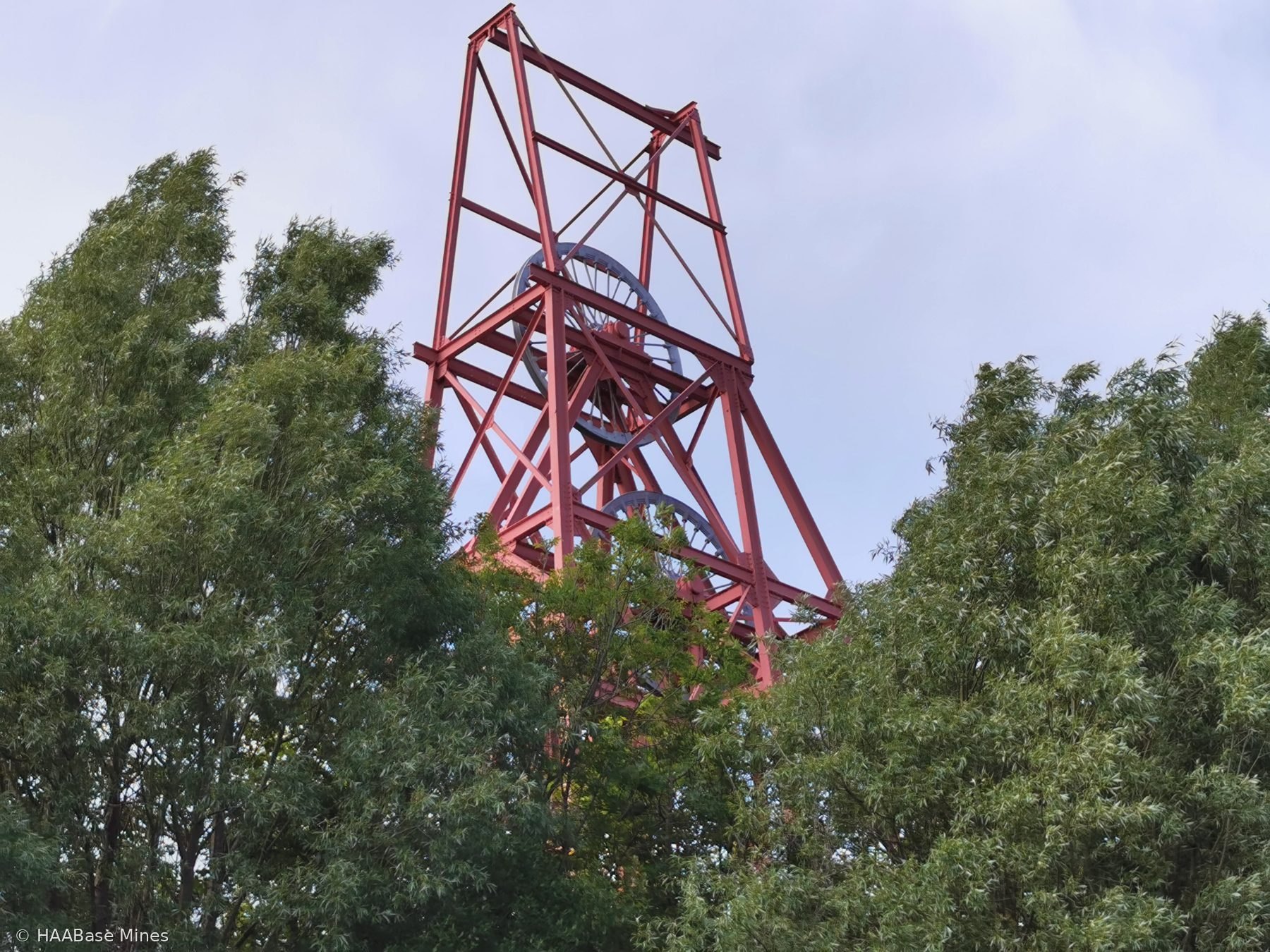
Production ceased on 3 February 1985 following underground fires during the 1984 miners' strike, and the colliery closed officially in 1988. The steel headframe, built by Dickson Mann Ltd in 1943, survives as a category B listed building and stands as a monument to the Fife coal industry.
Map & photo
History
Coal has been extracted at Dysart since at least the middle of the seventeenth century, when pits including Frances and Randolph were in operation alongside the older Lady Blanche pit. The Frances pit at Dysart sat on a clifftop overlooking the Firth of Forth and worked coal seams extending beneath the sea. The colliery was known locally as 'The Dubbie' — a Scots word for a muddy pool — on account of persistently wet underground conditions.
The colliery was sunk around 1850 by the Earl of Rosslyn's Collieries, though one source records the sinking date as 1878 in reference to a particular phase of shaft development; the listed building record for the headframe and winding engine house cites 1878 as the colliery sinking date. The pit was operated throughout the later nineteenth and early twentieth centuries under the Earl of Rosslyn's Collieries Limited. The Frances shaft reached a depth of 460 metres, elliptical in section for the upper 183 metres and circular for the remaining 277 metres. A separate Lady Blanche shaft, 73 metres deep, also served the site.
In July 1923 the Fife Coal Company purchased the Earl of Rosslyn's collieries, including the Frances, Randolph, and Lady Blanche pits at Dysart. The Fife Coal Company equipped the Frances with its own washery, built by Simon Carves in 1925, using a Baum-type coal cleaning system. A surface mine 732 metres long at a gradient of 1 in 4 was driven in 1924. Further reconstruction took place in the 1930s. By 1948 the colliery employed 1,264 workers. The colliery's underground workings extended beneath the Firth of Forth, producing house and steam coal. The Lady Blanche pit closed in 1929.
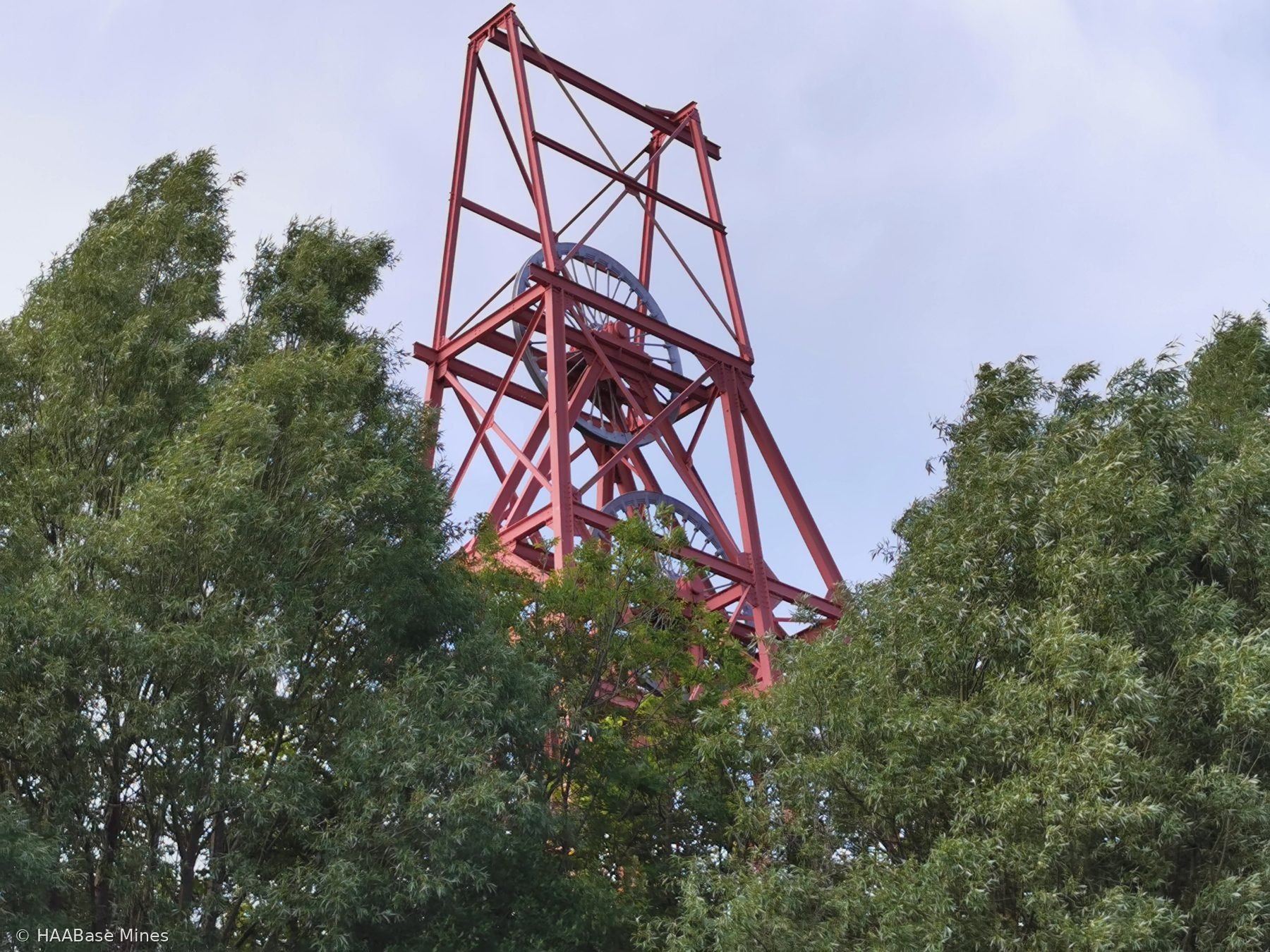
In the early 1940s the colliery underwent a significant programme of reconstruction. A new tandem pulley headframe, 111 feet in height, was manufactured and erected by Dickson Mann Ltd in 1943. The new headframe, oriented south-west to north-east, was constructed around the existing headframe, though facing a different direction, so that the pulleys and winding ropes could be transferred on a single Sunday with minimal interruption to production. A new single-storey winding engine house was built alongside the headframe in the same year, housing a ground-mounted Robey and Metro Vickers electric winding engine rated at 1,600 horsepower. Underground transport was reconstructed in the mid-1940s with the introduction of large mine cars operating with direct-rope and locomotive haulage. Electricity was supplied by the National Coal Board from their Kelty power station.
The colliery was nationalised in January 1947 along with the rest of the coal industry, passing to the National Coal Board. The peak workforce of 1,482 was recorded in 1957. Following the Michael Colliery disaster of 1967, Frances Colliery took over the mining of reserves previously worked by Michael Pit at East Wemyss; Canmore records note that Frances was connected underground with the workings of the Michael Pit, which provided a second shaft. In March 1980 an underground connection was established between Frances Colliery and the nearby Seafield Colliery in Kirkcaldy, forming a linked operational unit.
During the miners' strike of 1984–85, underground fires caused by spontaneous combustion broke out in the Dysart seam at Frances Colliery. Carbon monoxide levels rose, and mine rescue teams from across Scotland and from Northumberland and Durham worked in difficult conditions attempting to contain the heating. On 3 February 1985 — described locally as 'Black Sunday' — production ceased at Frances with the loss of approximately 500 jobs. The colliery was retained on a care and maintenance basis after 1985. A planned redevelopment project known as the 'Frances Project', involving open-cast extraction, was proposed by British Coal in 1988 at an estimated cost of £100 million, but after years of planning dispute and local controversy the project was finally shelved. The colliery was officially closed in 1988.
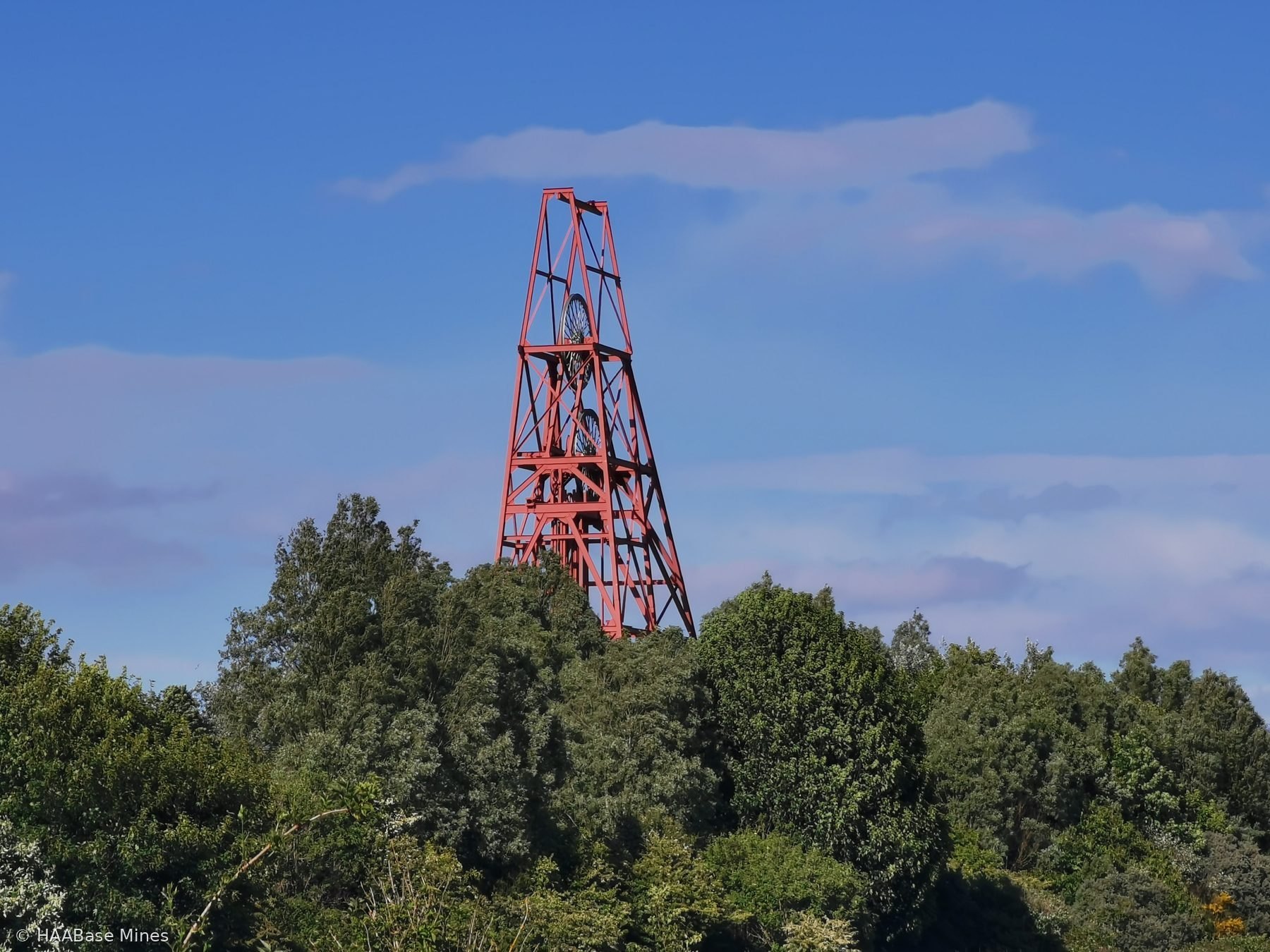
Following closure, the surface buildings were demolished and the site was cleared for industrial use. The 1943 steel headframe at grid reference NT 30985 93887 survived demolition and was granted category B listed building status by Historic Environment Scotland on 10 September 1995, listed under the designation 'Dysart, Frances Colliery, Headframe and Winding Engine House Including Associated Fixtures and Fittings' (LB13638). The headframe continues to stand on the Dysart clifftop as a visible landmark and monument to the Fife coal industry.
Timeline
Operation under Earl of Rosslyn's Collieries
Acquisition by Fife Coal Company
Surface Mine Driven and Washery Constructed
Lady Blanche Shaft Closed
New Tandem Headframe and Winding Engine House Installed
Nationalisation — Transfer to National Coal Board
Peak Workforce of 1,482 Recorded
Frances Takes Over Michael Colliery Reserves Following Michael Disaster
Underground Connection Established with Seafield Colliery
Production Ceases Following Underground Fires
Colliery Retained on Care and Maintenance
Frances Colliery Officially Closed
Headframe and Winding Engine House Granted Category B Listed Building Status
Photographic record
Sources and records
Historic Environment Scotland listed building record: LB13638 (Dysart, Frances Colliery, Headframe and Winding Engine House)
British Listed Buildings record: 200346827
Canmore record for Frances Colliery, Dysart (including RCAHMS Coastal Assessment Survey 1996)
Fifepits.co.uk: Frances (Dubbie) Pit, Dysart
Wikipedia article: Dysart, Fife
Wikipedia article: Fife Coal Company
Fife Today (National World Publishing Ltd): 'Black Sunday' — the day the pits faced closure, 2018
Fife Today: Open-cast and shut case for reaching Fife pit reserves, 2018
Oglethorpe M K, Scottish Collieries, 2006
Hume J R, The industrial archaeology of Scotland, 1, Lowlands and Borders, London, 1976
McAdam R, Frances Colliery Reconstruction Schemes, Colliery Engineering, 1946–1947