History
A mine is recorded at the Summerlee site in Coatbridge before the establishment of the ironworks, having opened sometime before 1825. Wilsons & Co acquired it when they set up the Summerlee Iron Works. The Summerlee Iron Works was founded in 1836 by John Neilson and Wilsons & Co to exploit the hot blast process for iron smelting developed by James Beaumont Neilson. The works were initially constructed with two blast furnaces, with the blowing engine built at the Oakbank Foundry. By 1839 the works had been extended to four furnaces, and by 1868 there were eight furnaces in operation, making Summerlee one of the largest ironworks in Scotland at peak output. Coal and ironstone were among the key raw materials, much of which was sourced from mines owned by or associated with the company.
The Durham Mining Museum record for 1875 lists "Summerlee" at Coatbridge as one of the collieries then owned by the Summerlee Iron Co., Ltd. The company operated a broader network of coal and ironstone mines across the Scottish Lowlands to supply its furnaces. In 1836 the new company leased part of the Drumpellier estate to establish a mine at Coatbridge known as Station Pit, adjacent to the Caledonian Railway station. The company further opened Blackhill Colliery pits nos. 7 and 8 in 1873 to mine coal. The Summerlee Kirkwood Colliery Nos. 1 and 2 pits were sunk in 1869 in the Coatbridge area. The company became the Summerlee and Mossend Iron and Steel Co when the Mossend Iron Works merged with the Summerlee works in the 1880s.
The ironworks continued until after the First World War. Following a brief post-Armistice boom, scarce resources and industrial disputes at the mines led to the furnaces being shut down around 1929. The ironworks were demolished in 1938. Following demolition, the workshops on the site continued to be used for the maintenance of colliery machinery until 1950, serving in this capacity under the National Coal Board after the nationalisation of the coal industry in 1947. In the 1960s a factory was built on the site by Hydrocon to manufacture hydraulic cranes. The main bays of the crane works subsequently formed the nucleus of the museum's exhibition hall.
In 1934, after the ironworks closed, the Summerlee Iron and Steel Company sold most of its mining interests, retaining only Prestongrange Colliery in East Lothian and Bardykes Colliery near Blantyre. These two remaining collieries were nationalised in January 1947 and continued in production into the 1960s, with Bardykes closing in 1964.
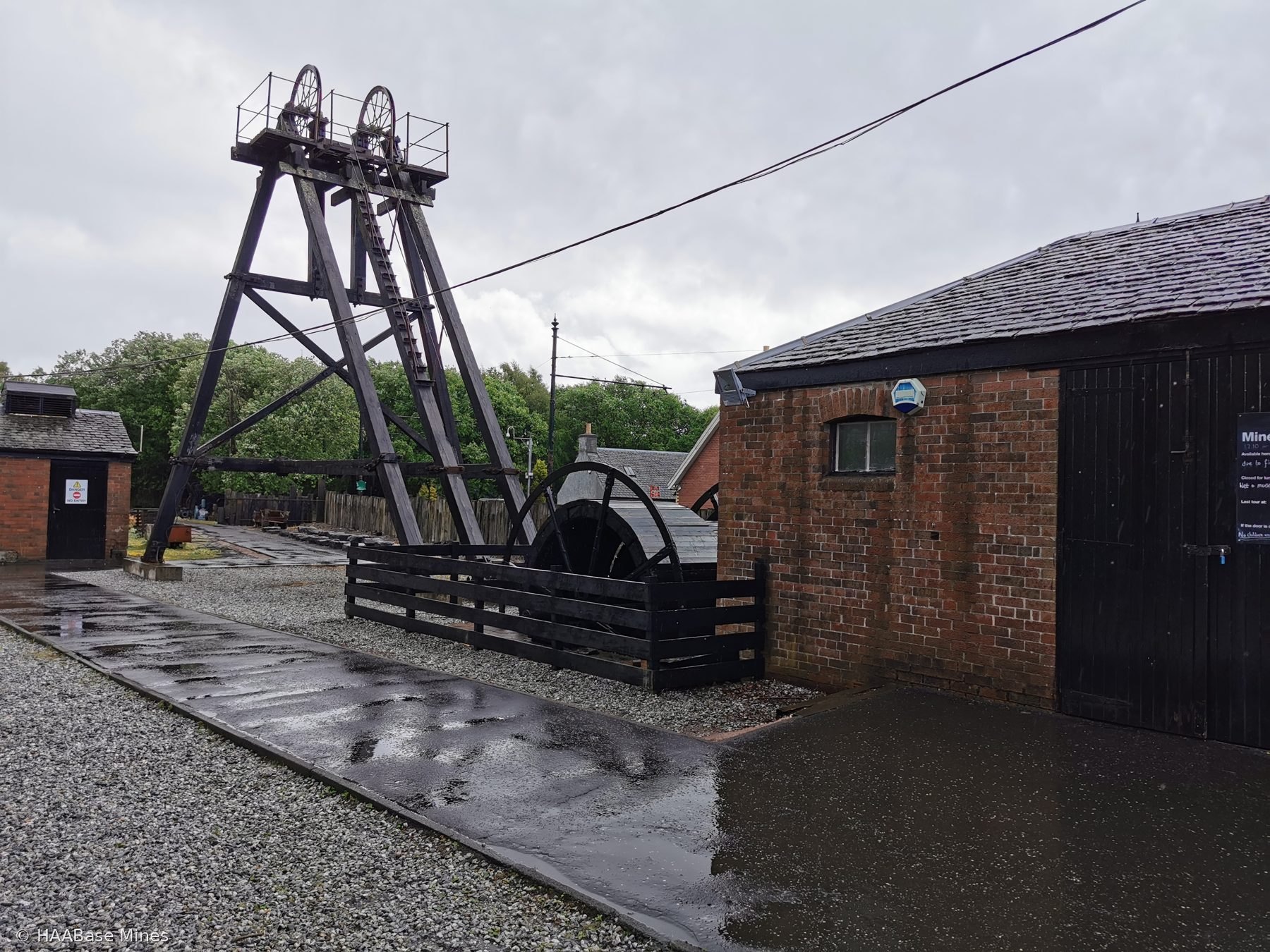
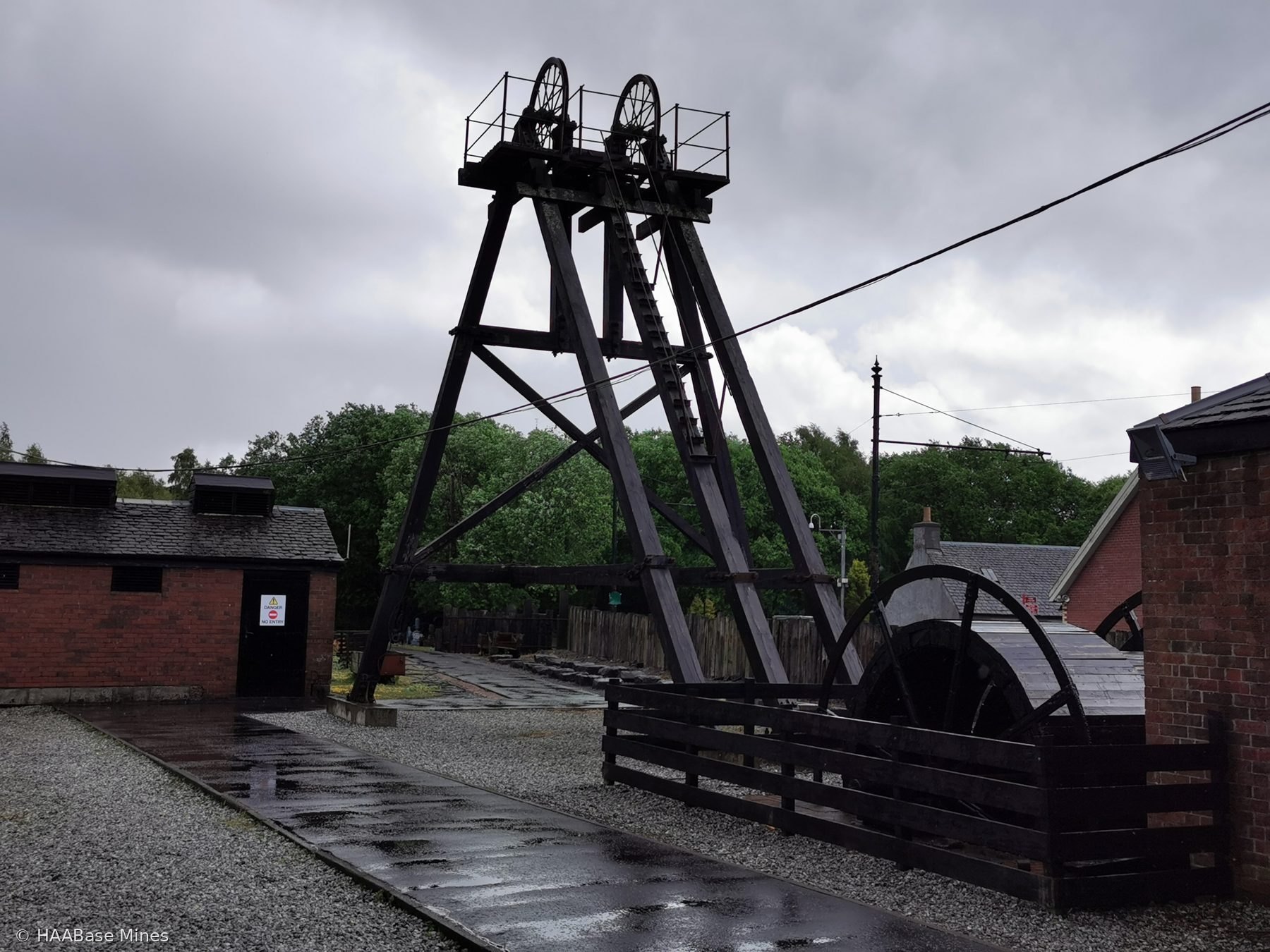
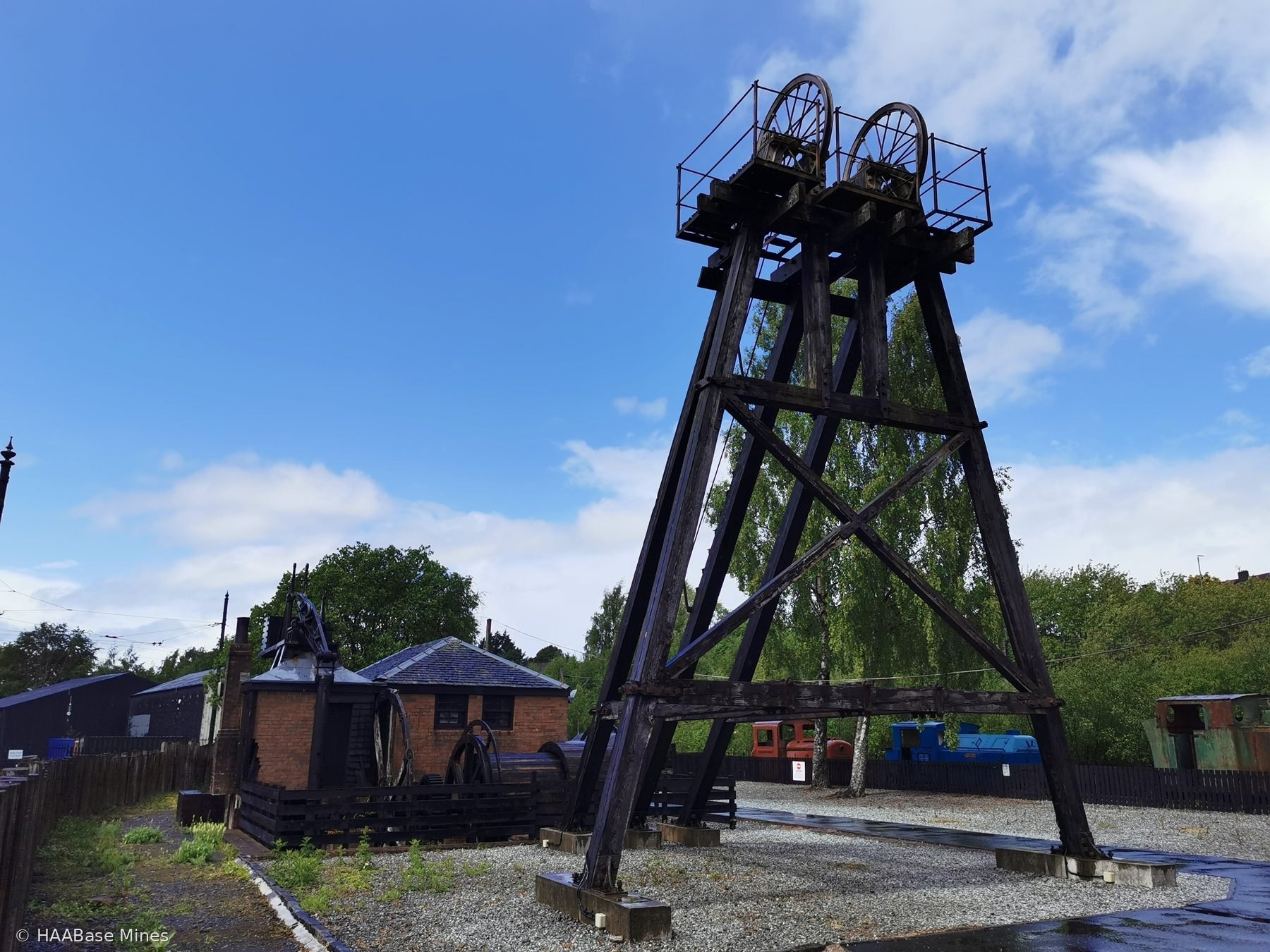
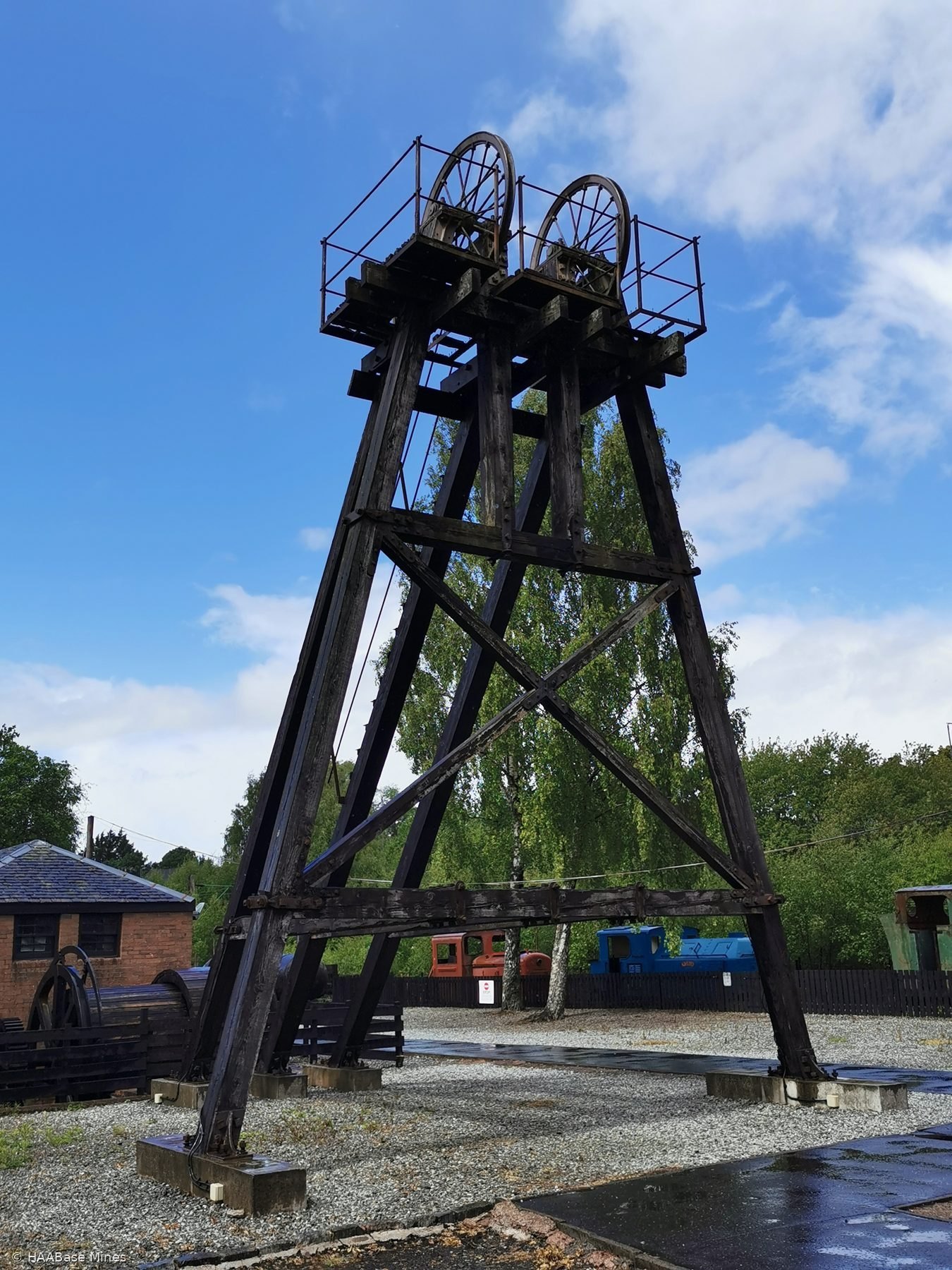
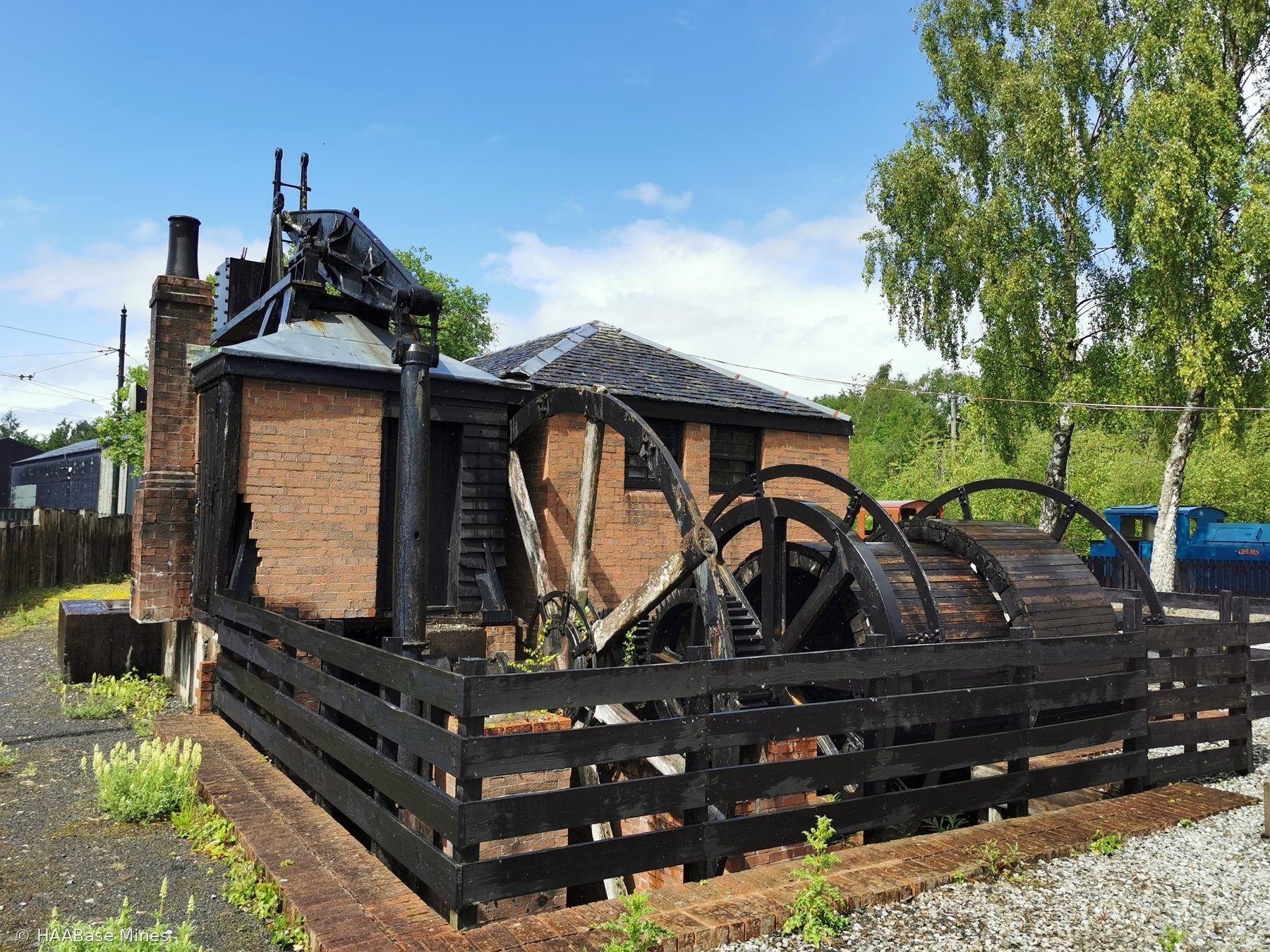
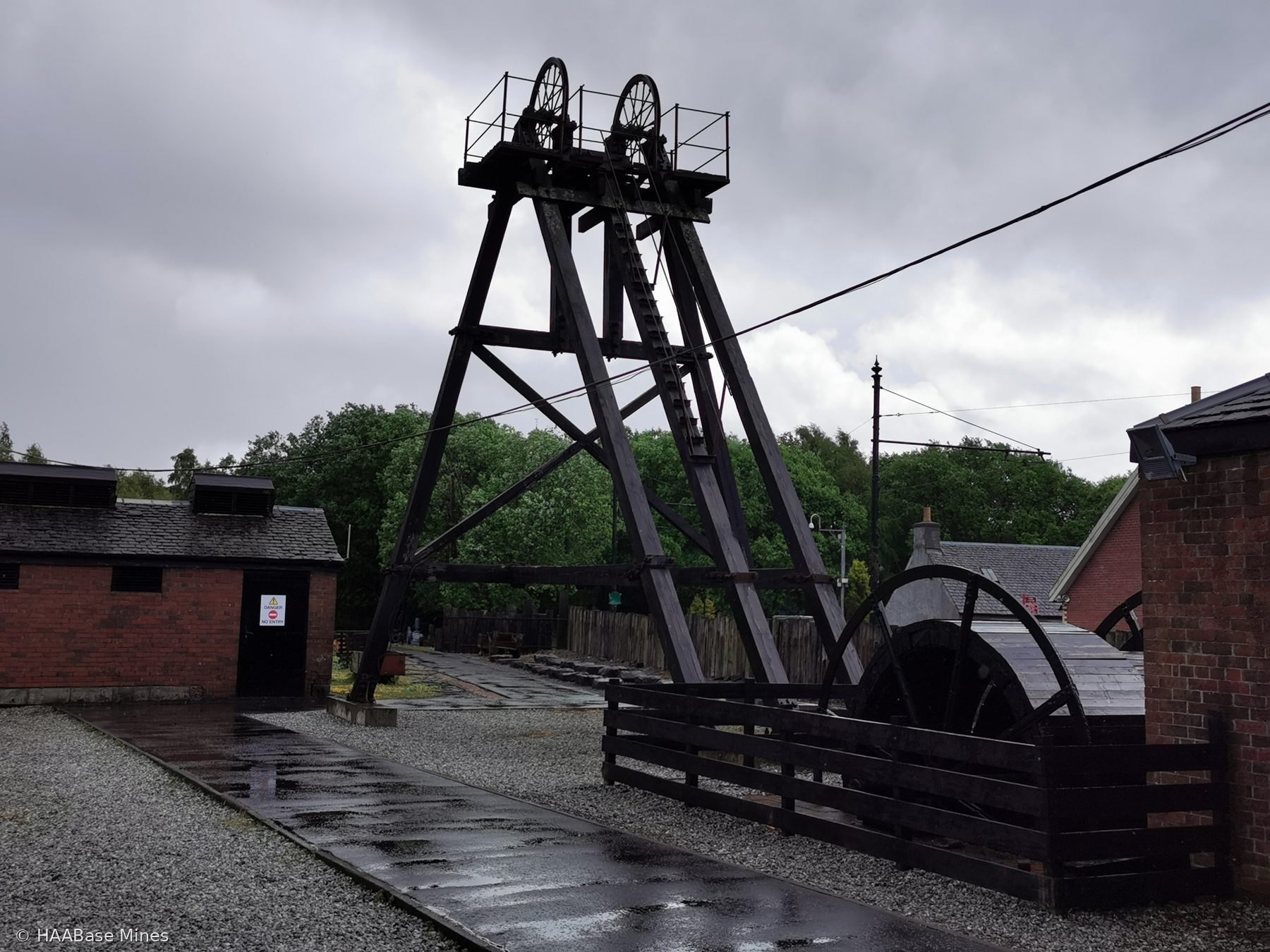
Following the closure of the Hydrocon crane works, the Summerlee Heritage Trust was established in 1985 to preserve and display the industrial and social heritage of West Central Scotland. The former ironworks site was transformed during the late 1980s; hundreds of apprentices cleared the land, and the silted-up Gartsherrie Branch of the Monkland Canal, derelict for fifty years, was restored. The museum opened to visitors in 1988 under the name Summerlee Heritage Trust, soon becoming known locally as Summerlee Heritage Park or simply 'The Heritage'. A working heritage tramway, the first operational tramway in Scotland for over a quarter of a century, opened on the site in 1988. A reconstructed drift mine and recreated miners' rows were added from 1989. The museum holds the 1810 Farme Colliery winding engine on permanent loan from Glasgow Museums, one of only three surviving rotative Newcomen engines in the world. The site includes two scheduled monuments: the Summerlee Iron Works remains and the Monkland Canal. The museum closed in 2006 for a major refurbishment costing approximately £10 million and reopened in 2008 under its current name, Summerlee Museum of Scottish Industrial Life. The site covers 22 acres and continues to operate as a free public museum managed by CultureNL on behalf of North Lanarkshire Council.