Site overview

Bergwerk Wettelrode, centred on the Röhrigschacht in the Sangerhausen district village of Wettelrode, is a former copper shale mine in the southeastern Harz Foreland of Saxony-Anhalt. Copper shale was mined in the broader Sangerhäuser Revier from around 1200 until 1990, and the Röhrigschacht itself served that regional industry across several distinct phases. The shaft was sunk from 1871 and reached the copper shale deposit at 162.5 metres in 1873.

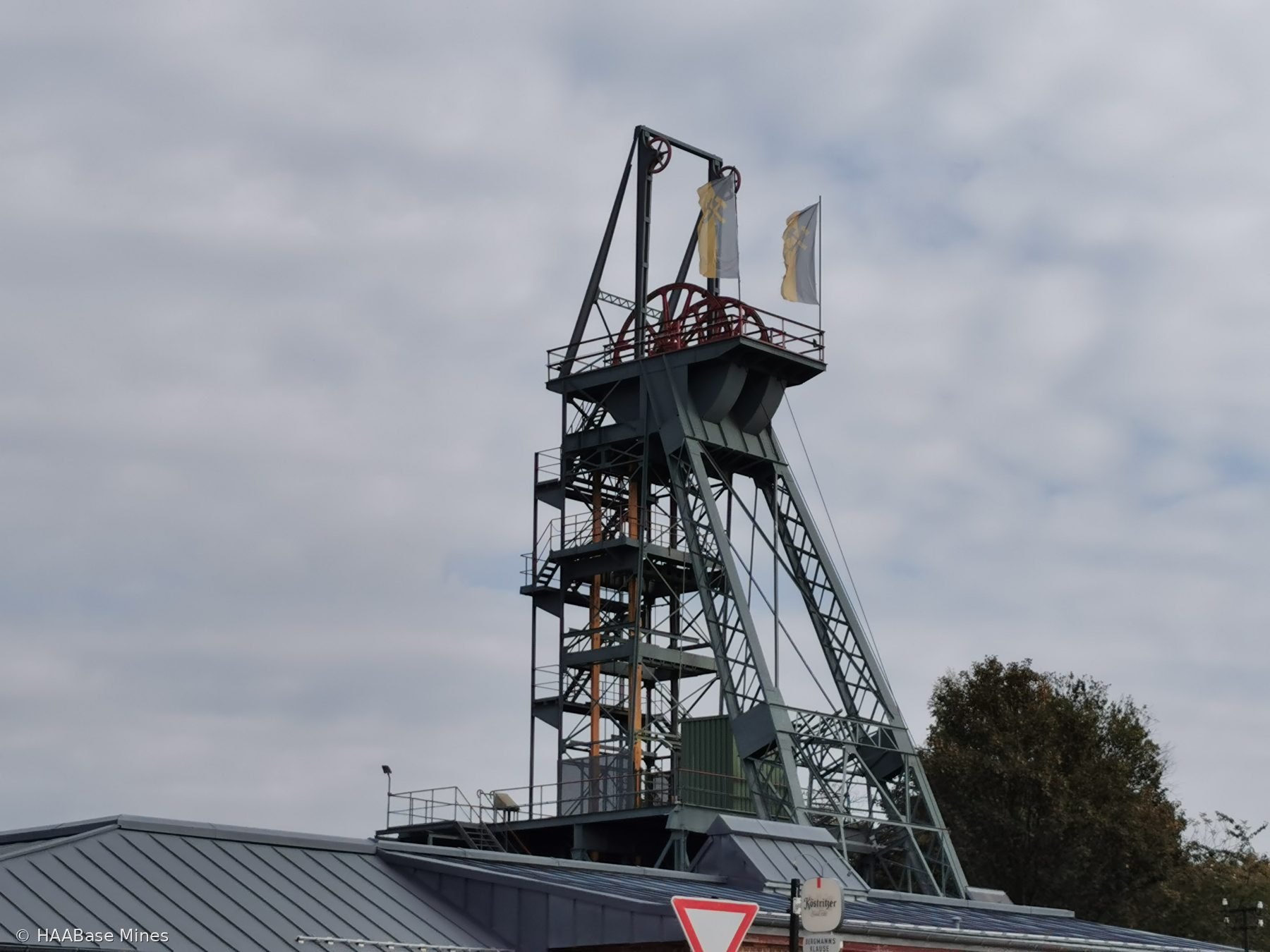
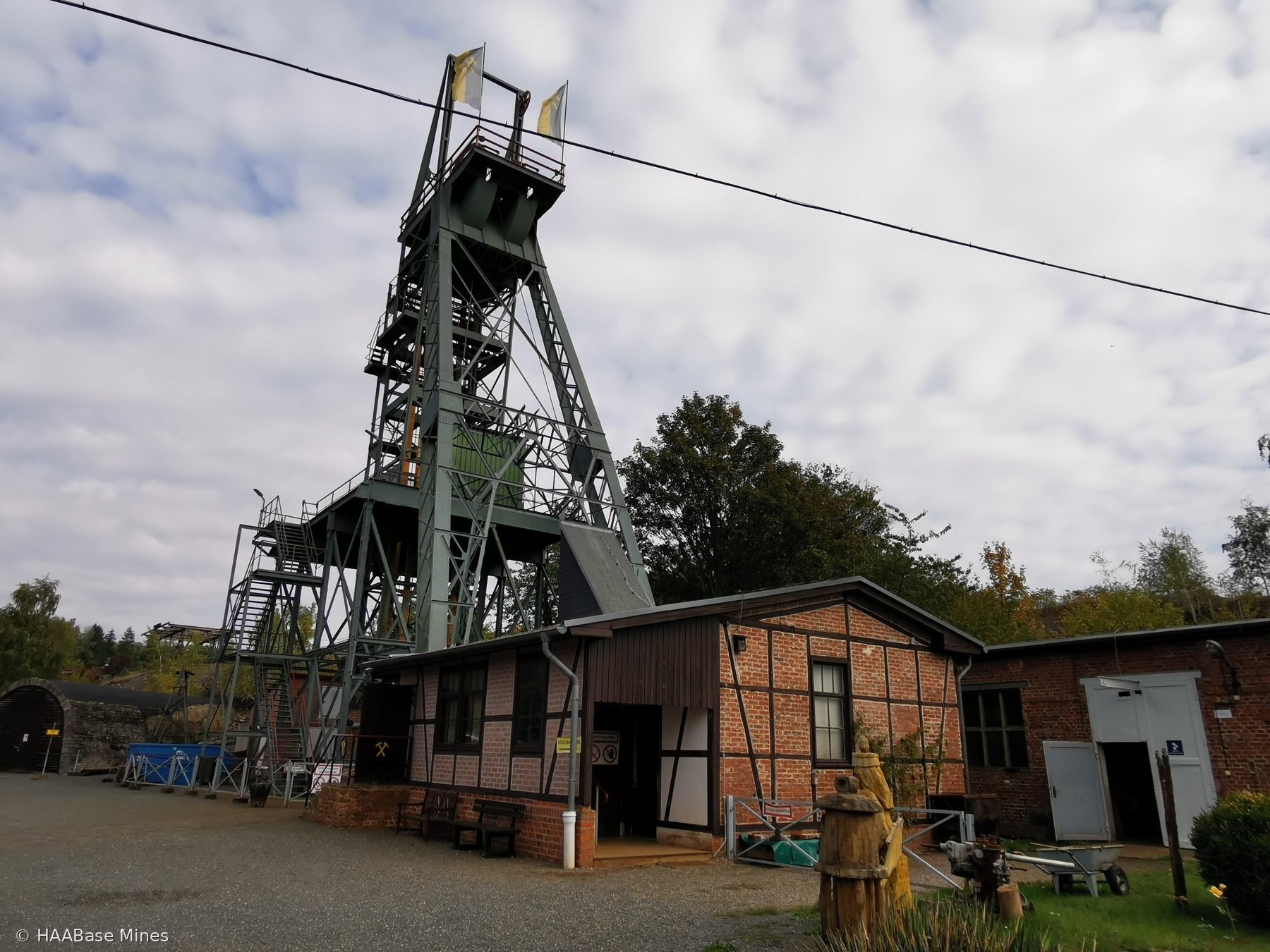
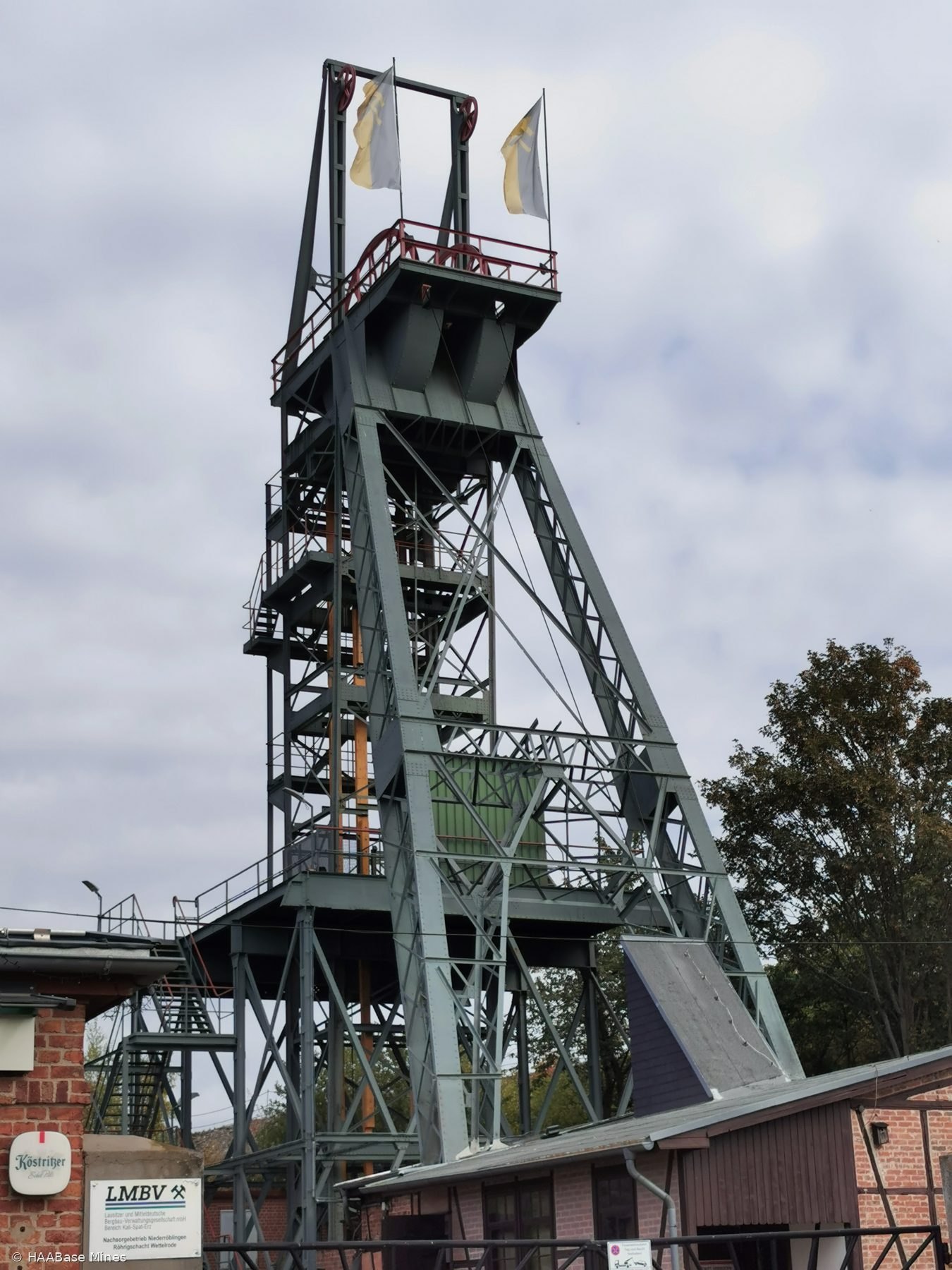
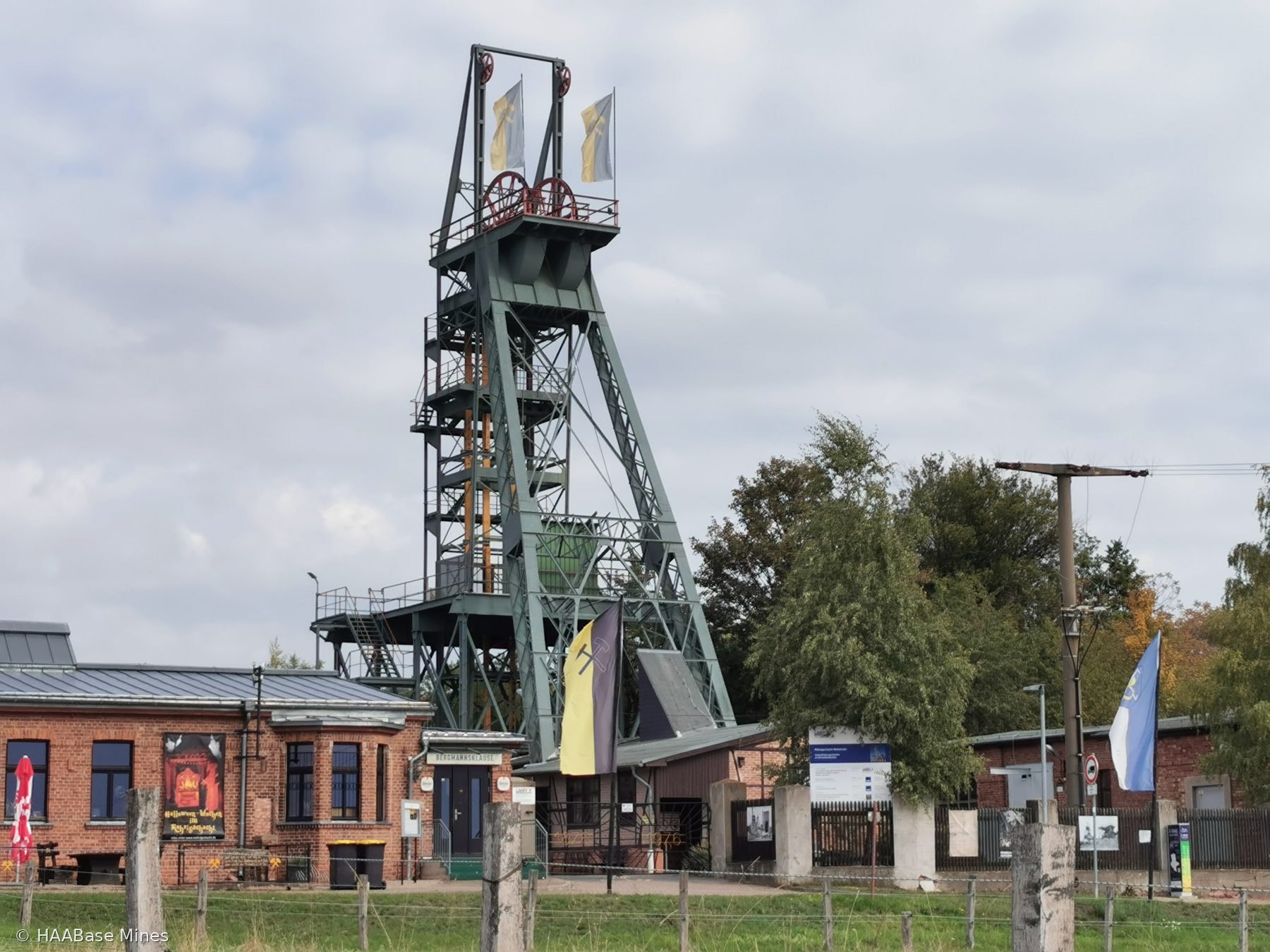
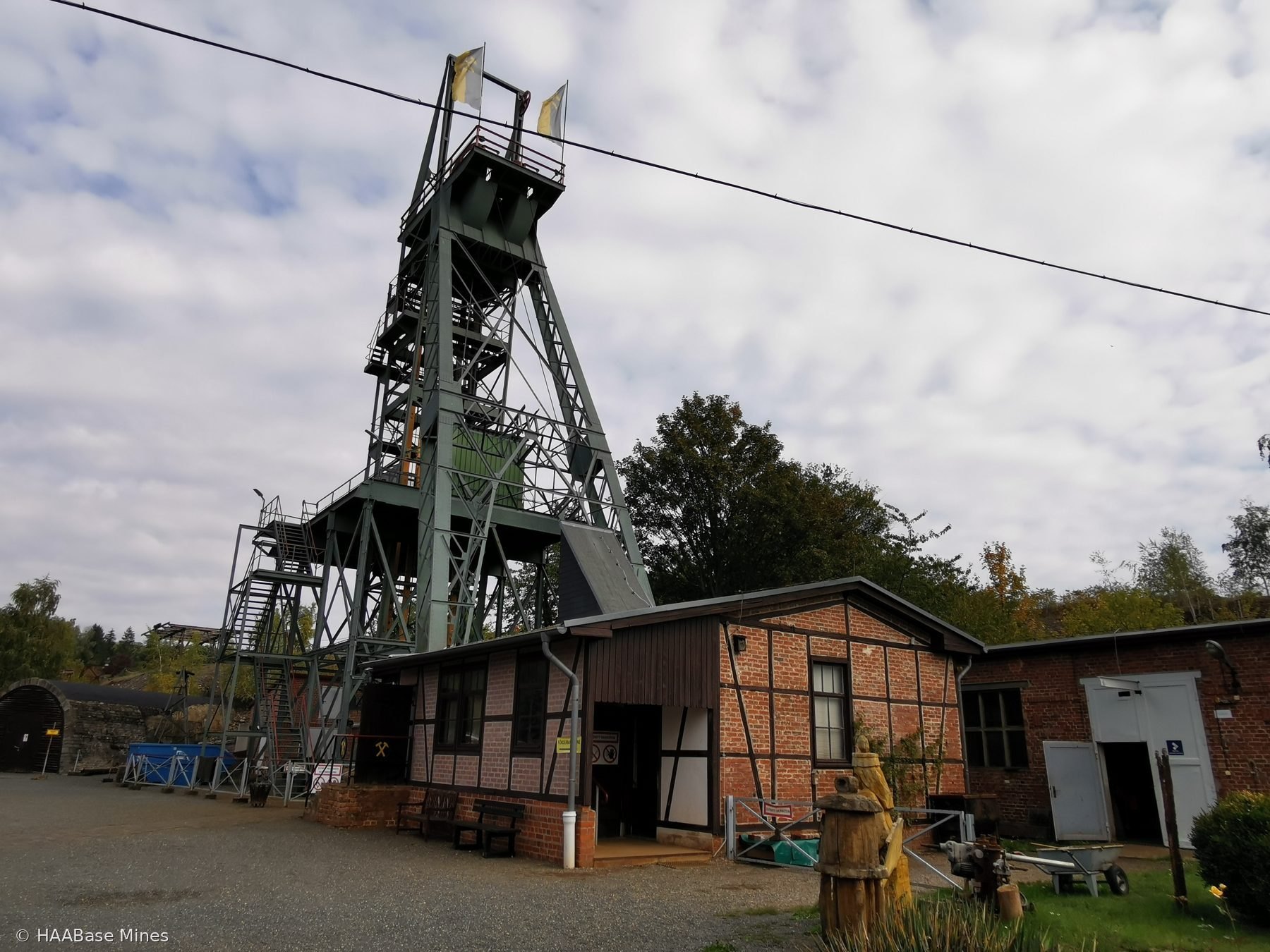
Active copper extraction continued until 1885, after which the shaft lay idle until the 1920s. The steel headframe now standing on the site was originally erected at the Freiesleben-Schächte at Leimbach in 1884 and relocated to the Röhrigschacht during a reactivation phase in the early 1920s. From the 1940s onwards the shaft served as a ventilation and escape shaft for the deeper Thomas-Münzer-Schacht in Sangerhausen.

Production through the Röhrigschacht was active from around 1951 to 1956. Active underground copper shale extraction in the Sangerhäuser Revier ended in 1990 and the mine was formally closed in 1991. An above-ground mining museum opened in 1987 during the final years of operation; the underground visitor mine opened in 1991.

The headframe, dating to 1884, is the oldest operating steel headframe in Germany.

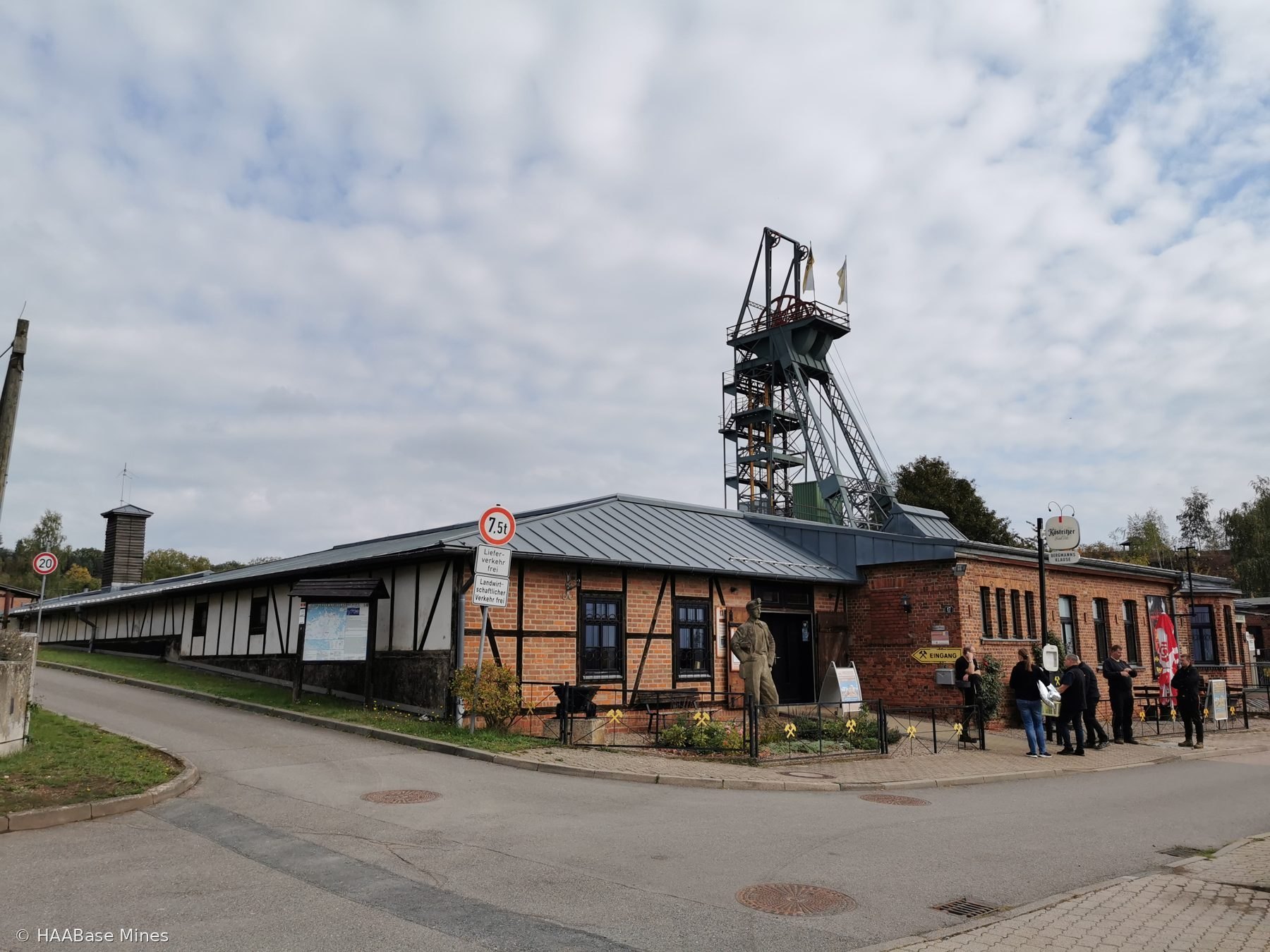
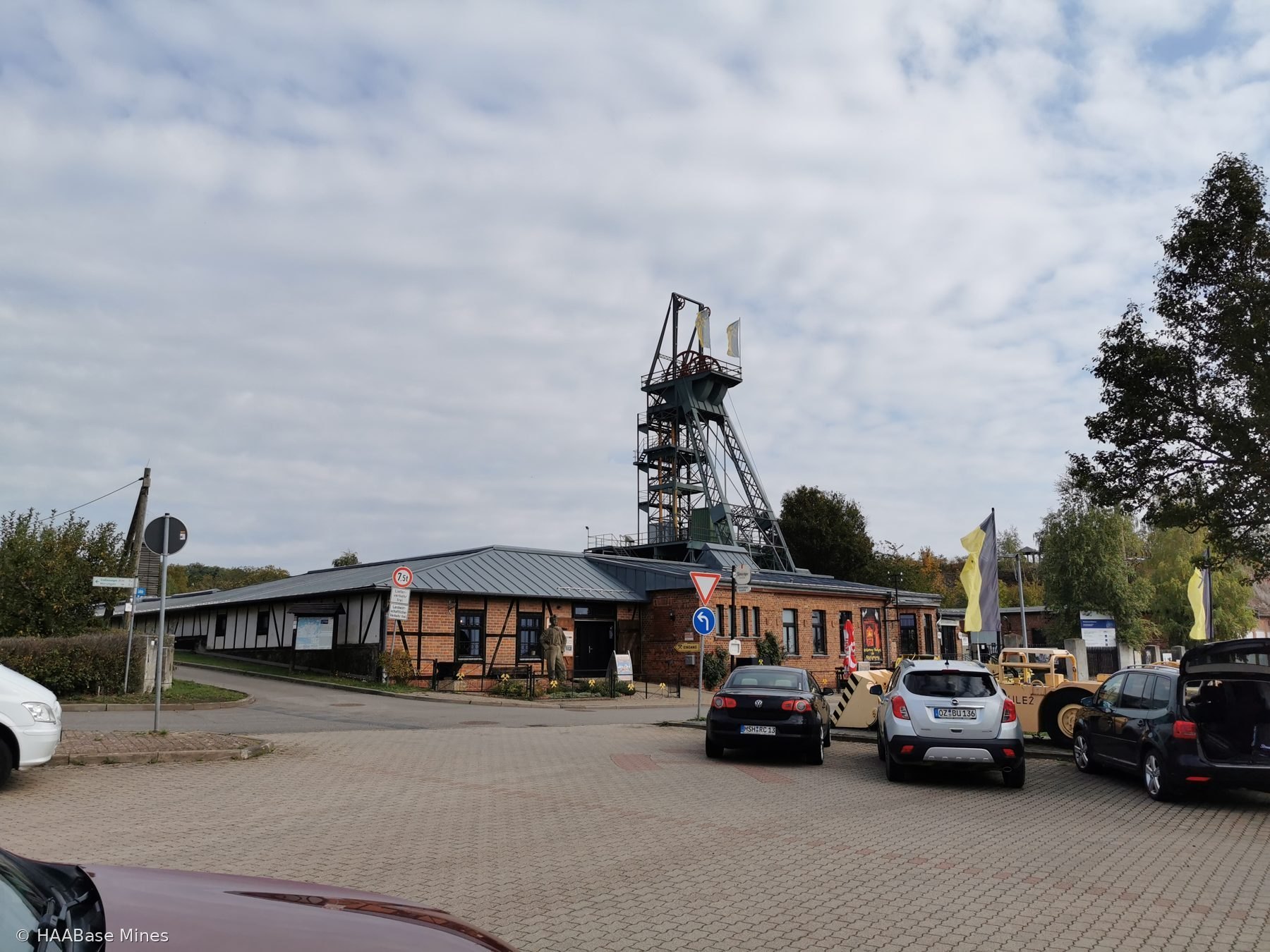
The site stands on the edge of a village in gently open surroundings, where the surviving headframe and buildings form a compact historic group within a wider agricultural landscape.

Map & photo

Bergwerk Wettelrode — Röhrigschacht mine headframe or winding tower site
Photograph taken: 28 September 2025
Map markers and directions links are provided for location reference only and do not indicate public access or permission to enter a site.

History

Copper shale has been mined in the Mansfeld Land and the Sangerhäuser Revier — the area around Eisleben, Mansfeld, Sangerhausen and Hettstedt — since around 1200. Within this district, which in its fullest extent contained over 1,270 shafts, the site at Wettelrode, north of Sangerhausen at the Steinberg, became the location of the Röhrigschacht. This was sunk from 1871 as the first shaft in the Sangerhausen area to be cut with a circular cross-section, with a diameter of 4.2 metres. By 1873 it had reached a depth of 162.5 metres and intersected the copper shale at the level of the Segen-Gottes-Stollen. Active copper shale extraction through the Röhrigschacht continued until 1885, after which the shaft was abandoned and remained out of use for decades.

In 1922 efforts began to revive copper shale mining in the Sangerhausen area, including the sinking of the Barbara-Schacht at Pölsfeld. As part of this reactivation phase, the steel headframe that had stood at the Freiesleben-Schächte near Leimbach, where it had been erected in 1884, was dismantled and relocated to the Röhrigschacht. This headframe, now the oldest operating steel headframe in Germany, became the structural landmark of the site. The reactivation phase of the 1920s involved primarily development and some limited extraction work. In 1930 the shaft was again placed out of active service, remaining idle until 1942.

In 1942 preparatory work began for the sinking of the Thomas-Münzer-Schacht in Sangerhausen, for which the Röhrigschacht was designated as a ventilation and escape shaft. Following the disruptions of the Second World War, underground operations connected with the Thomas-Münzer-Schacht project were resumed from 1947. A connection between the Röhrigschacht and the Thomas-Münzer-Schacht was driven from both ends and the breakthrough was achieved in 1951, between the third and fourth working levels. Following this connection, extraction began from working panels in the second level, in wings 1 and 2. Ore was raised through the Röhrigschacht. This phase of copper shale production through the Röhrigschacht continued until 1956, when it was discontinued. From 1956 until the end of active extraction in the Sangerhäuser Revier in 1990, the Röhrigschacht served exclusively as a ventilation and escape shaft. The underground connections to the Thomas-Münzer-Schacht were sealed with concrete plugs after the cessation of mining. The deeper mine workings were flooded in 1992.

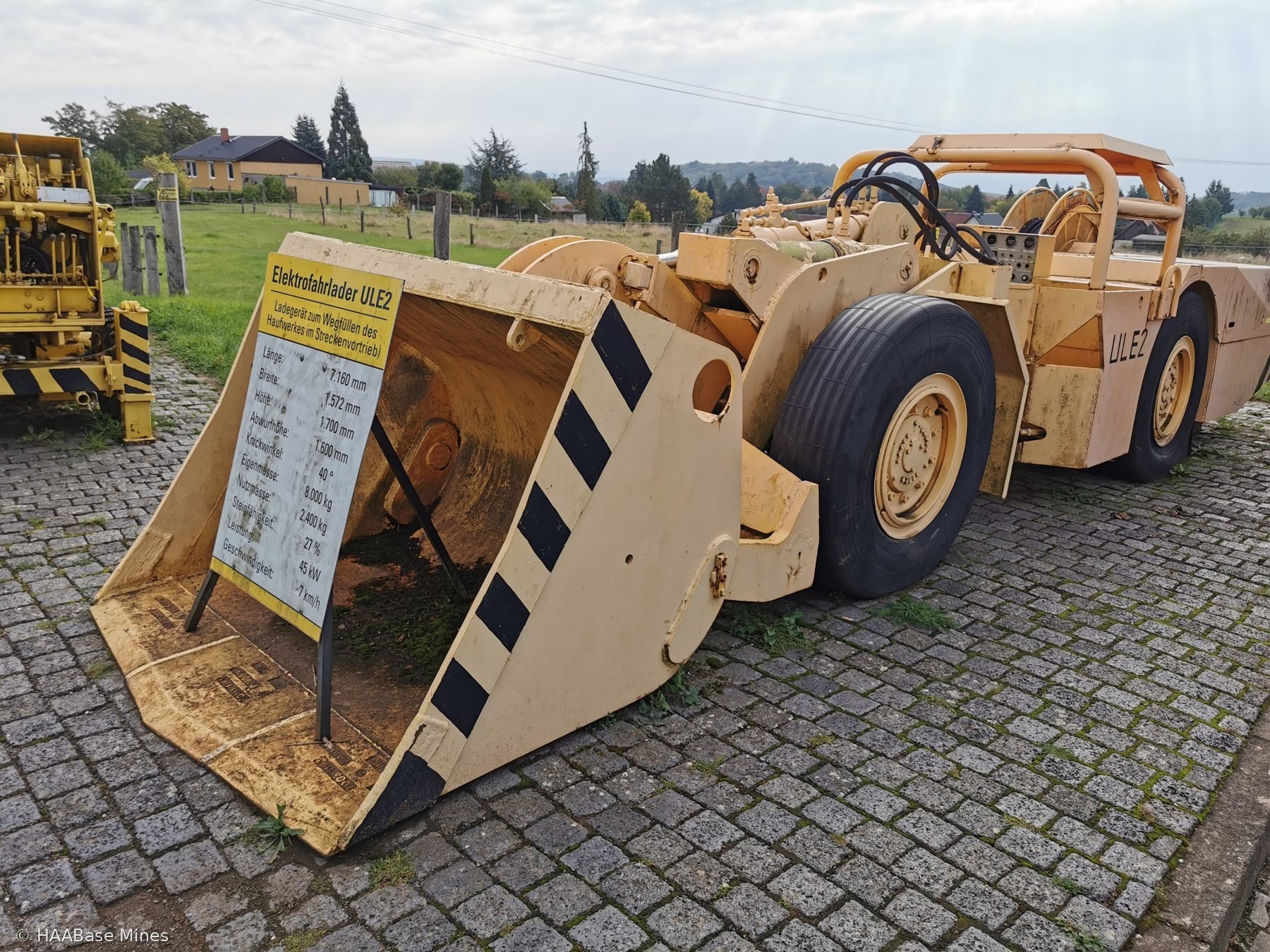
On 29 May 1987 the above-ground area of the Röhrigschacht was opened to the public as a mining museum, the Bergbaumuseum Wettelrode, while copper shale extraction was still being carried out nearby. The museum covers the 800-year history of copper shale mining in the Mansfelder and Sangerhäuser Revier, including geology, mineralogy, ore deposit formation, extraction and haulage technology, drilling and blasting, ventilation and mine rescue, and includes a 1922 drum winding machine among its exhibits. The museum is housed in the original colliery buildings.

Following the closure of the Sangerhäuser Revier in 1990 and the formal closure of the Röhrigschacht in 1991, the site was converted into a visitor mine. Since 1991 visitors have been taken 283 metres underground in the original winding cage using the original winding equipment. A mine railway then covers approximately 1,000 metres to a nineteenth-century working area where the development of copper shale extraction from the medieval period to the modern era is presented in place. The narrow working heights of 40 and 80 centimetres illustrate the extreme physical conditions under which copper shale miners worked. From 1993 a mining trail, the Bergbaulehrpfad Wettelrode, has been maintained around the site, using information boards to guide visitors along two circular routes through the landscape of historical copper shale mining in the Sangerhausen area. The ErlebnisZentrum Bergbau Röhrigschacht Wettelrode, as the complex is now known, is open year-round and receives approximately 25,000 visitors annually. It is one of the most important testimonies to industrial culture in Saxony-Anhalt.
Timeline

1871–1873
Construction

Röhrigschacht sunk; copper shale reached at 162.5 metres

The Röhrigschacht was sunk from 1871, cut with a circular cross-section of 4.2 metres diameter — the first such shaft in the Sangerhausen area. By 1873 it had reached 162.5 metres depth and intersected the copper shale at the level of the Segen-Gottes-Stollen.
1873–1885
Operation

Active copper shale extraction through Röhrigschacht

Copper shale was extracted through the Röhrigschacht from 1873 until 1885, when the shaft was placed out of service.
1884
Construction

Steel headframe manufactured and erected at Freiesleben-Schächte, Leimbach

The steel headframe now standing at the Röhrigschacht was originally erected in 1884 at the Freiesleben-Schächte near Leimbach. It is the oldest steel headframe in Germany still in operation.
1885–1922
Closure

Shaft idle after first closure

The Röhrigschacht was abandoned in 1885 and remained out of use until 1922.
1922
Construction

Shaft reactivated; headframe relocated from Leimbach

Reactivation of copper shale mining in the Sangerhausen area began in 1922. The 1884 steel headframe from the Freiesleben-Schächte at Leimbach was dismantled and relocated to the Röhrigschacht during this period.
1930–1942
Closure

Second period of inactivity

The Röhrigschacht was again placed out of active service in 1930 and remained idle until 1942.
1942
Construction

Preparatory works begin for Thomas-Münzer-Schacht; Röhrigschacht designated as ventilation and escape shaft

In 1942 preparatory work began for the sinking of the Thomas-Münzer-Schacht in Sangerhausen. The Röhrigschacht was designated as the ventilation and escape shaft for the new operation.
1947–1951
Construction

Underground connection driven to Thomas-Münzer-Schacht; breakthrough 1951

From 1947 development work was resumed. Headings were driven from both the Röhrigschacht and the Thomas-Münzer-Schacht, and the breakthrough between the third and fourth levels was achieved in 1951.
1951–1956
Operation

Copper shale extraction through Röhrigschacht; production discontinued 1956

Following the breakthrough connection, copper shale extraction began from the second level, raising ore through the Röhrigschacht. Production through the shaft was discontinued in 1956, after which it served only as a ventilation and escape shaft.
1987
Heritage

Above-ground mining museum opened

On 29 May 1987, while copper shale extraction was still ongoing in the broader Sangerhäuser Revier, the above-ground mining museum at the Röhrigschacht was opened to the public. It presents the 800-year history of copper shale mining in the Mansfelder and Sangerhäuser Revier.
1990
Closure

Copper shale extraction in Sangerhäuser Revier ends

Active copper shale extraction in the Sangerhäuser Revier was discontinued in 1990, ending the mining tradition that had lasted from around 1200. The deeper mine workings were flooded in 1992 after the underground connections were sealed.
1991
Heritage

Underground visitor mine opened

Following the closure of the mine in 1991, the underground visitor mine was opened. Visitors descend 283 metres in the original winding cage using the original winding equipment, then travel approximately 1,000 metres by mine railway to a nineteenth-century working area.
1993
Redevelopment

Bergbaulehrpfad Wettelrode established

From 1993 a mining trail (Bergbaulehrpfad) has been maintained around the site, guiding visitors along two circular routes through the landscape of historical copper shale mining in the Sangerhausen area.

Sources and records

English Wikipedia article: Röhrigschacht
Kupferspuren.eu: Bergbau-Museum Röhrigschacht in Wettelrode – detailed shaft history
Harzlife.de: Bergbaumuseum und Schaubergwerk Röhrigschacht Wettelrode
Kunststiftung des Landes Sachsen-Anhalt: ErlebnisZentrum Bergbau Röhrigschacht Wettelrode
ErlebnisZentrum Bergbau Röhrigschacht official website
ERIH: Schaubergwerk und Bergbaumuseum Röhrigschacht Wettelrode
Mansfeld-Südharz Tourismus: Röhrigschacht Wettelrode
Gemeinde Südharz: Erlebniszentrum Bergbau Röhrigschacht Wettelrode
This researched site record is part of the HAABase Mines database. Normal personal research and browsing is welcome. Automated bulk extraction, republication, or harvesting of site text and images is not permitted without written consent.