The history of coal mining at Ahlen predates the colliery itself: strontianite had been extracted from 1873 by the engineer Max Fleischer and experienced miners were already present in the town when the Gewerkschaft Westfalen began its first exploratory borings in February 1900. Suchbohrungen in the area of the Bauerschaft Rosendahl in 1901 confirmed the presence of workable coal deposits, and between 1901 and 1907 a further 33 deep boreholes were sunk to characterise the field. On 1 February 1909 shaft-sinking of Schächte 1 and 2 began simultaneously, with supporting infrastructure — the colliery railway, road connections, and a brickworks to supply building materials — constructed at the same time.
Schacht 1 reached a depth of 1,087 metres and Schacht 2 a depth of 1,052 metres in 1911, intersecting nine coal seams with thicknesses of between 0.7 and 1.75 metres. At that time no other colliery in Germany had shafts of comparable depth. The two shafts were interconnected at 517 metres for water management purposes.
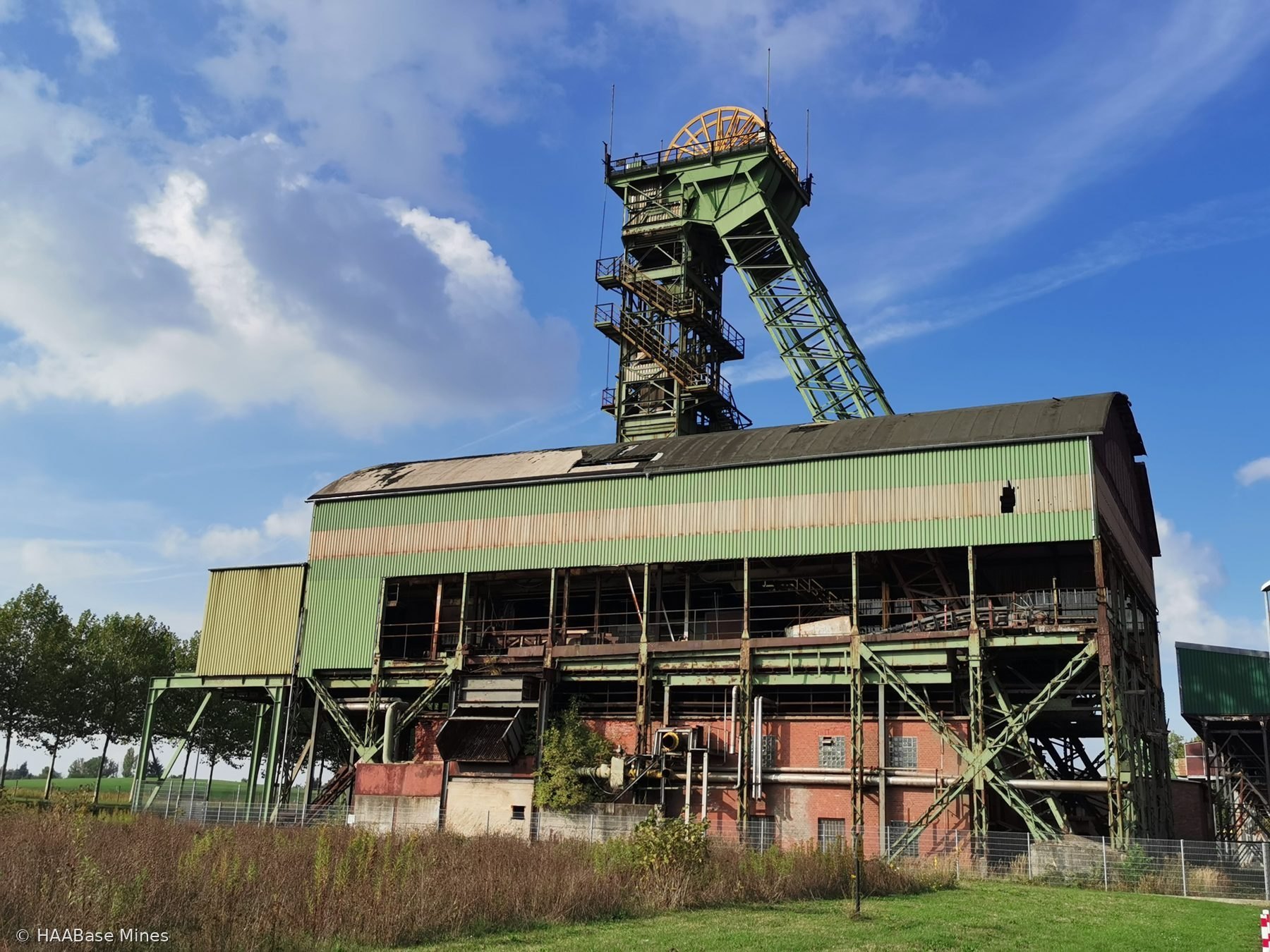
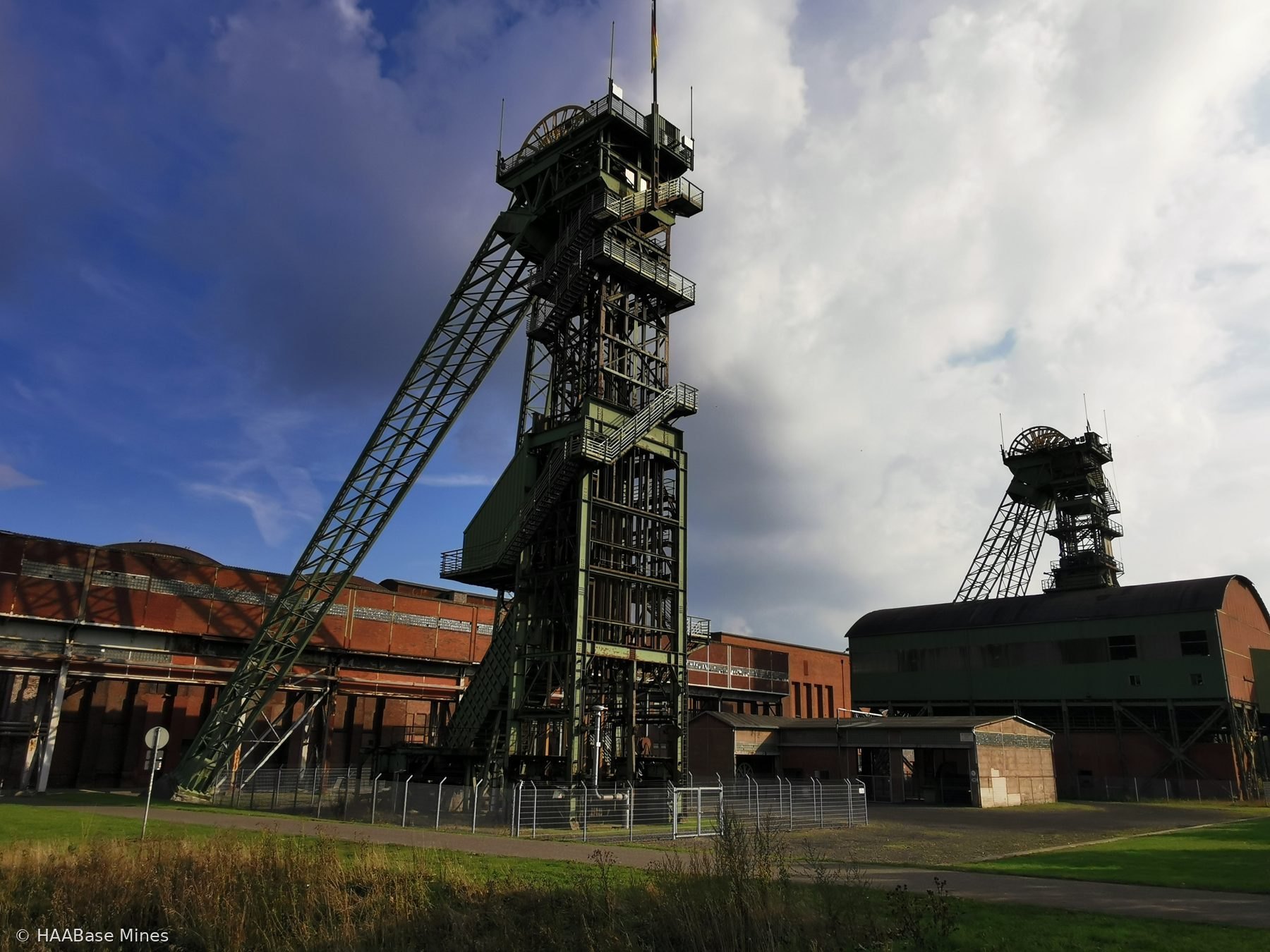
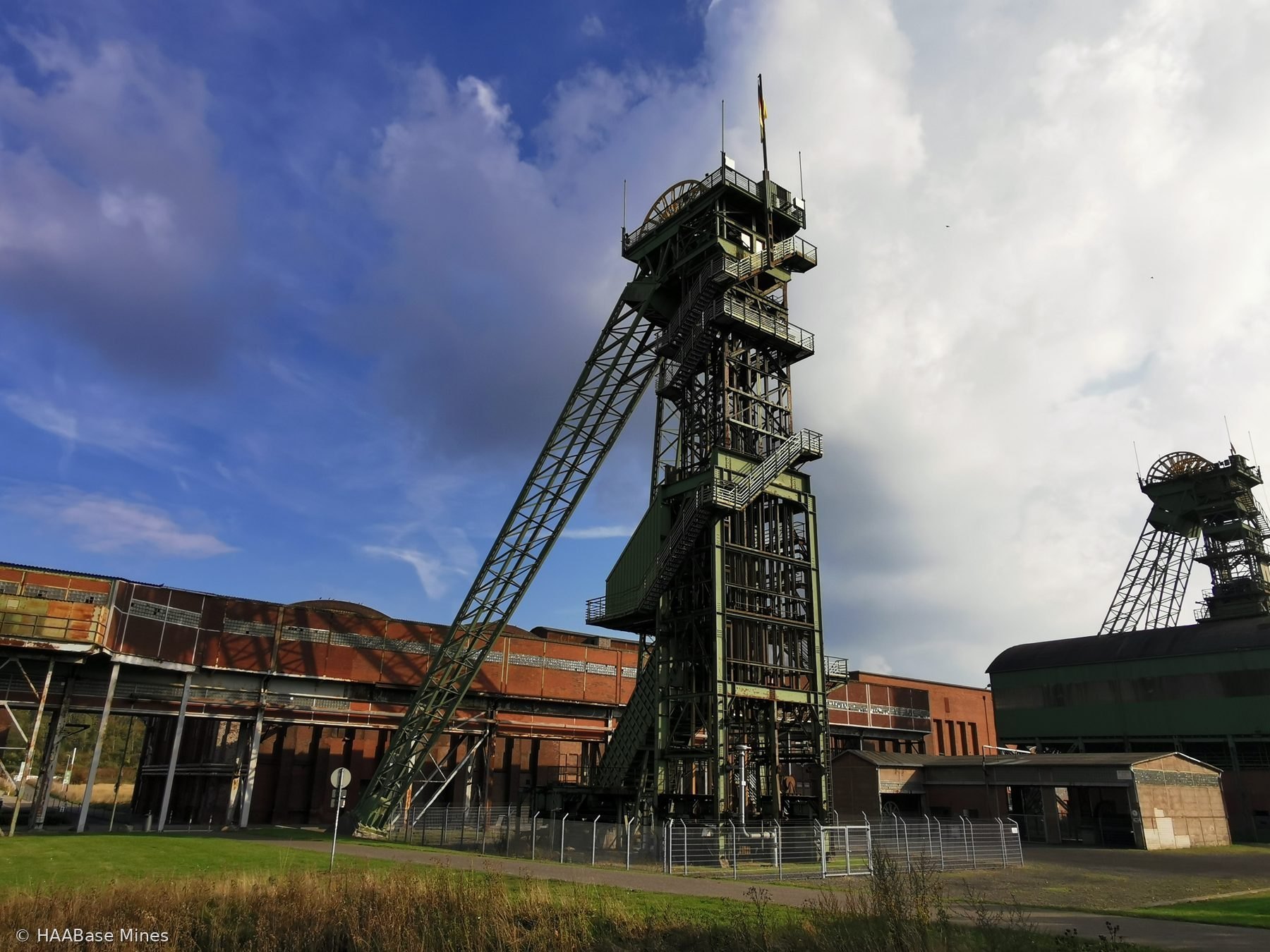
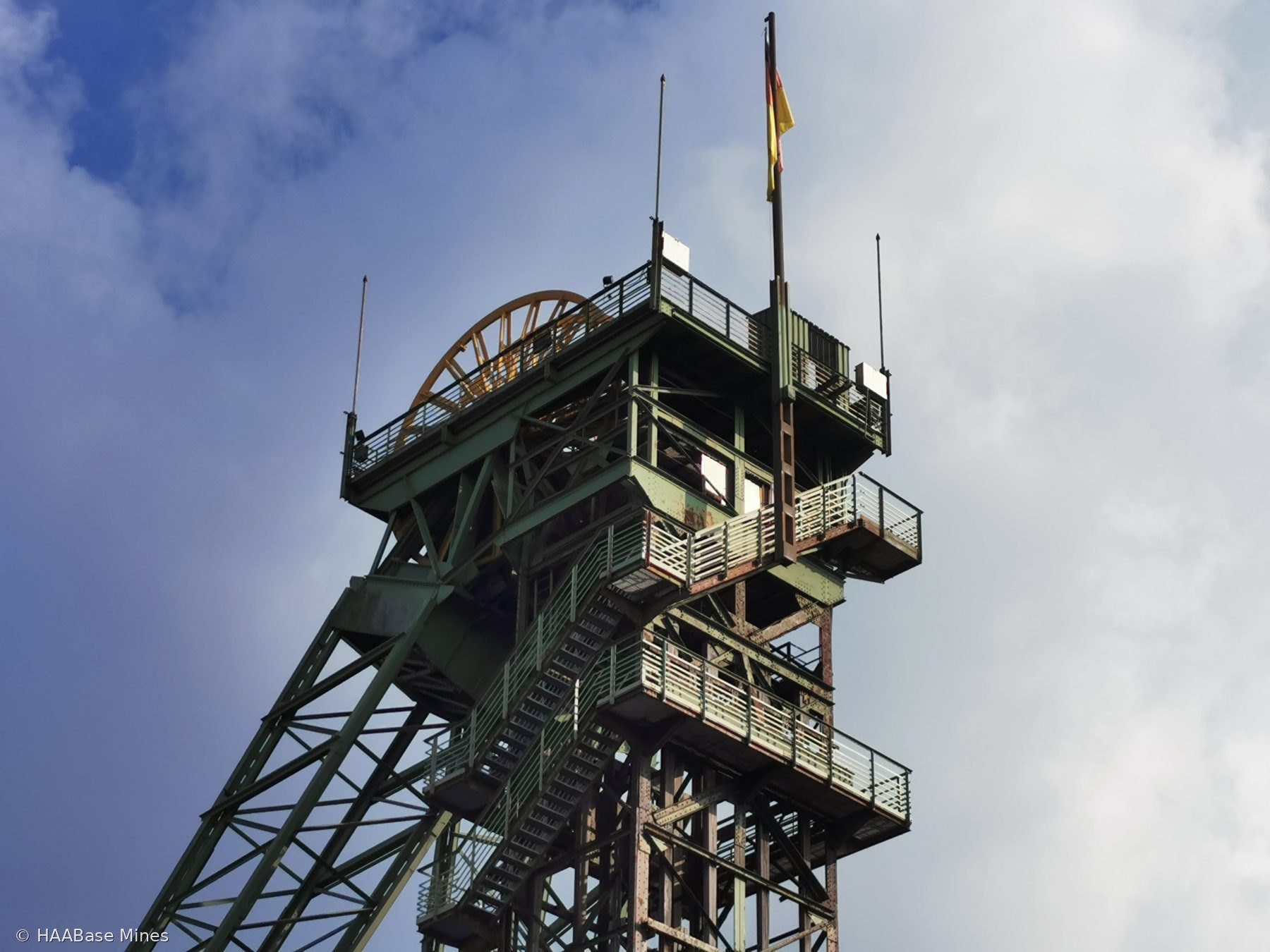
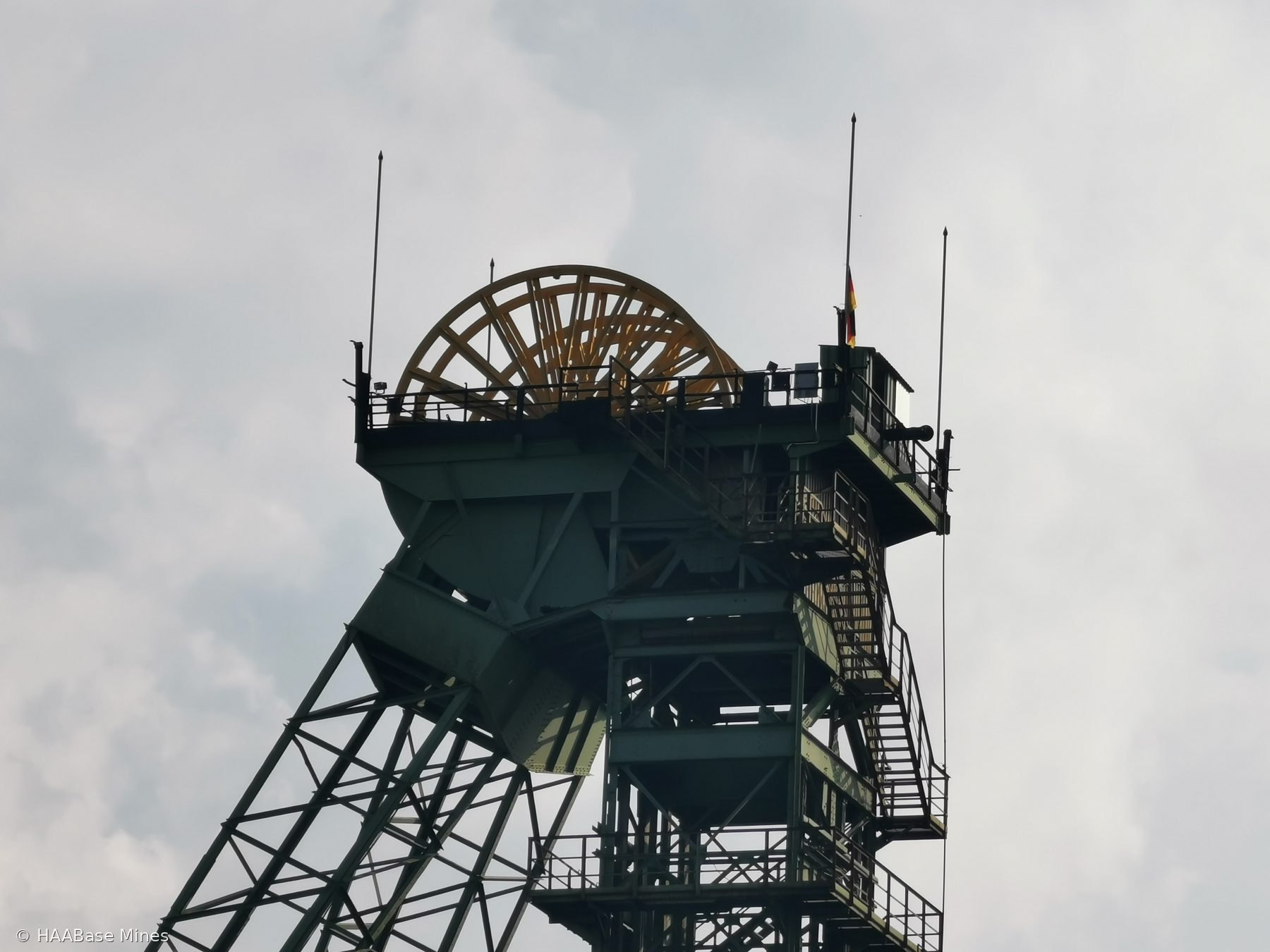
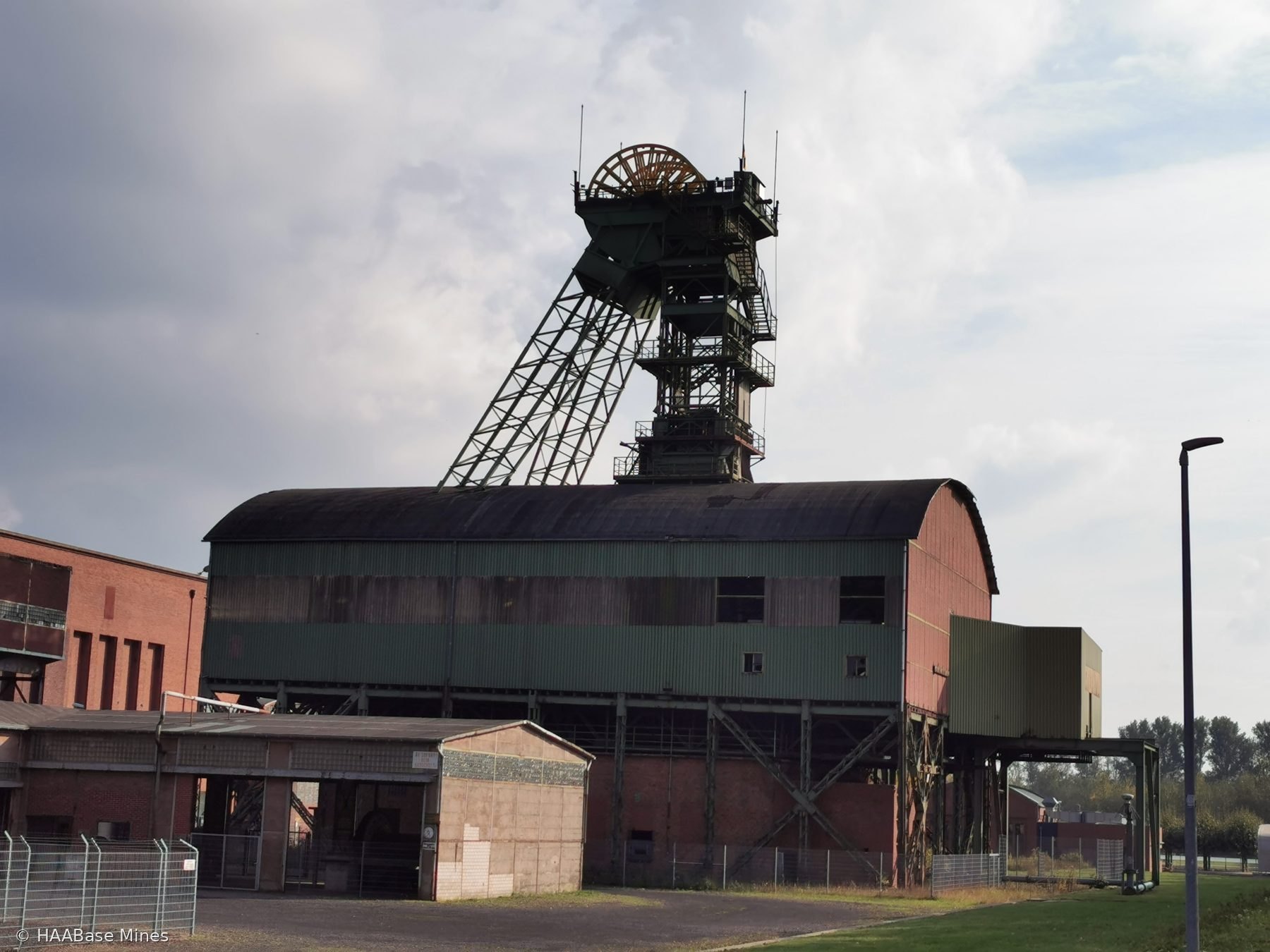
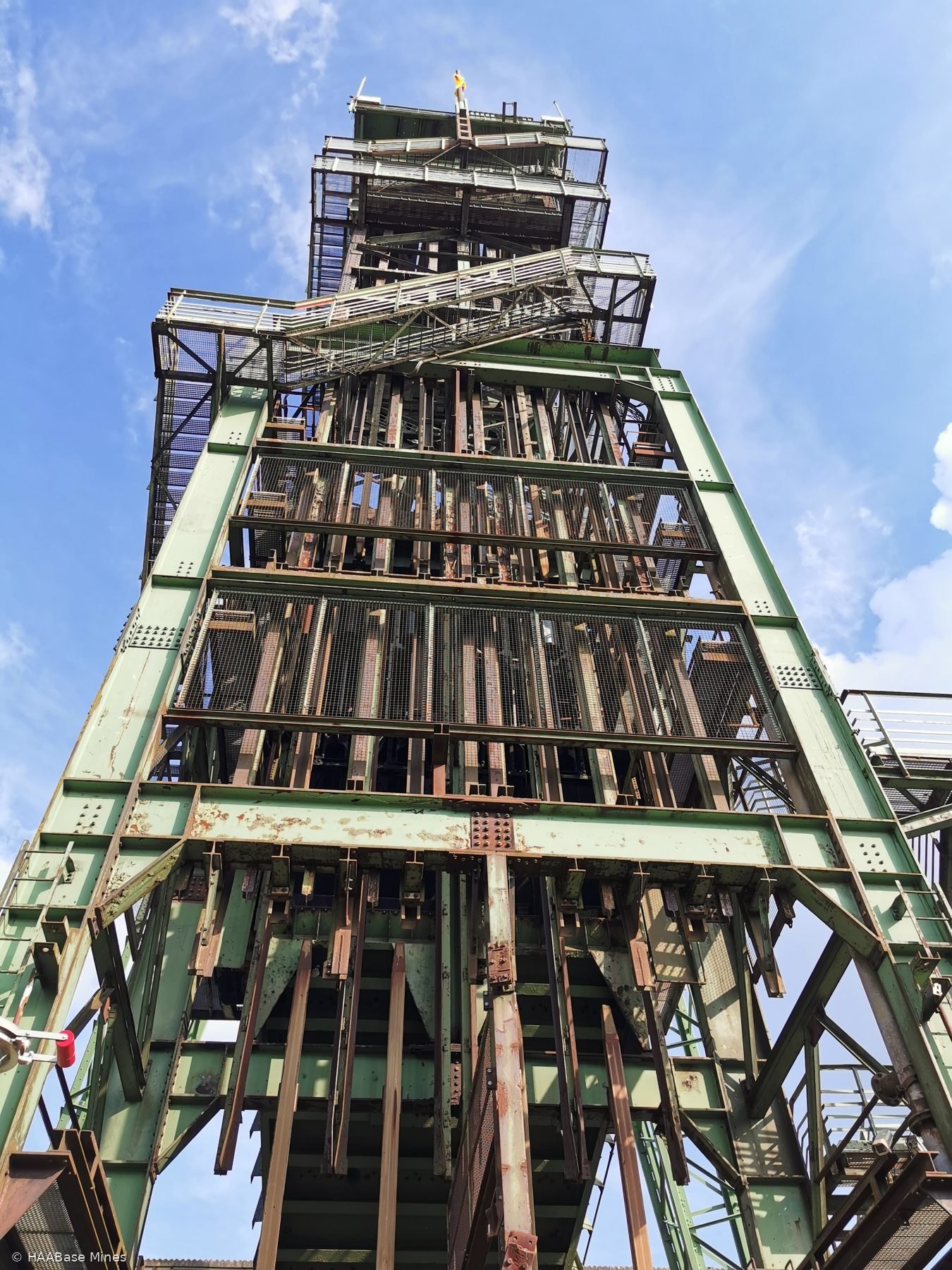
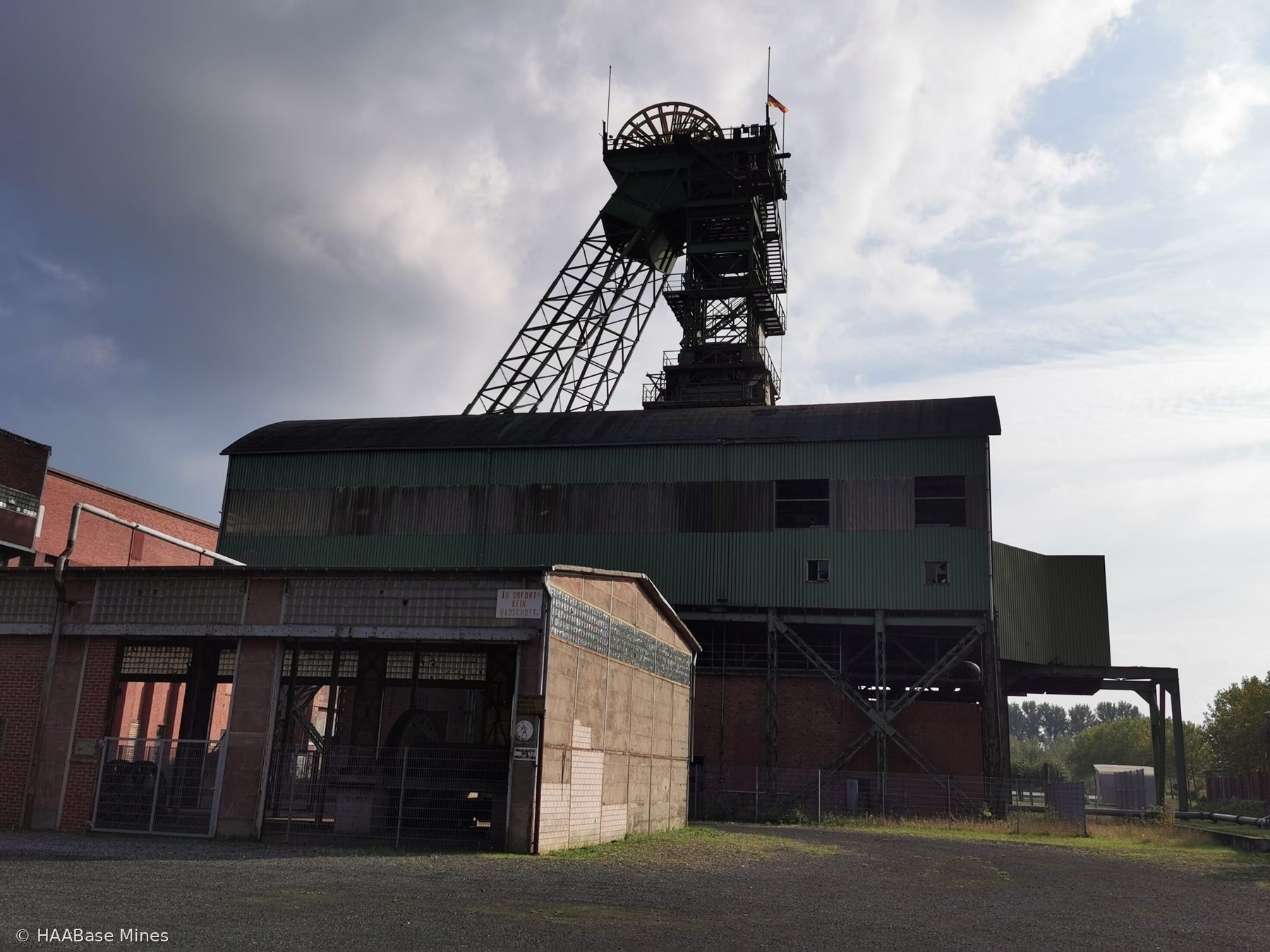
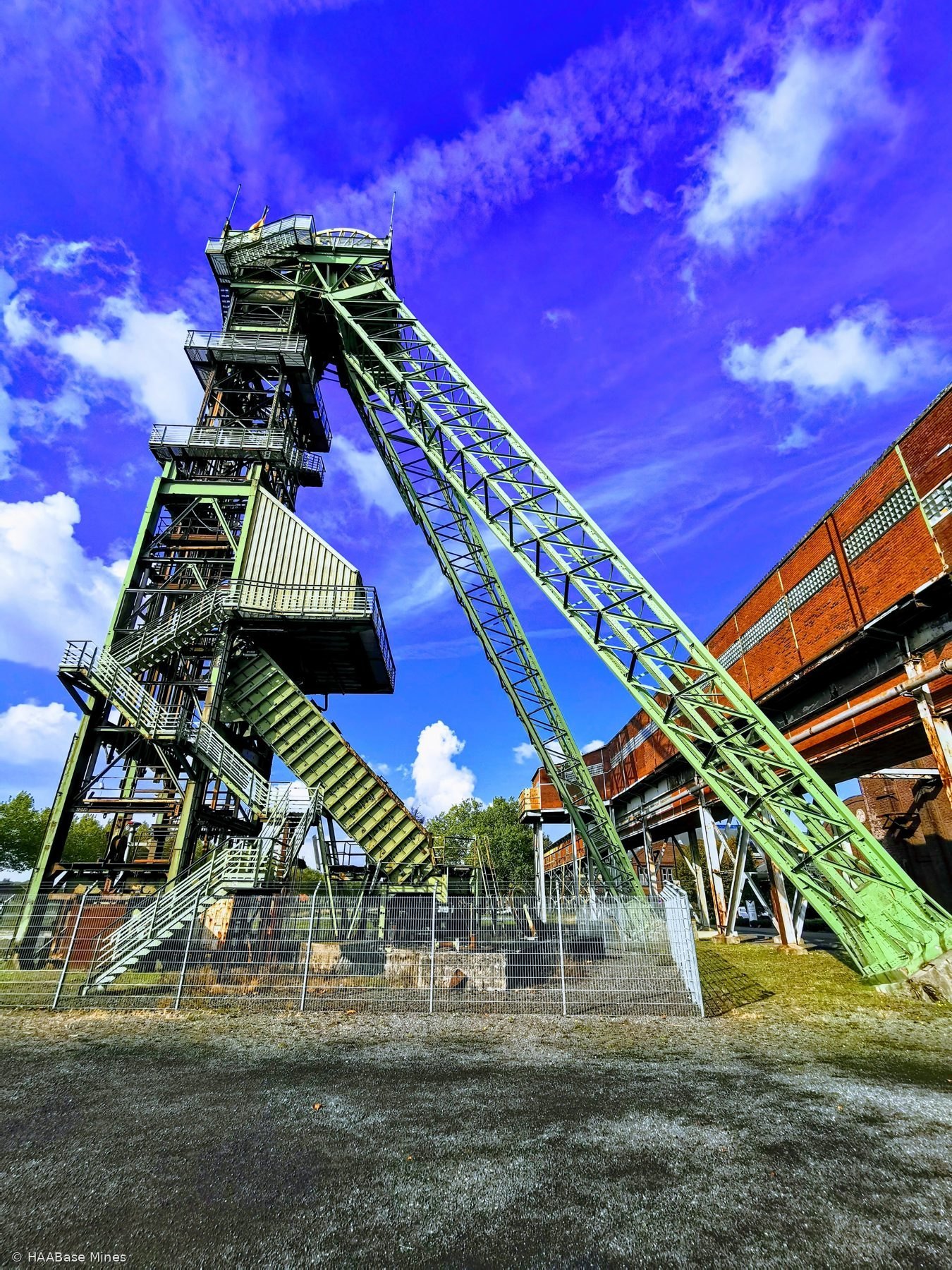
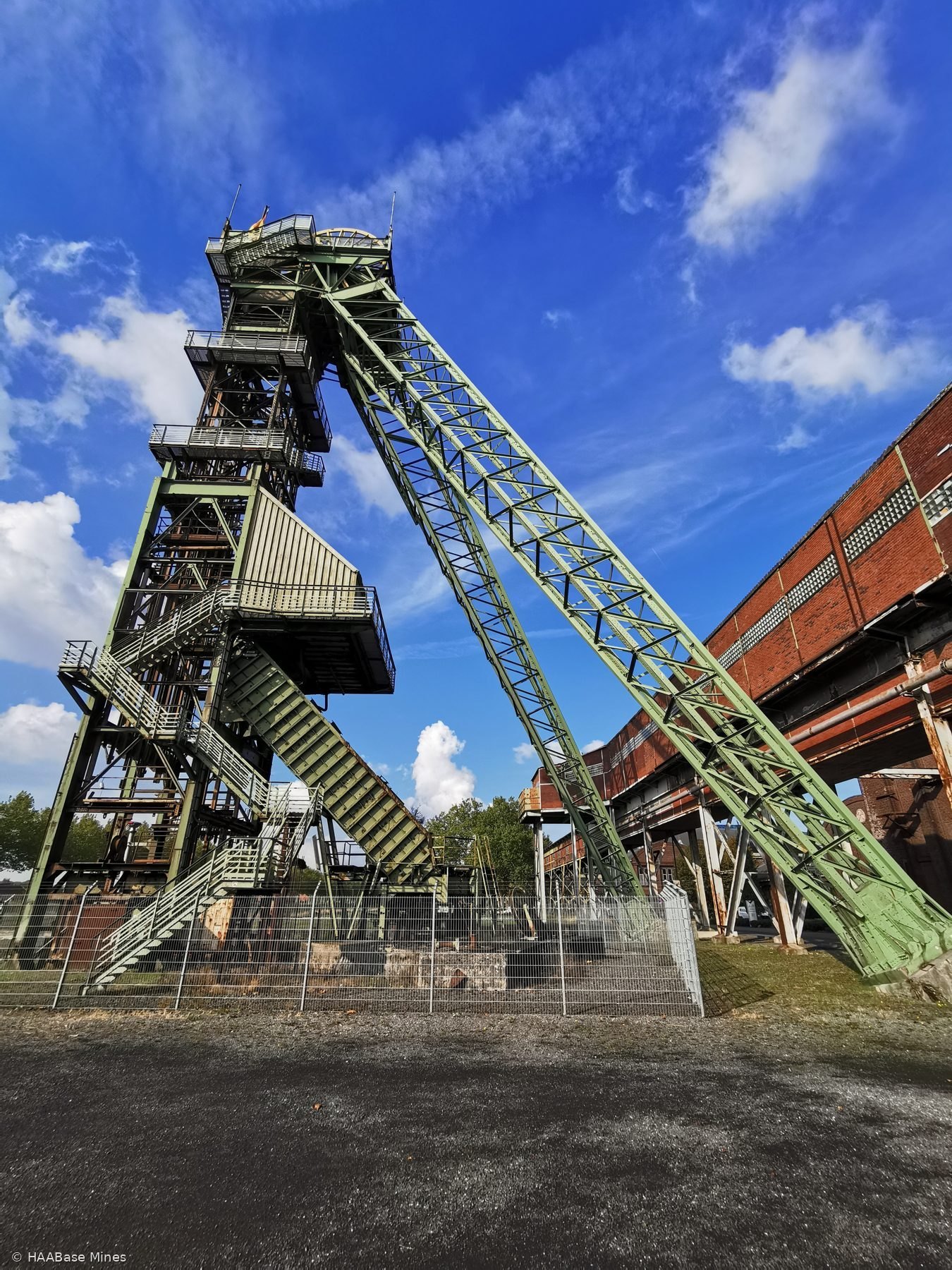
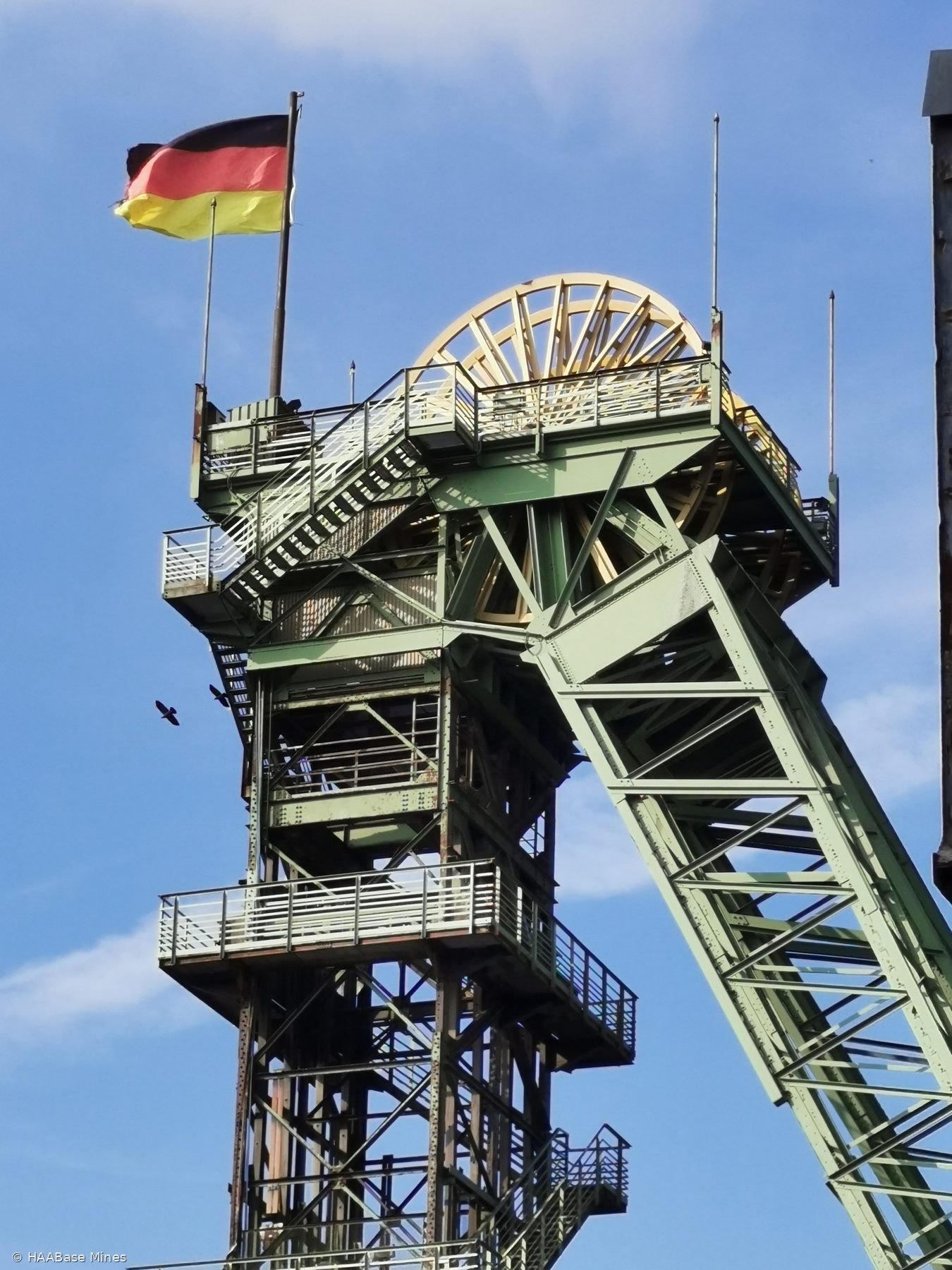
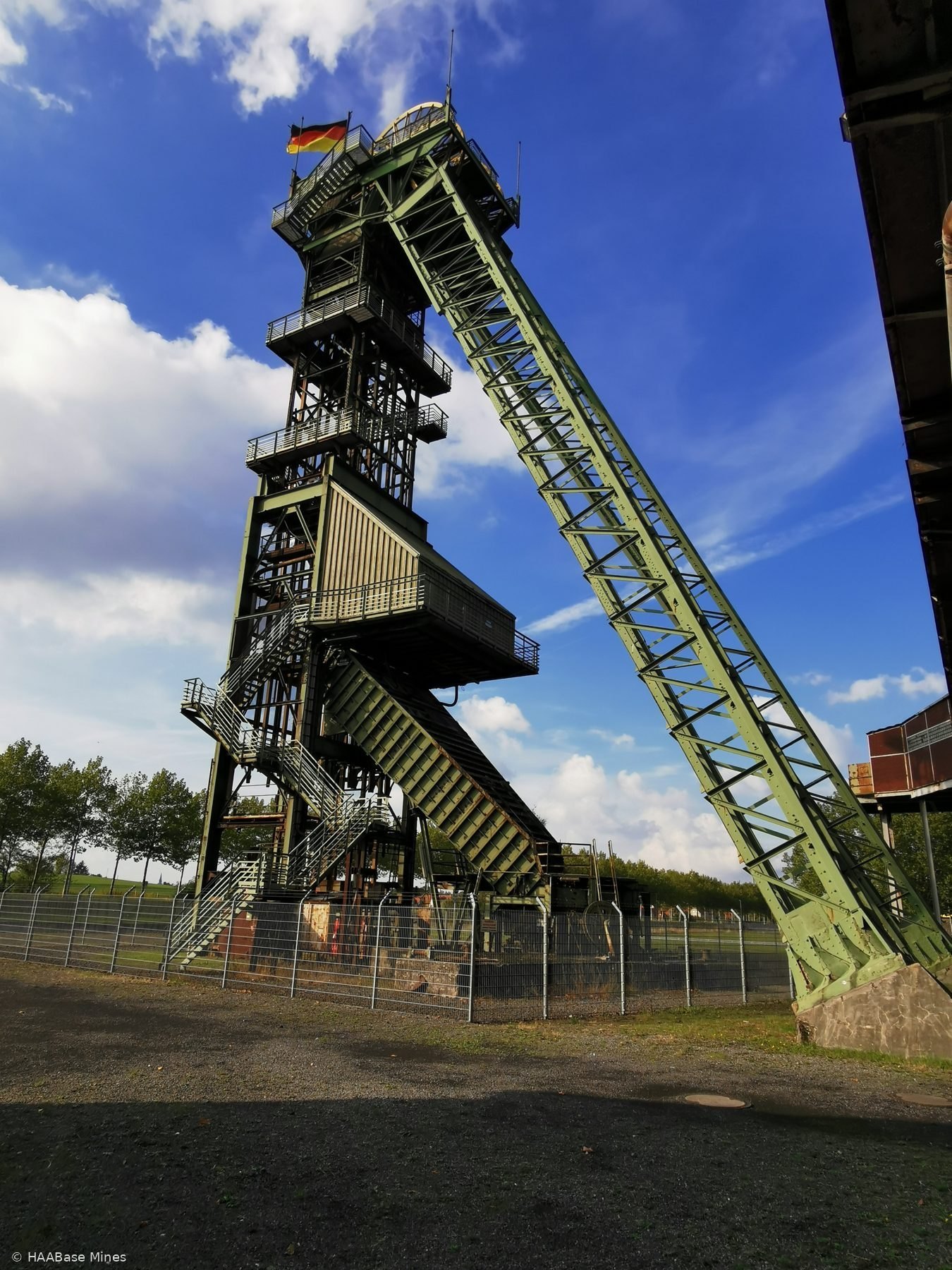
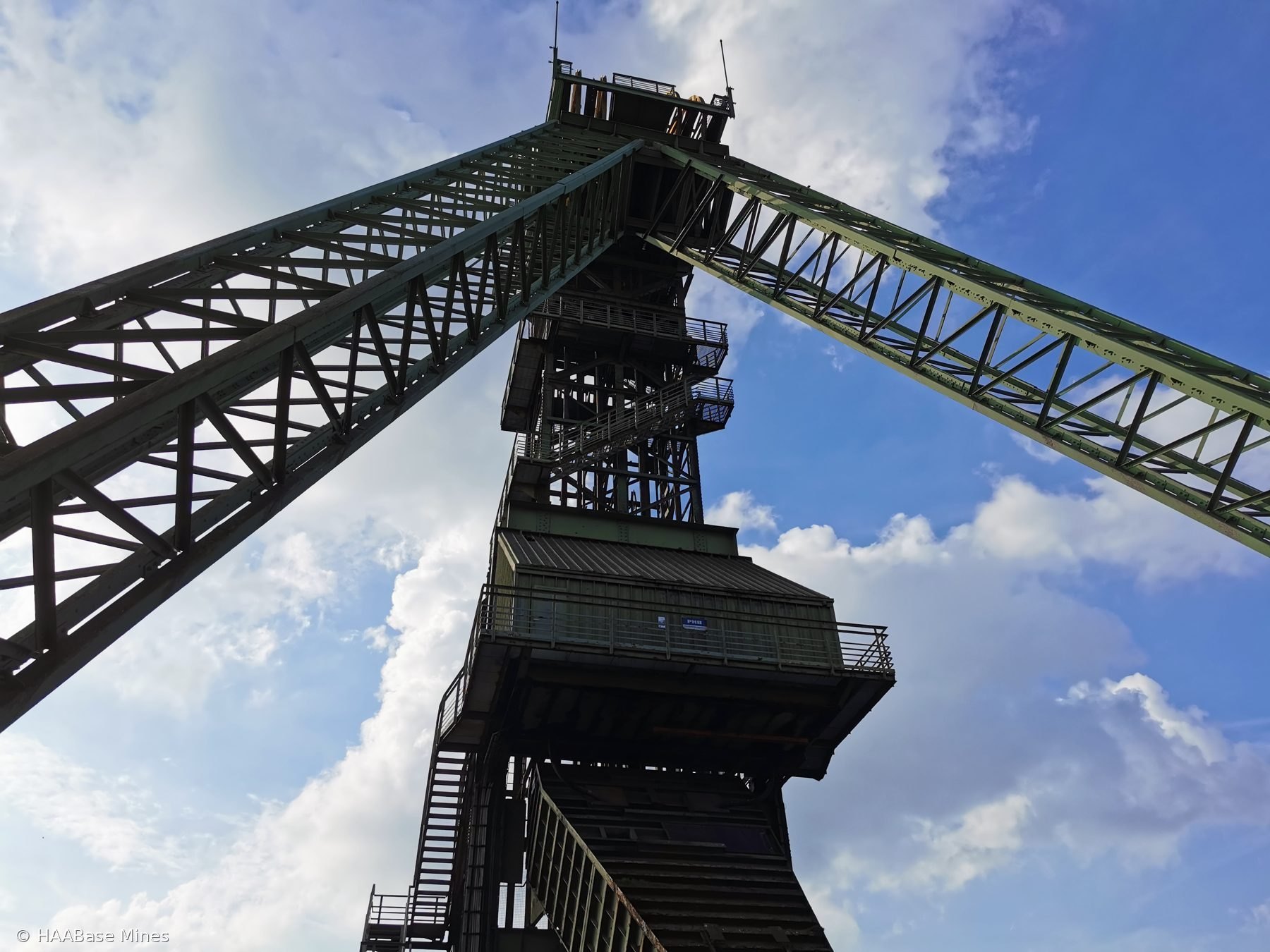
The first coal was raised on 5 March 1913. The colliery Kokerei Westfalen was commissioned in January 1914. The surface headframes at Schächte 1 and 2 are German Strebengerüste (braced lattice frames) of the Zschetschke design.
In 1920 a catastrophic accident occurred on 16 November when the hoisting rope of Schacht 2 snapped; all 14 men in the cage fell to their deaths. The worst annual output was achieved in 1927 at approximately 838,903 tonnes, and the highest recorded workforce was 3,664 miners in the same year. Subsequent economic crises, including the effects of the global depression from 1929, led to significant workforce reductions.
In 1923 the colliery established its first voluntary works fire brigade. In 1927 a commercial society, the Handelsgesellschaft Westfalen, was established at Glückaufplatz. The Deutsche Continental-Gas-Gesellschaft (DCGG) acquired the colliery from 1927 and supplied gas to several local towns including Ahlen, Beckum, and Soest.
From 1936 the sinking of Schacht 3, called Magdeburg, began; Schacht 4 followed in December 1940, reaching its final depth of 855 metres in 1943 and entering operation in October 1944. Wartime production employed foreign workers and prisoners of war. On 23 March 1944 an Allied air raid dropped approximately 1,000 bombs on the colliery and the adjacent workers' settlement, destroying large parts of the surface plant; headframes and winding machines nonetheless survived largely intact, and production and sales of raw coal continued.
On 31 March 1945 American forces occupied Ahlen and the colliery; production was temporarily halted but resumed by late April. In 1946 major flooding from the nearby Werse river caused severe damage, forcing the temporary shutdown of the active coke oven battery. The river course was subsequently re-aligned to prevent further flooding.
In 1951 Wilhelm Wilmerstadt was appointed director. Shaft-sinking for Schacht 5 began in October 1953. From April 1956 Schacht 2 was deepened, reaching a final depth of 1,233.6 metres in May 1957.
In September 1962 sinking of Schacht 6 commenced to open additional coal fields, and the shaft was commissioned in May 1966. On 27 November 1968 the Ruhrkohle AG (RAG) was founded and acquired most Ruhr collieries, but the Steinkohlenbergwerk Westfalen AG sold the colliery to the Eschweiler Bergwerks-Verein (EBV) in 1969. The EBV, linked to the Luxembourg steel group ARBED, used Westfalen to supply coking coal to steelworks in the Saar, Luxembourg, and Lorraine, with over half of production going to the steel industry.
The kranbühnen (crane platforms) on the Schächte 1 and 2 headframes were dismantled during modernisation work in 1975. From 1974 to 1979, to open the Nordfeld, Schacht 7 was sunk in what is now Hamm-Heessen; its headframe, designed by the architect Fritz Eller, stood only 26 metres high to comply with landscape protection requirements. Schacht 7 was commissioned as a ventilation shaft in 1981 and also served as a manriding and material shaft from 1983.
A major steel industry crisis in 1981–82 depressed sales, and the EBV required state assistance. Schacht 5 was demolished in 1986 following its shutdown along with Schacht 3, both of which had operated only to a limited degree due to high water inflows and geological difficulties. The colliery's full transfer to RAG ownership was completed on 1 July 1993.
In November 1991 RAG had announced the closure of Bergwerk Westfalen for 1999. Shaft sites 3, 4, and 5 were demolished by 1994. The training operation was closed in 1995.
The Kokerei and Kohlenwäsche were demolished; the spectacular demolition of the Kohlenwäsche on 5 November 2003 drew wide public attention. Coal production ceased on 30 June 2000, and Schächte 1, 2, 6, and 7 were backfilled in 2001. The surface buildings at Schacht 6 were demolished.
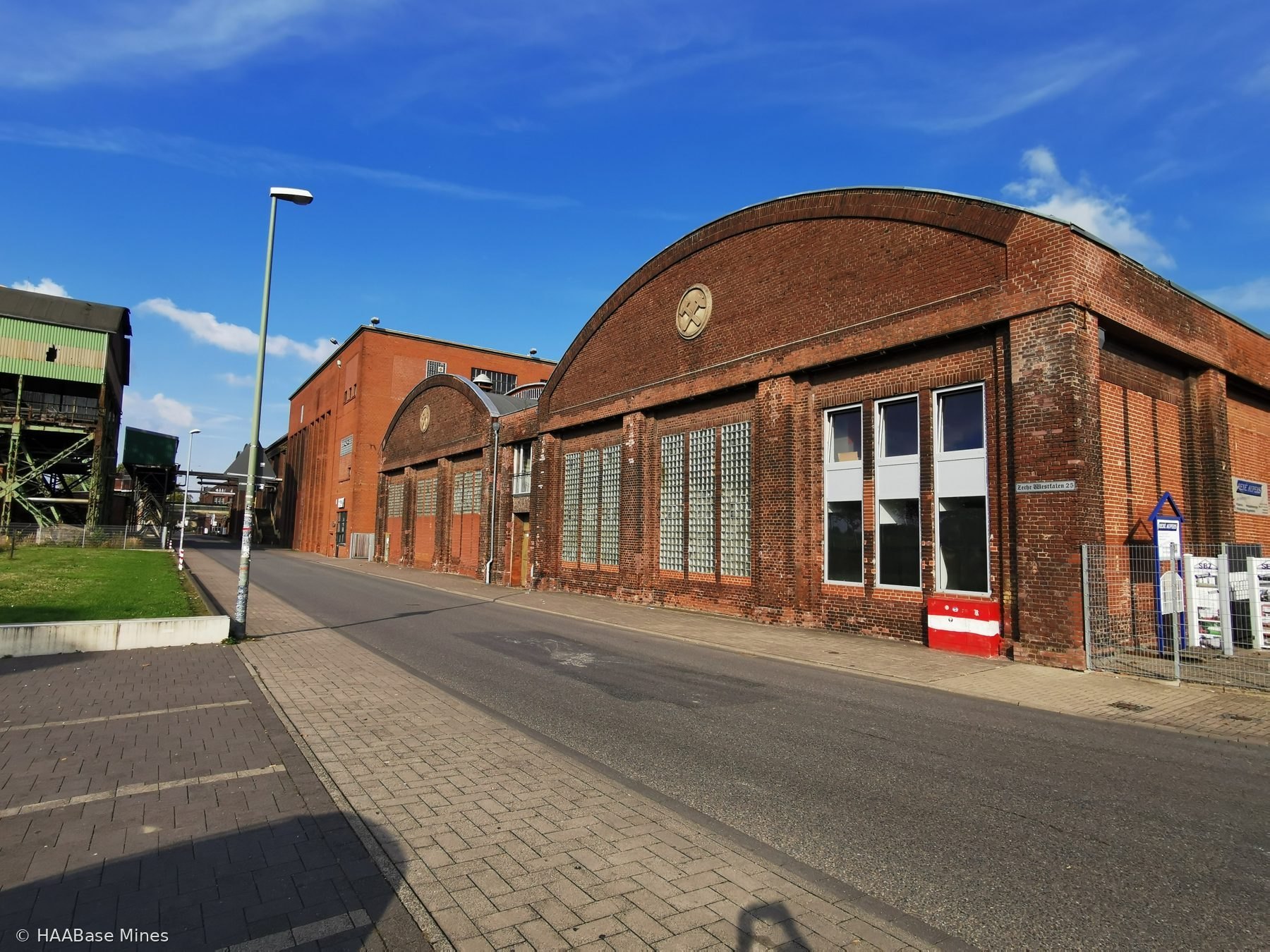
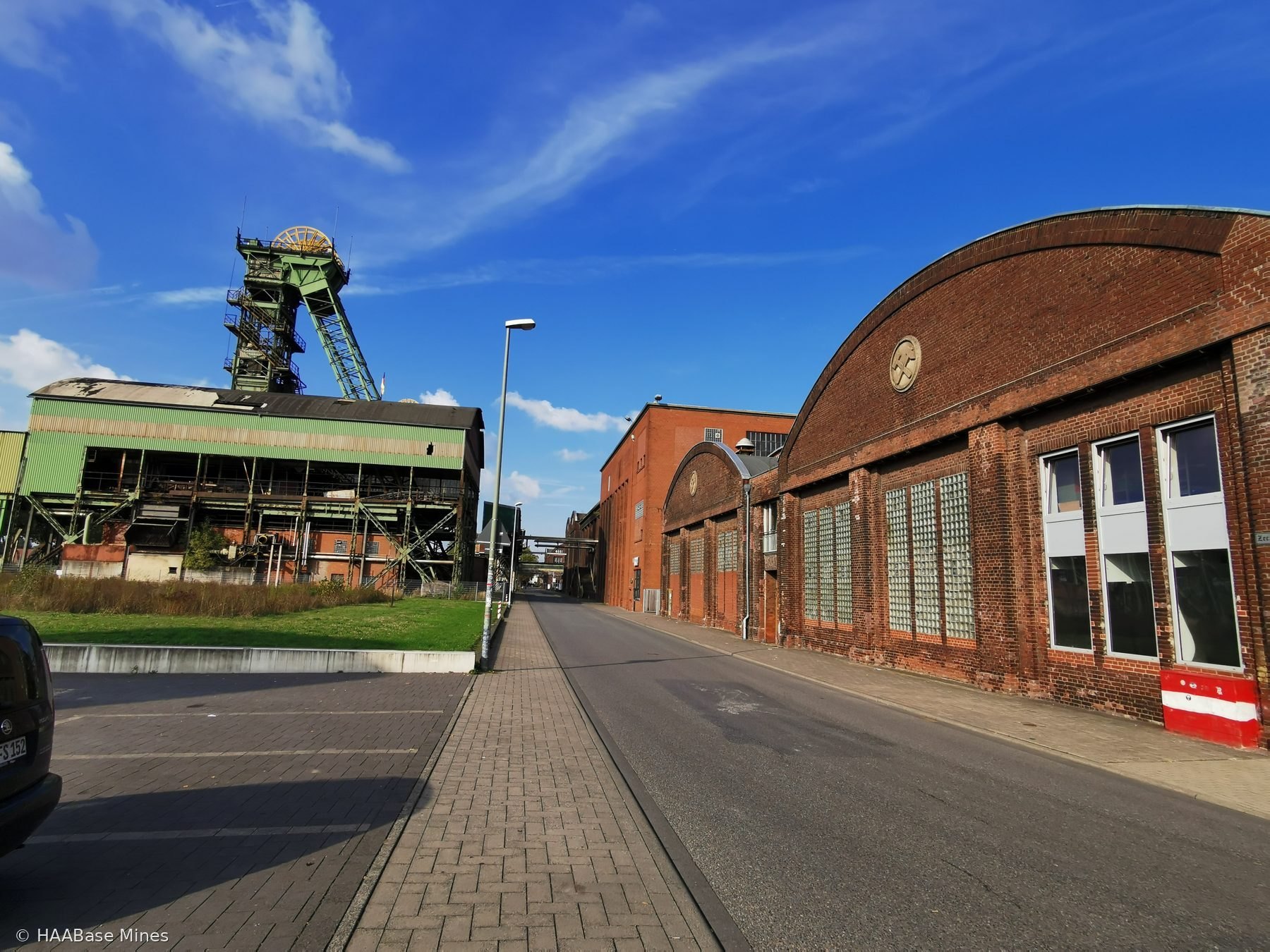
Schacht 7's headframe was demolished by explosive demolition on 29 January 2011; the site was subsequently backfilled to a depth of two metres and designated for reforestation. The 8.5-kilometre colliery harbour railway to the company's own wharf on the Datteln-Hamm-Kanal was converted into a cycling and walking path. The main Schacht 1/2 complex was identified as partially worth preserving; the two headframes, the Lohnhalle, Weißkaue, and selected other buildings were retained.
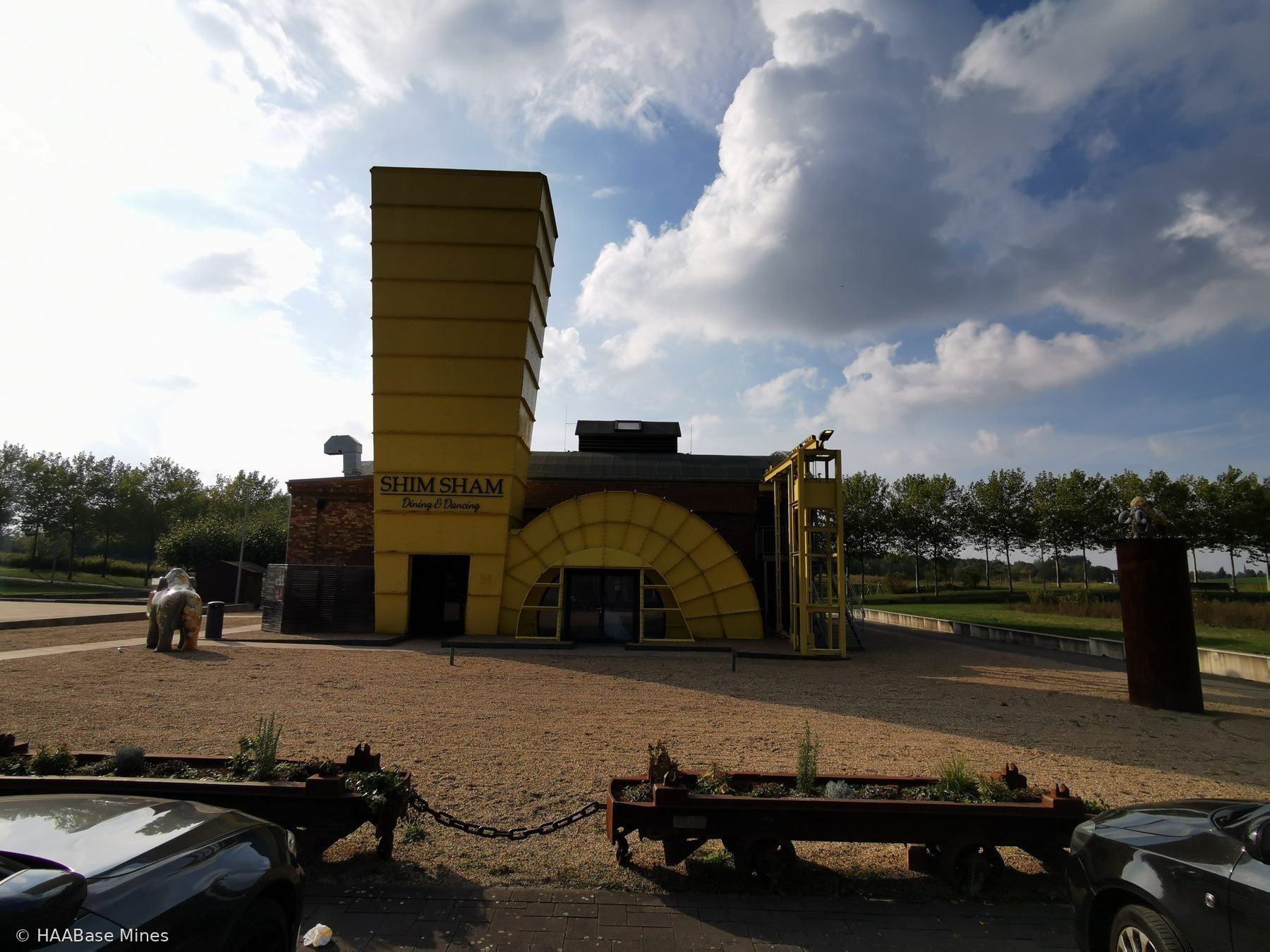
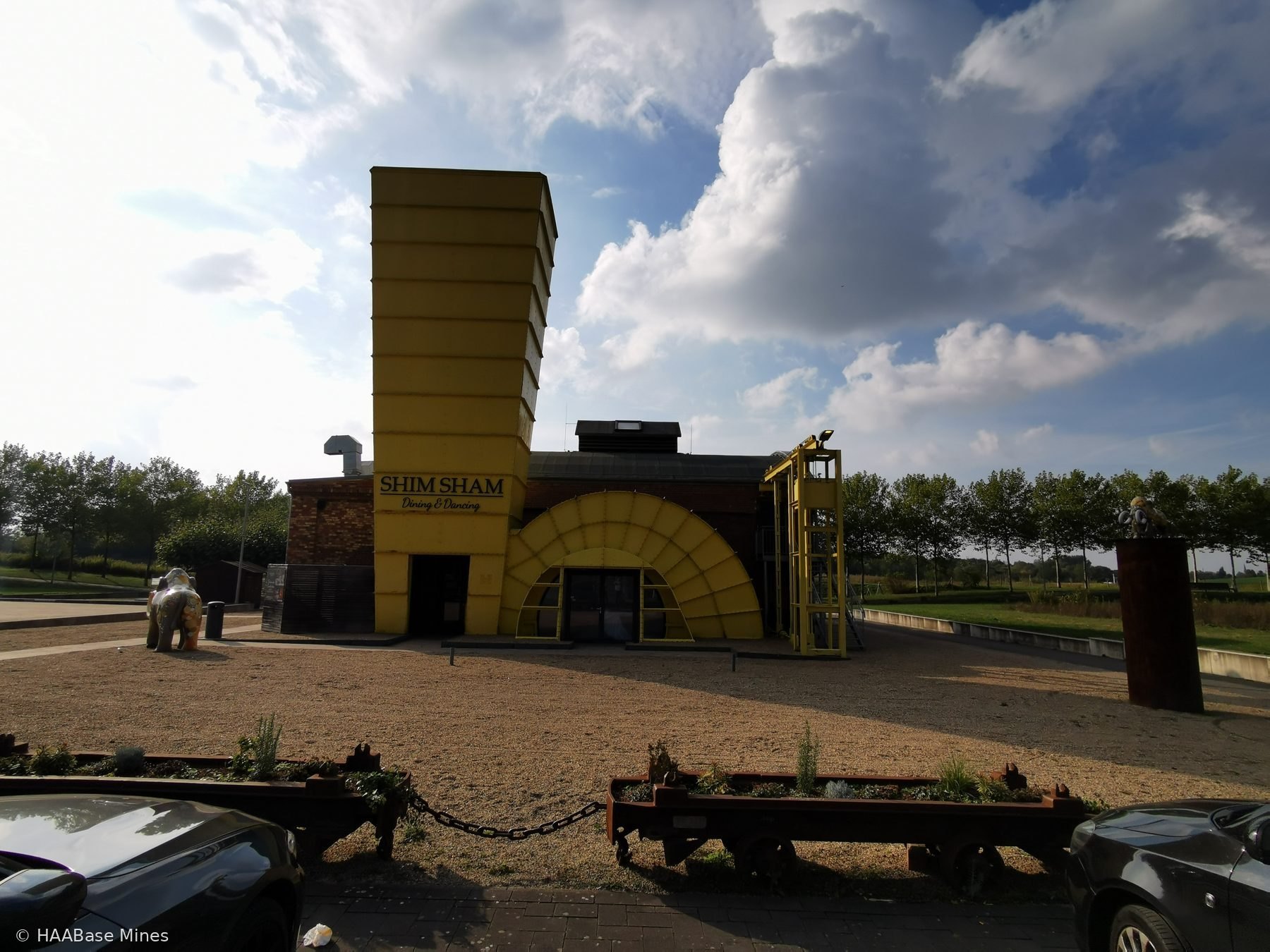
In the former Schwarzkaue a climbing wall of up to 22 metres (BigWall Klettercentrum Ahlen) and an indoor high-ropes course were established. From November 2007 the Lohnhalle and Weißkaue buildings began operating as a congress and exhibition venue. A mining traditions museum was established in the former mine rescue station.
In 2013 Schächte 1 and 2 together with the Friktionhalle between them were listed as protected monuments. The Förderverein Fördergerüste maintains the headframes and offers guided ascents of Schacht 1 to visitor groups. Since 2006 the wider site has operated as a commercial, leisure, and services venue managed by Projektgesellschaft Westfalen mbH.
The former Schacht 3 site has been developed as a solar park, opened in May 2021.