Fact-checked record

This record has completed the HAABase Mines source-by-source fact-checking process.

Show fact-check assessment and classification

The history, timeline and surviving-site classification shown here reflect the reviewed account.

Assessment

The record identifies the site as the adjoining Wendel and Vuillemin colliery complexes at Petite-Rosselle, now preserved and interpreted as Parc Explor Wendel. The history is supported principally by the French Ministry of Culture monument record, official museum histories and publications, and established specialist mining-history sources. The evidence establishes the nineteenth-century development of the Wendel and Vuillemin shafts, their integration into the nationalised Lorraine coal industry, the major post-war construction of Wendel 3 and its washeries, the staged end of operations between 1986 and 2001, the 1998 monument-historique inscription and the subsequent creation of the two museums.

It also establishes that Puits Saint-Charles, where coal was first raised at Petite-Rosselle in 1856, was a separate nearby shaft rather than part of the surviving Wendel-Vuillemin site. Uncertainty remains around a small number of highly detailed equipment specifications, exact early corporate arrangements and absolute claims about national or European size rankings. The main site history and chronology are strongly supported, while those narrower technical details rely more heavily on specialist secondary accounts.

Surviving-site classification

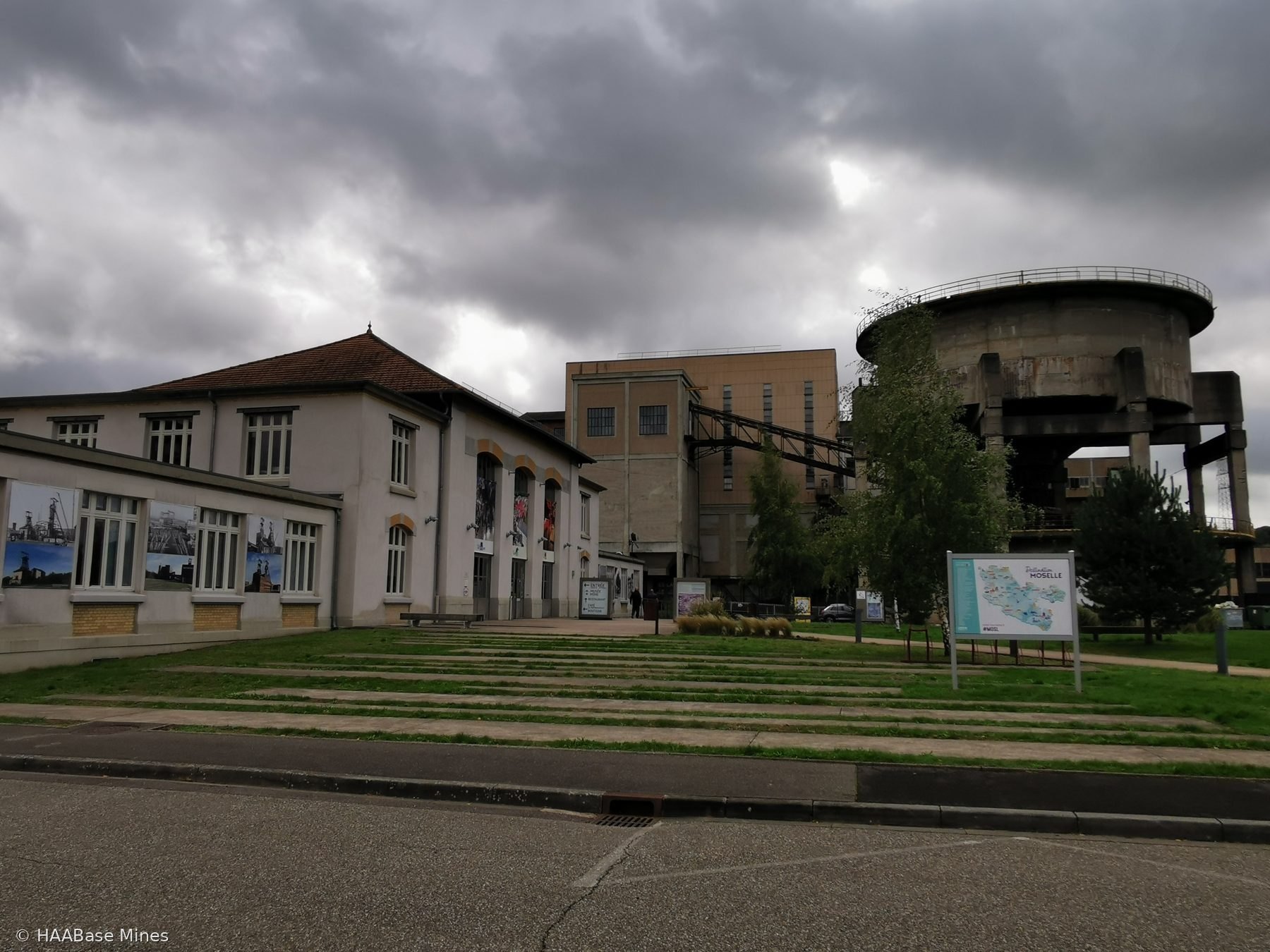
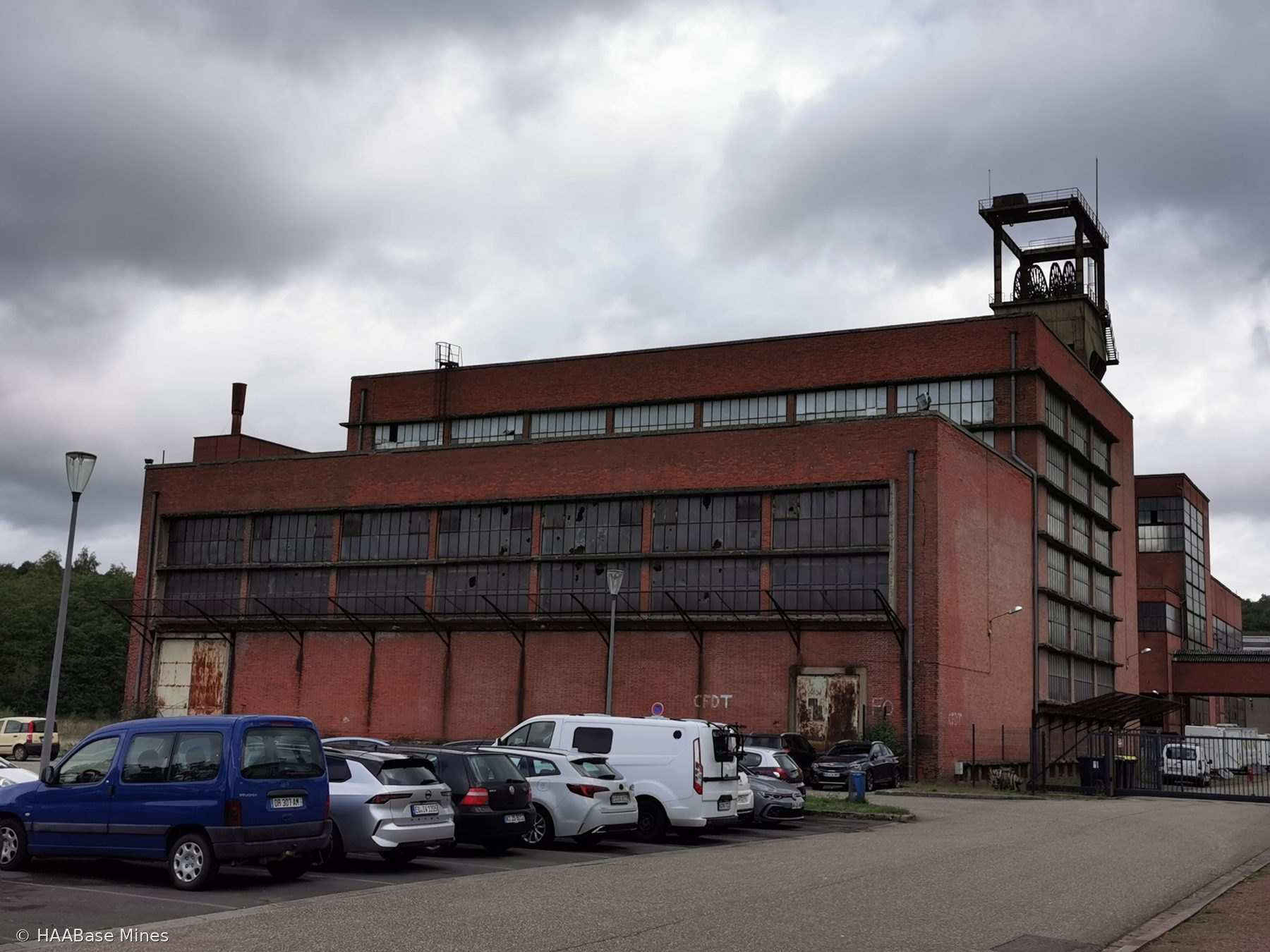
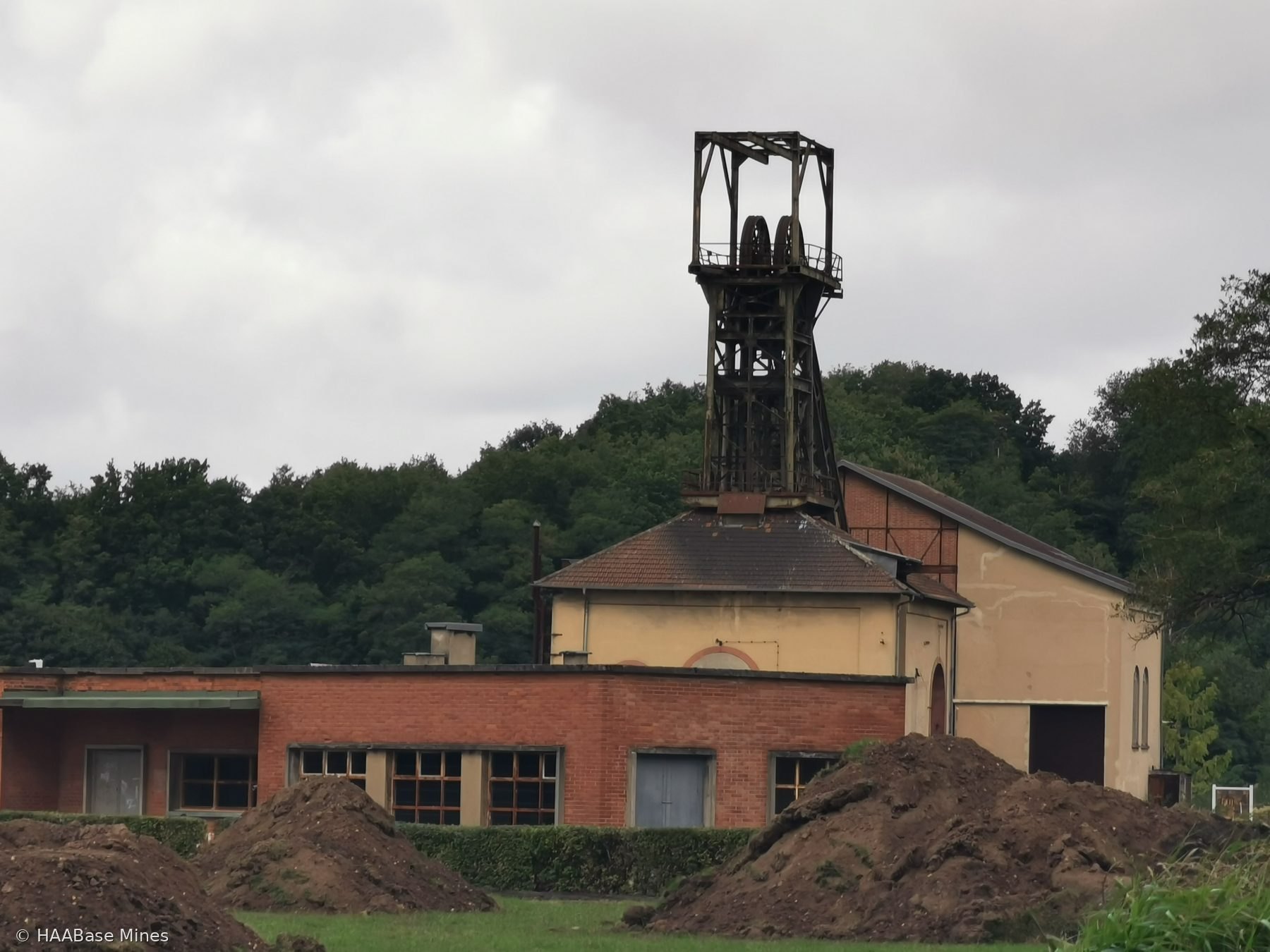
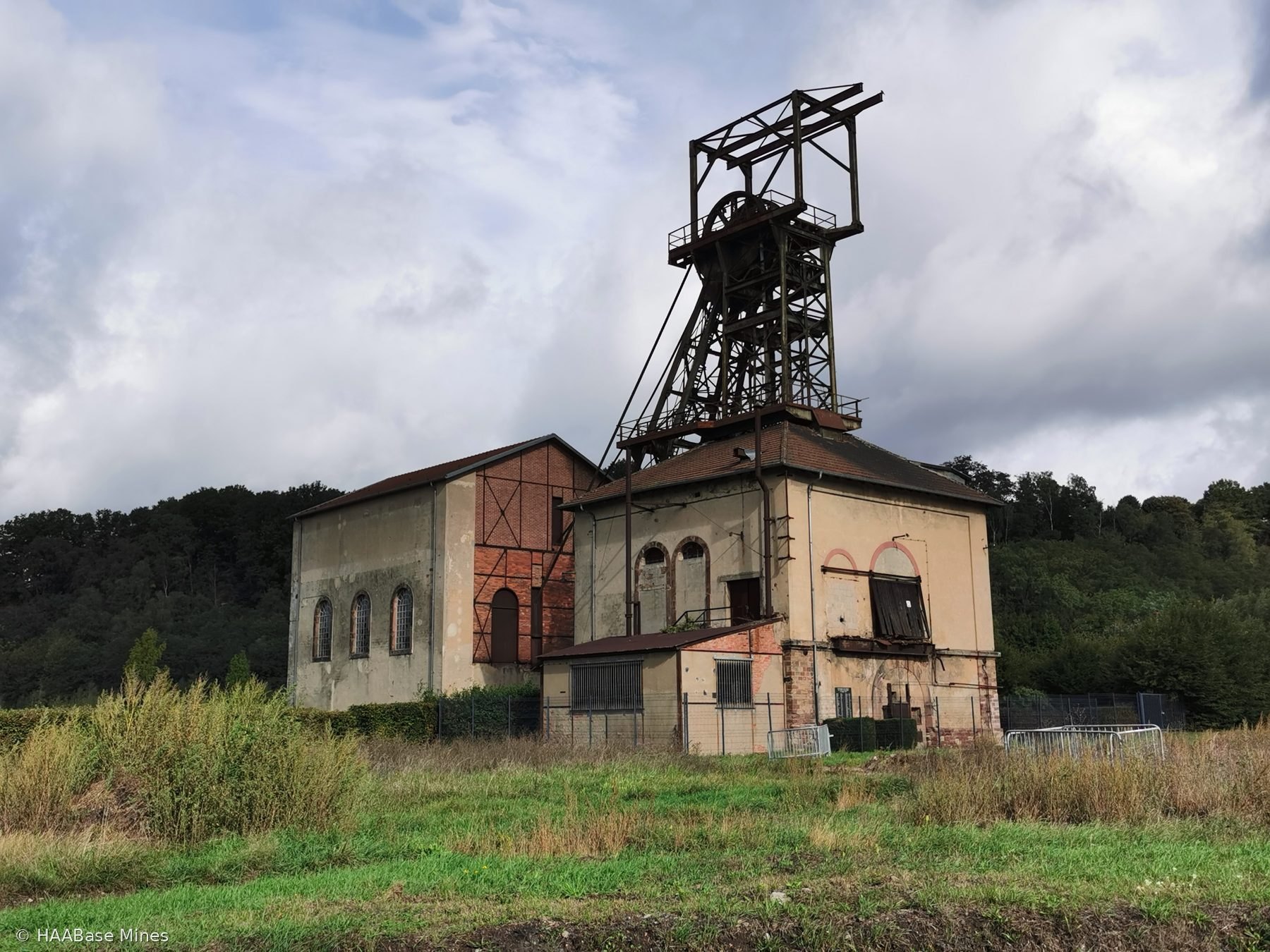
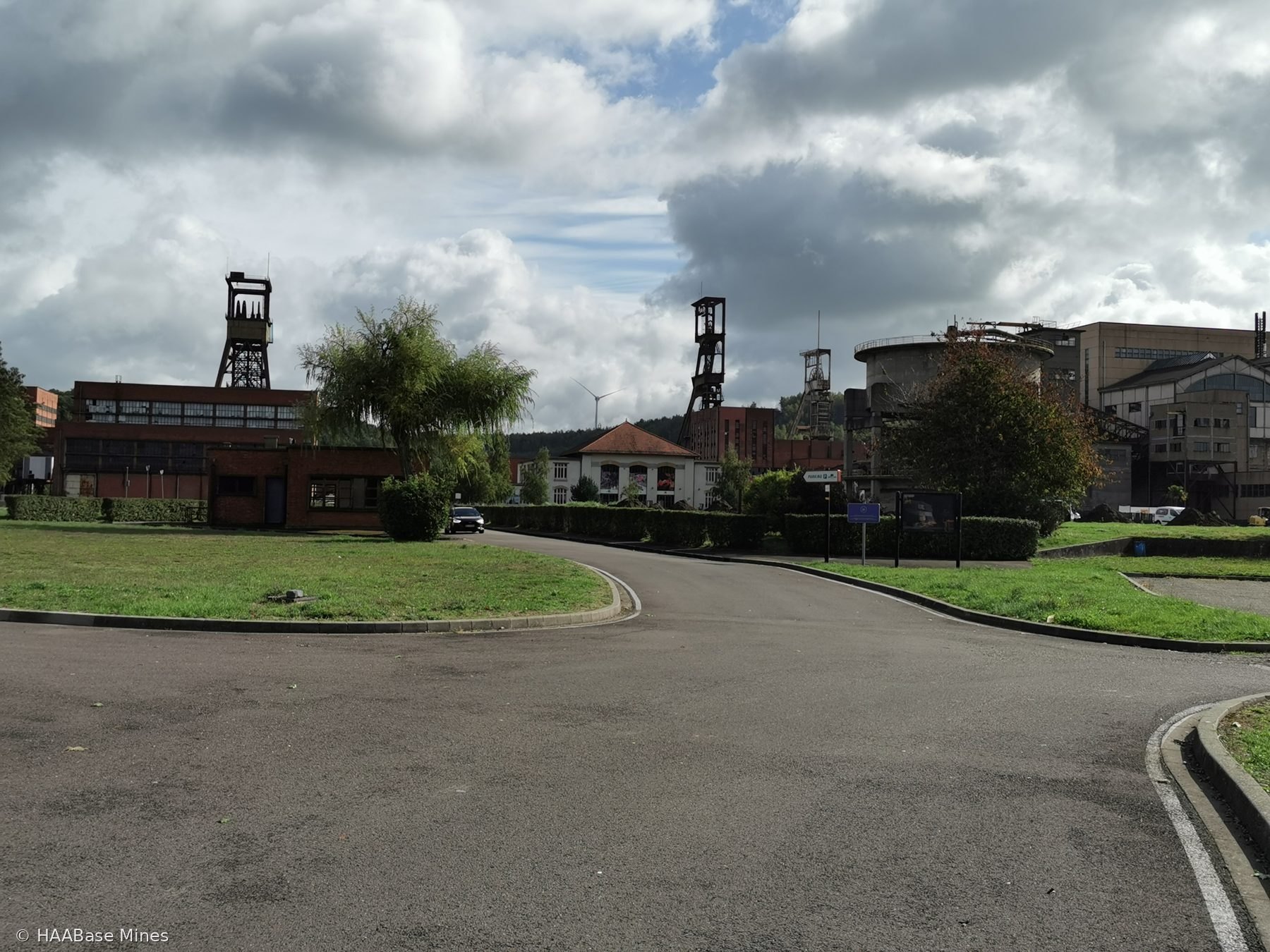
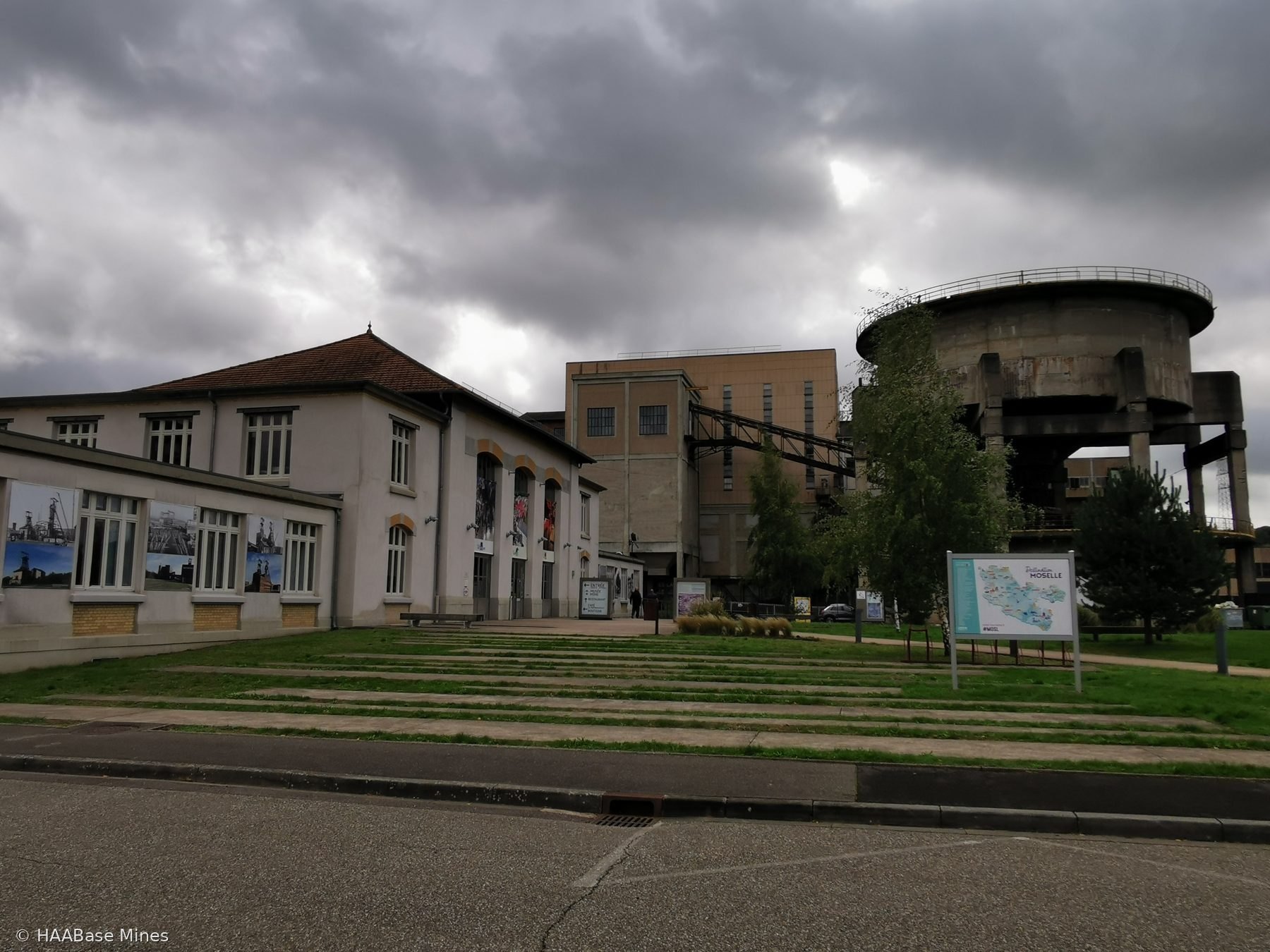
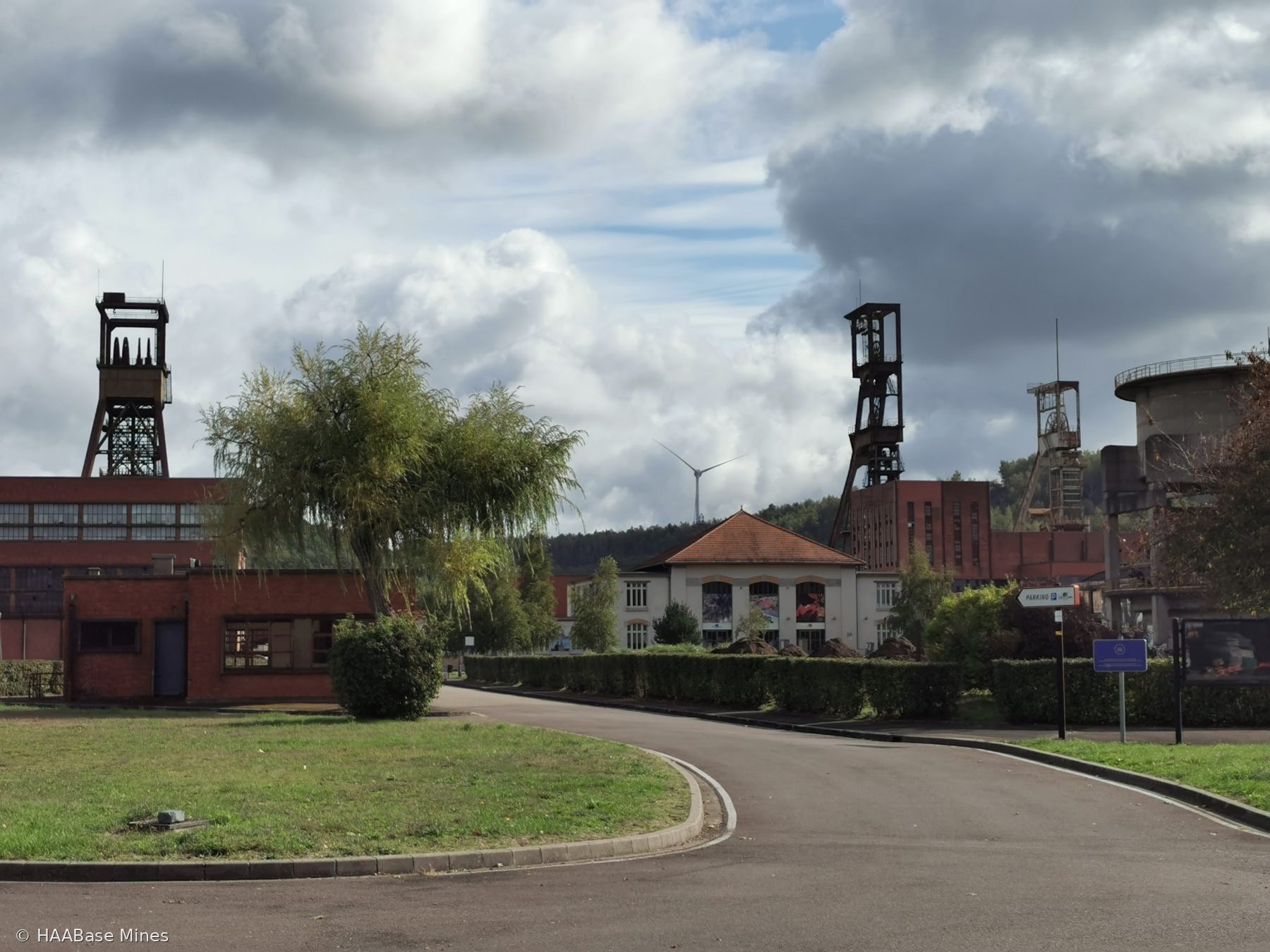
The surviving site comprises original structures from the adjoining Vuillemin and Wendel collieries, principally the Vuillemin 2 headframe, heapstead and winding-engine building; the Wendel 3 headframe, heapstead, winding-engine building, washery, decanter, workshops and transformer building; and the Wendel 1-2 washery and decanter. It is classified as shafts and buildings and as a museum site with headframes and extensive buildings because multiple shaft complexes, coal-preparation buildings and service structures remain legible across the site. The output is coal.

Its authenticity is mixed: much of the protected industrial fabric and some machinery are original, several buildings have been adapted for exhibition and visitor use, and La Mine Wendel contains purpose-built reconstructed underground environments rather than original accessible mine workings. The Wendel 1 headframe and other former operational structures have been lost. This assessment is supported by the Ministry of Culture monument record, the museum's site history and current museum documentation.

Published 4 August 2026 · Overall confidence 95/100 · Classification confidence High
Sources added or confirmed during the review are included in Sources and records where available.

Site overview

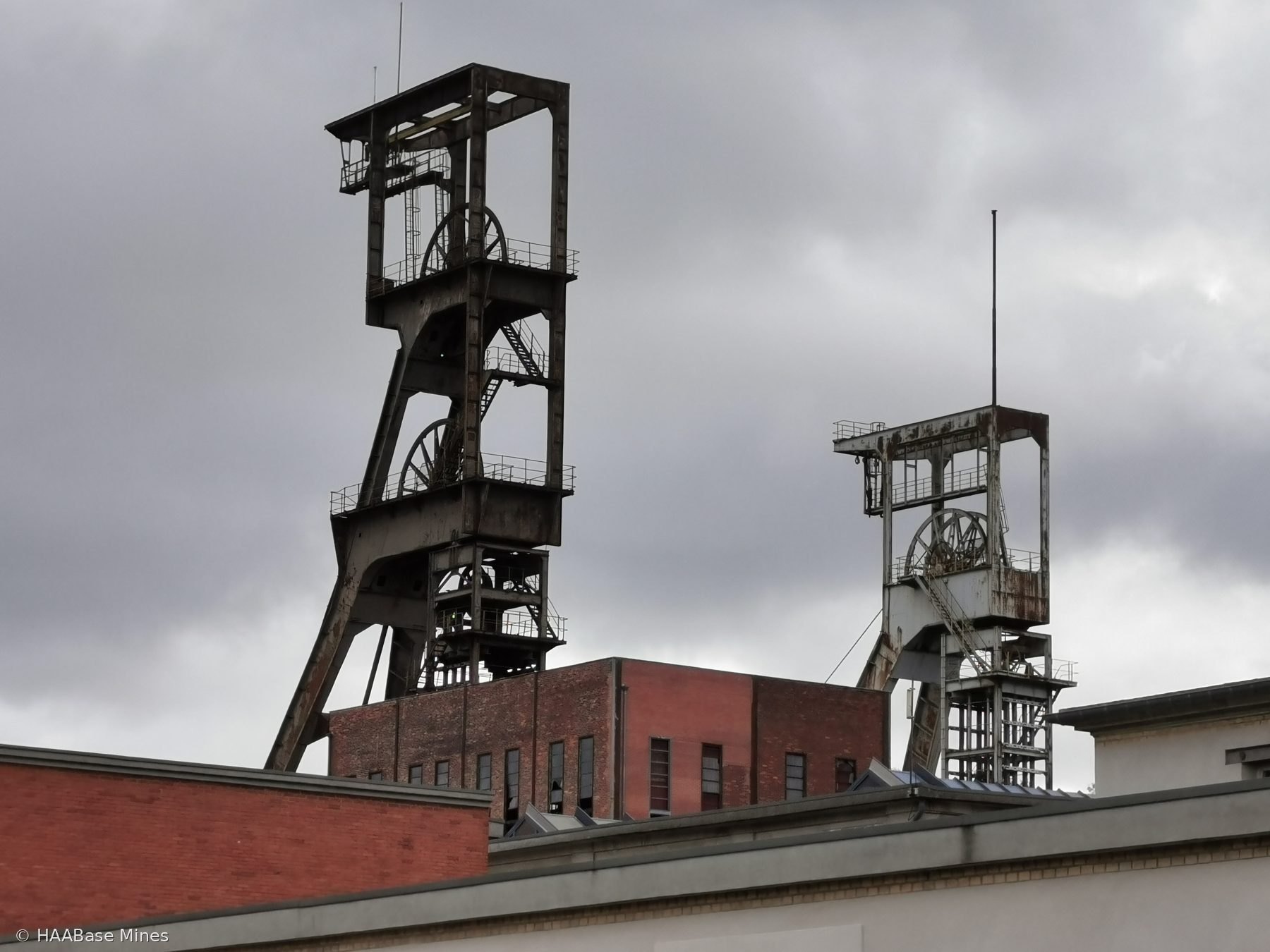
The Carreau minier Vuillemin-Wendel at Petite-Rosselle is one of France's most extensive preserved coal-mining complexes. It brings together structures from two adjoining collieries that developed separately during the nineteenth century and were later combined as the Wendel-Vuillemin production unit. The first block of coal at Petite-Rosselle was raised in June 1856 from Puits Saint-Charles, about two kilometres from the later Wendel site. From 1862 to 1889 the Wendel 1, Wendel 2, Vuillemin 1 and Vuillemin 2 shafts were developed. The surviving Vuillemin 2 headframe was installed in 1885 and is regarded as the oldest preserved metal headframe in the former Lorraine coalfield.

Following nationalisation in 1946, the site became part of the Houillères du Bassin de Lorraine and underwent major post-war modernisation. Wendel 3, begun before the Second World War, was completed in 1952. Its large headframe and coal-preparation complex formed part of a modern installation designed for high-volume production, and the Wendel 3 washery entered service in 1958. The older Wendel 1-2 washery was also repeatedly enlarged, including an upper addition in 1961 and a cylindrical decanter completed in 1966.

The Wendel site ceased its principal activity in 1986, although infrastructure continued to serve other shafts in the concession until 1989. Wendel 1 closed in 1989, Wendel 2 in 1992 and Wendel 3 in 2001. The Wendel 1 headframe was dismantled in 1990, but extensive structures survived at Vuillemin 2, Wendel 3 and the Wendel 1-2 preparation complex. These were partly inscribed as monuments historiques on 11 December 1998.

The site now operates as Parc Explor Wendel. La Mine Wendel opened in 2006 as a reconstructed underground mining experience using authentic equipment, while Musée Les Mineurs Wendel opened in 2012 within the former miners' building. Together with the preserved headframes, washeries, workshops, power buildings and machinery, the museums interpret the technical and social history of coal mining in Lorraine.

The site occupies a broad valley-floor setting close to the urban edge, where extensive surviving buildings still read as a major and coherent historic mining complex.

Map & photo

Carreau Wendel mine headframe or winding tower site
Photograph taken: 16 September 2025
Map markers and directions links are provided for location reference only and do not indicate public access or permission to enter a site.

History

Industrial coal mining at Petite-Rosselle began in June 1856, when the first block of coal was raised from Puits Saint-Charles. That shaft stood about two kilometres from the later Wendel complex, but its success encouraged further exploration south of the early workings. Émile Vuillemin, consulting engineer to the Compagnie anonyme des mines de Stiring, promoted further investigation for the enterprise founded by Charles de Wendel and Georges Hainguerlot.

A research shaft was sunk at Urselsbrunn between 1862 and 1864. This work led to the development of the Wendel and Vuillemin collieries on adjoining sites. Wendel 1 was sunk from 1866 and entered service in 1869. Development of Wendel 2 followed from 1868, and the shaft served the ventilation of the workings. Vuillemin 1 was sunk from 1867 and entered production in 1876. A serious underground fire affected the Henri seam at Wendel in November 1876 and required the affected workings to be sealed.

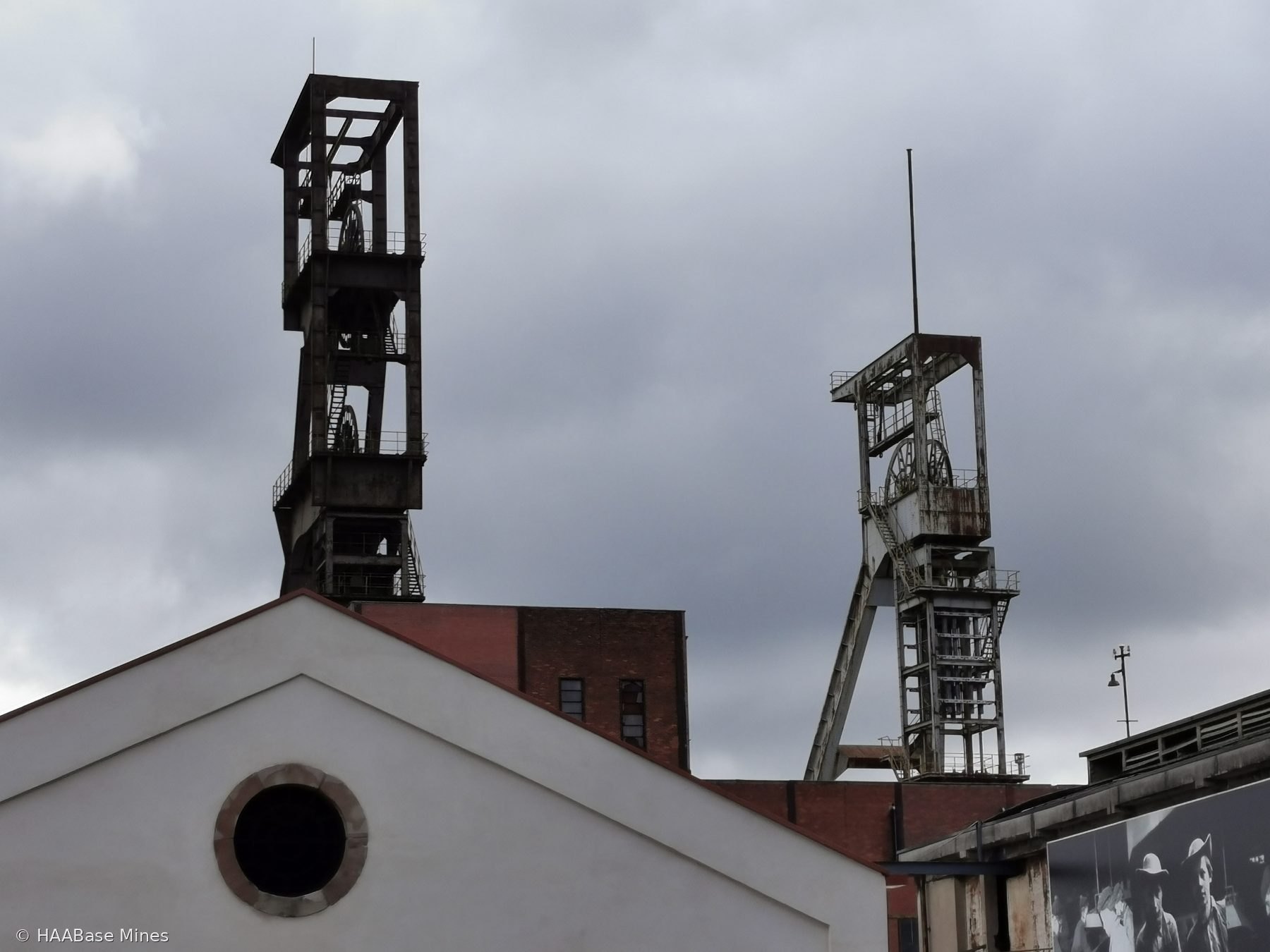
Vuillemin 2 was developed during the 1880s and entered service in 1889. Its surviving metal wheel frame was installed in 1885 and is regarded as the oldest preserved metal headframe in the former Lorraine coalfield. The associated heapstead and winding-engine building also survive. In 1889 control of the Wendel site passed to Les Petits-fils de François de Wendel et Cie, and the collieries continued supplying coal to the family's industrial enterprises.

Plans for a third Wendel shaft followed the identification of deep fat-coal reserves. Sinking of Wendel 3 began in 1939 but was interrupted during the Second World War. After nationalisation in 1946, the site was integrated into the Houillères du Bassin de Lorraine and became part of the post-war programme to increase French coal production. Sinking of Wendel 3 resumed after the war and was completed in 1952 at a reported depth of about 902 metres.

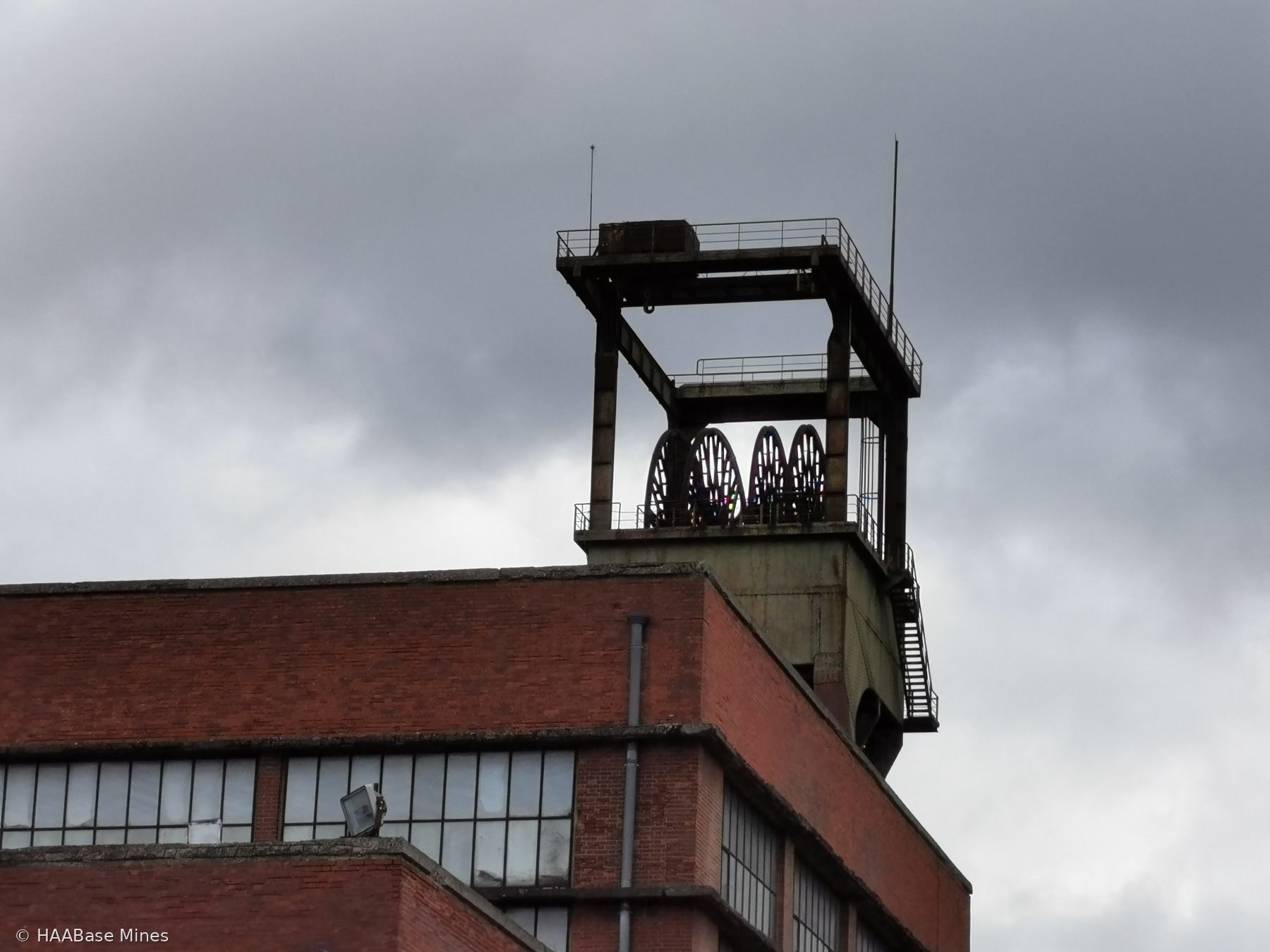
The post-war programme transformed the surface complex. Wendel 3 received a large Heckel-Seibert headframe and double-extraction arrangement. Its washery, built between 1952 and 1958, could carry out the full sequence of coal preparation, including sorting, screening, crushing, separation, grading and storage. The official monument record describes it as a possibly unique surviving European example of a complete second-half twentieth-century colliery washery. Wendel 1, Wendel 2 and Vuillemin 1 were also modernised with new metal headframes and electric winding machinery.

Wendel and Vuillemin were combined as a single production unit in 1956. The Wendel 3 washery entered service in 1958, and the site became one of the major production centres of the Lorraine coalfield. Around 1960 the Wendel unit was reported to be capable of extracting up to 10,000 tonnes per day with a workforce of about 5,000. The older Wendel 1-2 washery, largely dating from 1929, was enlarged by an upper addition in 1961, and its cylindrical decanter was erected in 1966. Extraction at the Vuillemin shafts ended in 1962, after which they served ventilation functions.

The contraction of the French coal industry continued after 1960, although investment and mining activity at Wendel persisted into the 1980s. The Wendel site ceased its principal activity in 1986. Some infrastructure remained in use until 1989 to support other shafts in the Wendel concession. Wendel 1 closed in 1989, Wendel 2 in 1992 and Wendel 3 in 2001. The Wendel 1 headframe was dismantled in November 1990, while substantial structures at Vuillemin 2, Wendel 3 and the Wendel 1-2 washery complex were retained.

A formal heritage-preservation initiative developed in the late 1980s when the Houillères made the site available for conservation and interpretation. Public investment adapted part of the Wendel 1-2 washery for exhibition use in 2000. The Vuillemin-Wendel complex had been partly inscribed as a monument historique on 11 December 1998. The protection includes the Vuillemin 2 headframe, heapstead and winding-engine building; the Wendel 3 headframe, heapstead, winding-engine building, washery, decanter, workshops and transformer building; and the exteriors of the Wendel 1-2 washery and decanter, together with specified fixed machinery.

La Mine Wendel opened to the public in 2006. Its reconstructed underground environments use authentic machinery and the knowledge of former miners to explain the working methods of the Lorraine coalfield. Musée Les Mineurs Wendel opened in 2012 within the former miners' building, retaining workspaces associated with administration, changing, bathing, lamp handling and workforce organisation. The two museums and the preserved surface complex now form Parc Explor Wendel, where nineteenth-century shaft structures, post-war coal-preparation buildings and modern museum interpretation together record the development and social history of coal mining at Petite-Rosselle.
Timeline

1856
Operation

First coal raised at Puits Saint-Charles, Petite-Rosselle

In June 1856 the first block of coal at Petite-Rosselle was raised from Puits Saint-Charles, about two kilometres from the later Wendel site. The event encouraged further exploration that led to the Wendel and Vuillemin collieries.
1862–1864
Exploration

Urselsbrunn research shaft sunk

A research shaft at Urselsbrunn was sunk between 1862 and 1864, reportedly reaching 138 metres and proving coal at about 55 metres.
1866–1869
Construction

Wendel 1 sunk and brought into service

Sinking of Wendel 1 began in 1866 and the shaft entered service in 1869.
1867–1876
Construction

Vuillemin 1 sunk and enters production

Vuillemin 1 was sunk from 1867 and entered production in 1876.
1868–1871
Construction

Wendel 2 developed for ventilation

Development of Wendel 2 began in 1868 in the area of the earlier research shaft. It reached about 218 metres in 1871 and served ventilation of the workings.
1876–1879
Operation

Fire in the Henri seam

A major fire broke out in the Henri seam at Wendel on 26 November 1876. The affected workings were sealed for an extended period.
1881–1889
Construction

Vuillemin 2 developed

Vuillemin 2 was developed during the 1880s and entered service in 1889. Its surviving metal wheel frame was installed in 1885 and is regarded as the oldest preserved metal headframe in the former Lorraine coalfield.
1889
Operation

Control passes to Les Petits-fils de François de Wendel et Cie

In 1889 control of the Wendel site passed to Les Petits-fils de François de Wendel et Cie.
1935–1939
Exploration

Deep reserves lead to development of Wendel 3

Plans for Wendel 3 followed the identification of deep fat-coal reserves. Sinking began in 1939 but was interrupted during the Second World War.
1946
Legislation

Site integrated into Houillères du Bassin de Lorraine

Following nationalisation in 1946, the Wendel and Vuillemin operations were integrated into the public Houillères du Bassin de Lorraine.
1947–1952
Construction

Wendel 3 completed

Sinking of Wendel 3 resumed after the war and was completed in 1952 at a reported depth of about 902 metres.
1950–1955
Construction

Major post-war shaft modernisation

During the early 1950s Vuillemin 1, Wendel 1 and Wendel 2 were deepened or modernised with new metal headframes and electric winding equipment. Wendel 2 received a Koepe winding installation.
1952–1953
Operation

Wendel 3 enters service

Wendel 3 entered service in the early 1950s with a large four-sheave headframe and double-extraction Koepe winding arrangement.
1956
Operation

Wendel and Vuillemin combined as one production unit

In 1956 the adjoining Wendel and Vuillemin operations were combined as the Wendel-Vuillemin production unit.
1960
Operation

Production capacity reaches about 10,000 tonnes per day

Around 1960 the Wendel production unit was reported to be capable of extracting up to 10,000 tonnes of coal per day with a workforce of about 5,000.
1962
Closure

Extraction ends at the Vuillemin shafts

Extraction at Vuillemin 1 and Vuillemin 2 ended in 1962, after which the shafts continued in ventilation roles.
1985–1991
Heritage

Heritage-preservation initiative begins

A formal preservation initiative developed in the late 1980s. In 1988 the Houillères made the Wendel site available for mining-heritage conservation, and museum planning followed in the early 1990s.
1986–1989
Closure

Principal activity ceases at the Wendel site

The Wendel site ceased its principal activity in 1986, although part of its infrastructure continued serving other shafts in the Wendel concession until 1989.
1989–1990
Closure

Wendel 1 closes and its headframe is dismantled

Wendel 1 closed in 1989. Its headframe was dismantled in November 1990.
1991–1998
Heritage

Heritage redevelopment and monument-historique inscription

Public-sector heritage redevelopment developed during the early 1990s. On 11 December 1998, major structures at Vuillemin 2, Wendel 3 and the Wendel 1-2 complex were partly inscribed as monuments historiques.
1992
Closure

Wendel 2 closes

Wendel 2 closed in 1992.
2000
Redevelopment

Wendel 1-2 washery adapted for exhibition use

The first major museum investment adapted part of the Wendel 1-2 washery to host a large exhibition in 2000.
2001
Closure

Wendel 3 closes

Wendel 3 closed in 2001, ending the operational life of the final Wendel shaft at the site.
2006
Heritage

La Mine Wendel opens

La Mine Wendel opened to the public in 2006 as an immersive reconstruction of underground mining environments using authentic mining machinery and the knowledge of former miners.
2012
Heritage

Musée Les Mineurs Wendel opens and Parc Explor Wendel is named

Musée Les Mineurs Wendel opened in 2012 within the former miners' building. In the same year the combined site adopted the name Parc Explor Wendel.

Sources and records

This list includes live sources already held for the record and any additional sources added or confirmed during the published fact-check review.

Official heritage records

Further sources

Research bibliography

French Wikipedia: La Mine, musée du carreau Wendel
English Wikipedia: Carreau Wendel Museum
Patrimoine-minier.fr: Carreau Wendel
Parc Explor Wendel official website: history of the site
Apphim.fr: Historique des Sièges Wendel et Vuillemin
Nicau.be: La Compagnie des Houillères de Petite-Rosselle
Subterranologie.com: L'histoire du carreau Wendel
Exxplore.fr: Houillères de Lorraine
Itinéraires d'architecture: La Mine Wendel
Musées Grand Est: Musée Les Mineurs Wendel
Mairie de Petite-Rosselle: Musée les Mineurs Wendel
Houillères de Lorraine (French Wikipedia)
Pays de Forbach tourism office: Parc Explor Wendel
This researched site record is part of the HAABase Mines database. Normal personal research and browsing is welcome. Automated bulk extraction, republication, or harvesting of site text and images is not permitted without written consent.