The Compagnie des mines d'Anzin began preparations for its fosse Ledoux at Condé-sur-l'Escaut in October 1900. The site was close to the concession boundary of the Compagnie des mines de Thivencelles at Saint-Aybert. Both shafts had a diameter of five metres and were sunk by the frozen-ground method (congélation).
The fonçage of puits n°1 began on 6 July 1901 and that of puits n°2 on 2 June 1902. The earliest surface installations included two steam winding engines supplied by the Compagnie Thomas Peslin and six boilers; the initial chevalements were constructed in 1905 by the Ateliers de Construction des Forges et Fonderies de Haumont. In 1907 the first Ingersoll Rand compressor was installed.
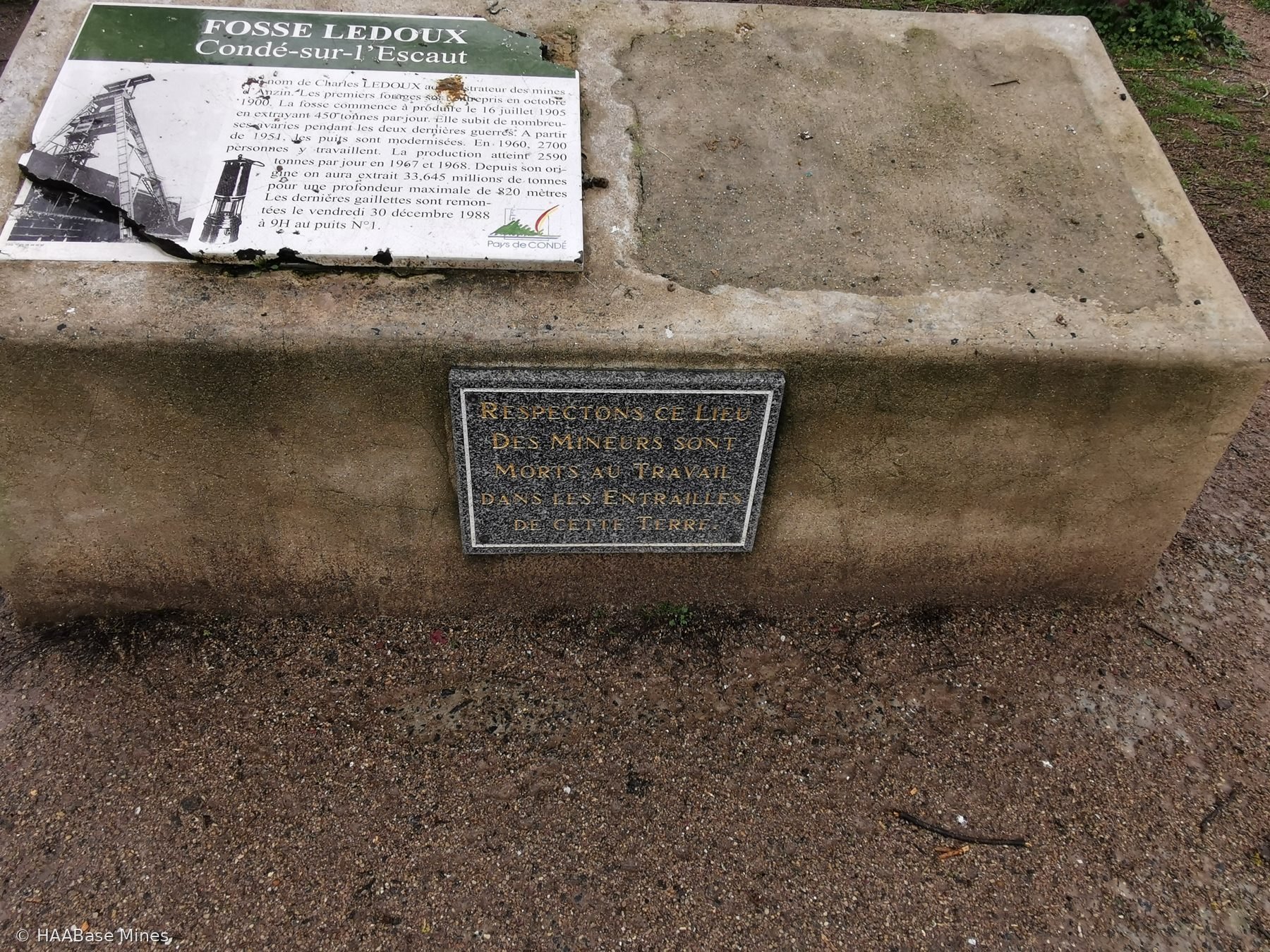
Coal production began on 16 July 1905 at an initial capacity of 450 tonnes per day. The fosse was named after Charles Ledoux, director of the Compagnie d'Anzin. From its opening it also raised coal on behalf of the adjacent fosse Chabaud-Latour, which progressively ceased its own extraction and by 1910 was used solely for return air.
The fosse was dynamited in 1918 during the First World War, causing substantial damage; the baths and compressor room were subsequently rebuilt. The fosse was repaired and recommenced production on 3 June 1919. In 1922 two new steam winding engines were installed, followed in 1925 by two Babcock boilers.
Workers' cités were built at Condé-sur-l'Escaut and at Vieux-Condé, including the cité-jardin de la Solitude, the cité-jardin des Acacias, and the cité pavillonnaire de Lorette. Four terrils — nos 194, 195, 195A, and 196 — were created near the fosse in successive years. From 1905, mine subsidence began to create the étangs de Chabaud-Latour, with three significant water bodies ultimately forming by the 1930s across approximately one hundred hectares.
In 1936 three new compressors arrived (one Schwartzkopff and two Rud Meyer). Production reached its pre-war record of 562,979 tonnes in 1939. During the Second World War the fosse suffered inundation in 1940 when the electricity supply was interrupted, causing the water pumps to fail.
Following the nationalisation of the Compagnie des mines d'Anzin in 1946, the fosse was integrated into the Groupe de Valenciennes. A bowette was then driven to connect the fosse Ledoux with the fosse Saint-Pierre des mines de Thivencelles; the latter ceased extracting on 20 December 1948 and its production was concentrated onto Ledoux. The fosse Ledoux was chosen, alongside fosses Arenberg and Sabatier, as one of the major concentration seats for the post-war coalfield rationalisation.
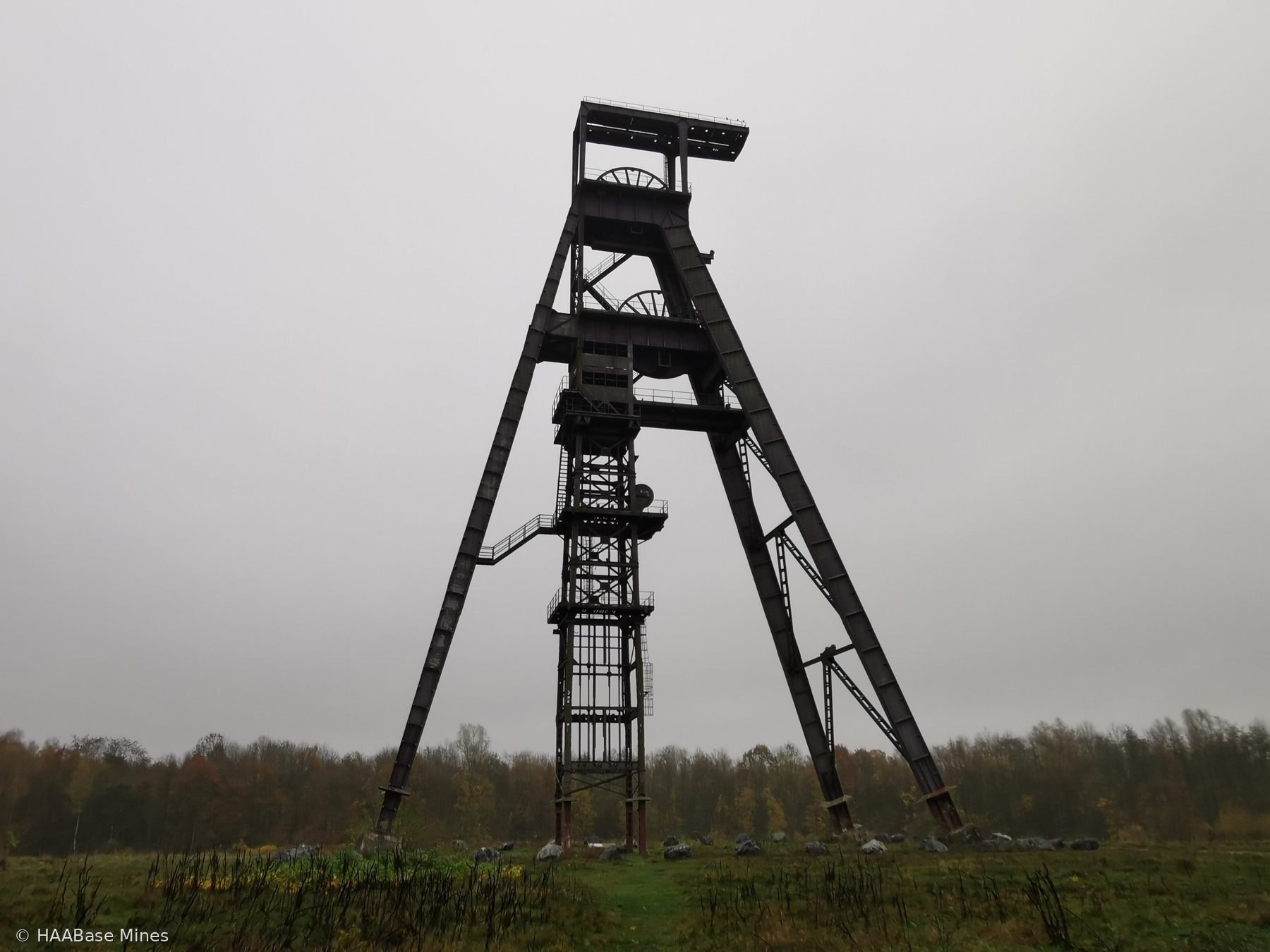
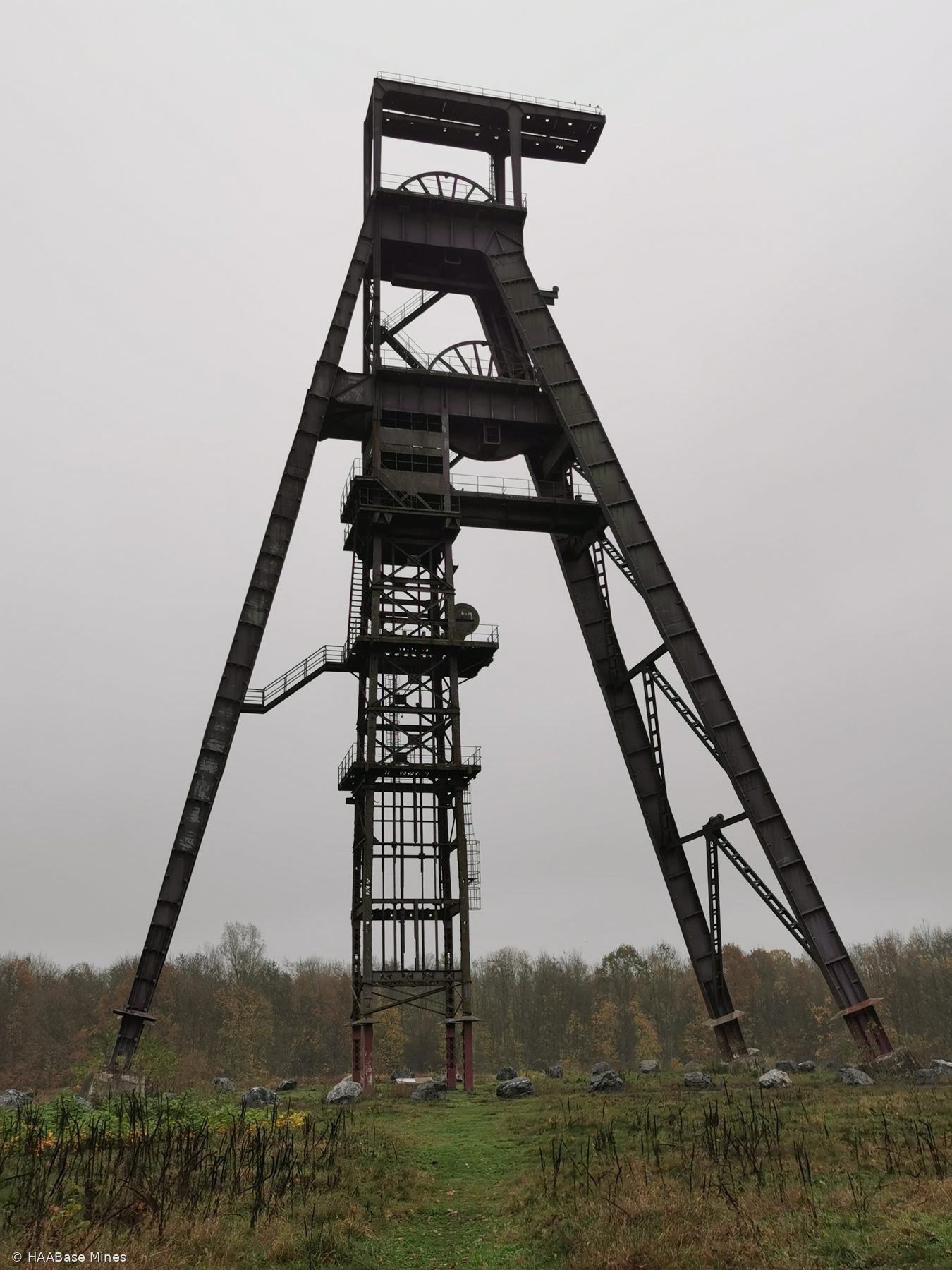
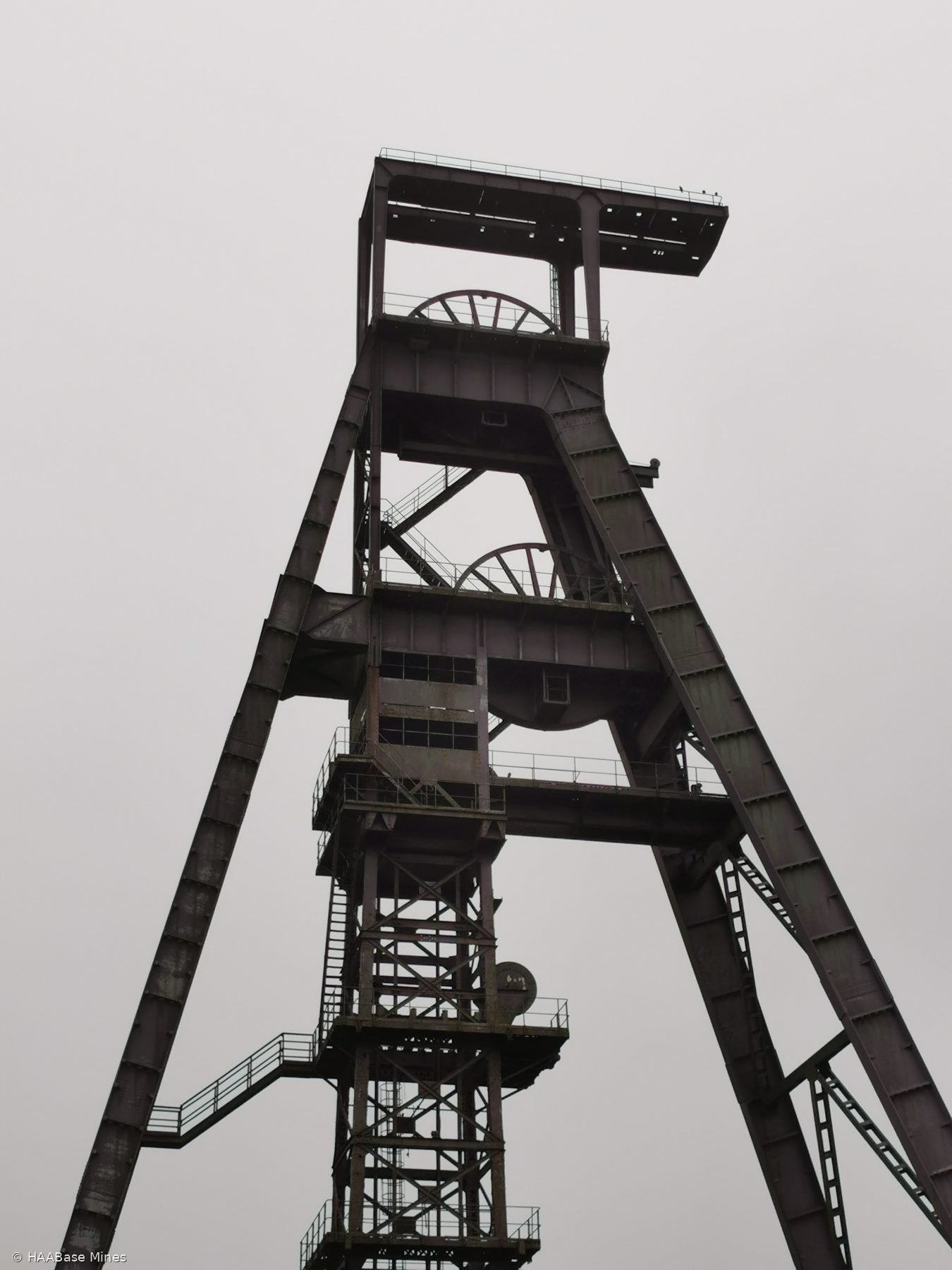
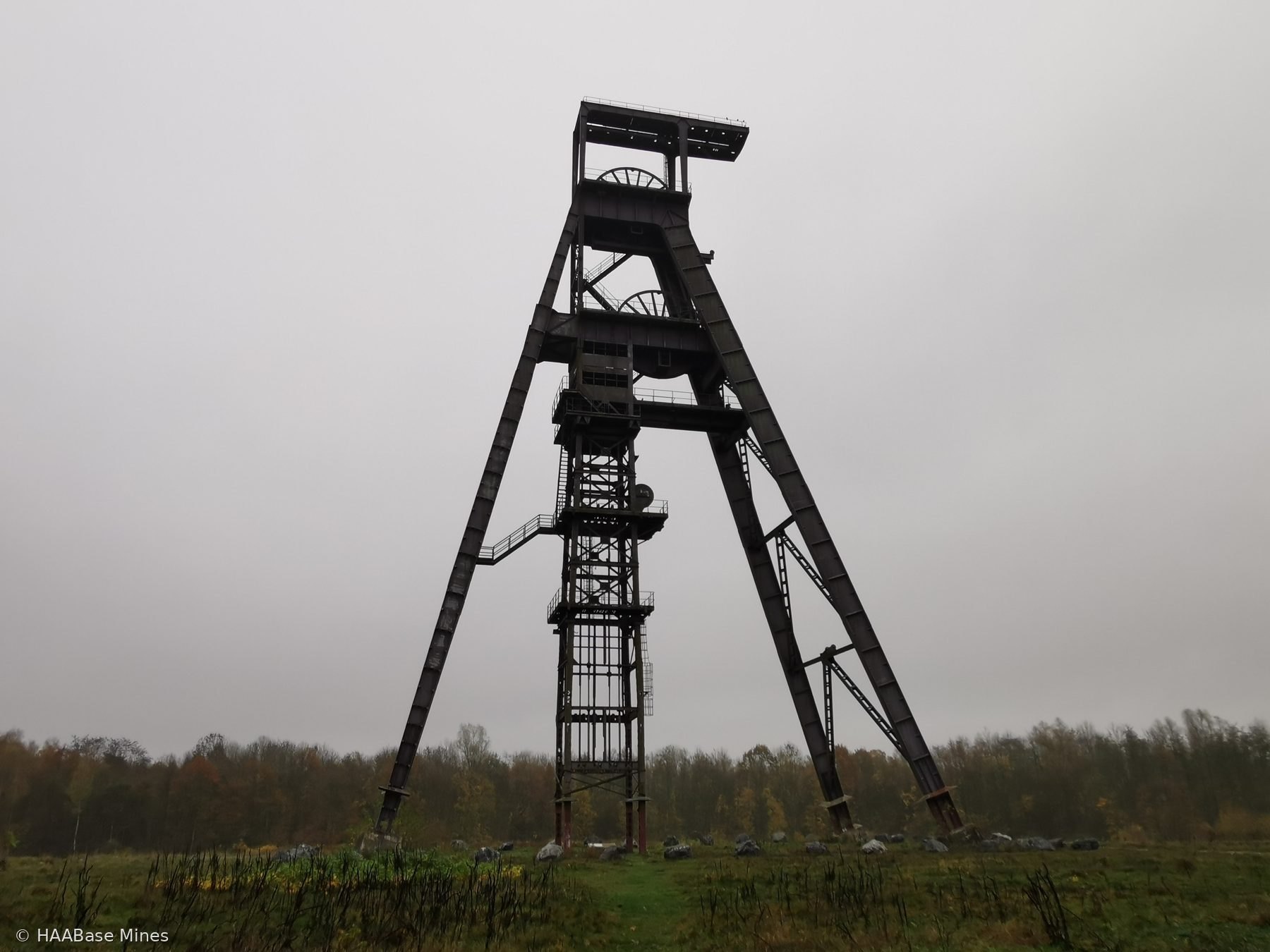
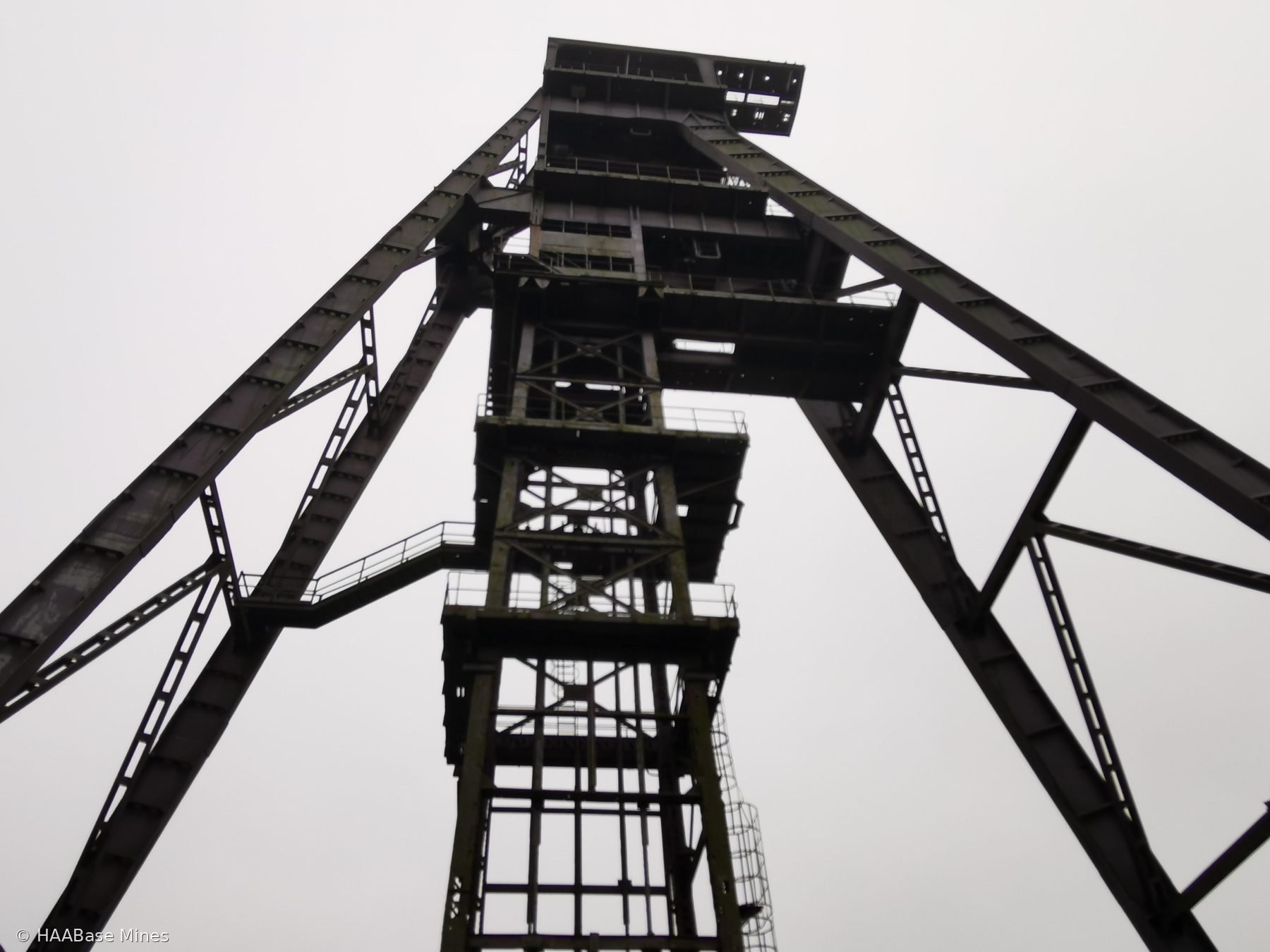
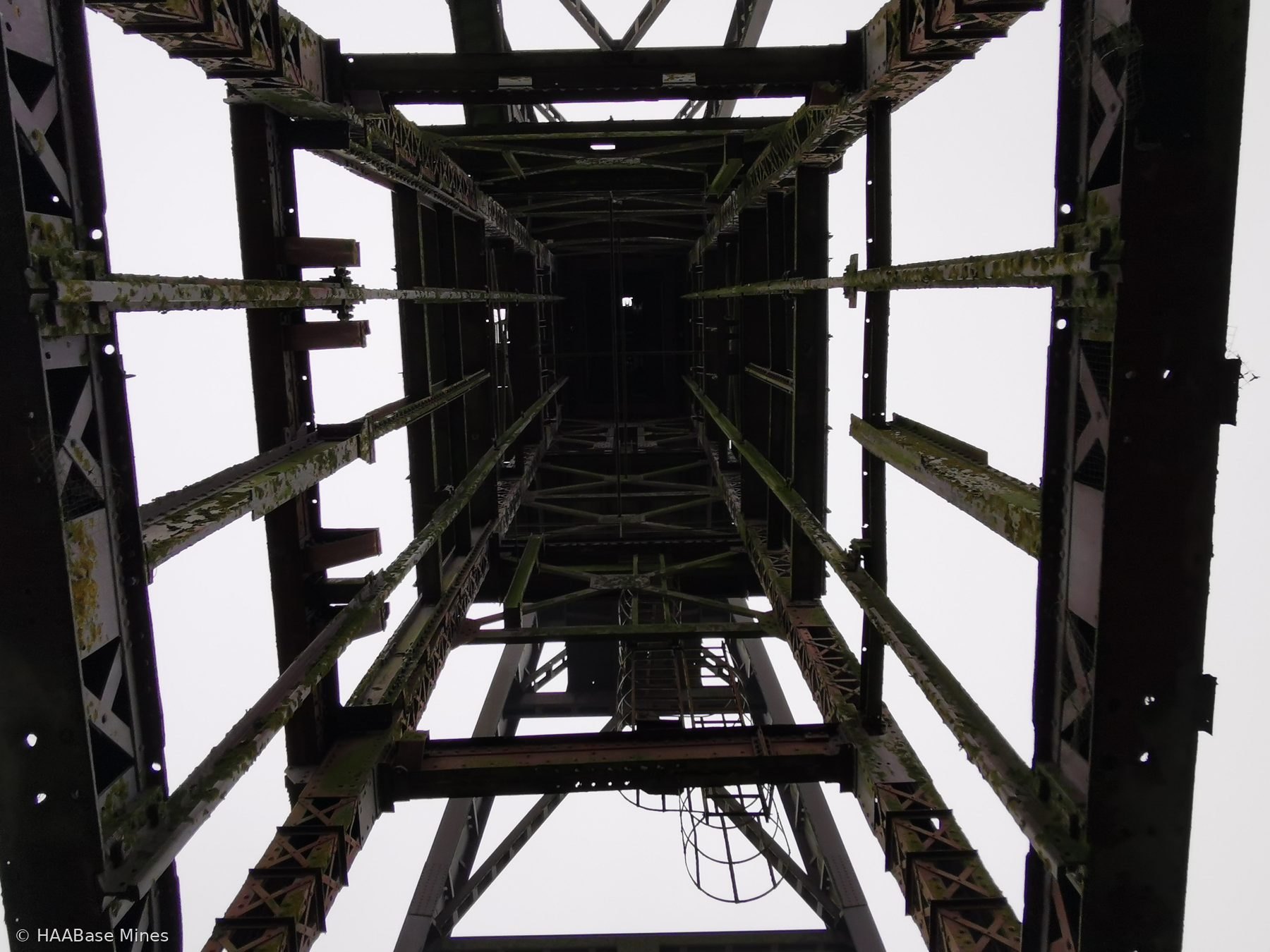
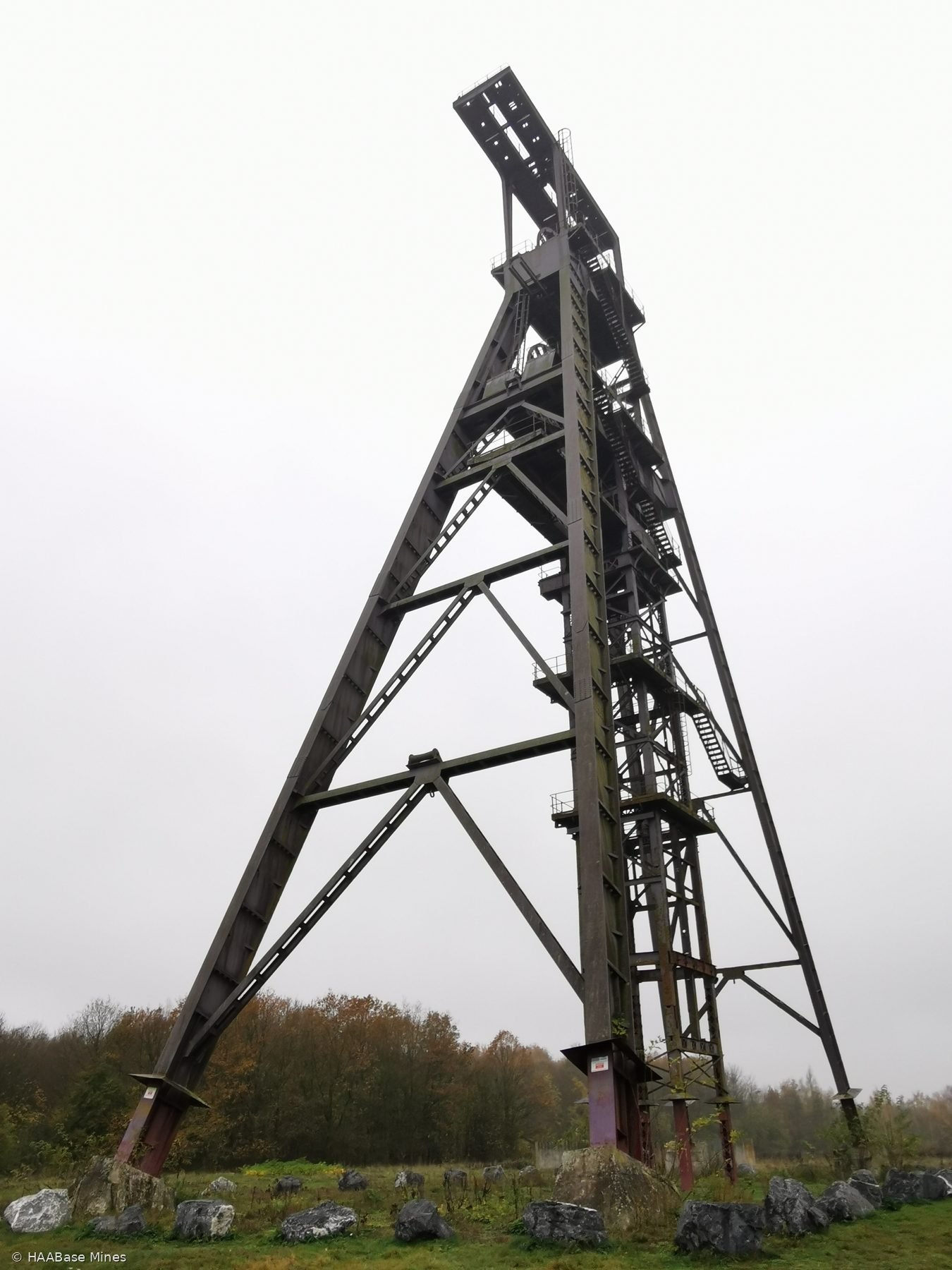
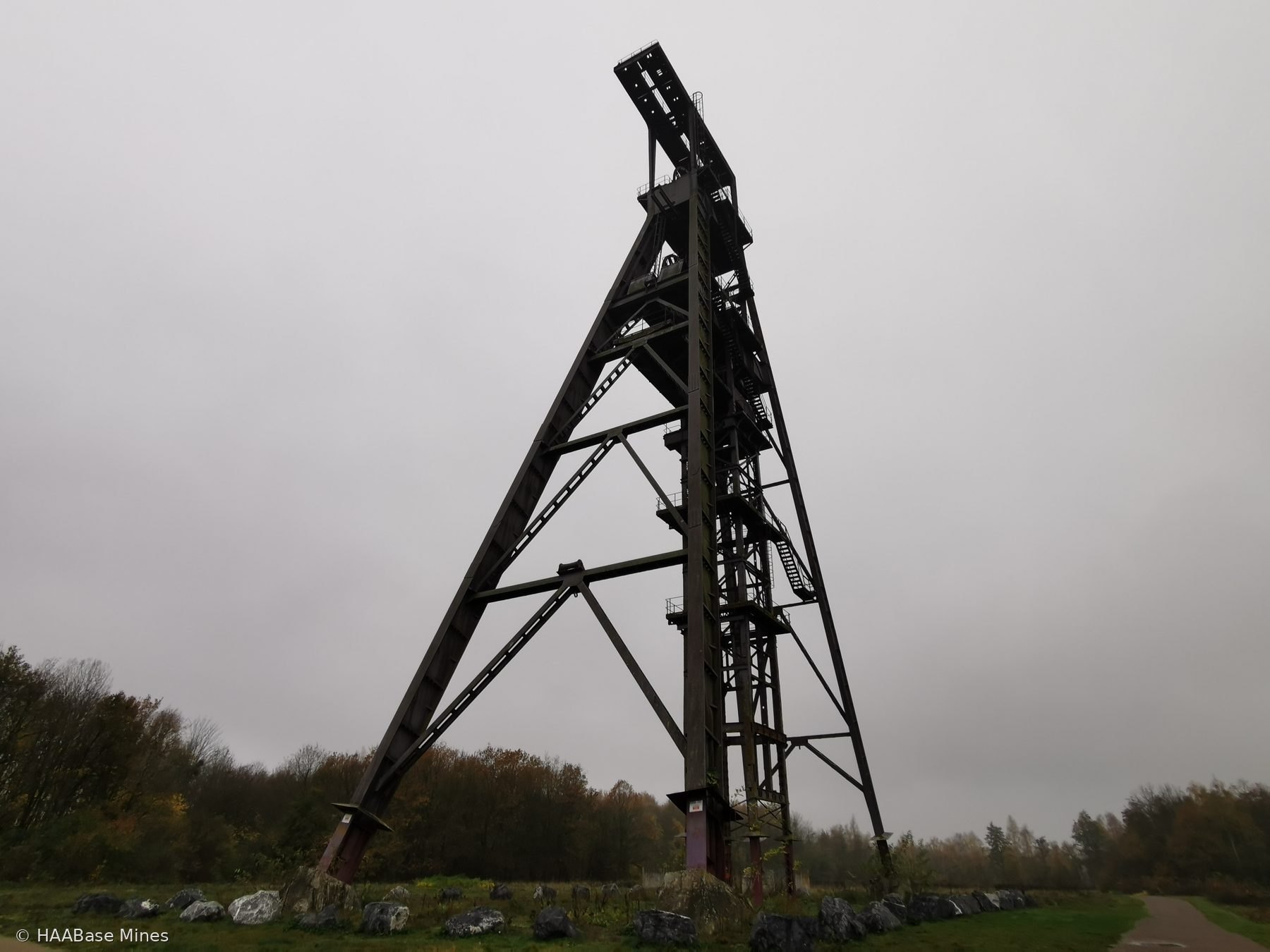
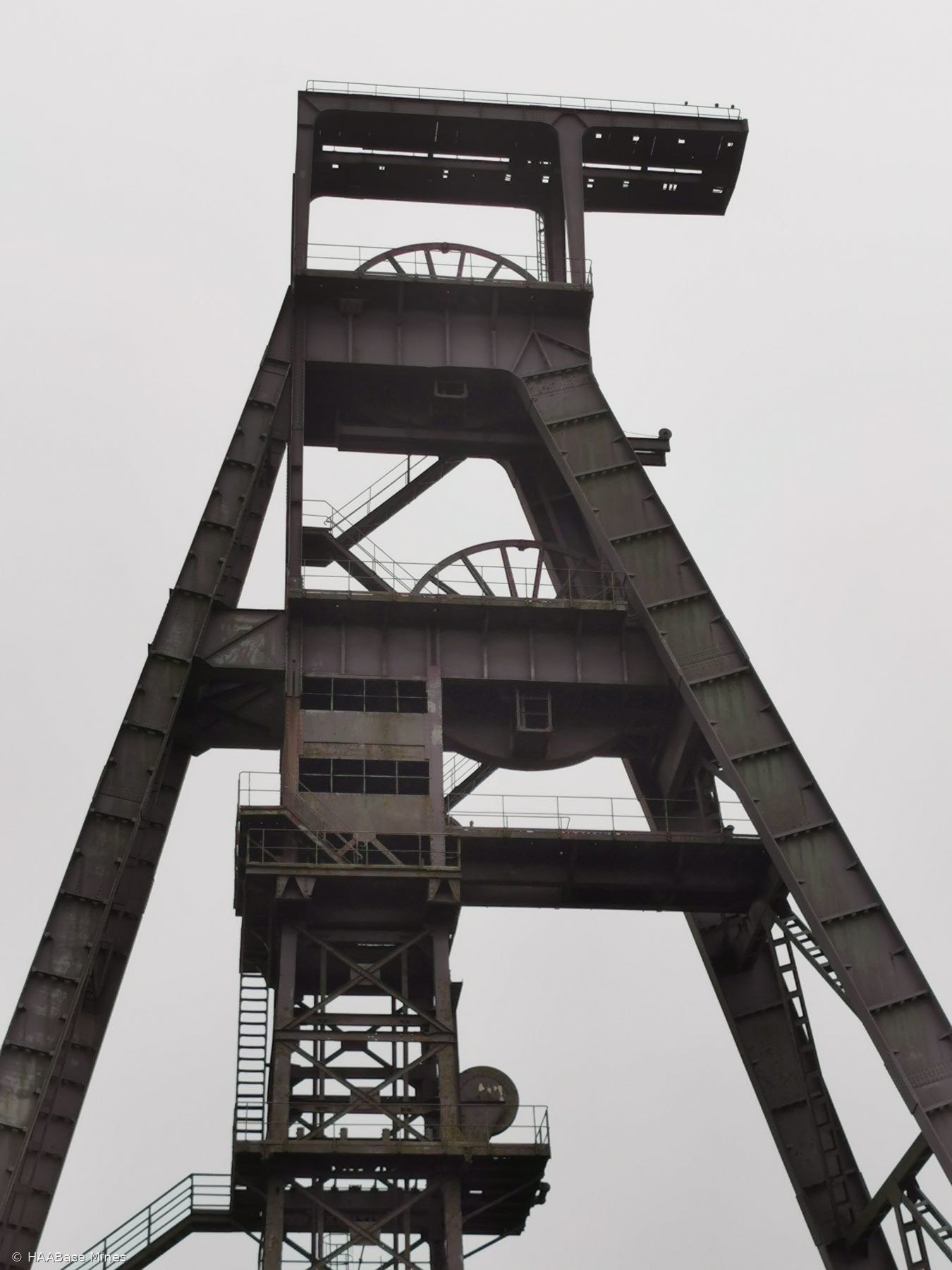
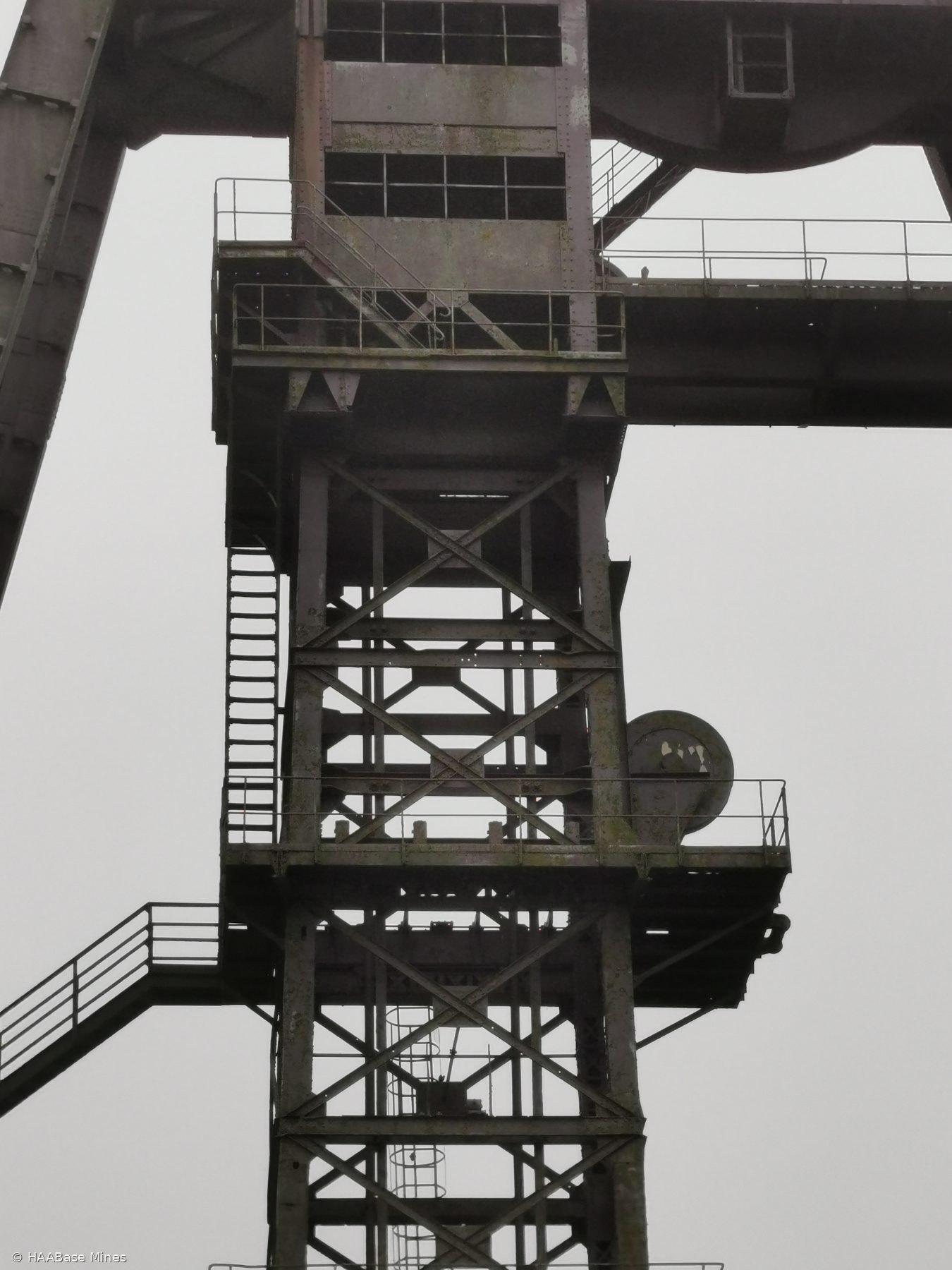
New electric winding machines of the Koepe-pulley type were installed around 1950, replacing the earlier steam engines; the lavoir was built in 1955 and subsequently demolished in 1984. In 1951 the original 1905 chevalements were replaced by new ones constructed by the établissements Delattre et Frouard and installed at 90 degrees to the originals; these were metallic portique-type chevalements with bolted steel sections and superimposed sheave wheels. Puits n°1 received its new chevalement in 1951 and puits n°2 the year after.
A new ventilation shaft was sunk in the Forêt de Bonsecours in the 1960s to exploit the veine Saint-Georges. In the early 1970s the fosse absorbed the fosse Vieux-Condé and closed the fosse Chabaud-Latour. In 1980 the fosse Vieux-Condé ceased service and ventilation functions and its puits were backfilled.
Puits n°1 was deepened to 740 metres in 1980, and a 30-per-cent inclined descent enabled extraction to reach the 800-metre level. The concentration Ledoux ceased extraction on 30 December 1988, having produced a total of 33,645,000 tonnes of coal. At its height in 1968 the fosse was extracting 2,590 tonnes per day with over 2,500 men employed.
The puits nos 1 and 2, respectively 759 and 687 metres deep, together with the grand puits of the fosse Saint-Pierre, were backfilled in 1989. Nearly all surface installations were demolished in 1990 and 1991. The chevalement of puits n°1, the last surviving structure, was inscribed as a monument historique on 6 May 1992.
At the start of the twenty-first century, Charbonnages de France capped the wellheads of puits nos 1 and 2 and installed a firedamp vent at puits n°1. The surrounding cités were renovated. The former carreau and terrils were converted into natural green space.
On 30 June 2012 the surviving chevalement, three terrils (n°195, 195A, 196), and several cités were inscribed on the UNESCO World Heritage List as part of the Bassin minier Nord-Pas-de-Calais, forming part of site n°8. Since December 2022 a digital immersive walking route, using the Legendr application, has been available, presenting historical reconstructions of the fosse in 1952.