The fosse Sabatier was named after Maurice Sabatier, an administrator of the Compagnie des mines d'Anzin. Preparatory works for the two shafts began in July 1910 at Raismes, in the northern part of the company's concession close to the forest of Raismes-Saint-Amand-Wallers. Extraction of anthracite began in 1913.
The fosse was destroyed during the First World War. It was subsequently rebuilt in a form identical to the fosse Agache at Fenain, one of a group of interwar fosses of the Compagnie d'Anzin that shared characteristic architectural features. The two chevalements were built by the établissements Malissard Taza at Anzin.
The main chevalement above puits n°1, dedicated to extraction, supported two superimposed sheave wheels of 6 metres diameter with a Koepe pulley system. The smaller chevalement above puits n°2, dedicated to personnel, barely projected above the roof of the recette building. The fosse recommenced extraction on 16 October 1920.
Production was immediately high: 132,975 tonnes in 1923 and 283,763 tonnes three years later. The fosse's productivity was nonetheless significantly hampered by repeated water inrushes. The particularly severe inrush of 25 May 1925 halted extraction in a large proportion of the working faces.
Despite these difficulties, production reached 409,358 tonnes in 1939, the maximum attained by the fosse in the pre-war period. Extensive workers' cités were built near the fosse by the Compagnie des mines d'Anzin: the cité pavillonnaire Sabatier, the cité-jardin du Pinson, and a church, presbytery, cemetery, and schools. Three terrils were created at various dates: the conical terril n°174 (Sabatier Sud, initially 80 metres high, later partially exploited), the conical terril n°175 (Sabatier Nord, which retained its original form, rising 103 metres above the surrounding land and the highest in the Valenciennois), and the flat terril n°175A (Sabatier Nord plat).
The first tipping at terril n°175 began in 1913. Following the nationalisation of the Compagnie des mines d'Anzin in 1946, the fosse was integrated into the Groupe de Valenciennes. The decision was initially made to concentrate production onto the fosse La Grange, but the fosse Sabatier was instead modernised in 1955.
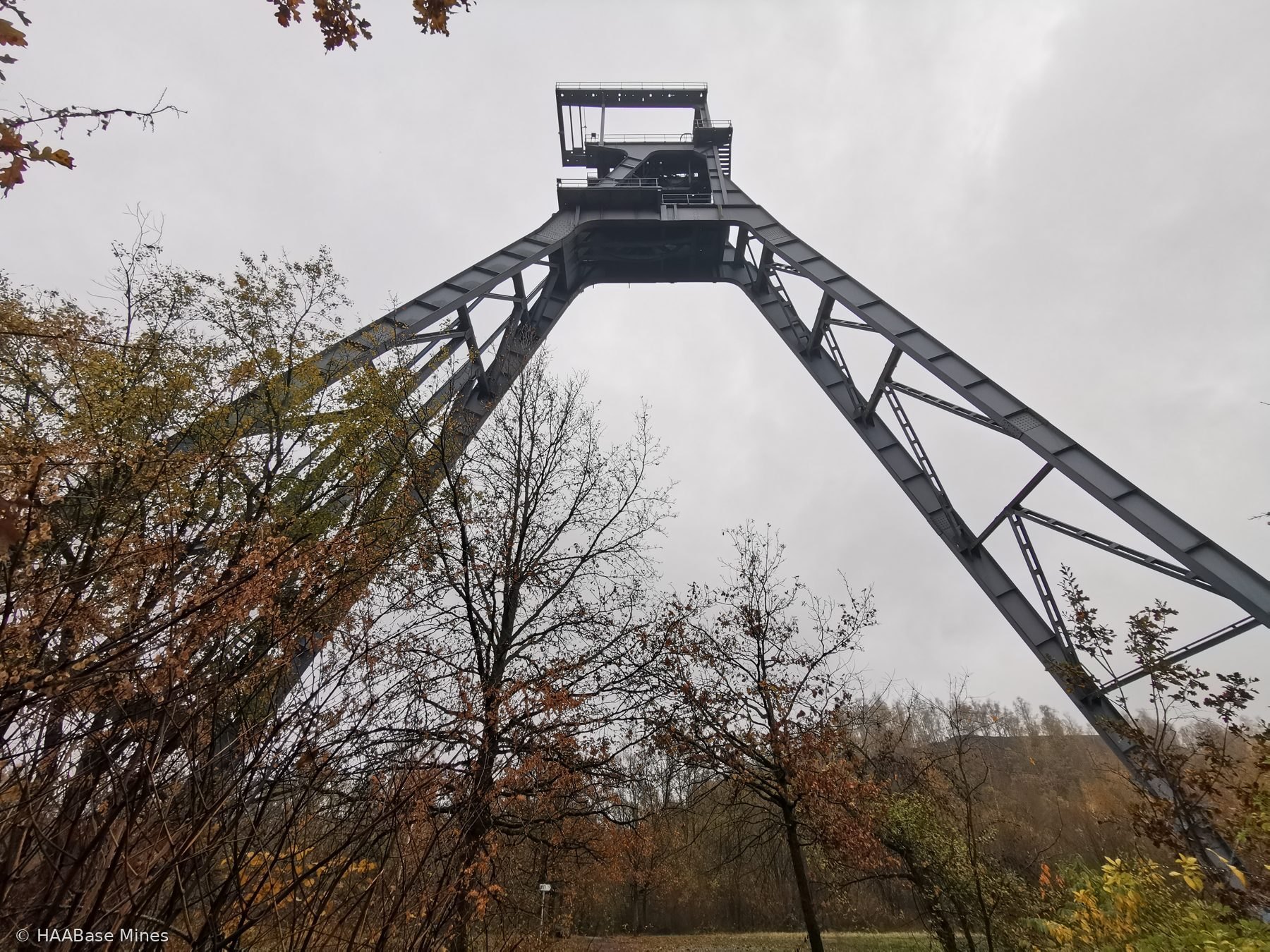
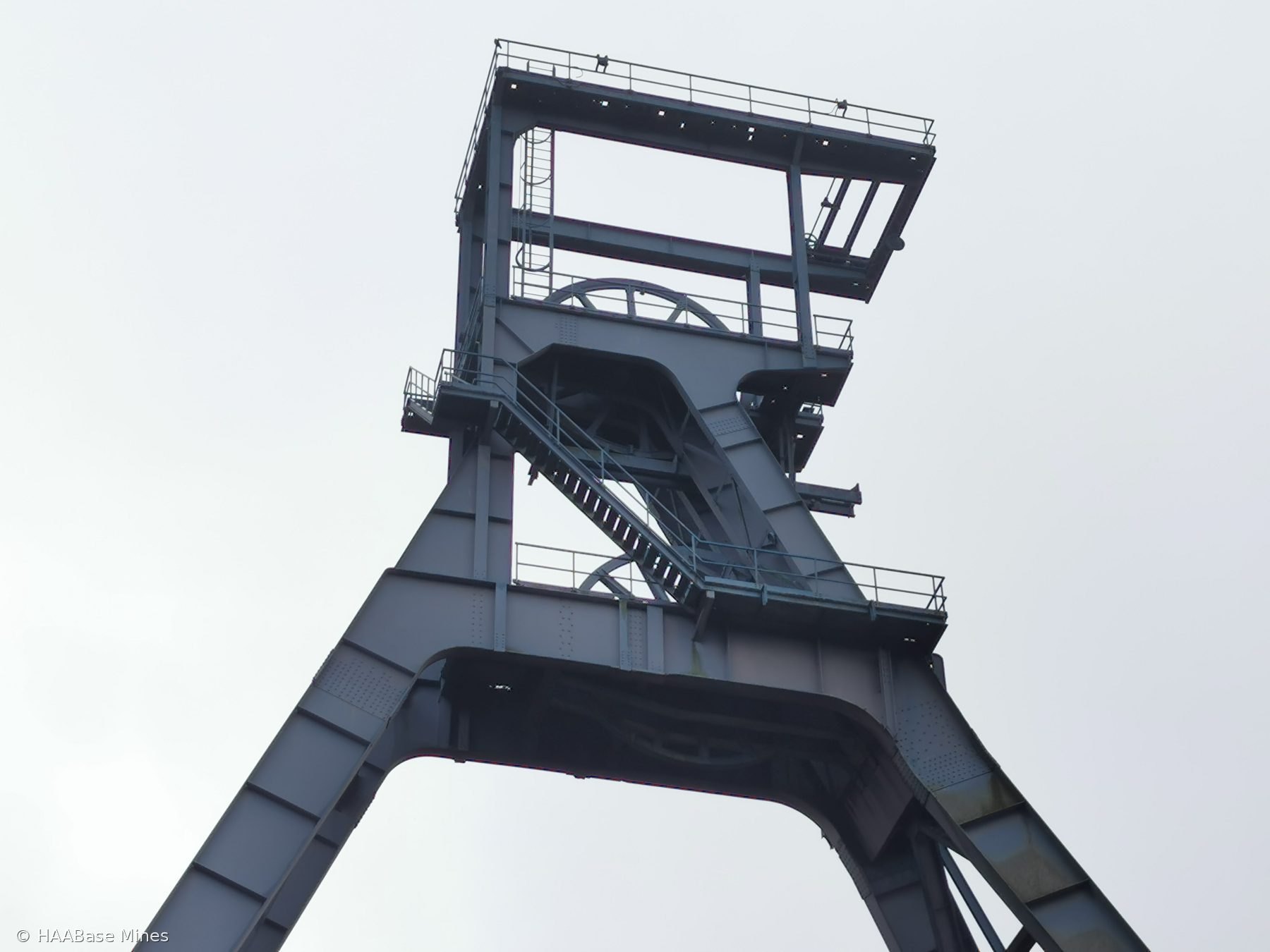
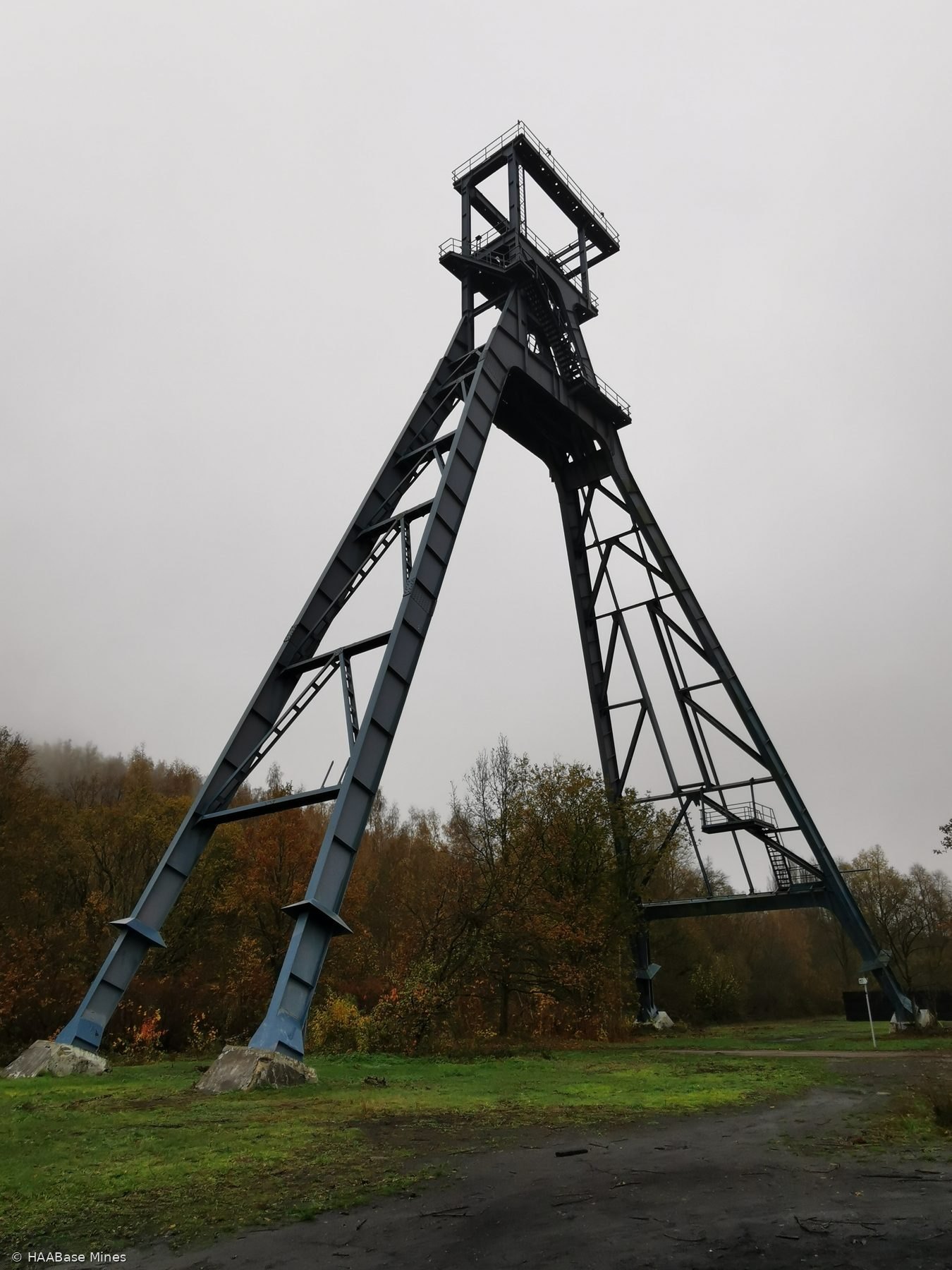
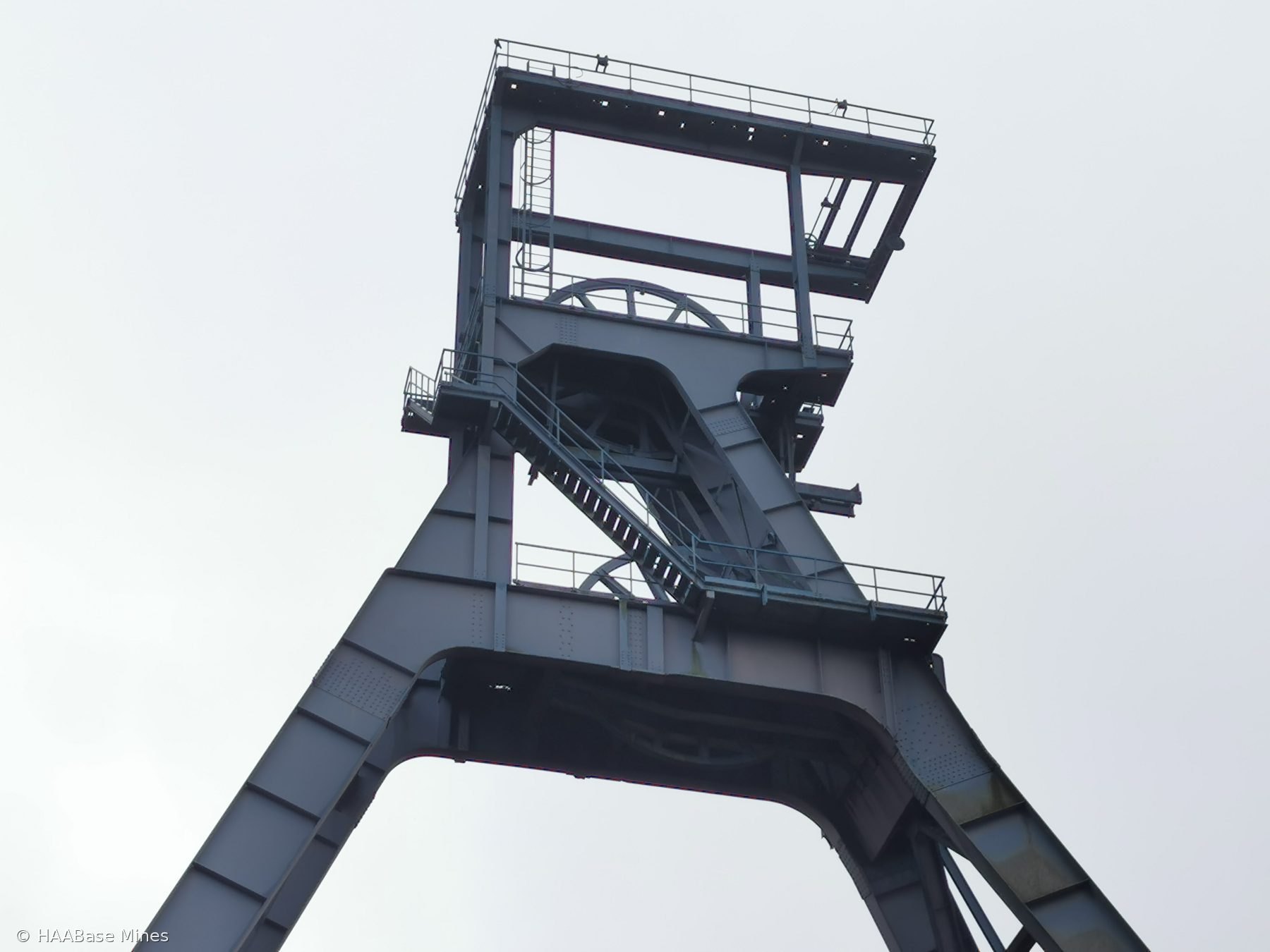
The most visible change was the installation, above the older and much smaller chevalement of puits n°2, of the headframe from puits n°1 of the fosse n°1-1bis de La Clarence at Divion, belonging to the Groupe d'Auchel. This headframe dated from 1951; it was constructed by the établissements Delattre et Frouard, was of portique type, and when installed at Raismes two additional poussards were added and the winding machine was replaced with a more powerful one. In August 1957 the fosse Sabatier, having completed its modernisation, resumed extraction from the fosse n°3 des mines de Vicoigne.
The fosse n°3 de Vicoigne, along with the original puits n°2 of the Sabatier, then served for return air for the Sabatier workings. The fosse La Grange was concentrated onto Sabatier in 1974. The church Sainte-Cécile, whose roof and interior had been destroyed in a fire in 1975, was rebuilt identically.
The fosse Sabatier ceased extraction in 1980; its puits nos 1 and 2 were backfilled five years later in 1985. The original main chevalement above puits n°1 was felled in 1986, and the faux-carré of the chevalement above puits n°2 was dismantled at much the same time; however, the puits n°2 chevalement structure was retained. At the start of the twenty-first century, Charbonnages de France capped the wellheads of both puits and installed firedamp vents at puits n°2.
The commune of Raismes acquired the former site in 1994 and the carreau and terrils were converted into footpaths and nature trails. The conical terril n°174, though partially exploited with its summit removed, was ultimately preserved along with terrils n°175 and n°175A. The former Camus hauts post-nationalisation housing blocks were demolished.
The église Sainte-Cécile and its presbytère were listed as monuments historiques on 1 December 2009; the chevalement of puits n°2 was listed on 18 March 2010. On 30 June 2012 the chevalement, the three terrils, the cités, the church, presbytère, and school were inscribed as part of the Bassin minier Nord-Pas-de-Calais on the UNESCO World Heritage List, forming part of site n°8. The fosse had also served in 1981 as a filming location for the television series Sans famille.