Site overview

The fosse Delloye, owned by the Compagnie des mines d'Aniche and sited at Lewarde near Douai in the Nord département, began its development in 1911 when the fonçage of puits n°1 was started. The work was interrupted by the First World War and resumed in 1921; the fosse entered production in 1927, exploiting a deposit of charbon gras and demi-gras. Puits n°2 was begun in 1927 and started production in 1931.

The fosse was named after Joseph Delloye, an administrator of the Compagnie des mines d'Aniche. After nationalisation in 1946 the fosse was integrated into the Groupe de Douai. The fosse Vuillemin was concentrated on Delloye in 1955.

Extraction became unprofitable because the seams were rarely more than one metre wide, and the fosse closed on 15 July 1971. In 1973, the management of the Houillères du Bassin du Nord et du Pas-de-Calais, led by Secretary General Alexis Destruys, chose the Delloye site for a mining history centre. The Centre historique minier association was launched on 4 July 1982 and the museum opened to the public in May 1984.

The surface installations were classified as a monument historique in September 2009 and the fosse was inscribed on the UNESCO World Heritage List on 30 June 2012.

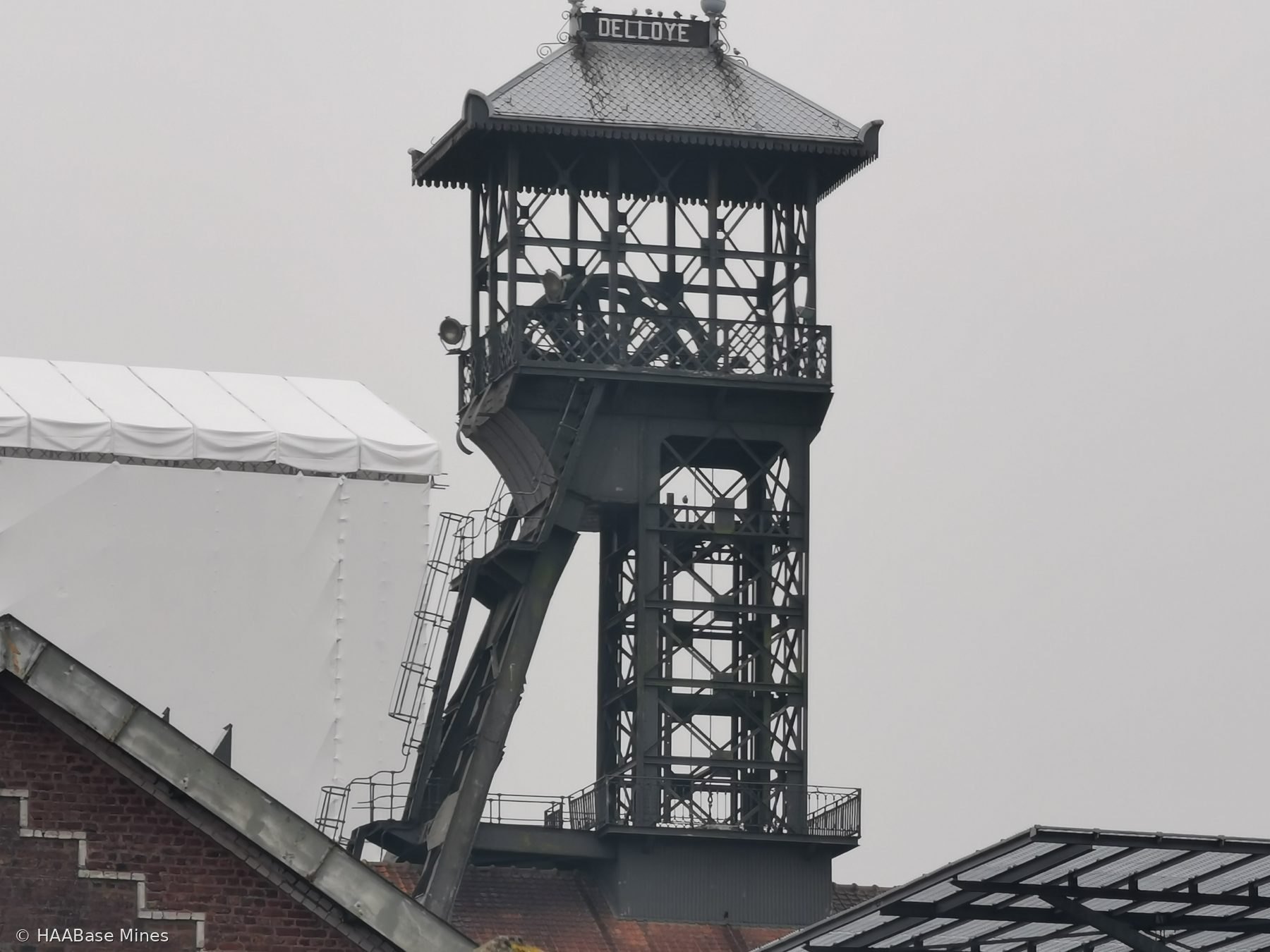
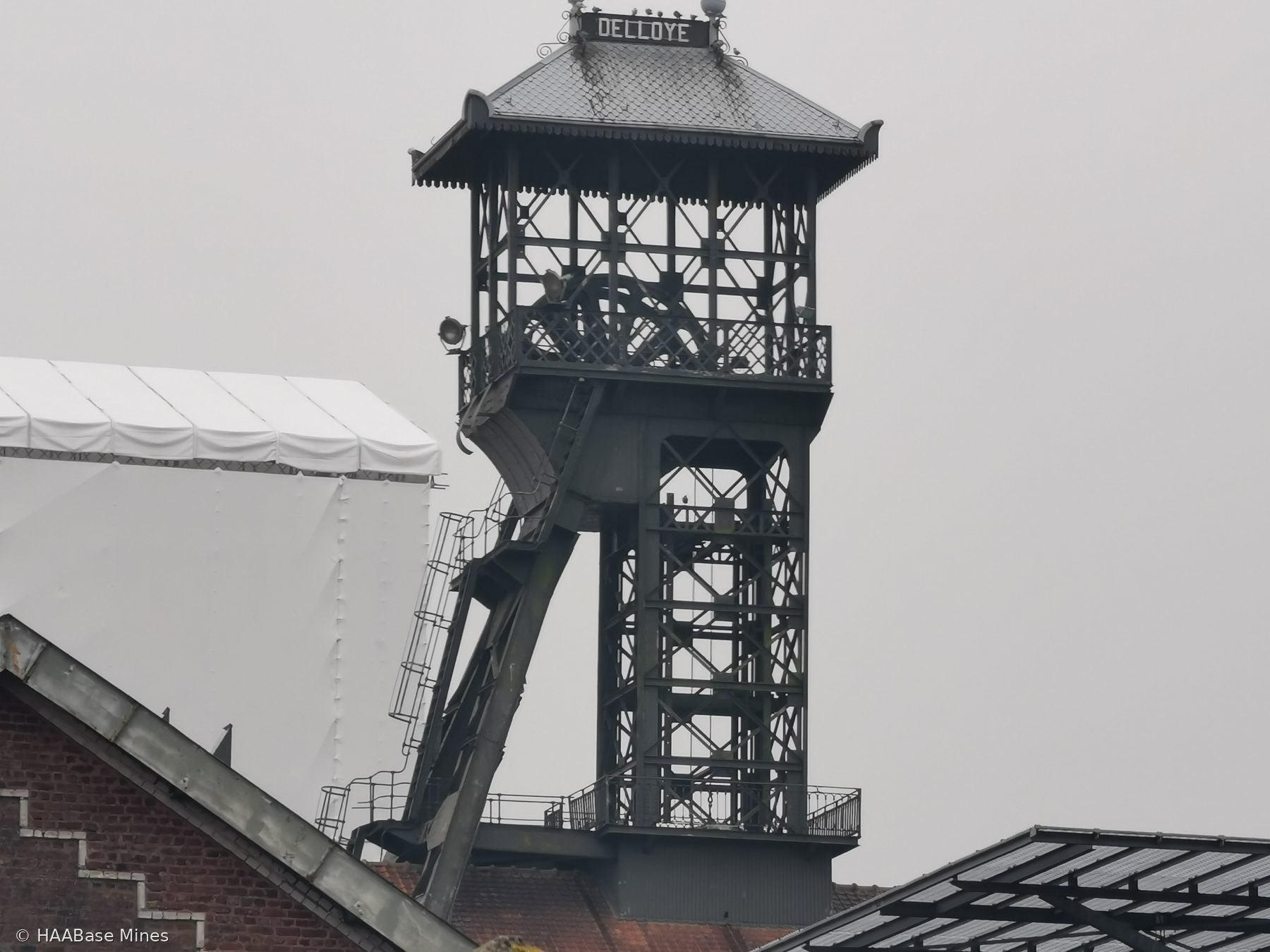
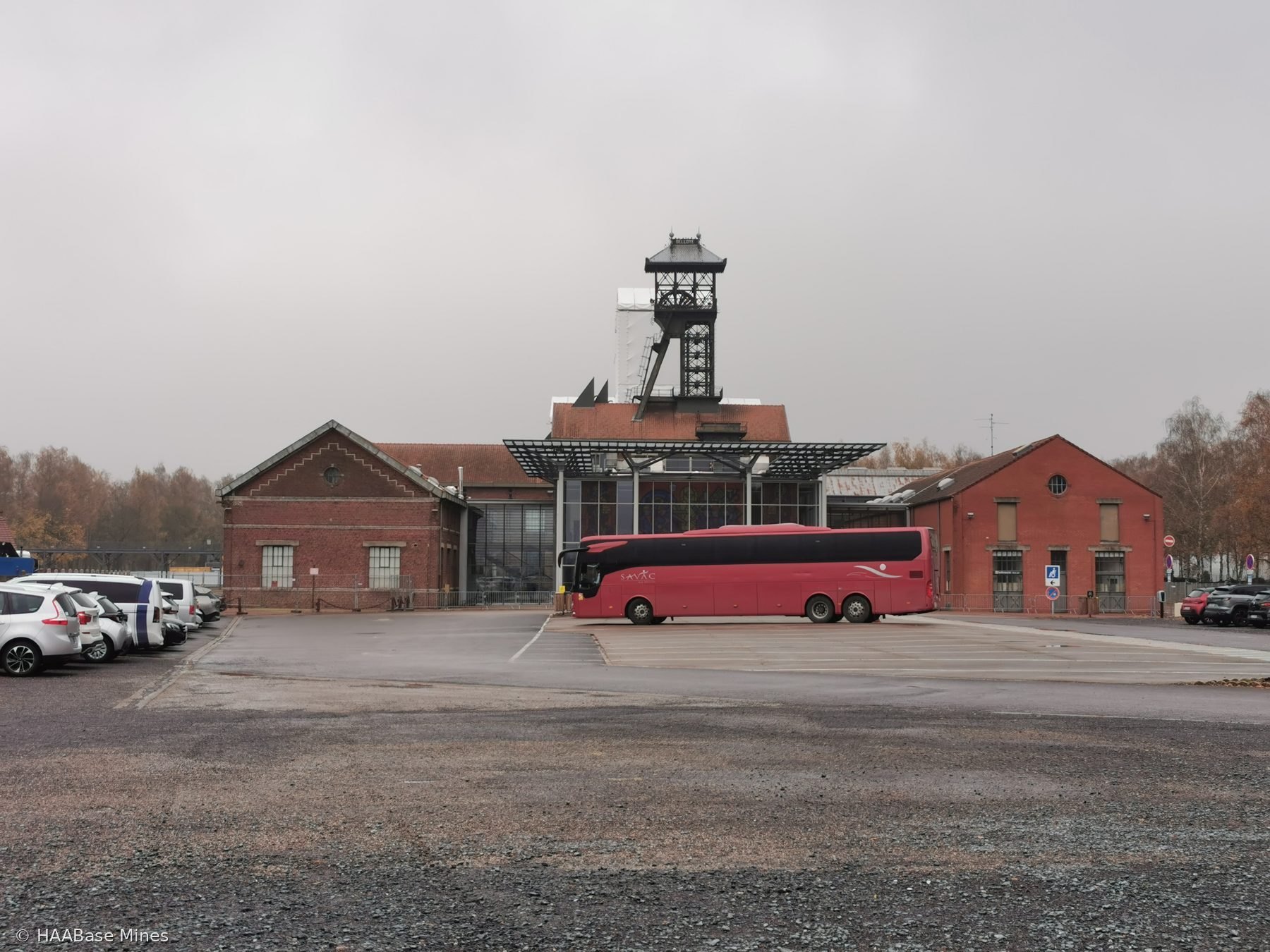
Set in open ground on the edge of Lewarde, the surviving pithead buildings form a broad and coherent colliery complex, clearly legible within the surrounding post-industrial landscape.

Map & photo

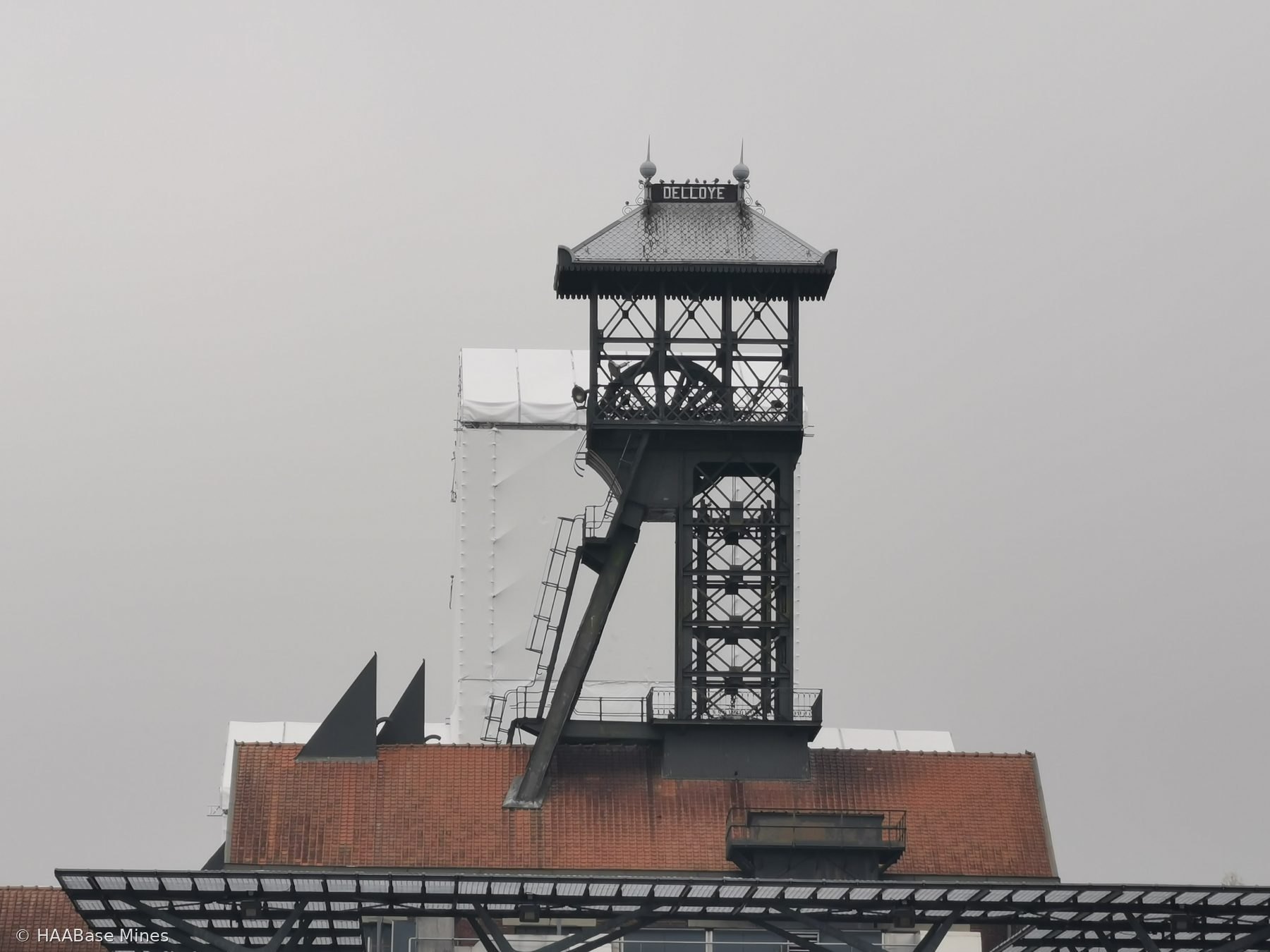
Fosse Delloye mine headframe or winding tower site
Photograph taken: 16 November 2025
Map markers and directions links are provided for location reference only and do not indicate public access or permission to enter a site.

History

The fonçage of puits n°1 of the fosse Delloye — 4 metres in diameter, intended for extraction — began in 1911. The work was interrupted by the First World War and did not resume until 1921. The fosse entered production in 1927, the first seam exploited being the veine Joseph, from a deposit of charbon gras and demi-gras.

The fosse was named after Joseph Delloye, an administrator of the Compagnie des mines d'Aniche. The fonçage of puits n°2 (5 metres in diameter), also intended for extraction and for service, began in 1927. Production from puits n°2 started in 1931; in its first year, 18,634 tonnes of coal were extracted.

The two shafts operated autonomously, both serving for extraction of coal and for return of air. The fosse Sébastopol d'Erchin served as the dedicated return-air shaft. Coal was triaged at the fosse then sent by railway to the lavoir of the fosse Gayant at Waziers.

During more than forty years of operation, over 1,000 miners worked on the site, producing up to 1,500 net tonnes of coal per day. Production peaked in 1963 at more than 440,000 tonnes. The Compagnie des mines d'Aniche was nationalised along with the rest of the coalfield in 1946 and the fosse was integrated into the Groupe de Douai under the Houillères du Bassin du Nord et du Pas-de-Calais (HBNPC).

In 1955 the fosse Vuillemin was concentrated on Delloye, along with its ventilation shaft Sébastopol. From 1967 studies confirmed that the seams were approaching exhaustion; the coal was of good quality but the seams were narrow, rarely reaching one metre in width, making extraction increasingly unprofitable. The fosse closed on 15 July 1971.

During the course of its operation the fosse experienced approximately forty accidents, four of which caused the deaths of five miners, in 1953, 1954, and 1966. A mine collapse on 25 March 1966 at 377 metres depth in the veine du Grand Moulin killed two miners and injured a third. After closure, the management of the HBNPC — and in particular its Secretary General Alexis Destruys — wished to create a mining history centre to commemorate three centuries of mining activity in the region.

The project was validated in 1973 and the fosse Delloye, then in process of dismantling, was chosen for its representative character of the inter-war period and its central position within the coalfield, close to the motorway network. As other fosses in the coalfield closed, their equipment and documents were transferred to Delloye. The Centre historique minier association was launched on 4 July 1982, with the involvement of the French Ministry of Culture, the Nord-Pas de Calais Regional Council, the Nord Departmental Council, and the HBNPC.

The Centre historique minier opened to the public in May 1984. Since then it has grown into France's largest mining museum, covering 8,000 m² of industrial buildings on a site of 8 hectares, with 450 metres of accessible reconstructed galleries and 2,700 metres of archives. The museum holds 7,000 volumes, 550,000 photographic documents, 500 films, 350 videograms, and 300 sound recordings.

At the start of the twenty-first century, Charbonnages de France capped the wellheads of puits Delloye n°1 and n°2 and installed firedamp vents. The surface installations were classified as a monument historique on 21 September 2009. The fosse Delloye was inscribed on the UNESCO World Heritage List on 30 June 2012, forming site n°23 among the 353 elements across 109 sites that make up the Bassin minier Nord-Pas-de-Calais.

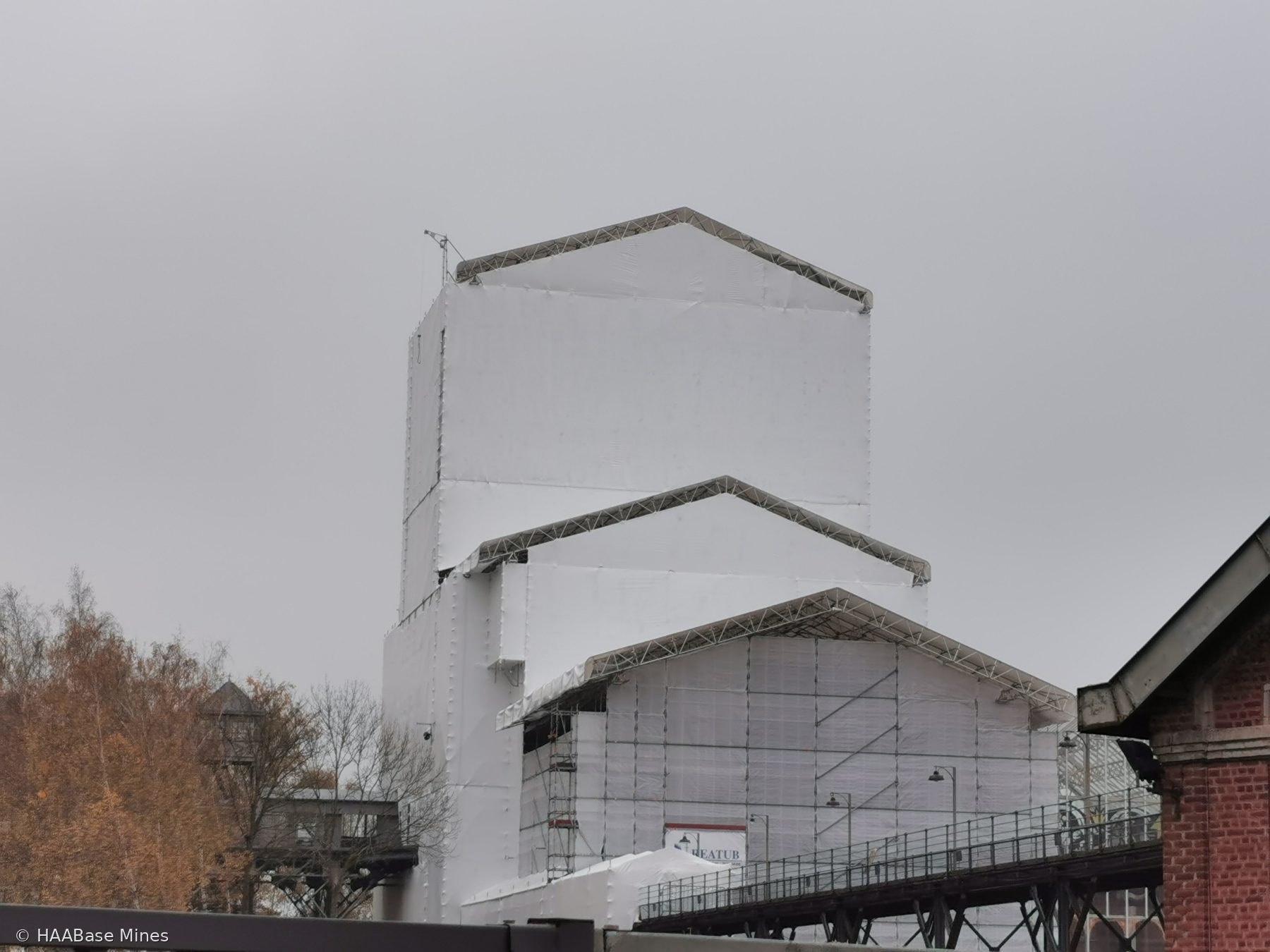
The two chevalements of the fosse Delloye, belonging to the Compagnie des mines d'Aniche, are distinguished by their pagoda-shaped roofs. From 2018 the Centre historique minier undertook a comprehensive reorganisation of its energy science cultural centre. In 2026 a renovation of chevalement n°2 is under way.
Timeline

1911
Construction

Fonçage of puits n°1 begun

The fonçage of puits n°1 (4 metres in diameter, intended for extraction) began in 1911. The fosse was named after Joseph Delloye, an administrator of the Compagnie des mines d'Aniche. The work was interrupted by the First World War.
1921–1927
Construction

Fonçage of puits n°1 resumes; fosse enters production 1927

The fonçage of puits n°1 resumed in 1921 following the First World War. The fosse entered production in 1927, the first seam exploited being the veine Joseph, from a deposit of charbon gras and demi-gras. The fonçage of puits n°2 (5 m diameter) also began in 1927.
1931
Operation

Puits n°2 begins production; first year output 18,634 tonnes

Puits n°2 (5 m diameter) started production in 1931. In its first year 18,634 tonnes of coal were extracted. The two shafts operated autonomously, both serving for extraction, personnel, and materials.
1946
Legislation

Nationalisation; integrated into the Groupe de Douai

Following the nationalisation of French coal mines in 1946, the Compagnie des mines d'Aniche was absorbed and the fosse Delloye was integrated into the Groupe de Douai under the HBNPC.
1955
Operation

Fosse Vuillemin concentrated on Delloye

In 1955 the fosse Vuillemin was concentrated on the fosse Delloye, along with Sébastopol, its ventilation shaft.
1963
Operation

Peak production: more than 440,000 tonnes

Production peaked in 1963 at more than 440,000 tonnes. During more than forty years of operation, over 1,000 miners worked on the site, producing up to 1,500 net tonnes per day.
1966
Operation

Mine collapse at 377 m depth kills two miners

On 25 March 1966 at 3:50 a.m. a mine collapse at 377 metres depth in the veine du Grand Moulin killed two miners and injured a third.
1971
Closure

Fosse closes 15 July 1971

The fosse Delloye closed on 15 July 1971, following confirmation from 1967 that the seams — rarely more than one metre wide — were approaching exhaustion and could no longer be profitably extracted.
1973
Redevelopment

Decision taken to create the Centre historique minier on the Delloye site

In 1973 the management of the HBNPC, led by Secretary General Alexis Destruys, validated the project to create a mining history centre on the fosse Delloye site, then in process of dismantling. The site was chosen for its representative character of the inter-war period and its central location.
1982
Redevelopment

Centre historique minier association created

On 4 July 1982 the Association du Centre historique minier was created, with the involvement of the Ministry of Culture, the Nord-Pas de Calais Regional Council, the Nord Departmental Council, and the HBNPC.
1984
Heritage

Centre historique minier opens to the public

The Centre historique minier opened to the public in May 1984, presenting the complete surface installations of an early twentieth-century fosse together with reconstructed underground galleries. It is France's largest mining museum.
2009
Heritage

Surface installations classified as monument historique

On 21 September 2009 the surface installations of the fosse Delloye were classified as a monument historique.
2012
Heritage

Inscribed on UNESCO World Heritage List as site n°23

On 30 June 2012 the fosse Delloye was inscribed on the UNESCO World Heritage List as site n°23 of the Bassin minier Nord-Pas-de-Calais, among 353 elements across 109 sites.

Sources and records

Wikipedia article (French): Centre historique minier de Lewarde
Centre historique minier de Lewarde official website: history page
Mérimée heritage database (pop.culture.gouv.fr): PA59000171
Bassin-minier-regis.jimdofree.com: fosse Delloye Lewarde
Hauts-de-France Tourisme website: Centre historique minier
Cœur d'Ostrevent Agglo website: Centre historique minier
Centre historique minier website: La fosse Delloye bénéficie d'une cure de jouvence
This researched site record is part of the HAABase Mines database. Normal personal research and browsing is welcome. Automated bulk extraction, republication, or harvesting of site text and images is not permitted without written consent.