Site overview

The puits de Longchamps at Renazé, Mayenne, is the slate extraction shaft that forms the centrepiece of the Musée de l'Ardoise et de la Géologie de Renazé, the principal heritage site for the basin's five centuries of slate working. The butte de Longchamps opened for extraction in 1890. In 1936 the Société des Ardoisières de l'Anjou sank the puits de Longchamp, designating it puits N°3.

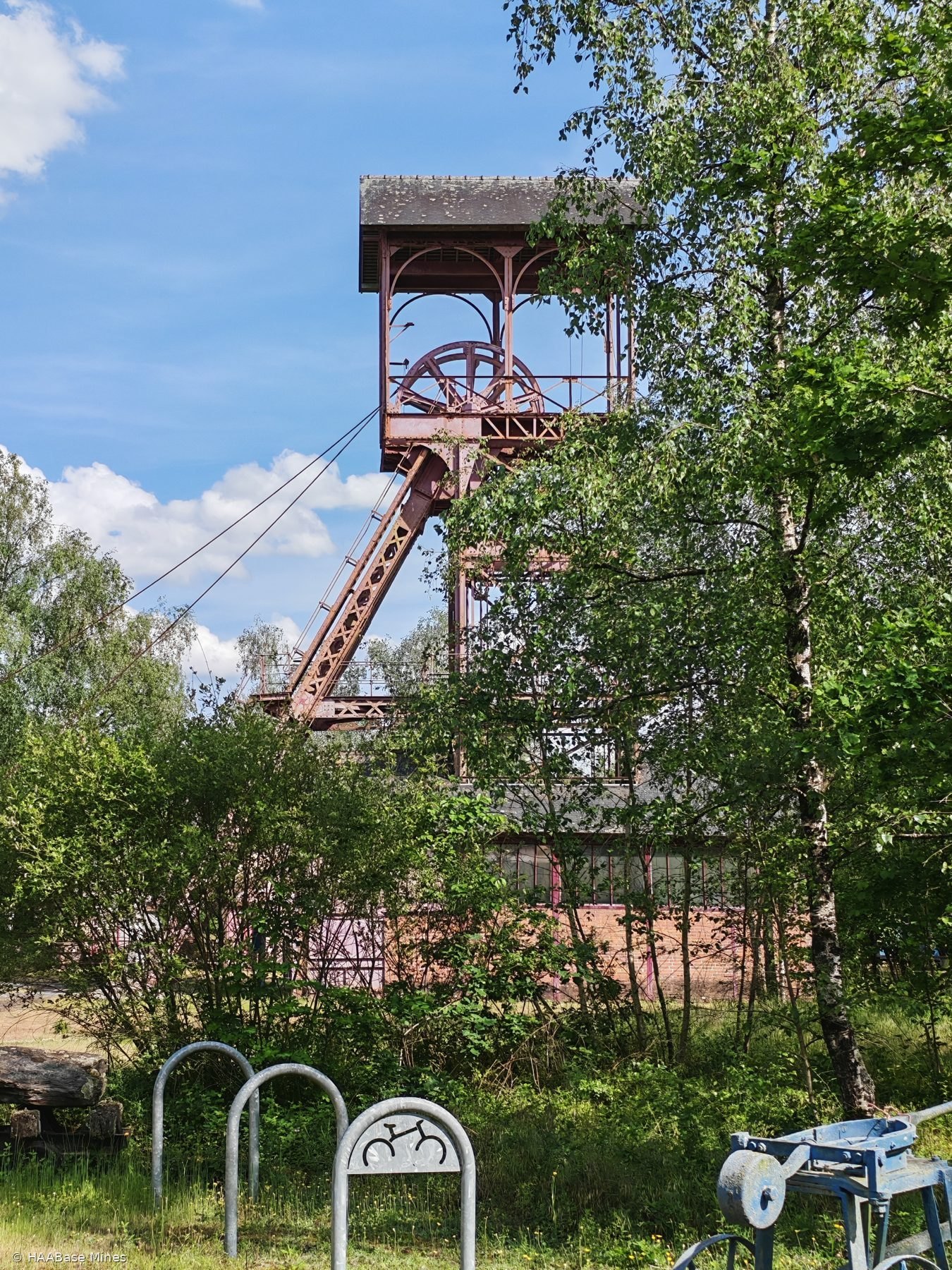
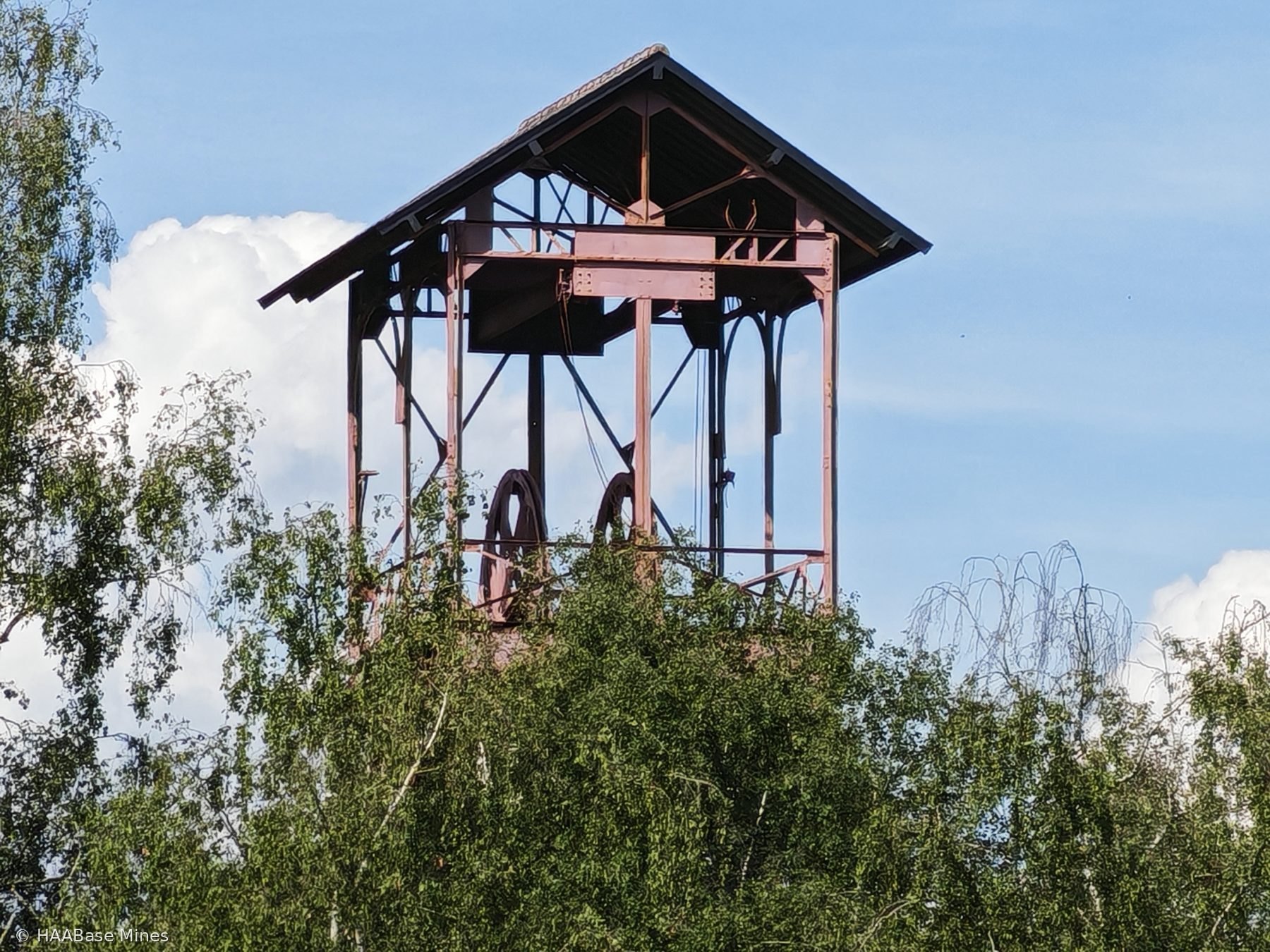
The shaft was equipped with a trellised metal headframe of 22 metres, manufactured in 1926 by the Société Venot-Peslin d'Onnaing (Nord), originally installed at the Brémandière site at Trélazé, then dismantled and re-erected at Longchamp in 1941 by the établissements Jarry de Trélazé. The headframe's upper structure is decorated with croix de Saint-André balustrades and plein-cintre mouldings. The puits de Longchamp was the last shaft to close in the Renazé basin, in 1975.

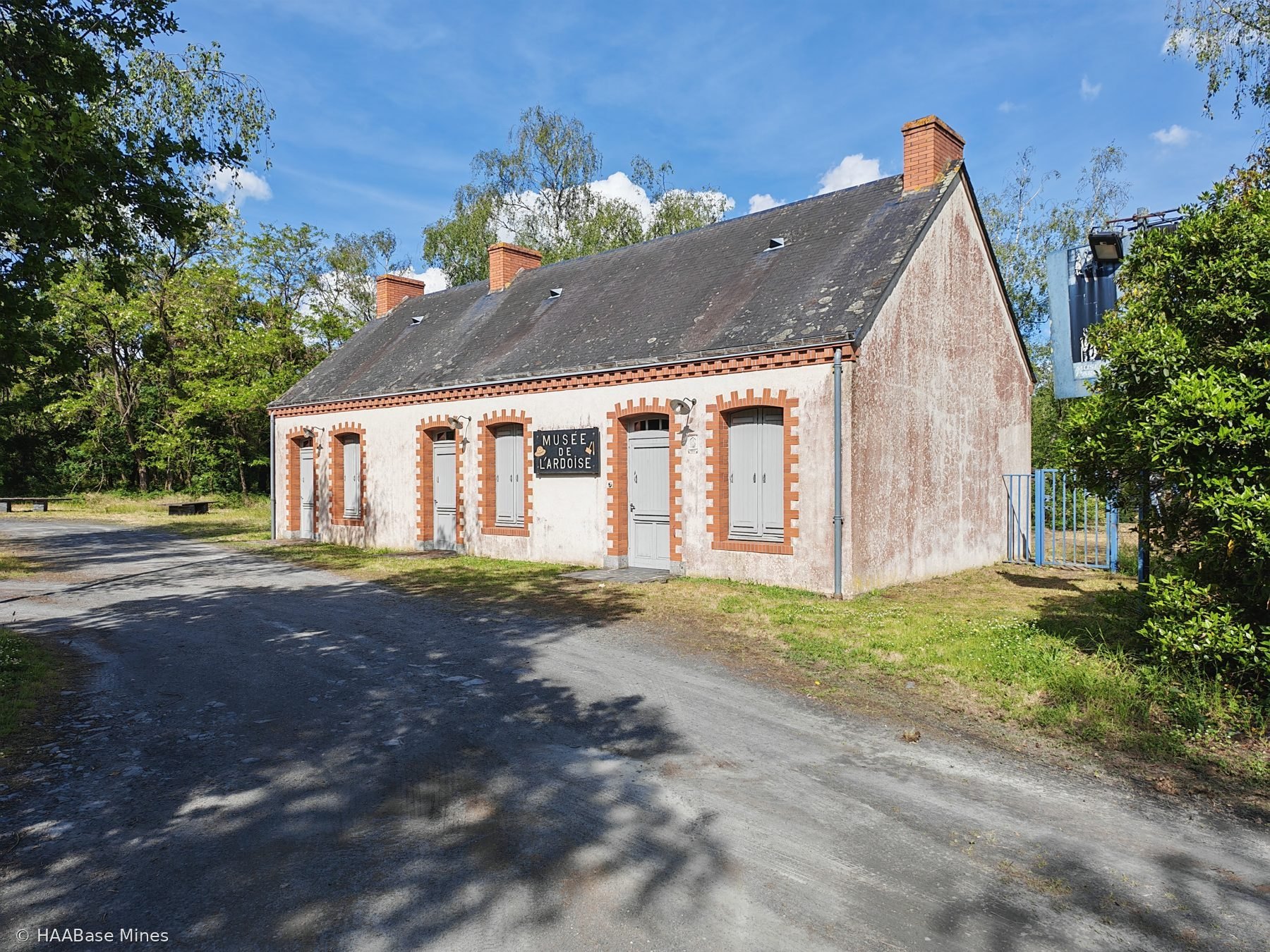
From 1979, former miners began conservation work; the Musée de l'Ardoise et de la Géologie was inaugurated on 6 April 1991 and became a Musée de France in 2005.

Set on the edge of Renazé, the site occupies a settled former quarry landscape in which the headframe and associated remains still read as a distinct and coherent slate-mining group.

Map & photo

Ardoisières de Renazé — Puits de Longchamp mine headframe or winding tower site
Photograph taken: 8 May 2026
Map markers and directions links are provided for location reference only and do not indicate public access or permission to enter a site.

History

The ardoisières of Renazé form the principal slate mining territory of the Mayenne department, extending across the communes of Renazé and Congrier. Slate extraction is attested at Congrier from at least 1450-1454, when a perrière and a commercial purchase of ardoise are documented. Two carrières opened at la Maillère and la Touche in 1650.

The principal industrial sites in the Renazé basin were la Gautrie, la Rivière, Saint-Aignan, Laubinière, la Touche, and Longchamps. In the nineteenth century the industry expanded rapidly: in 1857 Renazé counted 400 ardoisiers, and by 1920 the number had grown to 1,500. The apogee of production was between 1870 and 1920.

From the end of World War One, powerful industrial methods were introduced for more rational exploitation of the schiste beds. The Société des Ardoisières de l'Anjou, formed in 1894, was the principal operator, acquiring in 1895 the Ardoisière de l'Aubinière and in 1896 the Ardoisières de la Touche and du Fresne. The butte de Longchamps, at the location of the present museum, opened for extraction in 1890.

In 1936 the Société des Ardoisières de l'Anjou sank the puits de Longchamp, designated puits N°3. The shaft was equipped with a metal headframe of 22 metres, built in 1926 by the Société Venot-Peslin d'Onnaing, a prominent manufacturer of extraction machinery in northern France. The headframe had first been installed at the Brémandière site at Trélazé.

In 1941 it was dismantled and re-erected at Longchamp by the établissements Jarry de Trélazé. It is a structure of treillis beams; its upper section, where the winding sheaves are carried, features decorative croix de Saint-André balustrades and fine plein-cintre mouldings. It stands as one of the last surviving chevalements in the Renazé-Mayenne territory.

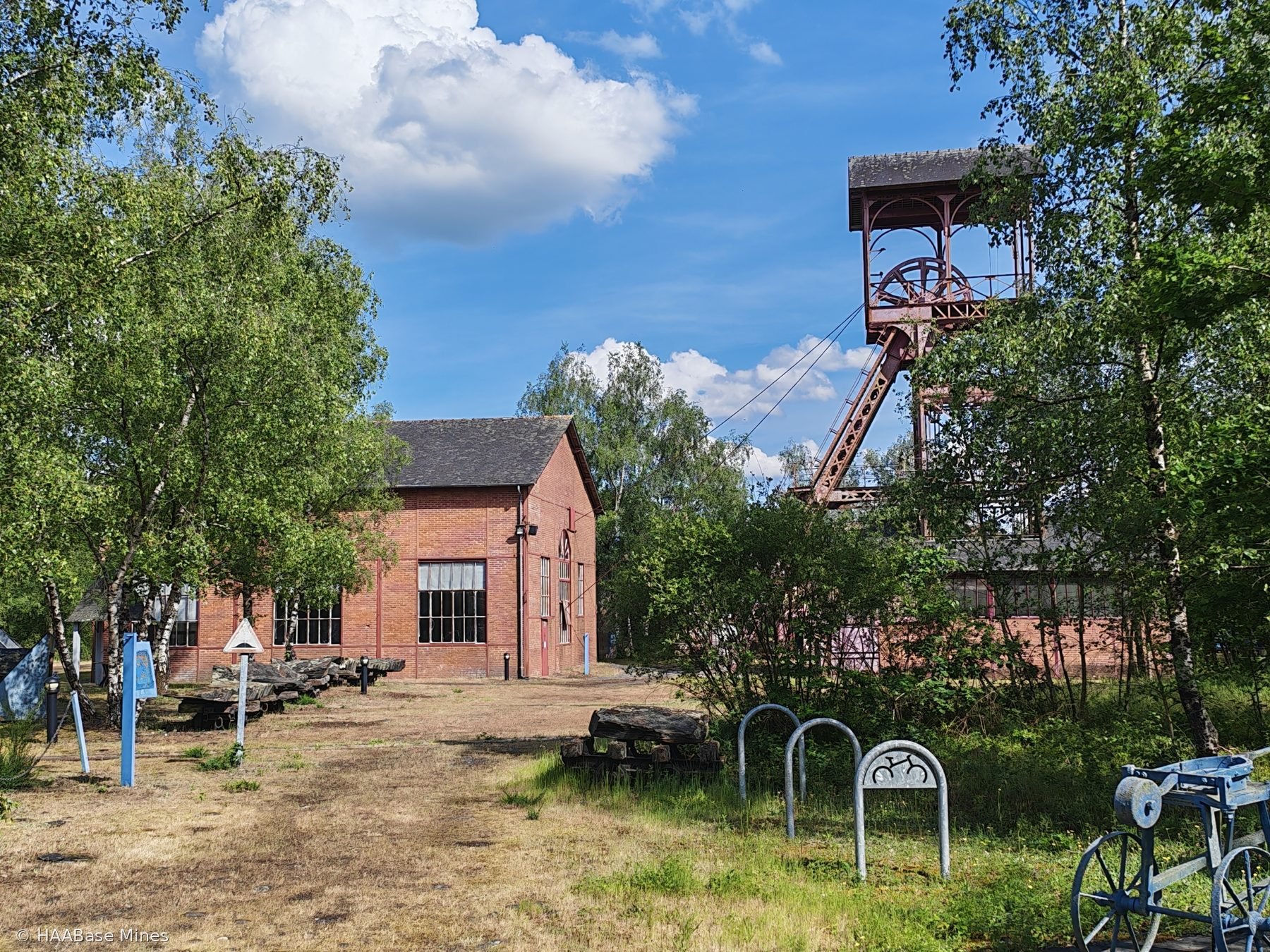
The bâtiment de la machine d'extraction, built in pan de fer and brick, houses the extraction machinery that remains on site. Up to 28 miners at a time descended in the cage. Blocks of schiste weighing two to three tonnes were raised.

The first mechanised extraction equipment arrived in 1920, reducing the heaviest underground labour. The deepest shaft in the Renazé basin, at Longchamps, reached 305 metres. By 1950 all quartiers of the Renazé basin were connected underground.

From the 1970s, enterprises progressively reduced export and then production of ardoise at Renazé. The last puits to close in the basin was the puits de Longchamp, in 1975. In 1975 the last miners of Renazé made their final ascent in the cage of the Longchamp headframe.

From 1979, a group of ardoisiers and local history enthusiasts began work to prevent the past from being forgotten. The Musée de l'Ardoise et de la Géologie was inaugurated on 6 April 1991 on the Longchamp butte site. The four hectares of butte, the headframe, the machine room, the preserved constructions, reconstructed tue-vents and cabanes, and the terril together constitute an authentic industrial heritage ensemble.

The museum became labelled Musée de France on 1 May 2005. The municipality of Renazé has subsequently undertaken the renovation of the puits N°3 headframe (puits de Longchamp), with a rehabilitation budget estimated at 191,646.70 euros. Three metal chevalements survive in the Renazé basin: the puits de Longchamps, the puits Saint-Aignan, and the puits de Laubinière.
Timeline

Exploration

Earliest attested slate working in the Renazé-Congrier area

A perrière at Congrier is signalled in 1450; in 1454 a purchase of ardoise is recorded from Congrier. These are the earliest documented references to slate working in the Renazé basin.
Heritage

Commune of Renazé undertakes renovation of puits N°3 headframe

The commune of Renazé undertook the renovation of the puits de Longchamp (N°3) headframe, with a rehabilitation budget estimated at 191,646.70 euros supported by parliamentary funding.
1890
Exploration

Butte de Longchamps opens for extraction

The butte de Longchamps, at the location of the present museum, opened for extraction in 1890.
1894–1896
Legislation

Société des Ardoisières de l'Anjou formed; acquires Renazé operations 1895-1896

The Société des Ardoisières de l'Anjou was formed in 1894 and in 1895 acquired the Ardoisière de l'Aubinière, and in 1896 the Ardoisières de la Touche and du Fresne. It became the principal operator of the Renazé basin.
1936–1941
Construction

Puits de Longchamp (N°3) sunk 1936; 22-metre Venot-Peslin headframe installed 1941

In 1936 the Société des Ardoisières de l'Anjou sank the puits de Longchamp (puits N°3). It was equipped with a trellised metal headframe of 22 metres manufactured in 1926 by the Société Venot-Peslin d'Onnaing, originally at Trélazé. In 1941 the établissements Jarry de Trélazé dismantled and re-erected the headframe at Longchamp.
1950
Operation

All Renazé quartiers connected underground; peak of interconnected extraction

By 1950 all quartiers of the Renazé basin were connected underground, enabling production to flow between sites and allowing the puits de Longchamp to serve the wider connected workings.
1975
Closure

Puits de Longchamp closes, the last shaft in the Renazé basin

The puits de Longchamp was the last shaft to close in the entire Renazé basin, ceasing operations in 1975. It was the final act of over five centuries of slate extraction at Renazé.
1979–1991
Heritage

Musée de l'Ardoise et de la Géologie inaugurated on 6 April 1991; becomes Musée de France 2005

From 1979 former miners and local history enthusiasts began restoration work on the Longchamp site. The Musée de l'Ardoise et de la Géologie was inaugurated on 6 April 1991. It became labelled Musée de France on 1 May 2005. The headframe, salle des machines, butte, and reconstructed structures form the museum ensemble.

Sources and records

Wikipedia (French): Ardoisières de Renazé
Musée de l'Ardoise et de la Géologie de Renazé, official description (renaze53.fr)
La Mine Bleue website, Completer vos connaissances sur l'ardoise (description of Musée de Renazé and Longchamp headframe history)
Mayenne Nature Environnement, Les environs du Musée de l'ardoise à Renazé
Ardoisiers mayennais blog (musee-ardoise-renaze.over-blog.com), history and renovation posts
Ardoisiers mayennais blog, Le musée municipal de l'ardoise et de la géologie de Renazé
Hautanjou.fr, Renazé sur les traces du passé minier, guide account
M. Vicnent et C. Mathon, Cartographie des anciennes exploitations souterraines d'ardoise de Renazé (Mayenne), BRGM, 2000 (RP-50435-FR)
FranceArchives, Fonds de la Société ardoisière de l'Anjou
This researched site record is part of the HAABase Mines database. Normal personal research and browsing is welcome. Automated bulk extraction, republication, or harvesting of site text and images is not permitted without written consent.