1925
SFA purchases Rebésou concession
On 30 December 1925 the SFA purchased the Rebésou concession, providing the land on which the puits Goldney would be sunk.
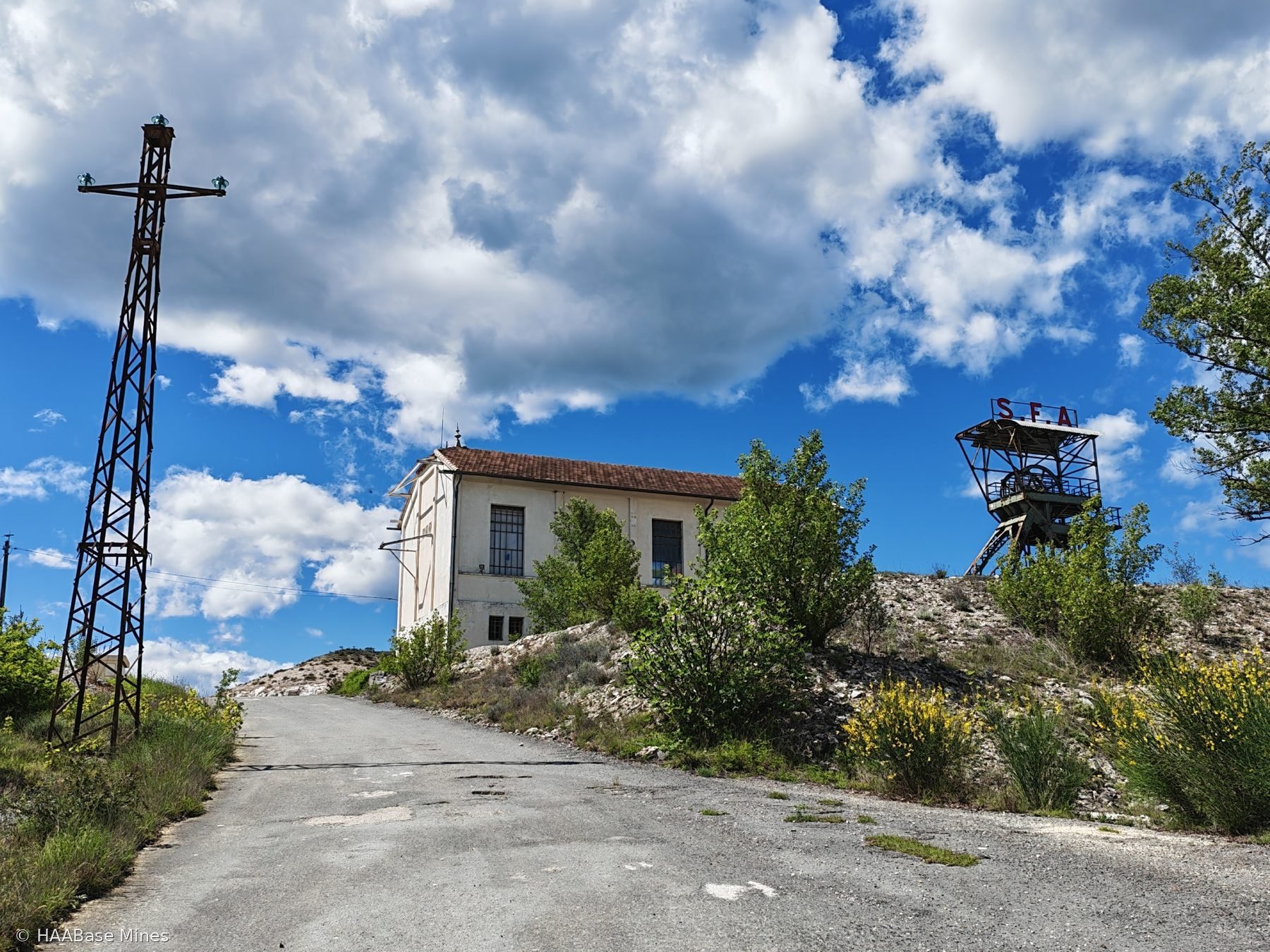
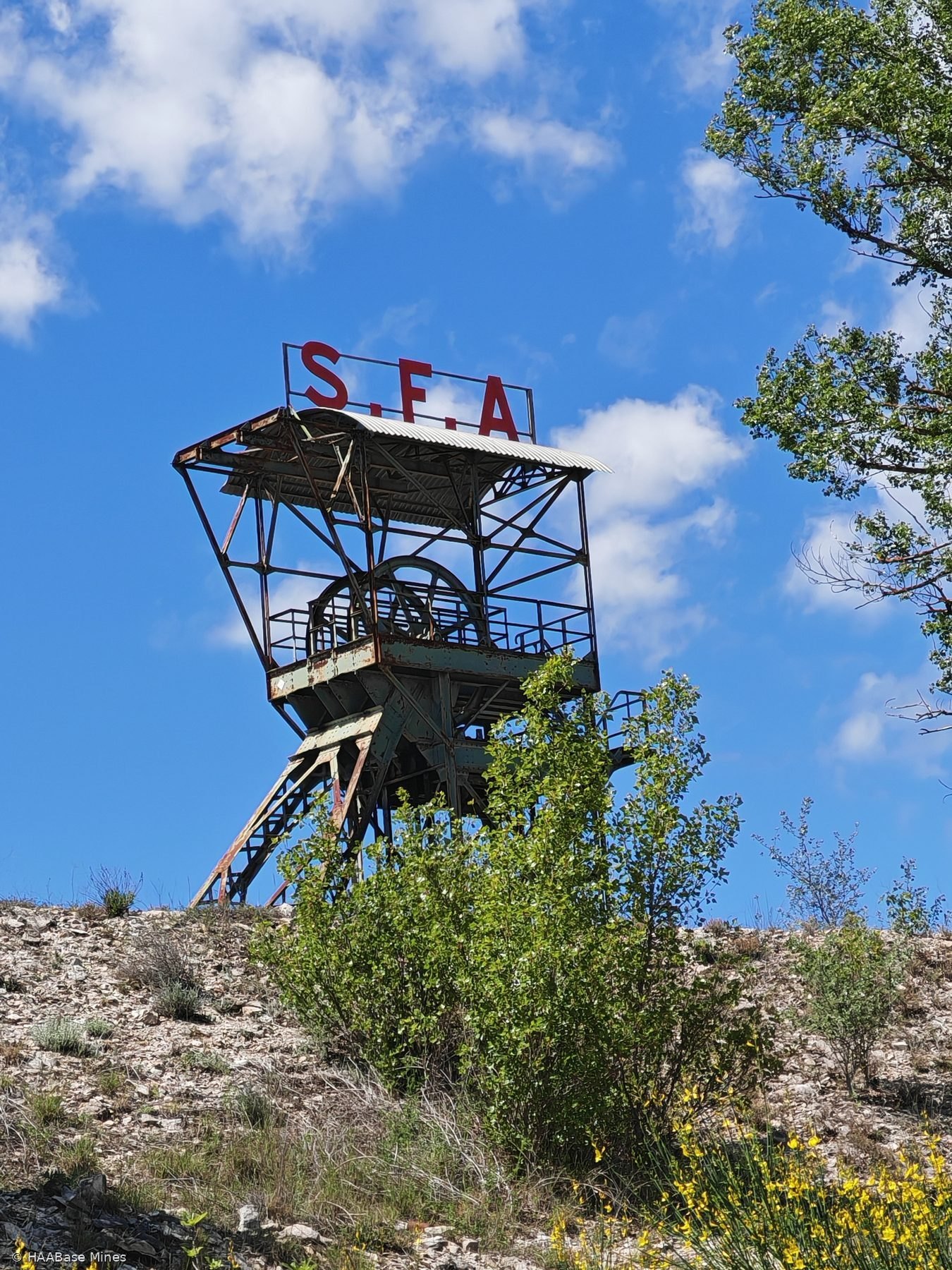
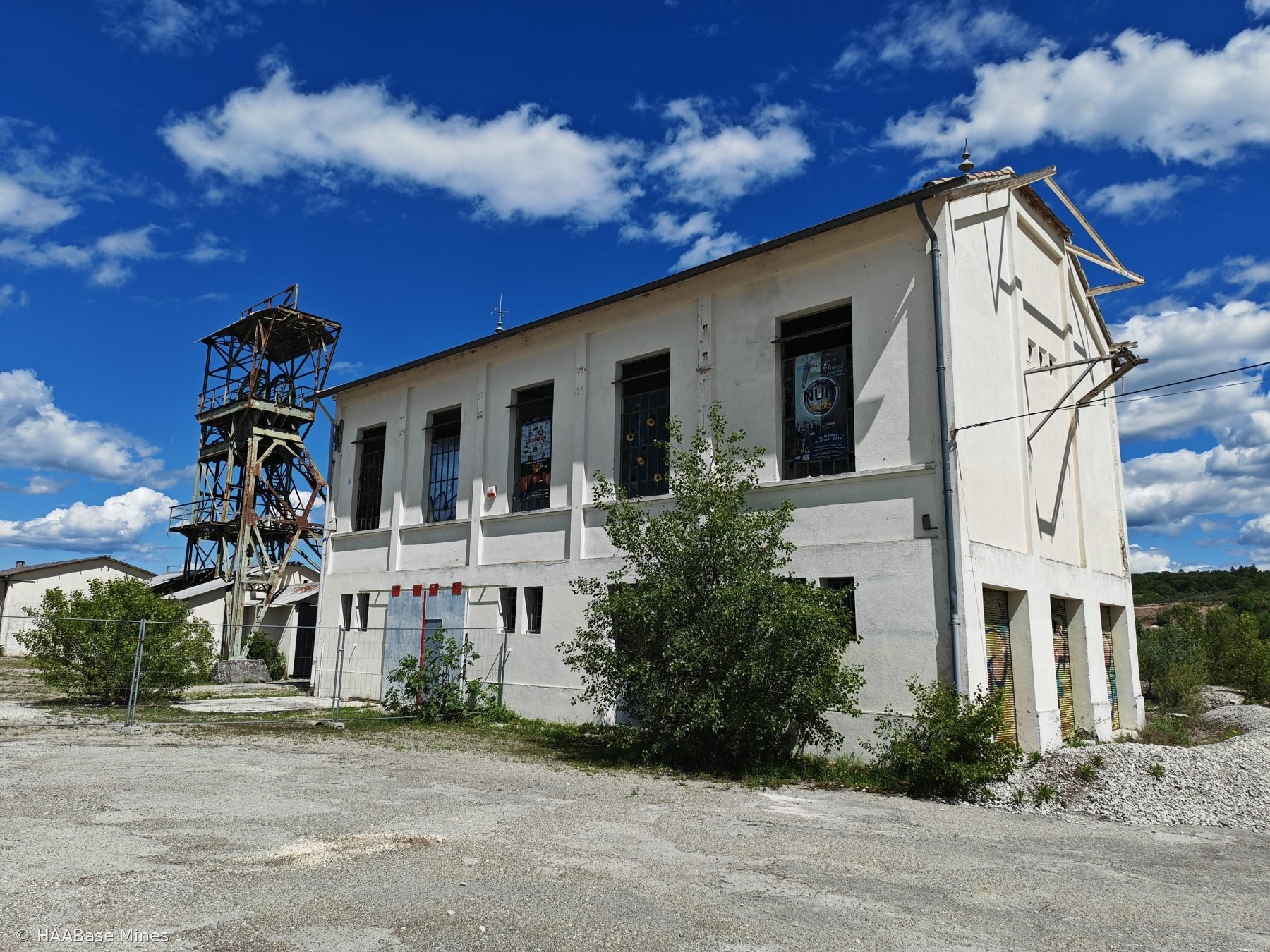
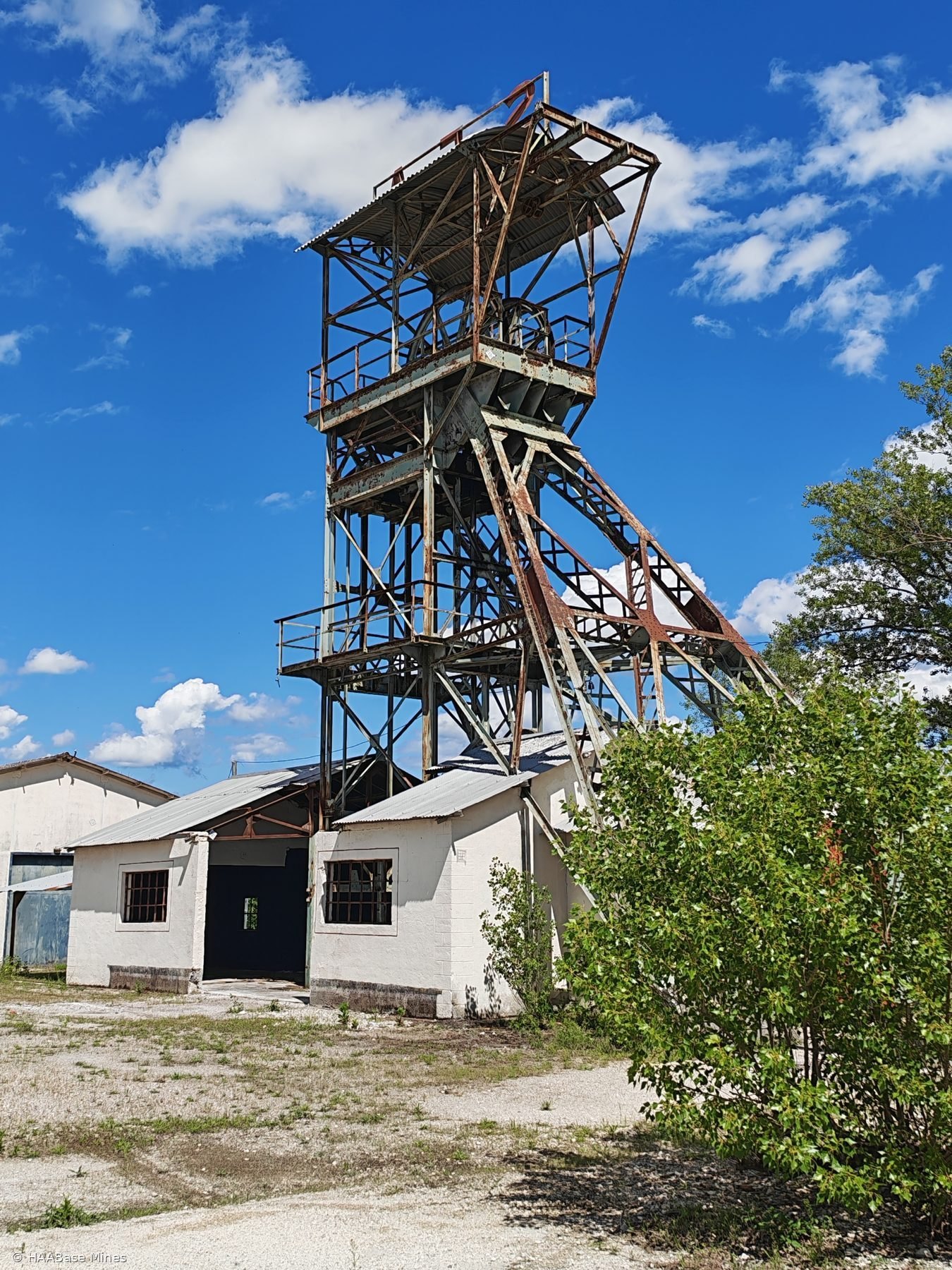
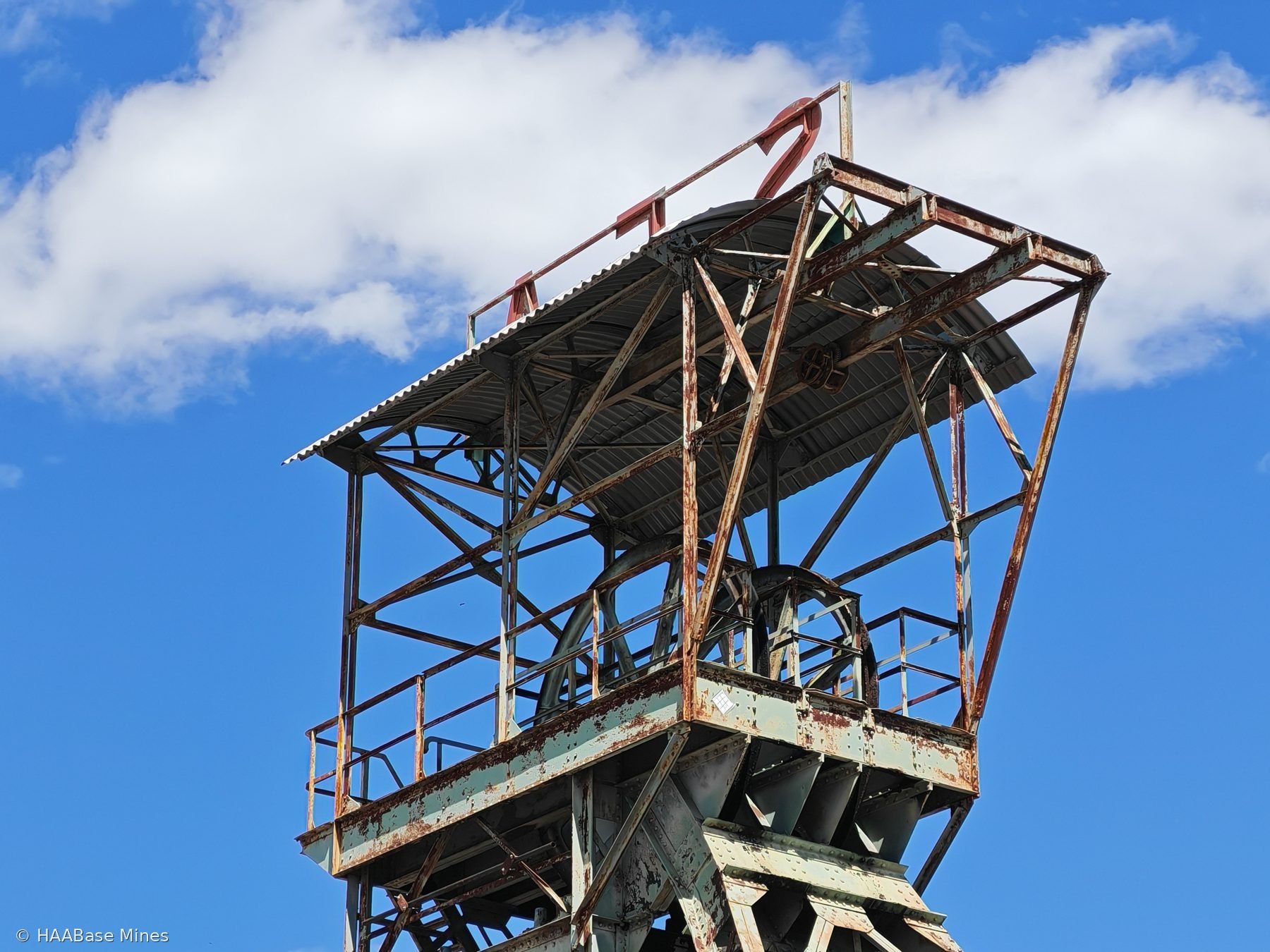
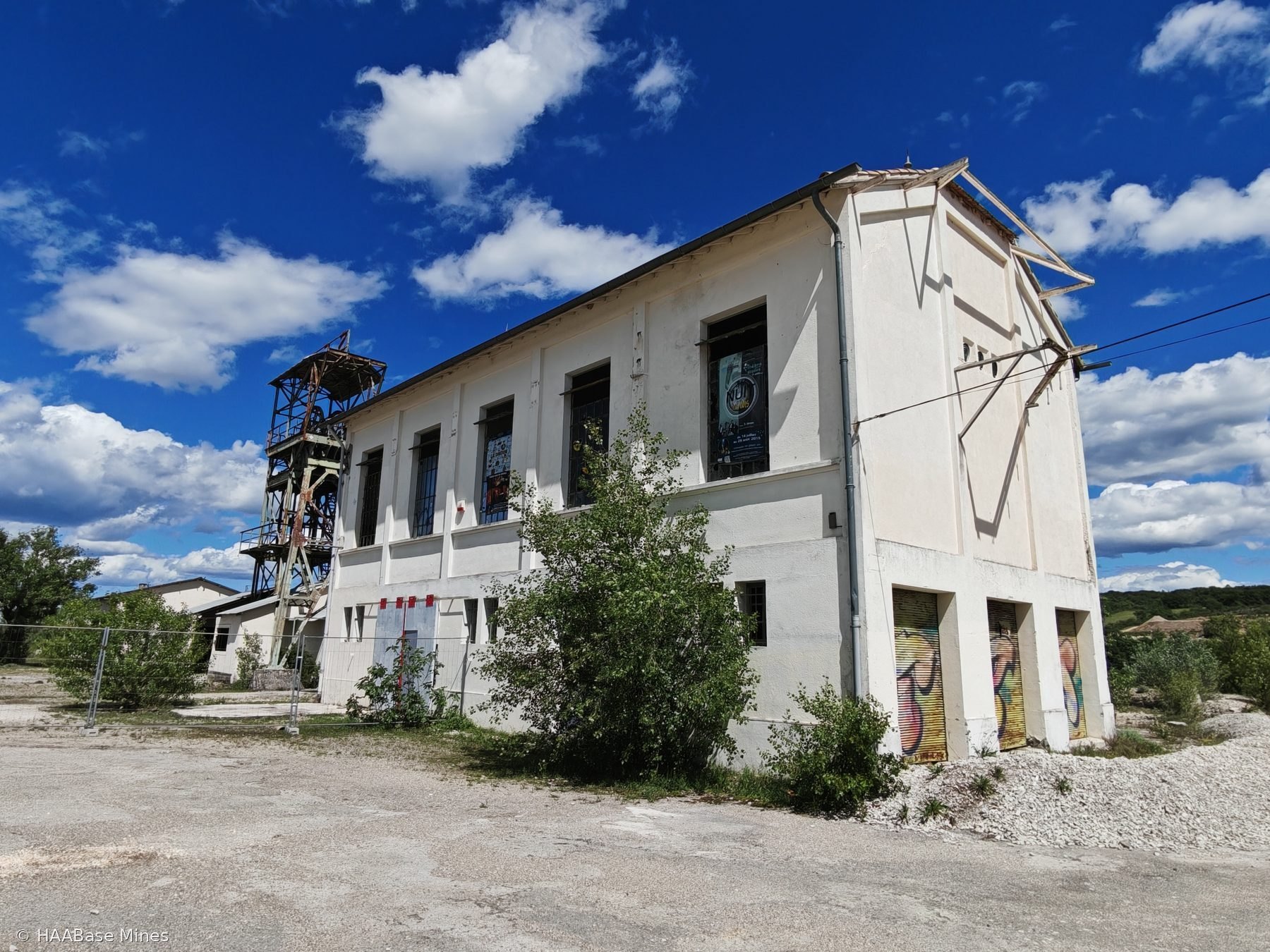
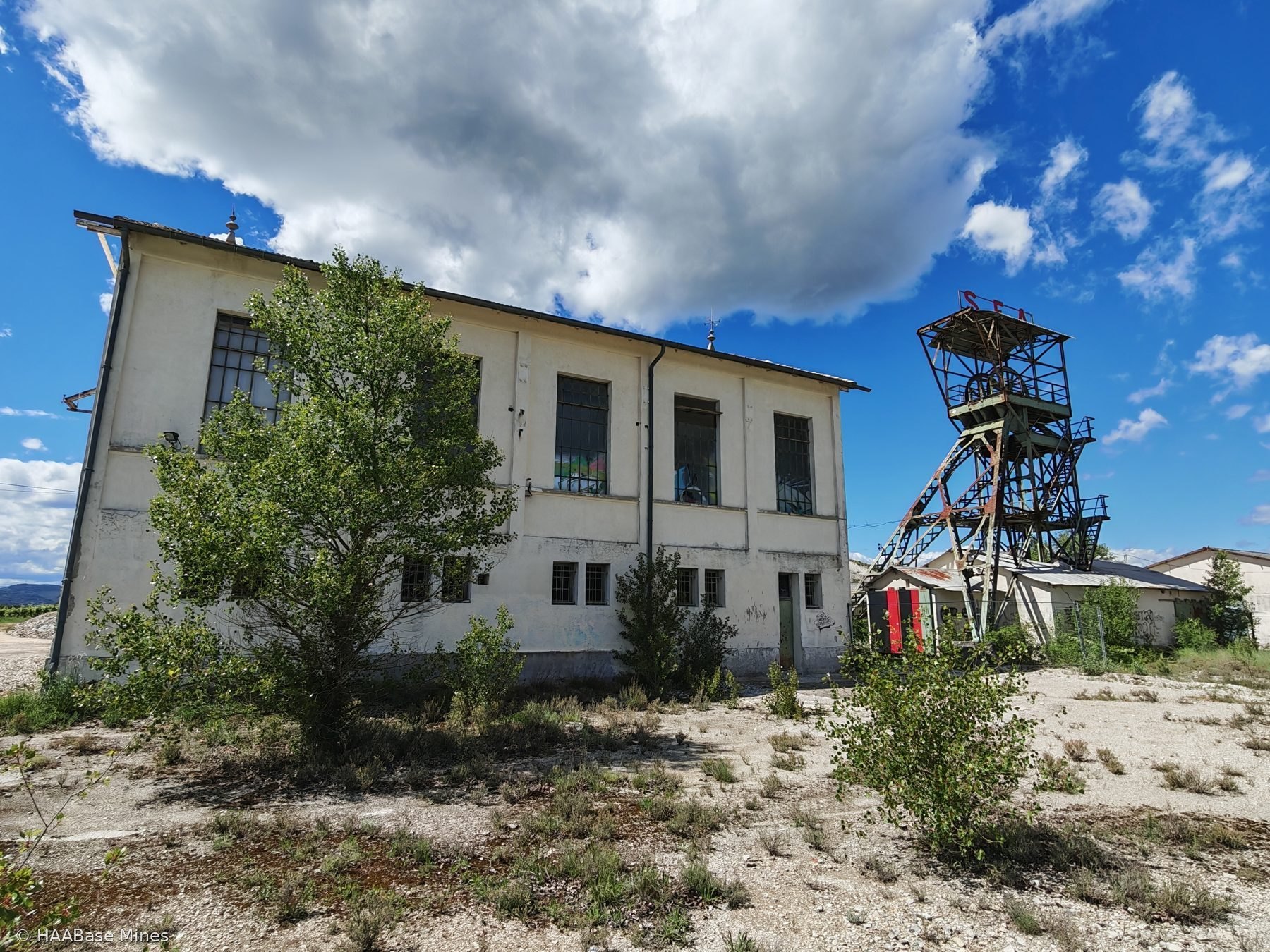
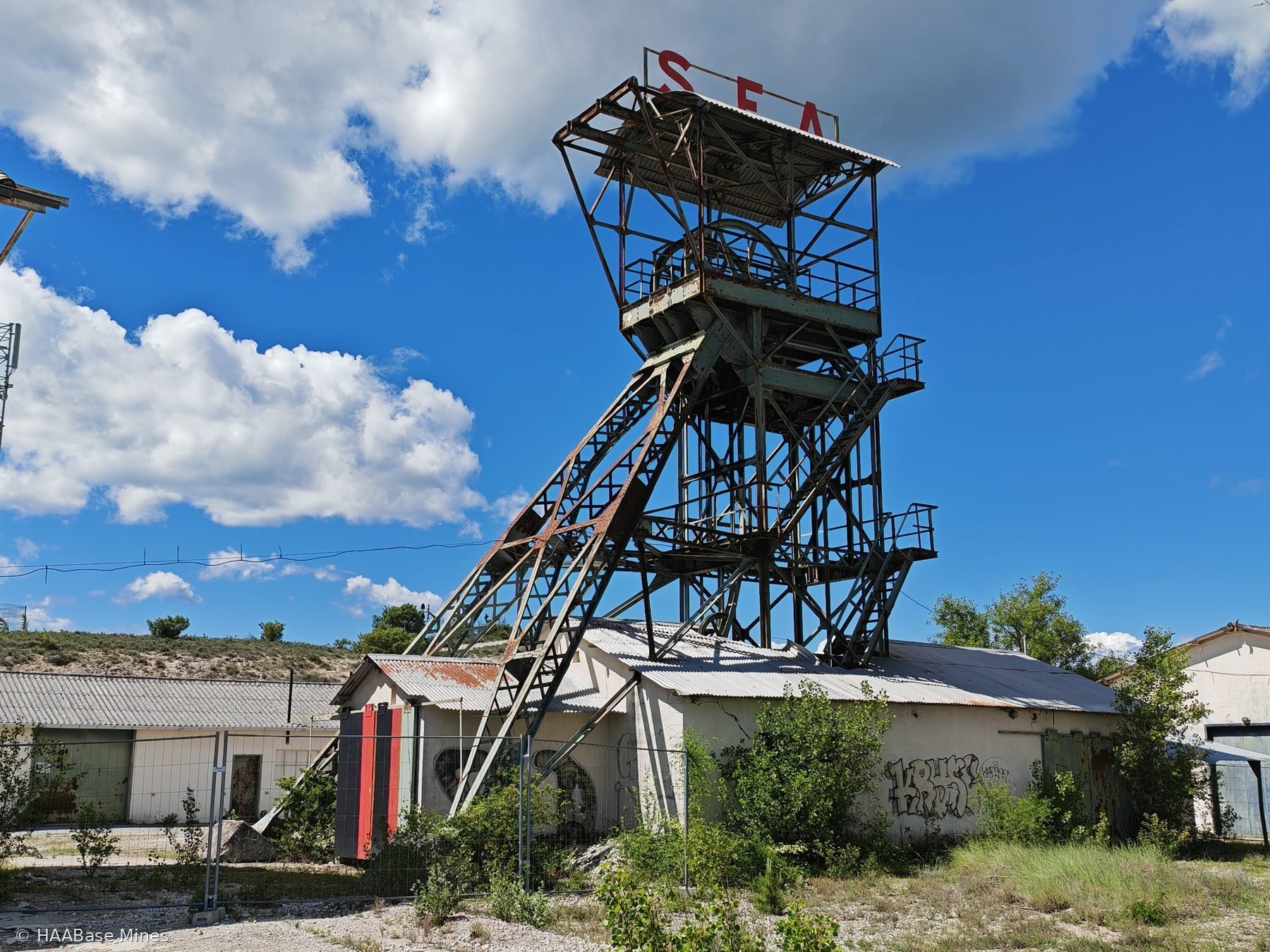
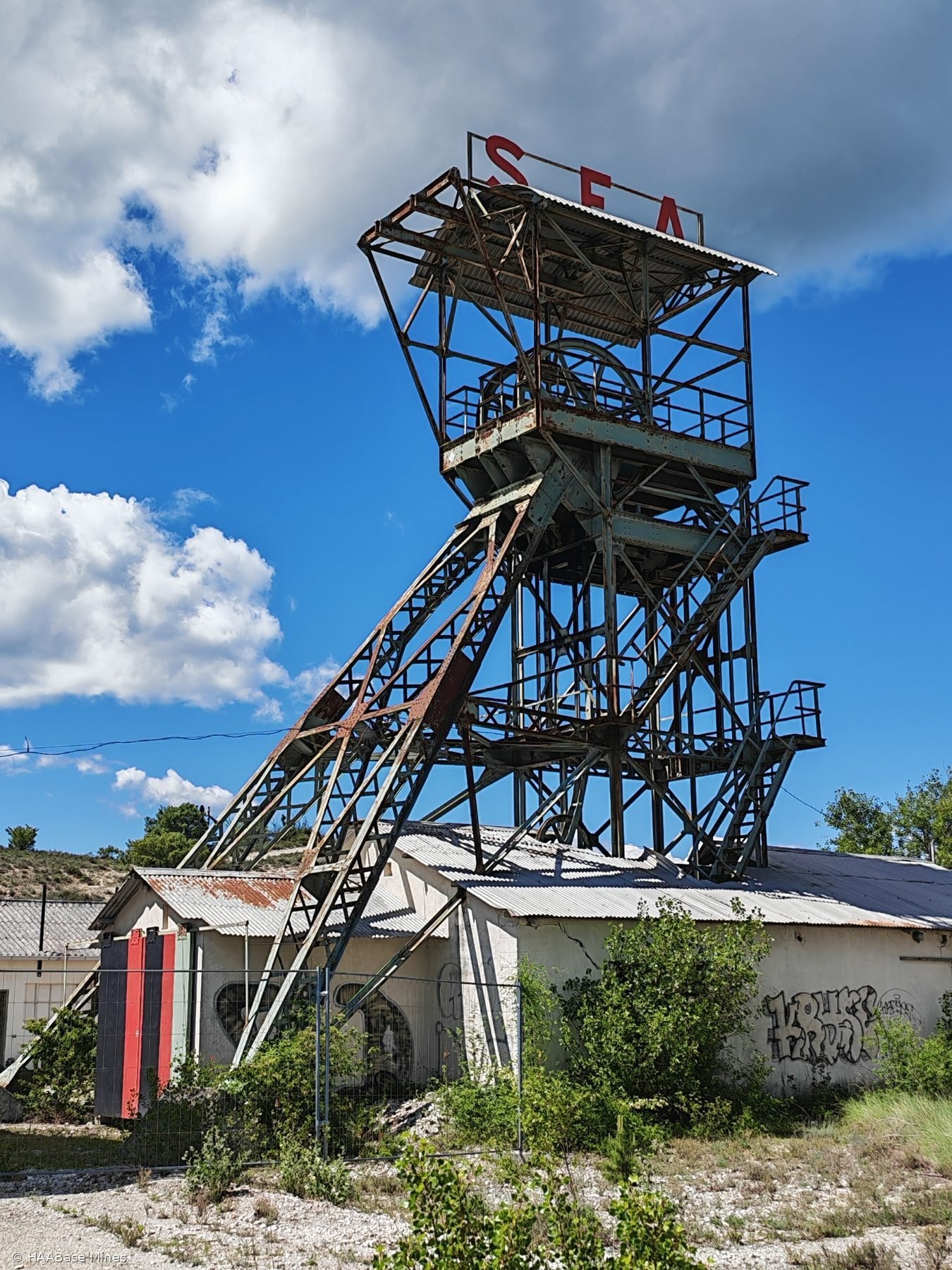
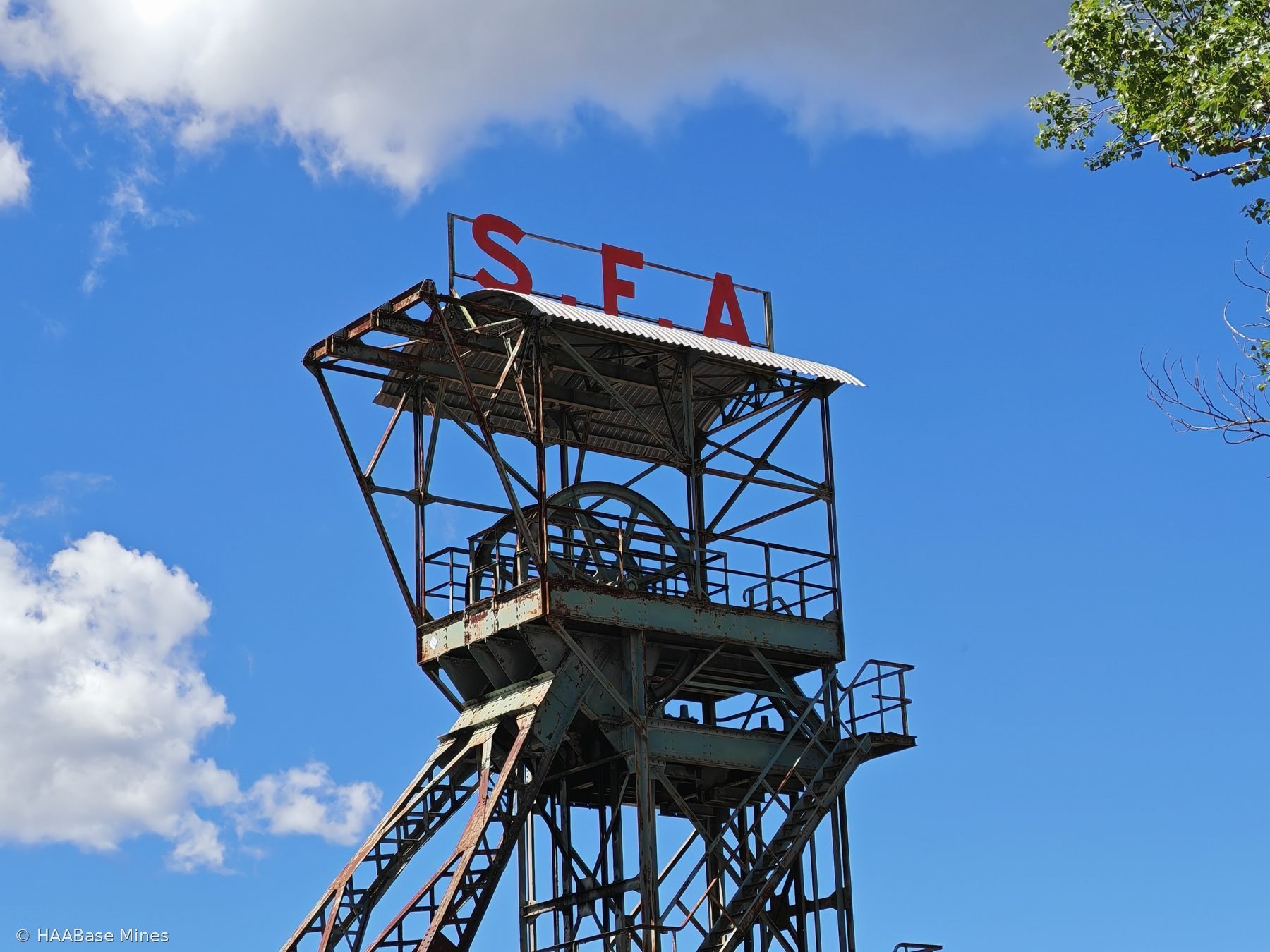
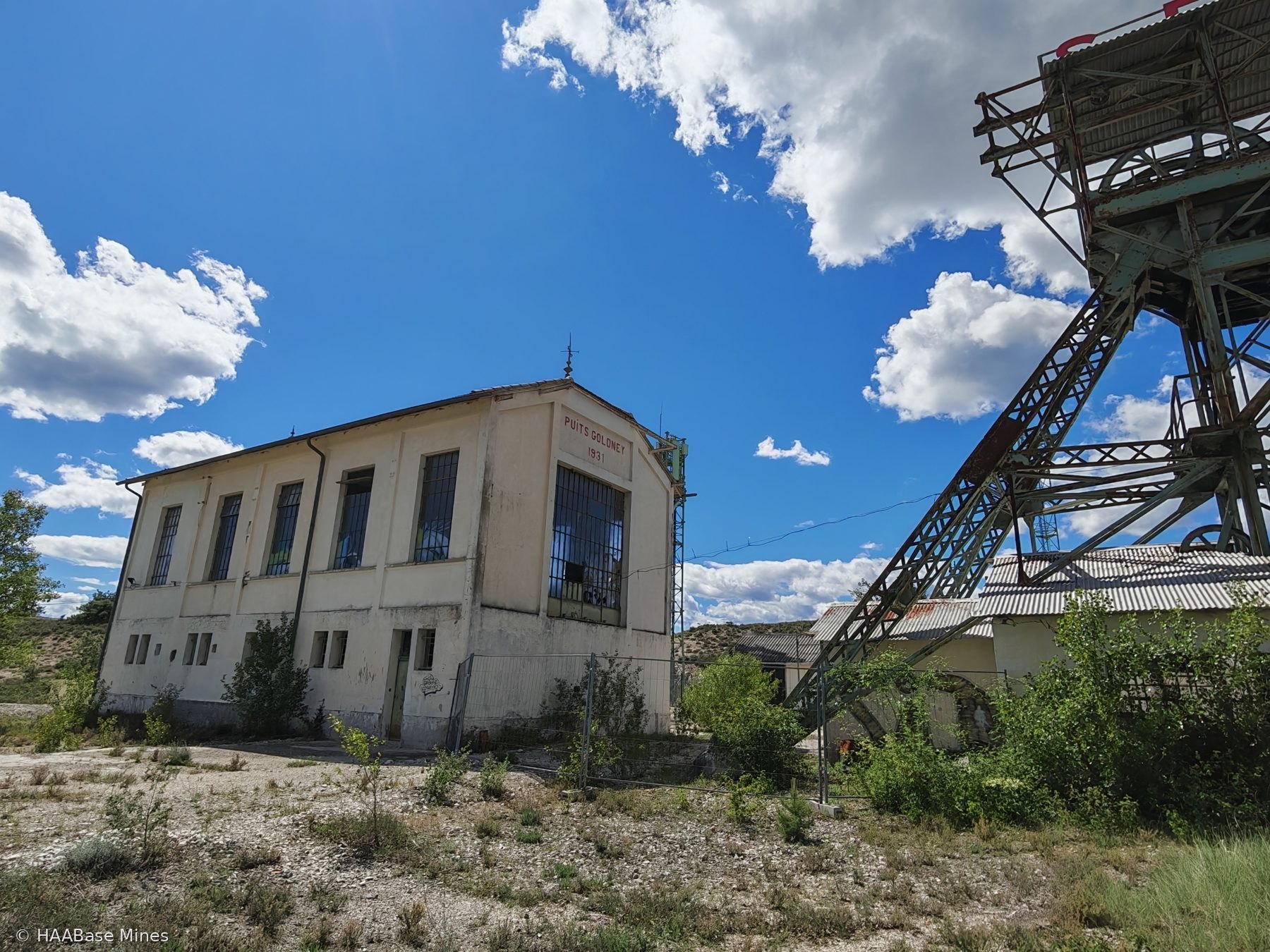
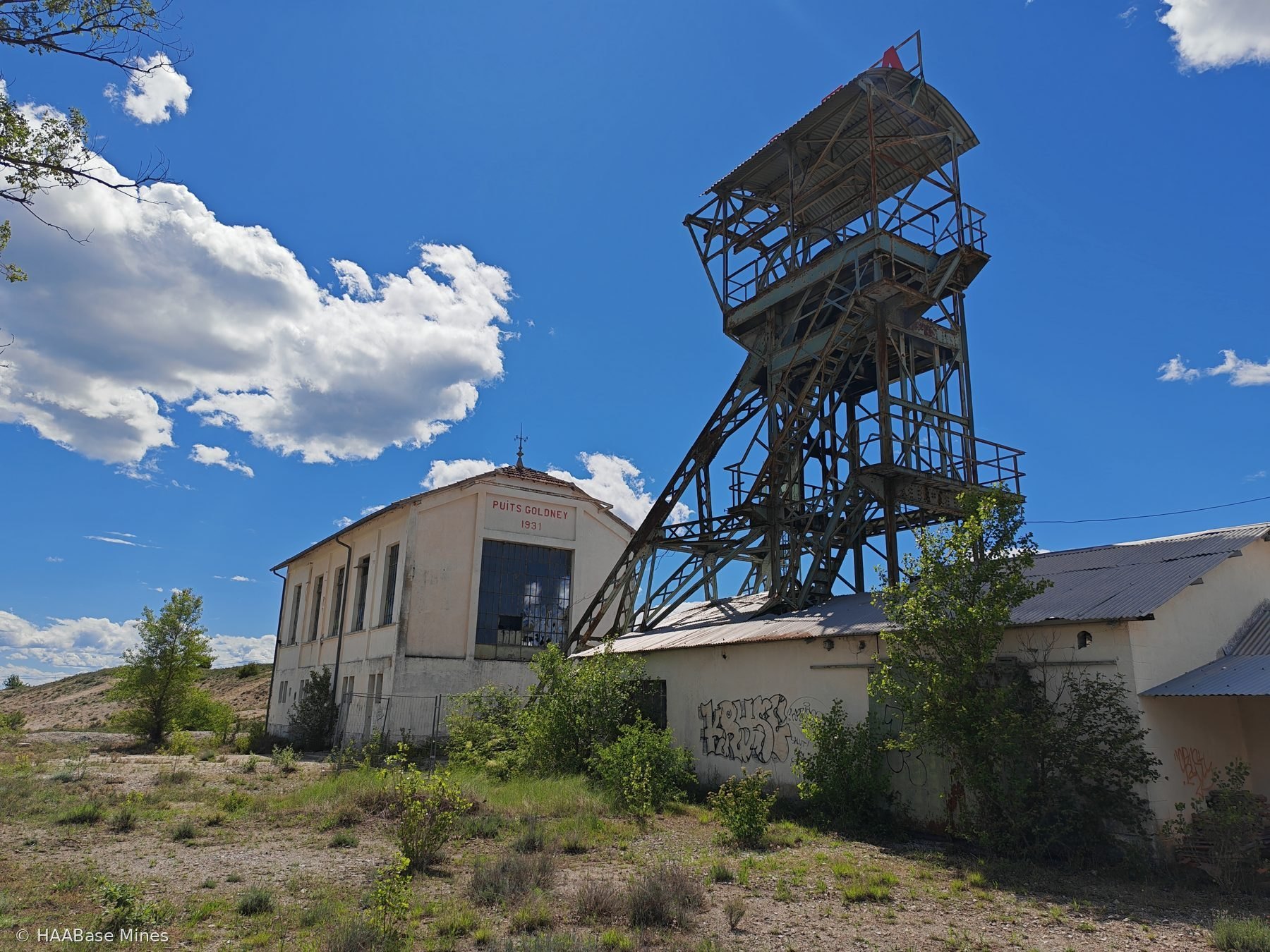
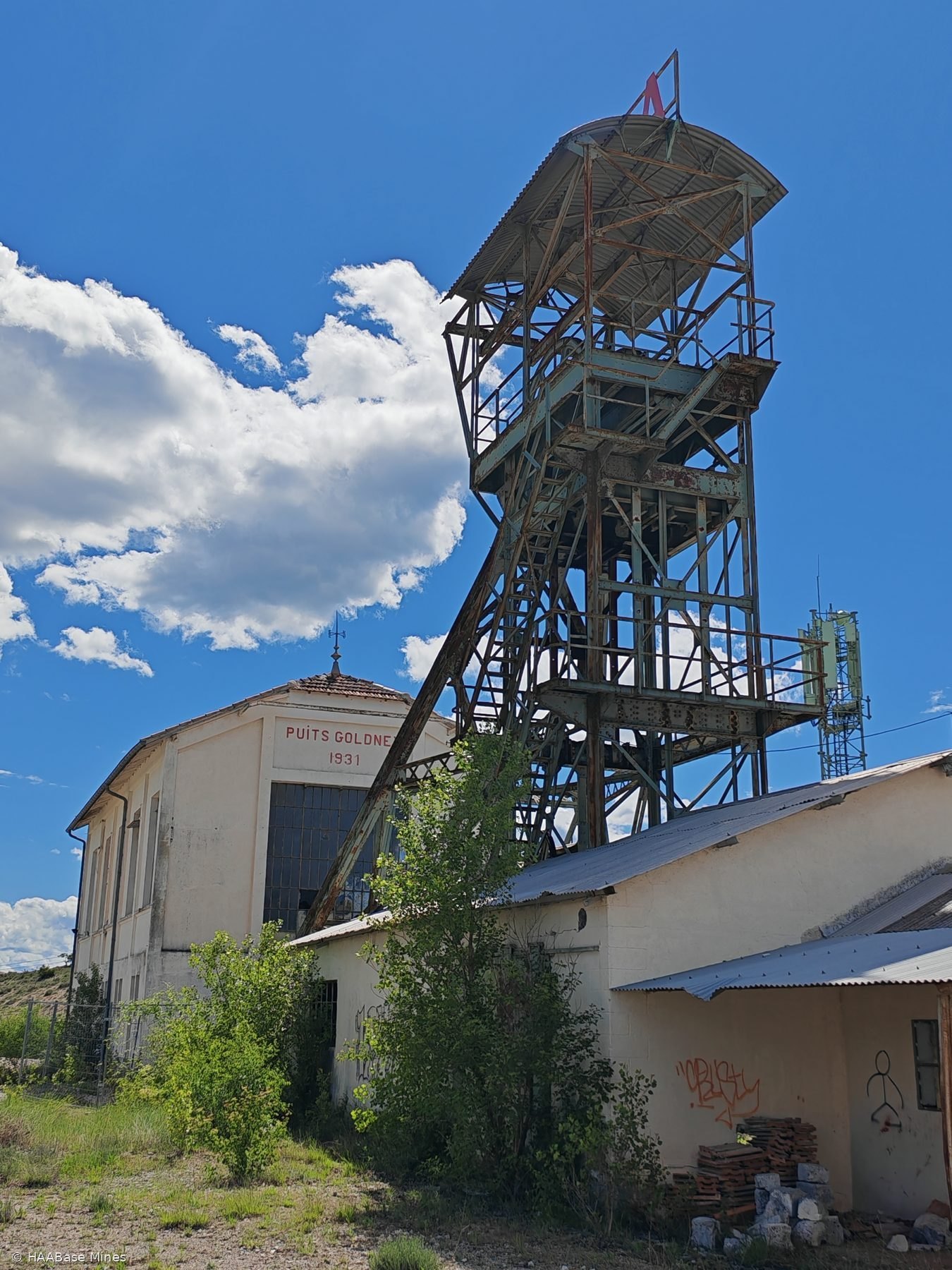
Former asphalte mine at Saint-Jean-de-Maruéjols-et-Avéjan retaining the puits Goldney headframe, recette, engine house, and ancillary buildings, acquired by the commune pending valorisation.
This record is based on the research currently available to HAABase Mines. It has not yet completed the site's formal source-by-source fact-checking process, so the history and timeline should be regarded as a well-researched provisional account and may be refined as further evidence is reviewed.
The puits Goldney forms part of the Mine de Plagnol asphalte mining context at Saint-Jean-de-Maruéjols-et-Avéjan in the Gard department, operating within the concession de Saint-Jean-de-Maruéjols and subsequently the Rebésou concession held by the Société Française des Asphaltes (SFA). The puits Goldney was sunk between 1931 and 1932 on the Rebésou concession, reaching a depth of 276 metres. It was terminated on 12 November 1932 and put into service in 1936.
The shaft served as the principal extraction shaft for asphalte, providing access for personnel and materials, and was connected by a 500-metre underground cross-cut to the puits Berry. From the beginning of the 2000s, persistent water inrush problems disrupted extraction; the SFA ceased all activity in 2004 and formal closure was completed in 2008. Total extraction from both concessions over approximately 140 years reached 1,765,000 tonnes.
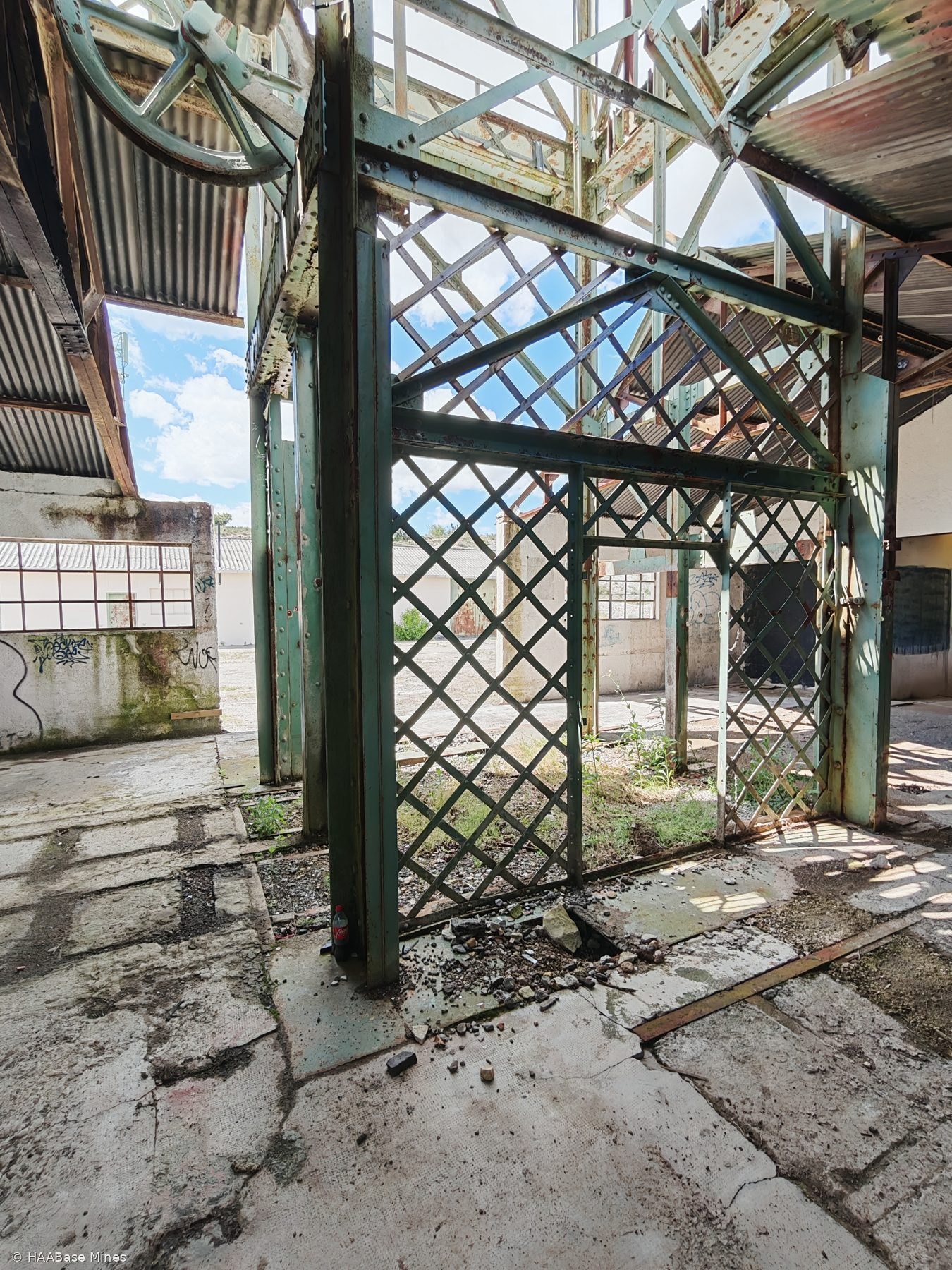
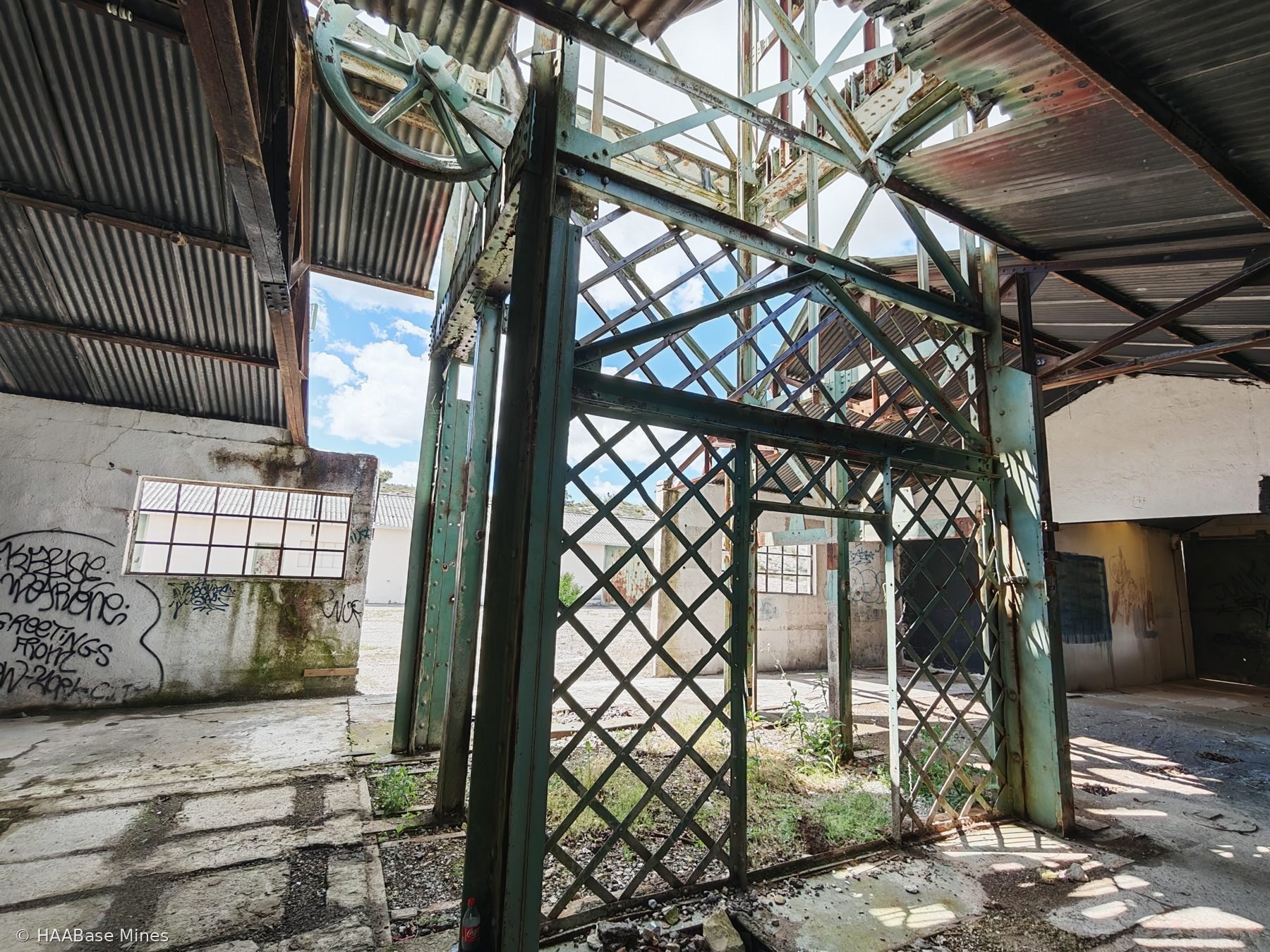
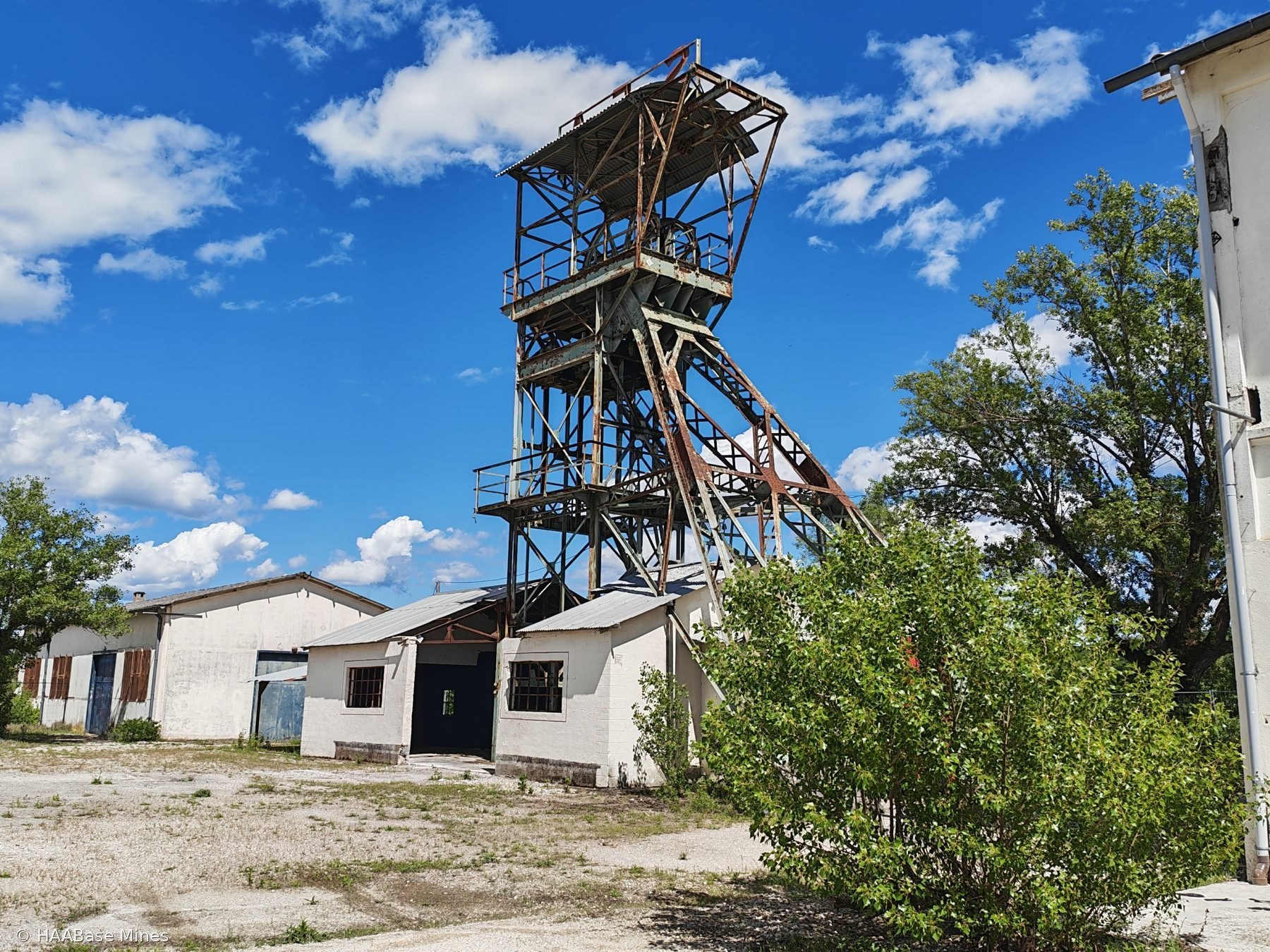
The puits Goldney site has been acquired by the commune and retains the headframe, recette, engine house, and ancillary buildings under alarm, pending a heritage valorisation project.
The asphalte concession at Saint-Jean-de-Maruéjols-et-Avéjan was granted by imperial decree of 4 June 1859 and passed to the Société Française des Asphaltes (SFA) in 1872. Following the irreversible flooding of the puits Vian in the adjacent SFA concession and the abandonment of the noyée zone around the puits Bond, the SFA purchased the Rebésou concession on 30 December 1925. On the territory of this newly acquired concession, on the opposite side of the road from the old puits Bond, sinking of the puits Goldney commenced in 1931. The shaft was named after a former chairman or director of the SFA. Sinking was completed on 12 November 1932 and the shaft was put into service in 1936. The puits Goldney reached a depth of 276 metres. It was sited to the south; the puits Berry, sunk to 210 metres, was sited to the north in 1935.
From the commissioning of the puits Goldney, it served as the principal operational shaft of the Mine de Plagnol: it handled the extraction of asphalte ore, the descent and ascent of personnel, and the transport of materials. The puits Berry served as the emergency exit and the air return. The two shafts were connected by an underground cross-cut (travers-bancs) of 500 metres. The puits Bond, retained for ventilation from 1936, was formally closed in 1943.
The asphalte deposit of the Mine de Plagnol comprises several seams with individual thicknesses varying from 0.20 to 2 metres. The ore was brought to the surface at the puits Goldney and despatched for the manufacture of asphalte paving products. The combined production of the Saint-Jean-de-Maruéjols and Rebésou concessions over approximately 140 years of active working reached a total of 1,765,000 tonnes; within this, the Rebésou concession produced 1,250,000 tonnes from 1949 to 2004.
From the beginning of the 2000s, extraction was increasingly disrupted by serious problems of water inrush. The SFA definitively ceased all extraction activity in 2004. Formal administrative closure of the puits Goldney was completed in 2008. Following closure, the site was acquired by the commune of Saint-Jean-de-Maruéjols-et-Avéjan. The principal surface installations of the puits Goldney — comprising the headframe with its recette, the engine house, and ancillary buildings — were retained after the removal of ancillary equipment, reservoirs, and skips. The retained buildings are held under alarm to prevent further deterioration, pending the development of a heritage valorisation project by the commune.