Site overview

The Mine de Villanière forms part of the Salsigne mining district in the massif de la Montagne Noire, Aude, situated on the communes of Salsigne and Villanière approximately 15 kilometres north of Carcassonne. The site is part of the most important gold mine in western Europe and the last to operate in metropolitan France, with a total production of 120 tonnes of gold and approximately 400,000 tonnes of arsenic between 1892 and 2004. The Villanière concession of 684 hectares was instituted by decree of 11 August 1898 and was operated successively by the Société des Mines de l'Aude, the Société des Mines et Produits Chimiques de Salsigne, Coframines, and the Mine d'Or de Salsigne.

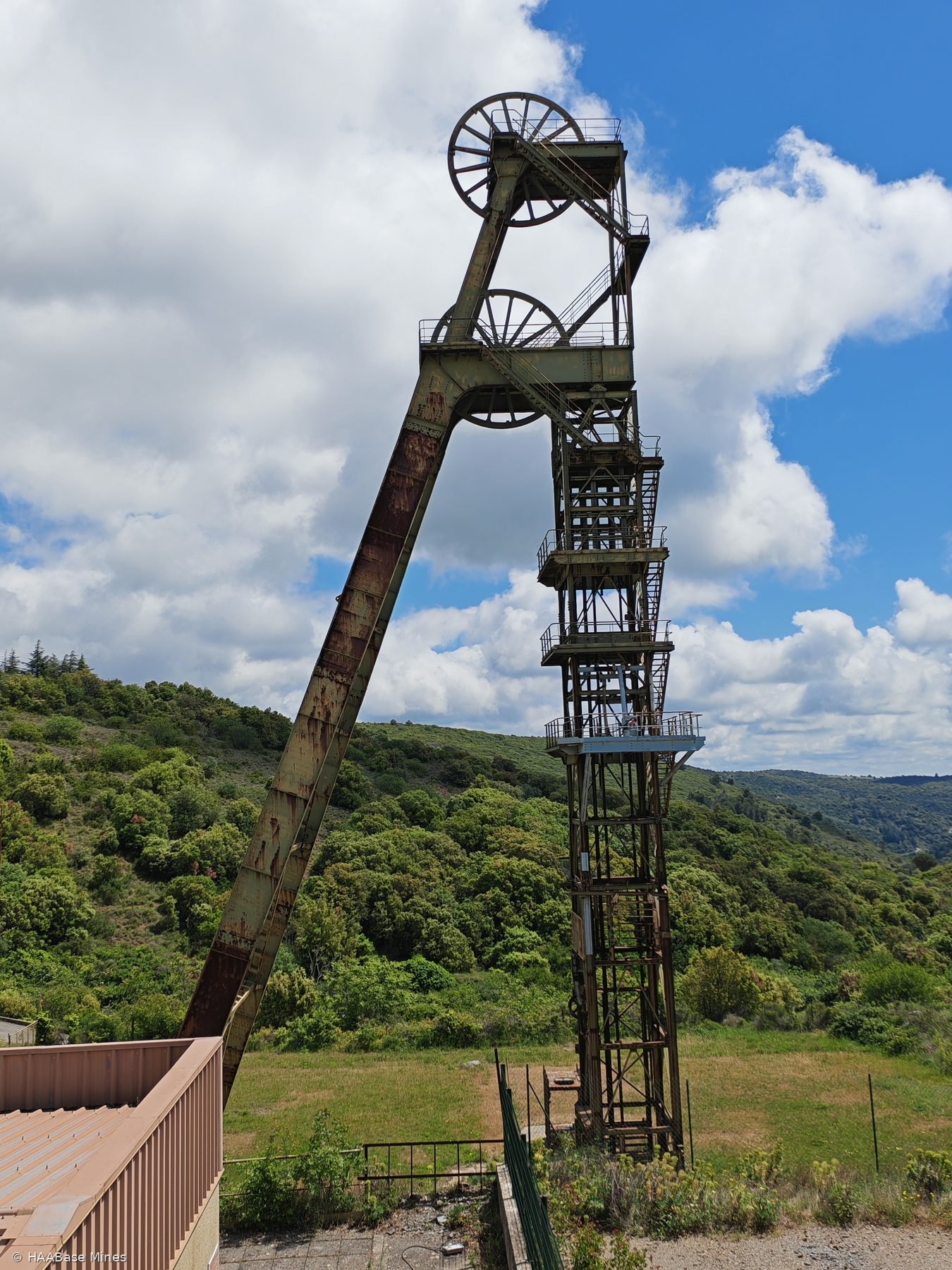
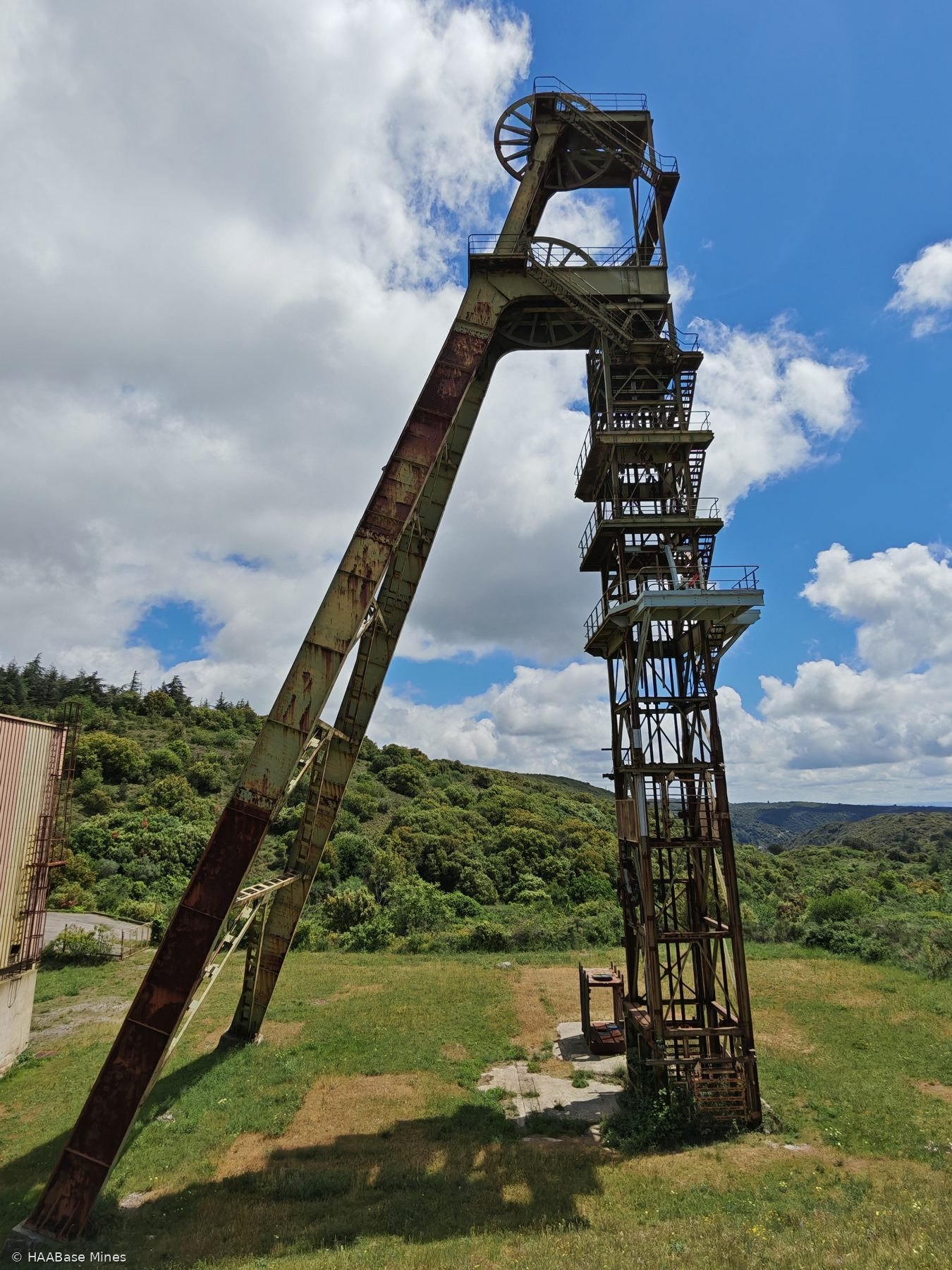
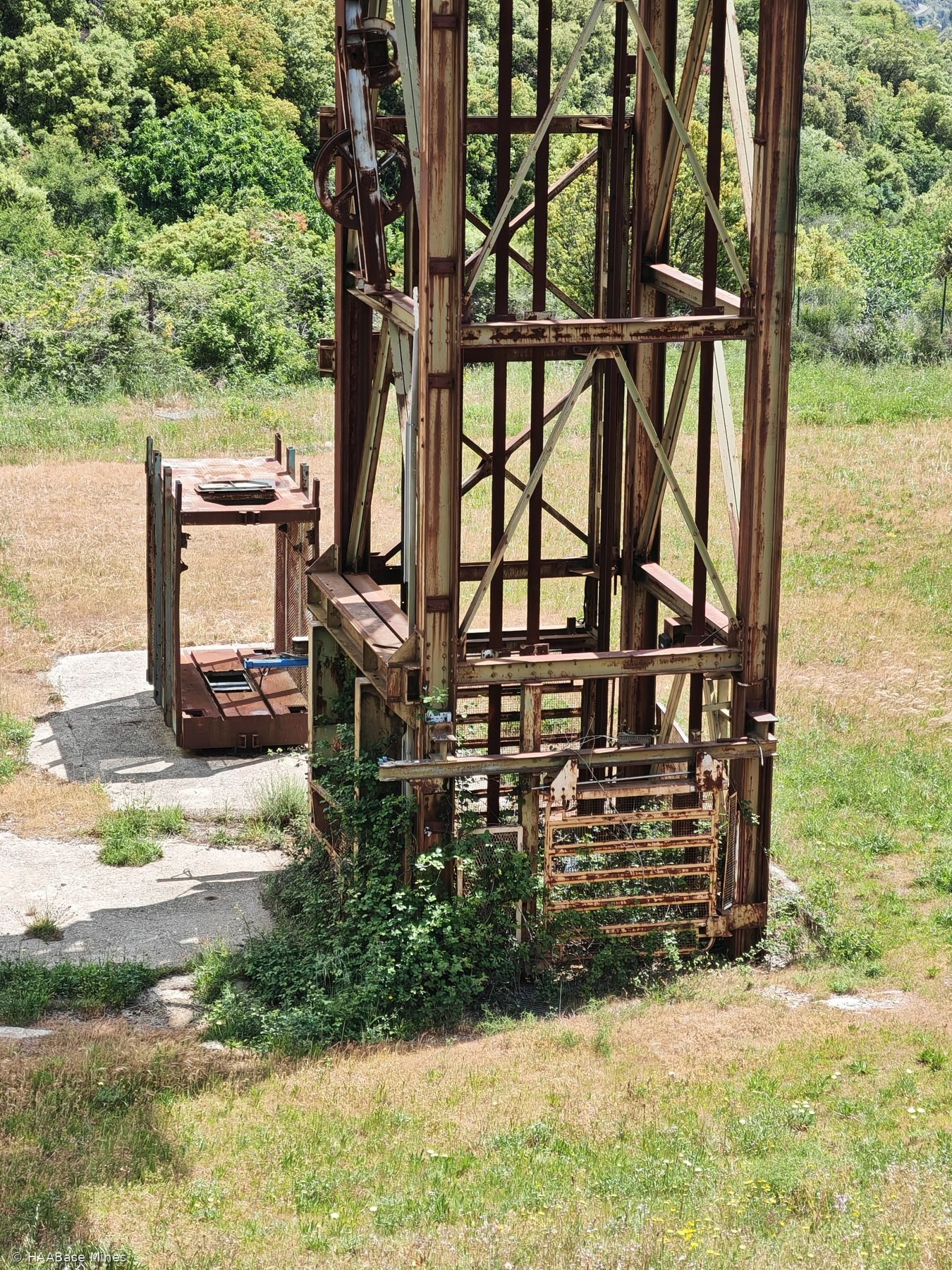
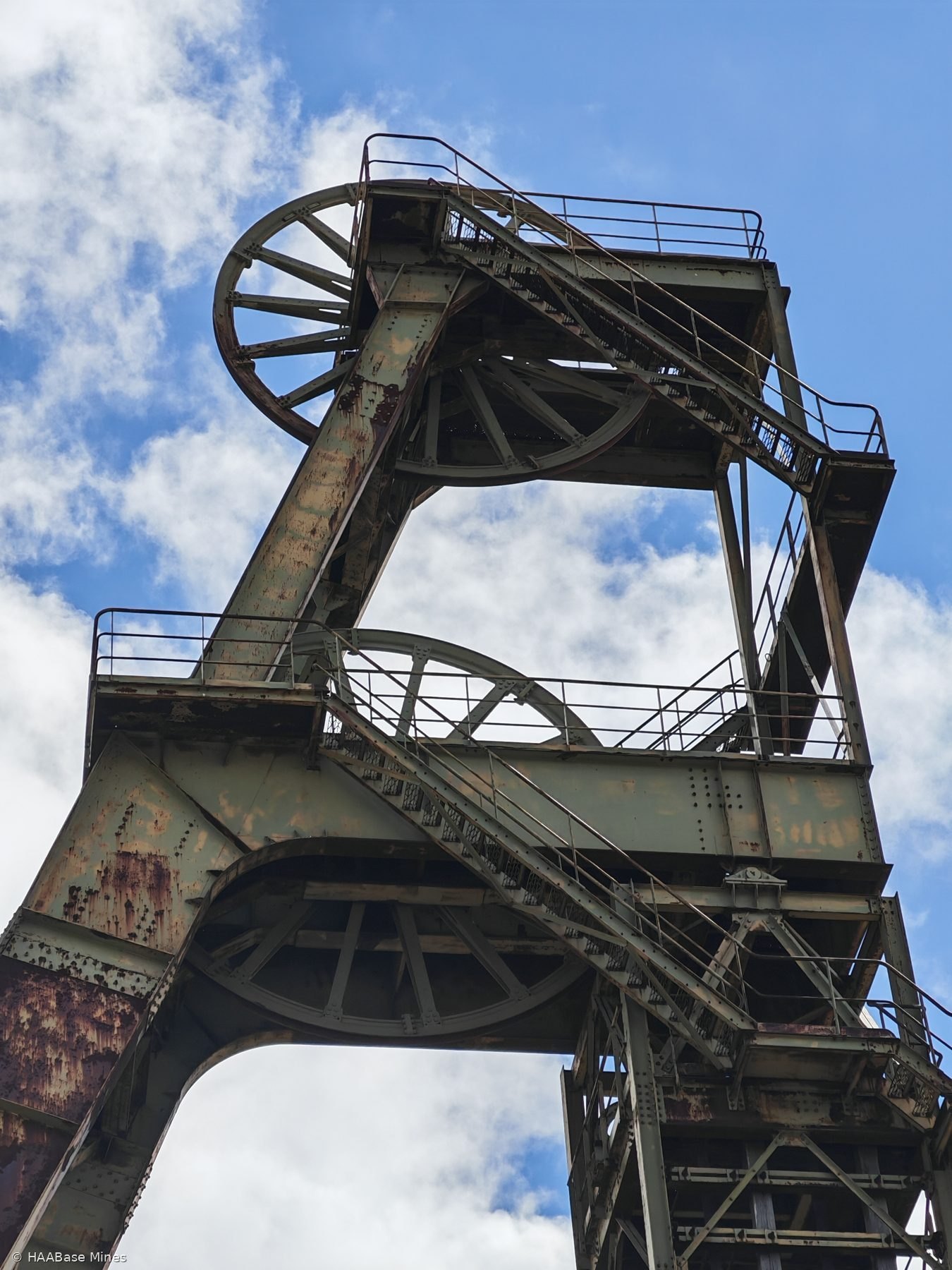
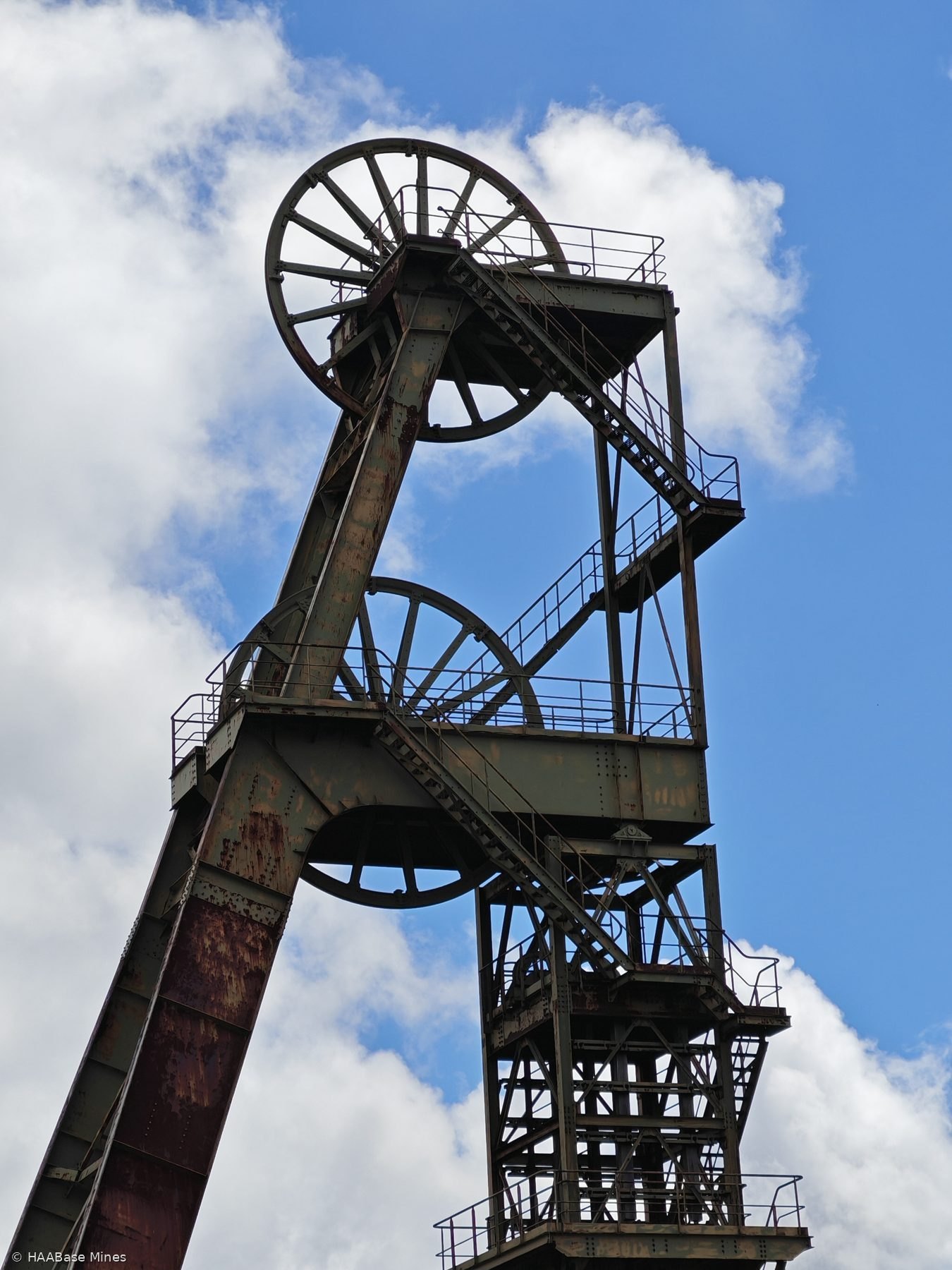
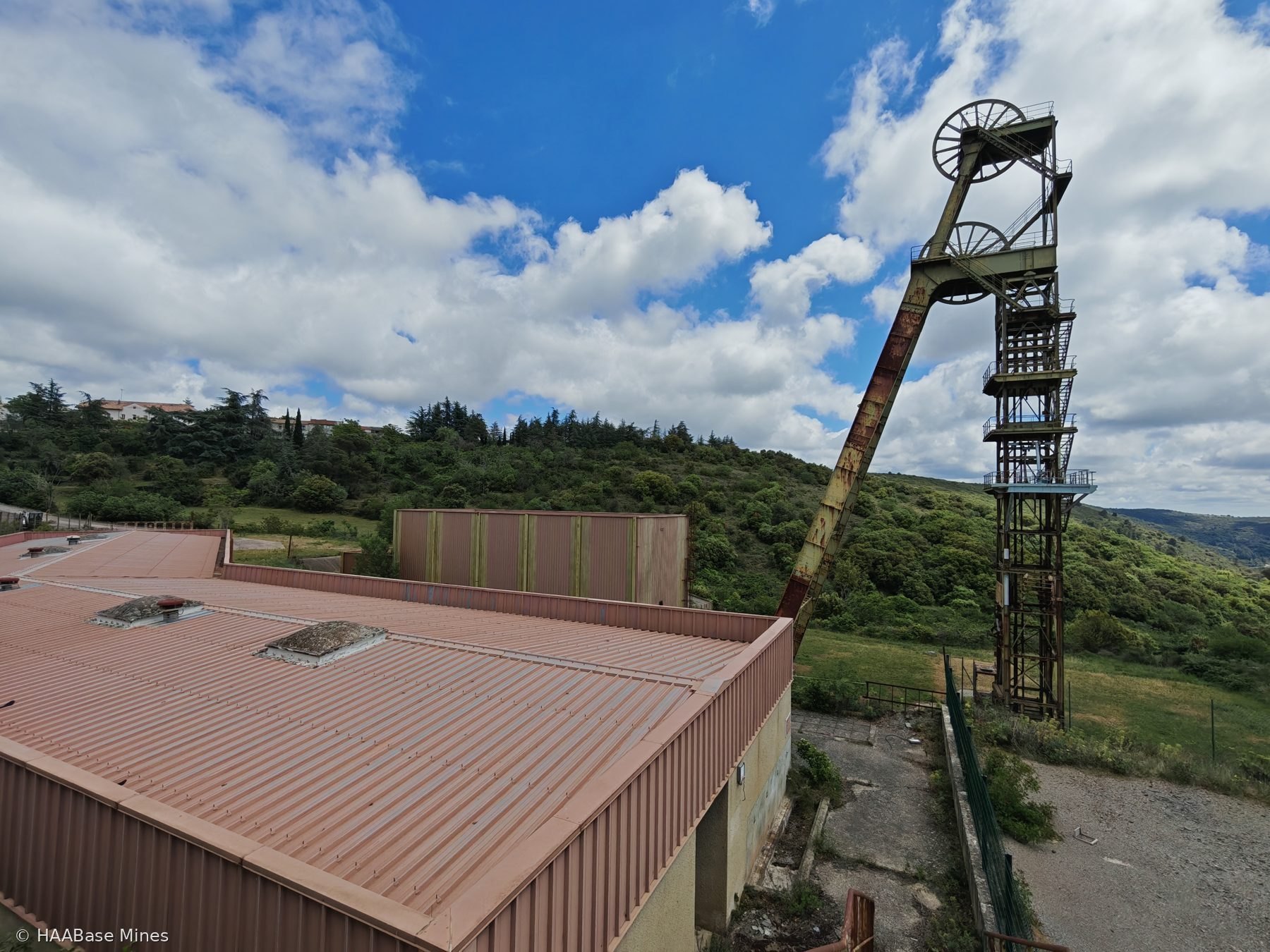
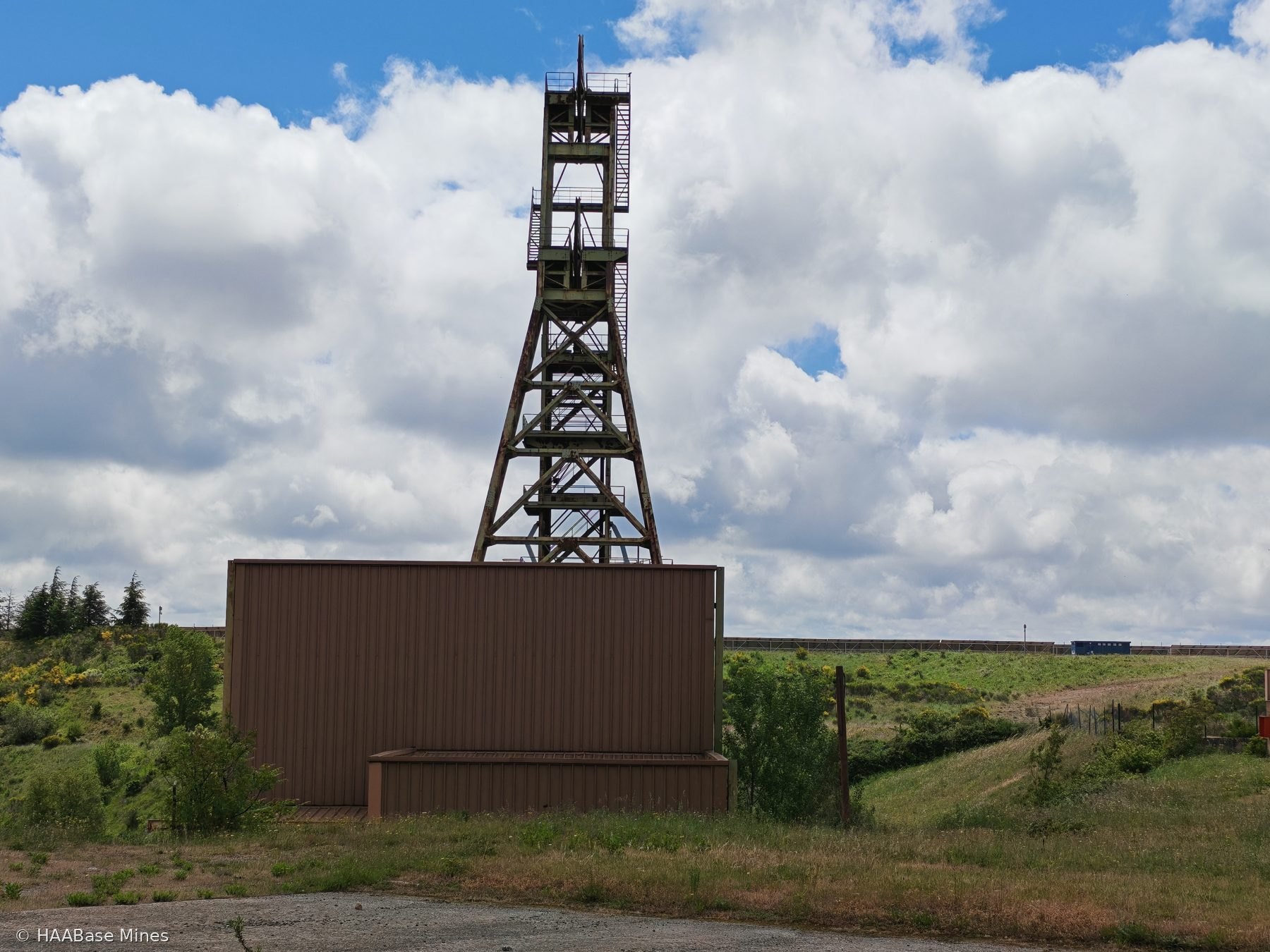
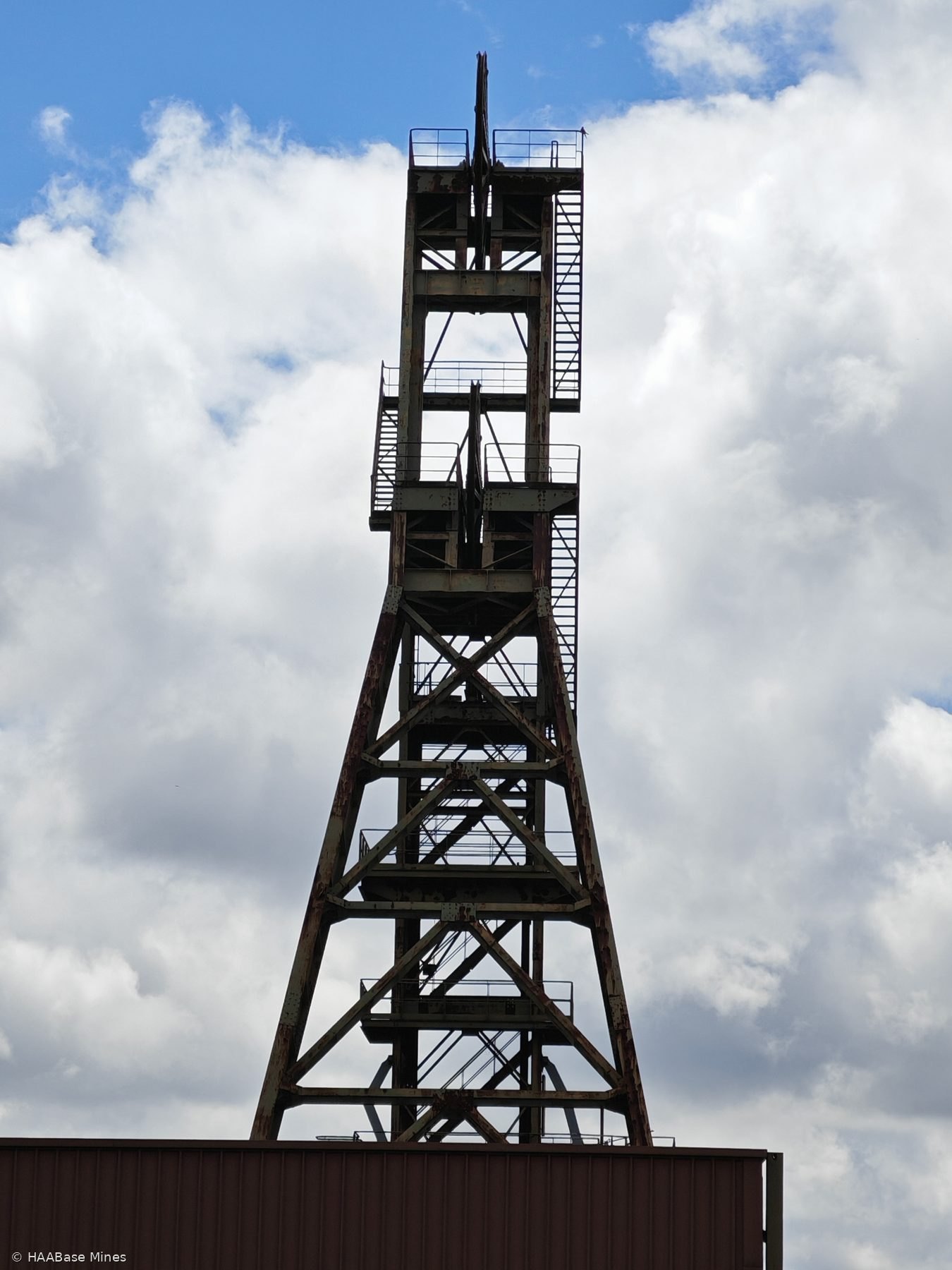
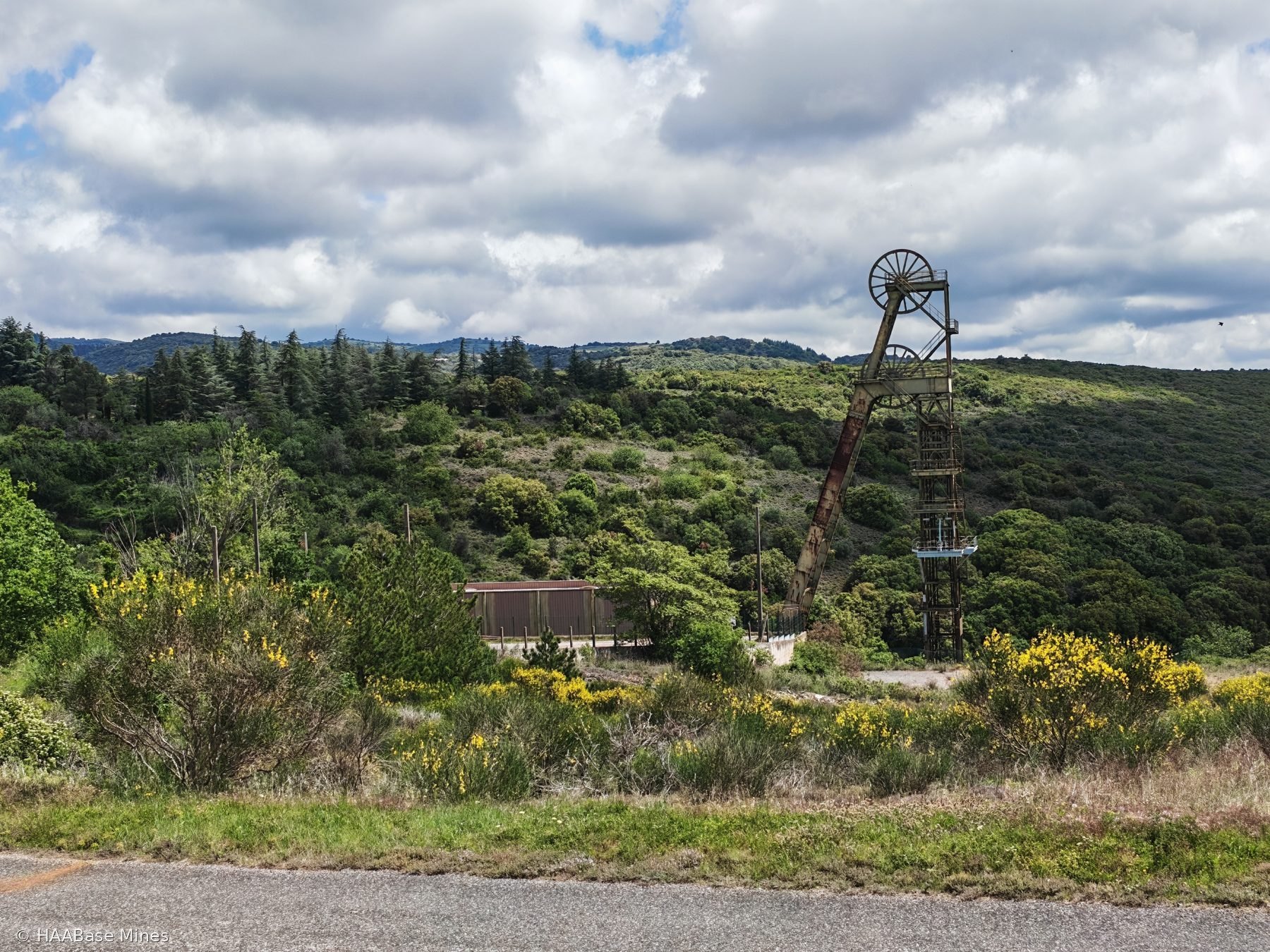
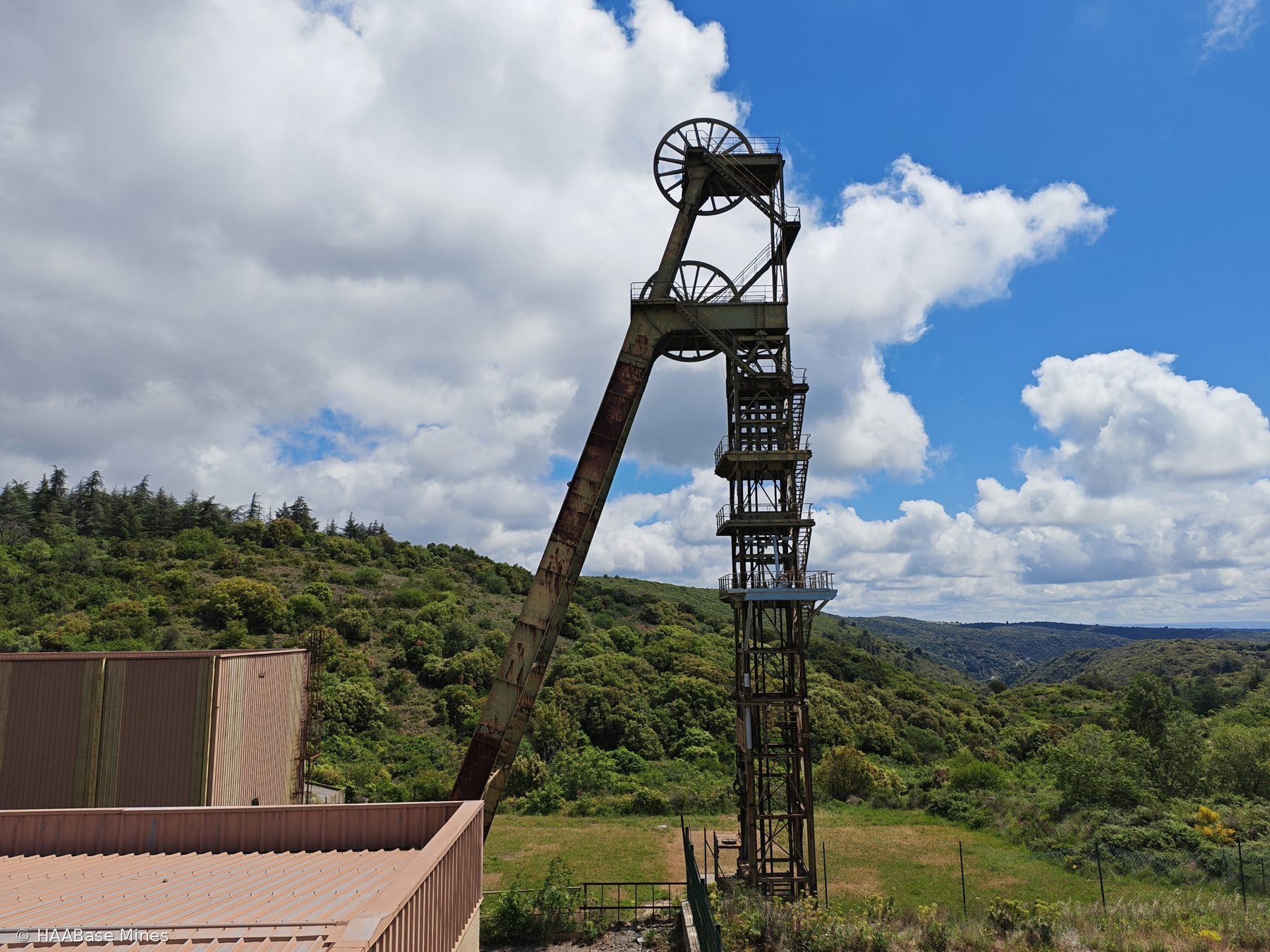
The puits Castan, sunk from 1976 on the Villanière concession and surmounted by a 50-metre metal Koepe headframe, served as the principal access shaft for the underground workings until its replacement by a descent road in 2002. The mine closed definitively in December 2004. The descent road access has been sealed but the puits Castan headframe has been conserved and remains a prominent feature of the Orbiel valley landscape.

The site is the most polluted former mine in France.

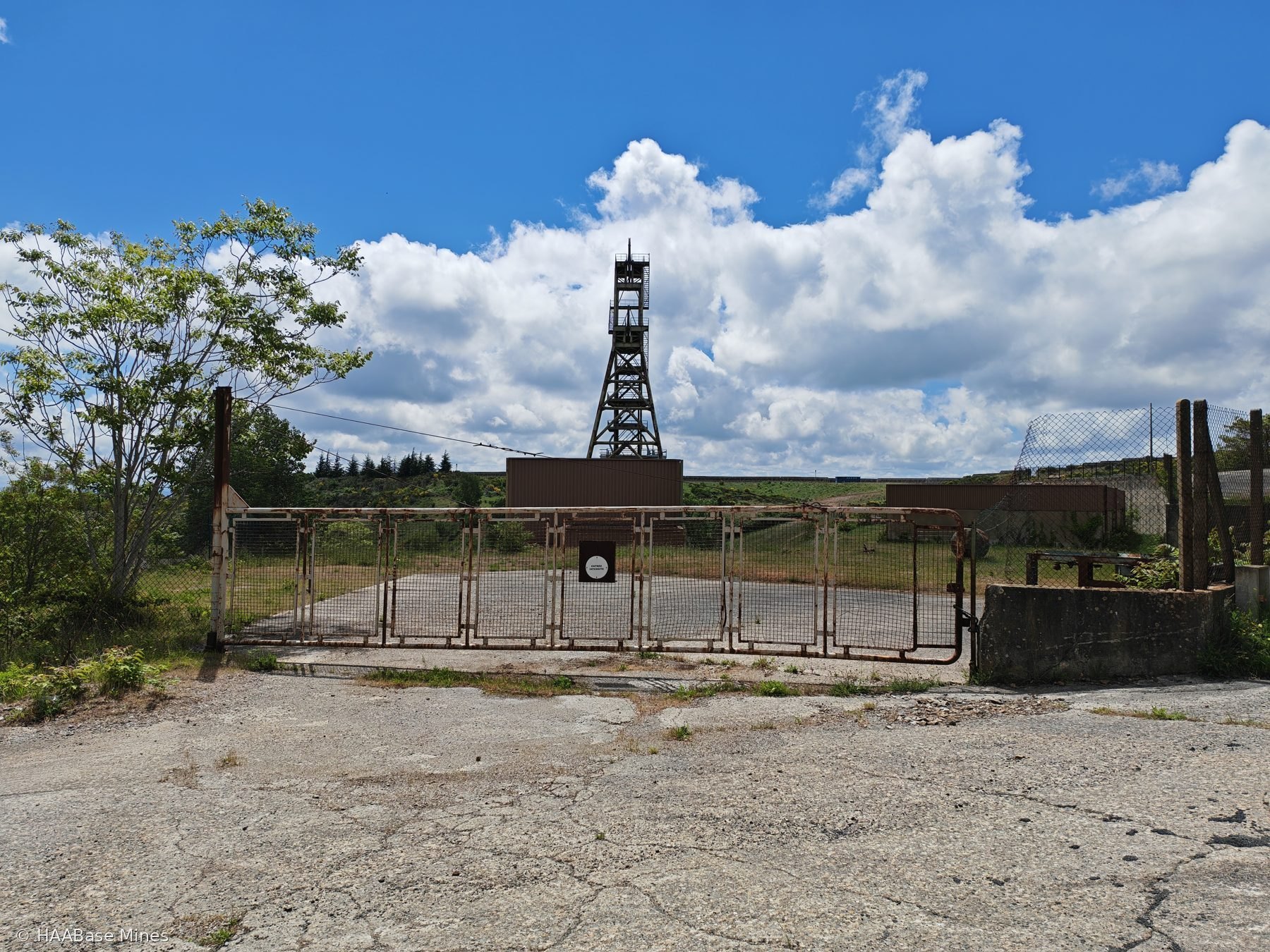
The headframe stands in the Orbiel valley within a rugged wooded landscape, where it remains a highly prominent marker of the former mine against the valley sides.

Map & photo

Mine de Villanière — Puits Castan mine headframe or winding tower site
Photograph taken: 10 May 2026
Map markers and directions links are provided for location reference only and do not indicate public access or permission to enter a site.

History

The Salsigne mining district straddles the communes of Salsigne and Villanière on the southern flank of the massif de la Montagne Noire, approximately 15 kilometres north of Carcassonne in the Aude department. Iron ore was exploited in the district from antiquity, and the Romans are recorded as having worked the area. The modern history of the district begins in 1873 with the exploitation of mispickel (arsenopyrite) for arsenic and pyrite. Gold was discovered in the mineralisation in 1892 by Louis Marius Esparseil, a Carcassonne mining entrepreneur who held the Salsigne concession. The district proved to contain a complex polymetallic mineralisation composed of sulphides including arsenopyrite, pyrite, and chalcopyrite, carrying gold, arsenic, silver, copper, and bismuth.

The resources of the Salsigne district were divided across seven concessions, not all of which bore on gold. The Villanière concession was instituted by decree of 11 August 1898 in favour of the Société des Mines de l'Aude (SMA), created in 1904, which subsequently became the Société des Mines de Villanière. The Villanière concession covered 684 hectares. The usine de Villanière, a metallurgical treatment plant operated by the SMA, was brought into service in 1912. Extraction at Villanière and the associated Salsigne concessions during the First World War was minimal; a small resumption of activity occurred at Villanière in 1918.

The Société des Mines et Produits Chimiques de Salsigne (SMPCS) was created in 1924 and its activity centred on the Salsigne concession. In 1940, the SMPCS took a majority participation in the Société des Mines de Villanière. An agreement of 1949 allowed the SMPCS to exploit the three concessions of Salsigne (278 ha), Lastours (884 ha), and Villanière (684 ha) as an integrated operation. By 1982, total extraction from the district since 1825 was recorded as 7.4 million tonnes of ore, having yielded 71 tonnes of gold, 200 tonnes of silver, 20,000 tonnes of copper, and 325,000 tonnes of arsenic trioxide.

In the mid-1950s the SMPCS was acquired by the Canadian company Cunningham Dunlop via its subsidiary Cheni. In 1966, an American group whose principal company was Silver Eureka Corp took control of Salsigne. On 4 March 1980, in application of an agreement of 23 November 1979, Silver Eureka ceded its rights to Coframines, a subsidiary 68% held by the BRGM. In 1991, the Mine d'Or de Salsigne (MOS) was acquired by an Australian group.

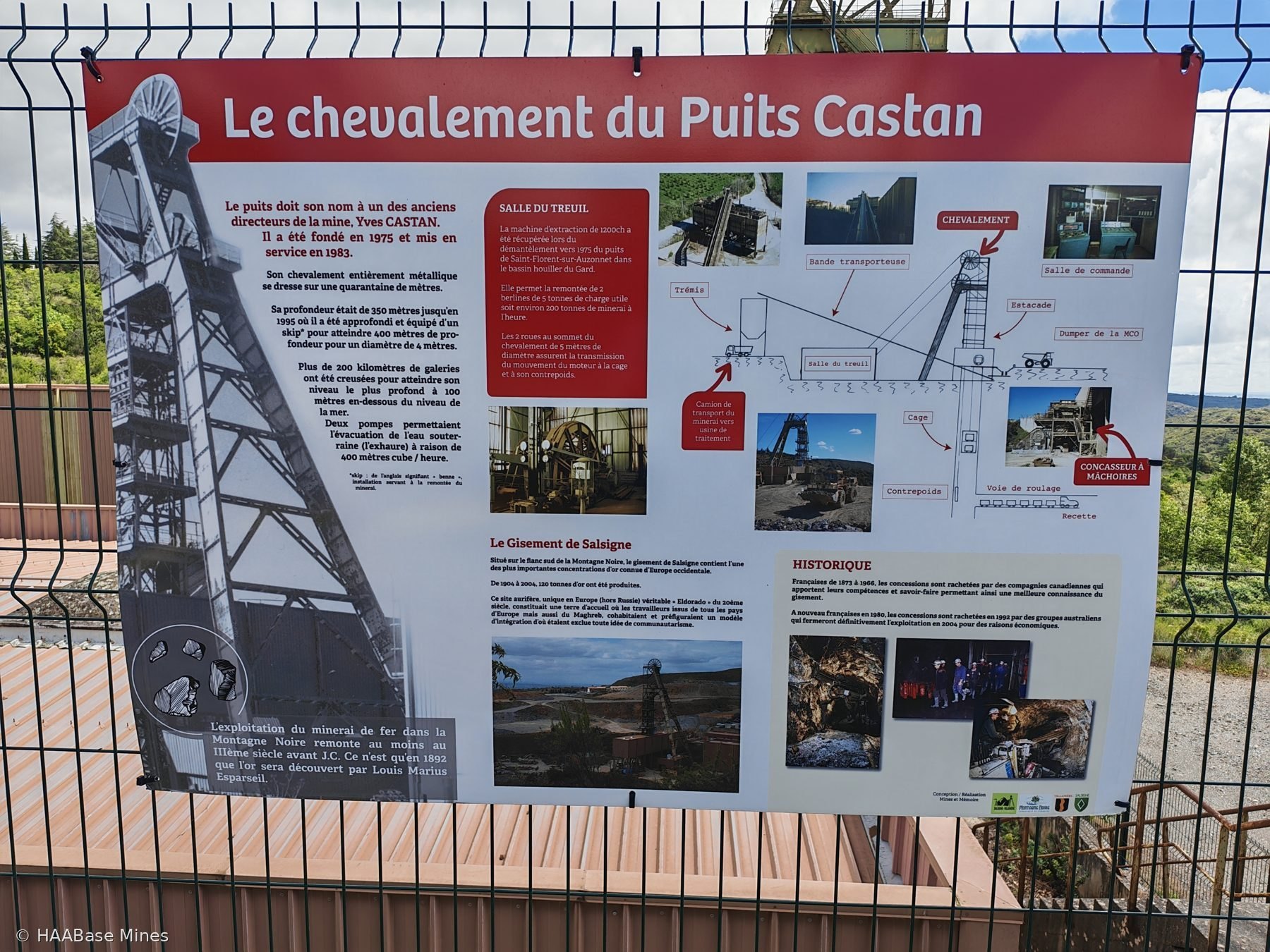
The puits Castan, named for the engineer who designed it, is located on the Villanière concession. Sinking of the shaft began in 1974 with a preliminary development by means of a raise bore (cheminée); recommencement of sinking proper began from 1976. The shaft reached a depth of 350 metres. The puits Castan headframe is described as a 50-metre metal avant-carré porteur structure. Its extraction machine is a Koepe pulley of 6.5 metres diameter driven by a Venot direct-current motor of 1,000 amperes, rated at 1,200 horsepower. The cage was designed for two 5-tonne berlines and subsequently upgraded to a 10-tonne skip. The system was capable of extracting 200 tonnes of ore per hour, equivalent to 1.6 kg of gold per hour. In July 2004 underground extraction was abandoned owing to the rising of mine waters. The mine closed definitively in December 2004, having produced 120 tonnes of gold since 1892.

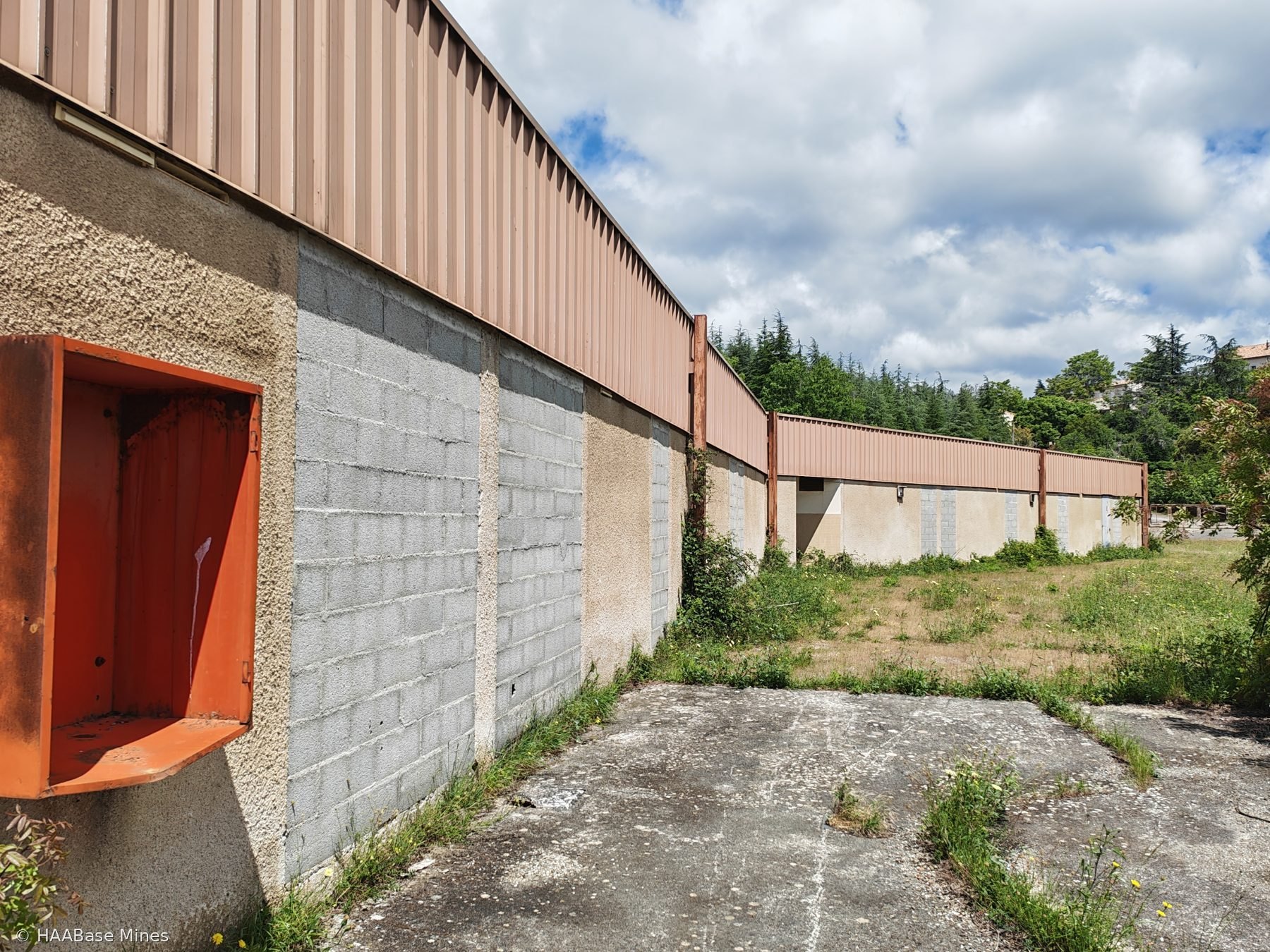
In 2002, the puits Castan was replaced as the primary access route by a spiral descent road (descenderie en colimaçon) of five to six kilometres in length, enabling wheeled machinery to descend to the mine. Following closure, the access to the descenderie of the puits Castan was sealed. The headframe of the puits Castan was conserved and remains standing on the Villanière site; it is described as the only surviving mine headframe in France that served the extraction of gold-bearing ore. The Orbiel valley downstream of the former mining district has sustained persistent arsenic pollution following closure. In 2011, seven years after the mine's closure, arsenic contamination remained present in the valley. Following the flooding events of 15 October 2018, analyses of sediments taken in November 2018 showed very high arsenic concentrations, and tests in summer 2019 found arsenic levels exceeding permitted norms in dozens of children living in the Orbiel valley. In July 2025, the tribunal administratif de Montpellier ordered the French State to act within one year to control water and soil pollution attributable to the former mine. From 1999 to 2006, the ADEME conducted rehabilitation works at the Combe du Saut industrial site, where buildings were demolished and buried in two confinement stockpiles, with the exception of the water treatment station which was retained.
Timeline

1873
Operation

Exploitation of mispickel for arsenic and pyrite begins

Exploitation of mispickel (arsenopyrite) for arsenic extraction and pyrite commenced in the Salsigne district in 1873, preceding the discovery of gold.
1892
Exploration

Gold discovered in the mineralisation

Gold was discovered in the Salsigne ore body in 1892 by Louis Marius Esparseil, establishing the basis for exploitation of the district as a gold mine.
1898
Legislation

Villanière concession instituted

The Villanière concession of 684 hectares was instituted by decree of 11 August 1898 in favour of the Société des Mines de l'Aude.
1912
Construction

Usine de Villanière brought into service

The metallurgical treatment plant of the Société des Mines de l'Aude at Villanière was brought into service in 1912.
1940
Legislation

SMPCS takes majority participation in Société des Mines de Villanière

In 1940 the Société des Mines et Produits Chimiques de Salsigne (SMPCS) took a majority participation in the Société des Mines de Villanière.
1949
Legislation

Agreement to exploit Salsigne, Lastours, and Villanière concessions as integrated operation

An agreement of 1949 allowed the SMPCS to exploit the three concessions of Salsigne (278 ha), Lastours (884 ha), and Villanière (684 ha) as a single integrated operation.
1966
Legislation

American group Silver Eureka Corp takes control

In 1966 an American group, whose principal company was Silver Eureka Corp, took control of the Salsigne mining operations.
1974–1979
Construction

Puits Castan sinking commenced

Sinking of the puits Castan began from 1974 by means of a preliminary raise bore development; sinking proper recommenced from 1976. The shaft reached a depth of 350 metres.
1980
Legislation

Coframines (BRGM subsidiary) takes over from Silver Eureka

On 4 March 1980, in application of an agreement of 23 November 1979, Silver Eureka ceded its rights to Coframines, a subsidiary 68% held by the BRGM.
1991
Legislation

Mine d'Or de Salsigne acquired by Australian group

In 1991 the Mine d'Or de Salsigne (MOS) was acquired by an Australian group.
1999–2006
Heritage

ADEME rehabilitation of Combe du Saut site

From 1999 to 2006 the ADEME conducted rehabilitation works at the Combe du Saut industrial site, demolishing and confining buildings in two stockpiles. The water treatment station was retained.
2002
Construction

Spiral descent road replaces puits Castan as primary access

In 2002 the puits Castan was replaced as the primary access route by a spiral descent road (descenderie en colimaçon) of five to six kilometres, enabling wheeled machinery to descend underground.
2004
Closure

Underground extraction abandoned; mine closes definitively

In July 2004 underground extraction was abandoned owing to the rising of mine waters. The mine closed definitively in December 2004, having produced 120 tonnes of gold since 1892.
2004
Closure

Descent road access sealed; puits Castan headframe conserved

Following closure, the access to the descent road was sealed. The puits Castan headframe was conserved and remains standing on the Villanière site.

Sources and records

Wikipedia article (French): Mine d'or de Salsigne
Salsigne Mines et Mémoire: Historique du district minier de Salsigne
Minespatrimoine.fr: Puits Castan, Mine d'or de Salsigne à Villanière
Exxplore industrial heritage dossier: Mines du Languedoc
SystExt (Institut de recherche sur les impacts des mines): La mine d'or de Salsigne, panorama d'un échec environnemental (March 2023)
Prefecture de l'Aude (aude.gouv.fr): Le Puits de Castan — présentation et contexte
Patrimoine en Dauphiné blog: Mines d'or de Salsigne — Puits Castan — Villanière (2014)
Société Géologique de France / Géochronique: L'après-mine aux mines d'or de Salsigne
Revue Géographique des Pyrénées et du Sud-Ouest, tome 5 (1934): L'exploitation des mines d'or dans l'Aude (H. Fonvieille)
Tribunal administratif de Montpellier: Jugement relatif à la pollution du site de Salsigne (July 2025)
This researched site record is part of the HAABase Mines database. Normal personal research and browsing is welcome. Automated bulk extraction, republication, or harvesting of site text and images is not permitted without written consent.