Site overview

The Mine de Rouilly is located in the commune of Rouilly in the Seine-et-Marne department, situated approximately three kilometres south of Provins within the Provinois clay basin. The Provins basin was one of the most significant refractory and ceramic clay extraction zones in France, with underground workings active from the late nineteenth century through to the end of the 1980s, when the last underground extraction in the basin ceased. The geology of the area is characterised by Sparnacian clay deposits, which yielded ceramic and refractory grade materials classified under the French Mining Code as mine substances subject to formal concession.

Site-specific records for the Mine de Rouilly — including concession dates, operator names, shaft details, production figures, closure date, and current condition — have not been identified in the sources consulted. Further investigation of the BRGM subsurface database and the departmental archives of Seine-et-Marne would be required to establish a technical history for this site.

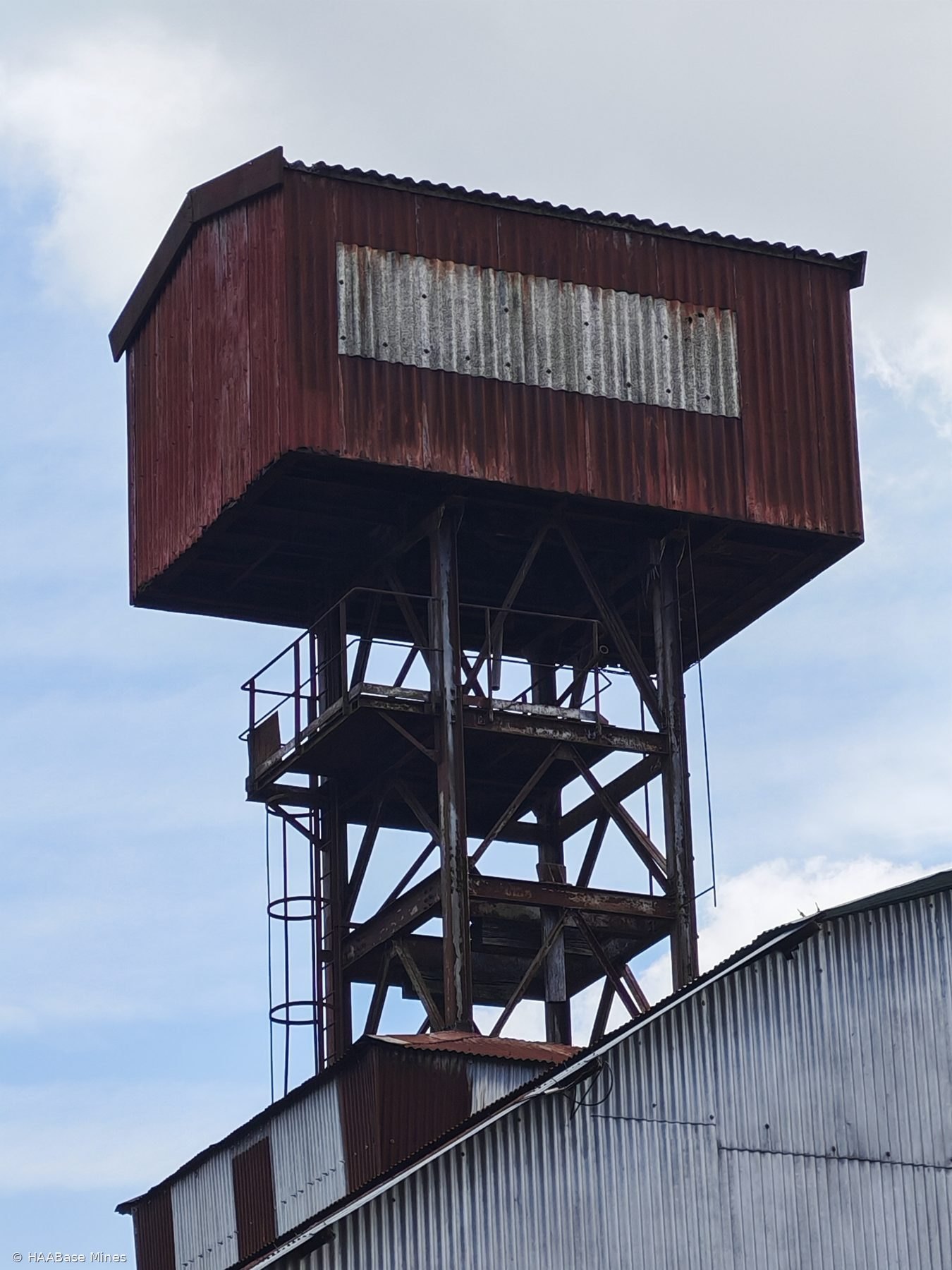
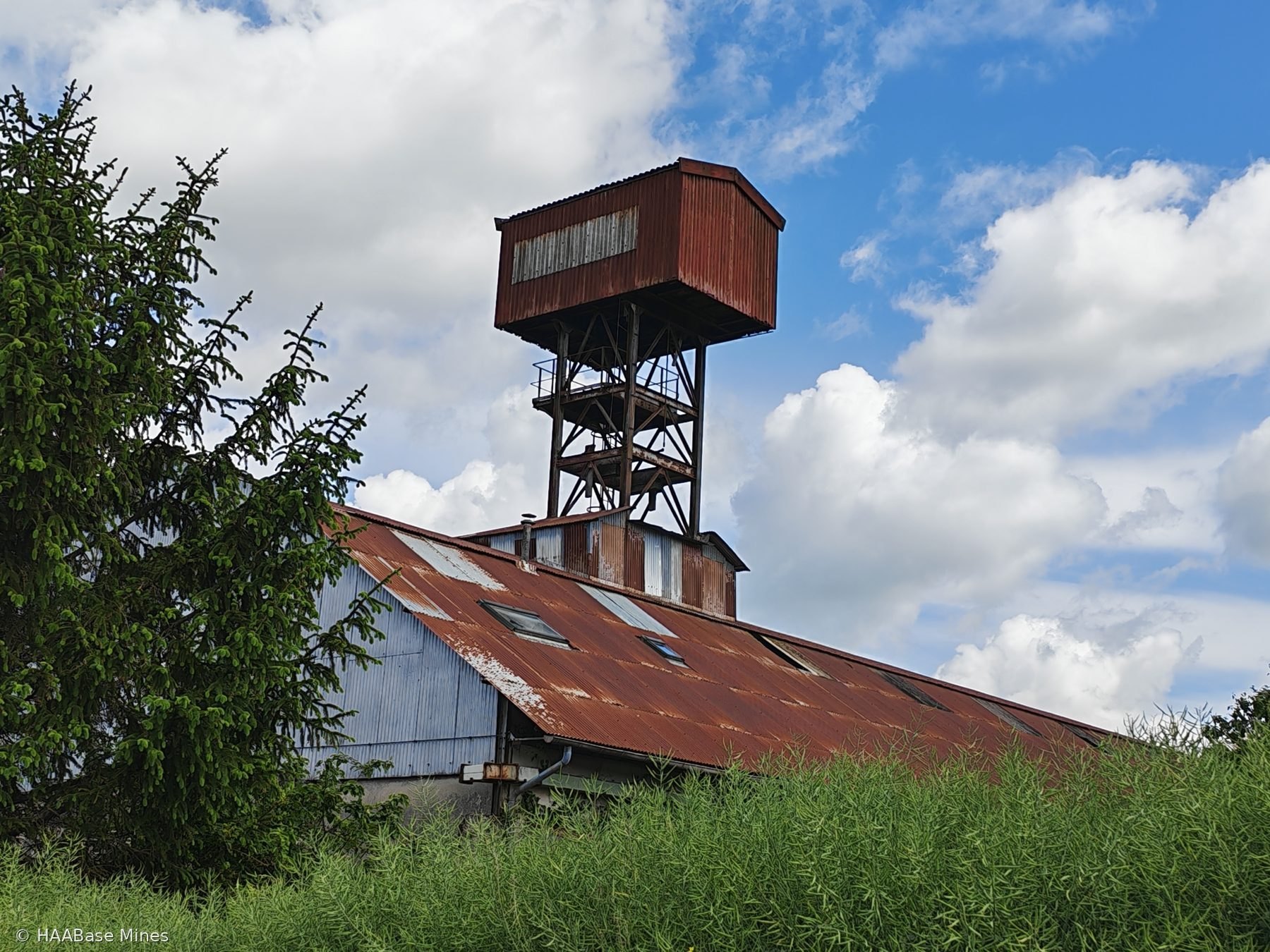
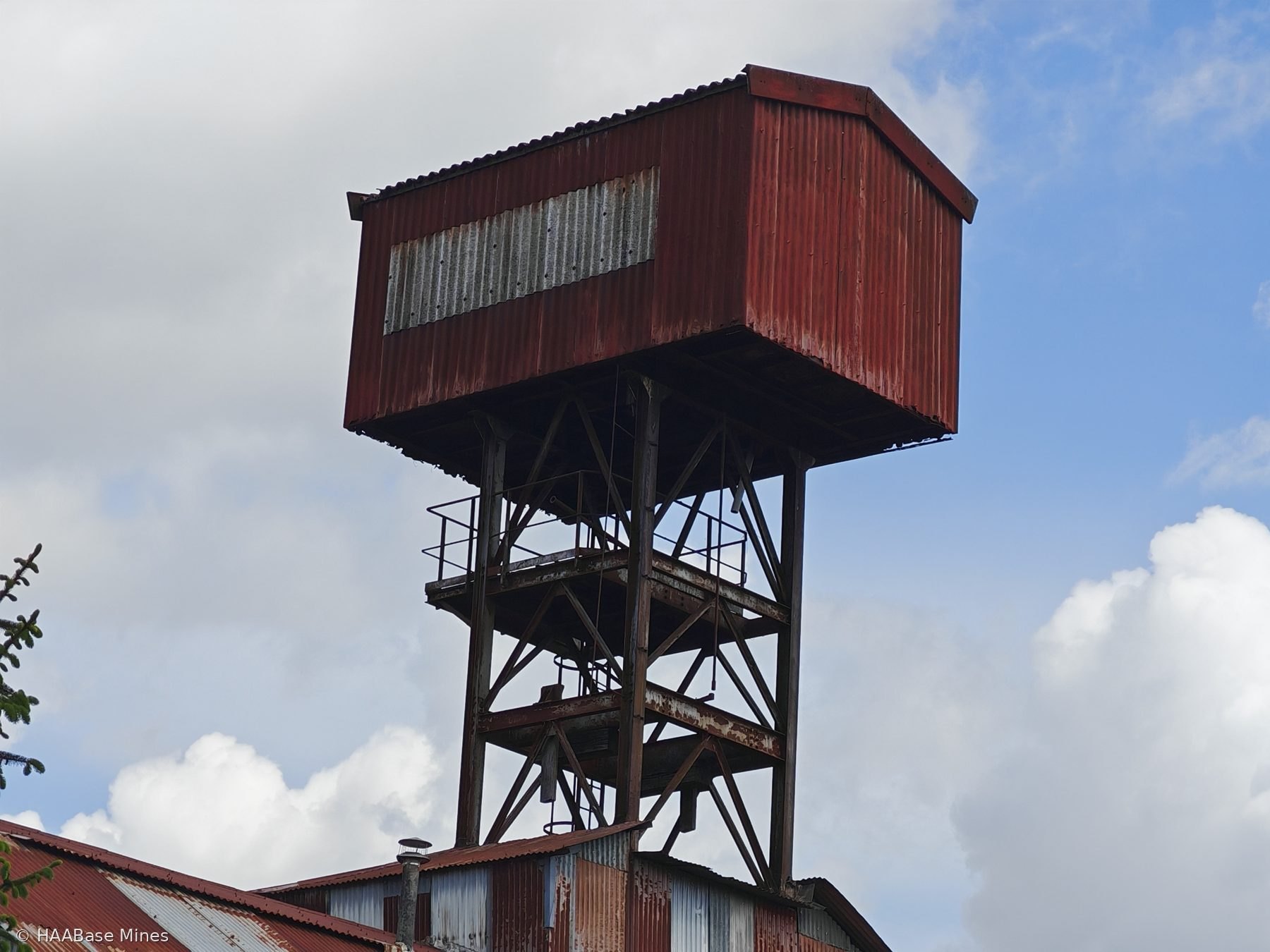
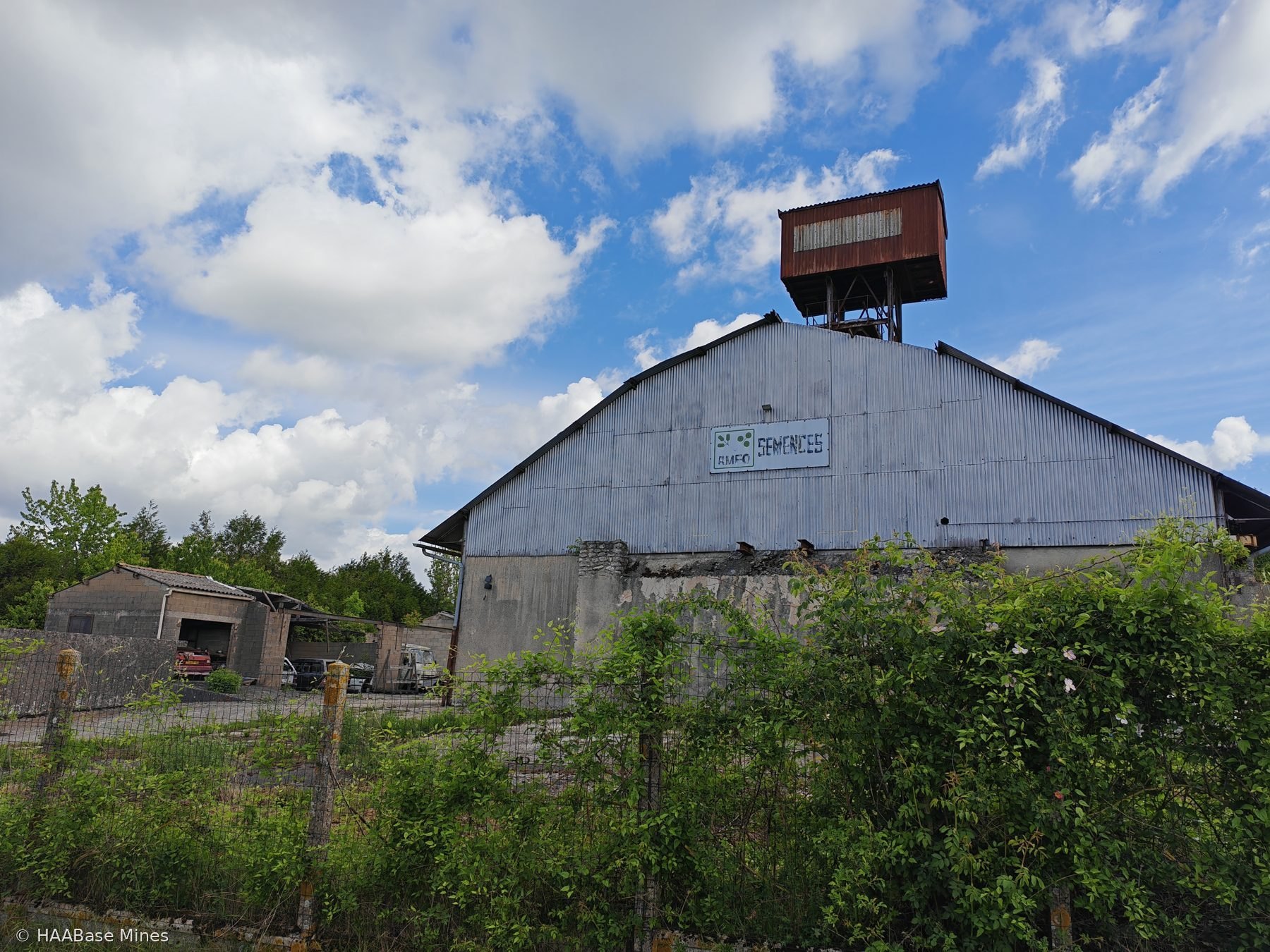
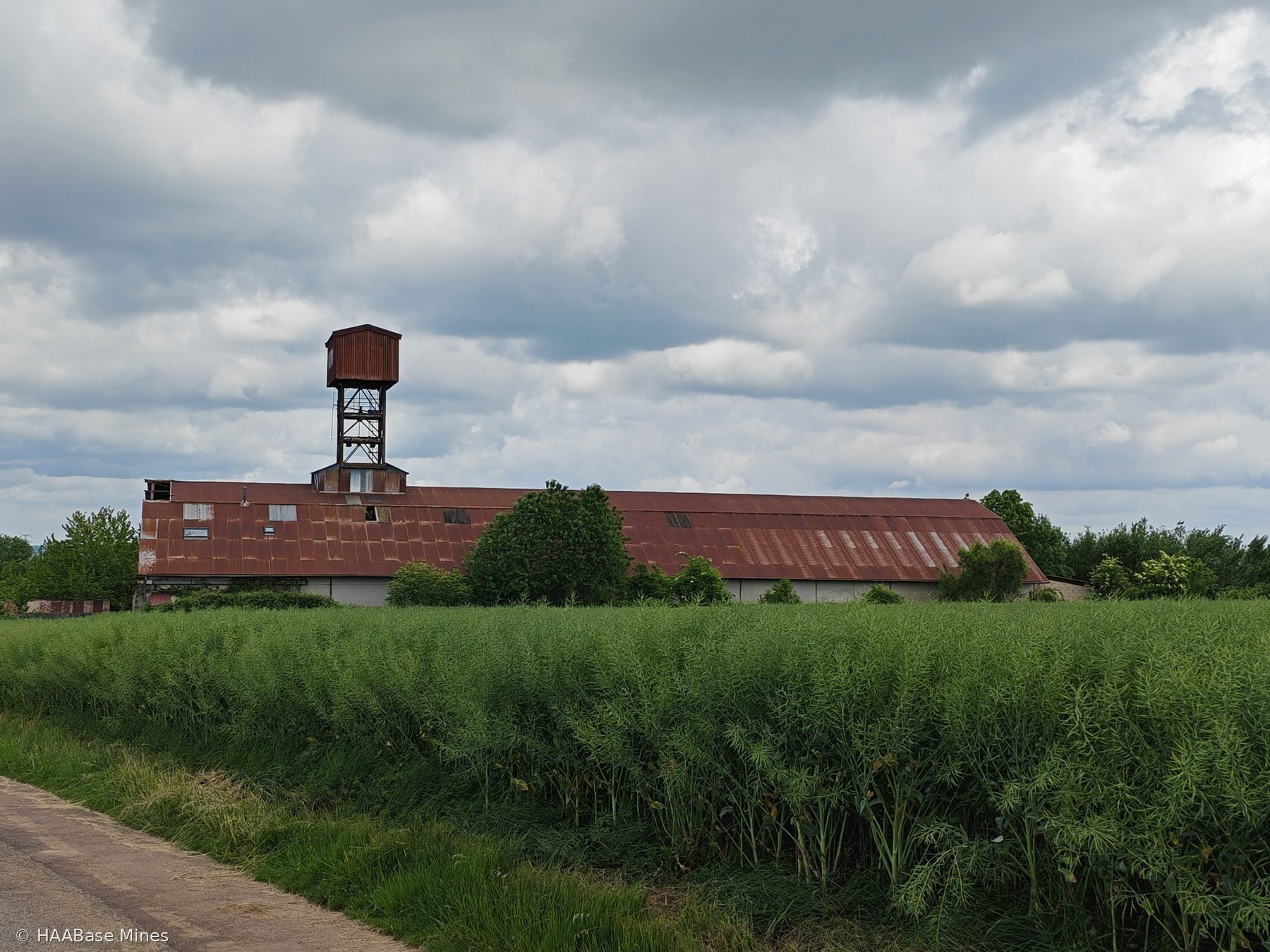
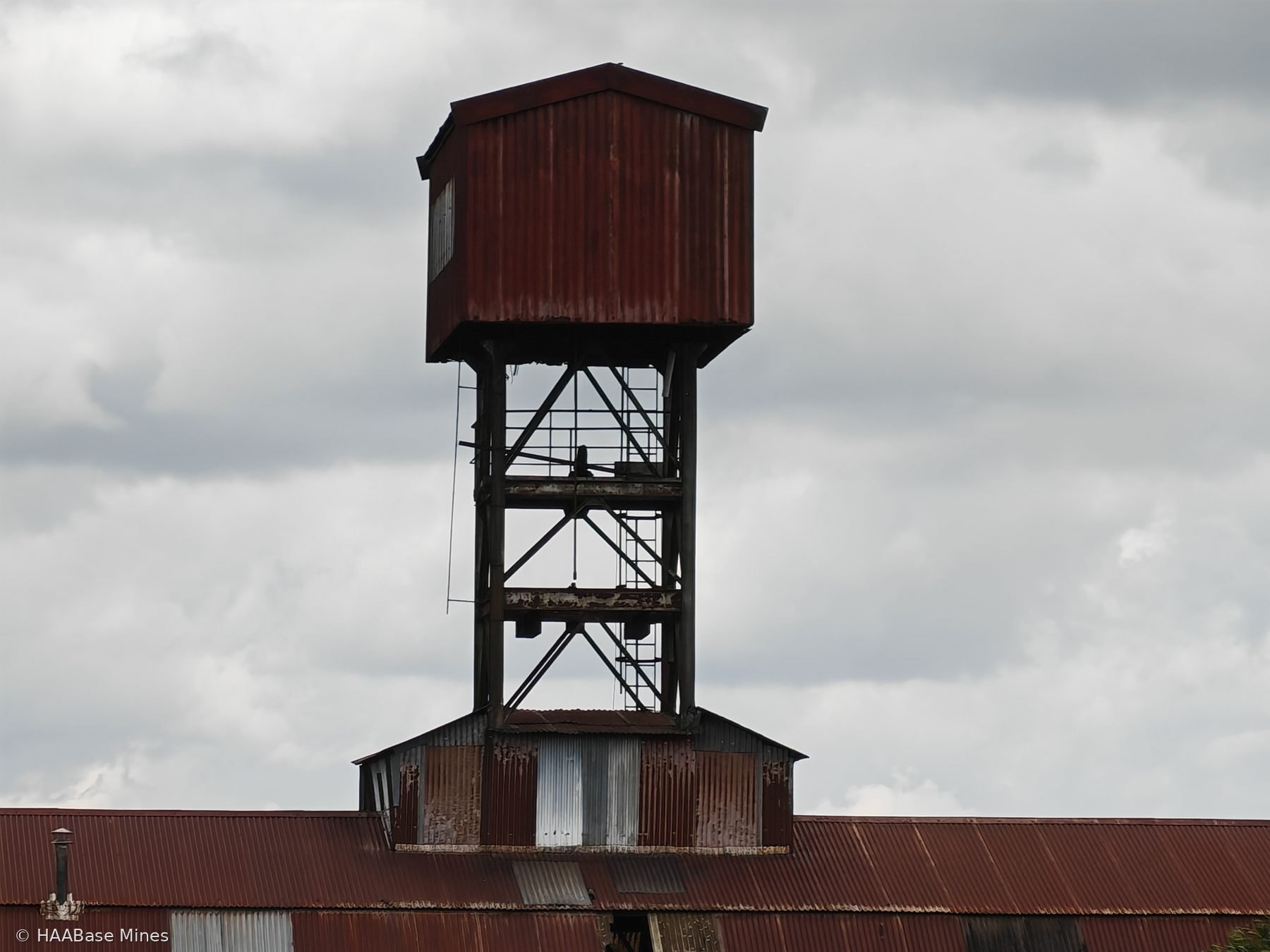
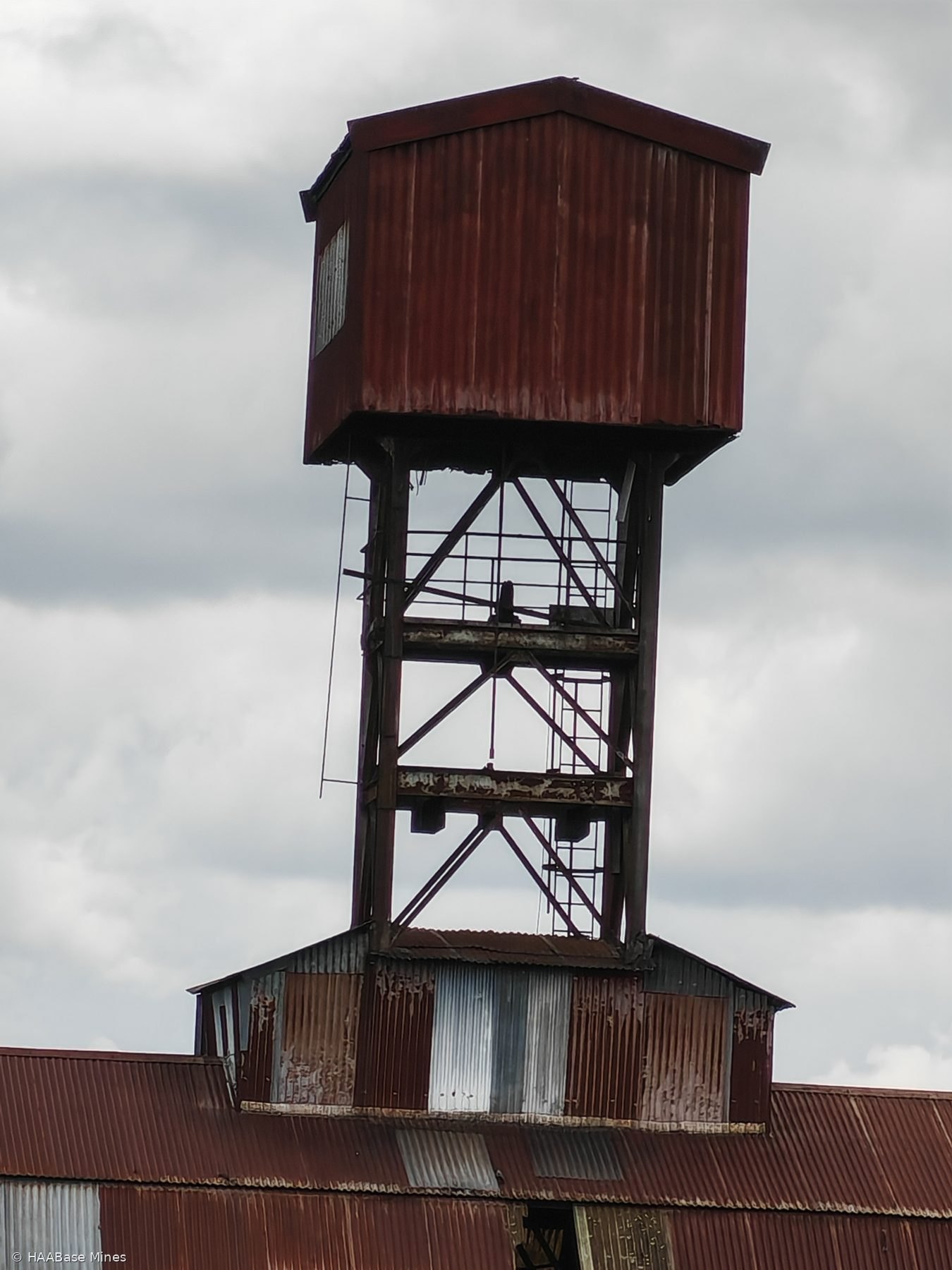
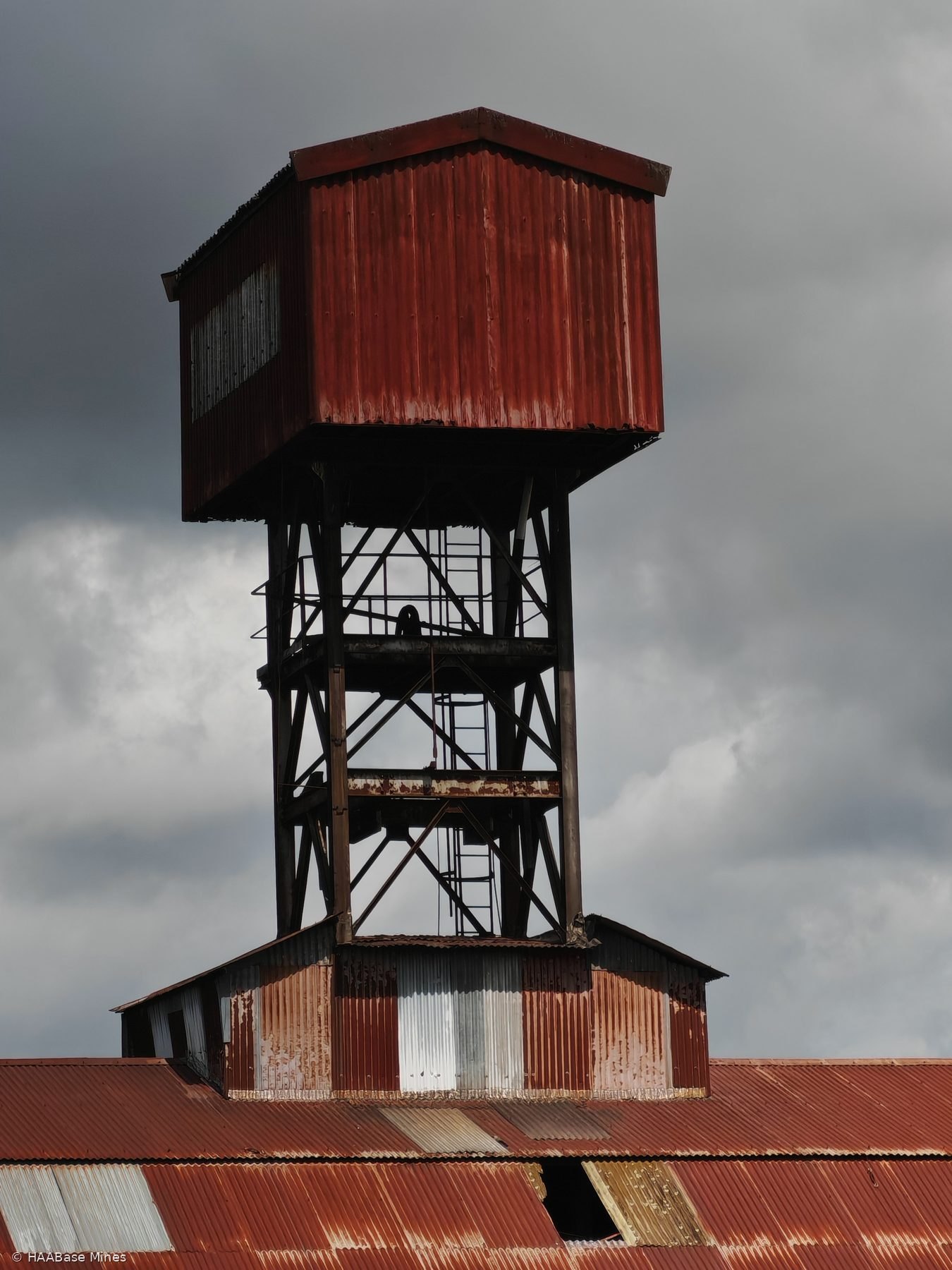
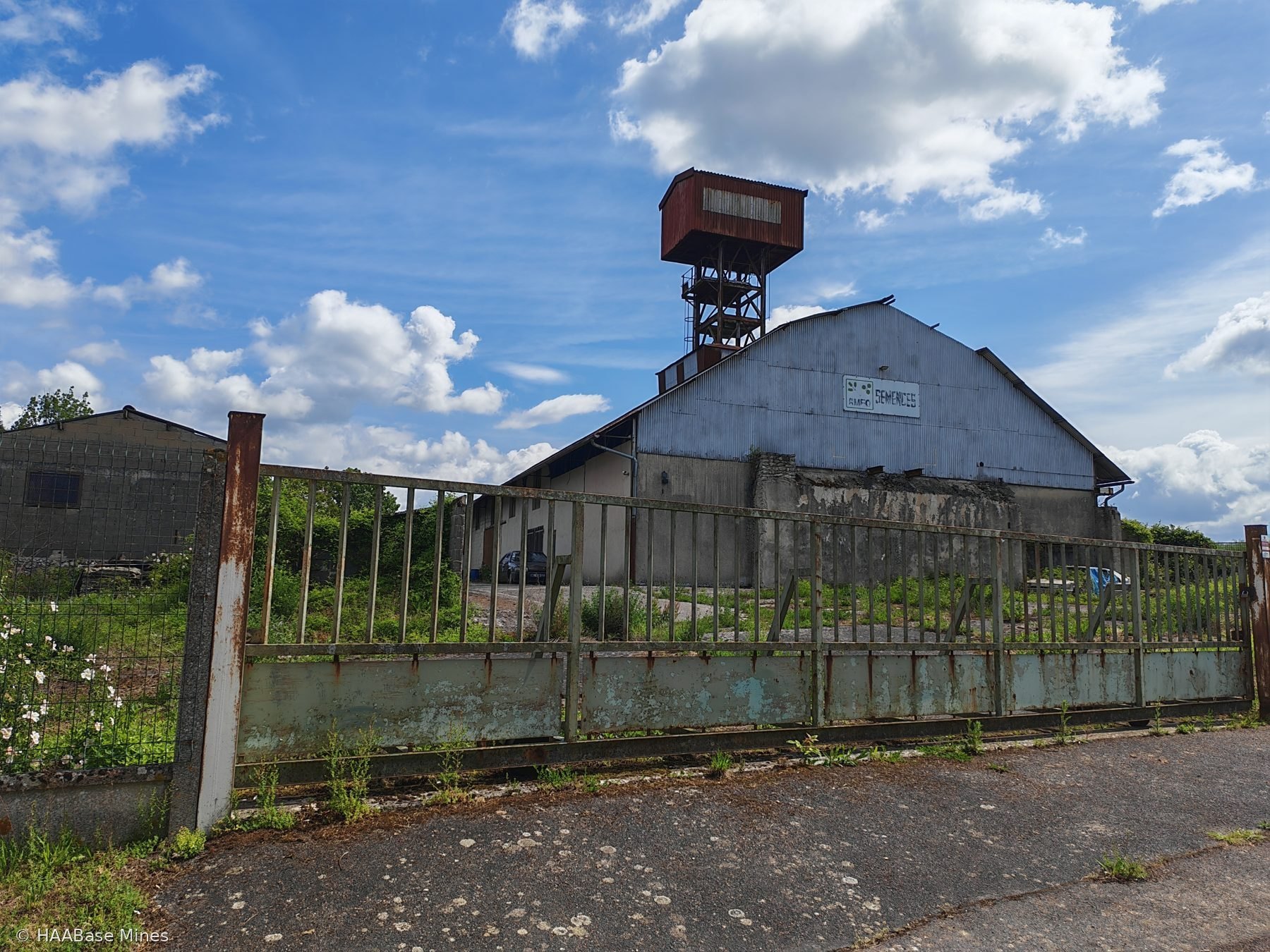
The site lies in open agricultural surroundings south of Provins, where the former clay mine leaves little clearly legible above ground within the wider rural landscape.

Map & photo

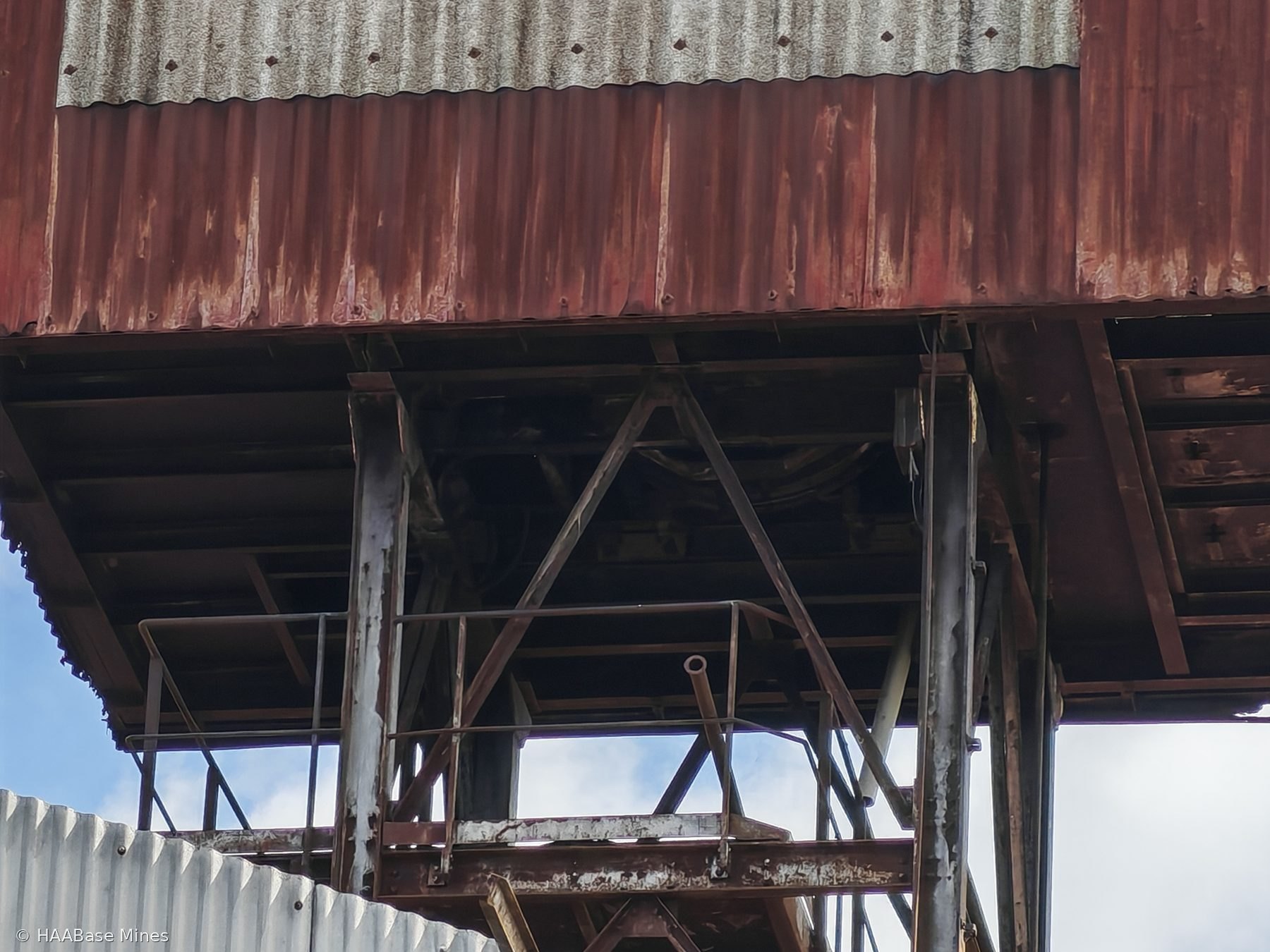
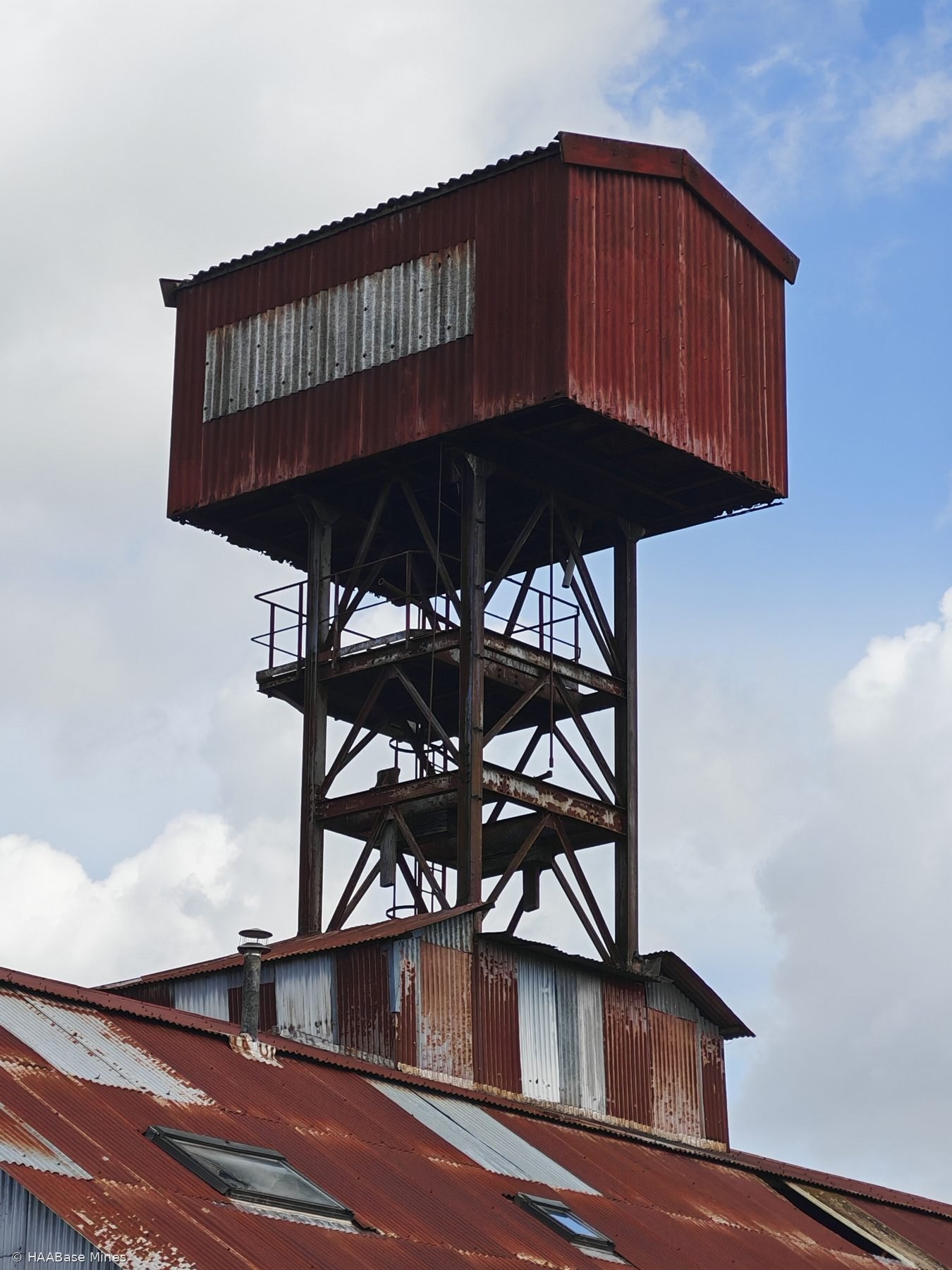
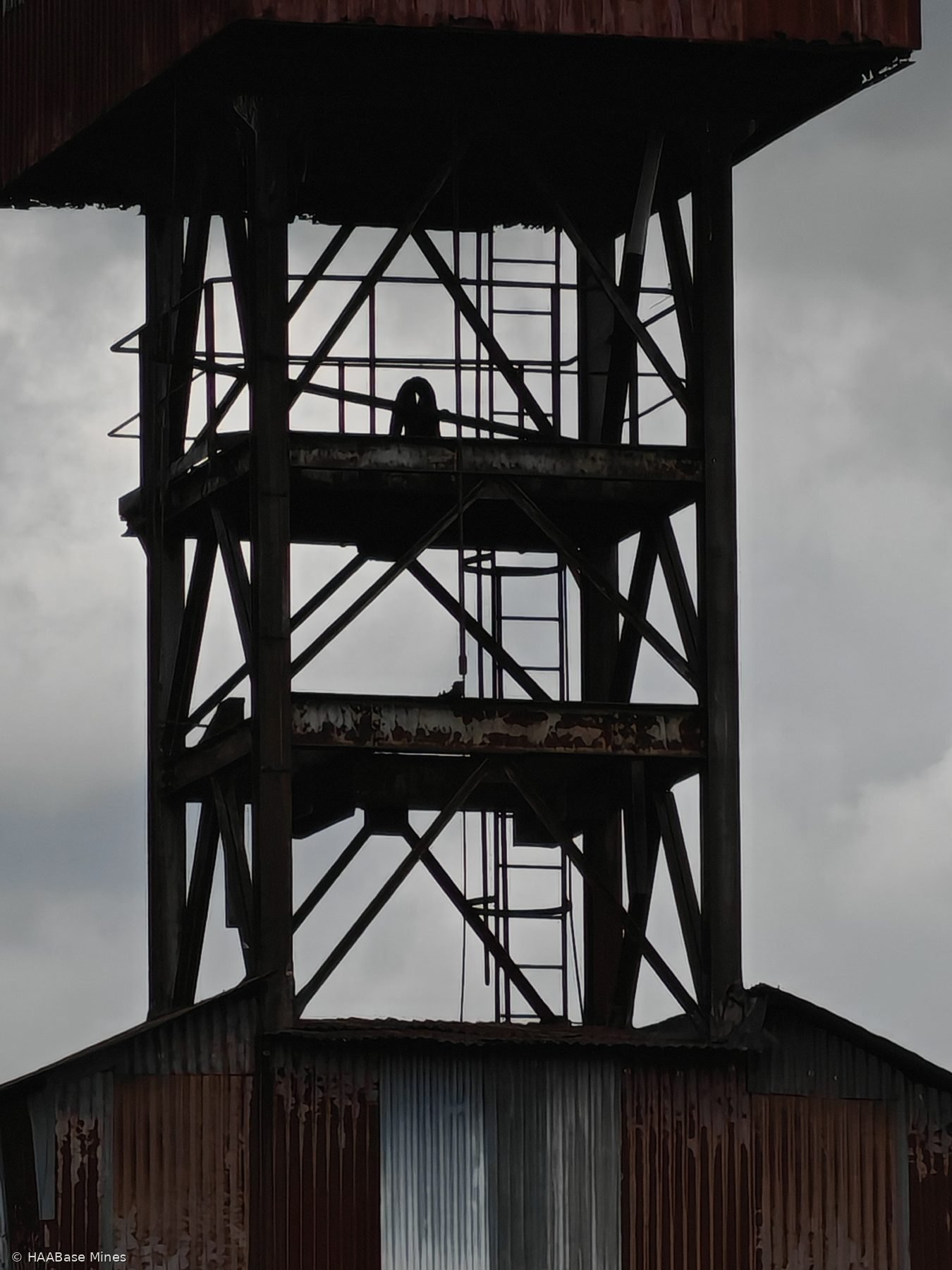
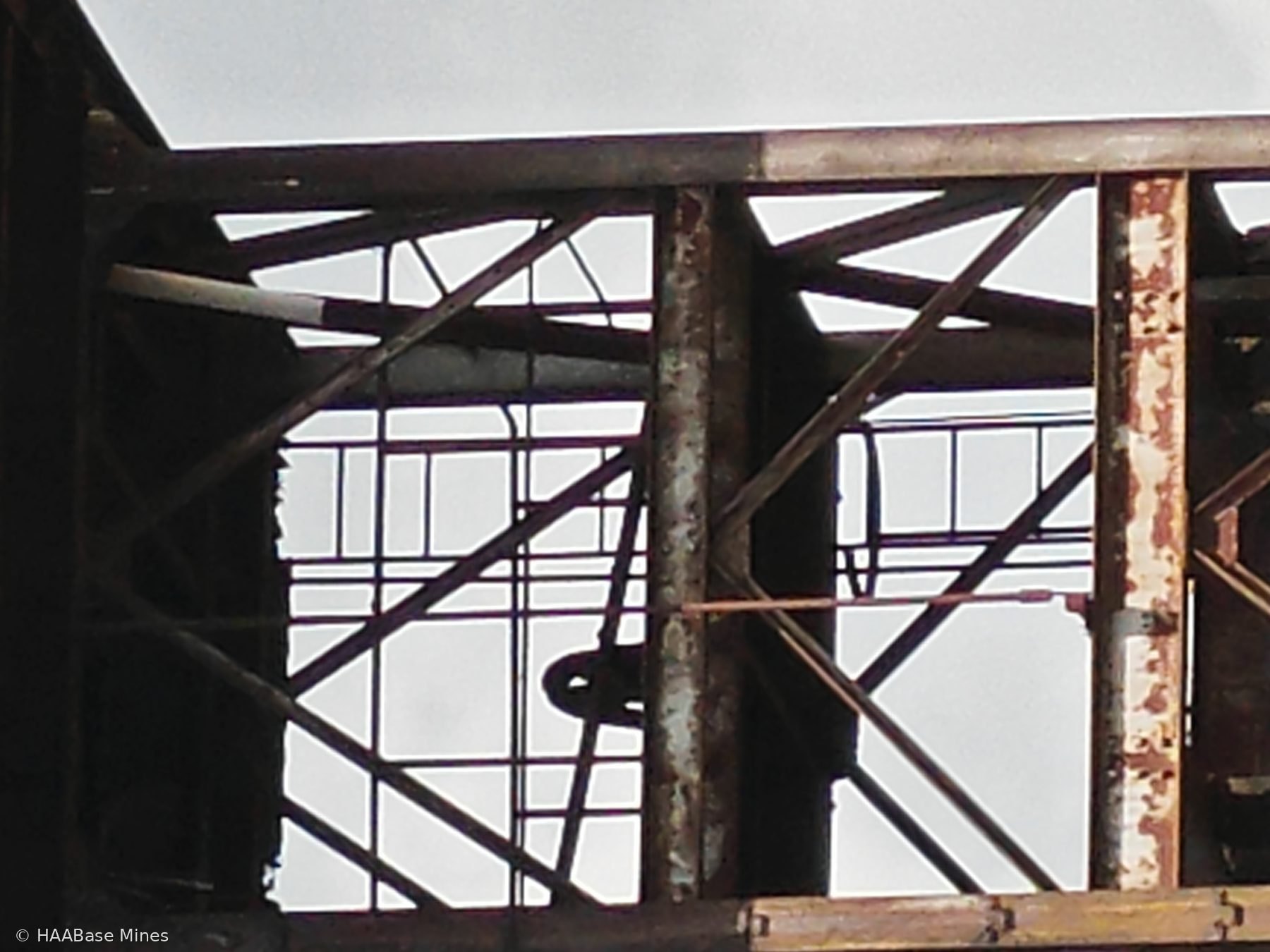
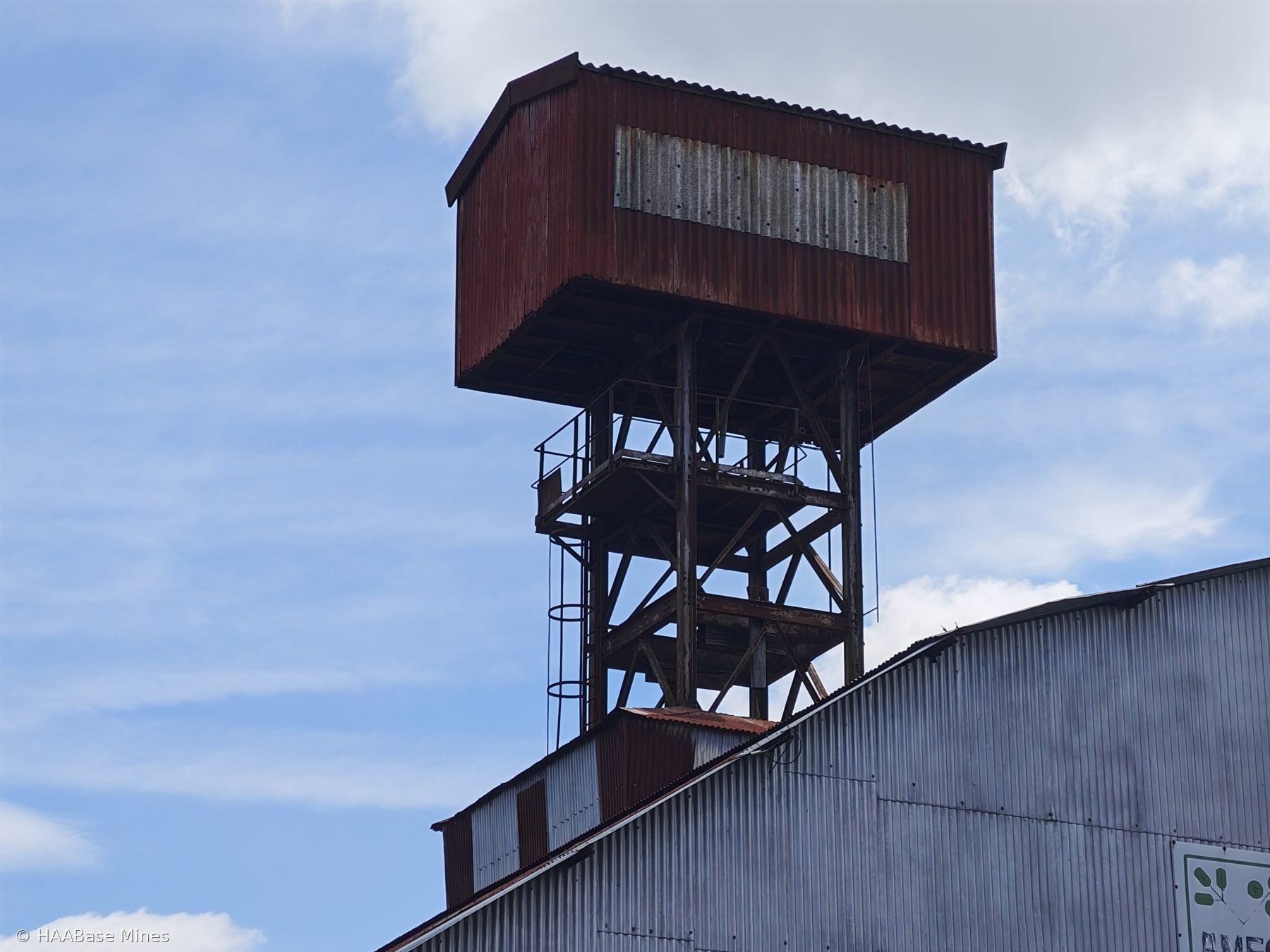
Mine de Rouilly mine headframe or winding tower site
Photograph taken: 13 May 2026
Map markers and directions links are provided for location reference only and do not indicate public access or permission to enter a site.

History

The commune of Rouilly lies within the Provinois, the agricultural and extractive plateau of eastern Seine-et-Marne, approximately three kilometres south-southwest of Provins. The underlying stratigraphy is dominated by Sparnacian deposits — grey to black firing clays known locally as glaise or argile sparnacienne — which were systematically extracted across the Provins basin from the late nineteenth century onwards.

The Provins basin was nationally important for the production of refractory and ceramic grade clays. Extraction was originally concentrated along the valley flanks of the Voulzie and Durtreint rivers and progressively extended onto the plateau. At its peak, the basin supported approximately twenty underground mines and employed around 750 workers across the Provins-Villenauxe zone, with total gallery lengths across the basin reaching 34,500 metres in 1969. The workforce was known colloquially as the gueules grises, a reference to the grey clay dust which characterised the working environment. The last underground clay extraction in the basin ceased in the late 1980s, after which production continued exclusively in open-cast quarries.

The Mine de Rouilly falls within this extractive landscape. Its precise concession boundaries, operators, shaft construction dates, production volumes, and closure details are not recoverable from the sources consulted. The current condition of the site and the survival of any surface structures are similarly not established from available records. Consultation of the BRGM Base de Données du Sous-Sol and the Archives Départementales de Seine-et-Marne would be the appropriate route to recover site-specific documentation.
Timeline

1880–1900
Operation

Clay extraction begins in the Provins basin

The first underground clay exploitations in the Provins basin are recorded from the end of the nineteenth century, concentrated on the valley flanks of the Voulzie and Durtreint rivers before extending to the plateau.
1980–1989
Closure

Underground clay extraction ends in the Provins basin

Underground clay extraction in the Provins basin ceased in the late 1980s. Production thereafter continued exclusively in open-cast quarries.

Sources and records

Fontaine-Fourches.com: Les mines d'argile du bassin de Provins (historical and technical overview of the Provins clay basin)
Géofestival Île-de-France: Guide argile du bassin de Provins-Villenauxe
BRGM geological map notice, sheet Provins 1/50000 (0260N): stratigraphy of the Provinois
Commune de Rouilly municipal information pages
This researched site record is part of the HAABase Mines database. Normal personal research and browsing is welcome. Automated bulk extraction, republication, or harvesting of site text and images is not permitted without written consent.