Site overview

Fosse no. 9 de la Compagnie des Mines de l'Escarpelle is a former coal mine at Roost-Warendin in the Nord department, forming part of the Bassin Minier du Nord-Pas-de-Calais. Sinking began in 1909 using the freezing process for a five-metre diameter shaft intended as a ventilation installation for fosses nos. 1 and 3. The First World War interrupted construction before the fosse was operational; it was brought into service for extraction in 1923.

Following nationalisation, the fosse was modernised from 1955 and became a concentration hub. A second modernisation in 1975 transferred the headframe and Koepe pulley system from fosse no. 13 at Sains-en-Gohelle to the site. The fosse ceased extraction on 26 October 1990, having produced 18,130,000 tonnes of coal, and was the last colliery to close in the Nord department.

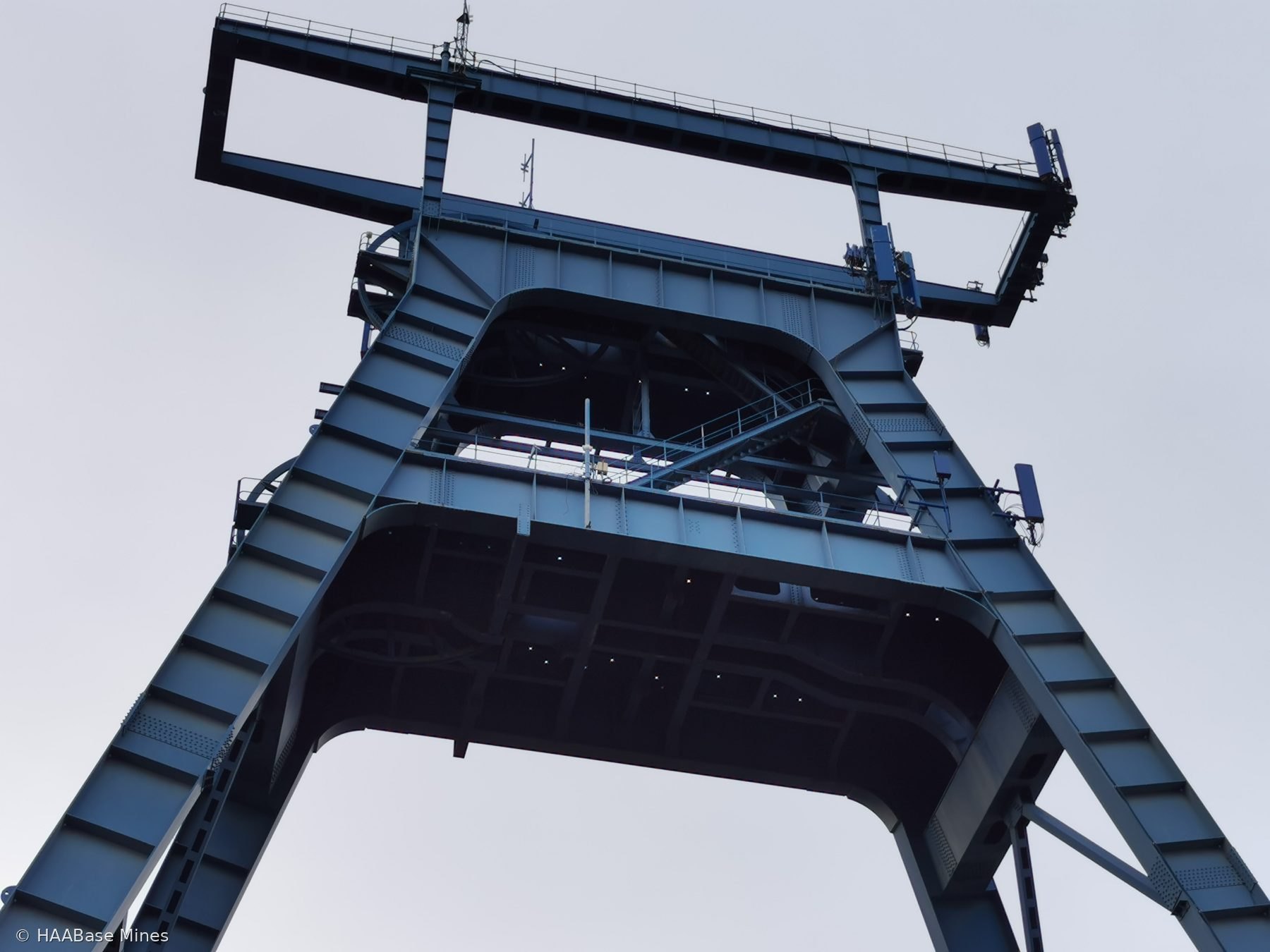
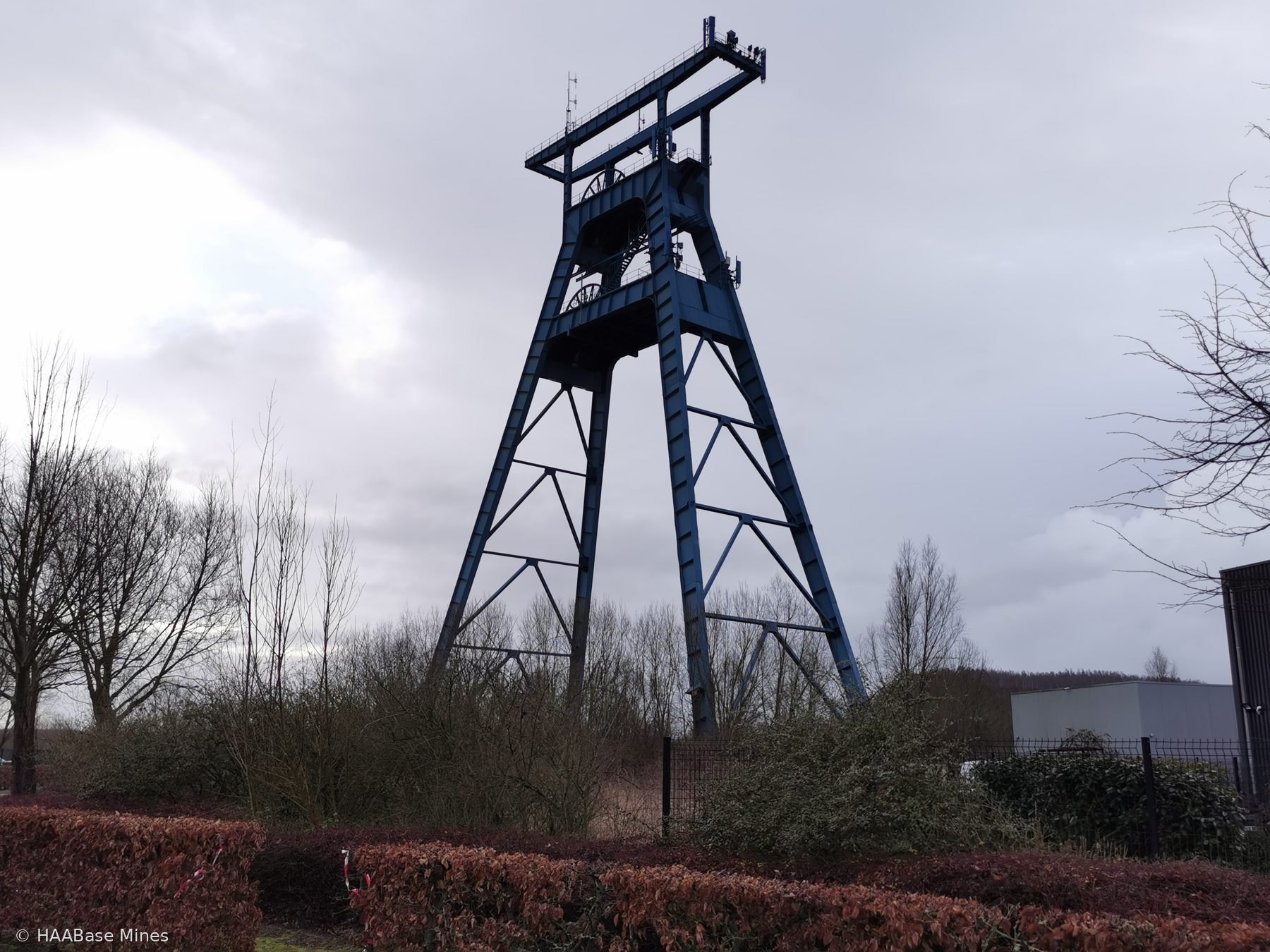
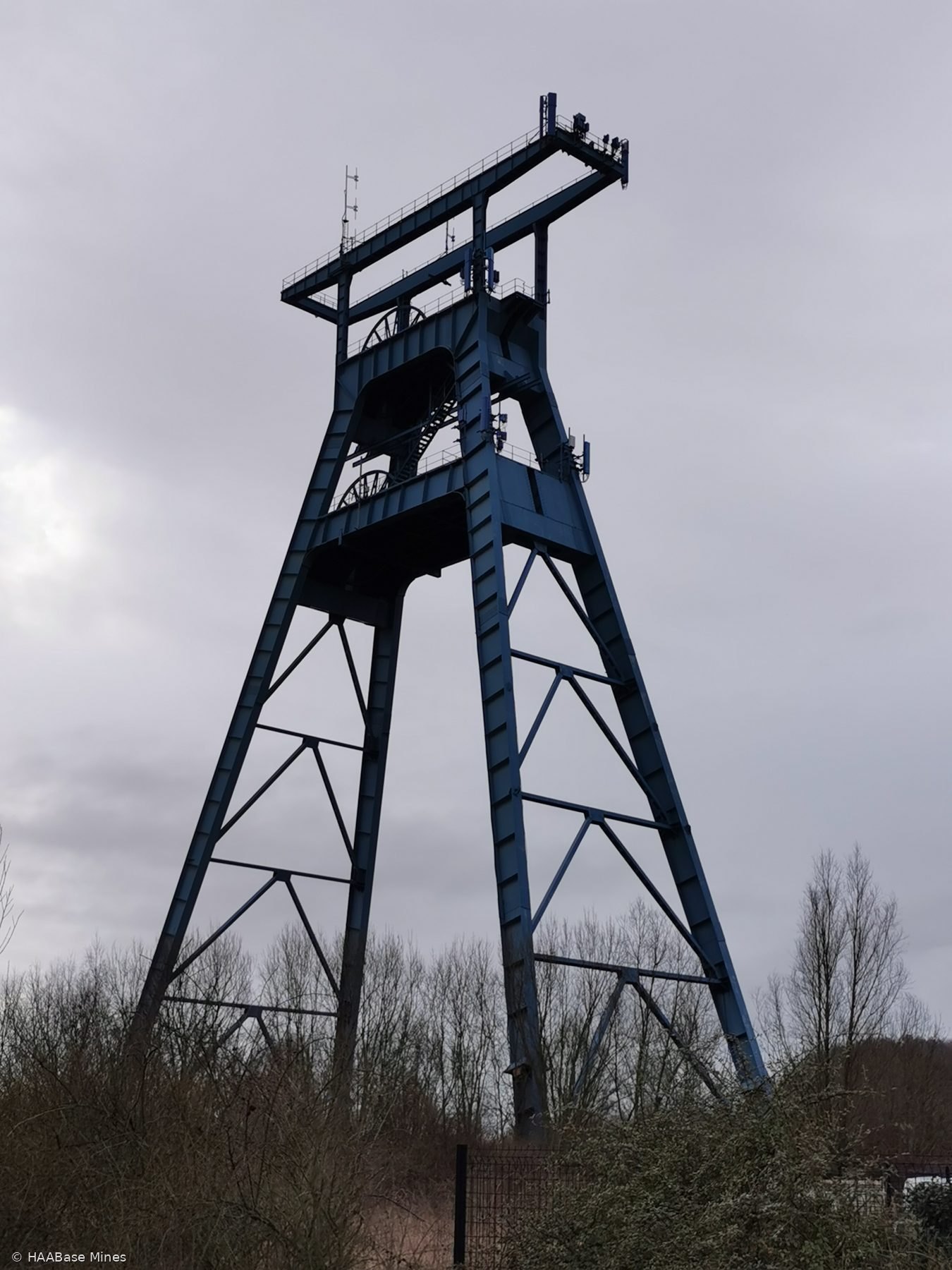
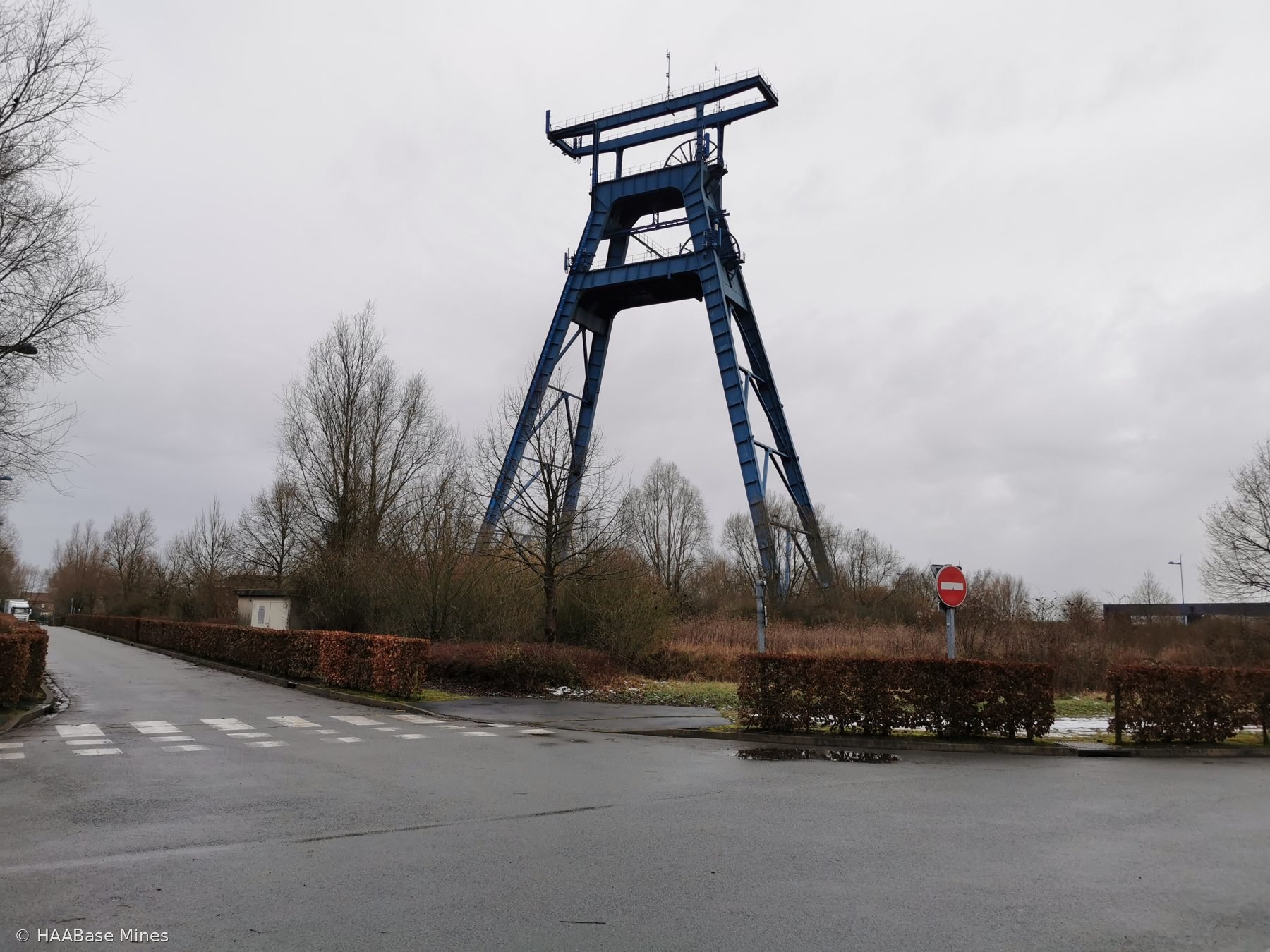
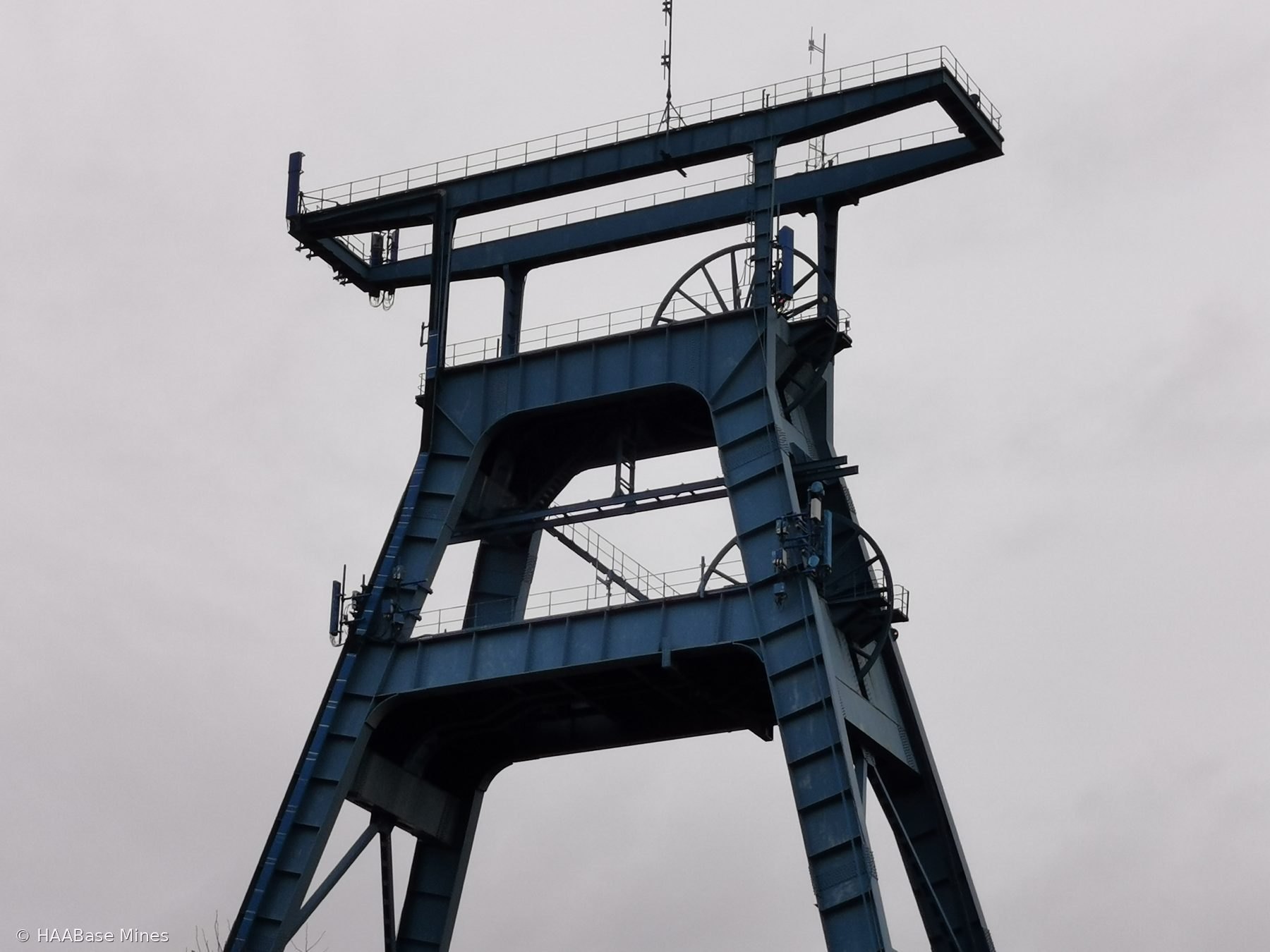
The shaft was backfilled and surface installations demolished in 1991. The surviving headframe, a steel portal-beam structure dating from 1955, is inscribed as a Monument Historique and was designated a UNESCO World Heritage component on 30 June 2012.

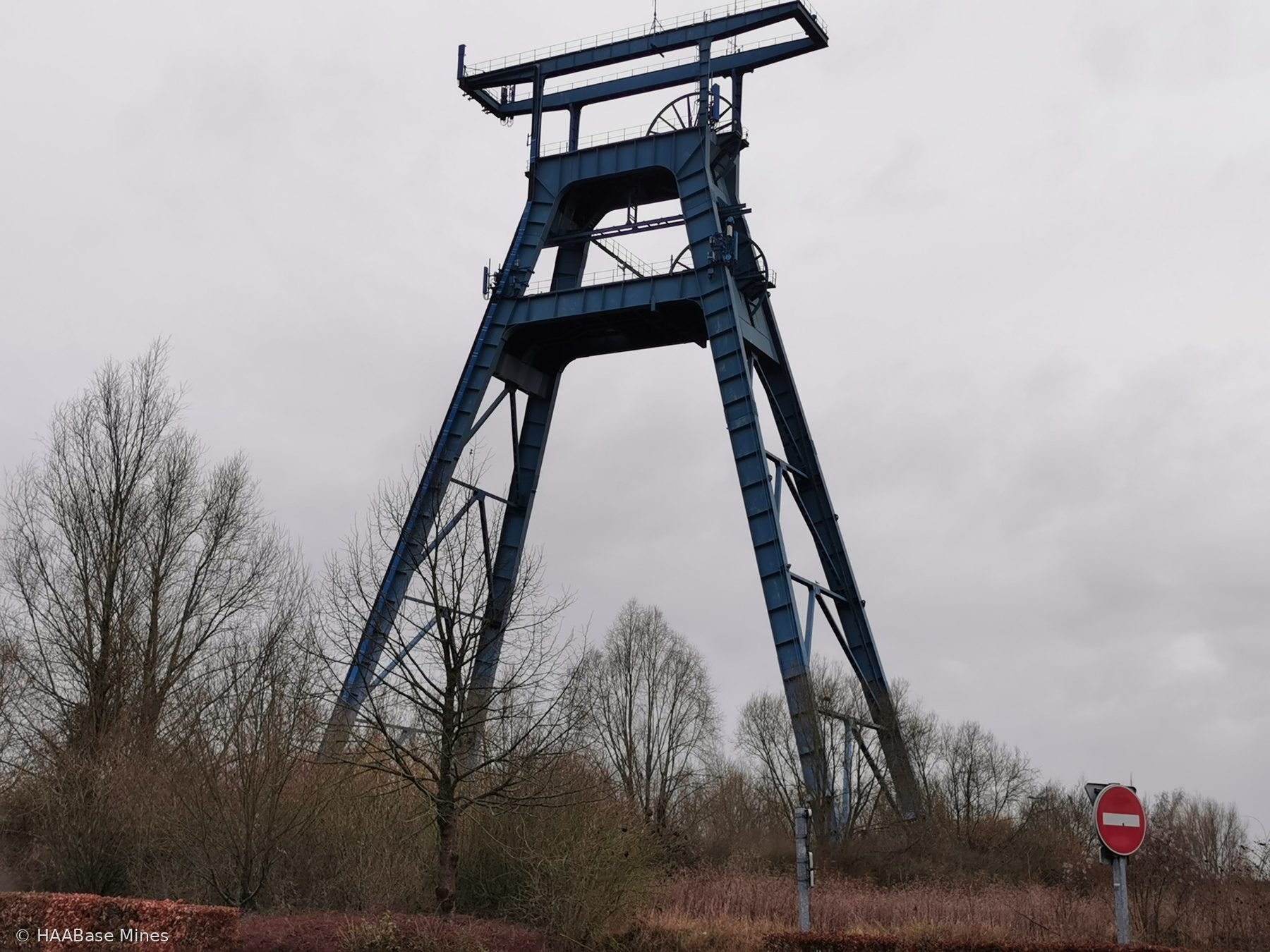
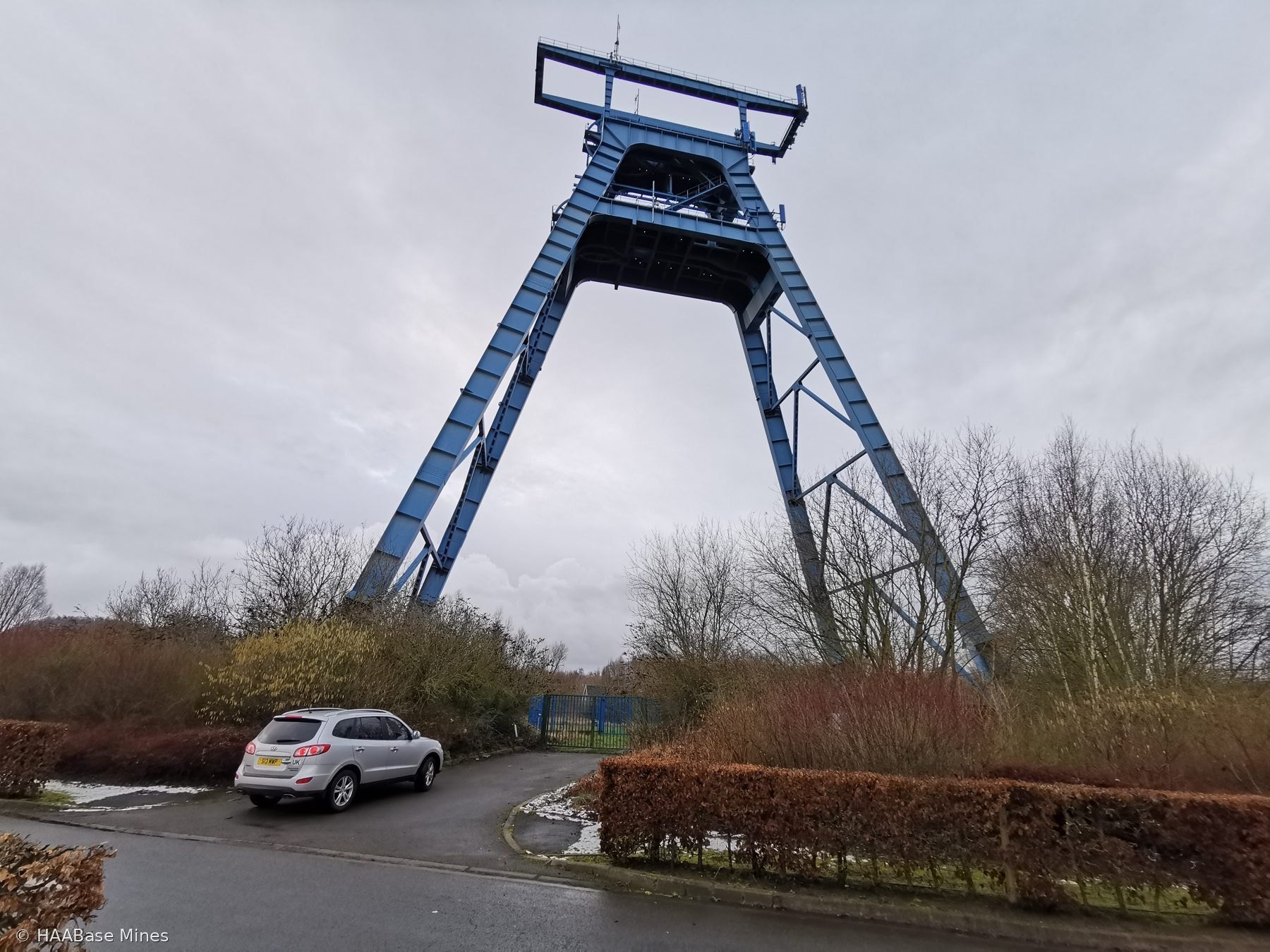
The headframe stands in a flat settled former mining landscape at Roost-Warendin, where it reads as an isolated but prominent remnant on a largely cleared site.

Map & photo

Fosse n° 9 de l’Escarpelle mine headframe or winding tower site
Photograph taken: 16 February 2026
Map markers and directions links are provided for location reference only and do not indicate public access or permission to enter a site.

History

Fosse no. 9 de la Compagnie des Mines de l'Escarpelle is situated at Roost-Warendin in the Nord department, forming part of the wider Bassin Minier du Nord-Pas-de-Calais. The shaft was sunk beginning in spring 1909 using the freezing process (procédé de congélation) to contain groundwater, with a diameter of five metres. Its initial purpose was to serve as a ventilation shaft for fosses nos. 1 and 3, situated respectively 1,160 metres to the south-southeast and 1,795 metres to the southwest. Underground connections (accrochages) were established at 206 metres and at 227 metres depth in December 1909. The First World War began before the installations were operational, interrupting construction. Following post-war reconstruction, the fosse was brought into service for extraction in 1923. In 1919 the shaft had been deepened to 410 metres, and a modern extraction building with a 1,000-horsepower winding machine was constructed.

In 1950 the fosse took on a combined role: extraction, personnel and materials access, and fresh air intake, with return air handled by fosses nos. 1 and 3. In 1955 the fosse was fully modernised in connection with its designation as a siège de concentration: a lavoir was constructed, one of the largest in the region. In 1956 the existing headframe was dismantled and replaced by a more modern structure, and the steam winding machine was replaced by an electric machine. The lavoir was closed in 1968, with products thereafter dispatched to the lavoir of the fosse Barrois at Pecquencourt.

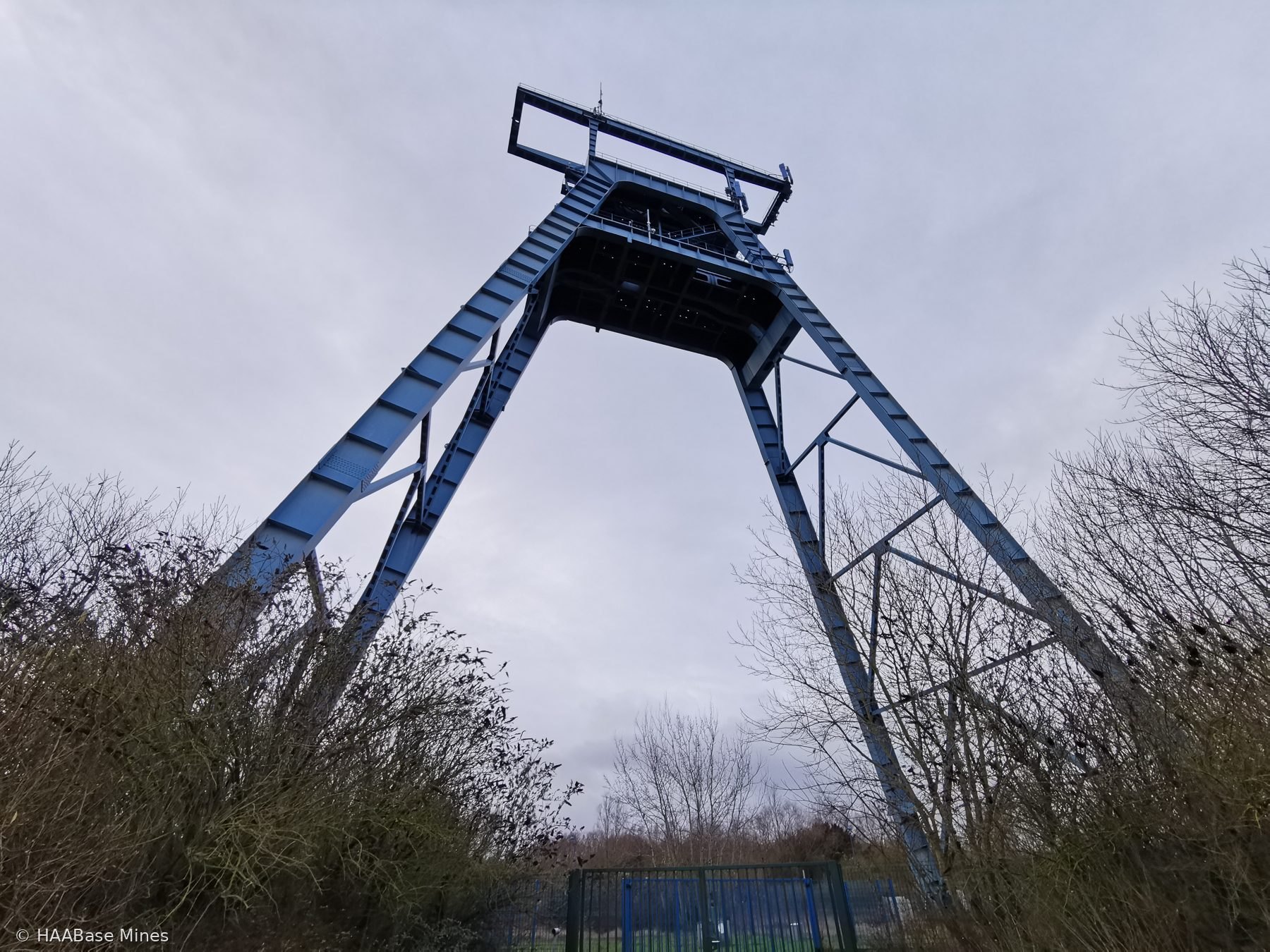
From 1965, underground connections were developed linking fosse no. 9 to fosse no. 10. In 1973 fosse no. 9 assumed responsibility for the exploitation of the coal deposit previously served by fosse no. 10. A second modernisation programme took place from 1975. The shaft was deepened to 463 metres in 1975 and the winding machine, judged too slow, was replaced by a Koepe pulley system recovered from fosse no. 13 – 13 bis of the Béthune group at Sains-en-Gohelle, which had been idle since 1972. The headframe of that fosse no. 13, dating from 1955, was carefully dismantled at Sains-en-Gohelle and reassembled over the shaft of fosse no. 9 at Roost-Warendin. The structure is a portal-beam type with solid-web sections (chevalement à faux-carré porteur de type portique à poutrelles à âme pleine), designed for double extraction with four superimposed sheave wheels of eight metres diameter; only two of the four sheave wheels were reinstalled during the transfer. In 1976, the shaft was deepened again to 570 metres. In autumn 1977, excavation of the accrochage at −540 metres was undertaken.

The last coal draws from fosse no. 9 took place on 26 October 1990 at 11:00, with coal from faces 0 and 2 of block 1. Fosse no. 9 was the last colliery to close in the Nord department; the last fosses to close across the region were those of the Dourges and Oignies groups on 21 December 1990. Total lifetime production of fosse no. 9 was 18,130,000 tonnes. The shaft, at a final depth of 592 metres, was backfilled in January 1991. The demolition of the pit yard began in January 1991 and was completed on 30 August 1991 with the demolition of the original fosse no. 9 headframe. The surviving headframe, transferred from fosse no. 13, was retained.

At the beginning of the twenty-first century, Charbonnages de France materialised the shaft head, and the BRGM undertook annual inspections. The pit yard site was progressively converted into an industrial zone. The three associated spoil heaps, nos. 136, 136A, and 138, were partially exploited and opened to the public as natural spaces. The workers' housing estates were renovated. The headframe was inscribed as a Monument Historique by order of 25 November 2009. The headframe and the cité moderne de la Belleforière, constructed between 1946 and 1956, were inscribed as components of the UNESCO World Heritage Site of the Nord-Pas-de-Calais Mining Basin on 30 June 2012.
Timeline

1909
Construction

Shaft sinking begins using freezing process

Sinking of the shaft began in spring 1909 using the freezing process (procédé de congélation) to contain groundwater. The shaft diameter was five metres. Underground connections were established at 206 metres and 227 metres depth in December 1909.
1919
Construction

Shaft deepened to 410 metres; extraction building constructed

In 1919 the shaft was deepened to 410 metres and a modern extraction building with a 1,000-horsepower winding machine was constructed.
1923
Operation

Fosse brought into extraction service

Following post-war reconstruction, the fosse was brought into extraction service in 1923.
1950
Operation

Fosse assumes combined extraction and ventilation role

In 1950 the fosse took on a combined role: extraction, personnel and materials access, and fresh air intake, with return air handled by fosses nos. 1 and 3.
1955
Construction

First modernisation; lavoir constructed; fosse designated siège de concentration

In 1955 the fosse was fully modernised and designated a siège de concentration. A lavoir, one of the largest in the region, was constructed.
1956
Construction

Headframe replaced; steam winding machine replaced by electric machine

In 1956 the existing headframe was dismantled and replaced by a more modern structure, and the steam winding machine was replaced by an electric machine.
1965
Construction

Underground connections developed to fosse no. 10

From 1965 underground connections were developed linking fosse no. 9 to fosse no. 10.
1968
Closure

Lavoir closed; products transferred to fosse Barrois at Pecquencourt

The lavoir constructed in 1955 was closed in 1968. Coal products were thereafter dispatched to the lavoir of the fosse Barrois at Pecquencourt.
1973
Operation

Fosse no. 9 takes over exploitation of fosse no. 10 deposit

In 1973 fosse no. 9 assumed responsibility for the exploitation of the coal deposit previously served by fosse no. 10.
1975
Construction

Second modernisation; shaft deepened to 463 m; Koepe pulley and headframe transferred from fosse no. 13

In 1975 the shaft was deepened to 463 metres. The winding machine was replaced by a Koepe pulley system from fosse no. 13 – 13 bis at Sains-en-Gohelle (idle since 1972). The headframe of fosse no. 13, a 1955 portal-beam metal structure designed for double extraction, was dismantled and reassembled over the shaft. Only two of its four sheave wheels of eight metres diameter were reinstalled.
1976
Construction

Shaft deepened to 570 metres

In 1976 the shaft was deepened again to 570 metres.
1977
Construction

Excavation of accrochage at −540 metres undertaken

In autumn 1977 excavation of the underground connection level at −540 metres was undertaken.
1990
Closure

Extraction ceases; fosse closes

The last coal draws took place on 26 October 1990 at 11:00 from faces 0 and 2 of block 1. Total lifetime production was 18,130,000 tonnes. Fosse no. 9 was the last colliery to close in the Nord department.
1991
Closure

Shaft backfilled; pit yard demolished

The shaft, at a final depth of 592 metres, was backfilled in January 1991. Demolition of the pit yard began in January 1991 and was completed on 30 August 1991, including the demolition of the original fosse no. 9 headframe. The surviving transferred headframe was retained.
2009
Heritage

Headframe inscribed as Monument Historique

The headframe of fosse no. 9 was inscribed as a Monument Historique in its entirety by order of 25 November 2009.
2012
Heritage

Headframe and cité de la Belleforière designated UNESCO World Heritage components

The headframe of fosse no. 9 and the cité moderne de la Belleforière, constructed 1946 to 1956, were inscribed as components of the UNESCO World Heritage Site of the Bassin Minier du Nord-Pas-de-Calais on 30 June 2012.

Sources and records

Wikipedia article (French): Fosse no. 9 des mines de l'Escarpelle French Ministry of Culture heritage database (pop.culture.gouv.fr): Fosse no. 9 de l'Escarpelle (PA59000152) Monumentum heritage listing record: Fosse no. 9 de l'Escarpelle à Roost-Warendin Gaillette.fr: UNESCO Patrimoine Mondial, Fosse no. 9 des Mines de l'Escarpelle à Roost-Warendin Ville de Roost-Warendin official website: Le chevalement de la fosse 9 de l'Escarpelle CAUE du Nord: Chevalement de l'ancienne fosse de l'Escarpelle, Roost-Warendin MémoMines blog: Hommage à la fosse 9 de Roost Warendin Andredemarles Skyrock blog: La fosse no. 9 de l'Escarpelle, Roost-Warendin
This researched site record is part of the HAABase Mines database. Normal personal research and browsing is welcome. Automated bulk extraction, republication, or harvesting of site text and images is not permitted without written consent.