History
The iron-mining district around Saint-Priest and Privas developed from the discovery and investigation of iron ore deposits in the first half of the nineteenth century. The ore body worked in this area was a hematite deposit associated with Jurassic marl-limestone formations. Exxplore describes the ore as a hematite-bearing body with an iron content of about forty per cent, with silica, sulphur and phosphorus also present. The deposit consisted of two layers, of which the upper layer was principally exploited, varying from about 1.5 metres to 4 metres thick at the outcrop and reaching greater thickness within the body. The worked ore was sent mainly to departmental ironworks, including Le Pouzin and later the blast furnaces at La Voulte.
Mining research in the Saint-Priest–Privas area is recorded from the late 1830s. The official French heritage notice records prospecting from 1839 and the grant of the Saint-Priest concession in 1855 to the Compagnie Loire et Ardèche. Other mining references place the first concession in the Privas iron-mining area in the 1840s, with several concessions subsequently established, including Veyras, Saint-Priest, Fraysse and Le Lac. This reflects a wider iron-mining landscape rather than a single isolated shaft.
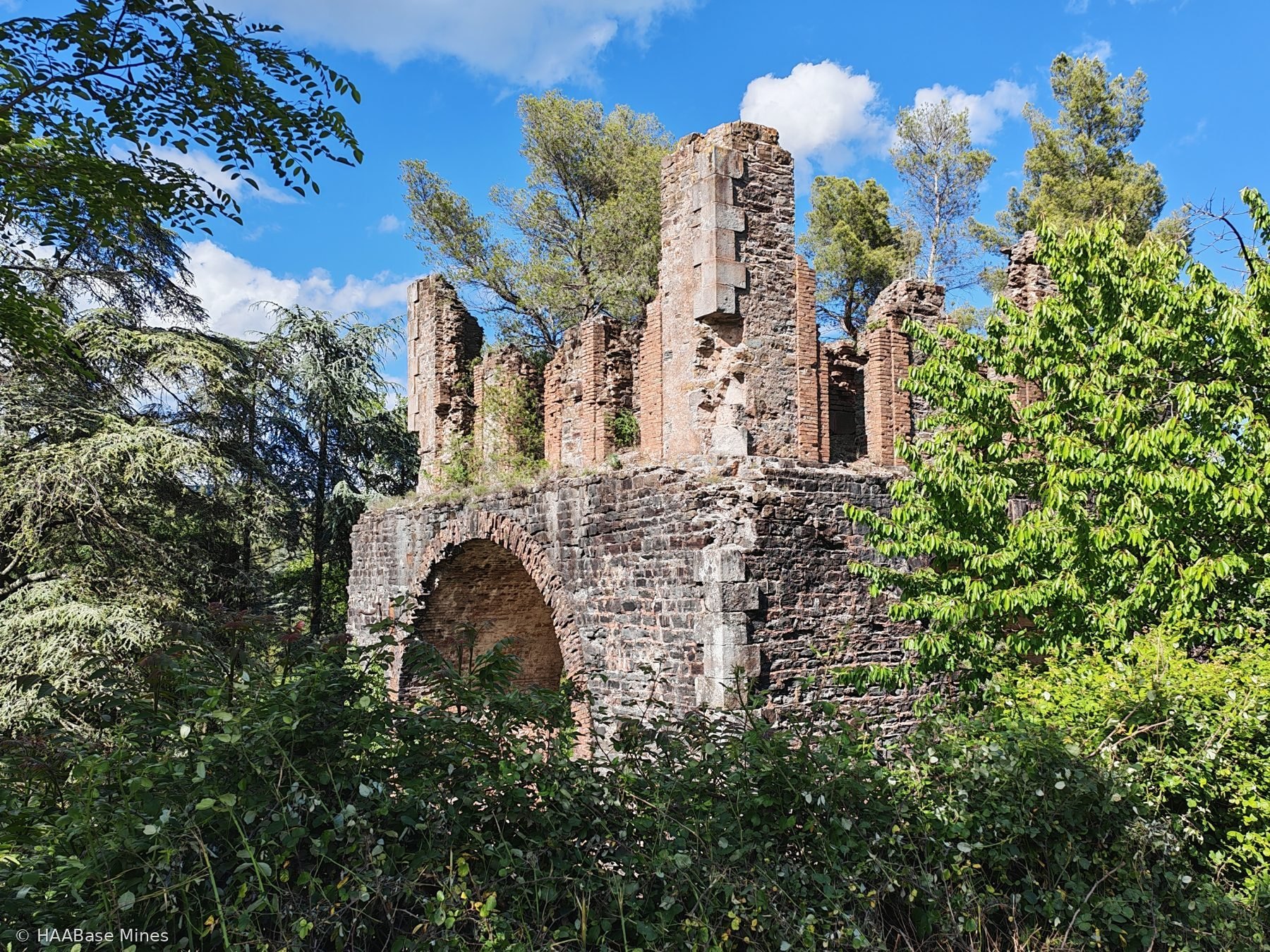
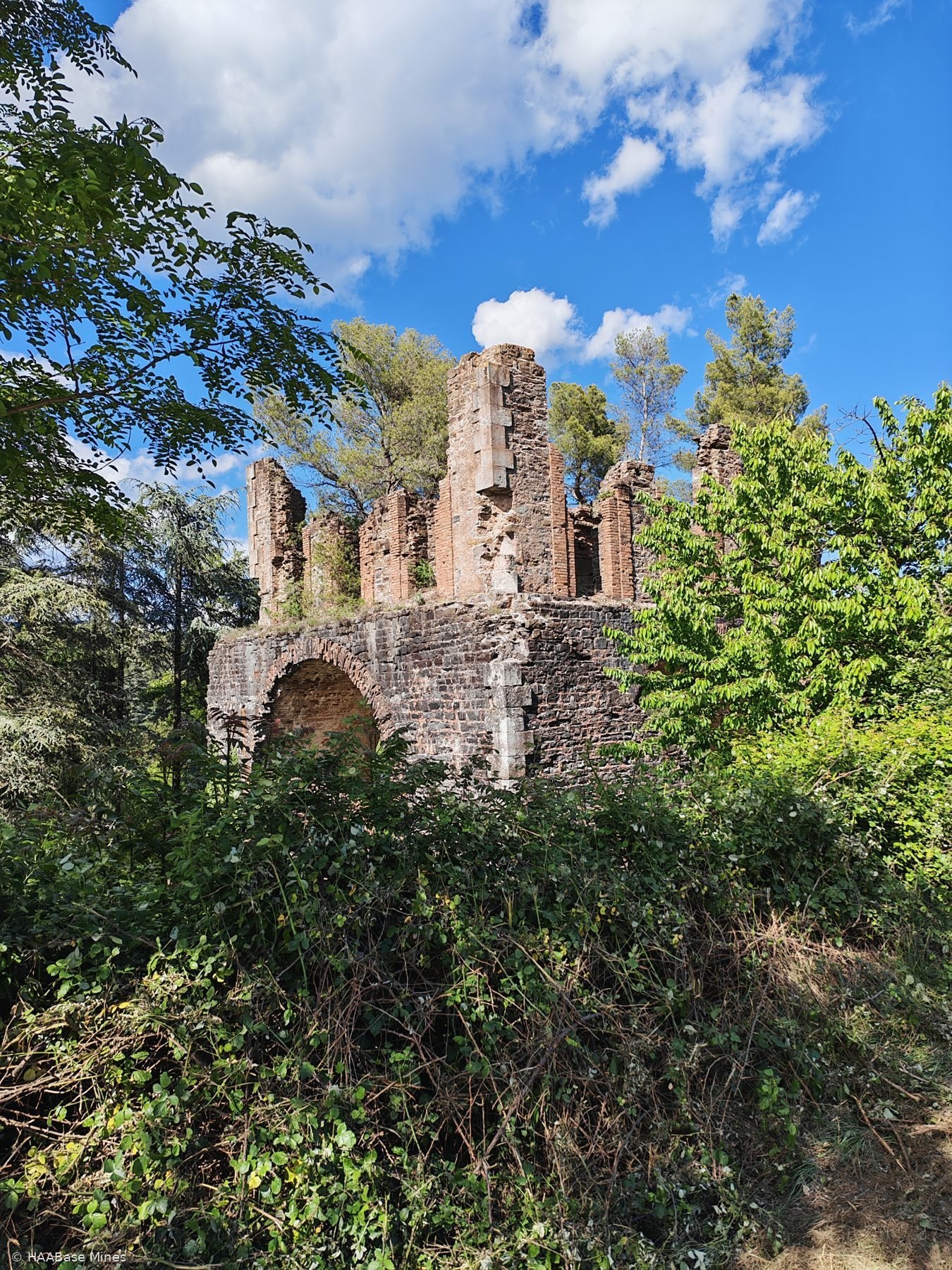
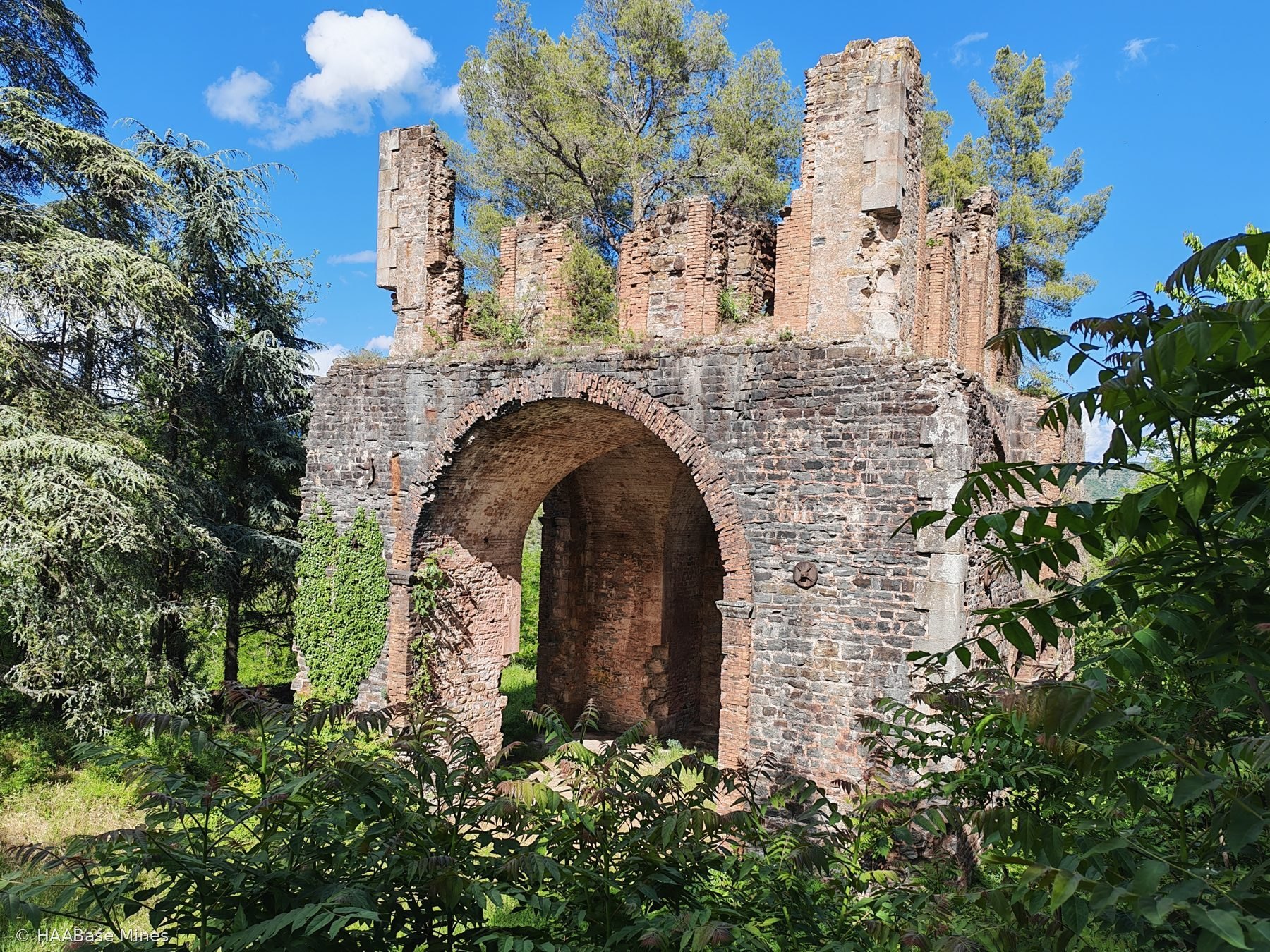
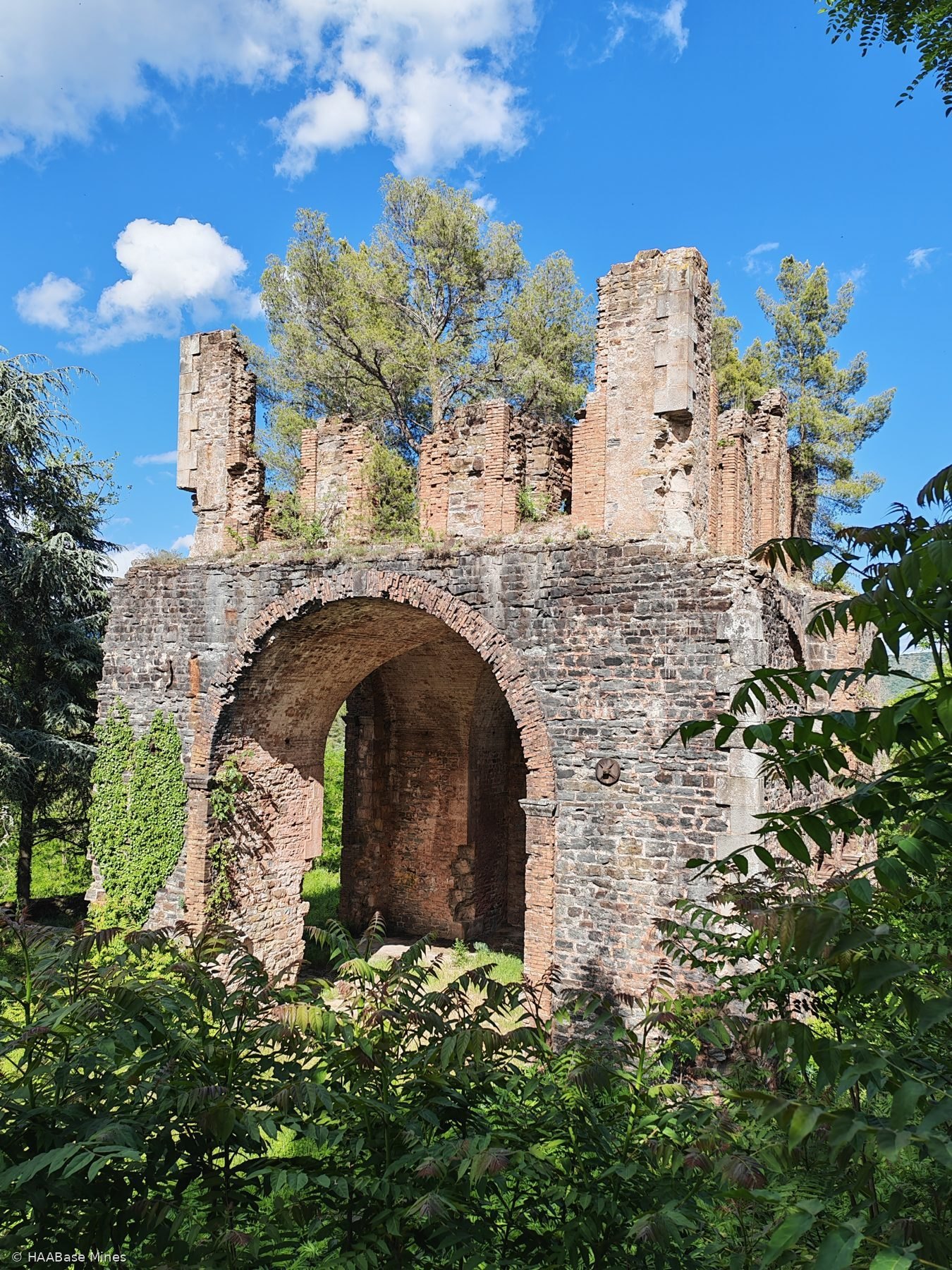
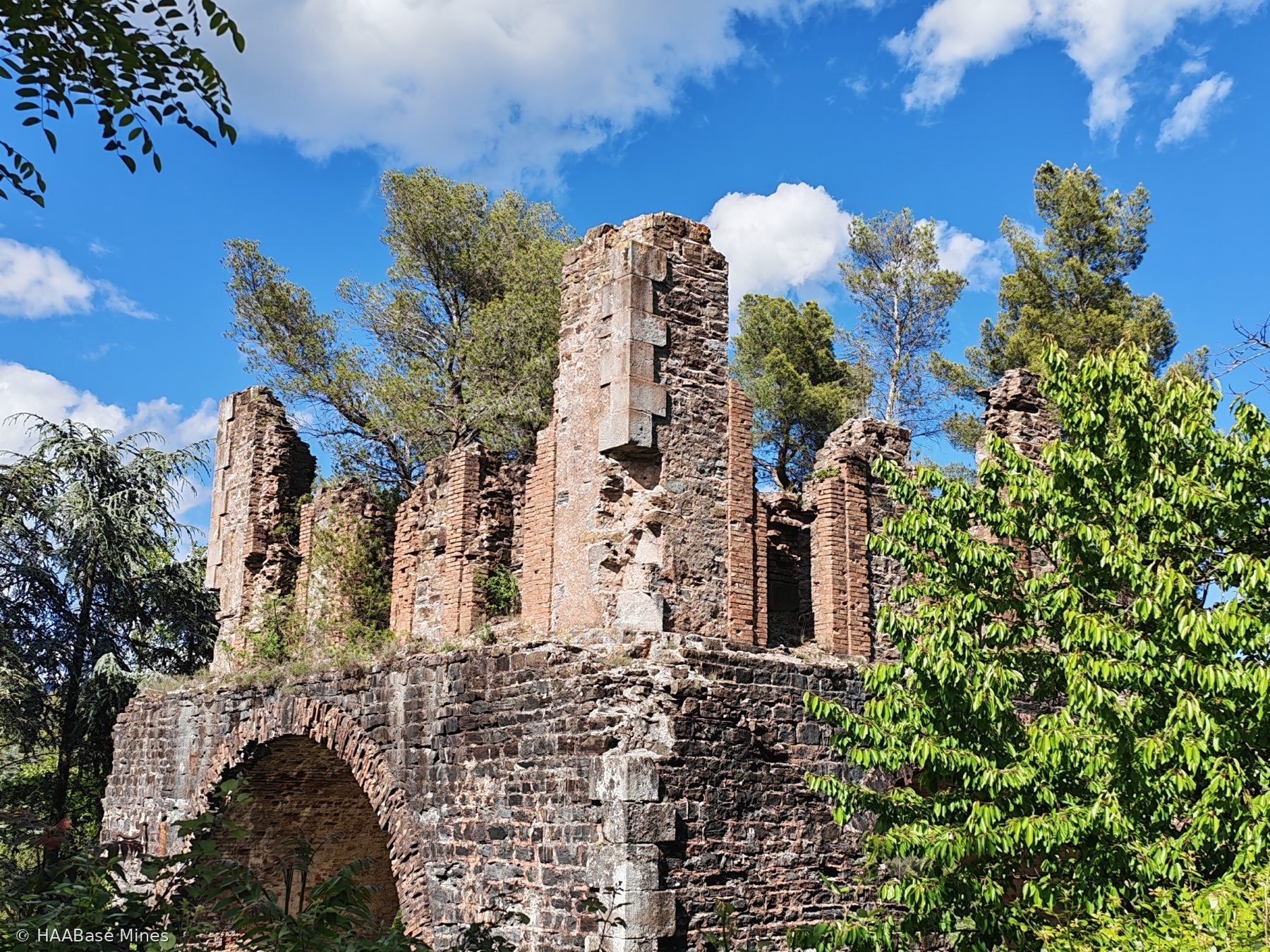
Puits n° 9 is the most significant surviving structure of the Saint-Priest mines. The shaft descended to approximately 100 metres and was equipped with a 35 hp single-cylinder winding engine. Its surviving headframe is not a later steel structure but a masonry tower, making it a particularly distinctive survival among French mining remains. The official description records the building as a ruined masonry structure of rubble stone, with round-arched openings and brick dressings. Exxplore further describes the Puits n° 9 structure as a masonry headframe of stone, brick and basalt, with arched openings on each face. The same survey records associated ore-handling remains, including a long unloading platform carried on arches, where mine wagons could discharge ore for further transport.
The mine ceased activity in 1913. The surviving remains of Puits n° 9 and Puits n° 2 were inscribed as monuments historiques on 17 July 1995. The heritage value of the Puits n° 9 complex was further recognised by an additional protection order in September 2025 covering technical remains associated with the shaft. Local reporting in 2024 described a municipal project to secure and enhance the Puits n° 9 site, identifying it as part of a mining ensemble constructed between about 1850 and 1870. The site remains private and ruinous, and should be treated as unsafe, but it is one of the most visually distinctive survivals of the former iron-mining industry around Privas.