History
Potash was discovered in Alsace in 1904 by Amélie Zurcher and Joseph Vogt. The gisement comprises two layers of potassium chloride within a thick rock salt sequence, deposited during the Oligocene, lying at depths ranging from 400 to over 1,000 metres. The first shaft in the basin, puits Amélie I, began to be sunk in 1907-1908. In 1911 the Gewerkschaft Amélie sold its concessions to the Deutsche Kaliwerke, which in turn redistributed part of the gisement among three German-dominated groups: the Deutsche Kaliwerke itself, the Hohenzollern group, and the Wintershall-Laupenmühlen consortium, which held the Théodore and Eugène concessions.
Sinking of the puits Théodore began on 15 September 1911; the companion puits Eugène was sunk in 1912. Both shafts were foncés to a depth of approximately 577 metres (sources vary slightly: one gives 584 metres for puits Théodore) and entered production in 1913, as the property of the Wintershall-Laupenmühlen consortium. During the First World War the two shafts continued working without interruption, and prisoner-of-war labour was employed at the carreau Théodore: twenty-one Romanian prisoners of war died at the site during the war and were buried at Ruelisheim. The war also brought Romanian, Polish, and other foreign workers to the potash basin more broadly.
Following the Armistice of November 1918, the mine came under French military administration. In December 1918 the private company Kali Sainte-Thérèse was restored to its own management, but the Wintershall mines, including Théodore and Eugène, were placed under French sequestration. On 24 May 1924 the French state purchased the sequestered mines for 208 million francs and grouped them into the Mines domaniales de potasse d'Alsace (MDPA). A centralised electric power station was constructed on the carreau Théodore in 1920. In 1923 the extraction equipment of both puits Théodore and puits Eugène, along with the chaufferie, were entirely renewed, and new offices, a garage, and industrial stores were built the same year. In 1926 a remise de matériel d'incendie (fire-equipment store) was built on the carreau; this building survives. Specialised workshops were established south of the carreau between 1925 and 1929, forming a separate facility. Pithead changing rooms were built in 1930 and an electrical repair workshop in 1936.
In 1926 the puits Eugène was equipped with an 825 kW Koepe-pulley electric winding machine; a second motor of the same power was added in 1950. In 1940 the Alsace was annexed by the Third Reich and the MDPA mines were grouped by the occupying authorities into the Elsässische Kaliwerke. The MDPA resumed control following liberation in February 1945.
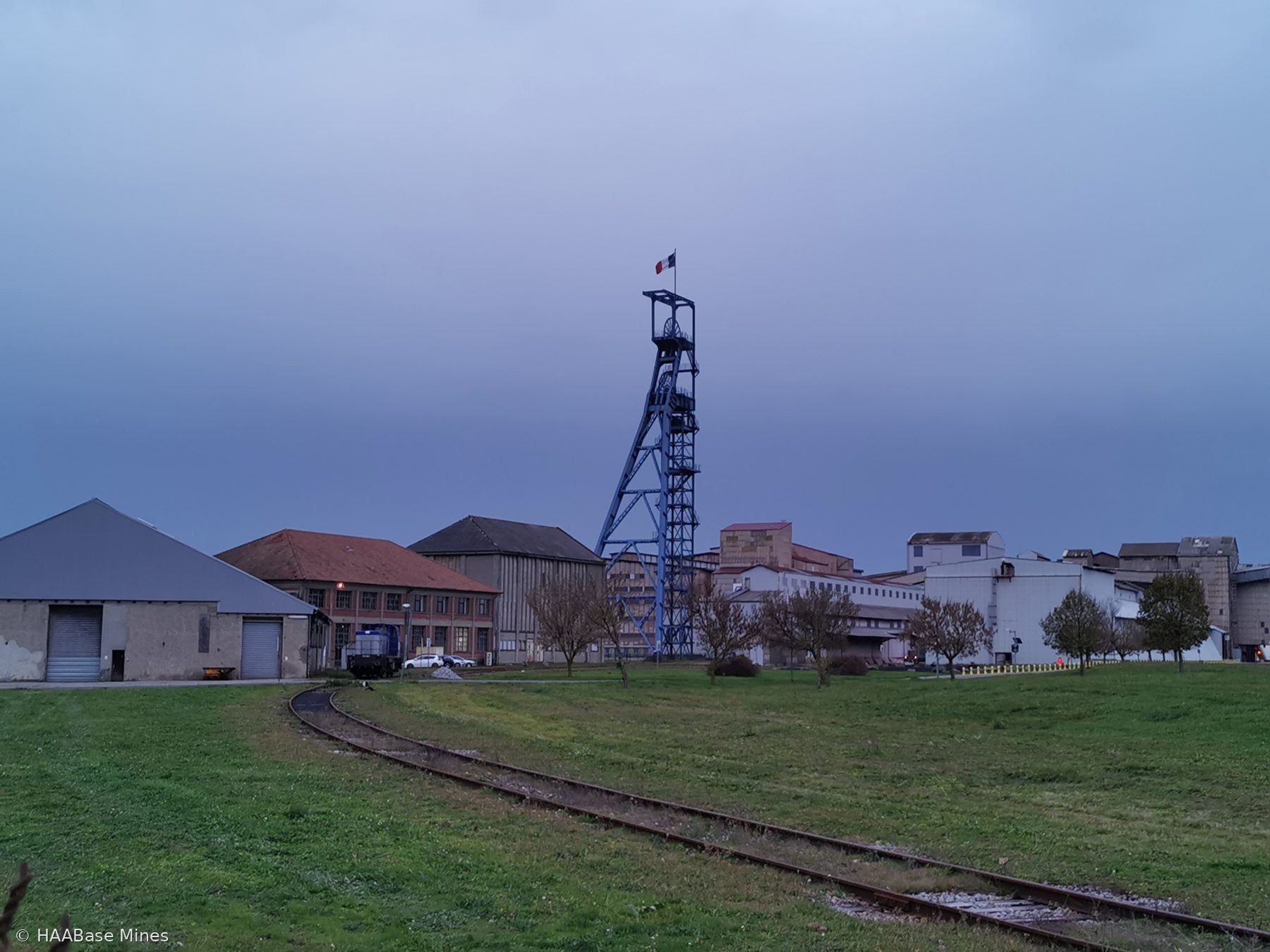
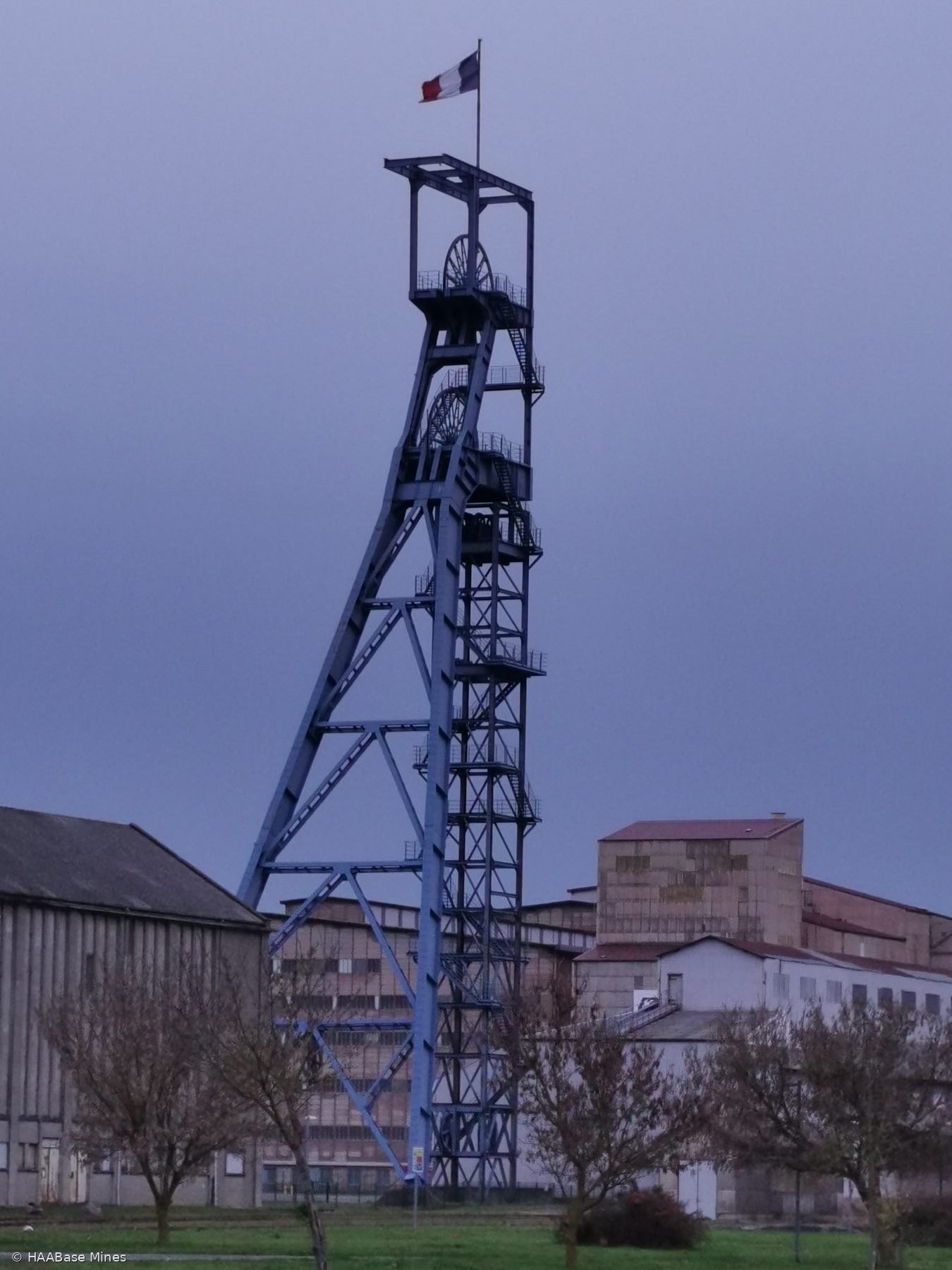
In 1953 a new chloride storage hangar was constructed on the site. In 1957 a new winding machine was installed, followed in 1958 by a new 64-metre headframe constructed by Barbier-Benard-Turenne (BBT), replacing the 1912 headframe. A new winding-engine building followed in 1960, and the first large-scale flotation ore-treatment plant in the Alsatian basin — with a capacity of 1,600 tonnes of K2O per day — was commissioned on the carreau in 1960. The shaft was deepened the same year from approximately 577 metres to 728 metres. A new recette building was constructed in 1968. The puits Eugène was deepened by 130 metres in 1964, becoming a ventilation and access shaft while puits Théodore served as the extraction shaft and return airway. An explosion of firedamp on 19 April 1963 killed six miners at the mine.
With the exhaustion of the most productive reserves and worsening economics, the carreau Théodore ceased operations definitively on 14 February 1986, having extracted a total of 67.74 million tonnes of potash ore from 1912. Both shafts were backfilled between 1987 and 1990. The headframe of the puits Eugène was demolished on 12 June 1992.
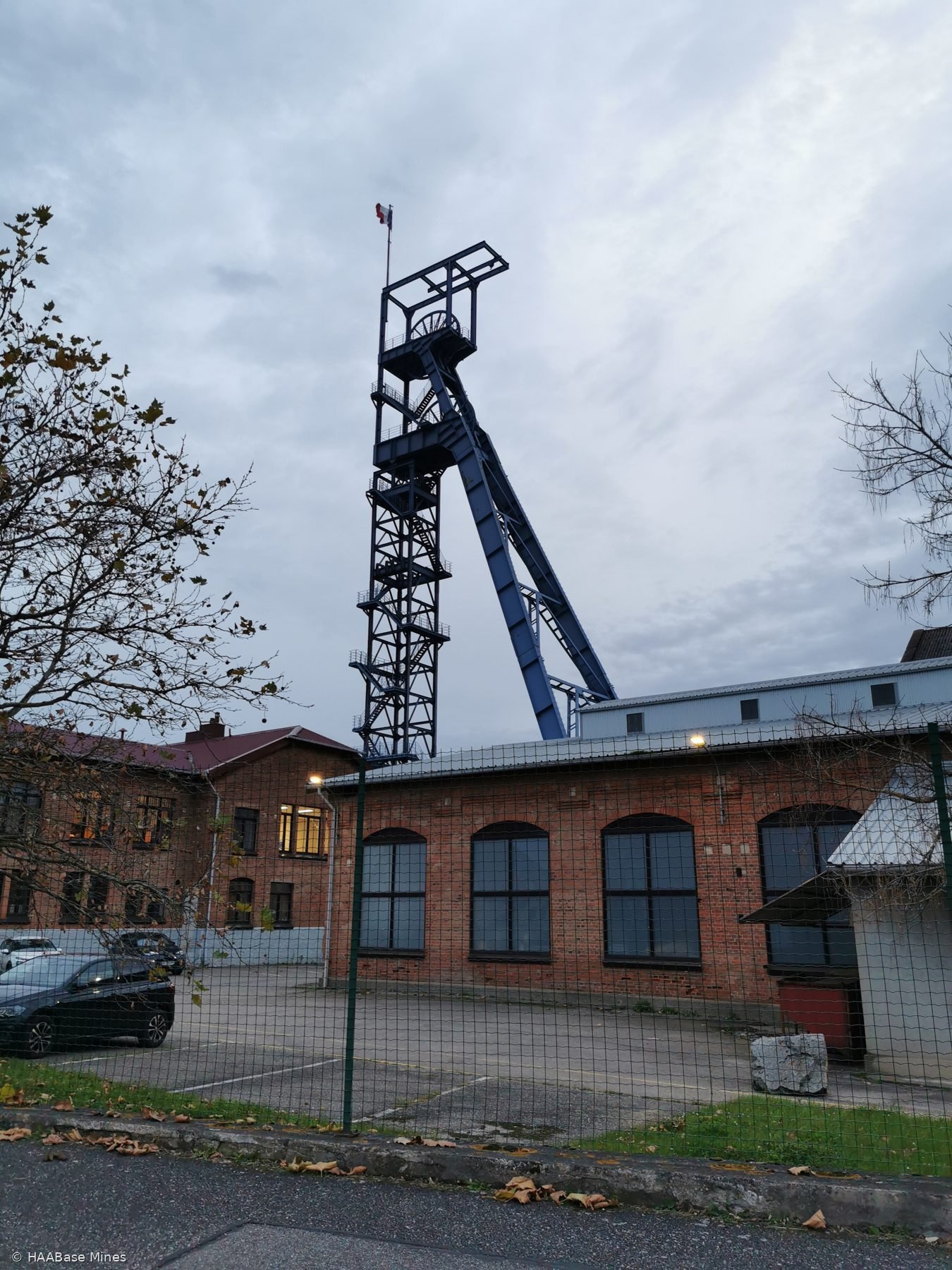
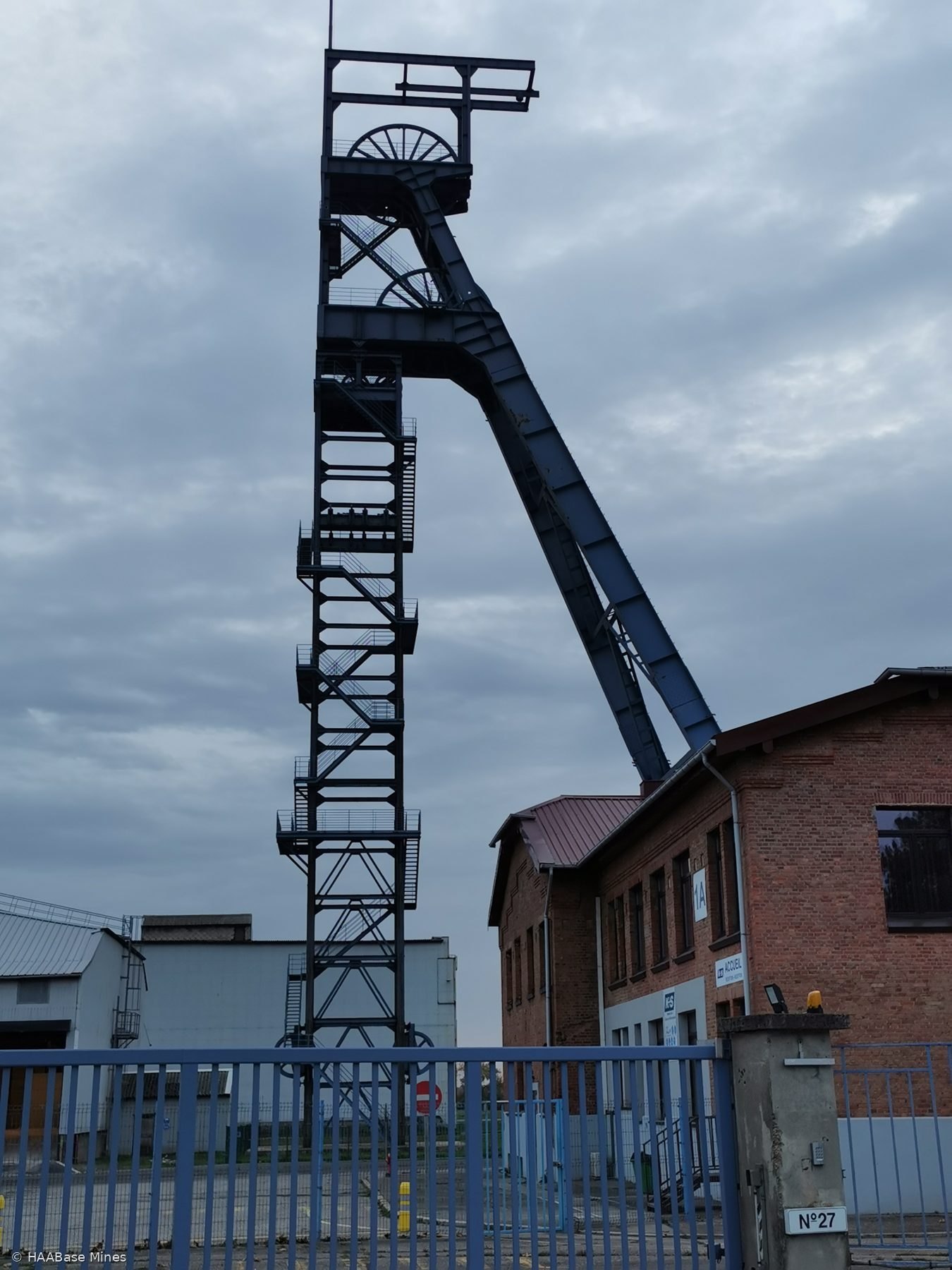
Following a campaign by the Association pour la sauvegarde du chevalement Théodore, supported by the municipality of Wittenheim, the puits Théodore headframe was listed as a monument historique by inscription on 17 August 1995, the first headframe in the Alsatian potash basin to receive such protection. The remise à incendie (fire-equipment store) of 1926 received a further monument historique inscription on 28 September 2005. The headframe was restored and repainted blue in 2007; the recette building was demolished. Most of the surviving pithead buildings were taken over by the Société K+S (Kali France), a subsidiary of the German company K+S, which uses them for the granulation and packaging of potassium chloride extracted from mines in Germany. A memorial on the site commemorates the victims of fatal accidents in the Alsatian potash mines, and a separate terril of the Théodore mine remains visible.