History
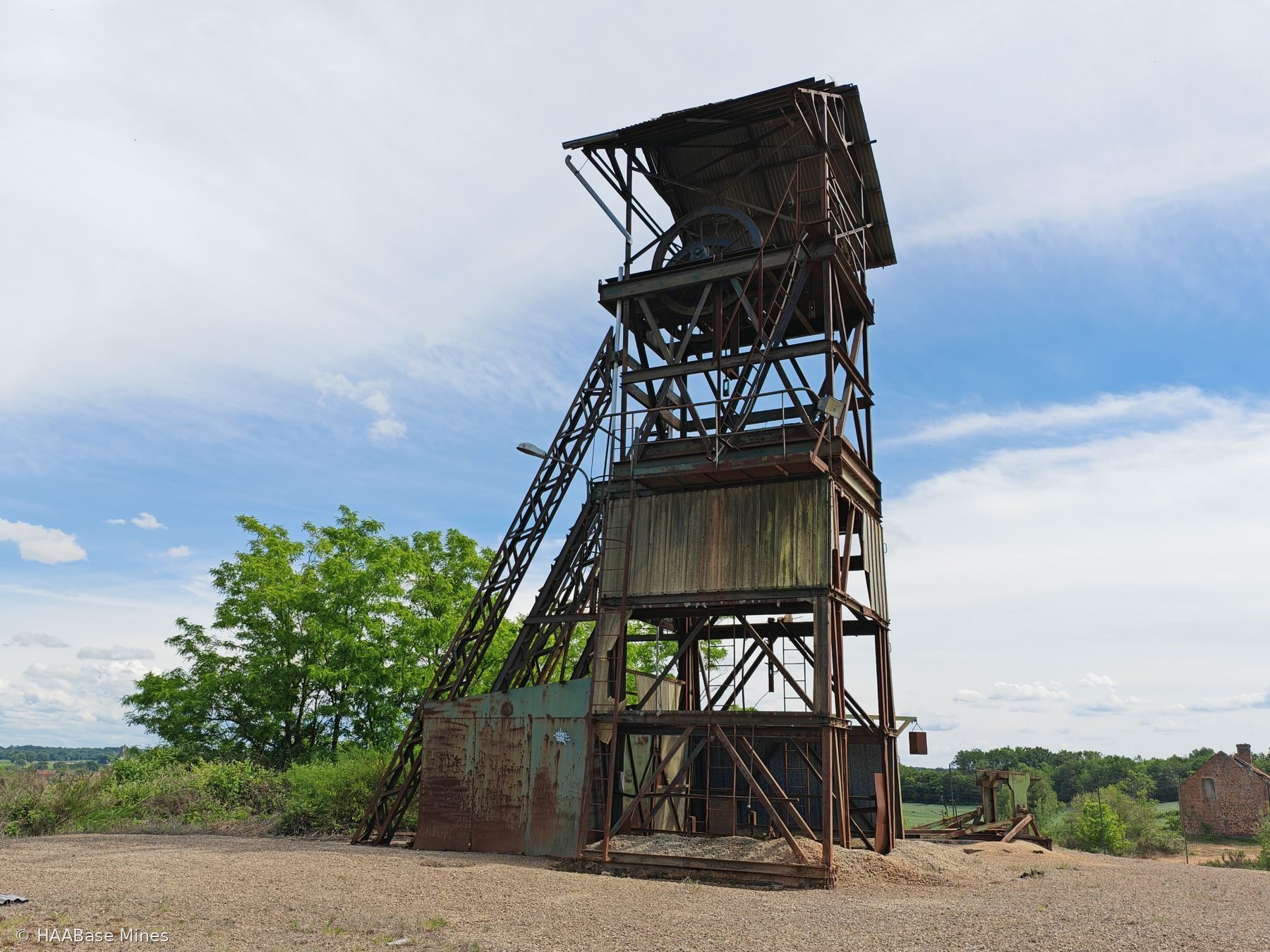
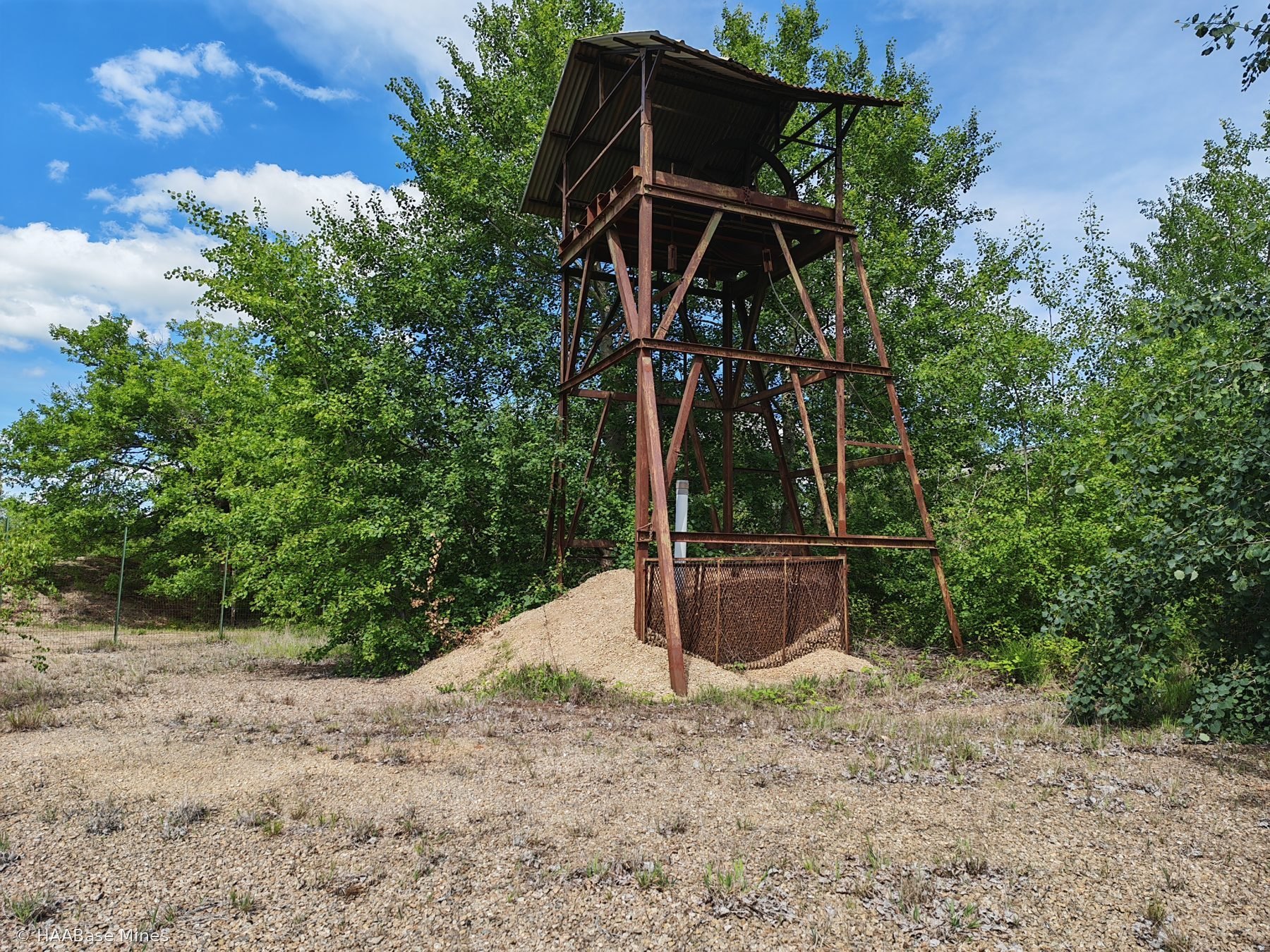
Iron ore extraction in the Chaillac area dates to at least the Middle Ages. Working of ore free of phosphorus continued at the site into the early twentieth century. A. Lacroix, in his 1910 Minéralogie de la France, noted the presence of fluorite and barytine at Chaillac. In 1920 a fluorite lens was encountered at the lieu-dit Le Rossignol during iron-ore working; this marked the first recognition of the fluorite deposit and the beginning of its exploitation. The initial operator was the Établissements Schneider. During the inter-war period the Aciéries de Paris-Outreau took over operation. Paris-Outreau exploited the shallower near-horizontal fluorite bodies (referred to as plateures) until 1966, when that phase of working ceased and the concession du Rossignol was formally attributed on 5 April 1954 to accommodate underground vein exploitation. In 1966 the Société Industrielle du Centre (SIC) took over, undertaking the exploitation of the deeper vein roots (les racines) by underground shaft and gallery methods. Ore was transported underground in wagonnets on tracks within the galleries.
The fluorite vein at the Rossignol was identified over nearly 1,000 metres of strike length and reached 250 metres in depth. By 1990 the mine had achieved annual extraction exceeding 20,000 tonnes. In 1989 a flotation treatment workshop was established on site. The fluorite produced was used as a fluxing agent in metallurgical furnaces, achieving an energy saving of approximately 30 per cent in blast-furnace operations, and as a source of hydrofluoric acid for the glass and chemical industries. The mine was described by those who worked it as having particularly harsh and difficult conditions; water ingress was a persistent problem. Two fatal accidents punctuated its operational life: in July 1961 two miners died and two were injured following asphyxiation caused by exhaust gases from a petrol engine in an unventilated gallery; in early July 1963 two miners were killed by a falling 300-kilogram skip.
The fluorite vein at the Rossignol produced well-known mineralogical specimens: yellow, violet, and occasional pink fluorite crystals; galena, cerussite, pyromorphite, barytine, pyrite, and other associated minerals. The site acquired a substantial reputation in French and international mineralogical circles.
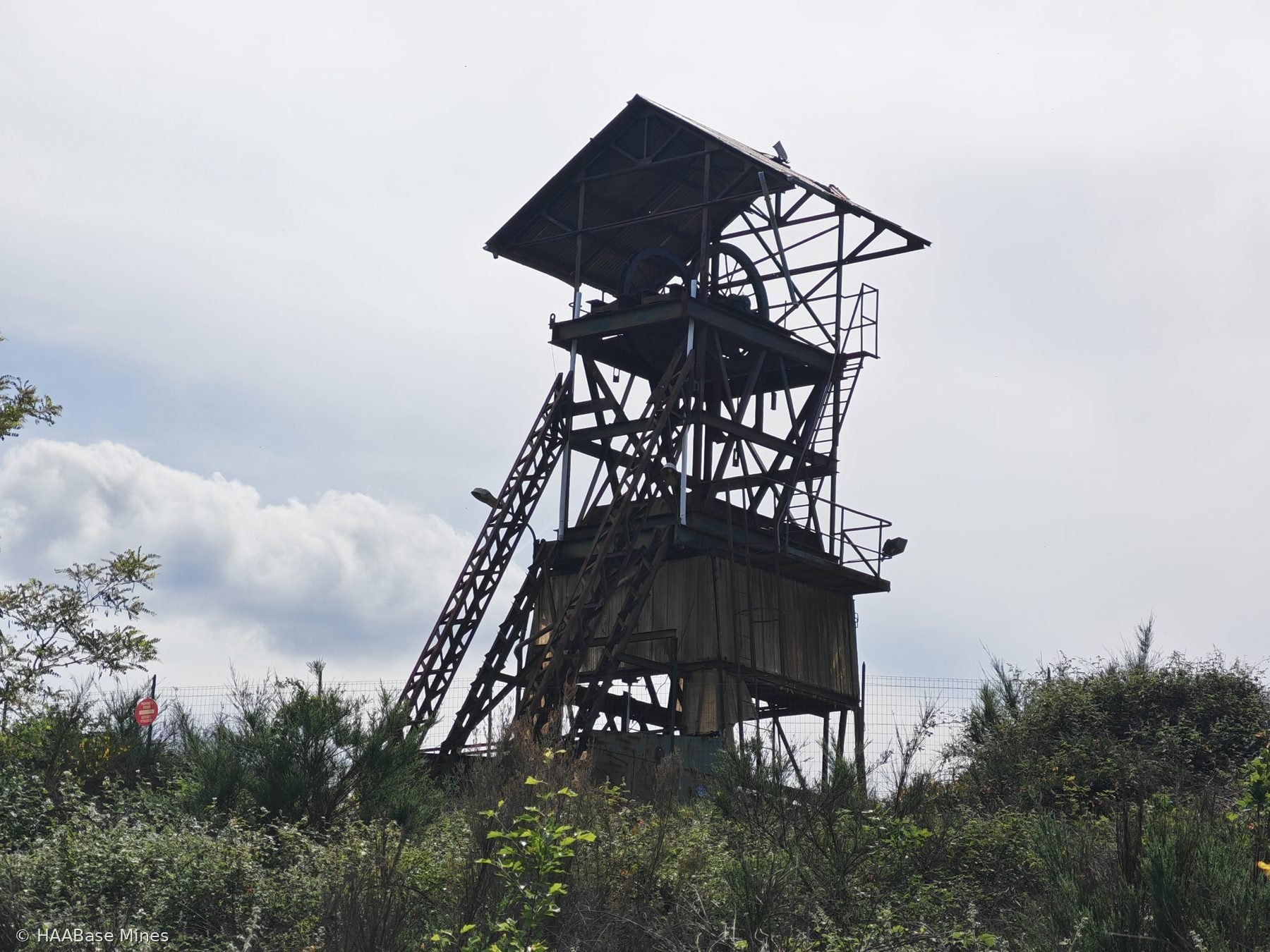
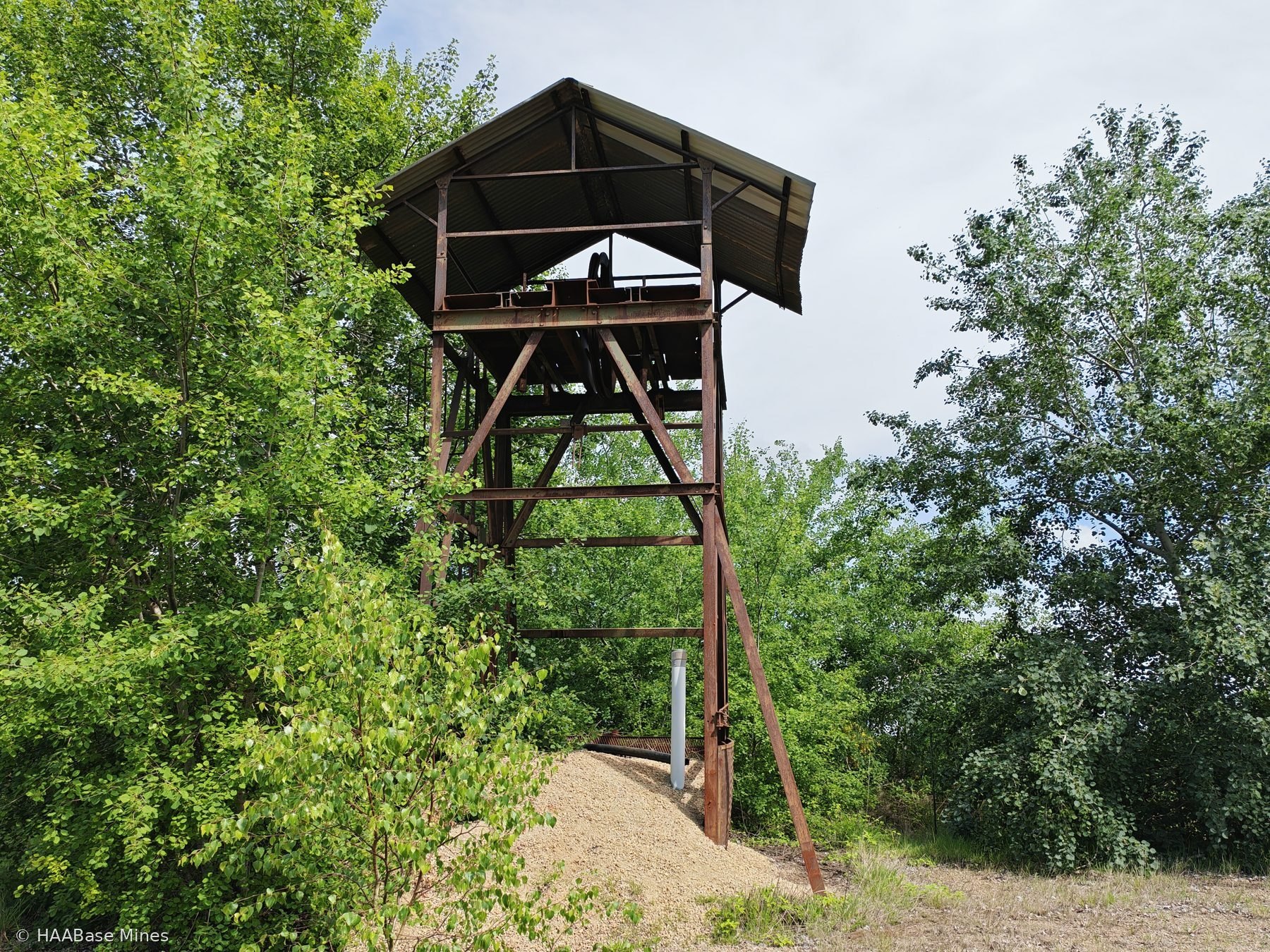
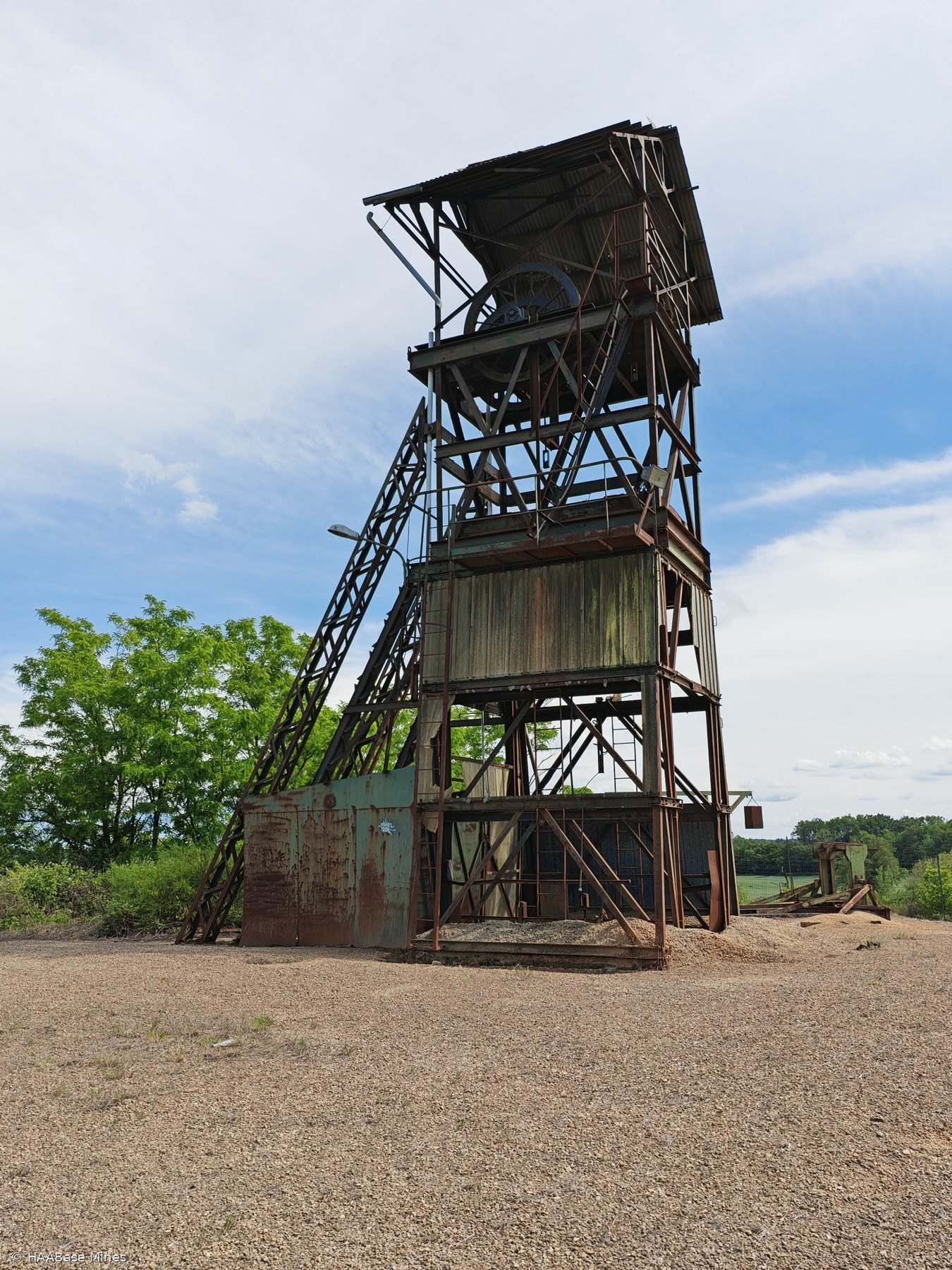
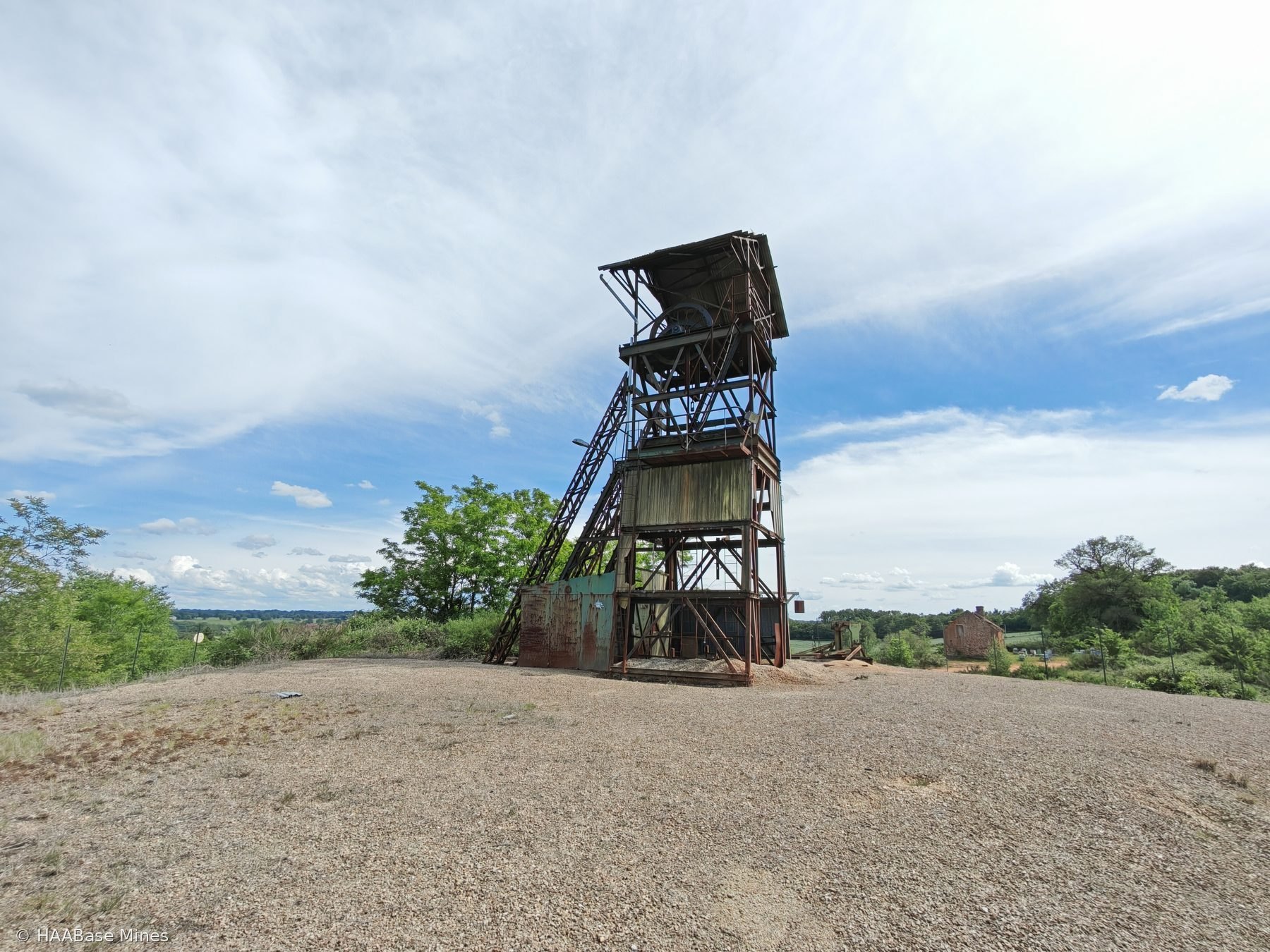
The final ore abattage at the Rossignol took place in April 1997. Between 2003 and 2004 the SIC completed treatment of its residual stocks of fluorite ore. The site was then remediated: the shafts were backfilled and the surface was restored. The commune of Chaillac operates a Musée de la mine et des minéraux in which wagonnets from the underground workings, displays of extraction and beneficiation methods, and a collection of mineral specimens from the Rossignol and surrounding area are presented to visitors.