History
Artisanal coal working at Messeix is documented from at least 1768, when a report described peasant-worked diggings near Bogros, at the lieu-dit Chomadoux, supplying local lime kilns and blacksmiths. The anthracite gisement has the form of a boat-shaped syncline oriented roughly north-south, about four kilometres long and up to 750 metres wide, dipping gently southward at approximately 12 per cent. The seam is overlain in part by a thin volcanic flow. On 23 November 1831 a royal ordinance granted Jean-Baptiste Sablon a concession of 1,118 hectares covering the communes of Messeix, Singles, and Avèze. In 1848 Sablon sank a shaft some 1,200 metres west of the hamlet of Bogros and briefly worked a steeply inclined seam before water drowned the workings. The concession then passed to the commandite company Charles Vazeille et Cie. Following petitions from the concessionaires in 1851 and 1852, a further imperial decree of 5 July 1854 redefined the concession boundaries, reducing its area to 643 hectares by excluding sterile ground and adding available coal-bearing land north of the Clidane river on the left bank.
In 1878 the gérant of the company secured a commitment that the planned Clermont-Ferrand to Tulle railway would pass through the Clidane valley. On the strength of this, the Société anonyme des Houillères de Messeix was constituted with a capital of 1,200,000 francs. The arrival of the railway enabled coal to be dispatched from the valley and underpinned a new phase of expansion. Around 1879-1880 a new shaft, the puits Sainte-Suzanne, was sunk to explore the deposit at greater depth. It was unfortunately situated in a faulted zone and was closed in 1930. Miners' housing was built in the late nineteenth and early twentieth centuries: the cités des Gannes and de Bogros, each housing several hundred inhabitants, grew up close to the mine installations, and the separate cité de Messeix was constructed in 1912-1913.
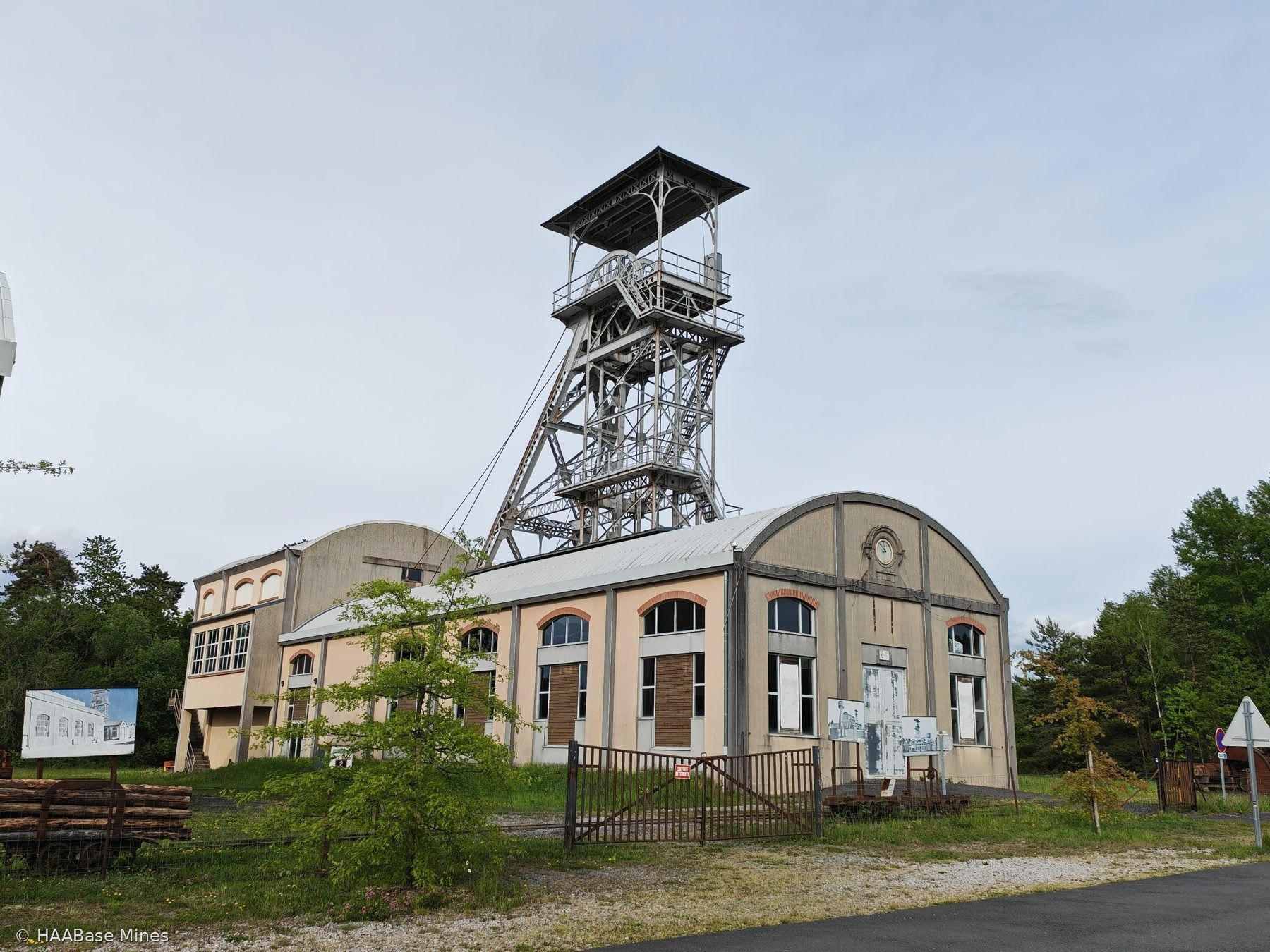
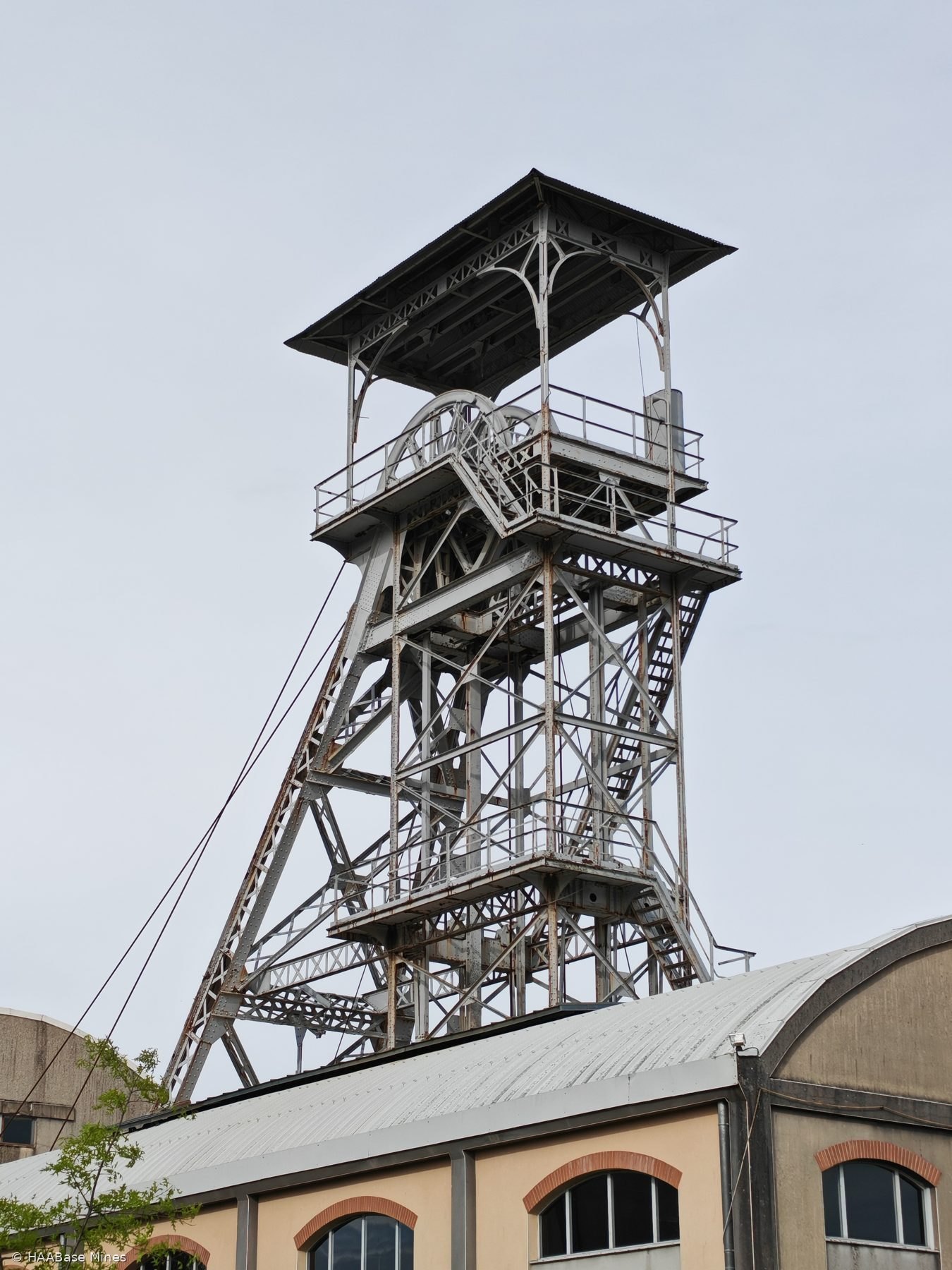
The First World War placed exceptional demands on the mine, pushing extraction beyond its anticipated limits. Development work accelerated and new housing was added at les Gannes. In 1923 work began on an entirely new principal shaft, the puits Saint-Louis, sited outside the coal basin proper to avoid subsidence. Sinking was completed in 1927 and the shaft entered service in 1928, reaching a depth of 740 metres. Annual extraction then settled at around 120,000 tonnes. A central electricity supply serving and modernising the operation was provided from a dedicated generating plant.
Nationalisation of the French coalfields was effected by decrees of 28 June, 17 July, and 16 September 1946. The Houillères de Messeix thereby became the Exploitation de Messeix within the Houillères du Bassin d'Auvergne, itself a division of Charbonnages de France. After 1946 extraction was concentrated on the puits Saint-Louis at the 785-metre level, together with the Grousseaux workings at the 740-metre level, with output distributed across several chantiers served by seven inclined haulage planes. Working methods varied with seam inclination: horizontal ascending slices, steeply inclined working, and inverted benching in the synclinal sections. The coal at Messeix was classified as a typical anthracite, with abundant matrix material and small fragments of strongly gelified ligneous tissue. The seams ranged from 1.5 to 3 metres thick, with the Amélie seam reaching up to 10 metres. The mine was neither classified as gassy nor dusty, which eased ventilation and improved working conditions. In 1954 the briquetting plant was modernised with a modern roller kiln. Sounding campaigns of 1954-1955 showed that the gisement diminished towards the south, leading to the abandonment of plans to concentrate all working between the 624-metre and 740-metre levels in a single plan. Around 1958-1961 the closure of the Champagnac mines and the transfer of part of their workforce to Messeix led to the construction of additional workers' housing at Bogros and then at Serroux.
Closure of the puits Saint-Louis was originally fixed for 1 January 1975, but was deferred. By 1984 the workforce had fallen to some 200 employees and losses were increasing annually. The mine finally ceased production in 1988 and the concession was formally renounced in 1997. In the decade following closure the population of the commune fell sharply, from around 3,249 in 1968 to 1,361 by 1998.
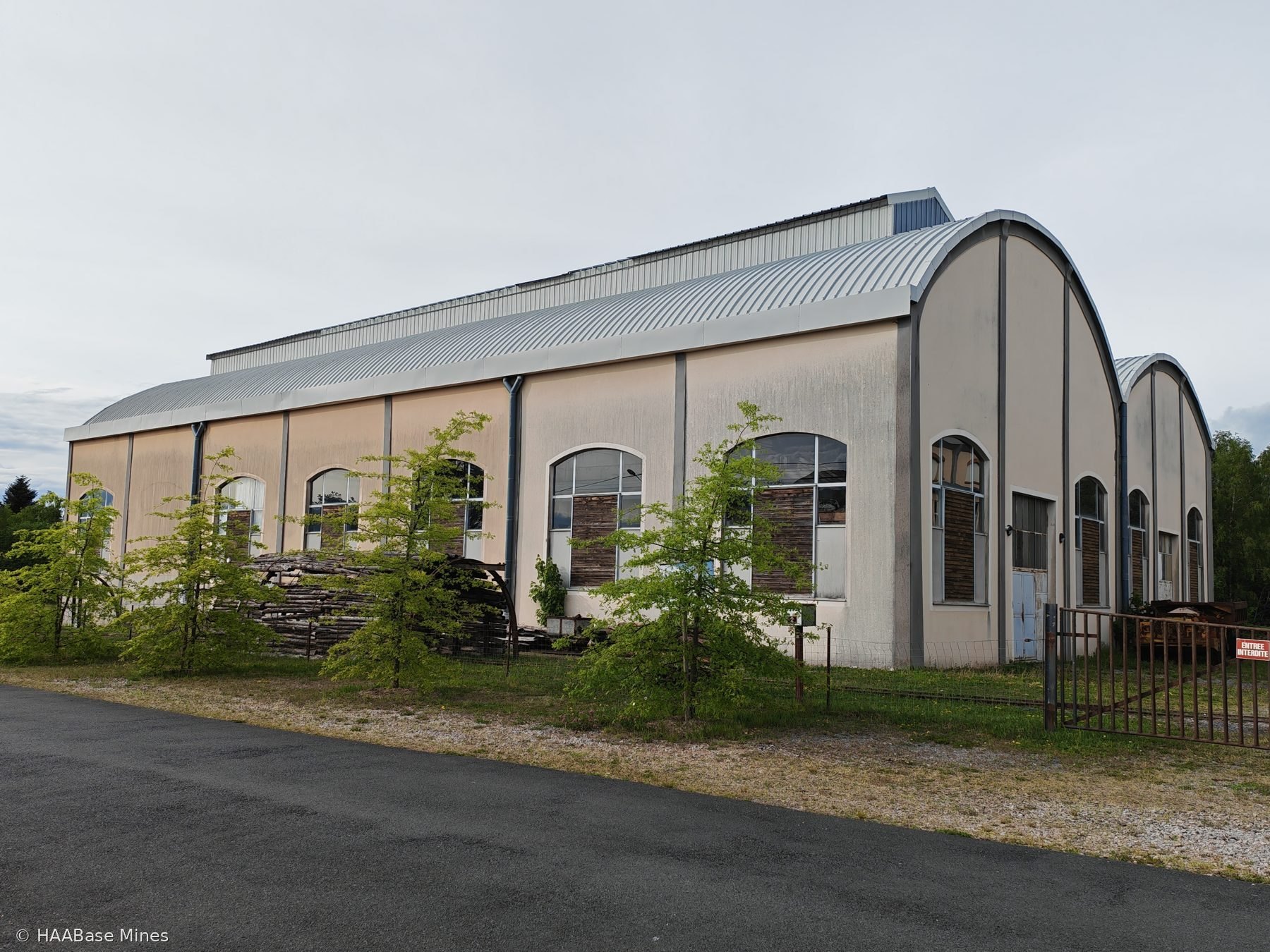
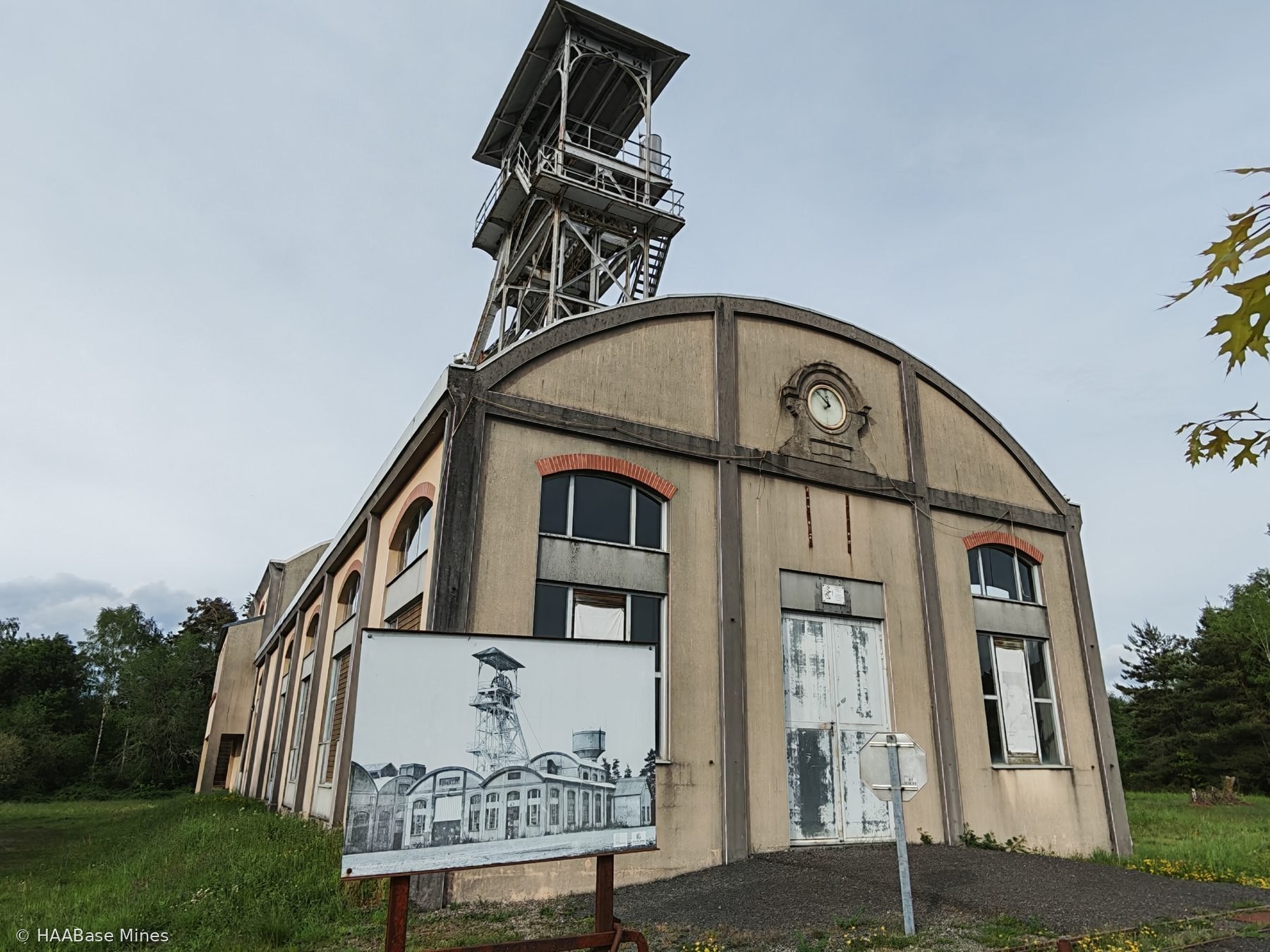
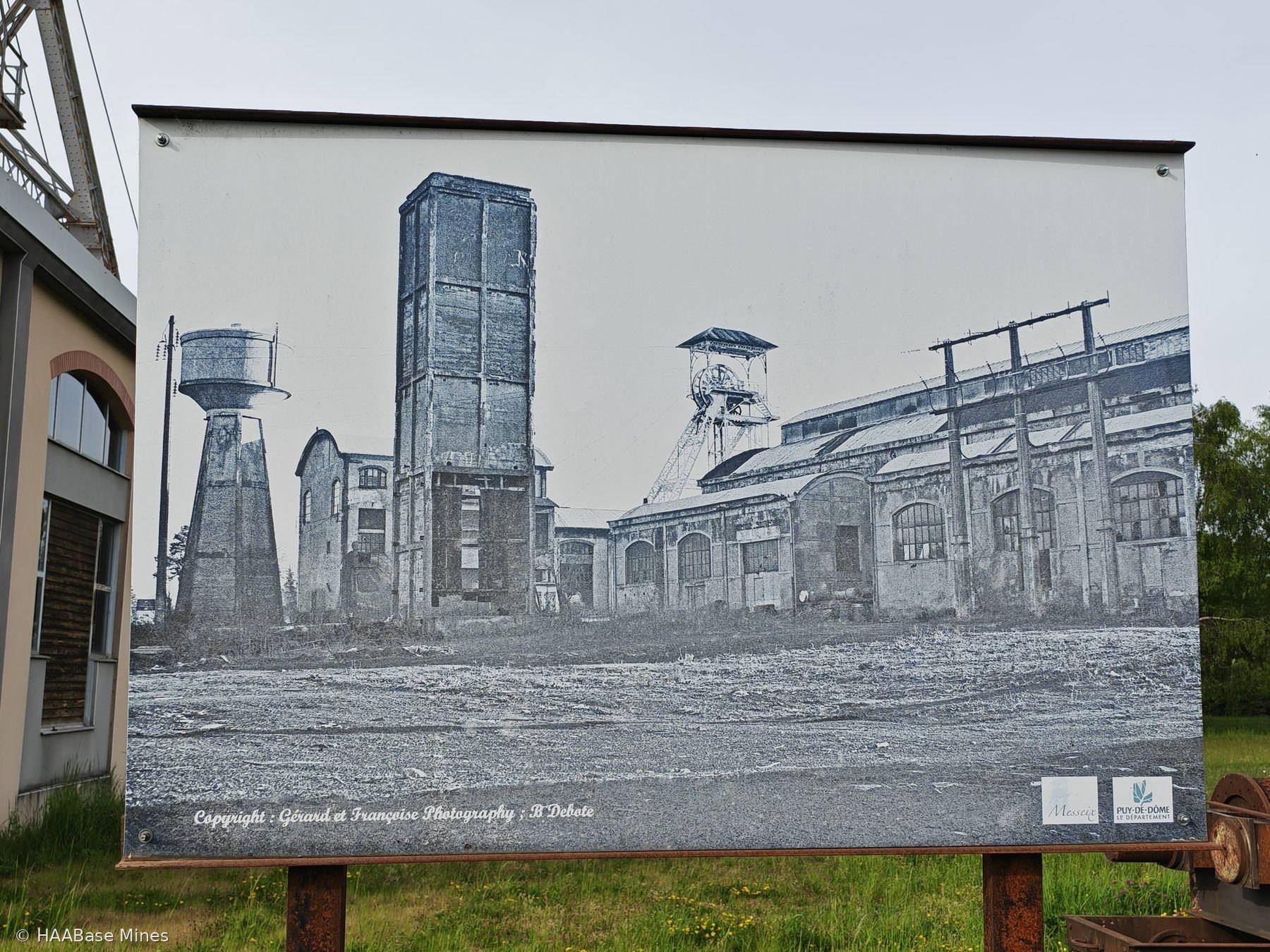
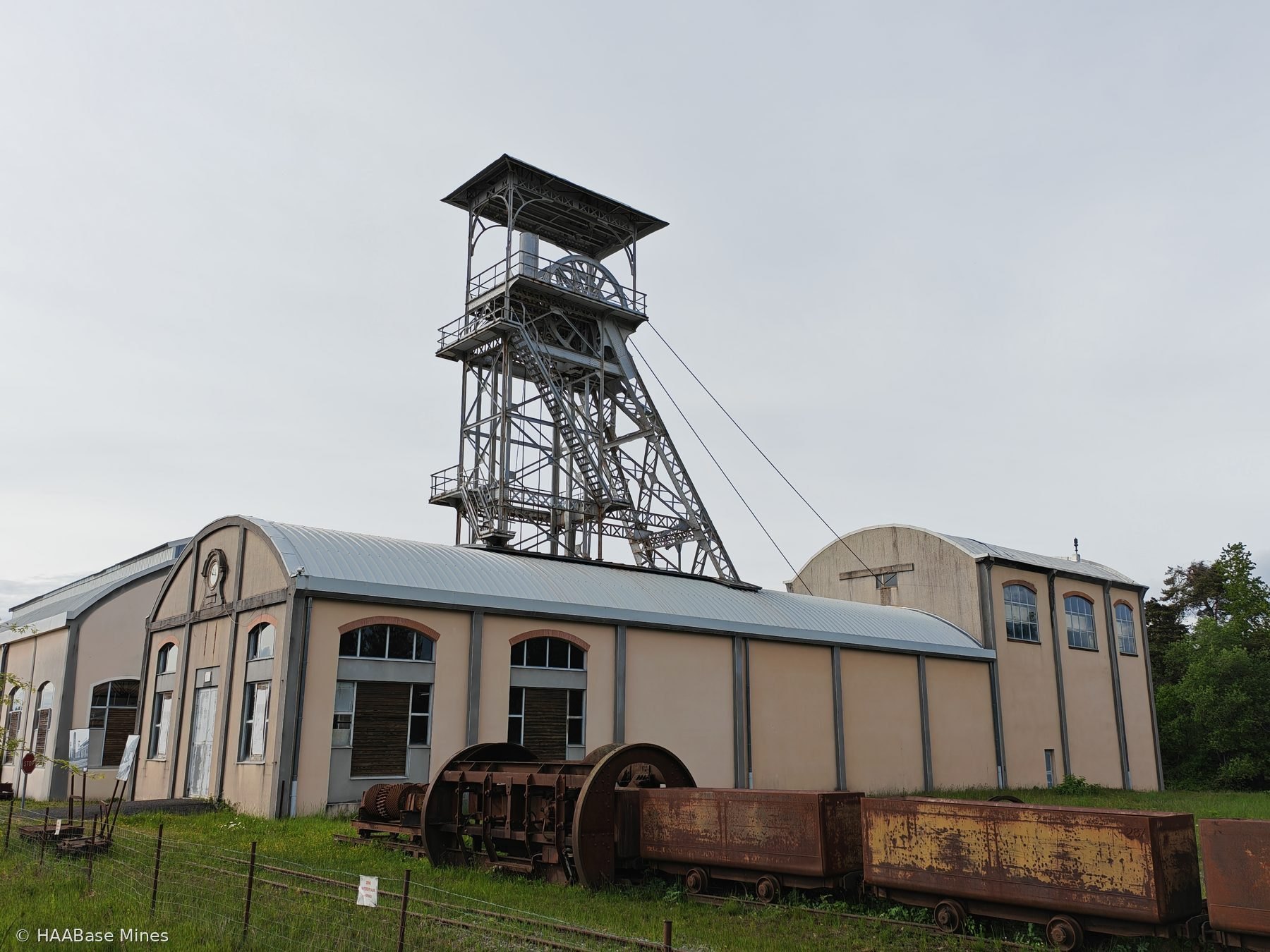
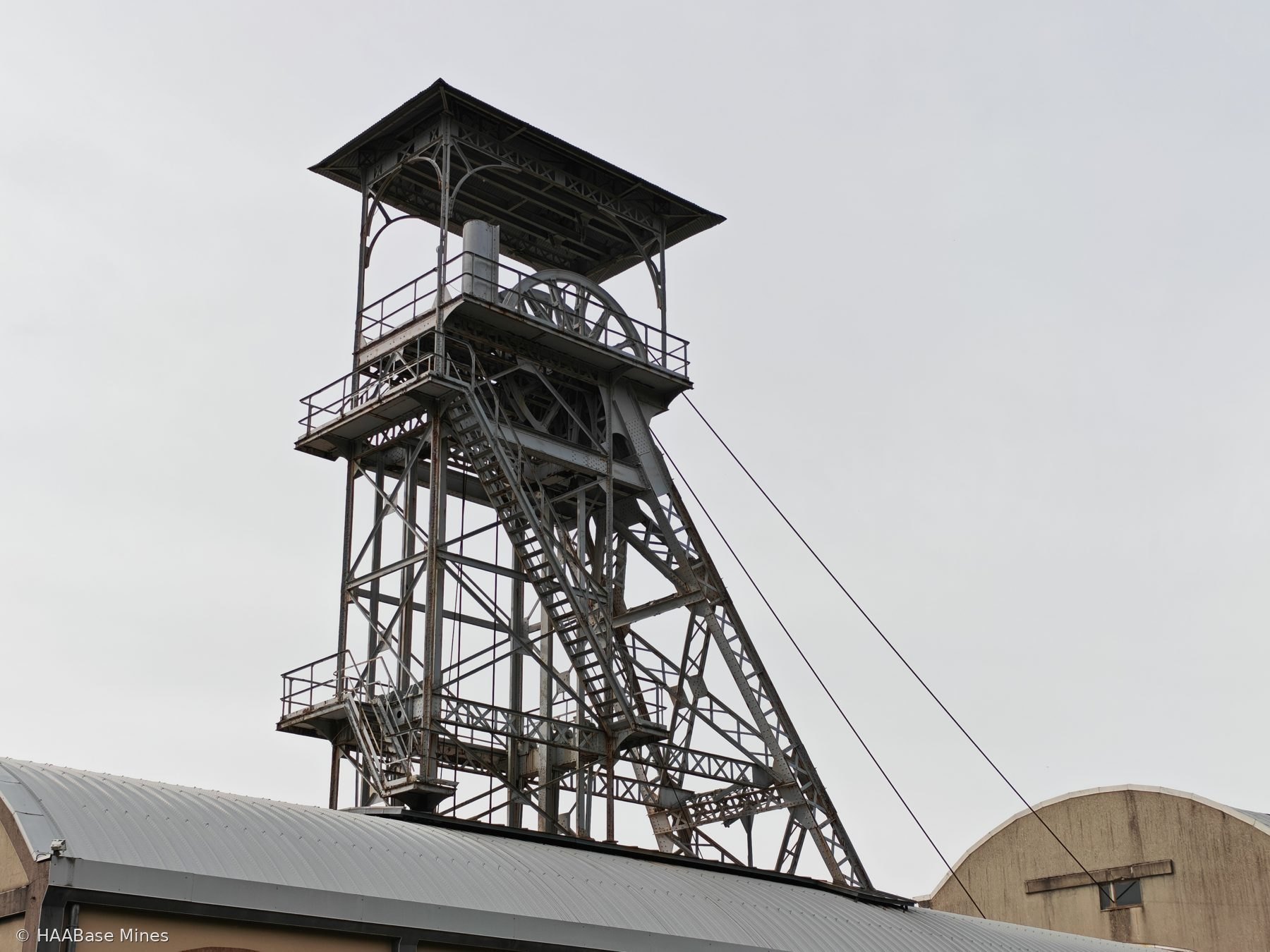
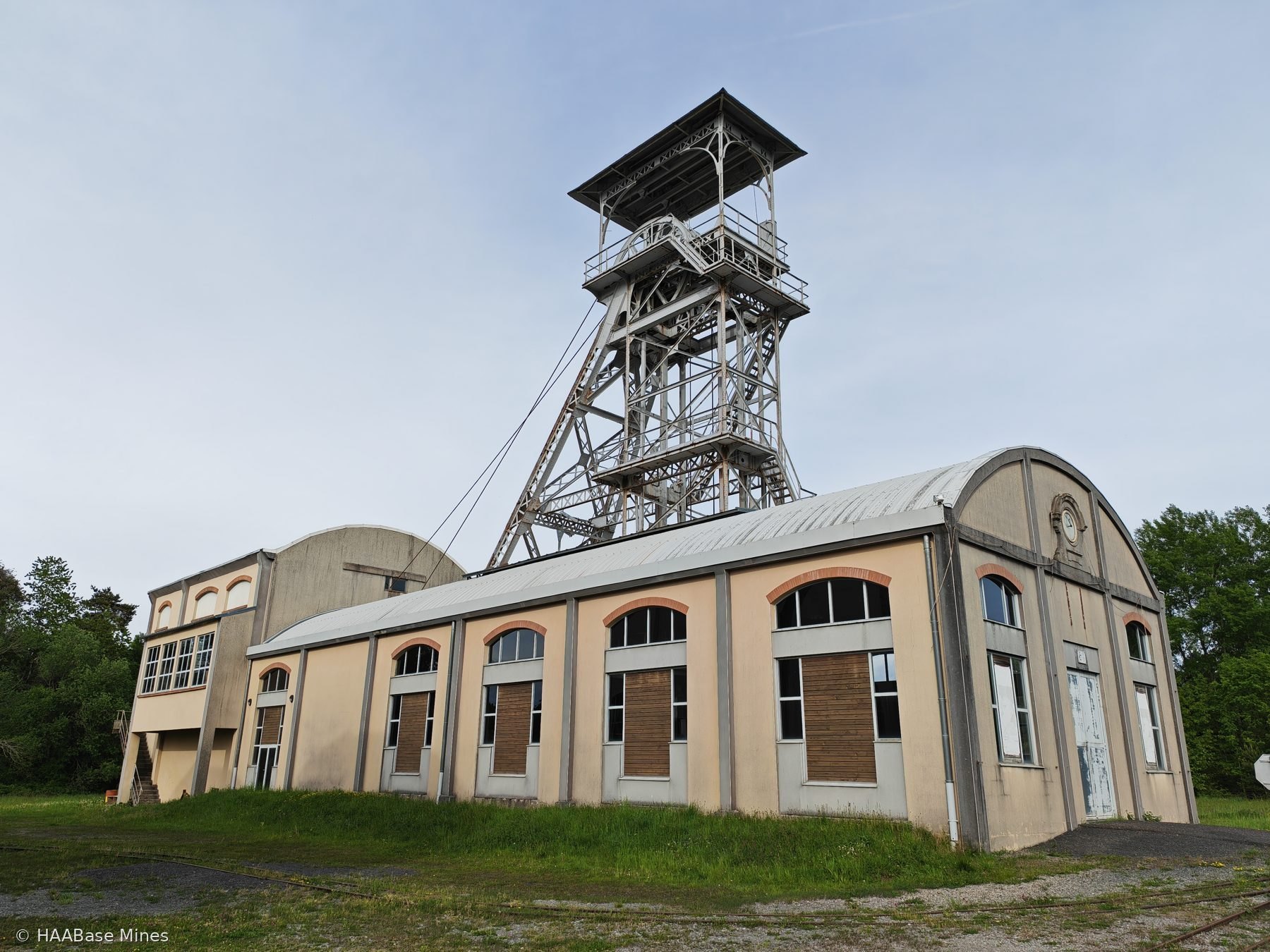
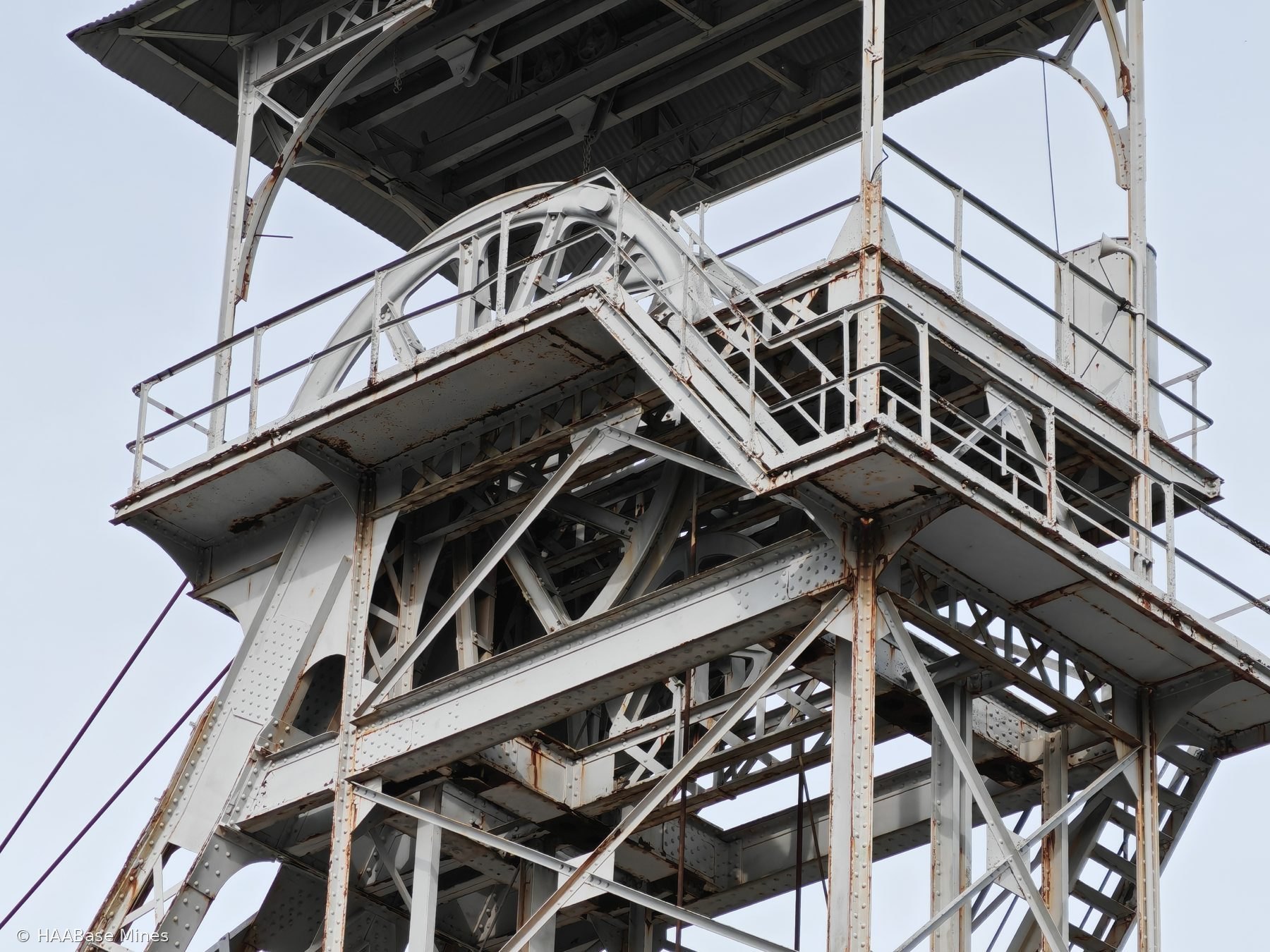
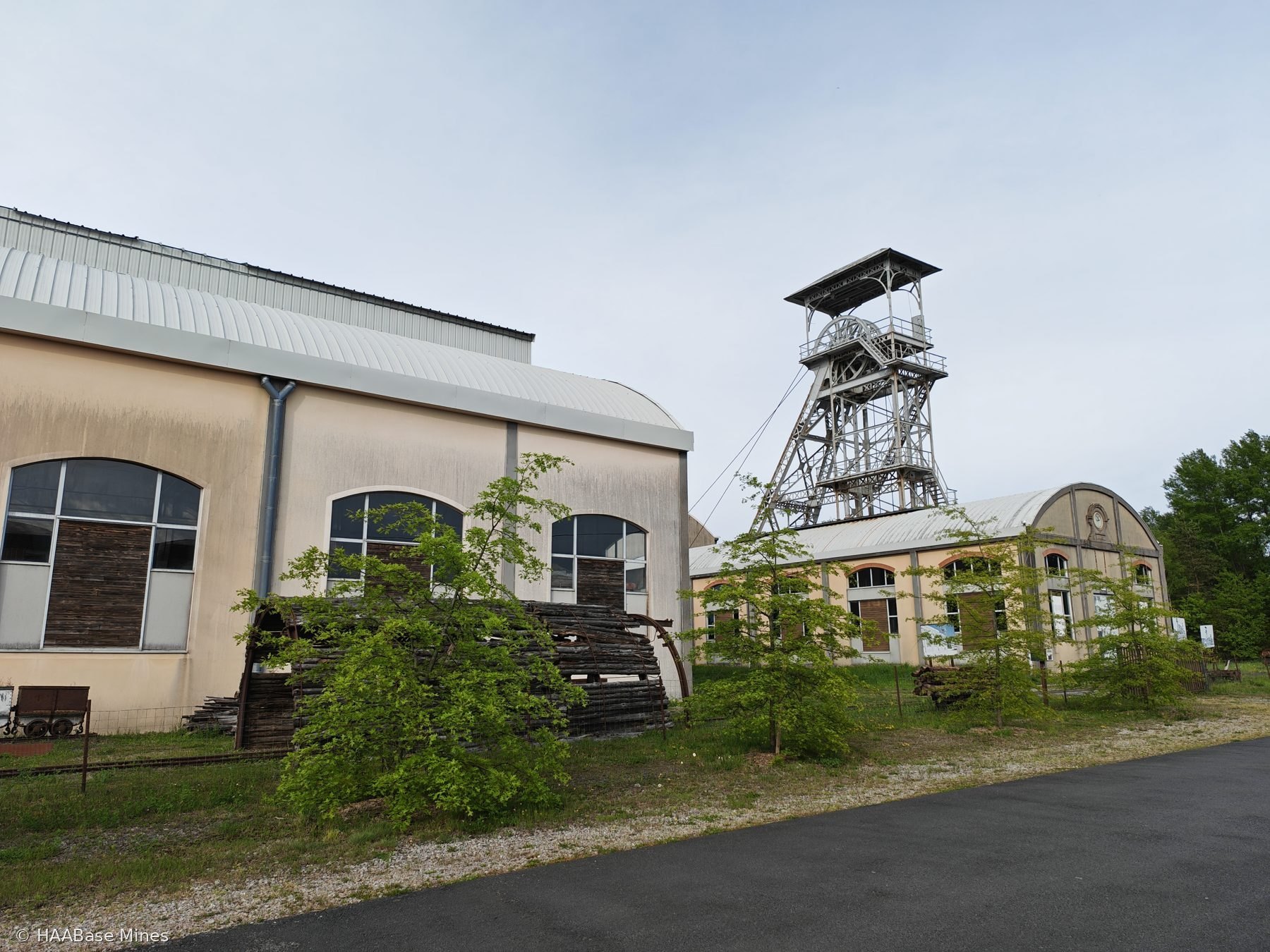
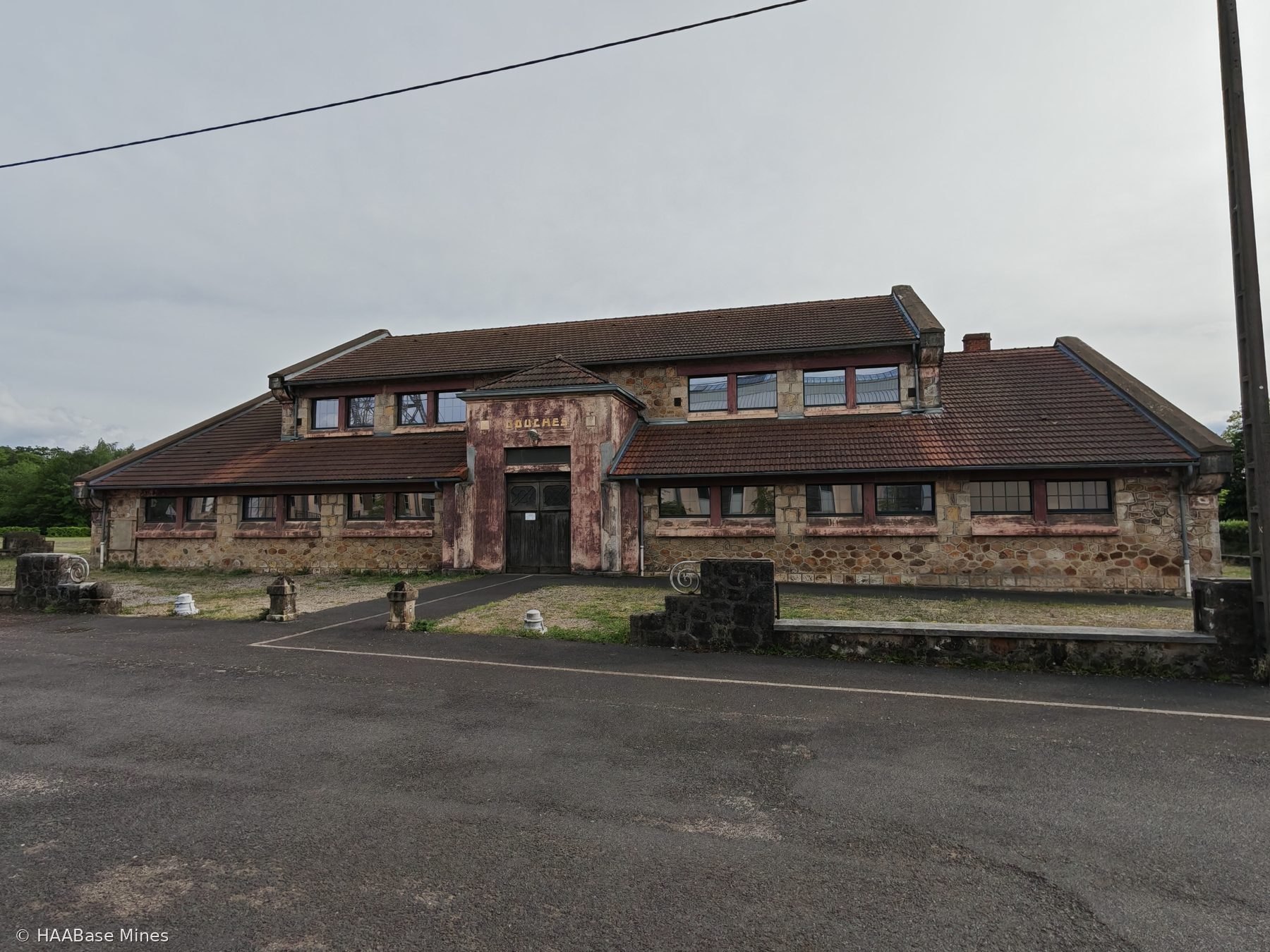
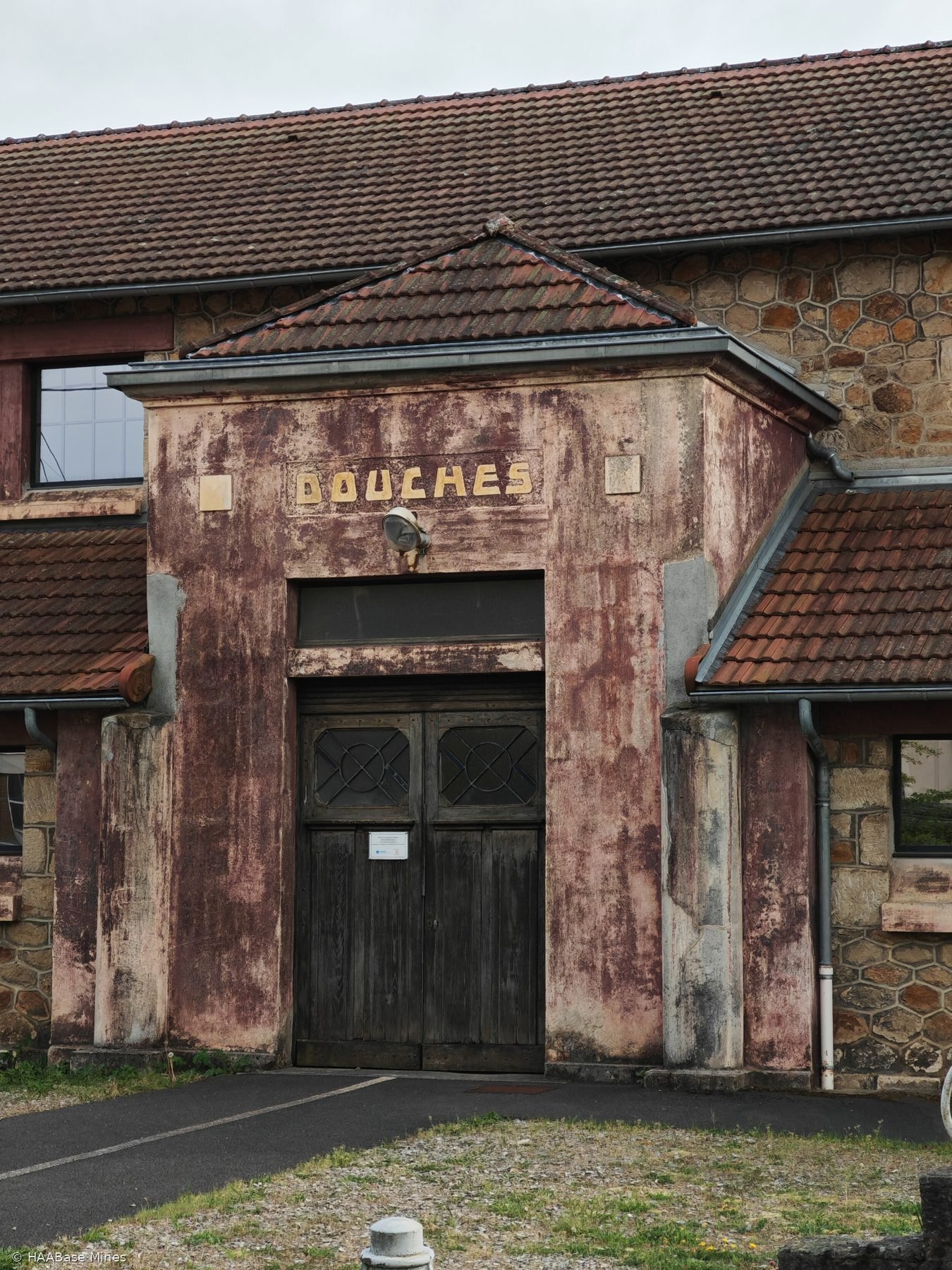
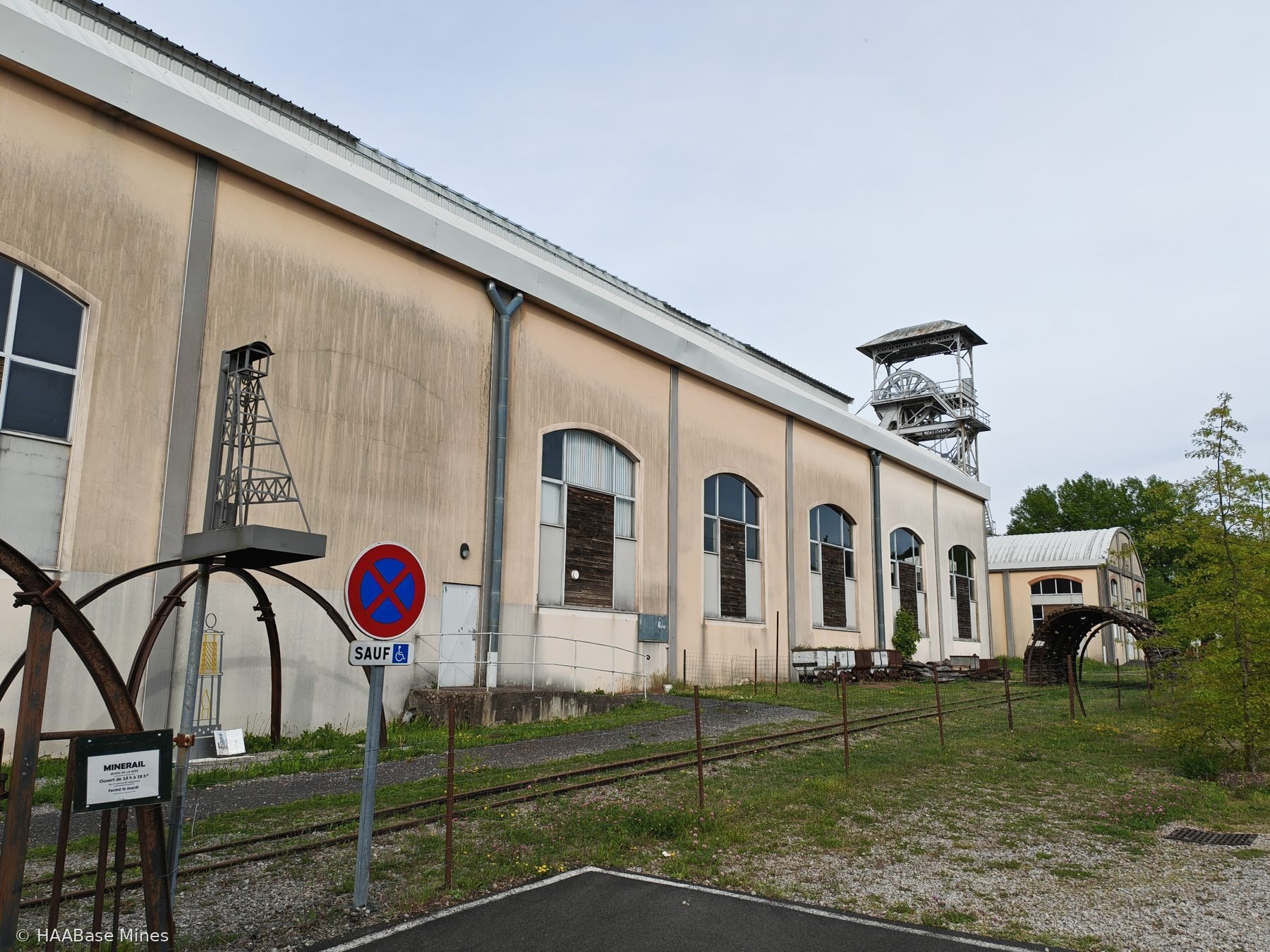
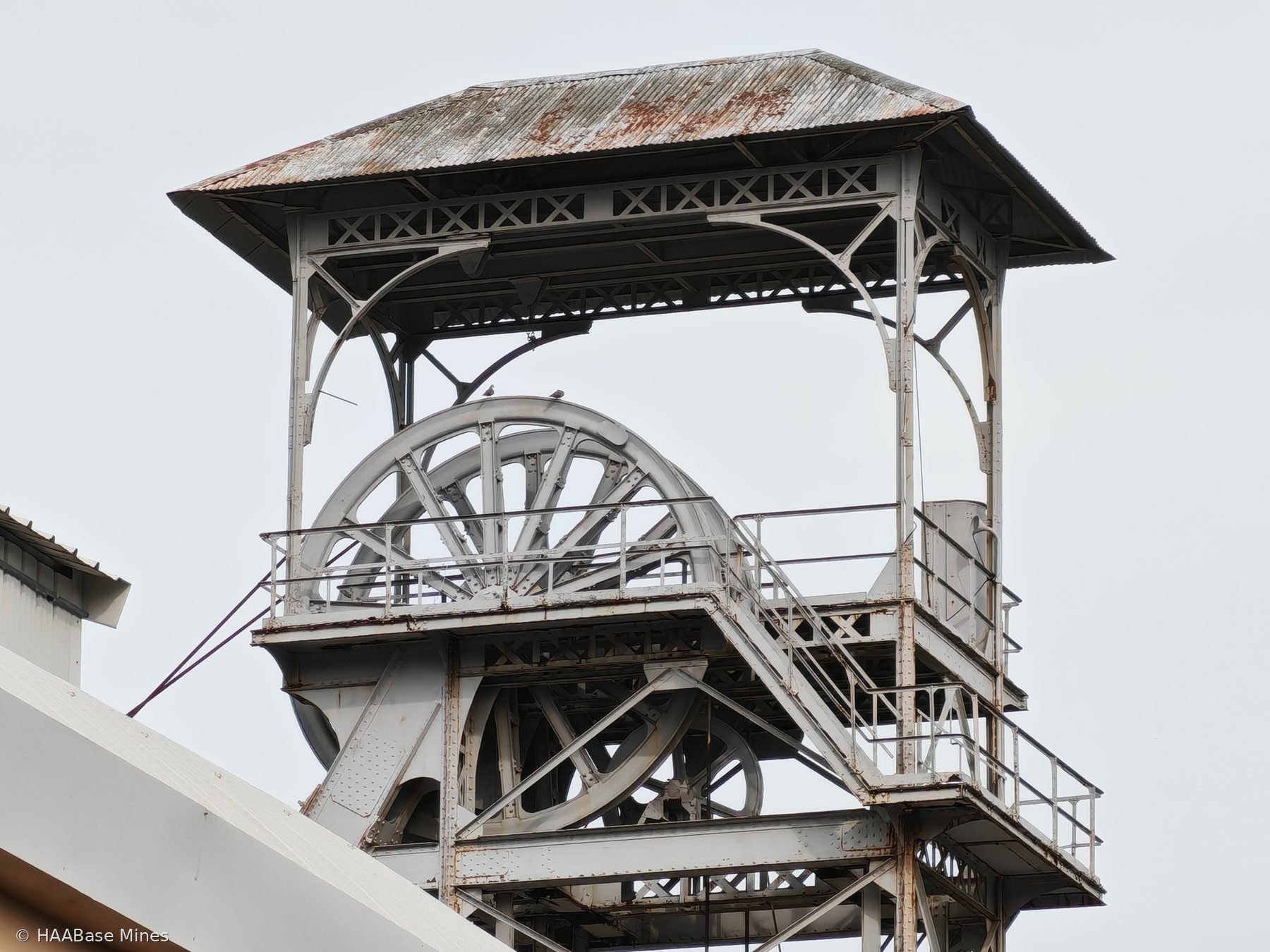
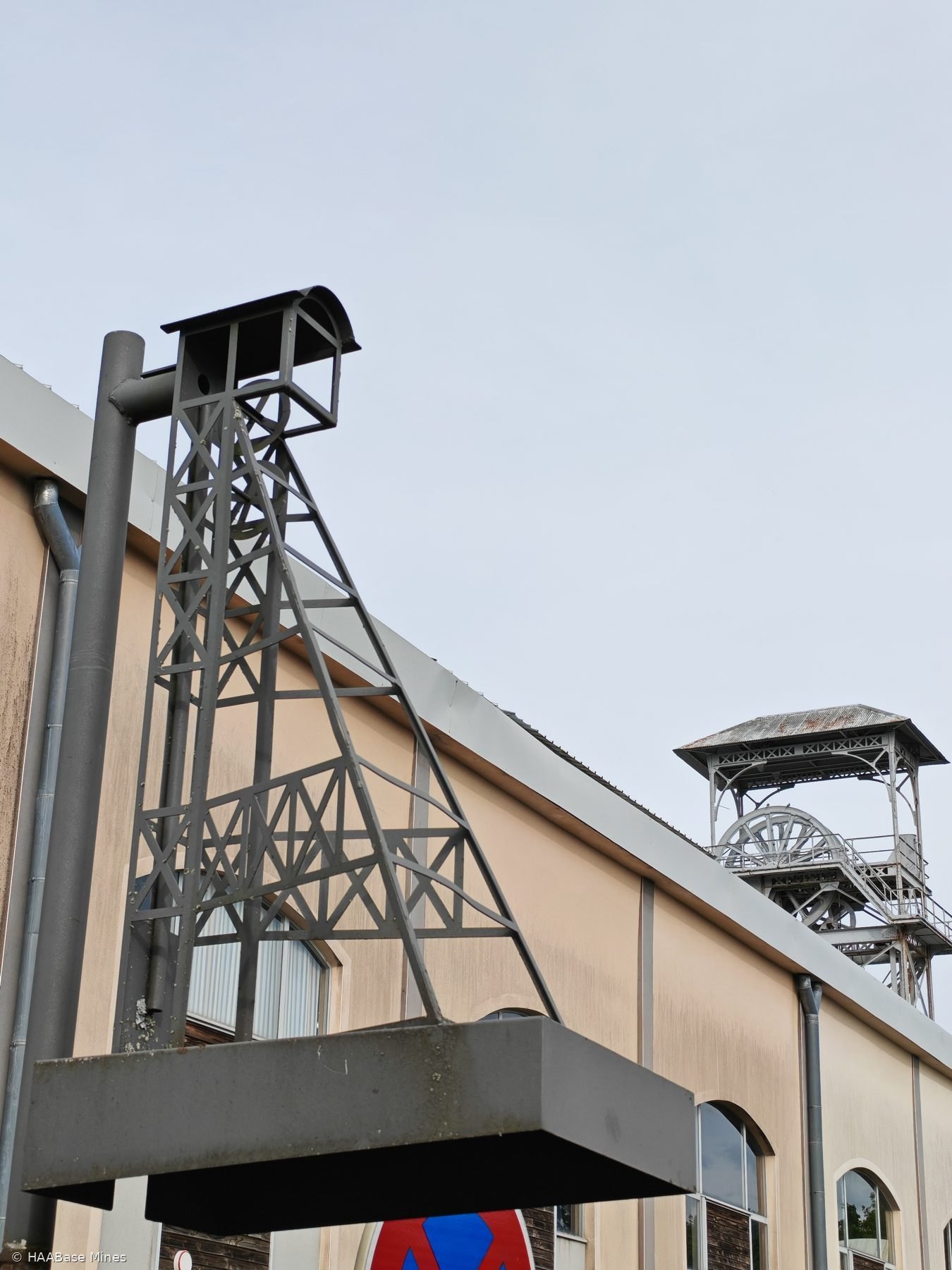
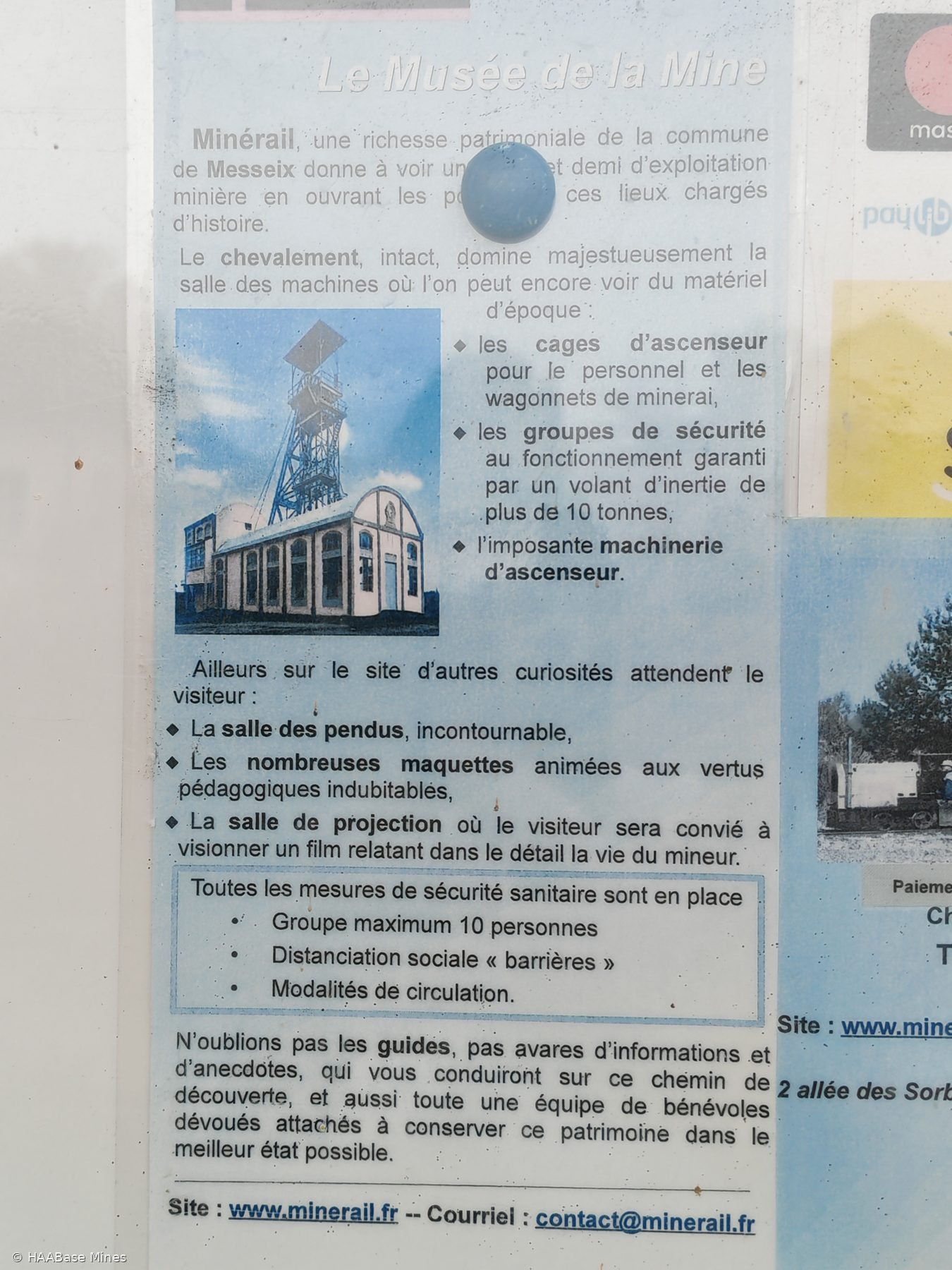
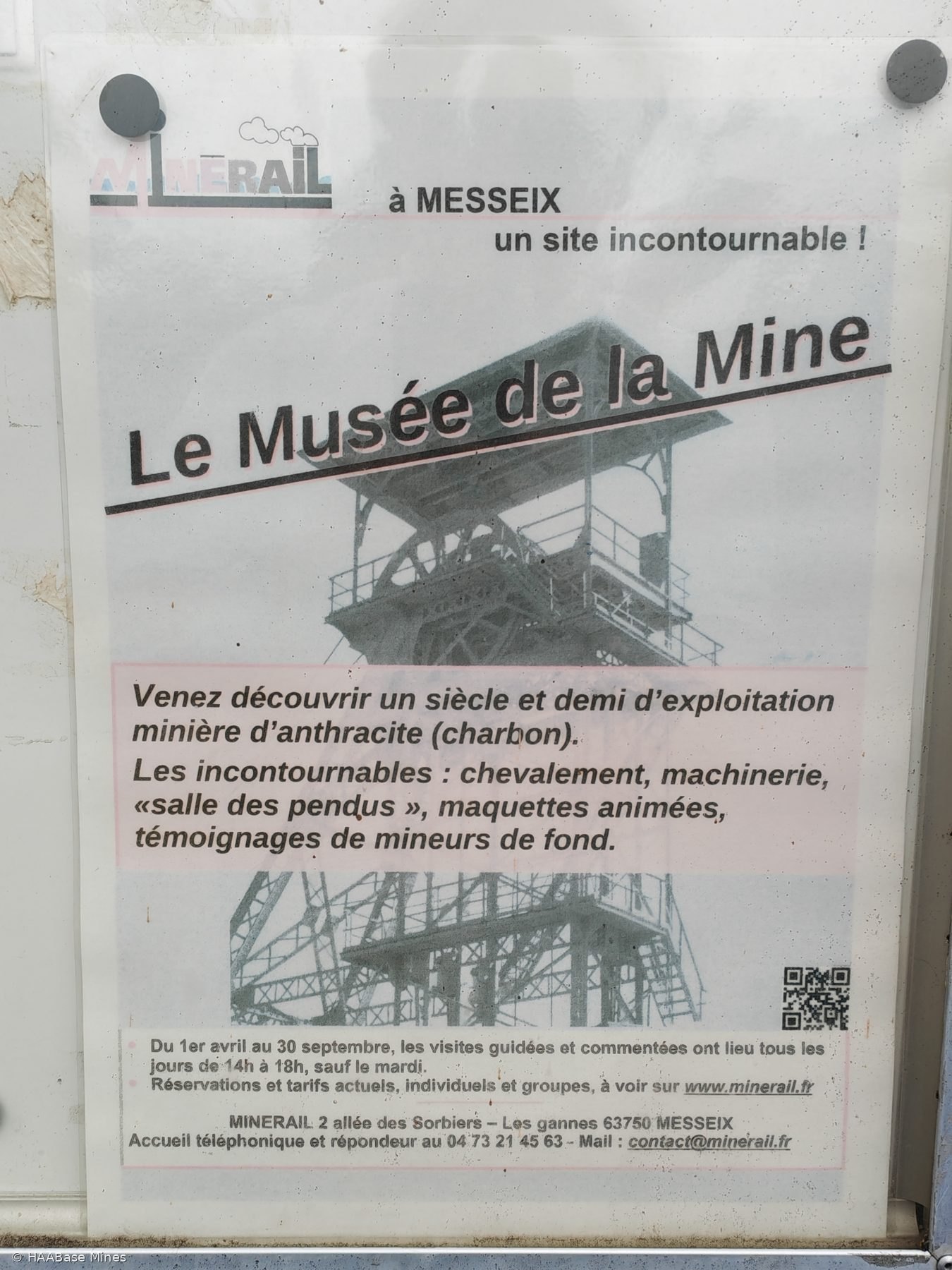
Of all the installations in the area, only part of the puits Saint-Louis pithead survives: the headframe, the winding-engine building, the rebuilt surface-level receiving station (recette, destroyed and then reconstructed as part of the museum conversion), workshops, and the changing-room and pithead-baths building. Heavy plant including compressors, converters, and electrical commutators, recovered during demolition of other buildings, was reinstalled at the recette level. The association Minérail was formed to preserve the site and manage it as an industrial heritage museum; guided visits to the site have been available since its opening in 2000. A scale working model of the mine, constructed by former miner Maurice Tonduf, is among the principal exhibits.