1857
Sinking of puits n°1 and n°2 begins
The Compagnie des Mines de Blanzy begins sinking puits n°1 and puits n°2 of the Saint-Claude mine from 1857.
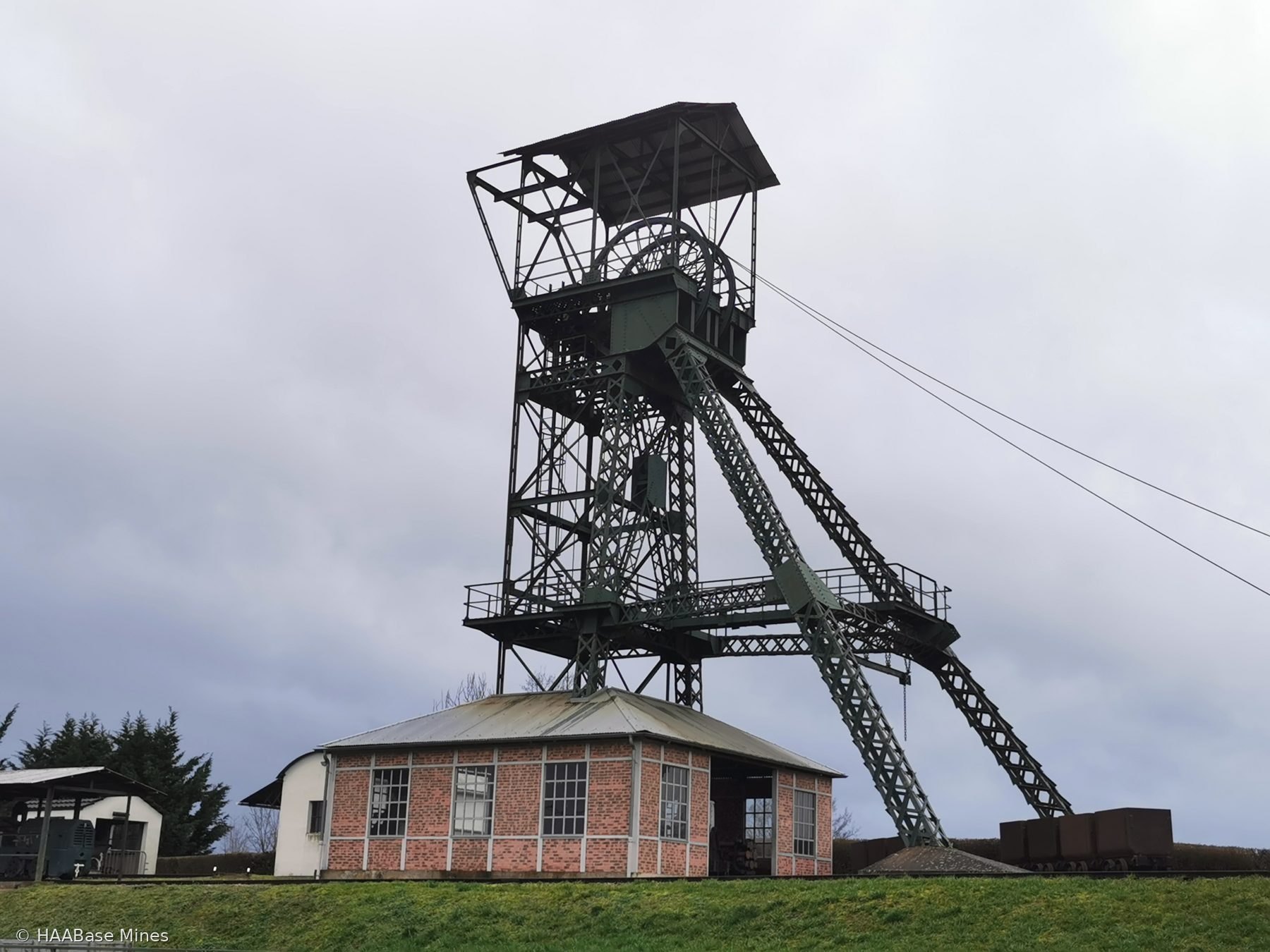
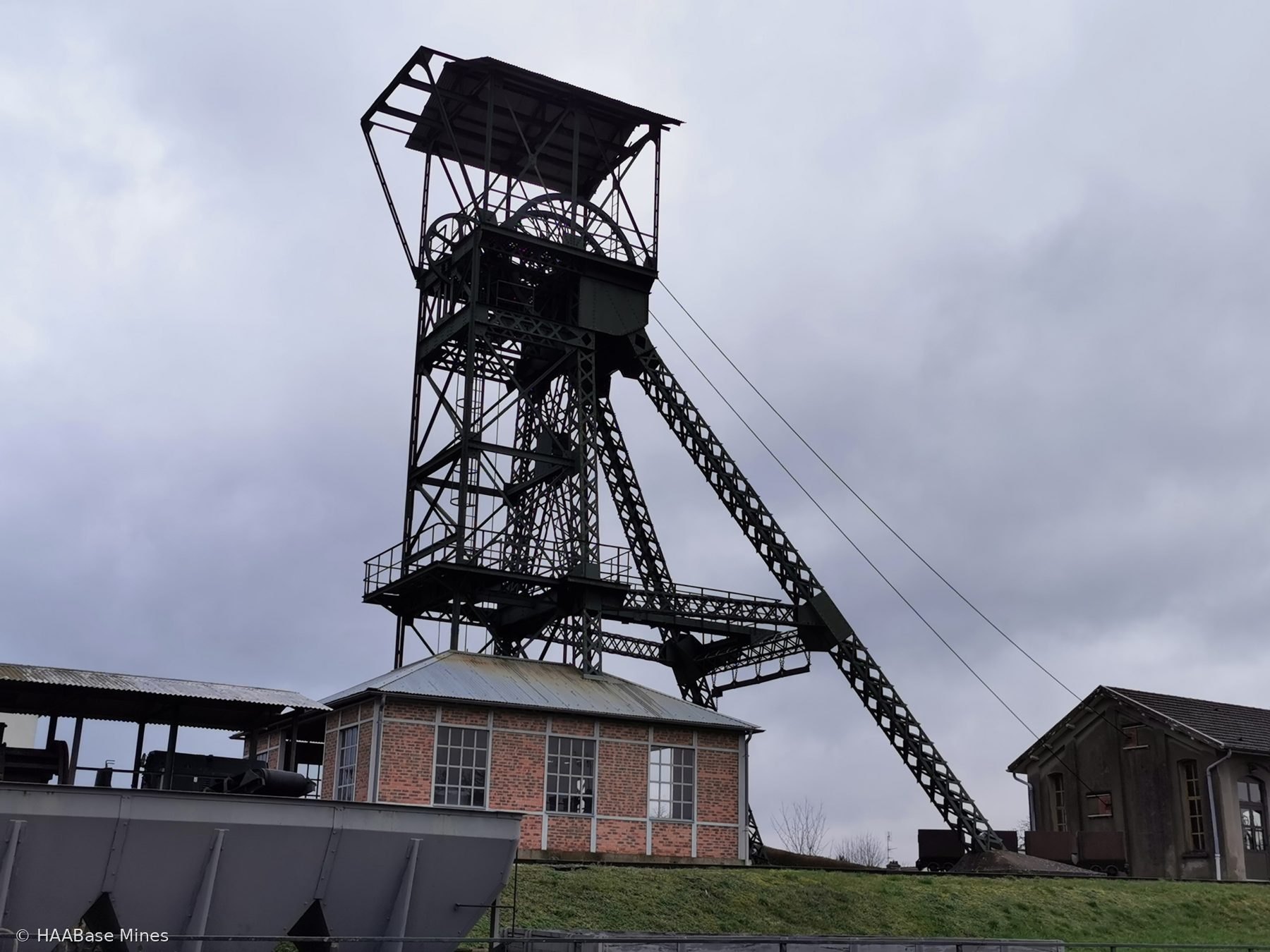
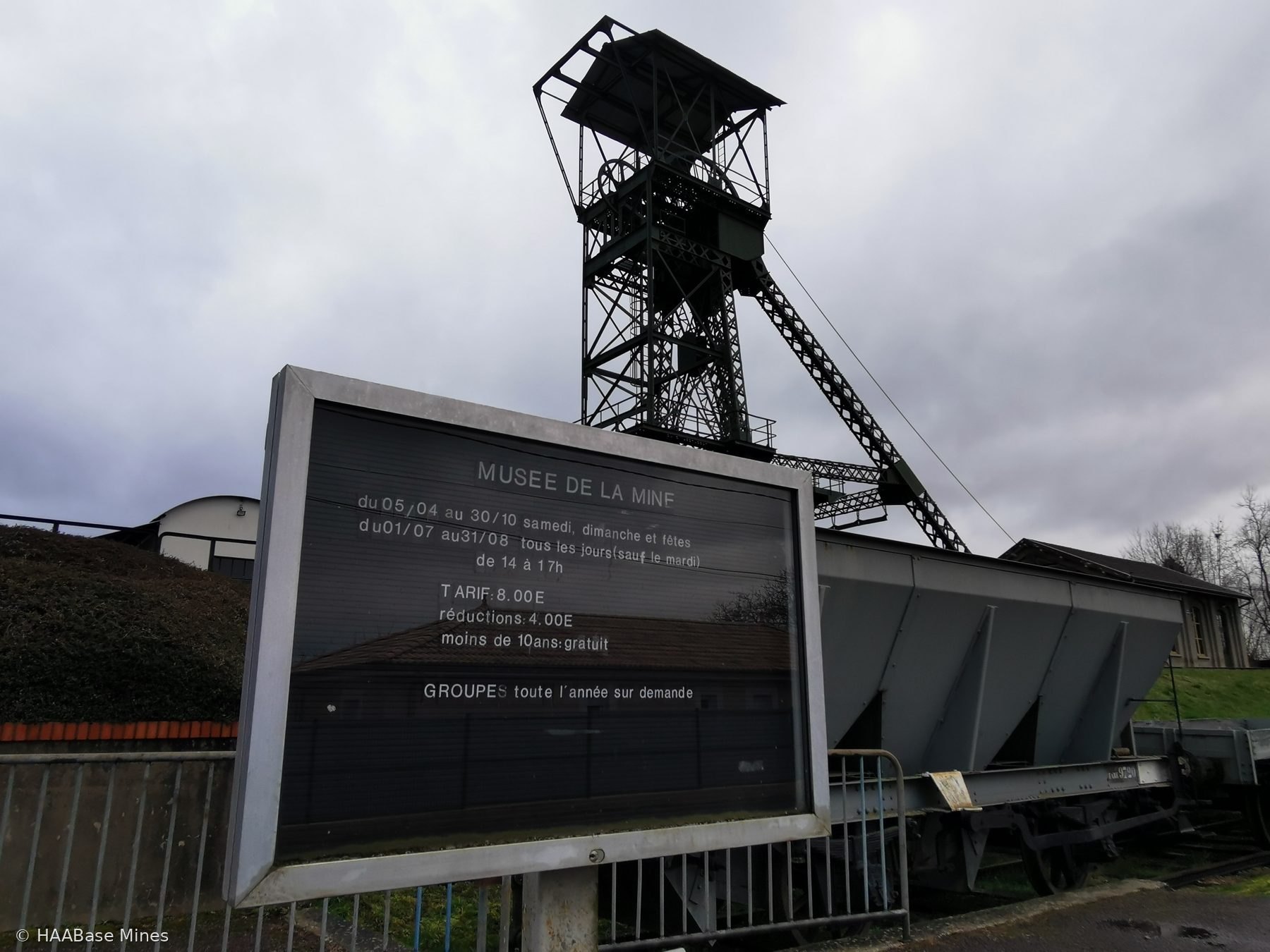
Active mining museum on the authentic Puits Saint-Claude site, with the only operational headframe in France, open to visitors.
This record is based on the research currently available to HAABase Mines. It has not yet completed the site's formal source-by-source fact-checking process, so the history and timeline should be regarded as a well-researched provisional account and may be refined as further evidence is reviewed.
The Puits Saint-Claude at Blanzy, in the Saône-et-Loire department, was sunk from 1857 by the Compagnie des Mines de Blanzy within the wider Blanzy-Montceau-les-Mines coalfield. Two shafts were sunk: puits n°2 was abandoned in 1871 at 118 metres depth, and puits n°1 reached a depth of 502 metres and was used for extraction until 1871 and for further exploratory work until final abandonment in 1882. The shaft was then filled to minus thirty metres.
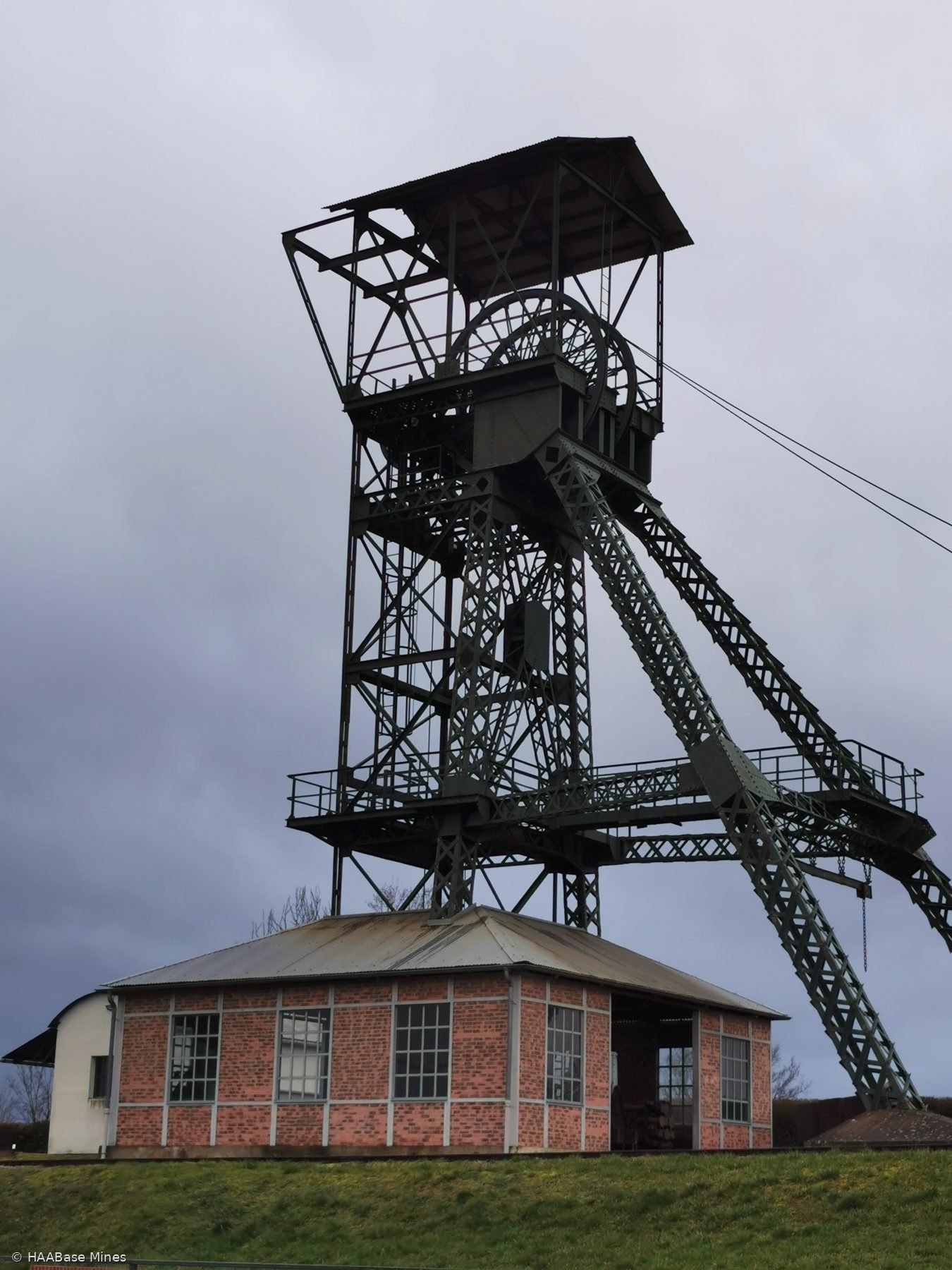
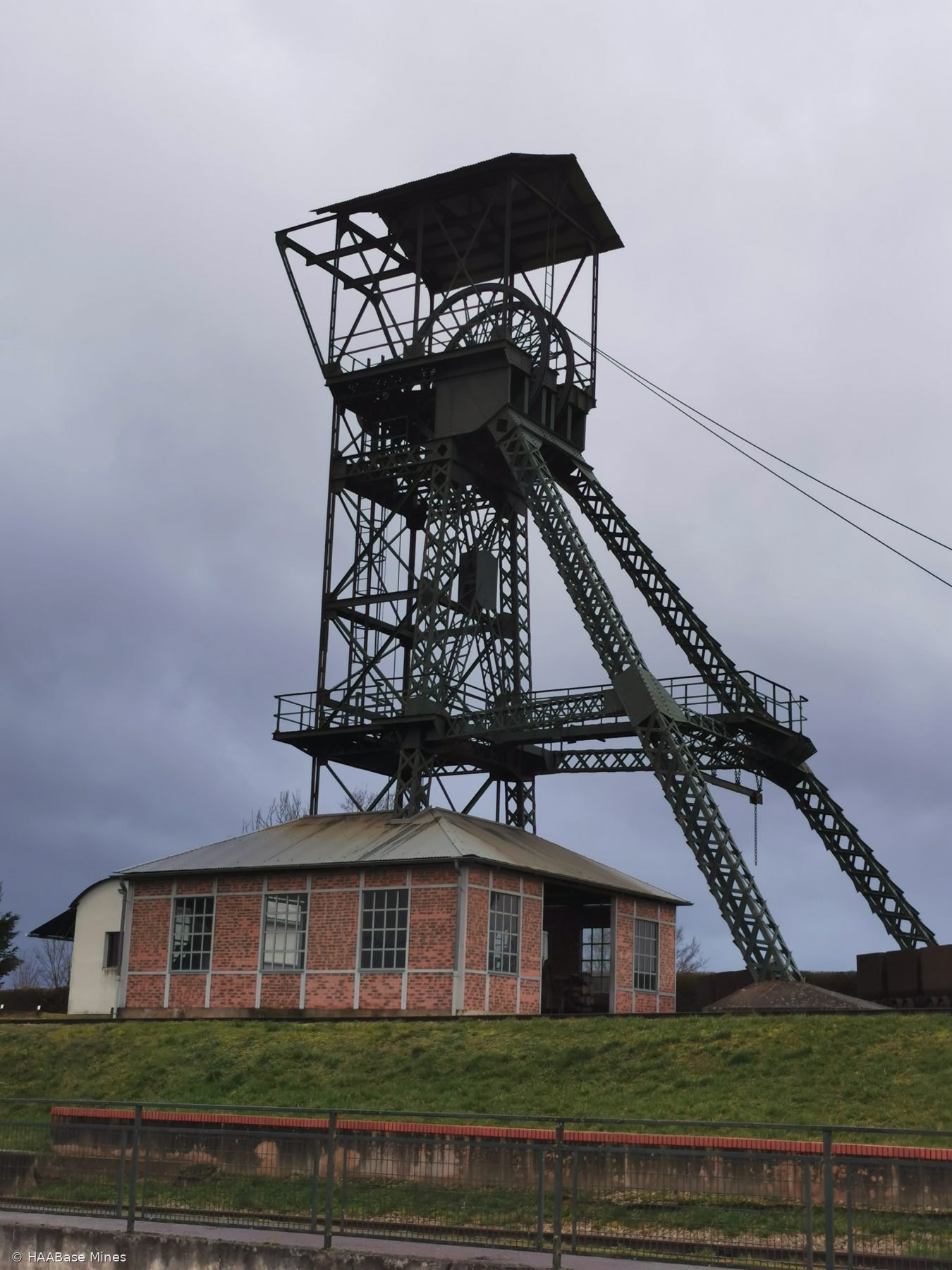
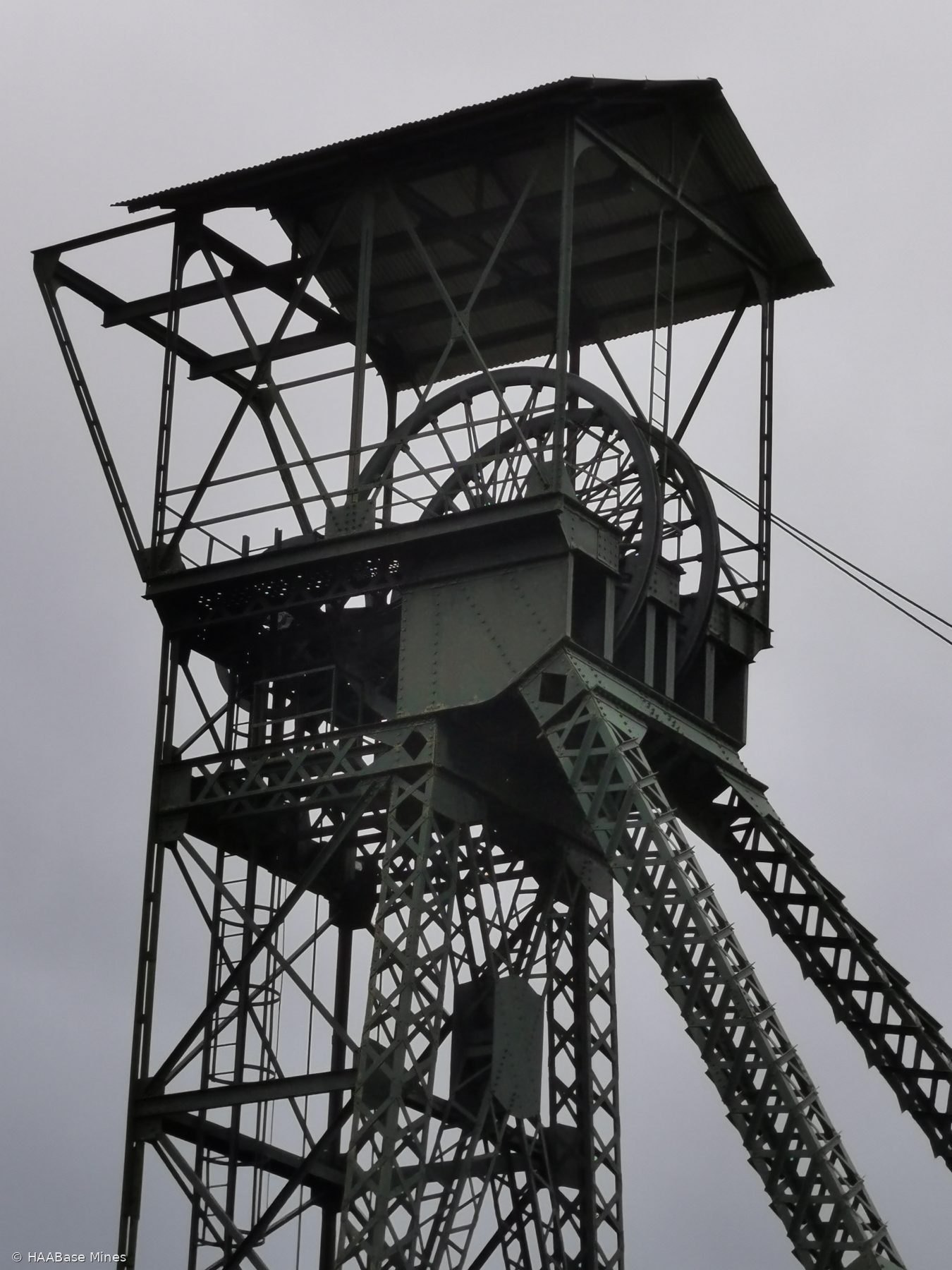
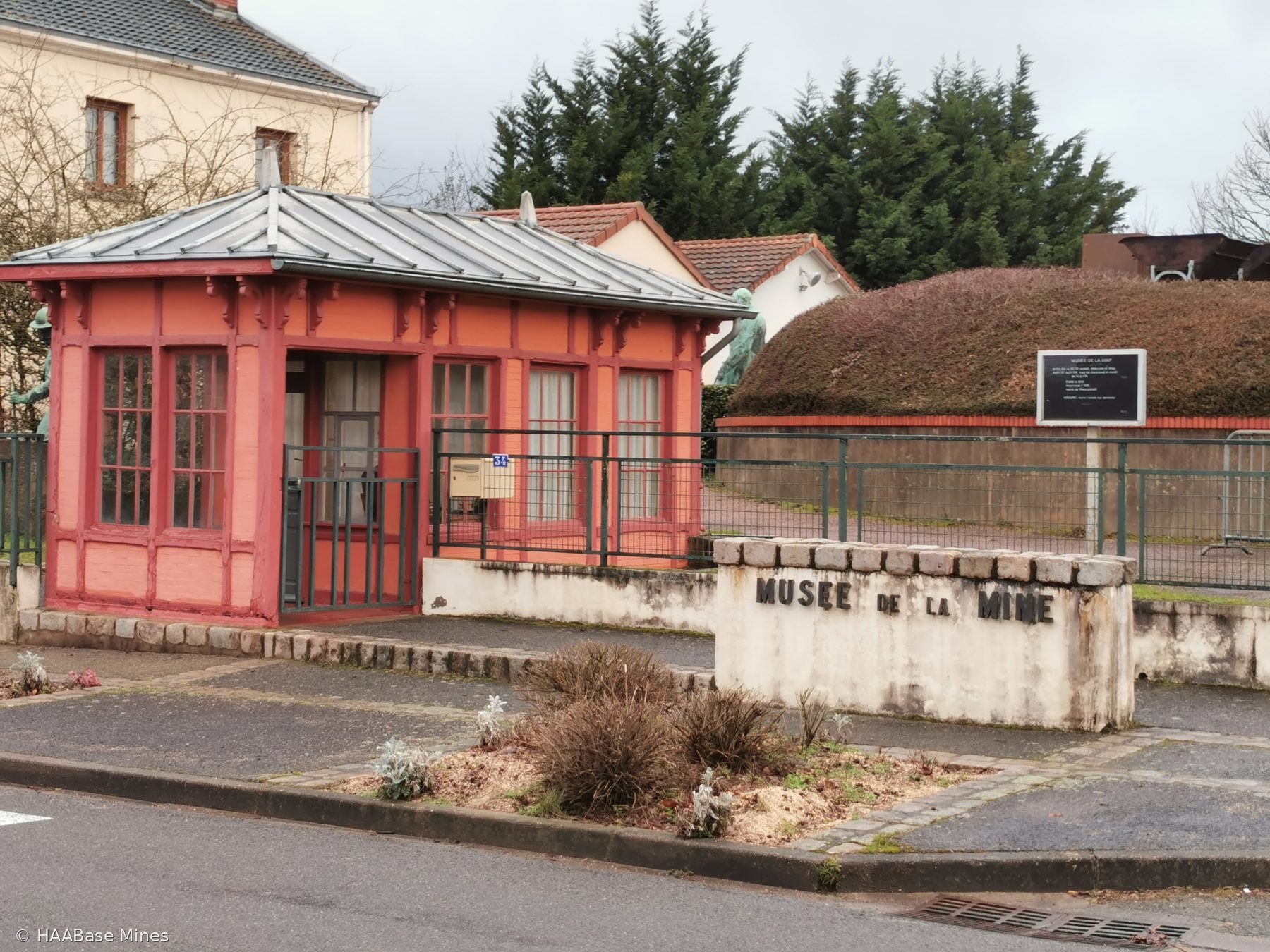
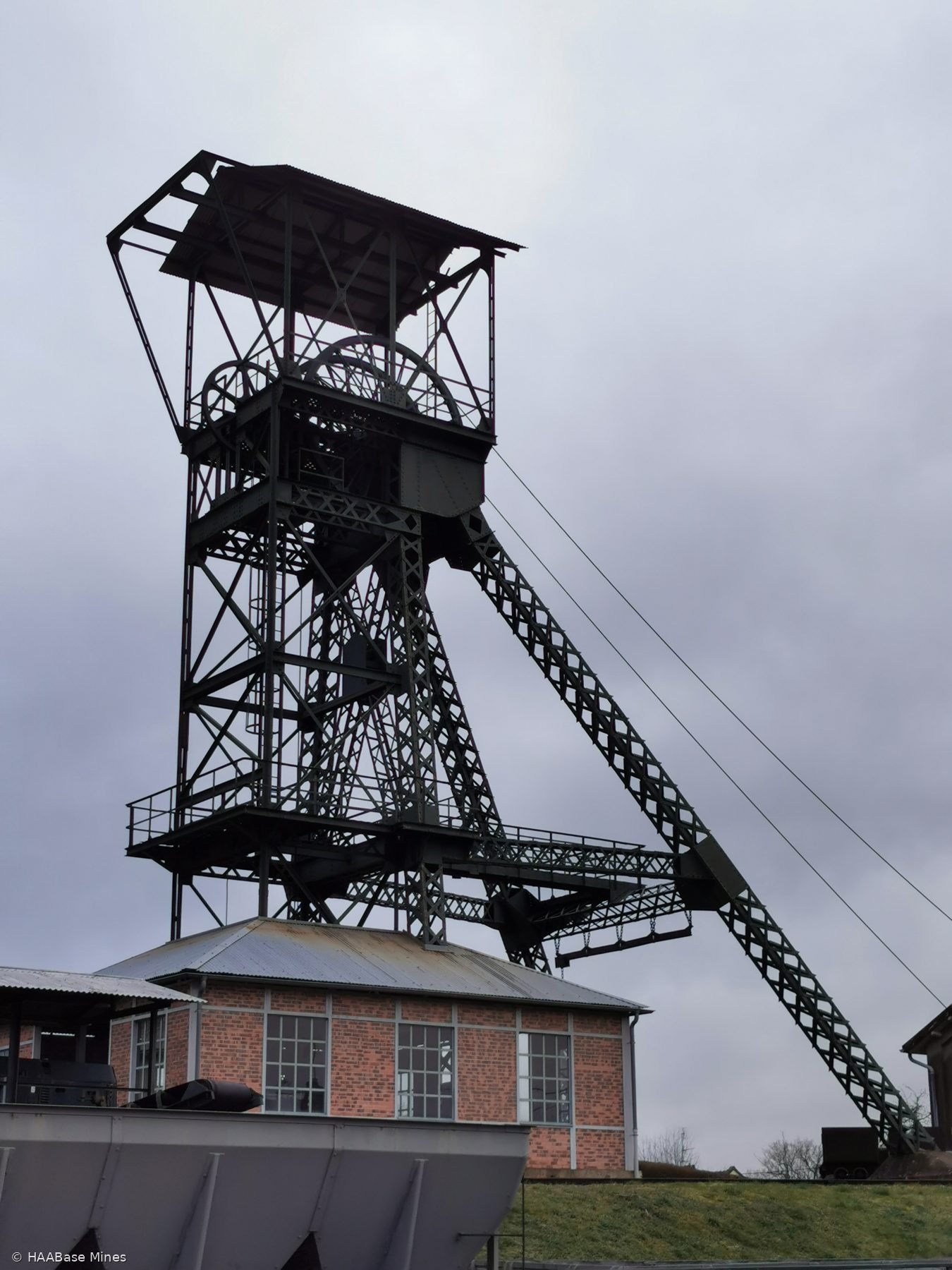
In the 1970s, as operational coal mining drew towards its end in the basin, mineworkers and heritage advocates selected the Puits Saint-Claude site as the location for a preserved colliery museum. The association La Mine et les Hommes was founded in 1974, and the Musée de la Mine de Blanzy opened to the public in 1978 while construction and fitting-out continued. In 1981 a nineteenth-century steel headframe, originally built in 1916 by the Établissements Fournier-Mouillon for the bure du Pré Long at Montceau-les-Mines, was re-erected over puits n°1.
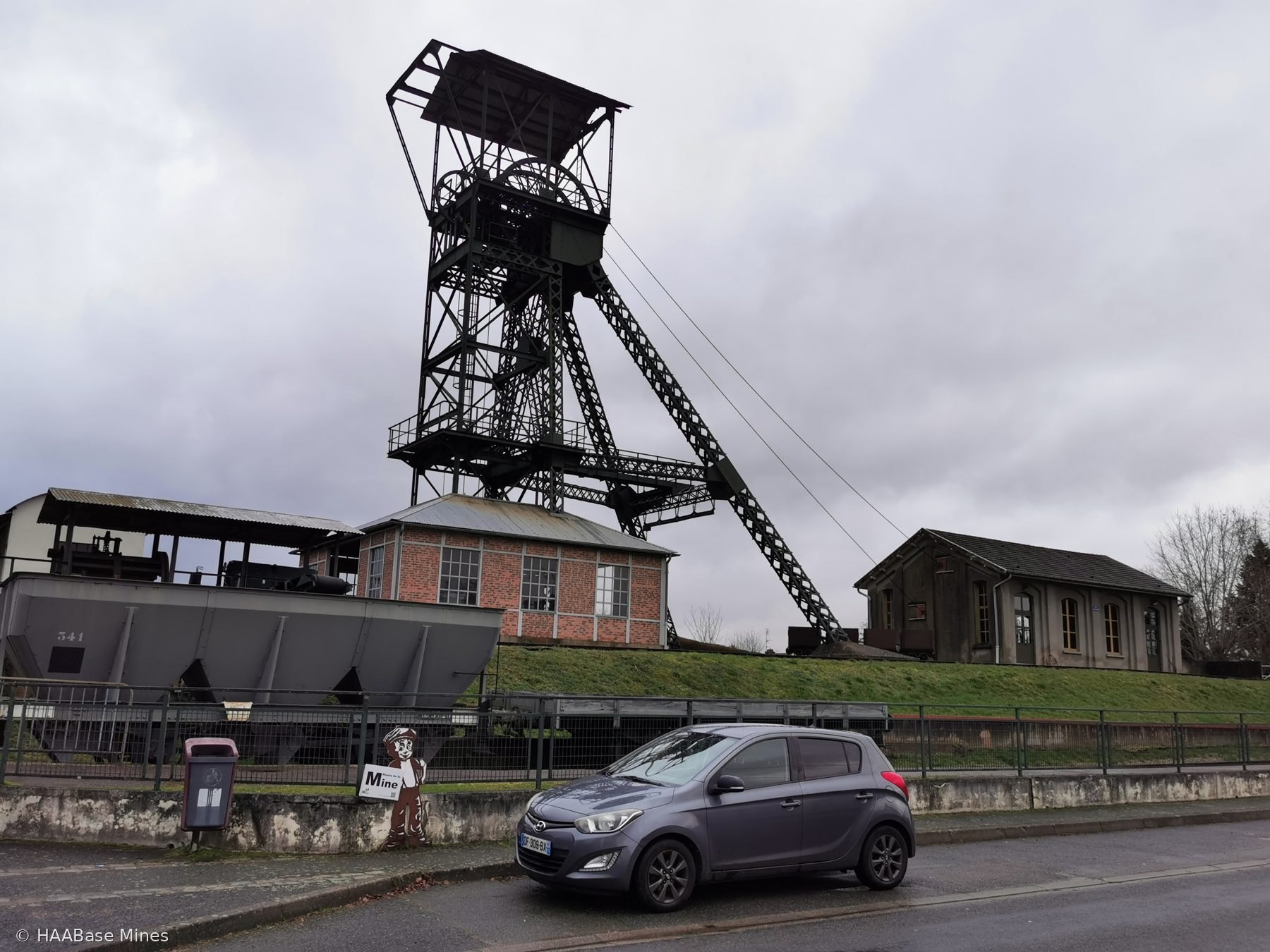
It stands twenty metres high and is the only headframe remaining in the entire Blanzy coalfield and, according to the museum, the only one in France whose winding machinery remains in working order. The museum offers a full visitor experience including the lamp room, the shaft and headframe, a working winding machine, and 200 metres of reconstructed underground galleries.
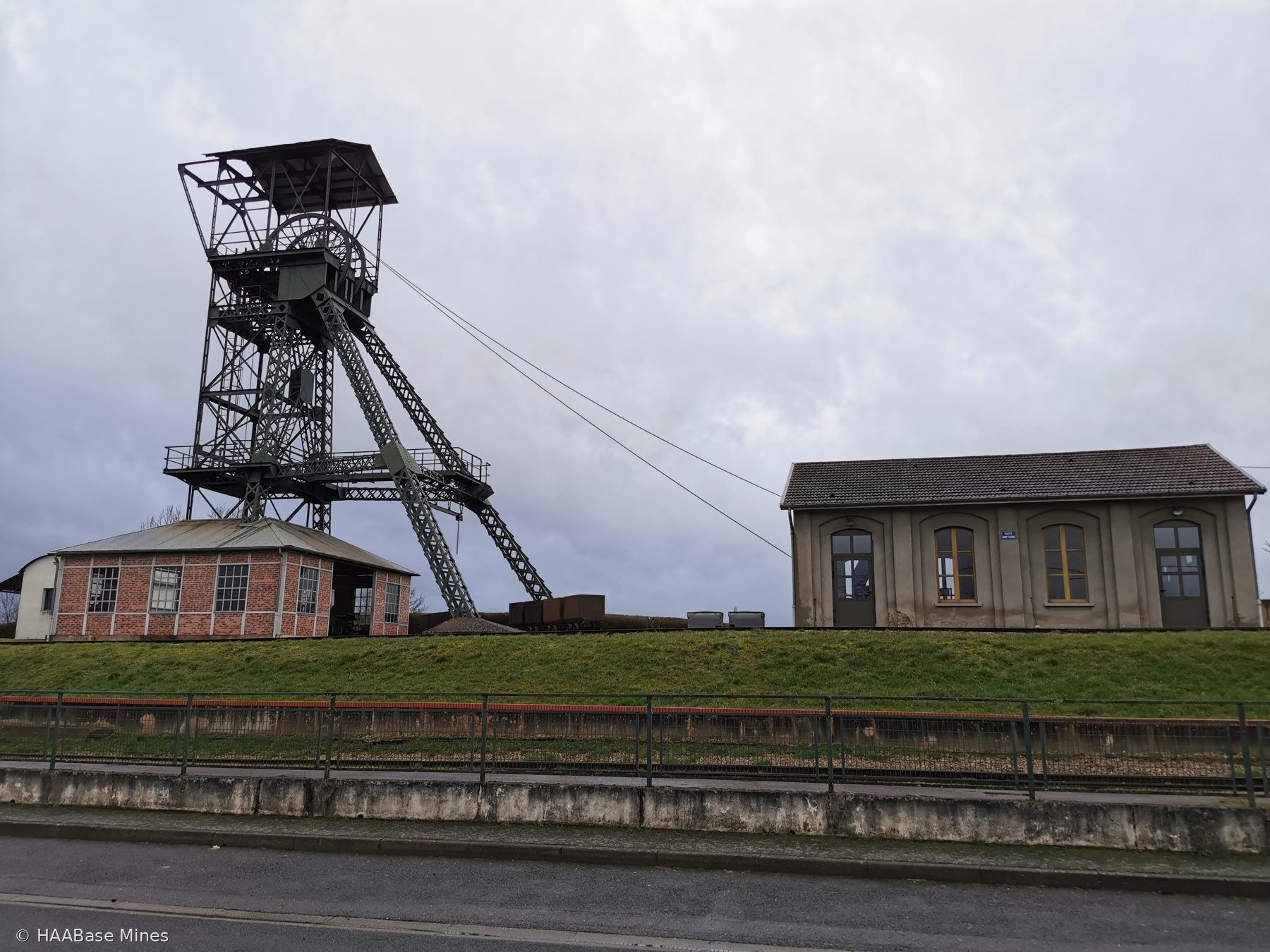
The Puits Saint-Claude occupies a notable place within the long history of coal extraction in the Blanzy-Montceau-les-Mines basin, which is the most extensively documented and industrially significant of the three Burgundian coalfields grouped under the Houillères du Bassin de Blanzy after nationalisation in 1946.
Coal extraction in the region of Blanzy dates at least to the mid-eighteenth century. The Compagnie des Mines de Blanzy was formally constituted in 1833, incorporating earlier workings whose origins in the area can be traced to exploitation by François de la Chaise from around 1750 onwards. Over the following century the basin passed through a succession of ownership structures before nationalisation: the Compagnie des Mines de Houille de Blanzy Chagot et Cie operated until 1900, when it became the Société Anonyme des Mines de Houilles de Blanzy, which in turn was subsumed into the Houillères du Bassin de Blanzy by the nationalisation decree of 28 June 1946. These houillères were subsequently merged in 1969 into the wider Houillères de Bassin du Centre et du Midi, which operated the remaining extraction until underground mining ended at the puits Darcy on 30 April 1992 and open-cast working at Saint-Amédée ceased on 29 November 2000.
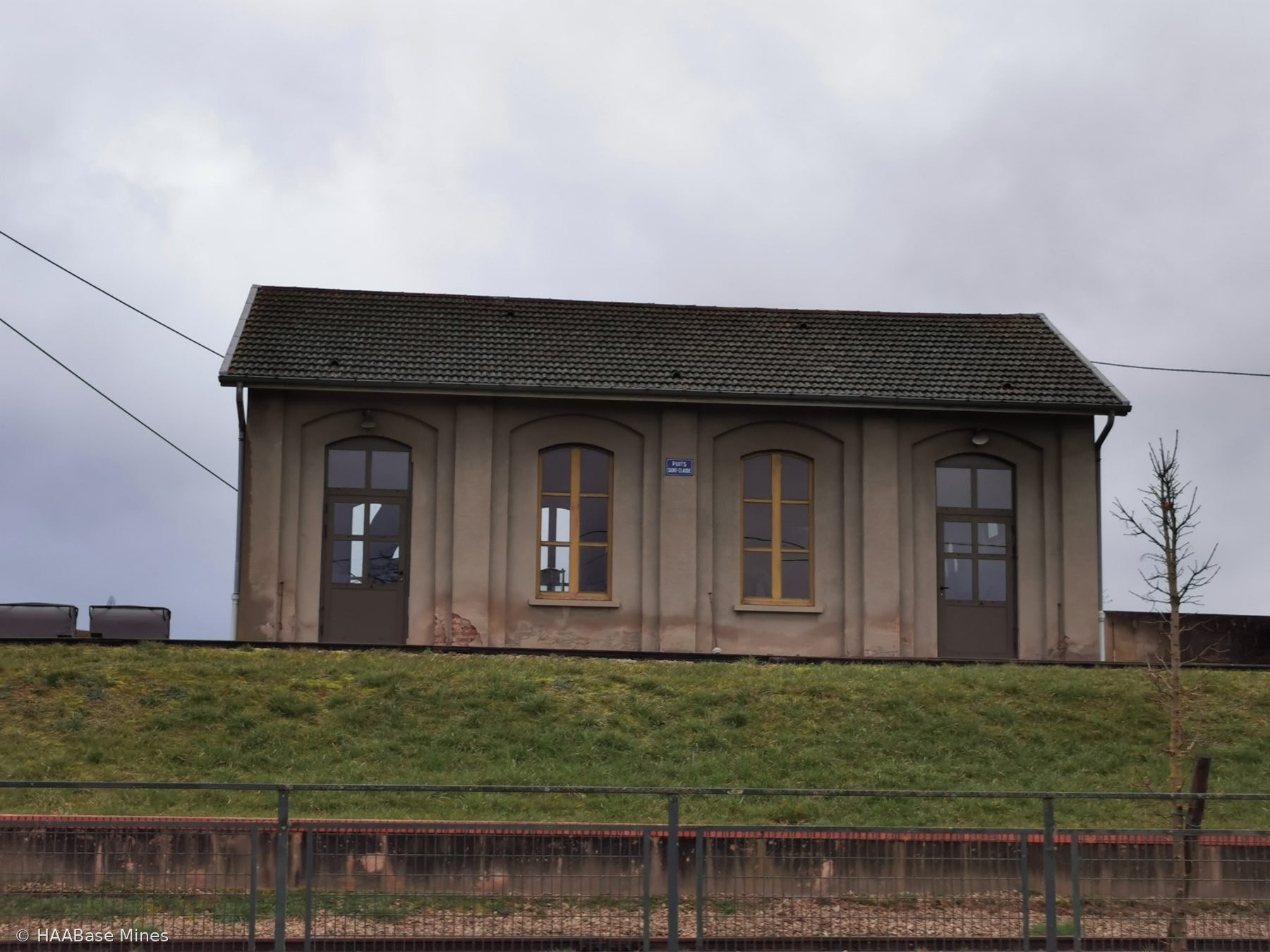
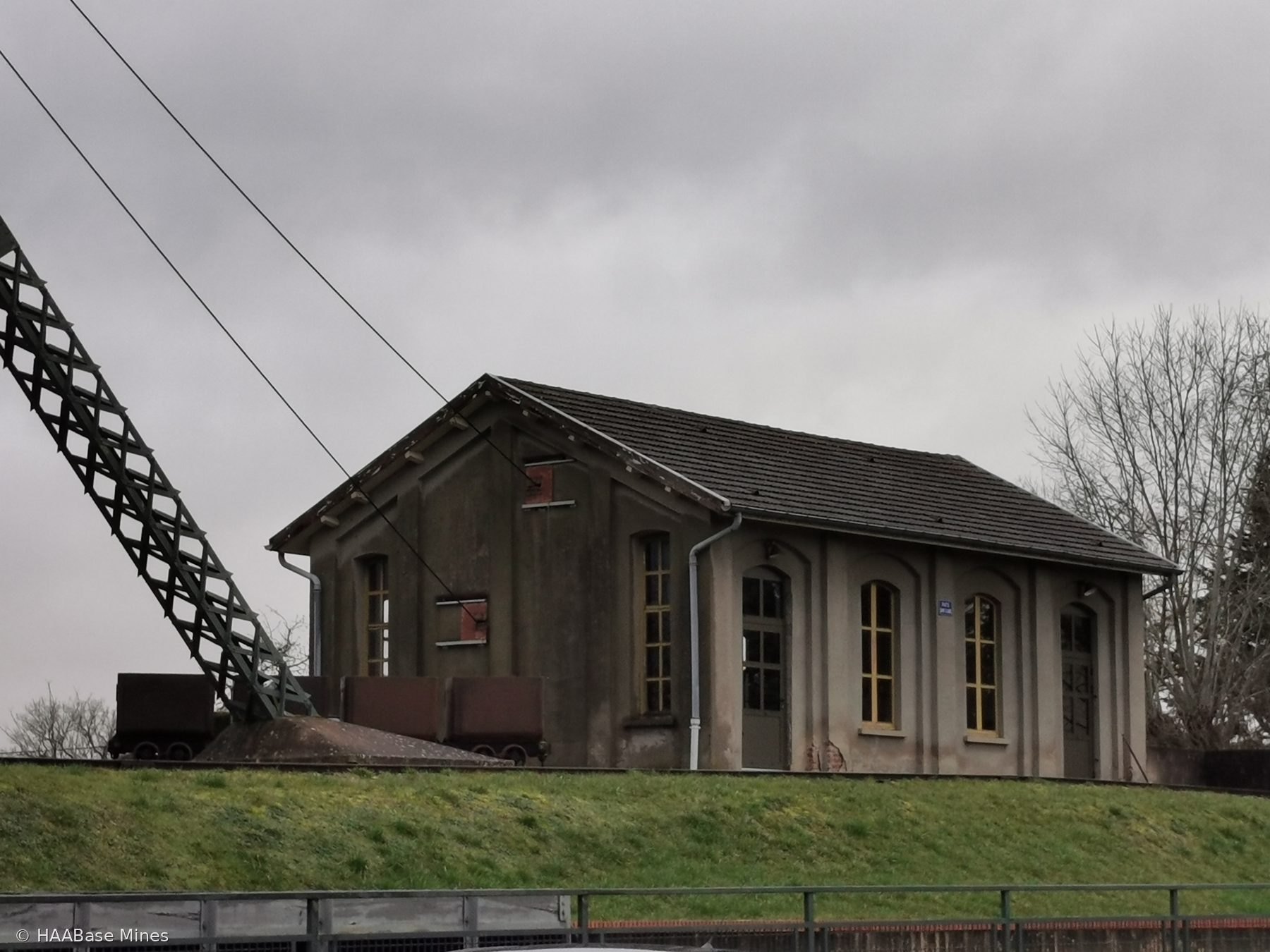
The Puits Saint-Claude itself was sunk by the Compagnie des Mines de Blanzy from 1857. Two shafts were driven: puits n°2 and puits n°1. Puits n°2 was abandoned in 1871 at a depth of 118 metres. Puits n°1 reached a depth of 502 metres, which was a record depth for 1868, and served for coal extraction until 1871. In 1877 new exploratory work was undertaken but proved unsuccessful, and puits n°1 was definitively abandoned in 1882. The first surface winding engine building was constructed around 1860; a second replaced it around 1872 and was converted in 1882 into two workers' dwellings.
After closure, the shaft mouth of puits n°1 was filled to minus thirty metres, and the site remained disused for nearly a century. In the 1970s, as the active Blanzy colliery approached its final years, miners and others in the basin became concerned that objects and equipment representing the mining heritage were disappearing. They sought an inactive pit surface — a carreau — where this material could be gathered and preserved. In 1974, in partnership with the Ville de Blanzy, the Houillères de Blanzy, and the Écomusée Creusot-Montceau, the association La Mine et les Hommes was founded and charged with fitting out and managing the museum. The Société des Houillères de Blanzy made the land available and donated equipment; the town, the écomusée, and subsequently the state through the DRAC and regional bodies financed construction and restoration.
The Musée de la Mine opened to the public in 1978, while still under construction and fitting-out. In 1981 a steel headframe originally fabricated in 1916 by the Établissements Fournier-Mouillon of Genelard for the bure du Pré Long at Montceau-les-Mines — which had itself been backfilled in July 1960 — was re-erected over puits n°1 and is twenty metres in height. This headframe was inscribed on the Inventaire général du patrimoine culturel in 1993. In 1982 the salle des machines was built and a winding engine reinstalled; the steam winding machine, which is dated to around 1877 and is believed to have been brought from the puits Sainte-Élisabeth 3, remains in working order. In 1983 track was laid on the surface. A winding house building was reconstructed in 1999. In 1988 the puits Saint-Claude was formally put back into service as part of the museum installation.
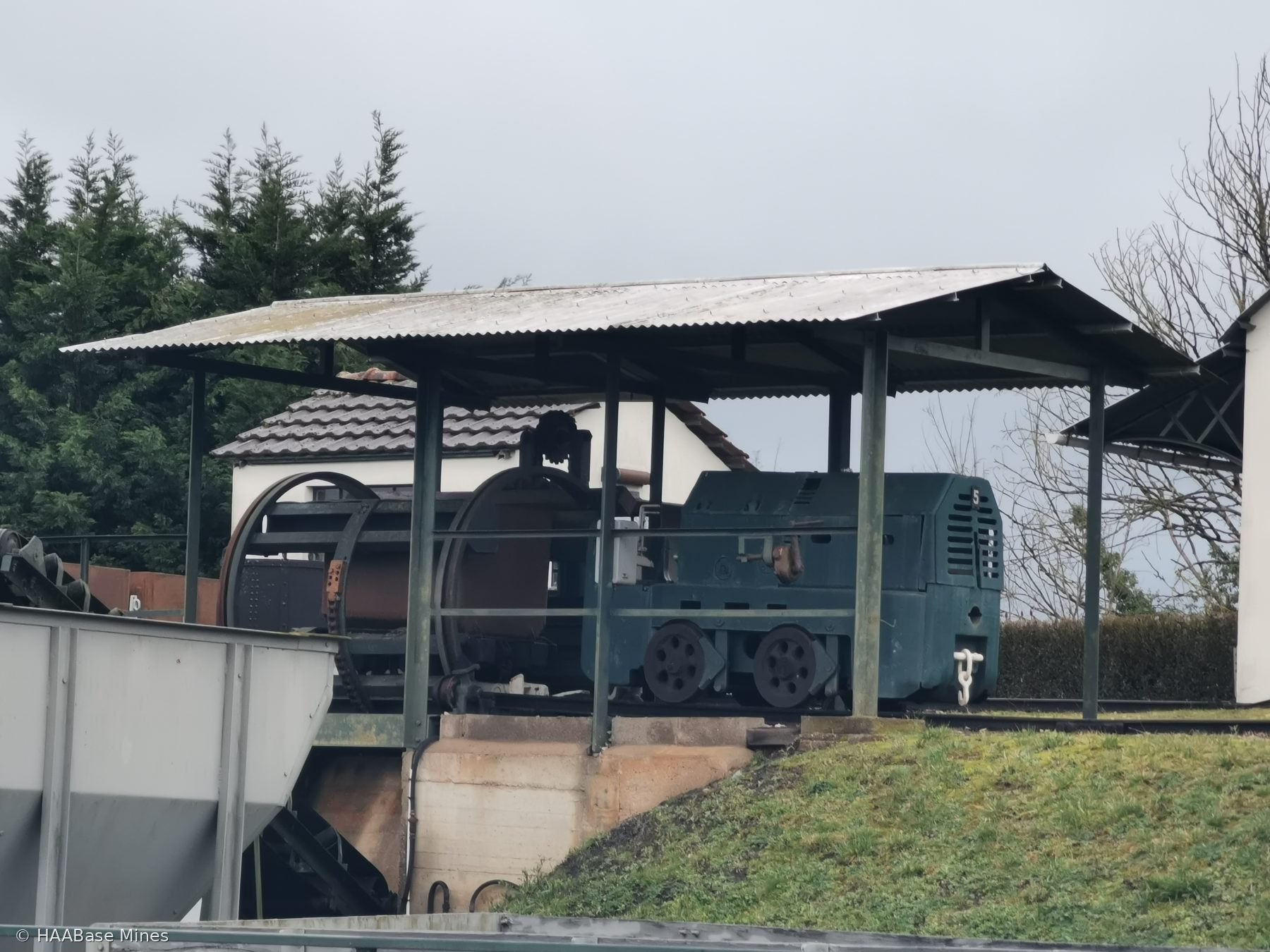
Puits n°1 was fitted with a cage and a skip and continues to be accessible to 35 metres depth. The carreau hosts more than 600 metres of narrow-gauge track, some sixty wagons, mine cars, and tipping vehicles, four mine locomotives, a standard-gauge electric locomotive, a flat wagon, and a hopper wagon. The museum also includes reconstructed underground galleries of 200 metres presenting equipment from nineteenth-century hand-working through to modern powered supports; the lamp room; the winding engine hall; and a salle des pendus. The museum is labelled Musée de France and is operated by the association La Mine et les Hommes with volunteer guides, many of them former miners.